S2-06: Making time for science in the K–5 classroom

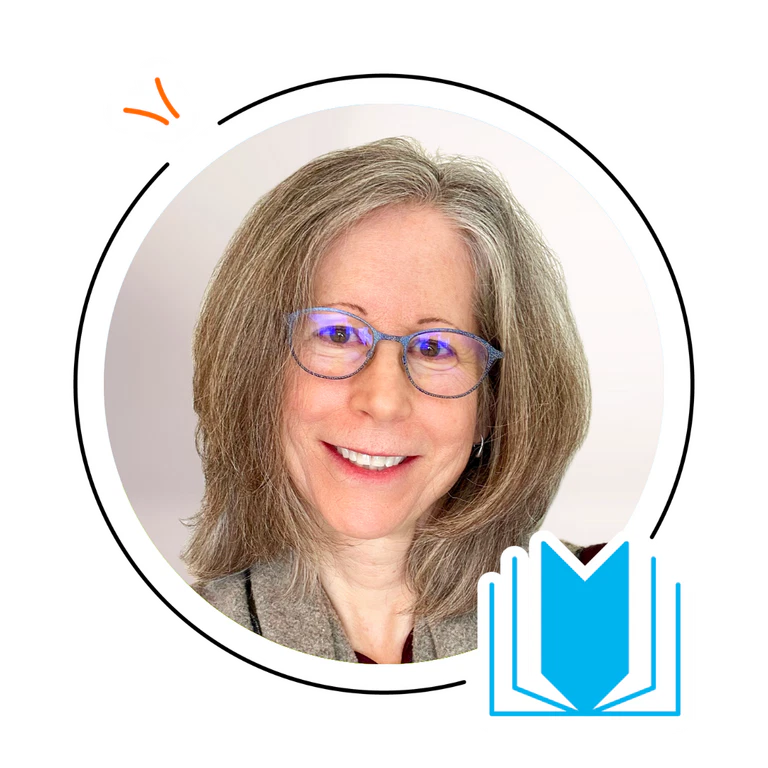
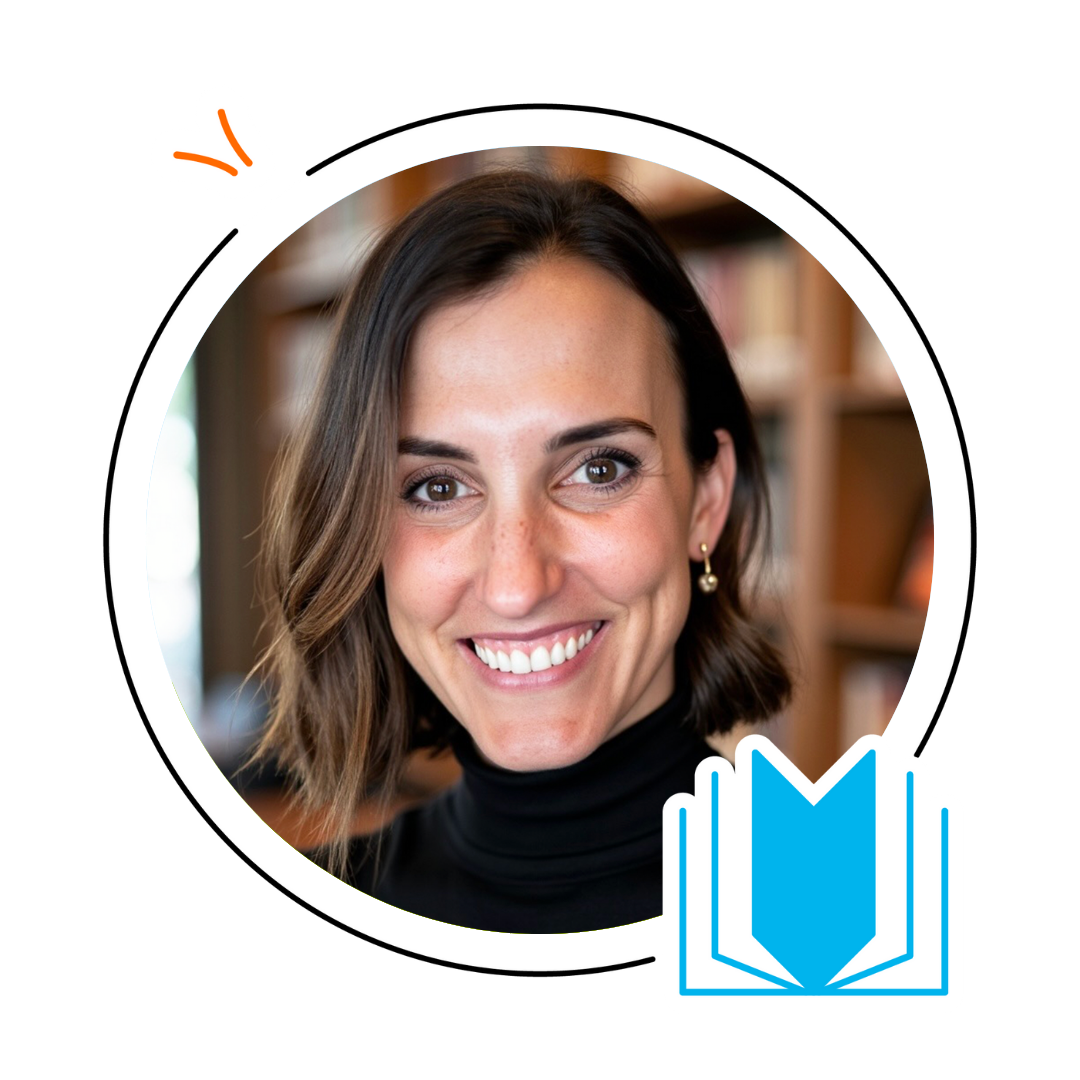
Promotional graphic for "Science Connections" podcast, Season 2 Episode 6, featuring Lauran Woolley discussing making time for science in K–5 classrooms.

In this episode,  Eric Cross sits down with TikTok star and podcast host Lauran Woolley about her experience teaching science content within her K–5 classroom. Lauran shares how she’s learned how to make time for science, and what most K–5 teachers experience when creating their own science curriculum. Lauran also talks about her rise in popularity on TikTok, her podcast, Teachers Off Duty, and establishing strong relationships with her 5th grade students. Explore more from Science Connections by visiting our main page.

DOWNLOAD TRANSCRIPT

Lauran Woolley (00:00):

I wanna make sure that they’re ready for the real world, and I wanna make sure that they’re able to apply these things that I’m teaching them in their life, not on a multiple choice test.

Eric Cross (00:11):

Welcome to Science Connections. I’m your host Eric Cross. My guest today is Lauren Woolley. Lauren is a full-time fifth grade teacher in Leetonia, Ohio, who has amassed a following of 5.5 million subscribers on TikTok and over 1 million followers on YouTube. She’s also co-host of the podcast, Teachers Off Duty. Lauren has combined her teaching vocation and her talent for entertaining to connect with her students and encourage teachers across the world using her own unique style of edutainment. My most vivid memory from our discussion was her sincerity and openness about her experiences. It quickly became obvious to me that her personal transparency was a characteristic that she has remained grounded in despite her social media success. And now, please enjoy my discussion with Lauren Woolley.

Eric Cross (00:53):

You’re currently teaching fifth grade?

Lauran Woolley (00:55):

Yes.

Eric Cross (00:55):

What is it like to teach all content areas? ‘Cause I’m a middle school science teacher.

Lauran Woolley (00:59):

I didn’t always teach all content areas. First I started in second grade, so I used to teach like primary. I taught that for about three years. And I only really got my 4-5 endorsement because it was told to me that it would make me more marketable as a teacher. So I got it <laugh>. I was like, I’m never gonna use that. And then, my second year teaching, my class had low numbers and they collapsed my second grade classroom, split up my students, and then moved me to fifth grade in January. I had to take over a fifth grade class with all content areas in the middle of a school year. And it was really hard. It was like probably one of the most challenging things I’ve ever had to do teaching. When I got my job at my current school, it was only language arts, social studies.

Lauran Woolley (01:46):

So we only have two fifth grade classes. My other teacher would teach math, science. I taught language arts, social studies, and then the timeframes weren’t matching up. Like, I didn’t have enough time in my schedule for all the things we had to do in our curriculum. And she had like a little bit too much time. We realized as a district that it would be better for our fifth grade classes to just be self-contained. And last year was the first year I taught all five subjects. And I liked the variety of teaching everything because when I taught just language arts, social studies, I just felt like I was repeating myself twice a day. <laugh>. It was kind of boring for me. So like, I like doing all of it. <laugh>.

Eric Cross (02:24):

Yeah. With all of your talents and like your background and what I’ve seen, I could totally see why having all the different content areas would like make sense. Are you using a set curriculum? How do you come up with what to teach? Do you do it with teams? Like who comes up with that?

Lauran Woolley (02:36):

Uh, me, myself and I.

Eric Cross (02:38):

Well done.

Lauran Woolley (02:39):

My school, for literacy we’re using literacy collaborative. Then for math, we just adopted bridges, which I love and it’s very hands-on, very like student-led. For science, we had nothing. And I am not a science, or was not a science teacher at the time when I took over. So I panicked a bit and I was like, “Hey, can we have some kind of science curriculum? ‘Cause I got nothing.” And it’s not hard to look at the state standards and figure out what you need to teach them, but having no resources to go off of is extremely difficult. And luckily I have an older brother, he’s like three years older than me and he’s also a teacher. He actually is a science teacher. ‘Cause that first year that I was teaching all subjects, I was like, “Hey Ryan, can you just like send me all of your Google Drive files for science <laugh>?

Lauran Woolley (03:33):

And he’s like, “Yeah, sure.” So he kind of was like a mentor for like the first year that I taught science. And this year being my second full year teaching science, I feel much more confident. I’m still using his resources. We don’t have a dedicated curriculum at my school. So that’s like one thing I’ve been fighting my school on. And not that they don’t wanna get us one, but like they were focused on getting the math curriculum last year. And then I was told, okay, this year will be science because in my state, fifth grade is a tested area for science and we have no curriculum.

Eric Cross (04:04):

Ryan, keep doing what you’re doing big bro. Second, thank you to every teacher who’s had a Google Drive folder full of curriculum that you graciously shared to a new teacher or someone else that they could have.

Lauran Woolley (04:18):

Can we just say like, can schools, like schools, please get your teacher’s science curriculums.

Eric Cross (04:24):

No, absolutely right. And there is this way of thinking that, especially as a science teacher, it’s something that is dear to my heart, but we do want to develop these math and English skills that’s important and we need that for science. But we’ve always taught so siloed for so long, but that’s not the way that we learn and that’s not the way life works. Something that intrigued me about what you said, and I think a lot of people can relate to it, and I know I can because that was me, is you created your own content or your science content. Like you’re kind of piecing that together from what Ryan had shared with you. How do you make time for that with all of the other things that you’re doing and pressures of state testing and things like that. Like how do you weave that into your teaching?

Lauran Woolley (05:02):

So we have like things that are non-negotiable in our schedules. Like we have to have so many minutes of this, so many minutes of that, so many minutes of whatever else. Well, the first year, I was self-contained. I was like, okay, my main goal, because science is a tested area, I wanna make sure that I get in science every single day, 90% of the time I’m able to get anywhere from 30 to 45 minutes of science every day. But this year it was my goal to make sure that I was getting science done and like we were doing meaningful lessons. And last year I didn’t do this, but this year I’m doing a Christmas center for STEM. So I got it off of Teachers Pay Teachers. I’m sorry, I can’t remember who it was made by, but it’s called Jingle All the Way and it’s like building Santa’s new sleigh. And so like the kids have an activity where they have popsicle sticks, straws, a plastic cup and then like tape. And they have to build a new sleigh for Santa and see how many pennies their sleigh can hold. Like talk about a sleigh being lightweight but also strong and like what would make it strong and different things like that. So I’ve been trying to incorporate a lot more STEM activities. And then something I really like to use for experiment days, I call them lab days, is Gizmo. Have you heard of Gizmo?

Eric Cross (06:15):

Yeah. The simulations.

Lauran Woolley (06:16):

Yeah. My brother showed me that too and he was using it in his class. I mean there’s so many different ones that they have that align with the standards and they have like student lab sheets that go with them and teacher guides and stuff. I’ve just been trying to like up my game a little bit more this year, because last year I was like struggling to get all of the standards in before state testing came around because, can we agree, state testing should not be as early as it is? Our state test happens in like March and we have two months of school left. So like, we better be done with standards by February so we could review, because otherwise we’re kind of outta luck because we run outta time.

Eric Cross (06:59):

Yes. That and there’s all kinds of other things that state testing brings with it that we could spend a lot of time probably critiquing and talking about like as far as what’s ideal for kids and what’s the best way to measure and assess learning. That is one question I wanna ask you though, because I know with your work on TikTok and Instagram and YouTube, you must be connected to a pretty vast teacher network and maybe you have like, kinda like more of an inner circle of people, but you must come across so many different perspectives and get into great discussions. Is there <laugh>, is there anything that kind of stands out to you as far as if you were in charge of what we’re doing? Because that’s kind of the system that we all live in and we kind of are trying to internally change it, but it’s been that way for a long time and we just kind of have to work within it until we can make changes. But if you were to, I dunno from an elementary school perspective, change or modify the way kids are learning, what would you do if you had Monarch ability?

Lauran Woolley (07:54):

Okay, I got three main things I’m thinking in my head. Okay, first things first, we got Maslow’s hierarchy of needs. Okay. If kids are coming to school hungry, if they’re coming to school and don’t have, you know, fresh clothing to put on, if they’re coming to school and they have issues at home that they are dealing with, that they are not okay with, the learning is not happening. That’s secondary. They don’t, it doesn’t matter to them. It doesn’t matter to me because what’s most important is that child as a human being and whether or not they’re okay. If I had unlimited resources, I would love to be able to build like a little mini village inside a school and have like a clothing store that kids could grab stuff from. Or like a, you know how I know how school have like closets and food pantries, but like a real place they could get some new clothes, not like hand-me-down clothes, like a store they could go and grab some food if they needed food for their homes or whatever. We have like an onsite counselor but not like a school counselor, like a therapist-type counselor for like mental health. Having some kind of like health clinic, not just like a school nurse because, let’s be real, our school nurses see everything <laugh> and they do not get enough credit, but like to have like a little like urgent care clinic, like basically a small town <laugh> inside a school that like kids would have all of the resources that they need met. Like that would be my number one thing that I would love to do. I have taught in, you know, I’ve only taught in two different schools, but like I’ve seen a lot of things and the number one thing that keeps coming back is just like home lives and mental health and having someone to talk to.

Lauran Woolley (09:41):

And I think our kids don’t have enough of that. Second of all, would be obviously state testing. Because I mean, it’s good to see like where our kids are at. I don’t think it should be used punitively and I don’t think that it should be putting as much pressure on teachers and students the way that it is. It’s not effective that way at all. Let teachers do their jobs without us having to, like, ’cause honestly, who’s not gonna say that they’re not trying to set their students up to do the best on that test. Our evaluation depends on it. I’m gonna make sure my students are prepared for it. I’m gonna teach all the standards, but like, I shouldn’t have to be teaching so that they could do well on a test. I wanna make sure that they’re ready for the real world and I wanna make sure that they’re able to apply these things that I’m teaching them in their life, not on a multiple choice test. Third of all, <laugh>.

Eric Cross (10:33):

This, this is great. And I think a lot of teachers will listen and be like, “That’s what I’m talking about right there.” Keep going. You’re on three.

Lauran Woolley (10:40):

That would be two teachers in every classroom. Either two teachers in each room or like a teacher and a paraprofessional in each room, because there’s not even an argument that teachers are more effective when they have help.

Eric Cross (10:54):

I would even carry the math on further and say that it’s a force multiplier, like exponentially, that it’s not just, it’s not just like a one plus one equals two teachers. It’s almost like you can almost have like three or four just because of the energy and the synergy that can be created between the two. And you can push off of each other, encourage one another and both support different types of students. So I agree a hundred percent. I think that if you had two teachers that were in sync and planning together and talking about kids all of the time, you would be able to go deeper with students. You’d be able to find out those things that you talked about in Maslow’s because sometimes we don’t find out about it until a parent-teacher conference or kids left our classroom. I wish I would’ve known that. The student was without these things in the very beginning.

Lauran Woolley (11:41):

Absolutely. Mm-hmm.

Eric Cross (11:42):

So when do you start in the school and do we go on LinkedIn to sign up and apply or is it like a lottery system? Like, ’cause you know, I was gonna get a lot of attention.

Lauran Woolley (11:52):

I would love to Oprah Winfrey this and like build my own school <laugh>.

Eric Cross (11:56):

We gotta get those followers up. We gotta build up the sponsorships. We gotta get you up to a hundred million.

Lauran Woolley (12:01):

Listen, if all of my followers across all my platforms donated like $2, we could have $12 million to build a school. <laugh>.

Eric Cross (12:10):

Think about like, DonorsChoose, right? People do that. And I know there’s mixed feelings about it because we need stuff in our classroom. I’m just gonna say that. All right. So, whether I have to ask for it on a website or whatever, but people want to give directly to kids, or people who need it. And I think when there’s opportunities like that, that are visible, people are more likely to want to.

Lauran Woolley (12:29):

In reality, should other people have to fund education in classrooms? No. That’s literally what your taxes are for. A government-funded classroom versus a teacher-funded classroom are two different things. And we know that. But if teachers are asking for things or asking for donations on Amazon or on DonorsChoose, just know in your heart that that teacher has probably already shelled out a lot of their own cash to do that. It’s not that they’re, you know, asking for handouts or anything like that. They’re trying to give their students the best that they can and that’s the thought process behind it. And until we get changes in our education system or changes in legislature that will allow us to do that or will allow classroom budgets, I mean, our hands are tied. Like there’s only so much teachers can do. I’m very fortunate to teach in a district that sees the value in spending money on their teachers and students. And, like my school, like I said, they just shelled out thousands of dollars on a new math curriculum. They bought school supplies. Literally every teacher made their school supply list this year. And then the district went in and paid for every single student’s school supplies in the entire district.

Eric Cross (13:49):

Can we get a shout out to your district real quick?

Lauran Woolley (13:51):

Uh, yeah. I mean, shout out Leetonia schools like, I mean, you guys are awesome and I’ll shout that from the rooftops. I love where I teach. Like I really do think that they value our students and they care about our students and our admin is great. We got a new superintendent a couple years ago. He’s been doing a phenomenal job and I really love it and I’m glad I teach there.

Eric Cross (14:12):

When you move out of the classroom, you know, in any position of leadership, you do have the microscope or magnifying glass on you and a lot of times it’s critical. And not unjustifiably so, I mean, there’s a lot of things that can be critiqued. However, what we don’t always hear is the success stories or where it’s working for teachers and why. And we need leaders to be able to talk to each other and find, “Hey, it’s working in your district? Oh, I just heard, I just heard this district get shot out. I’m gonna go reach out to those people. Hey, what are you doing?” Because we connect with each other, but I think when you go like a level up, that kind of getting up the top of the mountain, the, the connection sometimes can become more difficult for people. There’s not a lot of, I don’t know, maybe there are, but admin influencers.

Lauran Woolley (14:54):

Oh yeah, there definitely are. And I’ve met some really incredible ones. I’m on a committee at my school, it’s called NNPS, it’s the National Network of Partnership Schools. It was started out of Ohio State University. Essentially it is a committee in the school that’s dedicated to bringing together the community and businesses and partnering with people to make our school as strong as it can be. We started last year and we did a bear breakfast, ’cause our mascot is a bear. And we had Christmas things and we had the choir caroling, and we had pancake breakfast for everybody and it was completely free. It was just really nice to see everybody come together. And it feels like the culture changes when people work together and come together for the betterment of the school and for the students. And I think what’s challenging is that so many people have such a negative experience from their schooling that they’re hesitant to get involved in their kids’ schooling. I urge any parents out there, any guardians out there that are, you know, in that mindset where you’re like, I didn’t like my teachers in school, or I had this, this, this and happened to me at school. Give it a chance to know that things have changed and things are changing.

Eric Cross (16:11):

I definitely agree with you about parent engagement and getting involved and sometimes parents, they just don’t know that they should. But wow, your voice is so powerful, especially at board meetings and things like that. Getting stakeholders involved, creating community, which it sounds like your school did a great job or your district did a great job of. The last question I wanna ask you, and it’s kind of going back to who your influencer was, is you now are in a position where your impact exceeds more than, you know. You’re planting so many seeds you’re sharing, and you’ll hear maybe a few, or I’m sure you’ll hear the things that kind of come back to you, but that’s only a fraction. But I wanted to ask you, like, as you think back on your career as an educator or when you were in school K through five or K through 12, is there anyone who stands out to you or who was maybe your influencer or teacher who made a big difference that was memorable? And if so, who was it and what was it about them or what did they do?

Lauran Woolley (17:01):

So I had a lot of teachers that I really had good relationships with and I loved school growing up. But one always stood out in particular, and that was my ninth grade English teacher and her name is Andrea Reid. She was the first person who really told me that I was talented at something and that I could succeed in something because she was the English teacher. She was also a coach of the speech and debate team at my high school. Just one day after school. She was like, “Hey, like you should come to speech tryouts.” So I went to tryouts, like I did it not thinking like I cared if I made it or didn’t, and then I made the team. And honestly, I feel like speech was the starting point of all of it. I competed in speech and debate for four years of high school and she was my coach.

Lauran Woolley (17:49):

I always have horrible nervousness with public speaking, even though I do it a lot. And she would always give me like the best hype speeches and the best confidence boosters. And I feel like speech started my love of acting and started my love of like, you know, comedy and stuff like that. And so therefore TikTok happened and I don’t think any of this would’ve happened had it not been for her and her opening that door for me and telling me, “Hey, you would be good at this. You should try it.” We’re still friends to this day, 15 years later, and she is like an older sister to me and I love it.

Eric Cross (18:26):

That’s amazing. Andrea Reed, that’s her name.

Lauran Woolley (18:28):

Andrea, yep.

Eric Cross (18:29):

Andrea. Andrea Reid. Ms. Reid, thank you, for inspiring Lauran and <laugh> because of your impact, now it’s impacting so many others and as teachers, like, we don’t even, we don’t know, but it’s so humbling to know that like the words that we say to people have that impact and power. It’s so, it’s, it’s so inspiring to me. One of the things that resonate with you so much is your transparency. Like in your depth. Like even as just listening to you talk, you normalize and humanize so many things that we experience and I’m sure that’s what a lot of the people that watch you connect with. You show your life, your family, your house, all these things that are happening. And I was just looking through the comments and there’s just so many people that are warmed. Not just your students, but like so many teachers. So thank you for doing what you’re doing and I wish you tremendous success. Thank you for your time.

Lauran Woolley (19:17):

No, thank you so much for having me. This was awesome. I just wish everybody a great school year and I hope that we all make it through winter break. <laugh>.

Eric Cross (19:27):

Thanks so much for listening to this season of Science Connections. I love learning about science educators just like you. You can nominate educators that inspire you to become a future guest on Science Connections by emailing STEM@amplify.com. That’s S T E M at amplifycom.wpengine.com. Make sure to click subscribe wherever you listen to podcasts and tune in for a brand new season of Science Connections coming soon.

Stay connected!

Join our community and get new episodes every other Wednesday!

We’ll also share new and exciting free resources for your classroom every month!

What Lauran Woolley says about science

“I want to make sure they’re ready for the real world and I want to make sure they’re ready to apply these things I’m teaching them in their life, not just on a multiple choice test.”

– Lauran Woolley

5th Grade Teacher, Northeast Ohio

Meet the guest

Lauran Woolley is a fifth grade teacher in Northeast Ohio. She has loved being able to combine her love of education and entertainment into one career. Her goal is not only to humanize educators to both families and students, but to create a safe space for her students on the internet. She has had the privilege of collaborating with educators around the world to shed a light on this amazing career. You can listen and watch the Teachers Off Duty podcast here!

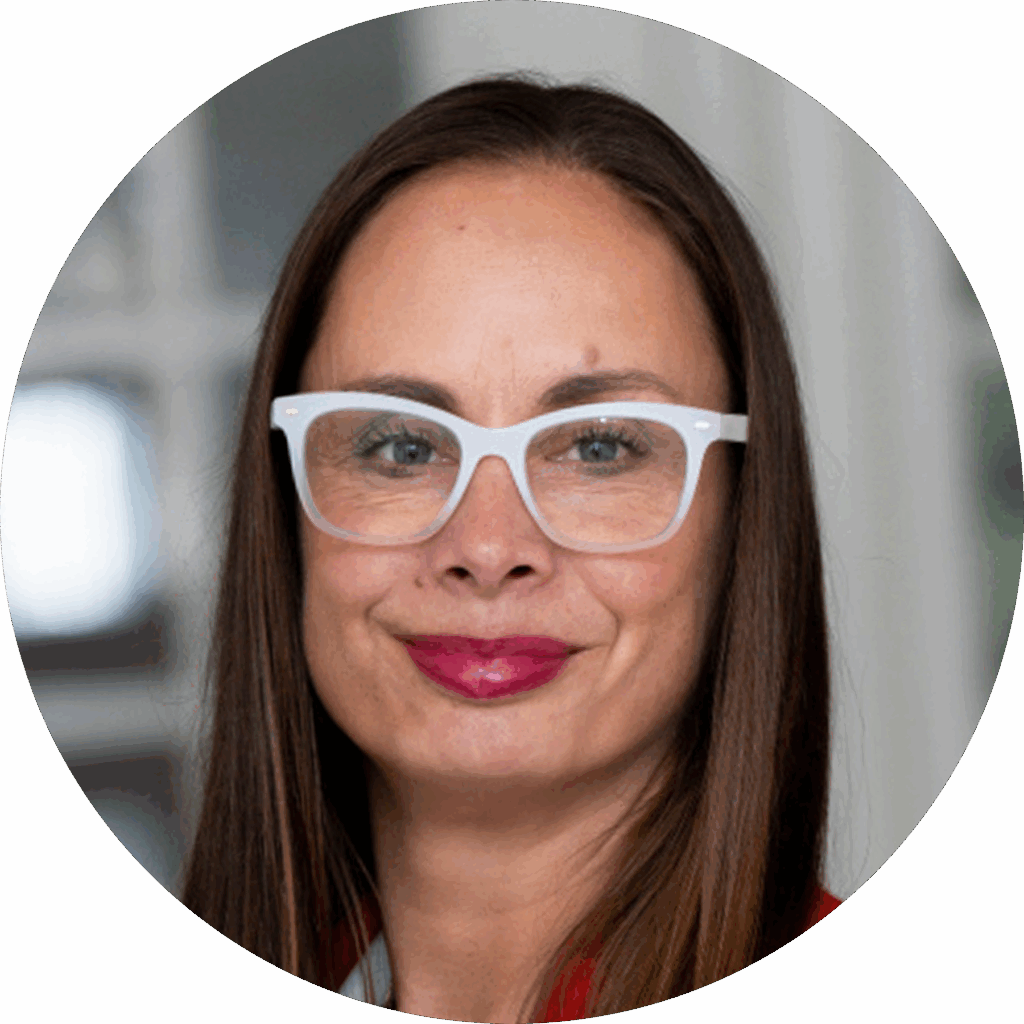
A woman with long dark hair smiles at the camera, wearing a black top and lanyard, with a colorful blurred background.

About Science Connections

Welcome to Science Connections! Science is changing before our eyes, now more than ever. So…how do we help kids figure that out? We will bring on educators, scientists, and more to discuss the importance of high-quality science instruction. In this episode, hear from our host Eric Cross about his work engaging students as a K-8 science teacher. 

Amplify literacy curriculum sample boxes – TX

To view this protected page, enter the password below:


Amplify literacy curriculum sample boxes – CA

To view this protected page, enter the password below:


Amplify literacy curriculum sample boxes

To view this protected page, enter the password below:


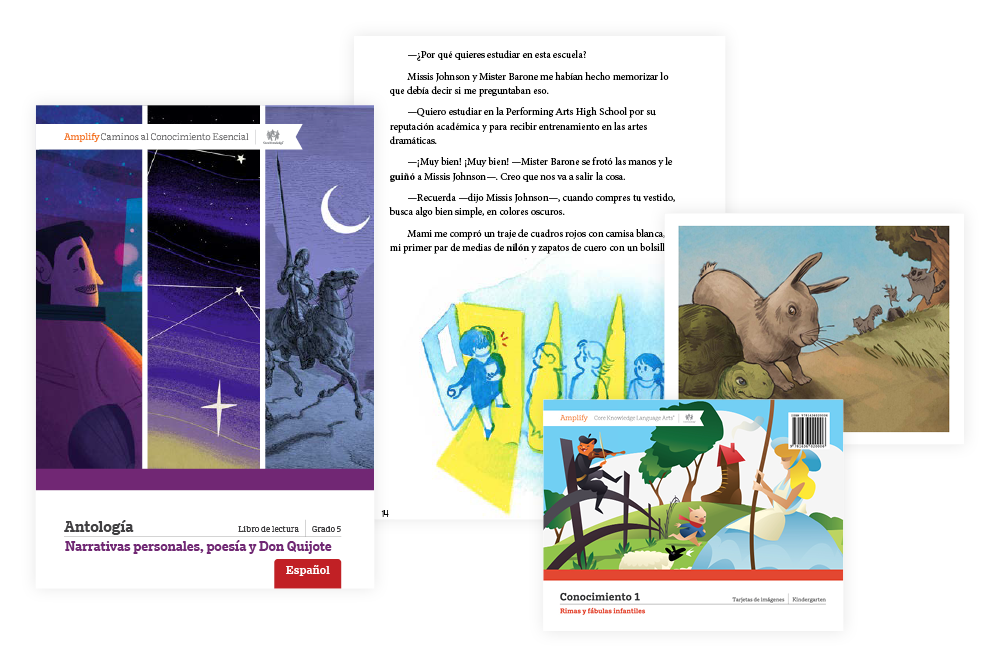
What’s included in our Spanish language arts curriculum

Amplify Core Knowledge Language Arts® (CKLA) is available in both English and Spanish. Amplify Caminos al Conocimiento Esencial, our robust Spanish language arts companion for grades K–5, supports multiple teaching models, including dual language immersion and transitional classrooms.

A laptop screen displays a kindergarten instructional webpage in Spanish, showing lesson categories with illustrated thumbnails and navigation options.

Year at a glance

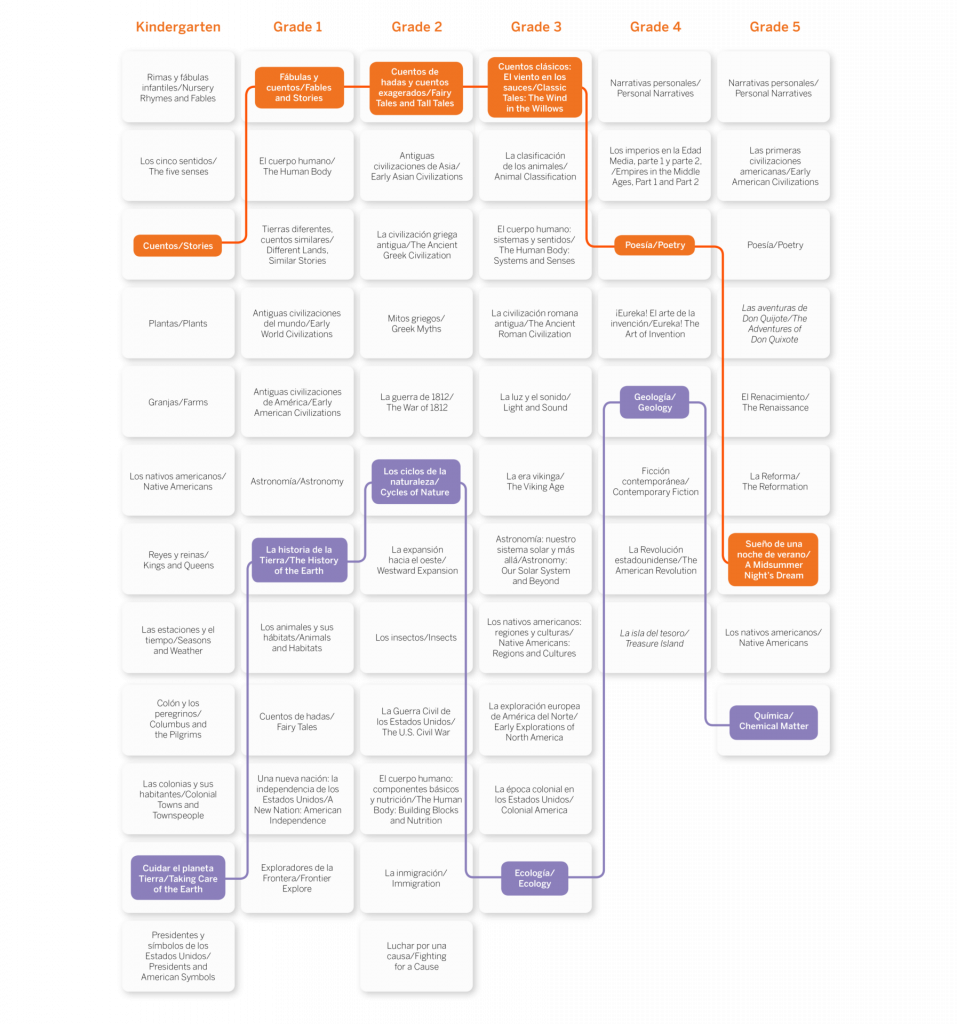
The program’s intentional Knowledge Sequence from K–5 connects knowledge and vocabulary within a grade level and across grade levels, for deeper reading comprehension and preparation for college, career, and life. Instead of “activating prior knowledge,” Amplify Caminos helps you build it in the classroom from day one, for every child, expanding each student’s knowledge base long before they transition to reading to learn.

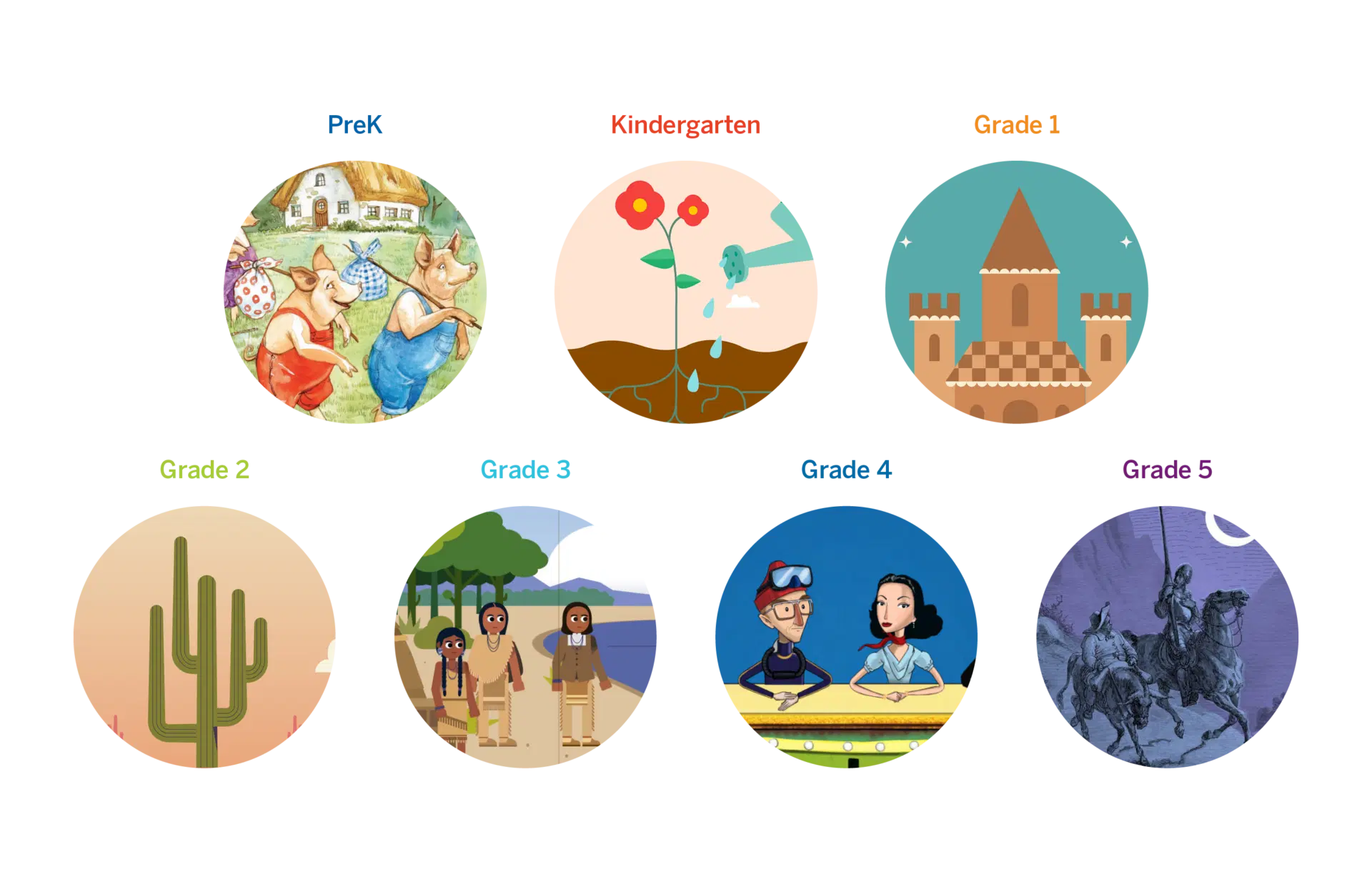
Curriculum flowchart showing reading themes and activities from Kindergarten to Grade 5, organized by grade level and literary theme, with interconnected boxes for each topic.

Units & domains at a glance

Each Knowledge Domain in grades K–2 and Unit in grades 3–5 varies in the number of days based on instructional purpose. Just as with our top-rated Amplify CKLA program, the Amplify Caminos materials engage and delight young learners with resources that are both appealing and original.

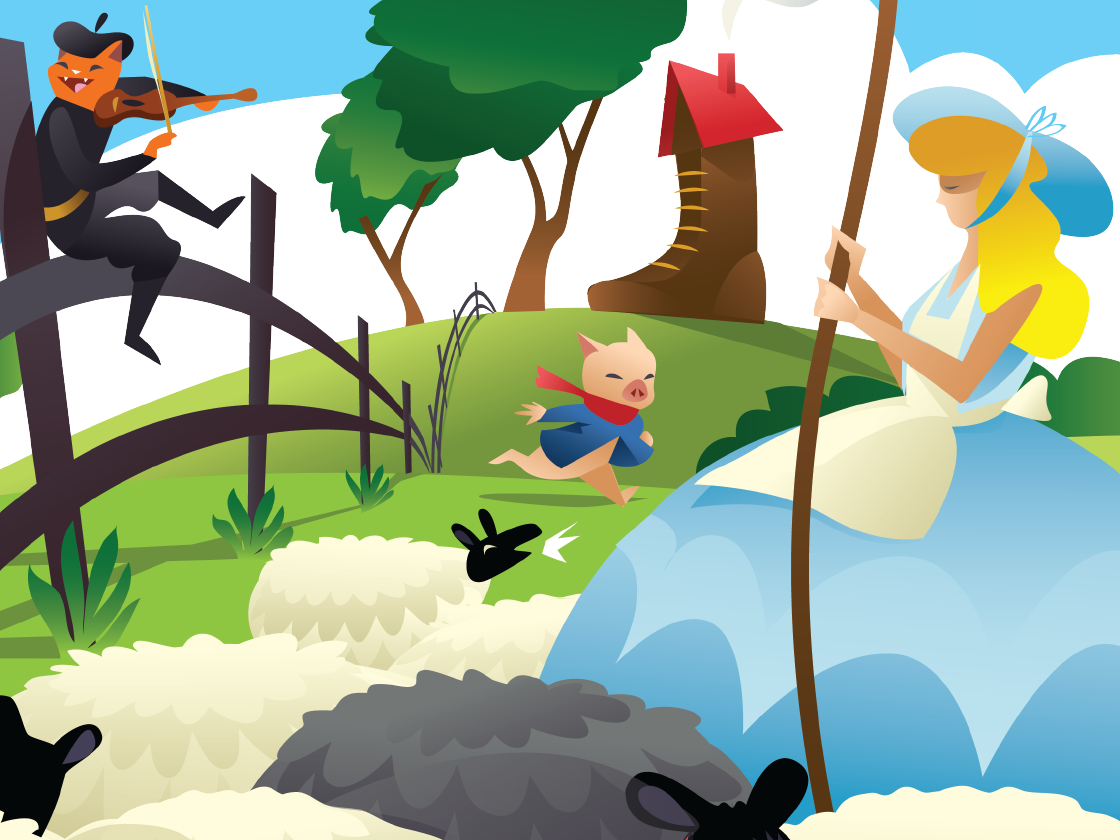
Una mujer rubia con un vestido azul cuida ovejas blancas y negras, sosteniendo un bastón de pastor. Un cerdo vestido de azul corre y un hombre de negro toca el violín en una valla. Al fondo hay una casa.

Domain

Nursery Rhymes and Fables/Rimas y fábulas infantiles

Start learning about literature with these classic Mother Goose rhymes.

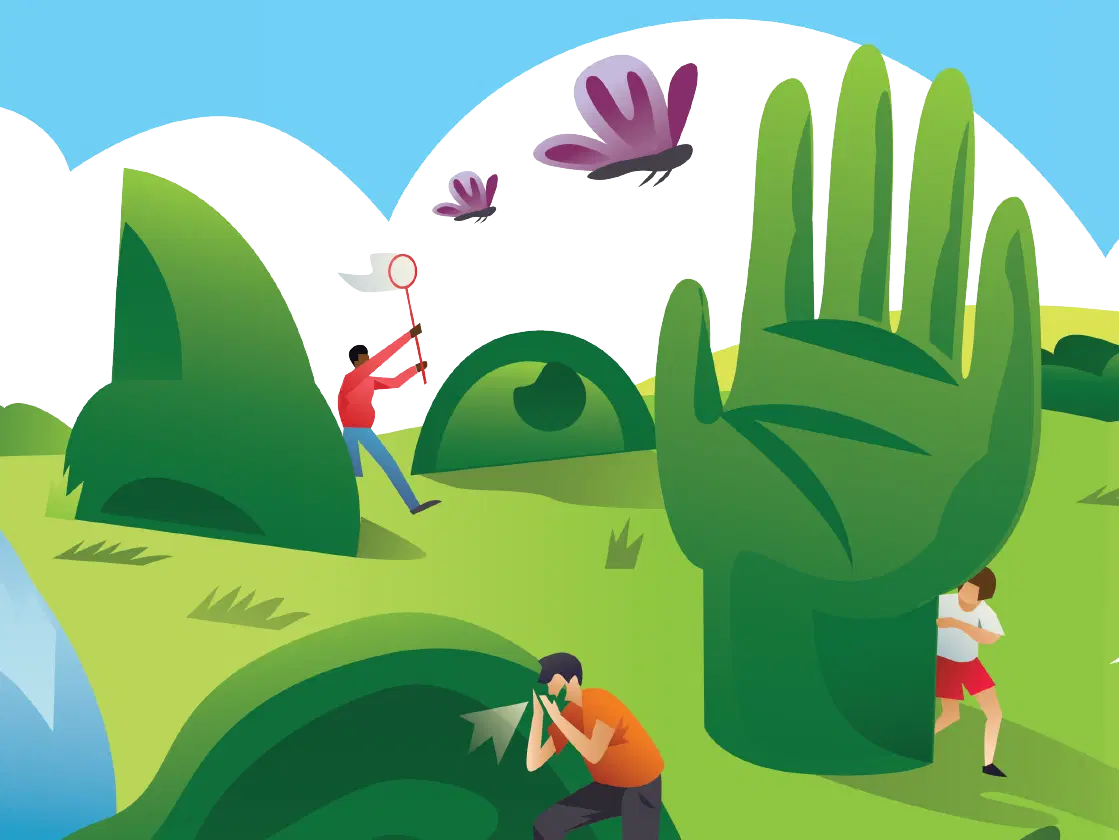
Ilustración de tres personas en un paisaje cubierto de hierba, una tratando de atrapar mariposas con una red, otra escondiéndose detrás de una escultura alta y frondosa de una mano y otra con binoculares.

Domain

The Five Senses/Los cinco sentidos

Learning about the body starts with learning about how we experience the world.

Una ilustración que representa a un gran lobo con sombrero de copa liderando un desfile de animales y personas con instrumentos musicales a través de un paisaje montañoso.

Domain

Stories/Cuentos

Learn about the parts of a book and some of the stories that go in one.

Una ilustración vibrante de una escena rural con colinas, una granja, una mariposa, un sol brillante, varias verduras como tomates y lechugas, y un gusano en el suelo.

Domain

Plants/Plantas

Discover the lifecycle of plants and the history of George Washington Carver.

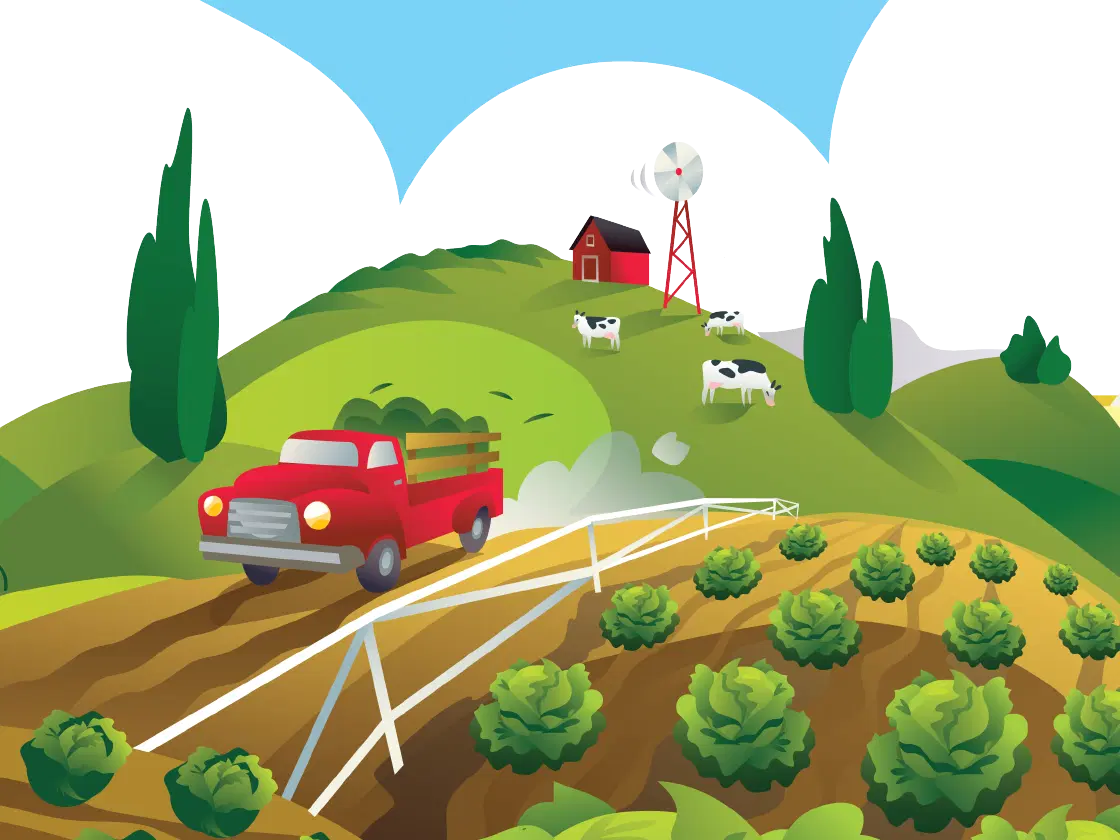
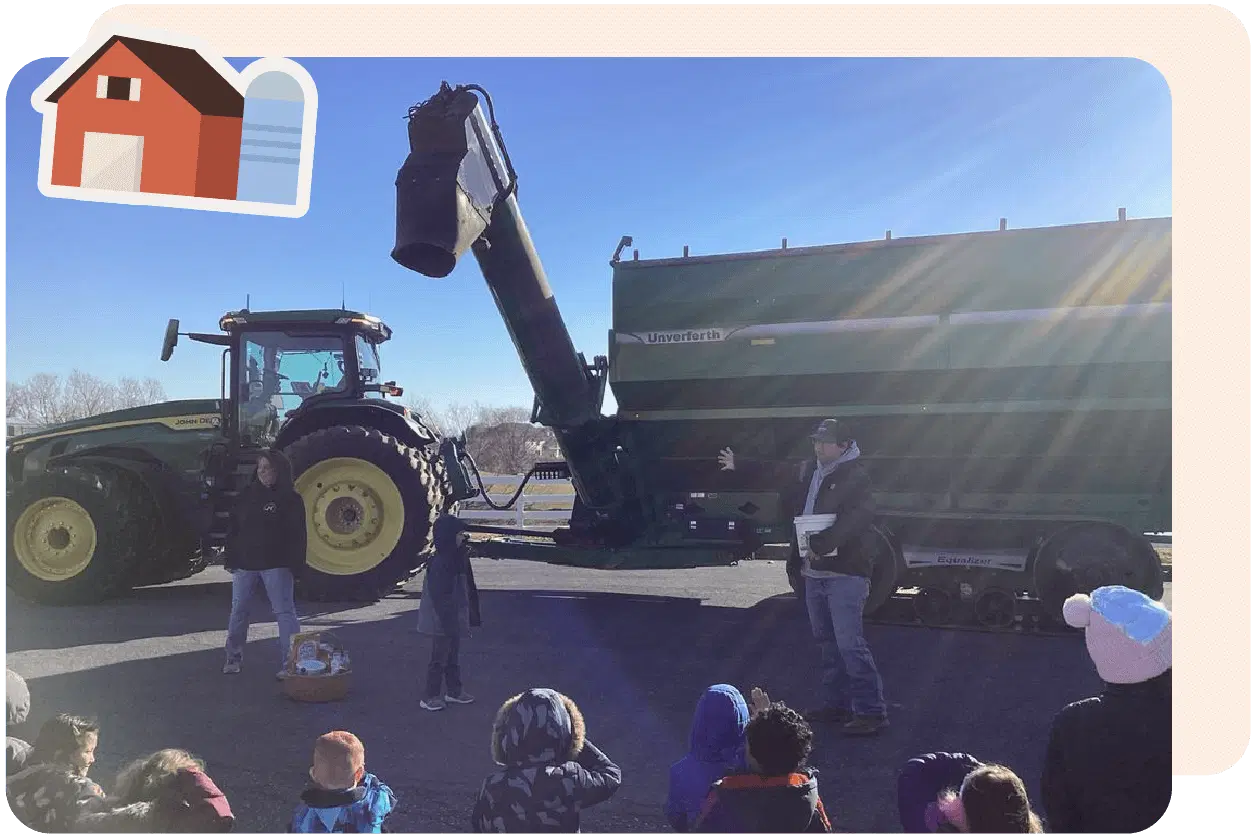
Ilustración de una escena de granja que muestra un camión rojo que transporta verduras, campos de cultivo, vacas pastando en una colina, un granero y un molino de viento contra un cielo azul.

Domain

Farms/Granjas

Now we know how plants make their food… but what about animals?

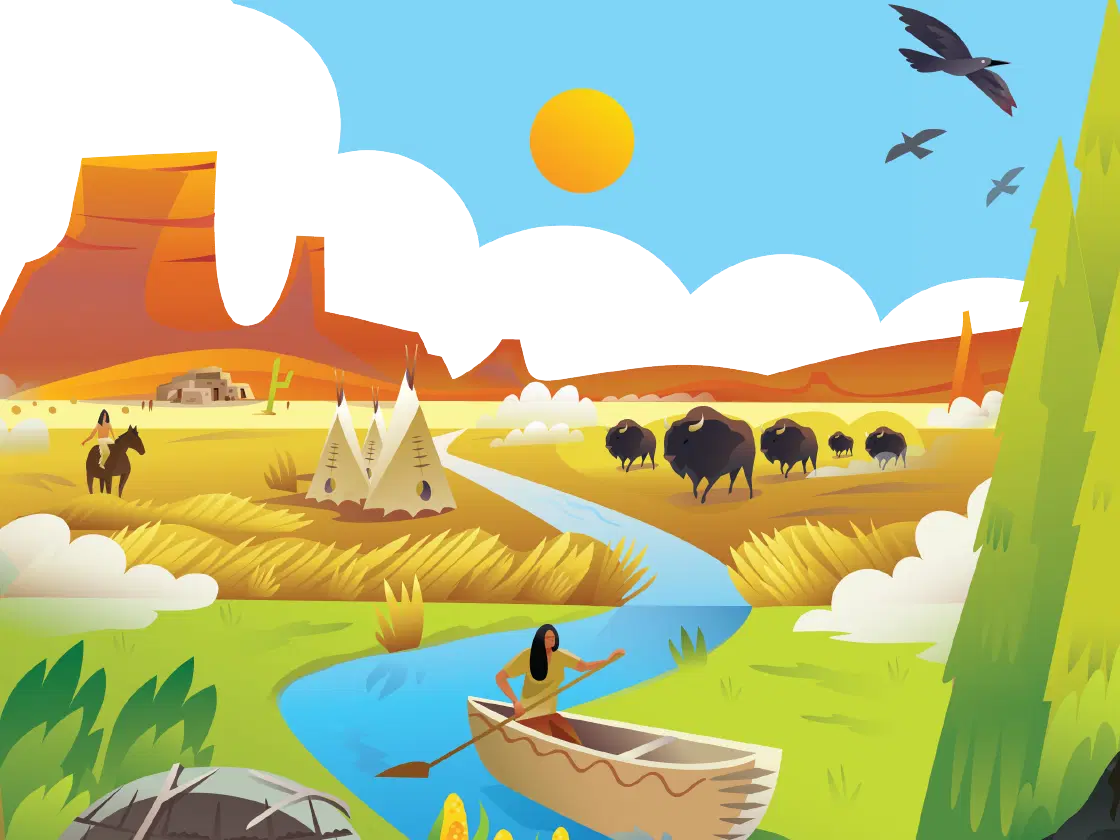
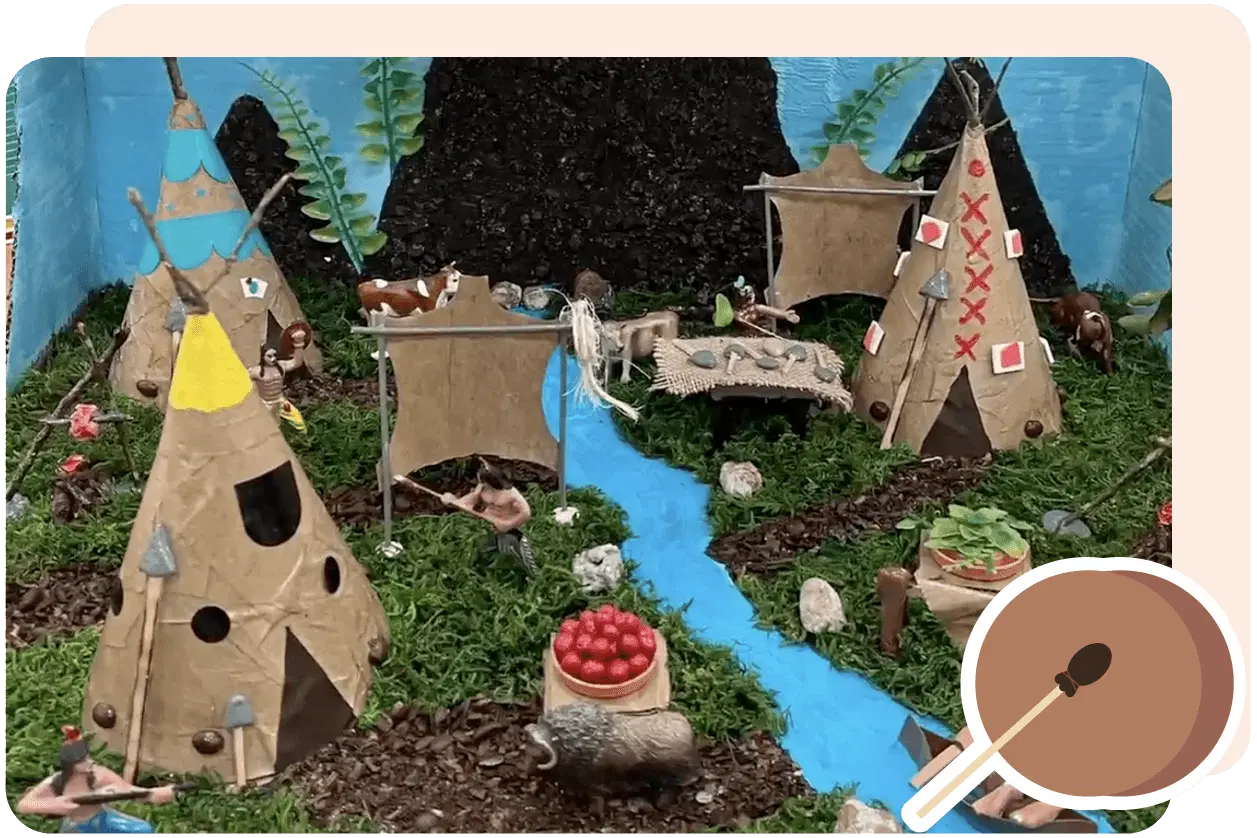
Ilustración de un nativo remando en una canoa en un río con búfalos pastando en un campo, tipis al fondo y pájaros volando en el cielo bajo un sol brillante.

Domain

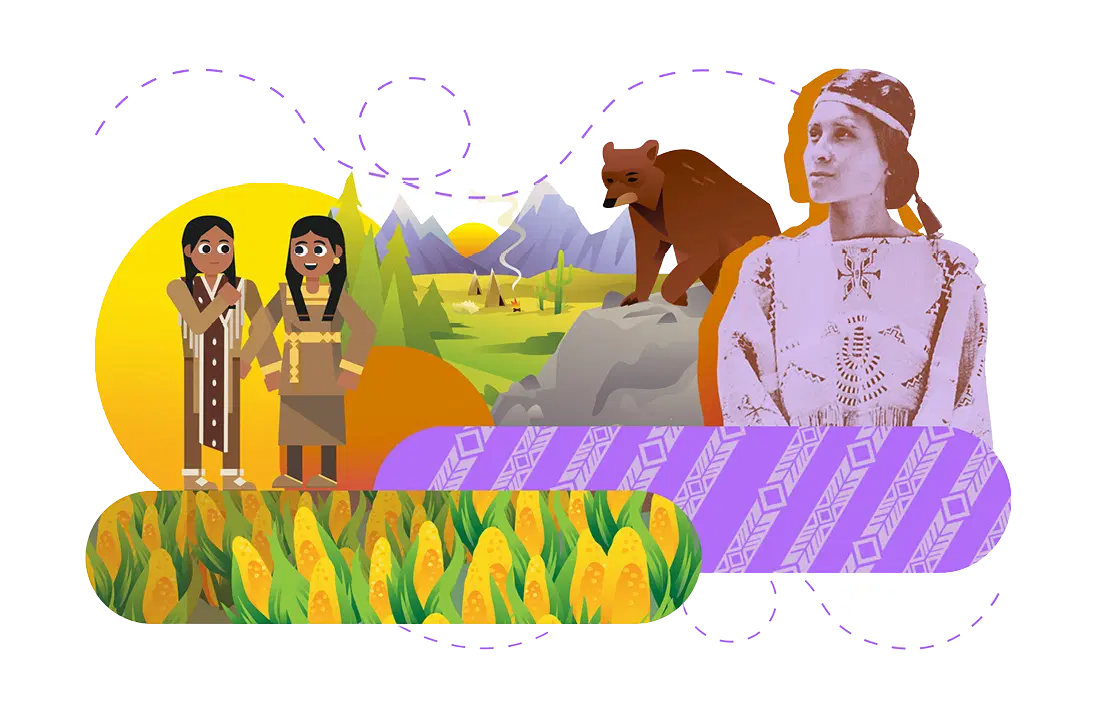
Native Americans/Los nativos americanos

Who were the first people in America? A look at the Lenape, Wampanoag, and Lakota Sioux.

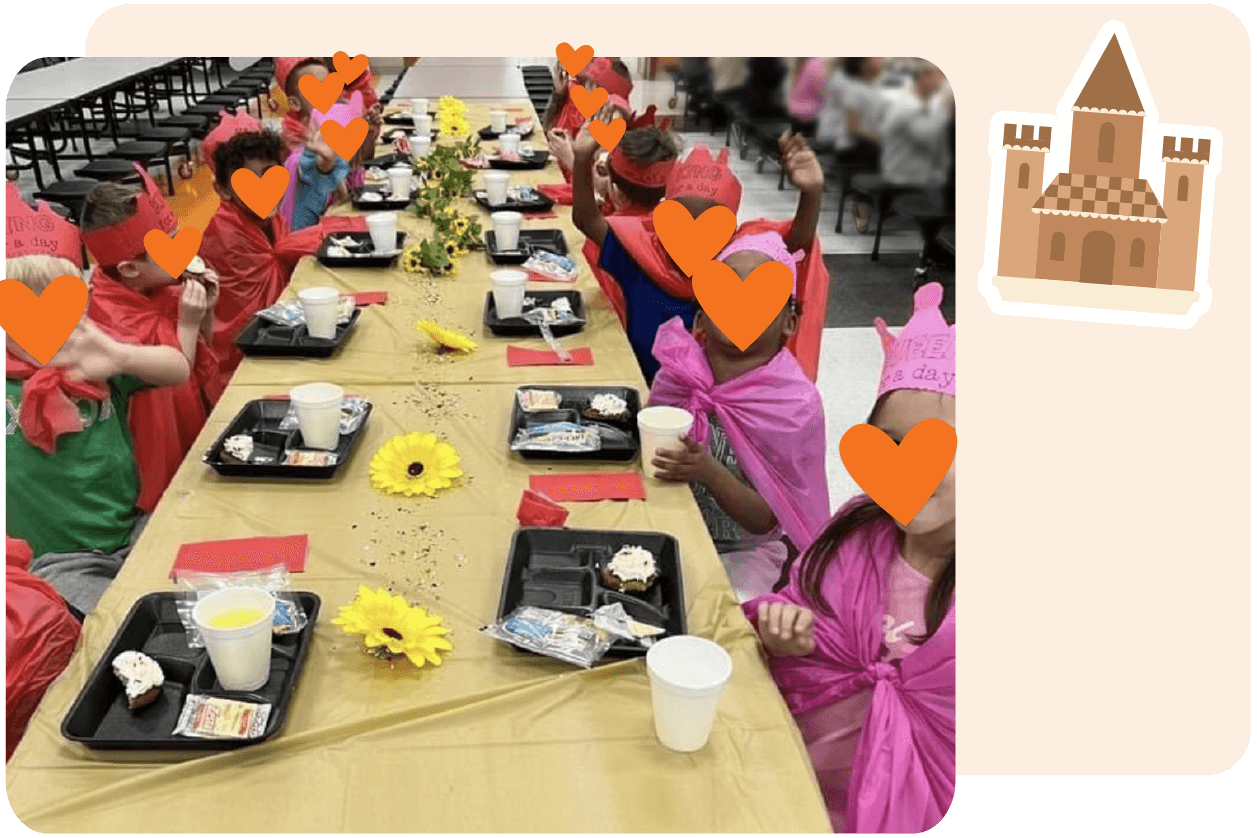
Una ilustración muestra un rey y una reina en tronos, un castillo en un acantilado y una mujer con enanos cerca de un árbol. Cortinas rojas enmarcan la escena.

Domain

Kings and Queens/Reyes y reinas

To understand fairy tales, it’s best to first understand royalty.

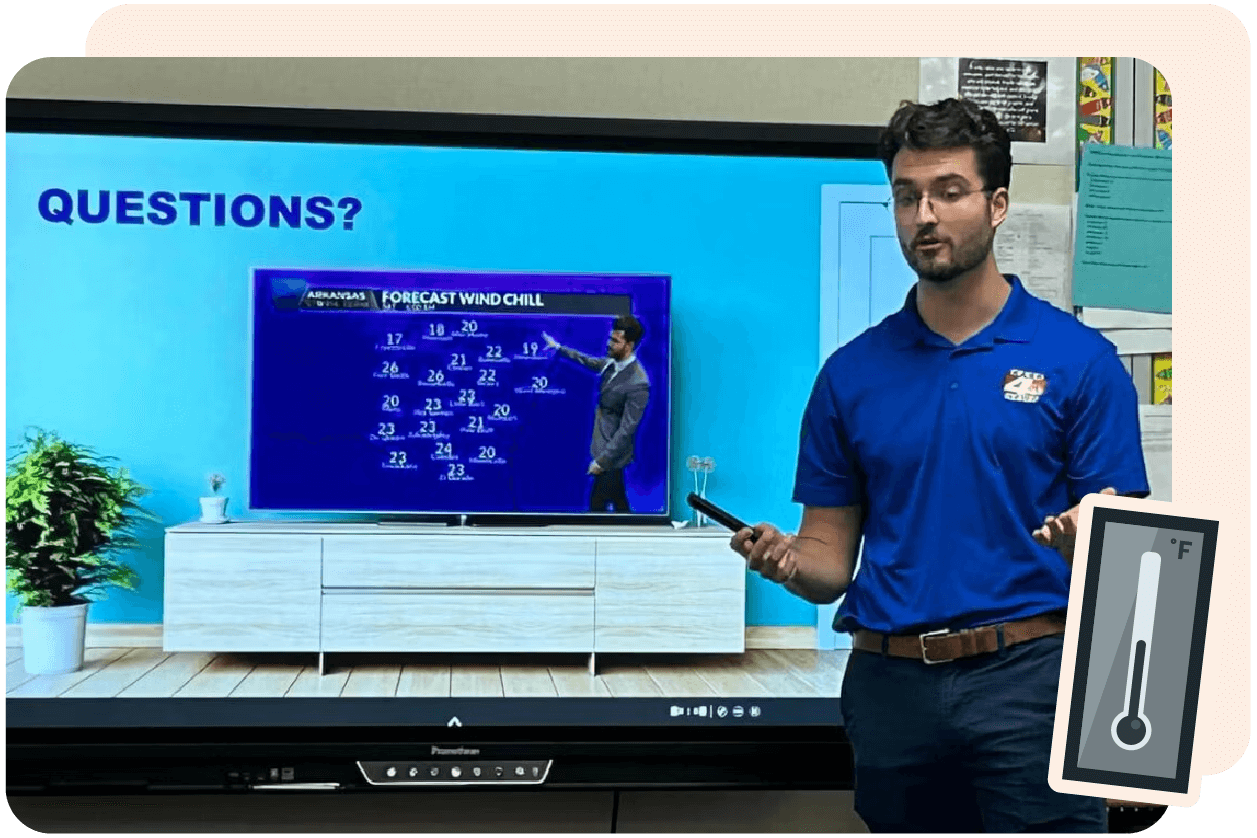
Ilustración que muestra las cuatro estaciones: primavera con flores, verano con árboles verdes, otoño con hojas que caen e invierno con nieve y gente en trineo. Un niño lee debajo de un árbol.

Domain

Seasons and Weather/Las estaciones y el tiempo

The study of natural cycles continues with the weather and why it happens.

Un velero de madera con símbolos de cruz roja en sus velas navega cerca de una isla tropical con exuberante vegetación y palmeras. A lo lejos se ven otros dos barcos en el agua.

Domain

Columbus and the Pilgrims/Colón y los peregrinos

A look at the first contact between Europe and the Americas, and some of its results.

Una escena histórica muestra gente afuera de una gran mansión de estilo colonial con dos chimeneas. En primer plano se ve un carruaje tirado por caballos y a la izquierda se ve una casa más pequeña.

Domain

Colonial Towns and Townspeople/Las colonias y sus habitantes

Before the War for Independence, how did the town and country depend on one another?

Ilustración de personas clasificando materiales reciclables en un parque cerca de un río contaminado. Las fábricas emiten humo al fondo, mientras que las mariposas, las flores y los árboles están presentes en el primer plano.

Domain

Taking Care of the Earth/Cuidar el planeta Tierra

We only have one Earth—here are some ways to help care for it.

Ilustración del Monte Rushmore con los rostros tallados de cuatro presidentes de Estados Unidos. Un águila vuela en primer plano.

Domain

Presidents and American Symbols/Presidentes y símbolos de los Estados Unidos

Start learning about government through the lives of five presidents.

Una ilustración caprichosa que muestra animales de granja alrededor de una casa en un árbol junto a un río. Un zorro, un conejo y una oveja interactúan mientras la gente acampa junto a una fogata al fondo. Una araña cuelga del árbol.

Domain

Fables and Stories/Fábulas y cuentos

Learn some of the key elements of a story through classic fables.

Ilustración que presenta anatomía humana, actividades de estilo de vida saludable, profesionales médicos, símbolos dietéticos, una ambulancia y microorganismos, destacando la conexión entre salud, nutrición y ejercicio.

Domain

The Human Body/El cuerpo humano

What are germs? What are the organs? And what does it all have to do with health?

Una ilustración que presenta varias escenas de cuentos de hadas y folclore, incluida una calabaza grande, un tigre, Caperucita Roja, personas con atuendos tradicionales y una pagoda roja con una montaña de fondo.

Domain

Different Lands, Similar Stories/Tierras diferentes, cuentos similares

A world tour of storytelling, and the stories that stay the same across the world.

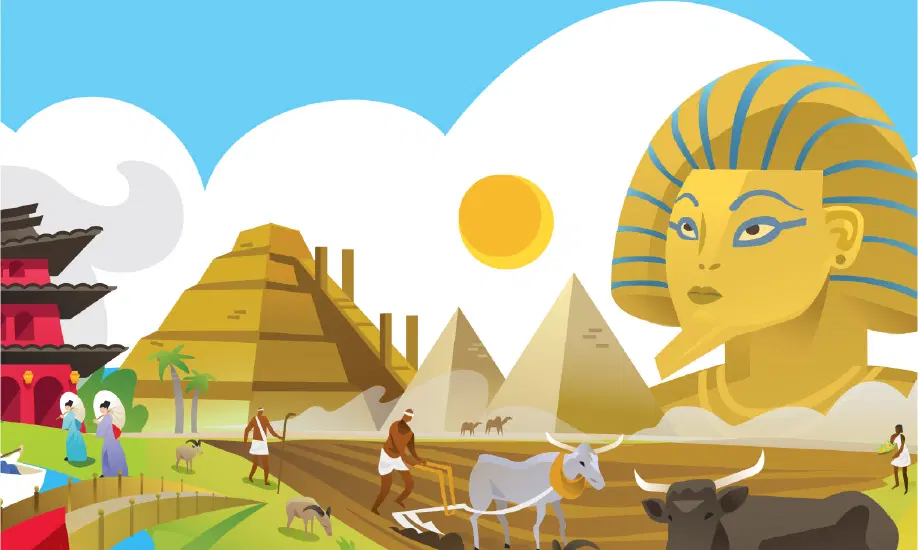
Ilustración que muestra el antiguo Egipto con pirámides, la Esfinge, agricultores arando un campo con bueyes y ganado pastando bajo un cielo soleado.

Domain

Early World Civilizations/Antiguas civilizaciones del mundo

Rivers, farming, writing, and laws: just what does it take to build a civilization?

Escena ilustrada de la antigua Mesoamérica con maíz, un río, agricultores y pirámides al fondo. En primer plano se ve a una persona con traje tradicional.

Domain

Early American Civilizations/Antiguas civilizaciones de América

What will we find in the great temples of the Aztec, Maya, and Inca civilizations?

Ilustración de la exploración espacial: se lanza un cohete, un astronauta se para cerca de un módulo de aterrizaje, una persona usa un telescopio y aparece un planeta distante con anillos sobre un fondo estrellado.

Domain

Astronomy/Astronomía

How the Earth relates to the moon, the sun, and the rest of the planets.

Dos paleontólogos en un paisaje volcánico examinan fósiles en primer plano, mientras un volcán emite humo y lava al fondo.

Domain

The History of the Earth/La historia de la Tierra

Just what lies beneath the Earth’s surface, and what can it teach us about the past?

Una escena de vida silvestre diversa que presenta un cactus del desierto con un pájaro, un conejo, elefantes, un león, un oso polar sobre el hielo y montañas distantes bajo un cielo nublado.

Domain

Animals and Habitats/Los animales y sus hábitats

A look at the connection between how animals live and where they make their homes.

Una princesa con un vestido rosa sostiene una rana junto a un arroyo con un castillo, árboles y gente al fondo. En primer plano camina un zorro con un sombrero con una pluma roja.

Domain

Fairy Tales/Cuentos de hadas

What do fairy tales have to teach us about how stories are told?

Ilustración que muestra una escena histórica con soldados, veleros y hombres con atuendo colonial discutiendo en el interior.

Domain

A New Nation: American Independence/Una nueva nación: la independencia de los Estados Unidos

The story of the birth of the United States out of the 13 Colonies.

Los pioneros con carros cubiertos y caballos señalan hacia un valle con tipis nativos, fogatas y humo elevándose. Un oso se encuentra sobre una roca y se ven montañas al fondo.

Domain

Frontier Explorers/Exploradores de la Frontera

The story of the journey west from the newborn U.S.A. to find the Pacific Ocean.

Un hombre con un hacha se encuentra entre paisajes exagerados con un castillo, un tren con humo, un buey azul y una persona con un mono observando la escena.

Domain

Fairy Tales and Tall Tales/Cuentos de hadas y cuentos exagerados

Learn about exaggeration and characterization on the frontier.

Ilustración de un paisaje vibrante que presenta diversos monumentos culturales, incluidos templos, palacios, pirámides, una escena de elefantes, montañas distantes y fuegos artificiales en el cielo.

Domain

Early Asian Civilizations/Antiguas civilizaciones de Asia

Tour the world of classical civilization, starting with India and China.

Ilustración que muestra la antigua Grecia con un anfiteatro, estatuas, soldados con armadura, un barco y un templo en una colina rodeada de vegetación.

Domain

Ancient Greek Civilization/La civilización griega antigua

The tour continues with the philosophy and politics of Greece.

Illustration of various mythological scenes including greek gods, a flying horse, and roman architecture under a sunny sky.

Domain

Greek Myths/Mitos griegos

Dive deep into the characters and storytelling of classic myths.

Ilustración de una batalla entre barcos británicos y estadounidenses cerca de un fuerte. El barco británico está a la izquierda con soldados, mientras que el barco estadounidense está a la derecha. La gente porta una gran bandera estadounidense en primer plano.

Domain

The War of 1812/La guerra de 1812

Learn about America’s “Second War for Independence.”

Un paisaje nevado con un zorro durmiendo en una madriguera, gente corriendo y andando en bicicleta por un sendero y árboles que muestran los cambios estacionales.

Domain

Cycles in Nature/Los ciclos de la naturaleza

Introducing the natural cycles that make our lives possible.

Ilustración de carros cubiertos tirados por caballos a lo largo de un sendero en el desierto, con un coyote aullando sobre una alta formación rocosa y un tren de vapor al fondo.

Domain

Westward Expansion/La expansión hacia el oeste

Why did pioneers go west? What happened to the people who were there?

Ilustración de un jardín vibrante con flores, abejas, mariposas, una oruga en una hoja, una crisálida y un apicultor que maneja una colmena junto a un estanque.

Domain

Insects/Los insectos

Lay the grounds for animal classification by looking at solitary and social insects.

Ilustración de una escena histórica con gente escuchando el discurso de un hombre en una plataforma. Al fondo se ve un río y una procesión de personas. En primer plano hay un documento de proclamación.

Domain

The U.S. Civil War/La Guerra Civil de los Estados Unidos

Begin to grapple with U.S. history’s central crisis over slavery.

Una escena en la que aparece una persona explicando un diagrama anatómico humano, otra persona haciendo ejercicio, una cadena de ADN, campos y un microscopio de fondo.

Domain

Human Body: Building Blocks and Nutrition/El cuerpo humano: componentes básicos y nutrición

A deeper dive into the digestive system and the nutrition process.

Un grupo diverso de personas se encuentra en un muelle con vistas a un bullicioso puerto con barcos y un gran barco, un avión volando por encima y la Estatua de la Libertad al fondo.

Domain

Immigration/La inmigración

Why did people immigrate to the United States, and what did they find here?

Women in early 20th-century clothing march with signs for voting rights and justice in front of a yellow bus labeled "Cleveland Ave.," making history that can inspire lessons in a K–2 language arts curriculum.

Domain

Fighting for a Cause/Luchar por una causa

How people can do extraordinary things to make the world better for everyone.

Dos ratones antropomórficos en un bote de remos, uno de ellos remando, navegan por un río tranquilo rodeado de exuberante vegetación y árboles. El ratón que rema lleva una chaqueta azul y el otro ratón parece conversar.

Unit 1

Classic Tales: The Wind in the Willows/Cuentos Clásicos: El viento en los sauces

A deep dive into character, theme, and POV in classic stories from around the world.

Ilustración de un jaguar, una garza, una rana roja, una tortuga y un pez en un paisaje vibrante con montañas y vegetación bajo un cielo soleado.

Unit 2

Animal Classification/La clasificación de los animales

How do we classify different animals by their appearance and behavior?

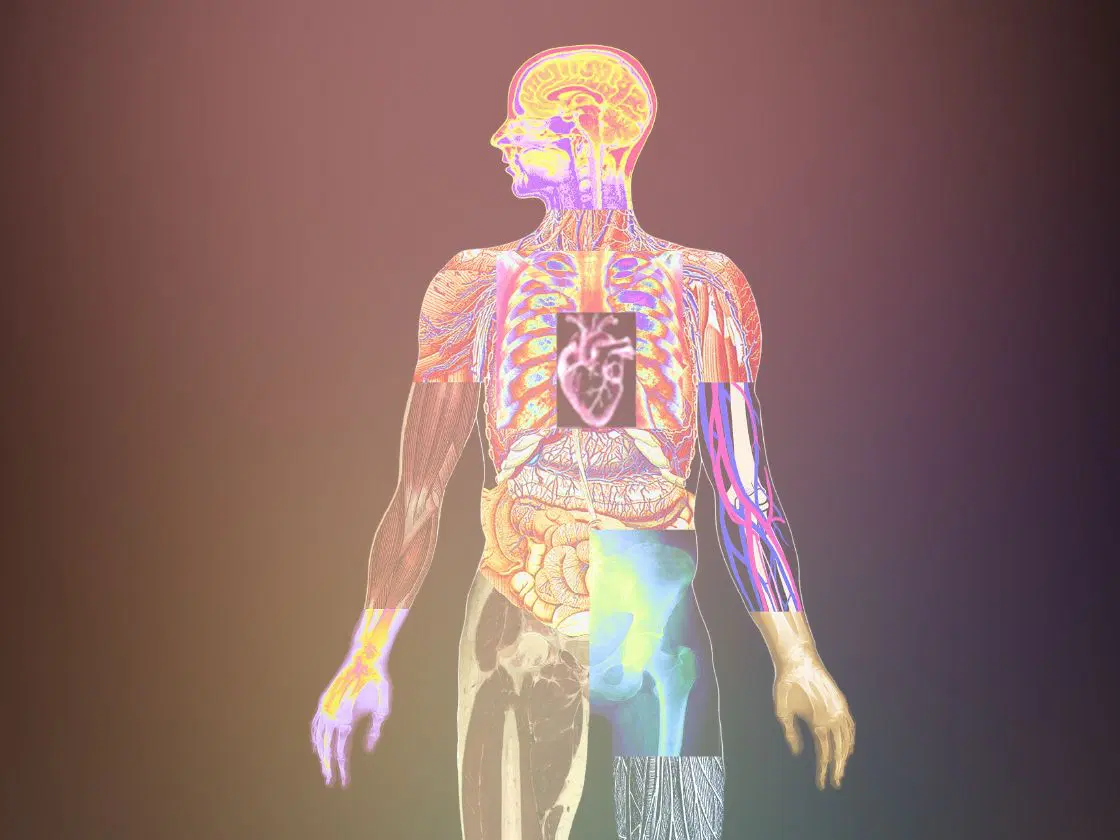
Ilustración de una figura humana que muestra la anatomía interna, incluidos el cerebro, los pulmones, el corazón, el sistema digestivo y una articulación de la cadera resaltada sobre un fondo degradado.

Unit 3

The Human Body: Systems and Senses/El cuerpo humano: sistemas y sentidos

Let’s take a closer look at how the skeleton, muscles, and nervous system all work.

Un ángel se arrodilla ante una mujer sentada en un sofá dorado encima de un templo en una noche estrellada. Unas escaleras conducen al templo en un paisaje montañoso.

Unit 4

The Ancient Roman Civilization/La civilización romana antigua

What is Rome’s greatest cultural contribution? In this unit, your students decide.

Ilustración de un perro saltando bajo un árbol, persiguiendo una abeja, con una mesa en primer plano sosteniendo una jarra y vasos de limonada. El sol brilla intensamente en el cielo.

Unit 5

Light and Sound/La luz y el sonido

The science behind all the ways we see and hear the world.

Un barco vikingo con una proa en forma de dragón navega en el océano bajo un cielo azul con nubes. El barco tiene una sola vela grande y varios escudos recubren sus costados.

Unit 6

The Viking Age/La era vikinga

An immersive narrative experience about what life was like in Viking communities.

Ilustración de una escena espacial con varios planetas y anillos sobre un fondo de estrellas. Dos planetas grandes dominan el primer plano y se ven planetas más pequeños al fondo.

Unit 7

Astronomy: Our Solar System and Beyond/Astronomía: nuestro sistema solar y más allá

More about our universe, including a writing project about daily life on a space station.

Una persona sentada en el borde de un acantilado con vistas a un vasto paisaje desértico con nubes arremolinadas en el cielo.

Unit 8

Native Americans: Regions and Cultures/Los nativos americanos: regiones y culturas

How did Native American nations change their way of life in different parts of the world?

Ilustración de un velero en el océano con la costa este de América del Norte visible a la izquierda.

Unit 9

Early Explorations of North America/La exploración europea de América del Norte

What was it like to sail to North America with the early European explorers?

Una pintura representa una escena del siglo XVII con colonos, un velero al fondo y un hombre conduciendo un carro tirado por caballos cargado de mercancías. Se ve a otras personas descargando y trabajando cerca.

Unit 10

Colonial America/La época colonial en los Estados Unidos

A study of the very different ways of life in the different pre-U.S. colonies.

Ilustración que muestra el ciclo de la vida: un esqueleto en el suelo, un pájaro posado en una cerca, otro pájaro en una planta y un ave rapaz más grande arriba, todos conectados por flechas circulares.

Unit 11

Ecology/Ecología

Students keep ecologist’s journals to learn about our world and how best to protect it.

Una mano alcanza una manzana verde en una rama. Cerca hay una brújula, un termómetro, un lápiz, notas musicales y un granero rojo sobre un paisaje cubierto de hierba.

Unit 1

Personal Narratives/Narrativas personales

Read stories of personal experience… and learn to reflect on your own.

Ilustración medieval que representa un grupo de figuras con armadura a la entrada de un alto castillo gris con puente levadizo, adornado con banderas y rodeado por un paisaje decorado y fondos ornamentados.

Unit 2

Empires in the Middle Ages/Los imperios en la Edad Media, parte 1 & Los imperios en la Edad Media, parte 2

Explore the medieval history of Europe and the Middle East.

Ilustración dorada de un dragón con alas sobre fondo beige, rodeado de diversos elementos decorativos como estrellas, hojas y estampados abstractos.

Unit 3

Poetry/Poesía

Study the poetry of many nations using licensed text anthologies, and begin to write your own.

Vintage styled illustrations of a microscope, an old telephone, and a clock on textured background with geometric patterns.

Unit 4

Eureka! Student Inventor/¡Eureka! Estudiante inventor

Transform the class into a lab for students to build and present inventions.

Formaciones rocosas en un paisaje desértico con capas vibrantes y arremolinadas de arenisca roja, naranja y amarilla bajo un cielo parcialmente nublado.

Unit 5

Geology/Geología

Plate tectonics, volcanoes, erosion: all the forces that shape the Earth.

Una imagen abstracta y colorida que representa varias formas geométricas de edificios sobre un fondo azul estampado.

Unit 6

Contemporary Fiction with excerpts from The House on Mango Street/Ficción Contemporánea con Fragmentos de La Casa en Mango Street

Explore The House on Mango Street… and write a book while doing it.

Cuadro que representa a un hombre y un niño tocando una gran campana en una torre, con espectadores al fondo y un cartel de "LIBERTAD" visible.

Unit 7

American Revolution/La Revolución estadounidense

Why did America seek independence? Let’s investigate the causes and effects.

Un pequeño bote de remos con tres personas navega por mares agitados mientras dos grandes barcos luchan al fondo, con humo y fuego visibles.

Unit 8

Treasure Island/La Isla del Tesoro

How dSeek the treasure of plot in this detailed study of a classic fiction adventure.

Unit 1

Personal Narratives/Narrativas personales

Through writing and sharing their writing, students begin to identify themselves as writers.

Unit 2

Early American Civilizations/Las primeras civilizaciones americanas

Students craft a codex to explain the rise and fall of the Maya, Aztec, and Inca people.

Dos jinetes medievales a caballo, uno de ellos con la espada en alto, avanzan por un terreno rocoso. El fondo presenta un paisaje brumoso bajo un tono violeta.

Unit 3

Poetry/Poesía

Students close read many forms of poetry… and learn to write them.

Collage ilustrado con un paraguas, un cuervo, un sextante náutico, estrellas, una luna creciente y una brújula sobre un fondo beige texturizado.

Unit 4

Adventures of Don Quixote/Las Aventuras de Don Quijote

Was Don Quixote right to fight the windmill? In this full-length novel study, students decide.

Unit 5

The Renaissance/El Renacimiento

Exploring the art and literature of the Renaissance through the works of its masters.

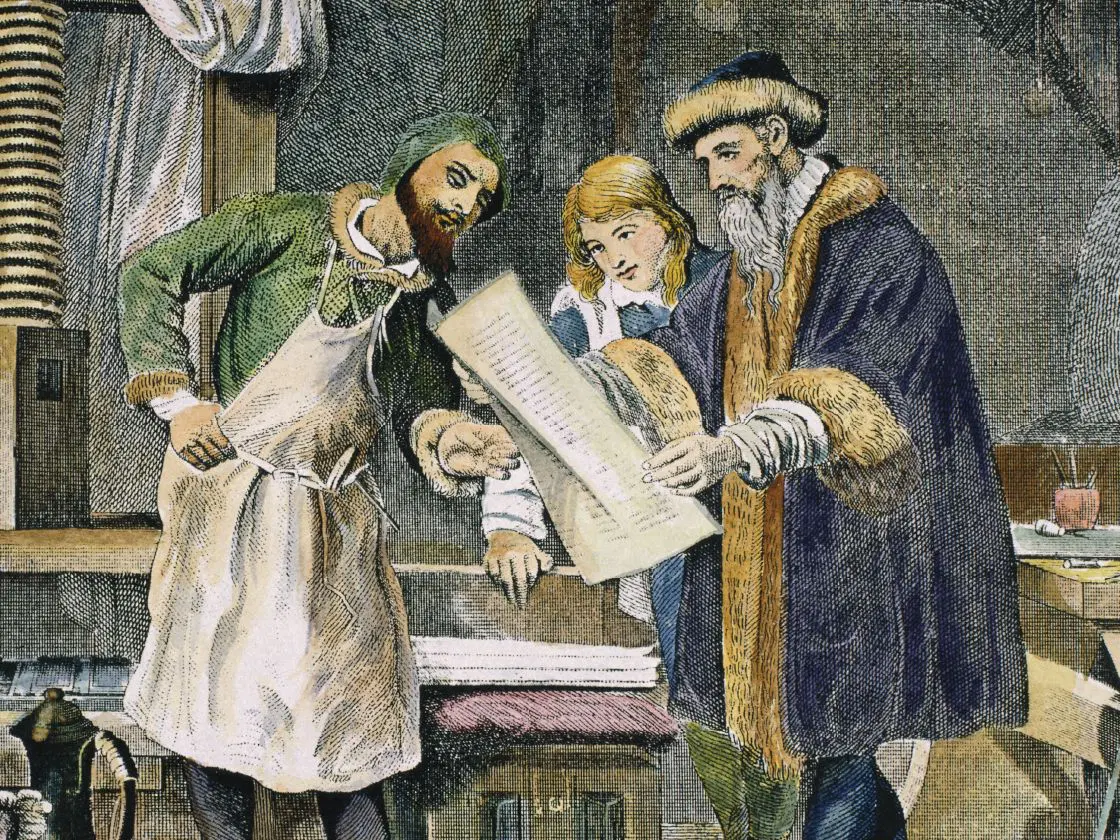
Tres hombres vestidos con ropa de época examinan una gran hoja de papel dentro de una imprenta. Un hombre parece llevar un delantal, mientras que otro señala el papel y el tercero observa de cerca.

Unit 6

The Reformation/La Reforma

How did the printing press transform the religion and society of Europe?

Patrón botánico morado y lila con hojas, plantas y formas abstractas, incluida una luna creciente y estrellas, sobre un fondo violeta oscuro.

Unit 7

William Shakespeare’s A Midsummer Night’s Dream/Sueño de Una Noche de Verano de William Shakespeare

Students enter the world of Shakespeare by reading, designing, and acting out his work.

Retrato en tonos sepia de una joven de pelo largo, con un collar de pedrería y un chal drapeado.

Unit 8

Native Americans/Los nativos americanos

How did the policies of the U.S. government impact Native American culture and lives?

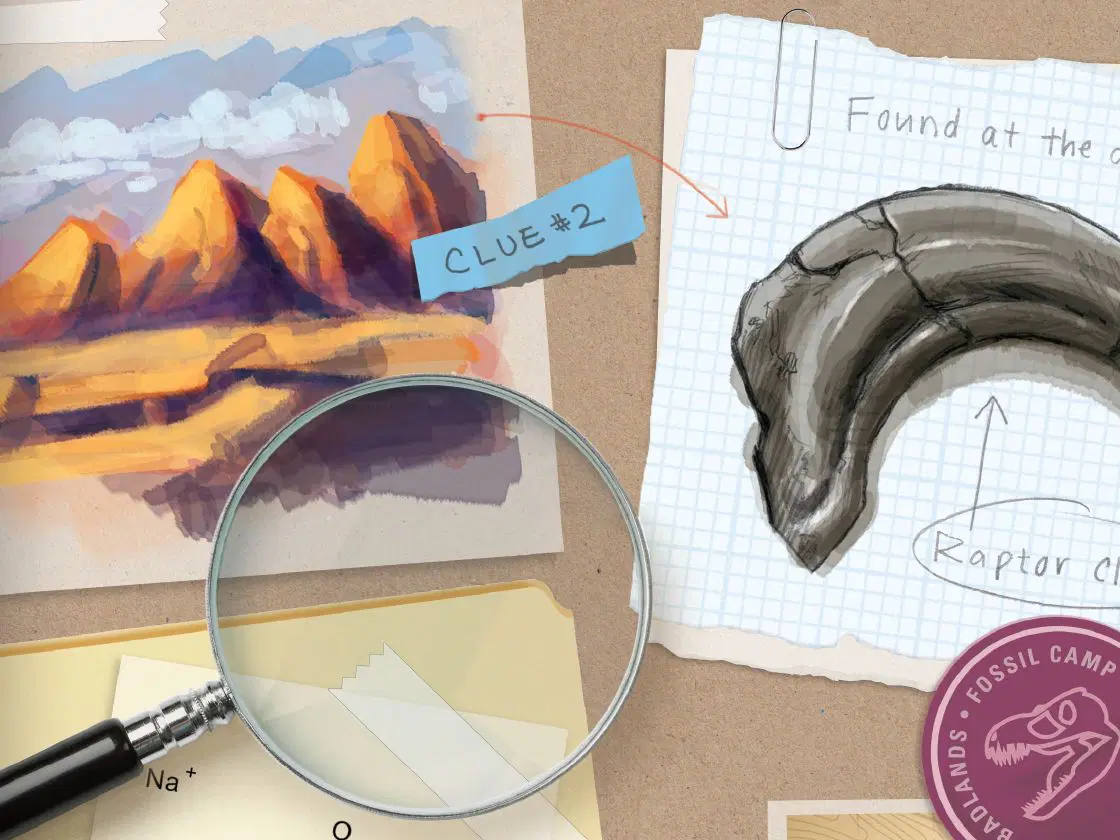
Una lupa sobre documentos que contienen una pintura de paisaje de montañas, un dibujo con la etiqueta "Raptor Claw" y una nota adhesiva con la "Pista n.° 2". También se ven un sobre y una insignia exterior.

Unit 9

Chemical Matter/Química

Students use knowledge of chemistry to solve a mystery.

Print & digital components

The program includes instructional guidance and student materials for a year of instruction, with lessons and activities that keep students engaged every day.

Component

FORMAT

Knowledge (Conocimientos) Teacher Guides (K–2)

Knowledge Strand Teacher Guides contain Amplify CKLA’s cross-curricular read-alouds and application activities, all of which are standards-based to build mastery of content knowledge and literacy skills. There is one Teacher Guide per Knowledge Domain.

Print and digital

Knowledge Image Cards (K–2)

Amplify Caminos includes Image Cards for each Knowledge Domain to bring each topic to life through vivid visuals.

Print and digital

Knowledge Flip Books (K–2)

Projectable Flip Books are provided to accompany the read-alouds in each Knowledge Domain.

Digital

Teacher Guides (3–5)

Teacher Guides for grades 3–5 units are based on content-rich topics and incorporate reading, writing, speaking, and listening skills in the context of background knowledge. There is one Teacher Guide per unit.

Print or digital

Teacher Resource Site (K–5)

The program includes a one-stop-shop website for lesson projections, digital versions of all Amplify Caminos materials, lesson planning resources, multimedia (such as eBooks), and more.

Digital

Professional Learning Site (K–5)

The Professional Learning site includes training materials, best practices, and other resources to develop program expertise. Access professional development anywhere, anytime.

Digital

Component

FORMAT

Knowledge (Conocimiento) Activity Books (K–2)

Activity Books provide students with the opportunity to deepen world and word knowledge by responding to text in a diversity of ways.

Print

Student Readers (3–5)

Student Readers serve as content-rich anchor texts for each unit. Units such as Poetry and Contemporary Fiction feature authentic texts originally written in Spanish.

Activity Books (3–5)

Activity Books in grades 3–5 provide daily opportunities for students to hone reading and writing skills within the context of each unit.

Print and digital

Explore more programs

Our programs are designed to support and complement one another. Learn more about our related programs.

Found in translation–the power of cross-linguistic transfer

¿Verdadero o falso? You must be bilingual to support emergent bilingual students in their literacy development.

¡Falso!

An essential component of supporting emergent bilinguals in developing literacy is understanding cross-linguistic transfer (CLT): when emergent bilinguals use knowledge of one language to support learning another.

Educators do not need to be fluent in both languages to identify—and teach—which elements of one transfer to the other.

“Teachers should not feel discouraged in supporting their students who are Spanish-speaking, because there are ways that they can still support cross-linguistic transfer without actually speaking the language,” says Amplify senior PD strategist in biliteracy Lauren Birner.

But CLT doesn’t just happen—it requires explicit instruction. So we do need to ensure that this takes place if we want to support equity in education, especially in early childhood education.

How can educators bring the power of CLT into instruction? And support equity and excellence in education?

Making connections: The impact of CLT

Our recent webinar Making Connections: The Importance of Cross-Linguistic Transfer in Biliteracy Instruction—led by Lauren Birner and Amplify’s Kajal Patel Below—explored answers to these questions.

In the webinar, Birner and Patel Below describe similarities and differences between English and Spanish, discuss how those similarities and differences can impact instruction, and explain why CLT helps English learners leverage skills from both languages to build their biliteracy.

They also underscore why it matters—namely, that it’s about supporting equity in early childhood education and beyond.

More than 15% of our K–3 students in this country are emergent bilinguals, and we have a responsibility to help them cultivate and expand that superpower.

—Kajal Patel

The Simple View of Reading and biliteracy

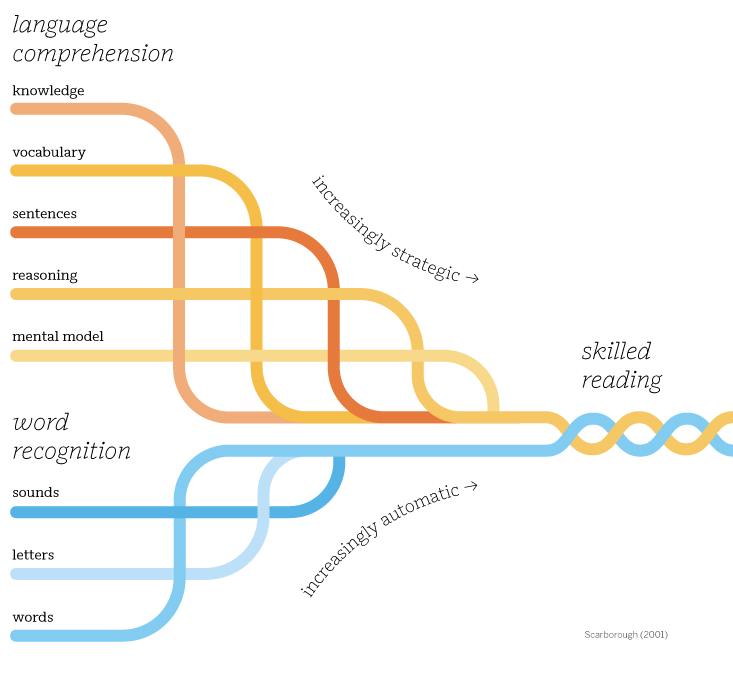
The idea behind the Simple View of Reading is that the combination of language comprehension and word recognition is what leads students to gain meaning from text. If either language comprehension skills or word recognition skills are lacking, students cannot become skilled readers, and this is true in both English and Spanish.

“Research shows that when teachers explicitly teach students what transfers from one language to the other,” says Patel Below, “students are able to devote more cognitive processing time toward the more complex orthography and morphology systems of English that require more time than the more transparent systems of Spanish.”

Birner had this to add: “While components of these domains might overlap, it can be helpful to think of them individually, and how they’ll impact language and literacy development.”

So let’s take a look at the areas of language where we can leverage cross-linguistic transfer.

  1. Phonetics and phonology: 92% of all of the sounds in English and Spanish have a direct correlation. That means that teachers can focus explicit instruction only on the remaining 8% of sounds—such as the rolled in Spanish. Meanwhile, we can also encourage them to be language detectives and recognize where the languages do connect and how they can use their skills in one to understand the other. That approach, says Birner, “will not only save valuable time and energy, but it’ll also help [educators] recognize bilingualism as an asset for all of our students.”
  2. Morphology: Students can explore cognates like hospital/hospital and celebration/celebración, while also exploring similarities and differences in pronunciation. “Whether or not they are Spanish-speaking, teachers can look to cross-linguistic transfer guidance and start to recognize things, the prefixes and suffixes that are similar across the two languages,” says Birner.
  3. Syntax and grammar: Spanish and English do have rules and structures that differ from each other, in the areas of word order, gender, conjugation, and possession. As students progress in learning these distinctions, teachers can seize opportunities for explicit instruction. For example, let’s say a student constructs the sentence: “The flower of Ana is pretty.” This is not an error, but an approximation “to be celebrated.” Birner says. “It’s a comprehensible sentence in English that just needs a minor adjustment. We can use this type of sentence as an opportunity to provide explicit instruction on possessives.”
  4. Semantics: Semantics is the study of word meaning and is critical for language learners. Exploring idioms, homonyms and homophones, and other nuances of usage across language can give students the chance to build from similarities and identify differences. “You might do something like hang a chart of idiomatic phrases in each language,” says Birner. “Looking at both languages side by side is a really great way to support your students in learning a second language.”
  5. Pragmatics: Pragmatics encompass the ways people communicate that are nuanced or unsaid. They’re often rooted in cultural norms, which include both physical norms (looking someone in the eye when speaking) and social norms (using euphemisms). “Providing students with explicit instruction on how communicating may differ from culture to culture and situation to situation can help avoid misunderstandings,” says Birner. “It’s also a great way to allow students to see the world in perspective.”

More to explore

Amplify’s biliteracy programs, rooted in the Science of Reading, can help all educators engage with multilingual learners and make the most of cross-linguistic transfer and dual language education. Here are some additional resources for you:

Biliteracy principles, as shared by biliteracy experts (students!)

Our biliteracy video playlist

”The Importance of Dual Language Assessment in Early Literacy” (white paper)

The Importance of Dual Language Assessment in Early Literacy (infographic)

Principles of Biliteracy + the Science of Reading

The Science of Reading

Welcome, K-5 LAUSD principals and teachers!

What’s new?

Scroll down to learn how CKLA is uniquely designed to help all students make learning leaps in literacy.

Looking for LAUSD G6 ELA information and resources? Visit the LAUSD G6 ELA site.

A boy in glasses reading a book, surrounded by illustrations of a telescope, grasshopper, and carrot, with a logo saying "bringing the science of reading to lausd!.

Our promise

Developed in partnership with the Core Knowledge Foundation, Amplify CKLA promises:

  • A unique research-based approach based on the Science of Reading.
  • A combination of explicit foundational skills instruction with meaningful content knowledge.
  • An instructional design that levels the playing field for every child.
  • Superior results.

Built on the Science of Reading

Watching students learn to read: magic. Knowing how they get there: science.

What does the Science of Reading really mean? What does it tell us about how to teach? How can we bring those insights and practices into our classrooms (remote or otherwise)? We believe CKLA has the answers.

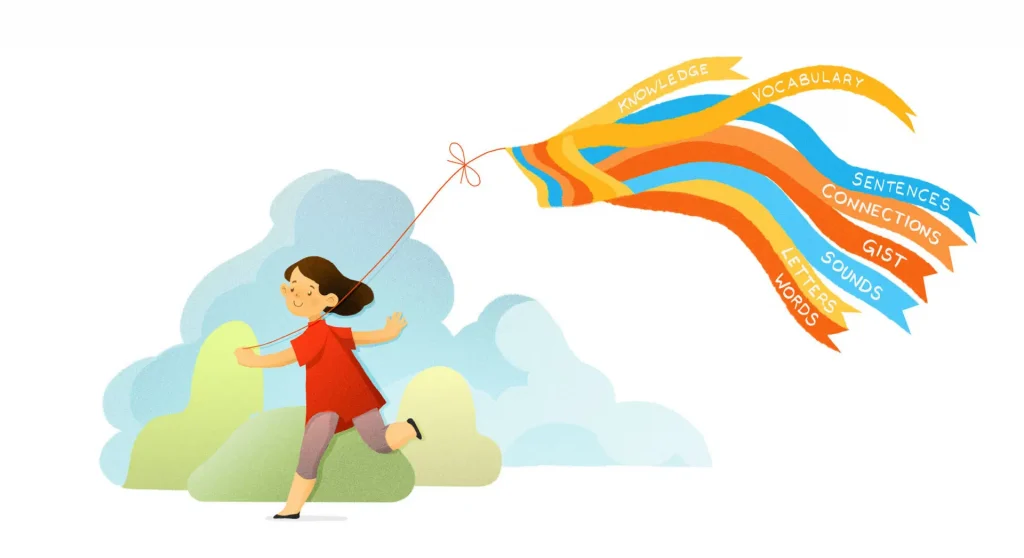
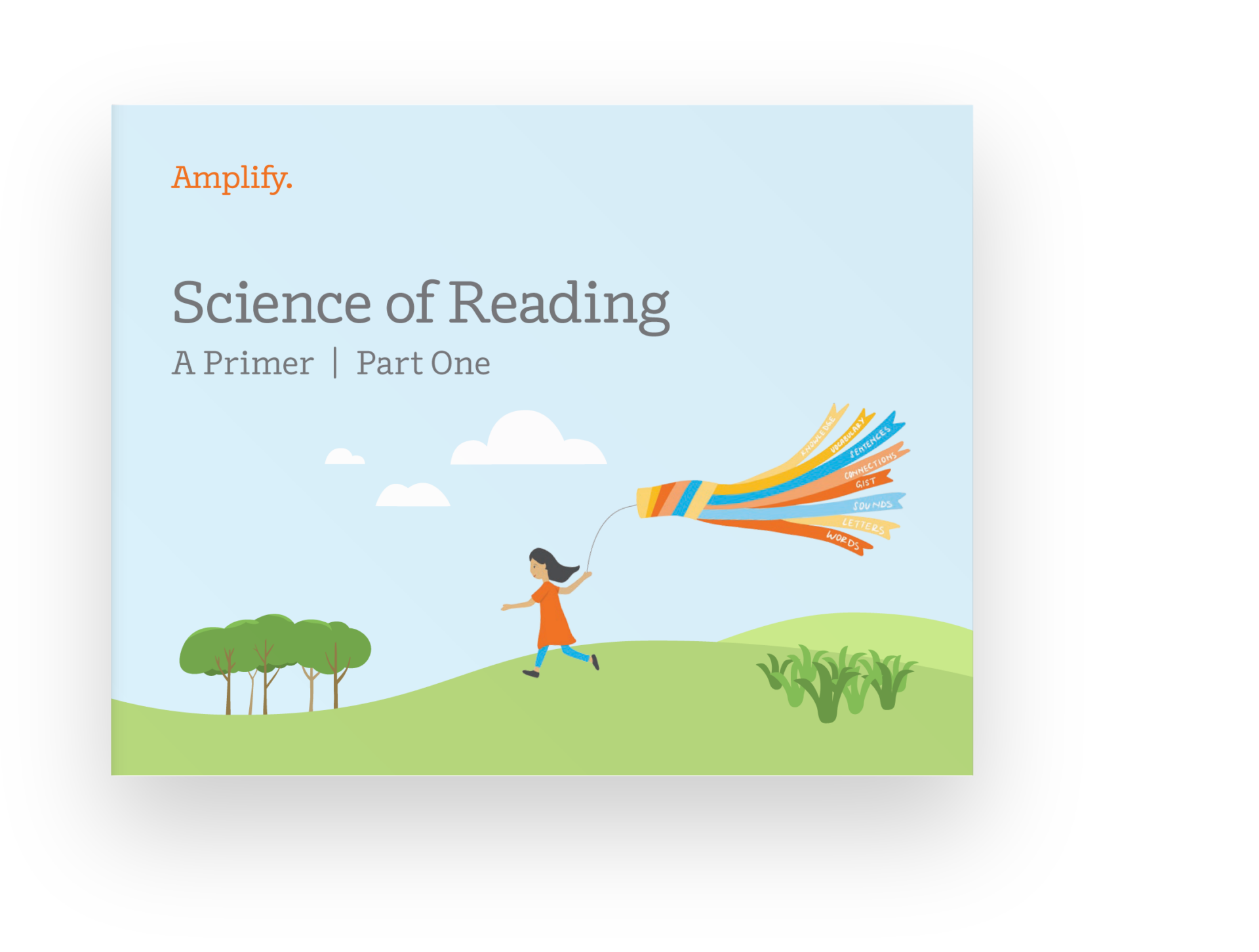
A girl runs outdoors holding a kite with colorful ribbons labeled knowledge, vocabulary, sentences, connections, gist, sounds, letters, and words.

Supports Orton-Gillingham and LETRS

CKLA brings the instructional principles recommended by Orton-Gillingham and LETRS to life in the classroom.

  • Structured–Concepts are taught through consistent routines
  • Sequential–Concepts are taught in a logical, well-planned sequence
  • Systematic–Phonemes are taught from simplest to most complex
  • Explicit–Decoding and encoding concepts are taught directly and explicitly
  • Multi-sensory–Instruction is delivered through visual, auditory, and kinesthetic-tactile pathways
  • Cumulative–Concepts are applied in decodable, connected text with constant review and reinforcement

What students read

Amplify CKLA puts a variety of texts in the hands of students every day to build and strengthen background knowledge and vocabulary, listening and reading comprehension, and decoding and fluency skills.

Reading and comprehension activities utilize:

  • Authentic books.
  • Authentic text passages.
  • Student Readers.
  • Novel Guides (grades 3–5).
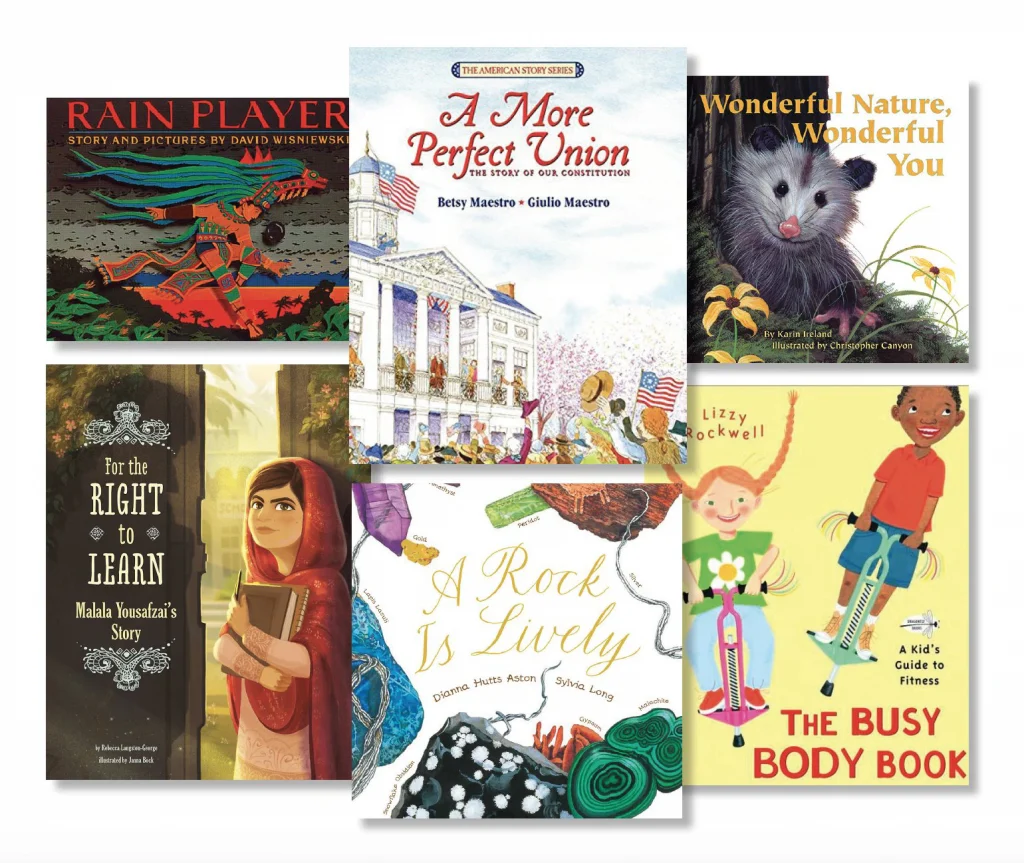
Six children's book covers arranged in two rows, featuring colorful illustrations of animals, people, and nature. Titles include "Rain Player," "A More Perfect Union," and "The Busy Body Book.

CKLA DEI and Social Justice Guides

The following guide offers an overview of the many ways that the Amplify CKLA program supports students’ understanding of issues related to diversity, equity, inclusion, and social justice.

A vibrant illustration depicting diverse children and animals engaged in various activities in nature and by a pond.

The missing piece

CKLA is aligned with programs you already know and use—mCLASS and Boost Reading—making the integration between systems, your implementation, and ongoing instructional planning more efficient, effective, and easy for your teachers.

Access demo

Ready to explore on your own? Follow the instructions below to access your demo account.

Access the CKLA Teacher Resource Site

Watch the quick navigation video first, then login using the “Access CKLA Teacher Resource Site” button.

  • Click the CKLA Teacher Resource Site below.
  • Select the Log in with Amplify button.
  • Enter the username: lausdreviewer@tryamplify.net
  • Enter the password: AmplifyNumber1
  • Select the desired grade level.

Access the CKLA Student Hub

Watch the quick navigation video first, then login using the “Access CKLA Student Hub” button.

  • Click the CKLA Student Hub button.
  • Select Log in with Amplify.
  • Enter the username lausdreviewer@tryamplify.net.
  • Enter the password AmplifyNumber1.
  • Select the desired grade level.

Contact us

Looking to speak directly with your LAUSD representative? Get in touch with a team member by emailing ckla.lausd@amplify.com or by calling us directly.

Shalonda Johnson

Customer Success Manager

(213) 310-0107

shajohnson@amplify.com


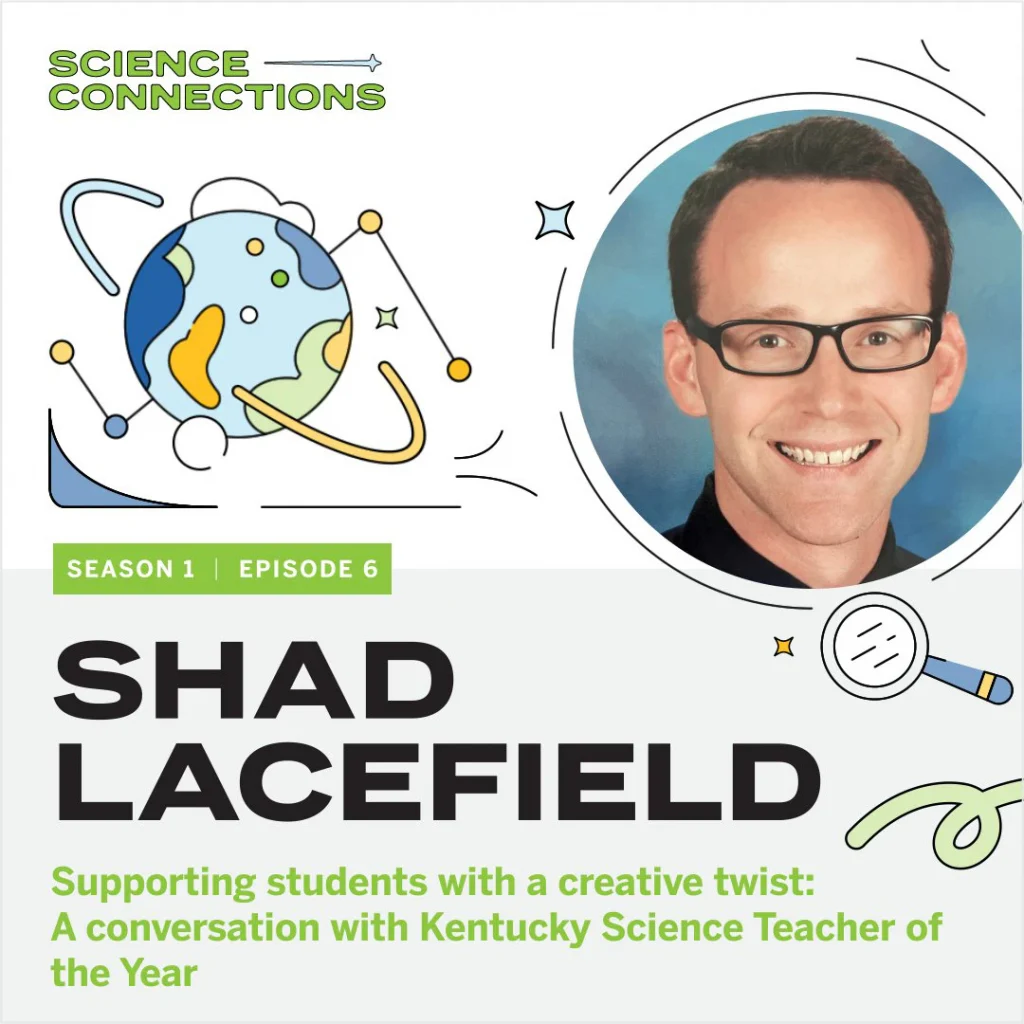
S1-06: Supporting students with a creative twist: A conversation with Kentucky Science Teacher of the Year, Shad Lacefield

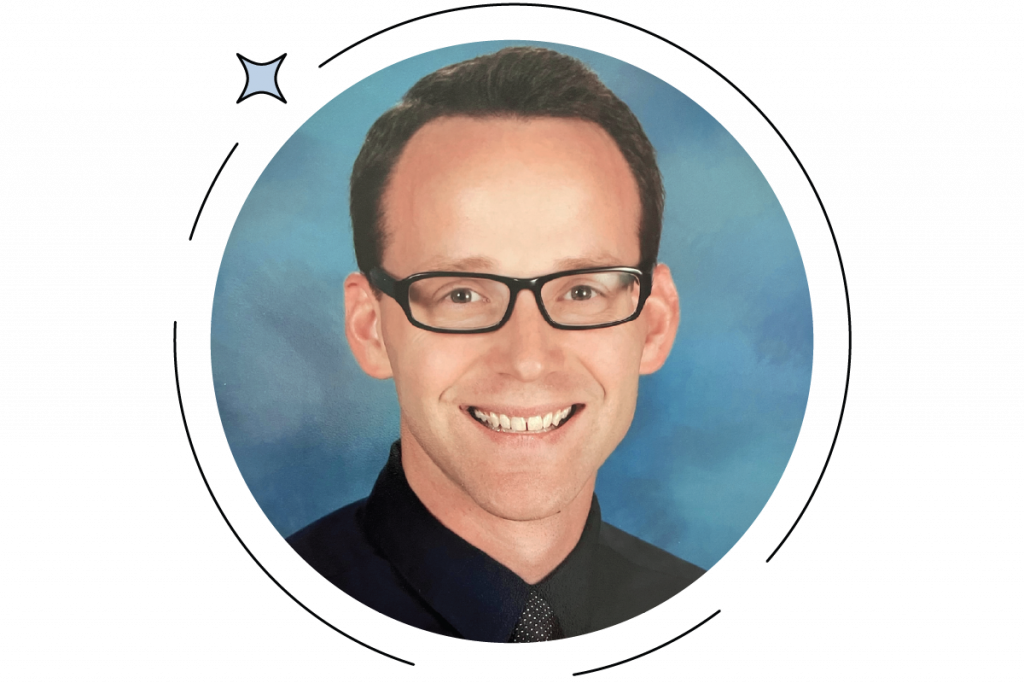
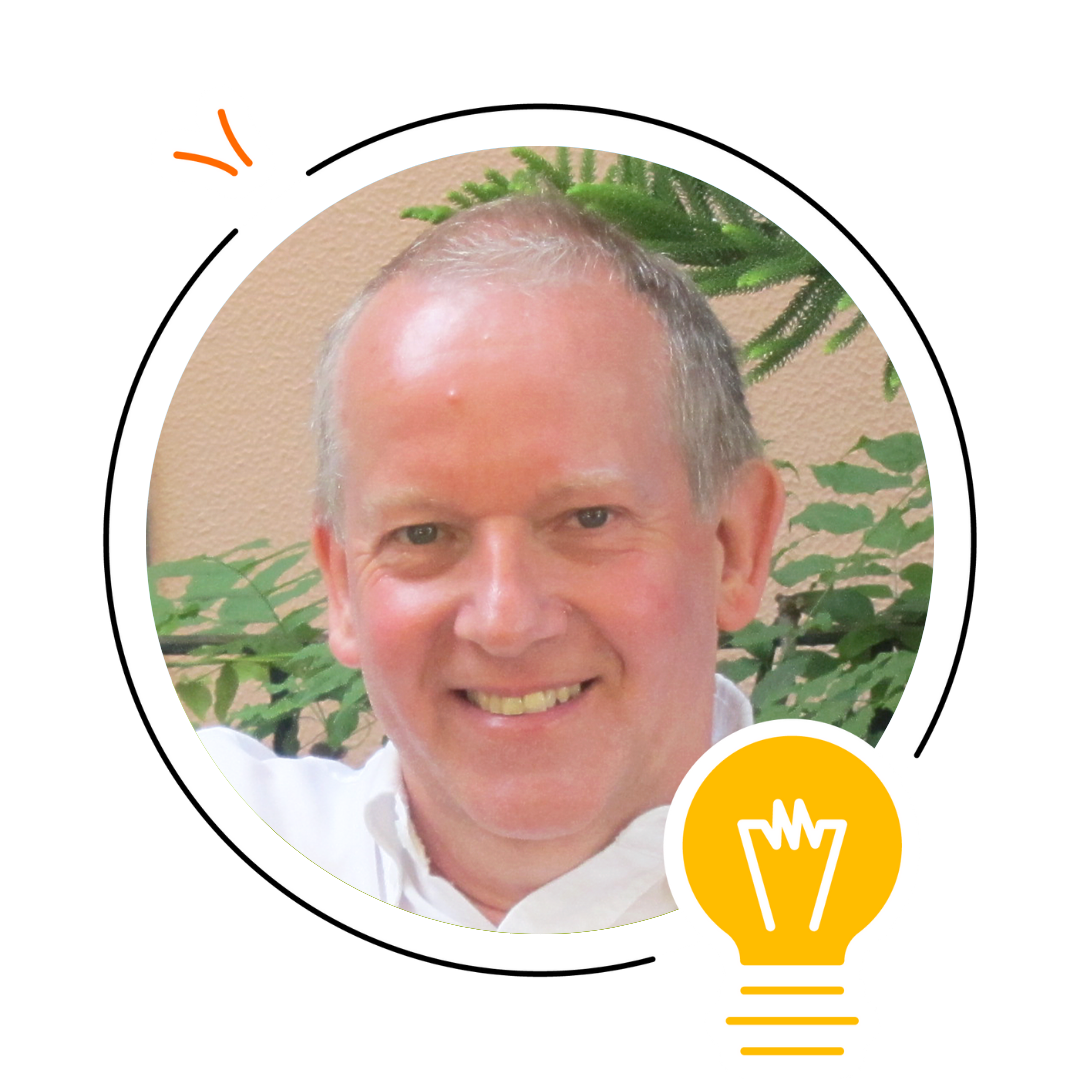
In this episode, Eric sits down with the Kentucky Science Teacher of the Year, Shad Lacefield. Shad shares his experience teaching during the first year of the pandemic, where Shad dressed up in over 100 costumes to create a unique and engaging online learning experience for his students. Shad also explains ways he connects with his students to celebrate student success, as well as large-scale efforts he leads within his school to cultivate the love of learning science content. Explore more from Science Connections by visiting our main page.

Download Transcript

Shad Lacefield (00:00):
When you stay relevant, it’s being engaged with your students and figuring out, or what are, what are they liking? And every year it’s gonna be different. And that helps you stay relevant. When you have conversations and you build relationships with your kids,Eric Cross (00:13):
Welcome to science connections. I’m your host. Eric Cross. My guest today is Shad Layfield. Shad is a teacher at garden Springs elementary and a part-time professor at Asbury University in Kentucky during the first year of the pandemic, Mr. Layfield dressed up in over a hundred costumes to create a unique and engaging online learning experience for his students. He also created Vader visits, where he visited students at their homes, dressed as Darth Vader to celebrate their online successes and keep them encouraged. During a challenging time. In this episode, we discuss how creativity impacts engagement, transferring lessons learned from distance teaching back to in-person instruction, and how upper grades can apply the same principles to improve student learning. I hope you enjoy this discussion with shad lays field. So you’ve been in fourth grade for four years, and then you were in second grade and fifth grade. And so like how long have you been teaching for like total?

Shad Lacefield (01:09):
So this is my 15th year teaching.

Eric Cross (01:12):
Really? Yeah. You’ve been in the game for a while.

Shad Lacefield (01:15):
Yeah. Yep. It, it doesn’t, and it’s always surprising to parents too during that, that first like, come in and meet your teacher. And I walk in, I’m like, yeah, I’ve been teaching for 15 years and every time it gets ’em, they’re like no way. And I’m like, yeah,

Eric Cross (01:28):
That’s, that’s a good thing though. That’s a good thing. Right?

Eric Cross (01:31):
You know? So like, well the energy and then, and you’re just how you’re perceived. Like you’re, they’re just, I don’t know. It’s something about work with young people. Like it keeps you young.

Shad Lacefield (01:39):
That’s what it is. Absolutely.

Eric Cross (01:41):
So how did, how, like, what’s your origin story? Like, how did you become a teacher? Like what, what was it? Was it something like you knew second career, like right outta school? Like how did you end up in the classroom?

Shad Lacefield (01:53):
Yeah. No, and I love this question cause I’m a big Marvel and, and superhero. So origin stories are all, I love a good origin story. So I grew up on a 13 acre farm in a little bitty town called Gustin, Kentucky, and very early on, like we were instilled my parents, amazing, amazing parents. But they really instilled like a, a super important work ethic in our lives of like, it’s, it’s all about hard work and it’s important that you’re working hard in whatever it is that you do. And I’m one of six kids as well in my family.

Eric Cross (02:24):
Where are you in the–

Shad Lacefield (02:25):
I’m second to last.

Eric Cross (02:26):
Second to last. Okay. So you’re the second youngest.

Shad Lacefield (02:29):
Yes. Okay. And and so, and so growing up, like with that, like, you know, I worked in tobacco, I worked in hay, you know, we did things being on the farm and stuff like that. And within my family as well, there’s four boys. And so when I decided to go to college I was the first guy in my family to go to college. And the first and only boy that ended up going to college. And so it was like this big deal, like, oh, you know, we got one of our boys gonna go to college. So what is he gonna be? And I was like, well, if I’m gonna put forth the, the time and effort and then the financial strain that it would cause cuz we were not poor at all. My dad worked two jobs to make sure, but I really felt the responsibility of like, if I’m gonna go, I’m gonna work in a profession.

Shad Lacefield (03:09):
That’s gonna make a lot of money. And here I am as a teacher now. So I didn’t go to college to be a teacher. I actually was pre dentistry. I thought, now here’s a profession. You can, a lot of money. You don’t work weekends or holidays, you know, I can still be the doctor thing. And so I’m gonna be pre dentistry. But like all good origin stories. There was a, there was a flip. So in my first year I started working at the most majestic place that you will ever go. It’s called Squire, boon, caverns. It’s a cave in Southern Indiana. And it’s an amazingly beautiful little place. You have to like one lane highway, like road to go back there up and down. Like you, you think you’re never gonna make it. And if it rains too much, the bridge will flood and you actually can’t even get back there.

Shad Lacefield (03:52):
So that’s how we’re talking like way back in the sticks. But once you get back, back there totally worth it. And as part of the job you were a tour I also did grist mill demonstrations and gym mining adventures, or, you know, as they’re gym mining and stuff like that. And within that, I started working with school aged kids and on very large tours and stuff. And my manager at the time, Claudia, I’m still great friends with and we still take our kids back there. Every summer she, to me, you’re really good with kids. Like you’re really good with kids. We have this scout program that’s on the weekends. And then during the summers and you would be teaching kindergarten through eighth grade kids, geology and forestry. What do you think about doing that? And I said, well, right, let’s try that out. And then I got the teaching bug and it hit and I was like, oh my gosh, like I don’t wanna spend my life doing something that is all about money or, or that is like, this is where it’s at. Like, I love this, I enjoy this. I enjoy the response that I get when I’m talking. And kids are excited about learning and getting new information and learning new stuff. And so then I change my major and here I am now, all these years later teaching instead of being a dentist,

Eric Cross (05:04):
Are there, are there days, do you ever have days where you’re like, you know, dentistry, it’s still an option. Like I can, I can go back.

Shad Lacefield (05:12):
Oh, rare, rare occasions. Rarely. Yeah.

Eric Cross (05:16):
Okay. Yeah. All right. All right. Fair enough. I, I, I always joke and say that like we have, you know, sometimes I have my, my alternate job on the hard days, which is for me, it’s working at the gap where I just want to fold clothes and go home at the end of the day, you know, on those really rough days. And you know, it’s never the kids, right. It’s always other things. The kids are like the great part. And then there’s all these other things. And I just wanna work at the gap. I just wanna work at the gap. Fold some clothes. Yes, sir. Yes. Ma’am absolutely. I can find that size for you. And then I just go home cause about their job when they go home at the end of the day, when you work at the gap, at least sorry, gap workers. I’m sure hard of that, but my perception in my mind is that you close up shop and then you’re done. Yeah,

Shad Lacefield (05:52):
Absolutely. Like you said, they can turn it, like it’s a turnoff at the end. Exactly. As teachers we know, like you don’t ever turn it off, it’s always there.

Eric Cross (06:00):
Yeah. So one of the things that I was super excited about when I, when I first heard about you is I went on your website and there’s so many things I feel like I can just talk about your website and just the, the content that you’ve produced. I, I, there’s so many directions I can go. But one, one of the things I want to ask you is, is about that. Now, one of the things that’s on there, and this is coming from a fellow star wars, Fisha who finished Bobba FET and the Mandalorian recently and is Jones in four OB one to come out.

Shad Lacefield (06:33):
Oh, so yes,

Eric Cross (06:35):
I live in Southern California next to Disneyland visited Galaxy’s edge star wars. You have these things called VA Vader visits. And so what do you do in those? And like, where did you get the idea for these Vader visits?

Shad Lacefield (06:50):
So the costumes were bringing the kids into the classroom. But when they left my room because you would, we only had them for a certain amount of time. There was still a lot of extra work that they needed to get done. And what I was seeing was I could get them to come in and they were really engaged during my lesson. But then afterwards, when it came to work completion or getting things done, there was, it was starting to fall off. As you know, we were experiencing, you know, more and more craziness of what’s going on. So then as an incentive, I decided if you have everything turned in, by the end of the day, I’m gonna dress up in my Darth Vader outfit, full costume, the, you know, the, the full helmet, like everything. And I’m gonna show up to your house and we’re gonna hang out and play any game at all that you wanna play.

Shad Lacefield (07:34):
So then it was a way of rewarding. My kids for getting everything turned in. But same time I felt like it would also help me build a relationship with them. That was a very challenging part of online learning. Like, again, I want you to feel like you’re a part of my classroom. I wanna feel like I’m invested in you and wanna learn about you. And it was a commitment because some of those kids put me through the ringer, whether it was we’re gonna do gymnastics on a trampoline. And again, I’m in full costume doing gymnast on the trampoline, or we’re doing soccer drills with their soccer coach at their house playing football games. I mean, all kinds of stuff. I made a Yachty game for a kid that loves Harry Potter. And it was really a big part of getting work turned in because, and it’s the crazy thought they wanted to spend time with me. Like that’s what it was. And so it was like, yeah, absolutely. I’ll keep dressing up. I did over 50 plus Vater visits. It wasn’t just for my homeroom. It was for all of fourth grade. So I went over 50 visits and it was cool to see kids in their home and talk to them and meet their parents. It was a great opportunity for me to engage with parents as well. How is online learning, going, what can I do to support you? Do you guys have any questions and stuff like that? So

Eric Cross (08:39):
This thing of relationships is like leading to work completion, which isn’t, which isn’t always the, the thing that we think to as educators of like how, you know, work completion. A lot of times we think of like structures or you know, certain protocols that you do in class get work completion, but here you are addressing as Darth Vader. And, and you said students were turning in more work because they’re connected to, you saw an increase in, in yeah. Engagement.

Shad Lacefield (09:07):
And absolutely. And, and I remember even saying that to myself, like this is, this is what’s getting them. But it, it was, and as part of the Vader visit as well with the videos we recorded all of them and I said, I’m gonna make you a YouTube star. And so I would, I, I recorded them. I put ’em on my YouTube channel. And so a lot of the videos that are on my website, all those Vader visits are like the kids showing off and playing against the teacher. And I promise you, I didn’t take it easy on any one of those kids. Like when it was like a verse match, I went all out and I told ’em. I was like, if you beat me, you know, it’s gonna be like, you earned it.

Eric Cross (09:38):
What a great way to leverage, just what, what is relevant to our students? Like you used your platform and then now you’re showcasing them on your, you know, your platform or what you were using. And then they’re seeing each other. And I could just see, regardless of the grade level, like just students, like beam from, from getting that kind of positive praise through, through, you know a medium that doesn’t, that tends to be more of a, just content consumption, but you’re kind of watching other folks do stuff, but now it’s about them. Like, and they’re, they’re getting that attention directly. Now I have to ask about the Vader costume. Did you, did you buy it for this event or did you already have that Darth Vader costume in your closet?

Shad Lacefield (10:19):
I had parts of the costume, but not the complete costume. And honestly, the very first Vader visit I had, I had the Vader mask that makes sounds, and like you could talk and it makes you sound like Vader.

Eric Cross (10:29):
My dark saber is on order. Yes. And it keeps getting delayed from best buy. It’s supposed to arrive in April, but I do have dark staple and order that I ordered back in November. So the best to your point, I don’t know who doesn’t have one, I’m waiting for mine though.

Shad Lacefield (10:42):
There you go, come on. Best buy come through for us. So

Eric Cross (10:44):
You, you did all this investment in time and, and you created all this content, but then we went back in person. Were, were you able to bring this back into the classroom or any of the things that you had generated during distance learning back in the classroom? Or are you, are you using some of the things that you learned? Like what, or is it just completely separate and you’re just doing something completely different. Now

Shad Lacefield (11:04):
That’s a great question. So I still try to dress up at least once every week, if not once every other week just to make whatever we’re doing fun, cuz I already have costumes that were connected to the content that I was doing. So had I had made a character called captain Soundwave that will use when I’m teaching my amplify lessons over sound. And so then I, you know, I have that or I would have, you know, specific characters that were designed for certain lessons that I would do. And so I still

Eric Cross (11:32):
Lemme interrupt you real quick. Where did you get these character ideas from? Cause they are super creative. I clicked on one random one. And you have had like a, a knitted like skull cap and like some blue shiny like cloak and I like who is this guy? I think, is that him? Is that captain sound wave? That’s

Shad Lacefield (11:48):
That’s hilarious. That was, that was my attempted Elsa. Oh, that was yeah. Started buying more and more costumes and and making characters and putting costumes together. And so yeah, it just ends up being this thing where you never know when I’m gonna show up in a completely random costume and be like today, we’re getting ready to learn about how sedimentary rocks form. And I dressed in my rock outfit, which is the old school rock with the turtleneck and the gold chain with,

Eric Cross (12:16):
Wait, do you have a Fanny pack too?

Shad Lacefield (12:17):
I have a Fanny pack. Yes you have. Yep. You nailed it. And they’re like, what does this guy

Eric Cross (12:22):
Do? He raise the one eyebrow. Can you do the, the rock eyebrow? Oh yeah, you got this. Oh, people on the podcast. Can’t see. Chad’s got it down. He’s got it down. He’s got the, he’s got the eyebrow going. Okay, so you, so I feel like I can go on a tangent and talk about all your costumes that you have, but the thinking about this. So tons of engagement, younger people now taking like some of the principles that you’ve learned from this, how can, how can upper grades like bring this joy to their classroom? Like middle school students, you know, older kids sometimes, you know, they can, they’re still kids, but you know, they might not be the same thing as fourth graders. Like would you, do you have any ideas of like how teachers and upper grades can kind of take these elements that you’ve done and, and apply them?

Shad Lacefield (13:04):
Absolutely. So some of the things that you had talked about, like with YouTube can also be applied to like TikTok videos and things like that, that kids are, are willing to watch and, and be engaged in. And so those things, I feel like I’ve seen other middle and high school teachers really utilize in their classroom. But honestly, and this is a new initiative that we’ve started in our district. Minecraft has been something that a lot of kids play and are really engaged in and has shown an amazing engagement for all of our kids when it comes to science engagement, particularly. And so with that, so there’s 126 million active Minecraft players right now in the world. And Minecraft is one of the largest selling video games. The average age, cuz they’re always like, oh, Minecraft is for kids who actually the average age is like 24.

Shad Lacefield (13:51):
So a lot of the older kids are playing Minecraft as well with the younger kids. And with that in mind, it was a way when I looked at Minecraft and specifically like Minecraft educational edition came out and it was during COVID and it was free. So if you had a school email or it’s like the, what the go 365 account, you could get it for free and all of our kids got it for free. And so then, then we went from playing Minecraft on the computer as like a fun game to me looking at it and saying like, wait a minute. I feel like when I’m doing energy conversions, we can take Redstone and Minecraft and kids can now show how a simple system using different parts and devices can work and understand even more con creates how energy is converted from one form to another.

Shad Lacefield (14:39):
And so let’s make this a, a, a, an actual activity. Let’s take what I’m teaching in the classroom. And if they get done early as an enrichment piece, because there’s not a ton of science and enrichment activities at times for kids to be able to do, like, what do I do when I’m done, Minecraft ended up being that. And so I could have these elaborate worlds that I would build for them that they could then go and play and be super engaged in and show me way more on this Minecraft world, what they knew than what they were writing on paper sometimes, cuz I, you know, you’d get like a sentences out of them on paper, but then all of a sudden when they would build this elaborate system and you just had them record and talk, it was like, oh my gosh, you understand way more than I was thinking that you did with that last exit slip, an assessment that we did.

Shad Lacefield (15:25):
And so like, this is awesome. So then I went to my district and I actually proposed an idea what if we did tire Minecraft build challenges for the whole district? So our district has 37 elementary schools and I was like, I think this could be something that, you know, as we’re looking for science, curriculum engagement and making kids excited about learning science and stuff again, cuz that was always the hard part. I feel like sometimes with COVID everything kids lost this love of, of being in the classroom and, and, and learning and that it was like, you know, getting them to come back into the classroom and, and finding, learning fun again. It was like this, this started to get ’em excited and like, yeah, I get to play in Minecraft and I’m learning at the same time. And it was working for all kinds of content areas.

Shad Lacefield (16:07):
We’re doing a blast off to, to Mars. We it’s called blast off to us. We’re partnering with CLO of the future. They’re working with SpaceX. Our kids will actually get to send postcards to space and yes, it’s, it’s a super cool thing. And I love my district and all of the office of technology, individuals, Ashley Josh and Kelly for putting this together. And so it asks this question if you could a community in space, what would it be like? And the goal is that kids will write on the back what they want. And then we send this postcard off to space, they stamp it saying it’s been in space and the kids get to have it back and, and be able to use it. But what, what we decided, what we could do with Minecraft is what if they actually built the colony on Mars, like really research put time and effort into reading scientific articles about plants and how plants would grow and, and water and, and structures and apply all of that in a massive build challenge. And then that be, you know what we’re doing? That can be the answer to the question. And so it’s not just a couple sentences on a postcard, but it’s like a week or two week unit that pulls all this scientific content and standards that we’re working with and really allows kids to show so much creativity like on my Twitter I’ve been posting like pictures and stuff like that of some of the students builds. And I’m gonna continue to do that throughout the build challenge.

Eric Cross (17:26):
Now, are you using Minecraft EDU?

Shad Lacefield (17:28):
Yes. That is correct.

Eric Cross (17:29):
I love Minecraft EDU. Like it, it, you talking about it inspires me to, to try to dive back into it. One of the things sometimes I feel limited by is the time that I have and the things that we’re trying to cover. And it’s almost, it almost feels like we’re doing something wrong using a video game to teach, but it’s such a great educational tool. Like you said, you just said that students are able to show what they know in, in a way by creating something that’s different than if they would’ve just written it, but they’re actually creating, and this is one of the things, I guess you kind of hit on this, but I wanted to probe it a little more. Is do you have your students creating content like you do? Cause I kind of heard that they, you were, did you say that they were explaining or doing a video recording or describing it? How are they, how are they, how are they doing that work?

Shad Lacefield (18:17):
Yeah. So what they actually do is they’ll write a script and they will use Screencastify to record and then upload to Flipgrid. And then that way they can actually show their build to all of fourth grade. Since we weren’t allowed to be in the same class, like we were all departmentalized, so then we will have voting challenges. So after you record, you get to see everyone’s videos, you get to like and comment and leave feedback on their builds. So you can see what the other kids created. And then then from those initial videos and voting, we selected a certain of kids that then go on to the district level for our Minecraft build challenge. And then those videos are viewed by administration and other teachers to vote again. And then you end up having grade level winners and then an overall winner, which shout out to my boy in fourth grade, who was our overall winner, Eli, super proud of him.

Shad Lacefield (19:07):
He, he made this really, really space saving system, which was hidden stairs that ran off of Redstone and used motion, energy. And again, in his video, he talks about like how motion energy has changed to electrical energy and then back into motion through the process of how this hidden staircase would be in the wall. And then you’d be able to use this lever to then release that staircase. So you could go up and down but it was just, and again, when you, when you let kids talk about energy conversions and you let them build all of a sudden, you have kids making security systems for banks. Another kid that made a feeding system for kids for animals at the zoo, and it was just like, oh my gosh, I had no idea that this was what you guys could run out and do. When I, when I taught you how energy conversions work, that this is what you could produce and come over, like this is mind blowing. I love it,

Eric Cross (19:56):
What our kids can do and what they can create always kind of blows us away when we give them an opportunity to kind of have that freedom to, to create and take their knowledge and actually do something with it versus channel it into what, show me what, you know, but only do it like this. This is, this is the lane that you have to stay in. How do you get these ideas and, and stay, stay relevant? Like so many of the things like you’re touching, like pop culture, you, you have this hand in education technology, you have you’re, you’re doing video editing. Like where are you drawing from? Cause I’m just thinking like, as a teacher listening to this, that might be newer. And they go to the side like, oh my gosh, this, this guy is doing these so many things like where are you drawing from for inspiration or ideas?

Shad Lacefield (20:39):
I think a lot of it is like you say, when, when you stay relevant, it’s being engaged with your students and figuring out, or what are, what are they liking? And every year it’s gonna be different. And that helps you stay relevant. When you have conversations and you build relationships with your kids to figure out, you know, what’s going on. Because I was not a big Minecraft person. It was the group that came in that really challenged me to do Minecraft because it, it showed up on their Chromebooks one day and all of a sudden it’s like, oh, we can play Minecraft all the time. And I said, no, you can’t play Minecraft until that I’ve had training. And I know what’s going on because I’m super nervous about this new thing. And I wanna make sure you guys aren’t doing something that you’re not supposed to.

Shad Lacefield (21:13):
And like, they hounded me hardcore about you better do you need to do that training, Mr. Lacefield, you need to, we wanna play Minecraft. You better be doing this. Right. And so I was like, all right, man, I’ll, I’ll invest. I’ll, I’ll put some time into this training. And I’m so glad that I did yeah, again, that’s it just like building relationships and having those conversations help you realize like, what’s, what’s what are they interested in? What what’s going on and what would be really funny, even connecting that back to the costumes. What would it be really funny if I showed up in you know, today, princess Jasmine.

Eric Cross (21:42):
Yeah.

Shad Lacefield (21:43):
Been yes. Done that. That’s a great one. I,

Eric Cross (21:45):
I, I just went to the social studies page. I, and I stop laughing while you were talking. Cause I saw the princess Jasmine.

Shad Lacefield (21:52):
Oh yeah. Folks.

Eric Cross (21:53):
I’m telling you, you have to go, you have to go to his videos and see what he’s done. I mean, they’re just, they’re just amazing with my middle school students. They, I, I find myself having to be into things that I’m not normally into. And we have these intergenerational relationships, right? Like I think teachers are unique in this I aspect where I can connect with a 12 year old with what 12 year olds are in no matter where this 12 year old’s from. Cuz I get 12 year old culture. But sometimes when I go back into my adult world, like I forget that like, Hey yeah, haven’t watched a new anime you know, or, or whatever, you know, up

Shad Lacefield (22:26):
That. Yeah. No said too. And a kid will show up wearing a, a shirt to school and I’m like, I wasn’t the world’s that like, I’ve never even seen that before. And you’re like, okay, I’m gonna have to learn what that is cuz that yeah.

Eric Cross (22:38):
And then the next student asks you about, Hey, do you like, do you like these this game? I’m like, yeah, yeah, let me go Google that game real quick. Yeah, I’m totally into it. I’m downloading on my phone real quick. And, and now I’m connected to all kinds of obscure random interests, but to your, to what you said, it like, it helps keep us fresh, right? With I, with ideas, there, there is something that is super practical that you’ve done that you’ve created that I’ve encouraged teachers to do. And I think you really nailed it. On your site, you have these video tutorials. When I look at those, I, I think about how much time you must have saved yourself of not having to explain the same exact thing multiple times. Because you’ve created this virtual help section that allows students to log in amplify earth, check, Flipgrid, whatever. Like do you, when you’re, when you’re teaching students, do you, do you use those in direct students there so they can kind of support themselves? Or is that, what, how did that come to be when you, when you made these, these virtual tools? Because I could just imagine these are time savers for you.

Shad Lacefield (23:49):
Absolutely. Cuz again, like you said, it’s it saves on time. So a lot of when you have kids that are already visual learners as well, and they love watching YouTube and they learn stuff from YouTube, why not? I mean, make the video and then attach it to my Google classroom, keeping everything online. Everyone always has access. And by still having those videos, it allows kids to hear the directions multiple time, but on their time and at their pace. So then it’s posted on the assignment. So even though I probably still will give those directions verbally out loud if a kid forgets and maybe they feel a little nervous about asking in front of their peers, like, oh, how do I do this again? Or, oh, I don’t remember how to do that. That video is linked on there. So that way they can go back and watch it.

Eric Cross (24:28):
It’s almost like a little co-teacher that you have like a little aide that’s like, but it’s you, but it’s like a mini you who’s helping you out. I found that putting sometimes those tutorial videos on ed puzzle, where at different points in time, you can set it up so that at a certain timestamp, it asks a question and you can control it. So they can’t move faster past it until they respond to the question and you have the question be about whatever you just said. And then it, it syncs with Google classroom. So you can import all the grades and you can see how far through the video they got. But that was one other layer that I was able to do. So I can have some accountability and make sure that okay, everybody watched it and they answered all five questions of like, how do you do this?

Shad Lacefield (25:07):
Oh, see, now you’re sharing stuff with me, Eric, because I, I’m not as familiar with ed puzzle. I’ve used like near pod and per deck, but I mean just you saying that I’m like, okay, I need to check out ed puzzle and, and see what, what this is all about. Cause that sounds awesome.

Eric Cross (25:20):
Hey, I shared something with Chad and it it’s useful. I’m I’m feeling good right now. I’m feel I’m feeling good. So as we, as we kind of wind down one, couple questions I wanna ask. One of ’em is you’ve been in teaching for, for 15 years and I, I talk to you like right now and I get this energy and this vibe that’s just so upbeat, so positive. How do you stay fresh, fresh. And how did you stay fresh during a time when things have been so hard, you know, and it, and still is for so many educators, how do you stay encouraged? Like what, what have you done and, and to stay in, in education for, for this long,

Shad Lacefield (26:00):
I think it, it even goes back to like when I made my initial decision to switch my major to education, like I, I really felt like I found so thing that I thoroughly loved and enjoyed, and I always feel like you go through seasons. Like, and I definitely, when, when COVID hit, like you went through a season of where you start to feel again, that pressure like do I really like doing this as much as I thought that I like doing this and am I ready for this next thing? And then I just go back to just the, well, why did I do this to begin with? And, and it gets me, you know, excited to be like, I did it for the kids, like, and it’s about the kids. And I get joy when they’re laughing and smiling. So again, with the videos, it’s like, how can I make ’em laugh and smile because if they’re laughing and smiling and having a good time, I’m gonna get, you know, jacked and ready to start teaching again.

Eric Cross (26:48):
And I just hear that so much in what you’re saying is you’re serving your kids is, is being more than that building the relationship, that connection. And then through all that, the learning happens. The last question I wanna ask you is who’s one teacher that created a memorable experience for you or inspired you. Is it someone that you remember when you were in school or learn experience that just, that stands out to you to this day? Cuz as teachers, we remember thi like our kids remember us and it’s weird to be in that position to think that we’re gonna be that person. So is there anybody or anything that stands out to you that you remember from a, a teacher and experience?

Shad Lacefield (27:27):
Gosh, I have, I have a lot that you know, from my fifth grade science teacher, Mr. Goodman, who we did the ecology meet and the ecology team, and we went to OT Creek park and we competed against other schools about science, connected materials to my physics teacher in high school that let us build boats out of cardboard and take it to the only hotel in our town and the pool. And we had like boat races with the cardboard boats that we did. But really I, I go back to Squire boon and Claudia my manager and I remember not only was, she’s such a, a pivotal like getting me into teaching. But I remember the, the curriculum that we were using at the time that I was. And again, it goes back to what if I was to teach that curriculum, I would not still be a teacher because again, as sometimes you experience with curriculum, it can be boring and not engaging. And I was already putting my own flare on it at SQUI boon during the scout lessons. And I said, what if I just completely rewrote this curriculum? What if I made it really fun and put my own, spin on it? And, and she was like, absolutely, absolutely do that. And I feel like that encouragement as teachers, when we encourage kids to be creative when we encourage kids to, to take risk and to try new things we end up getting such amazing results that we didn’t even expect

Eric Cross (28:45):
Thought I out to Mr. Goodman for the ecology meet the physics teacher for the, the boat races, which are hilarious, by the way, if you’ve ever been able to watch students, did you make ’em at a cardboard?

Shad Lacefield (28:53):
We did. Yep.

Eric Cross (28:54):
Yeah. Those are hilarious to watch. And Claudia for giving the freedom to let you be a educational DJ and remix things to make it fun. Thanks for being on the podcast. Thanks for your inspiration and for sharing your stuff like publicly and letting other people see it and, and get ideas. It’s, I’m sure there’s more people than, you know, and more teachers than, you know, that are looking at that and getting their own ideas and coming up with their own. It might not be star wars, but coming up with their own inspiration, maybe it’s like Harry Potter or Lord of the rings or some like that.

Shad Lacefield (29:26):
Yeah. Whatever. You’re passionate about. Pull that in.

Eric Cross (29:31):
Thanks so much for joining me and Shad today. We want to hear more about you. If you have any great lessons or ways to keep student engagement high, please email us at stem@amplify.com. That’s STEM@amplify.com and make sure to click, subscribe wherever you listen to podcasts until next time.

Stay connected!

Join our community and get new episodes every other Tuesday!

We’ll also share new and exciting free resources for your classroom every month.

What Shad Lacefield says about science

“It’s about being engaged with your students and figuring out what are they liking. Every year it’s going to be different…when you have conversations and you build relationships with your kids.”

– Shad Lacefield

4th Grade Science Teacher, District Elementary Science

Meet the guest

Shad Lacefield is a teacher at Garden Springs Elementary and part-time professor at Asbury University in Kentucky. Mr. Lacefield leads professional development in his district, and has been a guest speaker for Eastern Kentucky University, Campbellsville University, and Amplify Education. His topics include classroom managment, integrating techology, and student engagement. He earned his bachelor’s degree in elementary education from Campbellsville University in 2007, and his master’s in science from Southwest Baptist University in 2011. Shad has either taught or coached every grade K-12, and in his 14 years in education he has served as a lead teacher in literacy, math, science, and social studies. He currently coordiantes with the FCPS Office of Instructional Technology to plan Minecraft build challenges for elementary students, and is working on setting up a science field trip that turns a golf course into a STEM lab. During the first year of the pandemic, Shad dressed up in over 100 costumes to create a unique and engaging online learning experience for his students. He also created Vader Visits where he visited students at their homes dressed as Darth Vader to celebrate their online successes, and keep them encouraged during a challenging time. His creative teaching style, and over 50 “Vader Visits” with students, have been featured on WKYT-TV, LEX-18, Spectrum 1 News, and several local and college news publications. Shad lives in Lexington Kentucky with his wife Whitney Lacefield and their three children.

Check out his websiteYouTube channel, and Facebook account!

A person with glasses smiling against a blue background, surrounded by a circular design.

About Science Connections

Welcome to Science Connections! Science is changing before our eyes, now more than ever. So…how do we help kids figure that out? We will bring on educators, scientists, and more to discuss the importance of high-quality science instruction. In this episode, hear from our host Eric Cross about his work engaging students as a K-8 science teacher. Listen here!

Resources for teachers: Bring the world to students with knowledge!

The Science of Reading shows that literacy develops best on a foundation of knowledge. In other words, the more you know, the easier and faster you learn!

The Amplify CKLA literacy curriculum intentionally builds students’ background and academic knowledge—along with comprehension strategies—that fuel their capacity to understand texts, answer questions, and grapple with ideas.

Explore resources for teachers from educators across the country who are bringing Amplify CKLA Knowledge Domains to life in their classrooms!

Children sit on a classroom rug, guided by the literacy curriculum, as a pirate character stands on a beach. Two cacti in a desert add to the scene, and two children interact at a table with resources for teachers.

Kindergarten

In kindergarten, students develop phonemic awareness with storybook characters like Zack and Ann Chang; draw a chart to identify different smells; learn about the Lenape, Wampanoag, and Lakota Sioux; and pay homage to classic nursery rhymes by jumping a candlestick.

An illustration featuring a green, one-eyed character with a hat in front of a farm scene with fields, a barn, a bird, and a pig. A red book lies open on the ground, suggesting an engaging literacy curriculum that brings stories to life.

Domain 1: Nursery Rhymes and Fables

To celebrate the end of the Nursery Rhymes and Fables unit, students participated in a Nursery Rhyme Olympics.

Credit: Kelly O’Connor, Huber Street Elementary School, NJ

BONUS VIDEO: Watch this video to see Nursery Rhyme Olympics in action!

Domain 2: The Five Senses

As a special activity for the Five Senses unit, students explored their sense of taste with a pop-up farmers market.

Credit: Debbie Braaten, Abraham Lincoln Elementary School, OH

BONUS VIDEO: Hear how Jamie Vannoy, a teacher in Wirt County, WV, plans a braille activity for this unit!

Domain 3: Stories

Kindergarteners worked in groups to construct houses using straw, sticks, and bricks to commemorate the reading of “The Three Little Pigs.”

Credit: Manal Abuhouran, Clarendon Elementary School, NJ

Domain 4: Plants

To apply their learning, students at Superior Elementary planted grass seeds at the beginning of the Plants unit, then cared for and observed the grass daily to ensure it flourished.

Credit: Emma Fynbu, Superior Elementary School, NE

Domain 5: Farms

To celebrate the Farms unit, students visited a local farm to study the equipment and farm animals!

Credit: Kirsten Tingley, Cumberland Valley School District, PA

Domain 6: Native Americans

To showcase their knowledge, students created a gallery walk that displays information about the Lakota Sioux, Wampanoag, and Lenape tribes.

Credit: Dalphne Harrison, Aldine ISD, TX

Domain 7: Kings and Queens

To mark the end of the Kings and Queens unit, this class hosted a royal tea party in the cafeteria, featuring cloaks and handmade crowns.

Credit: Chrystal Wise, Malvern School District, AR

Domain 8: Seasons and Weather

Teach your students more about seasons and weather: Invite your local meteorologist to visit, like this classroom did!

Credit: Chrystal Wise, Malvern School District, AR

Domain 9: Columbus and the Pilgrims

Students create illustrations of Columbus’s journey to present their knowledge for this unit!

Credit: Mandy Collins, Fayette County Public Schools, TN

Domain 10: Colonial Towns and Townspeople

As you wrap up this unit, take inspiration from this school: Make shop signs and tables to create your own colonial town!

Credit: Andrea Gatten, Propel Schools, PA

Domain 11: Taking Care of the Earth

We love this culminating activity! Students create awareness for a cause by creating persuasive signs, videos, and a class petition. This multimedia display shows them embracing the values of environmental stewardship.

Credit: Heather Keating, Gulliver Prep, FL

Domain 12: Presidents and American Symbols

To close the Presidents and American Symbols Domain, hold a sample election in your classroom! Create a voting booth, ballot box, ballot cards, election music, campaign posters, stickers, balloons, and confetti! Before announcing the winner, discuss the importance of voting, the voting process, what a campaign looks like, and what to look for in a great leader.

Credit: Andrea Gatten, Propel Schools, PA

Grade 1

In Grade 1, students sing about a fabulous fox, learn to tell the difference between fairy tale heroes and villains, write an opinion statement about the worst part of going to the moon, and learn ancient Egyptian techniques for mummifying an apple.

A person dressed as a pirate examines a large skull near a globe, reminiscent of resources for teachers planning an engaging activity. The background shows mountains and a body of water.

Domain 1: Fables and Stories

To celebrate the Fables and Stories domain, students participated in a “wolf in sheep’s clothing” race while teachers dressed as fable characters.

Credit: Brittany Sachs, Monon Trail Elementary School, IN

BONUS VIDEO: Hear how Brittany planned a Fable Olympics for her Grade 1 students!

Domain 2: The Human Body

To showcase their knowledge of the topic, students participated in a “hospital day.” The classroom was transformed to look like different operating rooms. Stations included blending and segmenting CVC words with Band-Aids, a Tricky Words eye exam, sentence writing, an X-ray light table, food sorting according to the food pyramid, and an operation game!

Credit: Erin Chester, Thompson Crossing Elementary School, IN

BONUS VIDEO: Erin explains how she planned the activity, and shows us snippets of the culminating activity in action.

Domain 3: Different Lands, Similar Stories

Take inspiration from this classroom and have your students create a Thumbelina floral craft to round out the unit’s celebration of folktales.

Credit: Elizabeth Sillies, Three Rivers Local School District, OH

Domain 4: Early World Civilizations

Looking for a culminating activity for this domain? Plan an ancient Egypt day filled with crafts and activities, including pyramid-making, writing in hieroglyphics, trying Egyptian food, and mask-making.

Credit: Camy Stirling, Brevard Academy, NC

BONUS VIDEO: Watch this short video about how to make pyramid-making easy in your classroom!

Domain 5: Early American Civilizations

Students can apply their learning about early American civilizations by creating their very own Moctezuma headdresses.

Credit: Emmett J. Hoops, Moriah Central School, NY

Domain 6: Astronomy

A surefire way to ignite your students’ excitement about astronomy is to create a moon phase Oreo chart!

Credit: Shelby Varchmin, Fred Wild Elementary School, FL

BONUS IDEA: Have your class send postcards to space through the Club for the Future program.

Domain 7: The History of the Earth

Students channeled their inner geologists during this unit and dug for rocks.

Credit: Ronda Scott, Dixon Public Schools, IL

Domain 8: Animals and Habitats

Students can express their creativity by drawing animals, plants, and environments on rocks, then sorting by habitats or comparing by Venn diagram.

BONUS: Check out these students’ creative and colorful dioramas that were showcased at the end of this unit!

Credit: Christine Thomas, The School District of Palm Beach County, FL

Domain 9: Fairy Tales

To wrap up the Fairy Tales unit, sharpen your students’ drama skills by having them act out their favorite stories.

Credit: Elizabeth Sillies, Three Rivers Local School District, OH

Domain 10: A New Nation: American Independence

Posters beautifully summarize the learning from a unit. Pair students up to create and present to their classmates!

Credit: Tracy Hatch Gagnon, Holy Name Parish School, MA

Domain 11: Frontier Explorers

Students can celebrate this unit by hosting a Pioneer Day and making Daniel Boone hats!

Credit: Shelby Varchmin, Fred Wild Elementary School, FL

Grade 2

In Grade 2, students thrill to the crimes of the Cat Bandit, assemble books about ancient Chinese culture, write their own Greek myths, and learn the story of the people who escaped to freedom from slavery by “follow[ing] the Drinking Gourd.”

Cartoon wizard with a white beard and star-patterned hat holding a small dragon, standing in front of a house in a desert setting. A large feather quill, perfect for drafting a literacy curriculum, is in the foreground.

Domain 1: Fairy Tales and Tall Tales

To celebrate the end of the Fairy Tales and Stories Unit, encourage students to showcase their favorite stories by crafting paper collages and clay figures.

Credit: Jessica Berg, Arlington Public Schools, VA

Domain 2: Early Asian Civilizations

Second-grade teachers worked together to create an amazing dragon at the end of their Early Asian Civilizations Unit. Each student created a scale for their grade-level dragon!

Credit: Emma Bridgeforth, Windsor Elementary School, WI

BONUS: This class at Windber Elementary, PA, celebrated this unit by hosting a Chinese New Year dragon parade.

Domain 3: The Ancient Greek Civilization

This class had a great time becoming world travelers and celebrating all the knowledge gained throughout the Ancient Greek Civilization domain. The students started their day getting their passport stamped. After entering ancient Greece, they engaged in many centers. They built the Parthenon and Athena’s throne, wrote facts about Sparta, created locks for Pandora’s box, built a harp for Apollo, and played vocabulary games. In addition to centers, the students learned that they all qualified for the Olympics, and were led by teachers on a victory walk as the entire school cheered for them!

BONUS: Take inspiration from this Louisiana educator and plan a potato Olympics day with your students!

Credit: Terri Hart, Jefferson Parish Public School District, LA

Domain 4: Greek Myths

Students wrote and shared their very own Greek myths, made props, and dressed in togas to celebrate this unit!

Credit: Chelsey Steinmetz, Cornell Elementary School, WI

Domain 5: The War of 1812

Bring a battle to life by having students create boats out of foil and other common household materials to participate in a boat race!

Credit: Jerica Falevai, Pacific Heritage Academy, UT

Domain 6: Cycles in Nature

To bring the Cycles in Nature unit to life, students learned how to make their own greenhouses and watched lima beans germinate and sprout.

Credit: Amber Taylor, Corbin Primary School, KY

Domain 7: Westward Expansion

To commemorate the end of this domain, this class had two grandparents come to the classroom to bake bread, make trail mix, and pan for gold.

BONUS: In another classroom, students made people, animals, and their very own pioneer wagons out of paper.

Credit: Jennifer Murphy, John E. Bryan Elementary School, AL

Domain 8: Insects

These students celebrated all the knowledge they gained by researching and writing about an insect, then using household items to build a model of their chosen insect!

Credit: Tamara Gore, Harrison Hill Elementary School, IN

Domain 9: The U.S. Civil War

Have your students showcase their knowledge of the U.S. Civil War by creating posters of important historical figures of the time!

Credit: Heather Griffin, Rochester School District, NH

Domain 10: The Human Body

We love this culminating activity! Students made digestive-system models out of air-dry clay and traced themselves on large paper to make a life-size model of the body systems!

Credit: Olga Cabrera, Aldine ISD, TX

Domain 11: Immigration

Students participated in an Ellis Island simulation in their classrooms at the end of the Immigration Unit, and even created their own passports!

Credit: Sandra Garcia, Austin Independent School District, TX

Domain 12: Fighting for a Cause

To wrap up this unit and showcase their knowledge, students created VIP books about important historical figures!

Credit: Meghan Scheffler, Community Unit School District 300, IL

Grade 3

In Grade 3, students write a newspaper story about the invention of the telephone, go on a digital quest with Viking explorers, reflect on the stars with astronomy lab notes, and learn the secret to writing an excellent narrative ending.

Illustration of a person in ancient Roman attire with a large bird flying over a mountainous landscape, perfect for enhancing any literacy curriculum or activity plan. This image serves as an engaging resource for teachers to illustrate historical contexts vividly.

Domain 1: Classic Tales: The Wind in the Willows

To immerse themselves in the Classic Tales domain, students hosted a party inspired by classic literary celebrations.

Credit: Laurie Valente, Secaucus Public School District, NJ

Domain 2: Animal Classification

A great way to shift perspective and get students to apply their knowledge? Transform your classroom into a vibrant “rainforest café” that showcases students’ published writing. Each student can create an informational piece about a specific vertebrate, learning how to introduce a topic, group related information, and support it with facts and details. They turn their writing, complete with text features, into restaurant-style menus! Dressed as rainforest and safari guides, students can present their work to other students and staff, answering questions about their animal and its classification.

Credit: Nicole Desmond, Riverside School District 96, IL

BONUS: To celebrate the Light and Sound unit as well as all units about animals in grades K–4, take a cue from Windber Elementary and plan an animal-themed glow show with your students!

Domain 3: Human Body

Get crafty in this unit by having students make body parts out of household supplies: a pipe cleaner becomes the spinal cord, noodles represent the vertebrae, and gummy Life Savers turn into cartilage. You can also make X-rays by tracing hands and wrists on construction paper. Students can color around the bones with a dark crayon, then use vegetable oil and a Q-tip to “paint” the bones. When held up to a light, the project resembles an X-ray!

Credit: Crystal Chwatek, Muhlenberg Elementary Center, PA

Domain 4: The Ancient Roman Civilization

Have your students put their knowledge of ancient Roman civilization to the test: Challenge them to use packing peanuts to build iconic Roman landmarks.

Credit: Melissa Vasquez, Eureka City Schools,CA

Domain 5: Light and Sound

To celebrate the Light and Sound unit, your students can make colorful suncatchers and witness the science of light and color in action.

Credit: Stephanie Schuettpelz, Marion Elementary School, WI

BONUS VIDEO: Watch how another teacher plans a black light party for this unit!

Domain 6: The Viking Age

CKLA students love Vikings! In this classroom, students made paper swords before participating in a special ceremony.

Credit: Kerri Lintl, Merrimac Community School, WI

Domain 7: Astronomy

As a culminating activity for the Astronomy unit, an Oreo moon phase exercise really motivates students to apply their knowledge.

Credit: Stephanie Schuettpelz, Marion Elementary School, WI

Domain 8: Native Americans

Flex your students’ creativity at the end of the Native Americans unit by having them gather natural materials and creating Native American shelters!

Credit: Alisa Byrd Fesmire, Roane County Schools, TN

BONUS VIDEO: Hear how a teacher in Wisconsin plans a basket-weaving activity for her students during this unit!

Domain 9: Early Explorations of North America

To help your students visualize North American exploration, they can draw maps of the studied expeditions and use yarn to show the various routes!

Credit: Maria Woytko-Morris, Manitou Springs School District, CO

Domain 10: Colonial America

Take inspiration from this classroom and set up a colonial town where students can barter goods and work as apprentices at the general store, blacksmith, tailor shop, and cobbler shop.

Credit: Heidi Graci, Sporting Hill Elementary School, PA

Domain 11: Ecology

For this unit, these students practiced their speaking and listening skills by presenting about an endangered animal to the rest of the class.

Credit: Stephanie Schuettpelz, Marion Elementary School, WI

Grade 4

In Grade 4, students take part in a dramatic invention competition judged by Thomas Edison, George Washington Carver, and Hedy Lamarr; use writing to investigate the function of a mysterious contraption; become poets; and bring their reading skills to bear on the classic novel Treasure Island.

Illustration of a woman holding architectural blueprints, standing in front of a medieval village landscape with scattered huts, fields, and a river. Two closed books titled "Resources for Teachers" float in the top right corner.

Domain 1: Personal Narratives

To celebrate the Personal Narratives domain, students created posters using information about their names.

Credit: Daphne Long, Steele Elementary School, AL

BONUS VIDEO: Hear how an educator in New York plans an engaging culminating activity for the Personal Narratives unit!

Domain 2: Empires in the Middle Ages

Flex your students’ creativity: Have them create their very own shields and write a paragraph describing them.

Credit: Elisabeth Freligh, Spring Hill Elementary School, AK

BONUS VIDEO: See how students in Minnesota participated in a stained glass art project to celebrate the Middle Ages.

Domain 3: Poetry

Empower students to apply their knowledge of this writing discipline with poetry journals.

Credit: Elizabeth Sillies, Three Rivers Local School District, OH

Domain 4: Eureka! Student Inventor

Encourage students to showcase their innovation at an Invention Showcase! Here, they pitched their ideas using the slides they created and the models they made.

Credit: Daniella Cucunato, Merchantville School District, NJ

Domain 5: Geology

Geology offers great opportunities to facilitate hands-on learning! Students can examine rocks and fossils, or bust geodes to supplement their lessons.

Credit: Spring Choate, Overton County Schools, TN

Domain 6: Contemporary Fiction

Students can take their favorite stories off the page in this unit! For example, lead students in a craft activity creating their own house inspired by The House on Mango Street.

Credit: Lara Andree, Aldine ISD, TX

Domain 7: American Revolution

Work a STEM activity into this Knowledge Domain by inviting students to recreate the Boston Tea Party with sticks and items of various weights.

Credit: Maureen Elliott, West Irondequoit CSD, NY

Domain 8: Treasure Island

To celebrate the end of the Treasure Island domain collaboratively, students can build their very own map sections and put them together.

Credit: Daphne Long, Steele Elementary, AL

Grade 5

In Grade 5, students learn about villanelles and Mayan codices, read and perform Shakespeare’s “A Midsummer Night’s Dream,” use their writing skills to teach a robot about human emotions, and solve a scientific mystery involving ancient fossils.

A woman in a pink dress stands near an ancient pyramid with a night forest and river in the background, symbolizing the timeless resources for teachers that bridge history and nature.

Domain 1: Personal Narratives

Have your students refine their personal narratives into graphic stories to celebrate the end of this unit.

Credit: Anna Barba, Arlington Traditional School, VA

BONUS VIDEO: Hear how a teacher plans name posters for her students to wrap up this domain.

Domain 2: Early American Civilizations

To celebrate this unit, have your students create codices and Mayan mythical character sculptures using clay!

Credit: Anita Trolese, TASIS Portugal

Domain 3: Poetry

Transform your classroom into a poetry café where students share their work with the rest of the class.

Credit: K.D. Meucci, Bethel Park School District, PA

Domain 4: Adventures of Don Quixote

These students are an inspiration! To celebrate they reenacted scenes from Adventures of Don Quixote by choosing a chapter, summarizing its plot, writing scripts, and acting out their chapter for their classmates. They even chose their own backdrops and props to help embody the characters.

Credit: Riley Montgomery, Hamilton Local School District, OH

Domain 5: The Renaissance

The arts and the Renaissance go hand in hand, so have your students get creative and create their own Leonardo da Vinci portraits.

Credit: Windber Elementary, PA

Domain 6: The Reformation

Immerse your students in the Reformation era by having them make stamps and write out some text as a great way to mimic the effect of the printing press!

Credit: Jessica Kingery, Jefferson City School District, MO

Domain 7: A Midsummer Night’s Dream

Turn your classroom into a theater for this unit and have your students read the play using character cards and donkey headbands.

Credit: Daphne Long, Steele Elementary, AL

Domain 8: Native Americans

A successful extension project for the ​​Native Americans unit is personal totem poles! Have your students determine their own personal totems, write paragraphs to explain totem poles and why they selected their own personal totems, and use a template to create their own totem pole.

Credit: Kristin Rea, Cicero School District 99, IL

Domain 9: Chemical Matter

A great way to bring knowledge to life in this unit? Make fossils out of clay molds!

Credit: Teresa Karney, Reese Public Schools, MI

Want to learn more about our Science of Reading literacy curriculum?

Prepare Professional Development (PD)

Learning experiences to prepare for literacy and math instructional shifts

The following literacy and math sessions can help any educator—regardless of the program used—enhance their instructional practices.

  • Science of Reading sessions offering research-backed strategies to deepen understanding and improve student outcomes.
  • Problem-based approach to math sessions that empower educators to facilitate meaningful learning experiences and develop critical thinking skills.
  • Multiliterate learner sessions enable educators to make a meaningful impact on students’ literacy development.
Two women are seated at a table with laptops and papers, engaging in a discussion about program implementation in a classroom or meeting setting.

Professional learning journey

Four connected circular icons illustrating a business process: idea generation, planning, execution, and achievement, depicted with relevant symbols.
Prepare Begin Practice Advance
Learning sessions will help shift literacy and math instruction in areas such as the Science of Reading and/or problem-based approaches to math. Program-aligned packages will support those who are new to Amplify programs. Program-aligned packages will support those who have experience using Amplify programs. Offerings will support advanced implementation, build capacity for instructional leaders, certify in-house trainers to deliver Launch sessions, and more.
“Gain the literacy knowledge and skills you need to thrive and help your students thrive. Through these sessions, you’ll understand typical literacy development and how to describe and address literacy difficulties.”

—Susan Lambert, Chief Academic Officer, Elementary Humanities

Host, Science of Reading: The Podcast

Science of Reading learning experiences

Listening to students read is magic. But knowing how to get them reading? That’s science.

Making the shift to the Science of Reading is no small feat, but participating in professional development sessions can help you make this change seamlessly.

Amplify Science of Reading sessions offer flexible, professional learning experiences for teachers that incorporate engaging activities grounded in what science tells us about literacy development.

Two women smiling and looking at a laptop in a classroom. One woman is wearing a striped shirt and the other a black top. Classroom decor is visible in the background.

Build your knowledge of the Science of Reading

Virtual | 90-minute session

This introductory session provides educators with a foundational overview of what the Science of Reading means and what it tells us about how to teach using evidence-based reading practices.

Participants will learn to:

  • Define the Science of Reading by examining evidence-based research.
  • Explain how two frameworks, the Simple View of Reading and the Reading Rope, work in tandem to guide effective literacy instruction.
  • Identify instructional principles aligned to the Science of Reading.
Three people stand in front of a whiteboard with colorful sticky notes, engaging in professional development for teachers as they discuss ideas and collaborate using a tablet and a laptop.

Deepen your knowledge of the Science of Reading

On-site or virtual | 3-hour session

This session will build a base of common knowledge about the Reading Rope and support educators in identifying effective instruction grounded in the Science of Reading.

Participants will learn to:

  • Identify the strands in the Reading Rope.
  • Describe how each strand plays an important role in developing skilled readers and writers.
  • Identify key look-fors in effective Science of Reading instruction.

Science of Reading: The Learning Lab online course

This series of three self-paced online courses, crafted by literacy expert Susan Lambert and built around International Dyslexia Association (IDA) Knowledge and Practice Standards, guides you through the essential Science of Reading skills and knowledge needed to teach students to read proficiently, as well as advanced strategies for aiding struggling readers. Each course builds on the last, equipping you with the tools and confidence to make a lasting impact on your students’ literacy journeys.

Benefit from flexible learning on an interactive platform spanning 20–25 hours of instruction. Each course is accessible for 12 months. Upon completion, you’ll be provided with a downloadable certificate, validating your new expertise in the Science of Reading.

A boy kneels and reads a book near stacked books, while a girl stands with folded arms; both observe a mobile with colorful shapes and letters, reflecting elements of classroom instruction inspired by the Science of Reading.

Foundations to the Science of Reading

This course offers a comprehensive overview of research in the field. Each of the eight modules contains three lessons covering the foundations of literacy acquisition.

Explore the scope and sequence of Foundations to the Science of Reading with a  Pacing Guide.

Access the free Preview Pass for this course.

A child points at large outlined letters on a board with a pointer stick, next to a stack of books—capturing an engaging moment in classroom instruction.

Advanced topics in the Science of Reading: Assessment and reading difficulties

The second course is aimed at providing an in-depth examination of assessments, a deeper understanding of reading difficulties, and familiarity with pertinent legal frameworks for educators, all of which influence instructional decision-making.

Explore the scope and sequence of Advanced topics in the Science of Reading with our Pacing Guide

Access the free Preview Pass for this course.

Three people in lab coats stand around a lab table with test tubes and a flask, engaging in classroom instruction as they discuss and gesture to each other.

Coming soon!
Applied structured literacy

The final course in the series is designed to review key concepts and knowledge from previous coursework, explore fundamental aspects of structured literacy within lessons, observe and analyze structured literacy instruction in action, and investigate how data informs instructional decisions.

[Available June 2025]

“Amplify’s Science of Reading online course builds background knowledge on how students read, then goes deeper to give you strategies that correlate with current research that can be implemented into your classroom right away. The course opened my thinking to new ways of teaching and I can’t wait to try it with students! If you want to walk away feeling successful with helping kids read, take this course! ”

Allie Appel

Coach, WI

New

Supporting multiliterate learner sessions

Unlock the magic of teaching multiliterate learners with evidence-based literacy practices. Making the shift to effectively support diverse readers in multiple languages is no small feat, but our professional development sessions are here to guide you effortlessly.

Empower your teaching with these engaging sessions, and make a meaningful impact on your multiliterate students’ literacy development.

Two children are seated at a small table in a classroom. Engaged in classroom instruction, the girl is writing in a notebook while the boy reads a book. Colorful storage bins are visible in the background, enhancing the learning environment

Build your knowledge of multiliterate learners

Virtual | 90-minute session

This session provides educators with a foundational overview of how to teach multiliterate learners using evidence-based literacy practices.

Contact us to request a quote.

A young boy in a striped shirt sits at a desk, focused on writing in a notebook with a pencil. Surrounding him are classroom supplies and papers, exemplifying the effective program implementation strategies from professional learning sessions.

Deepen your knowledge of multiliterate learners

On-site or virtual | 3-hour session

This session will build an understanding of how the brain learns to read in multiple languages, as well as how to leverage cross-linguistic transfer, and align instruction to best practices for multiliterate learners.

Contact us to request a quote.

Problem-based approach to math instruction sessions

Elevate educational experiences by placing students’ ideas at the core of math lessons through problem-based learning. These sessions offer flexible professional learning experiences, allowing you to gain firsthand experience with a problem-based approach as a learner. You then learn to integrate this approach seamlessly into your teaching practices, bringing renewed energy to your math classroom.

A woman sits indoors, smiling while using a tablet. Wearing a blue lanyard and casual clothing, she appears engaged in professional learning; the background shows blurred people and chairs.

Build your knowledge of a problem-based approach

Virtual | 90-minute session

This session provides you with a foundational overview of what an engaging problem-based approach in math entails for K–5 students.

During this session you’ll learn to:

  • Explain how a problem-based approach to math brings delight to both teaching and learning and builds lasting student understanding.
  • Identify actionable strategies for using a problem-based approach in a math classroom.

Contact us to request a quote.

Deepen your knowledge of a problem-based approach

On-site or virtual | 3-hour session

This session provides you with hands-on experience facilitating problem-solving in math, leaving you with an increased understanding of how to teach conceptual understanding, procedural skill and fluency, and applications of math.

During this session you’ll learn to:

  • Explain how a problem-based approach to math brings delight to both teaching and learning and builds lasting student understanding.
  • Identify actionable strategies for using a problem-based approach in a math classroom.
  • Connect your current teaching practice to a problem-based approach, and choose a next step to implement a more problem-based approach.

Contact us to request a quote.

Get in touch with a PD expert

We’re here to provide answers and guidance as you explore your PD options. Fill out the form to connect with us and discover how Amplify PD can enhance your educational journey.

Welcome to Amplify Science!

Amplify Science is a highly engaging, phenomena-based program for grades K–8 that integrates the latest practices in science teaching and learning, as well as interactive digital tools and hands-on activities, to teach students how to think, read, write, and argue like real scientists and engineers.

A badge for EdReports Review Year 2023, two students at a computer, two students discussing with a tablet, and an educational diagram of a spider on a screen.

About the program

Four students work together at a classroom table, examining an object and looking at papers, with a colorful board game and school supplies visible.

Each unit of Amplify Science engages students in a relevant, real-world problem where they investigate scientific phenomena, engage in collaboration and discussion, and develop models or explanations in order to arrive at solutions.

The program includes hands-on activities, print materials, and powerful digital tools to support online and offline teaching and learning. Highly adaptable and user-friendly, the program gives schools and individual teachers flexibility based on their technology resources and preferences.

Two students conduct a water experiment in a classroom. One holds a cup while the other observes. Books and papers are on the table.
Two students sit at a classroom table, working together on an open workbook with charts and graphs, while other students are seen in the background.

In every unit, students take on the role of scientists or engineers—marine biologists, geologists, water resource engineers, and more—to solve a real-world problem. These engaging roles and problems provide relevant contexts through which students investigate phenomena.

A powerful partnership

The logo for The Lawrence Hall of Science, University of California, Berkeley, features blue text on a light background and is recognized by educators using Amplify Science for middle school science programs.

Amplify Science was developed by the science education experts at UC Berkeley’s Lawrence Hall of Science and the digital learning team at Amplify. As the Hall’s first curriculum designed to address the new science standards, Amplify Science reflects state-of-the-art practices in science teaching and learning.

Amplify Science is rooted in the Lawrence Hall of Science’s Do, Talk, Read, Write, Visualize model of learning. This research-based approach presents students with multiple modalities through which to explore the curriculum.

K–5 sample

Illustration of a sleek futuristic train on an elevated track with a blue sky and green hills in the background.

In Balancing Forces, students are challenged to figure out how a floating train works in order to explain it to the citizens of the fictional city Faraday.

  • Learn more about phenomena and the student roles of scientists and engineers across all units in grades K–5.
  • Learn more about the Student Books written exclusively for Amplify Science for grades K–5.
  • Learn more about the program structure of Amplify Science for grades K–5.

Hear from teachers about why they love Amplify Science:

6–8 sample

Abstract artwork featuring colorful shapes on a blue and yellow background with hexagons and triangular patterns.

Metabolism (Grade 6/Life Science)

Inhabiting the role of medical students in a hospital, students are able to draw the connections between the large-scale, macro-level experiences of the body and the micro-level processes that make the body function as they first diagnose a patient and then analyze the metabolism of world-class athletes.

  • Learn more about phenomena and the student roles of scientists and engineers across all units in grades 6–8.
  • Learn more about the digital simulations in grades 4–8 of Amplify Science.
  • Learn more about the program structure of Amplify Science for grades 6–8.

Hear from teachers about why they love Amplify Science:

Learn more

Ready to learn more?

Fill out the form to talk with a program expert, request a physical sample, or simply receive additional educational emails about Amplify Science.

What’s included in our Spanish language arts curriculum

Amplify Core Knowledge Language Arts® (CKLA) is available in both English and Spanish. Amplify Caminos al Conocimiento Esencial, our robust Spanish language arts companion for grades K–5, supports multiple teaching models, including dual language immersion and transitional classrooms.

A laptop screen displays a kindergarten instructional webpage in Spanish, showing lesson categories with illustrated thumbnails and navigation options.

Year at a glance

The program’s intentional Knowledge Sequence from K–5 connects knowledge and vocabulary within a grade level and across grade levels, for deeper reading comprehension and preparation for college, career, and life. Instead of “activating prior knowledge,” Amplify Caminos helps you build it in the classroom from day one, for every child, expanding each student’s knowledge base long before they transition to reading to learn.

Curriculum flowchart showing reading themes and activities from Kindergarten to Grade 5, organized by grade level and literary theme, with interconnected boxes for each topic.

Units & domains at a glance

Each Knowledge Domain in grades K–2 and Unit in grades 3–5 varies in the number of days based on instructional purpose. Just as with our top-rated Amplify CKLA program, the Amplify Caminos materials engage and delight young learners with resources that are both appealing and original.

Una mujer rubia con un vestido azul cuida ovejas blancas y negras, sosteniendo un bastón de pastor. Un cerdo vestido de azul corre y un hombre de negro toca el violín en una valla. Al fondo hay una casa.

Domain

Nursery Rhymes and Fables/Rimas y fábulas infantiles

Start learning about literature with these classic Mother Goose rhymes.

Ilustración de tres personas en un paisaje cubierto de hierba, una tratando de atrapar mariposas con una red, otra escondiéndose detrás de una escultura alta y frondosa de una mano y otra con binoculares.

Domain

The Five Senses/Los cinco sentidos

Learning about the body starts with learning about how we experience the world.

Una ilustración que representa a un gran lobo con sombrero de copa liderando un desfile de animales y personas con instrumentos musicales a través de un paisaje montañoso.

Domain

Stories/Cuentos

Learn about the parts of a book and some of the stories that go in one.

Una ilustración vibrante de una escena rural con colinas, una granja, una mariposa, un sol brillante, varias verduras como tomates y lechugas, y un gusano en el suelo.

Domain

Plants/Plantas

Discover the lifecycle of plants and the history of George Washington Carver.

Ilustración de una escena de granja que muestra un camión rojo que transporta verduras, campos de cultivo, vacas pastando en una colina, un granero y un molino de viento contra un cielo azul.

Domain

Farms/Granjas

Now we know how plants make their food… but what about animals?

Ilustración de un nativo remando en una canoa en un río con búfalos pastando en un campo, tipis al fondo y pájaros volando en el cielo bajo un sol brillante.

Domain

Native Americans/Los nativos americanos

Who were the first people in America? A look at the Lenape, Wampanoag, and Lakota Sioux.

Una ilustración muestra un rey y una reina en tronos, un castillo en un acantilado y una mujer con enanos cerca de un árbol. Cortinas rojas enmarcan la escena.

Domain

Kings and Queens/Reyes y reinas

To understand fairy tales, it’s best to first understand royalty.

Ilustración que muestra las cuatro estaciones: primavera con flores, verano con árboles verdes, otoño con hojas que caen e invierno con nieve y gente en trineo. Un niño lee debajo de un árbol.

Domain

Seasons and Weather/Las estaciones y el tiempo

The study of natural cycles continues with the weather and why it happens.

Un velero de madera con símbolos de cruz roja en sus velas navega cerca de una isla tropical con exuberante vegetación y palmeras. A lo lejos se ven otros dos barcos en el agua.

Domain

Columbus and the Pilgrims/Colón y los peregrinos

A look at the first contact between Europe and the Americas, and some of its results.

Una escena histórica muestra gente afuera de una gran mansión de estilo colonial con dos chimeneas. En primer plano se ve un carruaje tirado por caballos y a la izquierda se ve una casa más pequeña.

Domain

Colonial Towns and Townspeople/Las colonias y sus habitantes

Before the War for Independence, how did the town and country depend on one another?

Ilustración de personas clasificando materiales reciclables en un parque cerca de un río contaminado. Las fábricas emiten humo al fondo, mientras que las mariposas, las flores y los árboles están presentes en el primer plano.

Domain

Taking Care of the Earth/Cuidar el planeta Tierra

We only have one Earth—here are some ways to help care for it.

Ilustración del Monte Rushmore con los rostros tallados de cuatro presidentes de Estados Unidos. Un águila vuela en primer plano.

Domain

Presidents and American Symbols/Presidentes y símbolos de los Estados Unidos

Start learning about government through the lives of five presidents.

Una ilustración caprichosa que muestra animales de granja alrededor de una casa en un árbol junto a un río. Un zorro, un conejo y una oveja interactúan mientras la gente acampa junto a una fogata al fondo. Una araña cuelga del árbol.

Domain

Fables and Stories/Fábulas y cuentos

Learn some of the key elements of a story through classic fables.

Ilustración que presenta anatomía humana, actividades de estilo de vida saludable, profesionales médicos, símbolos dietéticos, una ambulancia y microorganismos, destacando la conexión entre salud, nutrición y ejercicio.

Domain

The Human Body/El cuerpo humano

What are germs? What are the organs? And what does it all have to do with health?

Una ilustración que presenta varias escenas de cuentos de hadas y folclore, incluida una calabaza grande, un tigre, Caperucita Roja, personas con atuendos tradicionales y una pagoda roja con una montaña de fondo.

Domain

Different Lands, Similar Stories/Tierras diferentes, cuentos similares

A world tour of storytelling, and the stories that stay the same across the world.

Ilustración que muestra el antiguo Egipto con pirámides, la Esfinge, agricultores arando un campo con bueyes y ganado pastando bajo un cielo soleado.

Domain

Early World Civilizations/Antiguas civilizaciones del mundo

Rivers, farming, writing, and laws: just what does it take to build a civilization?

Escena ilustrada de la antigua Mesoamérica con maíz, un río, agricultores y pirámides al fondo. En primer plano se ve a una persona con traje tradicional.

Domain

Early American Civilizations/Antiguas civilizaciones de América

What will we find in the great temples of the Aztec, Maya, and Inca civilizations?

Ilustración de la exploración espacial: se lanza un cohete, un astronauta se para cerca de un módulo de aterrizaje, una persona usa un telescopio y aparece un planeta distante con anillos sobre un fondo estrellado.

Domain

Astronomy/Astronomía

How the Earth relates to the moon, the sun, and the rest of the planets.

Dos paleontólogos en un paisaje volcánico examinan fósiles en primer plano, mientras un volcán emite humo y lava al fondo.

Domain

The History of the Earth/La historia de la Tierra

Just what lies beneath the Earth’s surface, and what can it teach us about the past?

Una escena de vida silvestre diversa que presenta un cactus del desierto con un pájaro, un conejo, elefantes, un león, un oso polar sobre el hielo y montañas distantes bajo un cielo nublado.

Domain

Animals and Habitats/Los animales y sus hábitats

A look at the connection between how animals live and where they make their homes.

Una princesa con un vestido rosa sostiene una rana junto a un arroyo con un castillo, árboles y gente al fondo. En primer plano camina un zorro con un sombrero con una pluma roja.

Domain

Fairy Tales/Cuentos de hadas

What do fairy tales have to teach us about how stories are told?

Ilustración que muestra una escena histórica con soldados, veleros y hombres con atuendo colonial discutiendo en el interior.

Domain

A New Nation: American Independence/Una nueva nación: la independencia de los Estados Unidos

The story of the birth of the United States out of the 13 Colonies.

Los pioneros con carros cubiertos y caballos señalan hacia un valle con tipis nativos, fogatas y humo elevándose. Un oso se encuentra sobre una roca y se ven montañas al fondo.

Domain

Frontier Explorers/Exploradores de la Frontera

The story of the journey west from the newborn U.S.A. to find the Pacific Ocean.

Un hombre con un hacha se encuentra entre paisajes exagerados con un castillo, un tren con humo, un buey azul y una persona con un mono observando la escena.

Domain

Fairy Tales and Tall Tales/Cuentos de hadas y cuentos exagerados

Learn about exaggeration and characterization on the frontier.

Ilustración de un paisaje vibrante que presenta diversos monumentos culturales, incluidos templos, palacios, pirámides, una escena de elefantes, montañas distantes y fuegos artificiales en el cielo.

Domain

Early Asian Civilizations/Antiguas civilizaciones de Asia

Tour the world of classical civilization, starting with India and China.

Ilustración que muestra la antigua Grecia con un anfiteatro, estatuas, soldados con armadura, un barco y un templo en una colina rodeada de vegetación.

Domain

Ancient Greek Civilization/La civilización griega antigua

The tour continues with the philosophy and politics of Greece.

Illustration of various mythological scenes including greek gods, a flying horse, and roman architecture under a sunny sky.

Domain

Greek Myths/Mitos griegos

Dive deep into the characters and storytelling of classic myths.

Ilustración de una batalla entre barcos británicos y estadounidenses cerca de un fuerte. El barco británico está a la izquierda con soldados, mientras que el barco estadounidense está a la derecha. La gente porta una gran bandera estadounidense en primer plano.

Domain

The War of 1812/La guerra de 1812

Learn about America’s “Second War for Independence.”

Un paisaje nevado con un zorro durmiendo en una madriguera, gente corriendo y andando en bicicleta por un sendero y árboles que muestran los cambios estacionales.

Domain

Cycles in Nature/Los ciclos de la naturaleza

Introducing the natural cycles that make our lives possible.

Ilustración de carros cubiertos tirados por caballos a lo largo de un sendero en el desierto, con un coyote aullando sobre una alta formación rocosa y un tren de vapor al fondo.

Domain

Westward Expansion/La expansión hacia el oeste

Why did pioneers go west? What happened to the people who were there?

Ilustración de un jardín vibrante con flores, abejas, mariposas, una oruga en una hoja, una crisálida y un apicultor que maneja una colmena junto a un estanque.

Domain

Insects/Los insectos

Lay the grounds for animal classification by looking at solitary and social insects.

Ilustración de una escena histórica con gente escuchando el discurso de un hombre en una plataforma. Al fondo se ve un río y una procesión de personas. En primer plano hay un documento de proclamación.

Domain

The U.S. Civil War/La Guerra Civil de los Estados Unidos

Begin to grapple with U.S. history’s central crisis over slavery.

Una escena en la que aparece una persona explicando un diagrama anatómico humano, otra persona haciendo ejercicio, una cadena de ADN, campos y un microscopio de fondo.

Domain

Human Body: Building Blocks and Nutrition/El cuerpo humano: componentes básicos y nutrición

A deeper dive into the digestive system and the nutrition process.

Un grupo diverso de personas se encuentra en un muelle con vistas a un bullicioso puerto con barcos y un gran barco, un avión volando por encima y la Estatua de la Libertad al fondo.

Domain

Immigration/La inmigración

Why did people immigrate to the United States, and what did they find here?

Women in early 20th-century clothing march with signs for voting rights and justice in front of a yellow bus labeled "Cleveland Ave.," making history that can inspire lessons in a K–2 language arts curriculum.

Domain

Fighting for a Cause/Luchar por una causa

How people can do extraordinary things to make the world better for everyone.

Dos ratones antropomórficos en un bote de remos, uno de ellos remando, navegan por un río tranquilo rodeado de exuberante vegetación y árboles. El ratón que rema lleva una chaqueta azul y el otro ratón parece conversar.

Unit 1

Classic Tales: The Wind in the Willows/Cuentos Clásicos: El viento en los sauces

A deep dive into character, theme, and POV in classic stories from around the world.

Ilustración de un jaguar, una garza, una rana roja, una tortuga y un pez en un paisaje vibrante con montañas y vegetación bajo un cielo soleado.

Unit 2

Animal Classification/La clasificación de los animales

How do we classify different animals by their appearance and behavior?

Ilustración de una figura humana que muestra la anatomía interna, incluidos el cerebro, los pulmones, el corazón, el sistema digestivo y una articulación de la cadera resaltada sobre un fondo degradado.

Unit 3

The Human Body: Systems and Senses/El cuerpo humano: sistemas y sentidos

Let’s take a closer look at how the skeleton, muscles, and nervous system all work.

Un ángel se arrodilla ante una mujer sentada en un sofá dorado encima de un templo en una noche estrellada. Unas escaleras conducen al templo en un paisaje montañoso.

Unit 4

The Ancient Roman Civilization/La civilización romana antigua

What is Rome’s greatest cultural contribution? In this unit, your students decide.

Ilustración de un perro saltando bajo un árbol, persiguiendo una abeja, con una mesa en primer plano sosteniendo una jarra y vasos de limonada. El sol brilla intensamente en el cielo.

Unit 5

Light and Sound/La luz y el sonido

The science behind all the ways we see and hear the world.

Un barco vikingo con una proa en forma de dragón navega en el océano bajo un cielo azul con nubes. El barco tiene una sola vela grande y varios escudos recubren sus costados.

Unit 6

The Viking Age/La era vikinga

An immersive narrative experience about what life was like in Viking communities.

Ilustración de una escena espacial con varios planetas y anillos sobre un fondo de estrellas. Dos planetas grandes dominan el primer plano y se ven planetas más pequeños al fondo.

Unit 7

Astronomy: Our Solar System and Beyond/Astronomía: nuestro sistema solar y más allá

More about our universe, including a writing project about daily life on a space station.

Una persona sentada en el borde de un acantilado con vistas a un vasto paisaje desértico con nubes arremolinadas en el cielo.

Unit 8

Native Americans: Regions and Cultures/Los nativos americanos: regiones y culturas

How did Native American nations change their way of life in different parts of the world?

Ilustración de un velero en el océano con la costa este de América del Norte visible a la izquierda.

Unit 9

Early Explorations of North America/La exploración europea de América del Norte

What was it like to sail to North America with the early European explorers?

Una pintura representa una escena del siglo XVII con colonos, un velero al fondo y un hombre conduciendo un carro tirado por caballos cargado de mercancías. Se ve a otras personas descargando y trabajando cerca.

Unit 10

Colonial America/La época colonial en los Estados Unidos

A study of the very different ways of life in the different pre-U.S. colonies.

Ilustración que muestra el ciclo de la vida: un esqueleto en el suelo, un pájaro posado en una cerca, otro pájaro en una planta y un ave rapaz más grande arriba, todos conectados por flechas circulares.

Unit 11

Ecology/Ecología

Students keep ecologist’s journals to learn about our world and how best to protect it.

Una mano alcanza una manzana verde en una rama. Cerca hay una brújula, un termómetro, un lápiz, notas musicales y un granero rojo sobre un paisaje cubierto de hierba.

Unit 1

Personal Narratives/Narrativas personales

Read stories of personal experience… and learn to reflect on your own.

Ilustración medieval que representa un grupo de figuras con armadura a la entrada de un alto castillo gris con puente levadizo, adornado con banderas y rodeado por un paisaje decorado y fondos ornamentados.

Unit 2

Empires in the Middle Ages/Los imperios en la Edad Media, parte 1 & Los imperios en la Edad Media, parte 2

Explore the medieval history of Europe and the Middle East.

Ilustración dorada de un dragón con alas sobre fondo beige, rodeado de diversos elementos decorativos como estrellas, hojas y estampados abstractos.

Unit 3

Poetry/Poesía

Study the poetry of many nations using licensed text anthologies, and begin to write your own.

Vintage styled illustrations of a microscope, an old telephone, and a clock on textured background with geometric patterns.

Unit 4

Eureka! Student Inventor/¡Eureka! Estudiante inventor

Transform the class into a lab for students to build and present inventions.

Formaciones rocosas en un paisaje desértico con capas vibrantes y arremolinadas de arenisca roja, naranja y amarilla bajo un cielo parcialmente nublado.

Unit 5

Geology/Geología

Plate tectonics, volcanoes, erosion: all the forces that shape the Earth.

Una imagen abstracta y colorida que representa varias formas geométricas de edificios sobre un fondo azul estampado.

Unit 6

Contemporary Fiction with excerpts from The House on Mango Street/Ficción Contemporánea con Fragmentos de La Casa en Mango Street

Explore The House on Mango Street… and write a book while doing it.

Cuadro que representa a un hombre y un niño tocando una gran campana en una torre, con espectadores al fondo y un cartel de "LIBERTAD" visible.

Unit 7

American Revolution/La Revolución estadounidense

Why did America seek independence? Let’s investigate the causes and effects.

Un pequeño bote de remos con tres personas navega por mares agitados mientras dos grandes barcos luchan al fondo, con humo y fuego visibles.

Unit 8

Treasure Island/La Isla del Tesoro

How dSeek the treasure of plot in this detailed study of a classic fiction adventure.

Unit 1

Personal Narratives/Narrativas personales

Through writing and sharing their writing, students begin to identify themselves as writers.

Unit 2

Early American Civilizations/Las primeras civilizaciones americanas

Students craft a codex to explain the rise and fall of the Maya, Aztec, and Inca people.

Dos jinetes medievales a caballo, uno de ellos con la espada en alto, avanzan por un terreno rocoso. El fondo presenta un paisaje brumoso bajo un tono violeta.

Unit 3

Poetry/Poesía

Students close read many forms of poetry… and learn to write them.

Collage ilustrado con un paraguas, un cuervo, un sextante náutico, estrellas, una luna creciente y una brújula sobre un fondo beige texturizado.

Unit 4

Adventures of Don Quixote/Las Aventuras de Don Quijote

Was Don Quixote right to fight the windmill? In this full-length novel study, students decide.

Unit 5

The Renaissance/El Renacimiento

Exploring the art and literature of the Renaissance through the works of its masters.

Tres hombres vestidos con ropa de época examinan una gran hoja de papel dentro de una imprenta. Un hombre parece llevar un delantal, mientras que otro señala el papel y el tercero observa de cerca.

Unit 6

The Reformation/La Reforma

How did the printing press transform the religion and society of Europe?

Patrón botánico morado y lila con hojas, plantas y formas abstractas, incluida una luna creciente y estrellas, sobre un fondo violeta oscuro.

Unit 7

William Shakespeare’s A Midsummer Night’s Dream/Sueño de Una Noche de Verano de William Shakespeare

Students enter the world of Shakespeare by reading, designing, and acting out his work.

Retrato en tonos sepia de una joven de pelo largo, con un collar de pedrería y un chal drapeado.

Unit 8

Native Americans/Los nativos americanos

How did the policies of the U.S. government impact Native American culture and lives?

Una lupa sobre documentos que contienen una pintura de paisaje de montañas, un dibujo con la etiqueta "Raptor Claw" y una nota adhesiva con la "Pista n.° 2". También se ven un sobre y una insignia exterior.

Unit 9

Chemical Matter/Química

Students use knowledge of chemistry to solve a mystery.

Print & digital components

The program includes instructional guidance and student materials for a year of instruction, with lessons and activities that keep students engaged every day.

Component

FORMAT

Knowledge (Conocimientos) Teacher Guides (K–2)

Knowledge Strand Teacher Guides contain Amplify CKLA’s cross-curricular read-alouds and application activities, all of which are standards-based to build mastery of content knowledge and literacy skills. There is one Teacher Guide per Knowledge Domain.

Print and digital

Knowledge Image Cards (K–2)

Amplify Caminos includes Image Cards for each Knowledge Domain to bring each topic to life through vivid visuals.

Print and digital

Knowledge Flip Books (K–2)

Projectable Flip Books are provided to accompany the read-alouds in each Knowledge Domain.

Digital

Teacher Guides (3–5)

Teacher Guides for grades 3–5 units are based on content-rich topics and incorporate reading, writing, speaking, and listening skills in the context of background knowledge. There is one Teacher Guide per unit.

Print or digital

Teacher Resource Site (K–5)

The program includes a one-stop-shop website for lesson projections, digital versions of all Amplify Caminos materials, lesson planning resources, multimedia (such as eBooks), and more.

Digital

Professional Learning Site (K–5)

The Professional Learning site includes training materials, best practices, and other resources to develop program expertise. Access professional development anywhere, anytime.

Digital

Component

FORMAT

Knowledge (Conocimiento) Activity Books (K–2)

Activity Books provide students with the opportunity to deepen world and word knowledge by responding to text in a diversity of ways.

Print

Student Readers (3–5)

Student Readers serve as content-rich anchor texts for each unit. Units such as Poetry and Contemporary Fiction feature authentic texts originally written in Spanish.

Activity Books (3–5)

Activity Books in grades 3–5 provide daily opportunities for students to hone reading and writing skills within the context of each unit.

Print and digital

Explore more programs

Our programs are designed to support and complement one another. Learn more about our related programs.

Science of Reading: The Learning Lab course reflection

Create a short video or audio recording (approx. 1-3 minutes) responding to the course prompt. Please fill out the “Consent and release” section if you are willing to let us share your experience.

Tips for recording

Below are some suggested best practices for video and/or audio recordings:

  • Lighting is best when the source is facing you; avoid overhead lighting.
  • Avoid background noise and echos.
  • It’s best to avoid both a busy background and clothing.
  • Direct your gaze into the camera as much as possible.
  • Record with phone in landscape (long from left to right) ensuring there’s ample open space around your head.
  • Do a brief test to check video and audio quality.
  • Ask a friend to help with the recording, if needed.

Submit feedback

We want to hear from you!

Zip code(Required)
State(Required)
Max. file size: 256 MB.
CONSENT AND RELEASE(Required)
Amplify Education, Inc., (together with its agents, employees, representatives, and affiliates, the “Company”) is producing materials profiling the Company and its current and emerging products and services (the “Materials”), with the goal of using the Materials for product development and marketing purposes. By clicking submit, you hereby grant to the Company the right to use the student’s picture, voice, statements and/or likeness for advertising, educational, or promotional purposes in any and all media worldwide without limitation, and without payment, consideration, or notice. In addition, you hereby irrevocably authorize the Company to copy, exhibit, publish, or distribute any and all of the student’s picture, voice, statements, and/or likeness, including in composite or artistic forms and media, for purposes of advertising and promotional programs or for any other lawful purpose. You hereby release and waive any claims, damages, or actions against the Company in connection with its use of the student’s picture, voice, statements, and/or likeness. You also waive the opportunity and right to inspect or approve the finished Materials, including written copy, that includes any of the student’s picture, voice, statements, and/or likeness, as well as any advertising or promotional materials that include the Materials or the student’s picture, voice, statements, and/or likeness.

What’s included in our grades K–2 language arts curriculum

Amplify Core Knowledge Language Arts® (CKLA) is a comprehensive early literacy curriculum, grounded in the Science of Reading. The K–2 curriculum sequences deep content knowledge-building with research-based foundational skills. With Amplify CKLA, you’ll have the instruction and guidance of proven, evidence-based practices to help all of your students become strong readers, writers, and thinkers.

Choose Level

Year at a glance

The Amplify CKLA curriculum is modeled after proven research in early literacy that supports a two-strand approach to literacy instruction in the early years. With this approach, students in Grades K–2 complete one full lesson per day that builds foundational reading skills in the Skills Strand, as well as one full lesson that builds background knowledge in the Knowledge Strand. The deep content knowledge is sequenced together with research-based foundational skills in Grades K–2 so that students develop the early literacy skills necessary to help them become confident readers, as well as build the context to understand what they’re reading. 

In Grades 3–5, lessons combine skills and knowledge with increasingly complex texts, close reading, and a greater emphasis on writing. Students start to use their skills to go on their own independent reading adventures, further opening up their worlds.

Units & domains at a glance

The number of days to complete each Skills Unit and Knowledge Domain varies based on instructional purpose.

Nursery Rhymes and Fables

Well-known fables introduce students to new vocabulary, build phonological awareness, and prompt discussion of character, virtues, and behavior.

Number of Lessons: 12

The Five Senses

Students explore how they learn about the world using their five senses: sight, hearing, smell, taste, and touch.

Number of Lessons: 8

Stories

Students develop an awareness of language and recurring themes in children’s literature, including classic stories, trickster tales, and fiction from other cultures.

Number of Lessons: 10

Plants

Read-aloud texts introduce students to basic knowledge of ecology, parts of plants, how plants grow, and the interdependence of all living things.

Number of Lessons: 11

Farms

Students identify several farm animals and crops and contrast how plants make their food with how animals get their food.

Number of Lessons9

Native Americans

Students explore cultures of three Native American groups, as well as how conditions in different geographical regions influence their ways of life.

Number of Lessons: 8

Kings and Queens

Students listen to read-aloud texts, both fiction and nonfiction, about kings, queens, and royal families, which build students’ understanding of royal customs.

Number of Lessons: 8

Seasons and Weather

This is an introduction to weather and the seasons, where students learn that regions of Earth experience different characteristic weather patterns throughout the year.

Number of Lessons: 8

Columbus and the Pilgrims

A look at the first contact between Europe and the Americas and some of its results.

Number of Lessons: 9

Colonial Towns and Townspeople

Students are introduced to the early history of the United States as they explore what life was like for people in colonial times.

Number of Lessons: 10

Taking Care of the Earth

Students are introduced to the importance of environmental awareness and conservation as they become familiar with the earth’s natural resources.

Number of Lessons: 10

Presidents and American Symbols

Students learn about the legacies of five famous presidents, several national symbols, the branches of government, the role of the president, and elections.

Number of Lessons: 9

Students build phonological awareness through environmental noises, words within sentences, and sounds within words. They learn basic strokes used to form letters.

Students learn how to blend syllables together to form multisyllabic words. They orally produce two- and three-sound words by blending sounds.

Students learn eight new sounds and practice blending them into words. They learn how to write letters that represent the new sounds.

With oral language games, chaining exercises, and shared reading, students practice blending eight new sounds into words and writing the sound-letter correspondences.

Eight new sounds are introduced, including a spelling alternative for /k/. Students continue to practice previously learned sound-letter correspondences.

Students are introduced to consonant clusters, letter names, and rhyming words. Students begin to read text independently using decodable Student Readers.

Students learn about various digraphs. Students practice blending and segmenting the sounds through phonemic awareness and phonics activities, chaining exercises, and reading.

This unit introduces students to double-letter spellings for consonant sounds, as well as seven new high-frequency Tricky Words.

Students practice writing uppercase letters and learn 17 new Tricky Words. Students answer comprehension questions about stories in the Student Reader.

Students learn the basic code spelling for the five long vowel sounds. Students are administered a cumulative end-of-year assessment.

Fables and Stories

Students are introduced to fables and stories, increase vocabulary and reading comprehension skills, and become familiar with the key elements of a story.

Number of Lessons: 10

The Human Body

Students are introduced to the systems of the human body, care of the body, germs and disease, vaccines, and keys to good health.

Number of Lessons: 10

Different Lands, Similar Stories

Students encounter cultures from around the world as they explore the ways in which folktales from different lands treat similar themes or characters.

Number of Lessons: 9

Early World Civilizations

Students explore Mesopotamia and Egypt and learn about the importance of rivers, farming, writing, laws, art, and beliefs.

Number of Lessons: 16

Early American Civilizations

Students compare and contrast key features of the early civilizations of the Maya, Aztec, and Inca, and explore the development of cities.

Number of Lessons: 11

Astronomy

In this introduction to the solar system, students learn about Earth in relation to the moon, other planets, the sun, and the stars.

Number of Lessons: 9

The History of the Earth

Students learn about the geographical features of Earth’s surface, the layers of the earth, rocks and minerals, volcanoes, geysers, fossils, and dinosaurs.

Number of Lessons: 8

Animals and Habitats

Students focus on the interconnectedness of living things as they learn what a habitat is and explore specific types of habitats.

Number of Lessons: 9

Fairy Tales

Students learn about the Brothers Grimm, identify common elements of fairy tales, make interpretations, and compare and contrast different tales.

Number of Lessons: 9

A New Nation: American Independence

Students are introduced to important historical figures and events in the story of how the 13 colonies became an independent nation.

Number of Lessons: 12

Frontier Explorers

Students are introduced to exploration of the American West, its key figures, and how colonists spread westward, including their interactions with native peoples.

Number of Lessons: 11

Unit 1 provides a review of the sounds/spellings taught in the CKLA Kindergarten curriculum. Teachers administer the beginning-of-year assessment.

Students read and write words with long vowel spellings and learn new Tricky Words. The unit also includes grammar lessons on nouns.

Work continues on vowel sounds and their spellings. Grammar focus is on verbs and verb tense. Formal instruction in the writing process begins.

Students work with /r/-controlled vowel sounds. Students practice segmenting two-syllable words. Adjectives are introduced as students practice descriptive writing.

Students work with spelling alternatives for sounds. Students also learn to identify sentence types. They plan, draft, and edit opinion letters.

Students continue to work with several spelling alternatives for sounds. Students review nouns and pronouns. They plan, draft, and edit personal narratives.

Students focus on spelling alternatives for sounds. Students plan, draft, and edit an informative/explanatory text. Students are administered an end-of-year assessment.

Fairy Tales and Tall Tales

Students consider characteristic elements of fairy tales and tall tales and consider problems faced by the characters and lessons each story conveys.

Number of Lessons: 8

Early Asian Civilizations

Students are introduced to Asia, specifically India and China. In addition, students are introduced to related folktales and poetry.

Number of Lessons: 14

Ancient Greek Civilization

Students explore the civilization of ancient Greece, which lives on in many ways—in our language, government, art, architecture, the Olympics, and more.

Number of Lessons: 12

Greek Myths

Building on the Ancient Greek Civilization domain, students explore common characteristics and story elements of several well-known Greek myths and mythical characters.

Number of Lessons: 10

The War of 1812

Students are introduced to major figures and events in the War of 1812, sometimes called America’s “second war for independence.”

Number of Lessons: 8

Cycles in Nature

Students are introduced to natural cycles that make life on Earth possible, such as seasonal cycles, life cycles, and the water cycle.

Number of Lessons: 9

Westward Expansion

Students are introduced to an important period in the history of the United States—the time of westward expansion during the 1800s.

Number of Lessons: 9

Insects

Students learn about the helpful and harmful characteristics of insects, insect life cycles, and social insects such as bees and ants.

Number of Lessons: 8

The U.S. Civil War

Students learn about the controversy between the North and the South over slavery and about key historical figures during that time.

Number of Lessons: 11

Human Body: Building Blocks and Nutrition

Students learn about the human body, including body systems, good nutrition, keys to good health, and the advances in microbiology made by Anton van Leeuwenhoek.

Number of Lessons: 9

Immigration

Students explore the idea of e pluribus unum and the importance of immigration in the history of the United States.

Number of Lessons: 10

Women in early 20th-century clothing march with signs for voting rights and justice in front of a yellow bus labeled "Cleveland Ave.," making history that can inspire lessons in a K–2 language arts curriculum.
Fighting for a Cause

Students explore the connection between ideas and actions, and see how people can do extraordinary things to change the dominant ideas and actions of an entire nation.

Number of Lessons: 9

Un contorno simplificado de un gato saltando para atrapar una mariposa, sobre un fondo verde con varias ilustraciones relacionadas con gatos y palabras como "saltar" y "leche".

Sound-spellings with an emphasis on consonant sounds, one- and two-syllable words, and Tricky Words are reviewed. The beginning-of-year assessment is administered.

Ilustración de un animal verde sobre un fondo verde con varios objetos delineados como una cama, un conejo, una nube y sonidos fonéticos.

The unit focus is on various sound-spellings and words with one- and two-syllables. Students begin the writing process, writing narratives and opinions.

Fondo verde con el contorno blanco de un birrete de graduación en el centro, rodeado de varios garabatos educativos y relacionados con logros, como un trofeo, una cinta y una portería de fútbol.

Practice with spelling alternatives continues. Grammar focuses on capitalization, quotation marks, ending punctuation, and common and proper nouns. Students write personal narratives.

Ilustración de un paisaje urbano con varios símbolos que incluyen un tren subterráneo, una panadería, la Estatua de la Libertad y carteles que dicen "ahora contratando" y "ciudad/ee" sobre un fondo verde.

Students practice a range of spelling alternatives. Students practice persuasive writing as part of a friendly letter. Students learn more about nouns and verbs.

Students practice chunking sounds as they read multisyllabic words. Grammar work includes adjectives, subjects, and predicates. Writing includes rewriting a story ending.

Students review advanced phonics and grammar skills. Students are introduced to expository/report writing. Students take an end-of-year assessment.

Program components

The program includes instructional guidance and student materials for a year of instruction, with lessons and activities that keep students engaged every day.

Component

FORMAT

Knowledge Strand Teacher Guide

Knowledge Strand Teacher Guides contain Amplify CKLA’s cross-curricular read-alouds and application activities, all of which are standards-based to build mastery of content knowledge and literacy skills. There is one Teacher Guide per Knowledge Domain.

Print or digital

Knowledge classroom materials

Amplify CKLA includes oversized Flip Books and smaller Image Cards that bring each topic to life through vivid visuals.

Print or digital

Skills Strand Teacher Guide

Amplify CKLA Skills Strand Teacher Guides include comprehensive research-based instruction in phonological and phonemic awareness, phonics, print concepts, the alphabetic principle, grammar, writing mechanics, comprehension, spelling, and other critical foundational literacy skills.

Print or digital

Hands-on Skills ancillaries

Dynamic classroom materials include student Chaining Folders, Small and Large Letter Cards, Spelling Cards, Sound Cards, Big Books, Vowel and Consonant Code Flip Books, Code Charts, and more.

Print or digital

Assessment and Remediation Guide

The unit-by-unit Assessment and Remediation Guide provides thousands of pages of activities for reteaching, differentiation, and additional practice.

Print or digital

Digital experience

The Amplify CKLA digital experience delivers ready-made, customizable, slides-based lesson presentations to enhance instruction and save time. Everything needed to plan and present high-quality, engaging early literacy instruction is in one convenient place.

Digital

Component

FORMAT

Knowledge Strand Activity Books

Knowledge Strand Activity Books provide students with the opportunity to deepen world and word knowledge by responding to text in a diversity of ways.

Print

Skills Strand Student Reader

Unique decodable Student Readers provide direct practice with just-learned sound-spelling patterns, using compelling stories and characters to integrate phonics and comprehension.

Print

Skills Strand Activity book

Skills Strand Activity Books support the program’s connected approach to reading and writing, providing ample opportunities to respond to text while building core skills.

Print

Digital experience

The Amplify CKLA digital experience delivers ready-made, customizable, slides-based lesson presentations to enhance instruction and save time. Everything needed to plan and present high-quality, engaging early literacy instruction is in one convenient place.

Digital

Explore more programs

Our programs are designed to support and complement one another. Learn more about our related programs.

Phonological awareness games

In Cut It Out, students isolate individual phonemes by listening to a beginning, middle, or ending sound and choosing a picture of the word containing the sound in that position.

Skills
Phonological awareness

  • Blending at the compound word, syllable, onset-rime, and phoneme level

Standards covered

  • CCSS.ELA-LITERACY.RF.1.2.C — Isolate and pronounce initial, medial vowel, and final sounds (phonemes) in spoken single-syllable words.
  • CCSS.ELA-LITERACY.RF.K.2.D — Isolate and pronounce the initial, medial vowel, and final sounds (phonemes) in three-phoneme (consonant-vowel-consonant, or CVC) words.1 (This does not include CVCs ending with /l/, /r/, or /x/.)

In Gem & Nye, students blend sounds into words, starting with compound words and syllables and then moving to beginning (onset) and ending (rime) sounds and finally individual phonemes, to identify the picture of the word the Soundbots say when blended together.

Skills
Phonological awareness

  • Blending at the compound word, syllable, onset-rime, and phoneme level

Standards covered

  • CCSS.ELA-LITERACY.RF.1.2.B — Orally produce single-syllable words by blending sounds (phonemes), including consonant blends.
  • CCSS.ELA-LITERACY.RF.K.2.B — Count, pronounce, blend, and segment syllables in spoken words.
  • CCSS.ELA-LITERACY.RF.K.2.C — Blend and segment onsets and rimes of single-syllable spoken words.

In Wordbots, students practice segmenting words into their onsets and rimes to determine which Startbots and Endbots form a stimulus word.

Skills
Phonological awareness

  • Segment at the compound-word and onset-rime level

Standards covered

  • CCSS.ELA-LITERACY.RF.K.2.C — Blend and segment onsets and rimes of single-syllable spoken words.
  • CCSS.ELA-LITERACY.RF.K.2.B — Count, pronounce, blend, and segment syllables in spoken words.

In Zoom Boom, students practice rhyming by listening to a word and identifying the picture of the word that rhymes with it.

Skills
Phonological awareness

  • Rhyming

Standards covered

  • CCSS.ELA-LITERACY.RF.K.2.A — Recognize and produce rhyming words.

Phonics Games in Amplify Reading: K–2

In Curioso Crossing, students practice accurate and automatic word recognition by identifying the correct spoken word to guide their Curioso safely throughout the land.

Skills
Phonics – Early Decoding; Advanced Decoding

  • Read high-frequency irregular words, regular words, words with inflected endings, two-syllable words, words with prefixes and suffixes, and multi-syllable words

Standards Covered

  • CCSS.ELA-LITERACY.RF.K.3.B — Associate the long and short sounds with the common spellings (graphemes) for the five major vowels.
  • CCSS.ELA-LITERACY.RF.1.3.B — Decode regularly spelled one-syllable words.
  • CCSS.ELA-LITERACY.RF.1.3.C — Know final -e and common vowel team conventions for representing long vowel sounds.
  • CCSS.ELA-LITERACY.RF.1.3.E — Decode two-syllable words following basic patterns by breaking the words into syllables.
  • CCSS.ELA-LITERACY.RF.1.3.F — Read words with inflectional endings.
  • CCSS.ELA-LITERACY.RF.2.3.A — Distinguish long and short vowels when reading regularly spelled one-syllable words.
  • CCSS.ELA-LITERACY.RF.2.3.C — Decode regularly spelled two-syllable words with long vowels.
  • CCSS.ELA-LITERACY.RF.2.3.D — Decode words with common prefixes and suffixes.
  • CCSS.ELA-LITERACY.RF.2.3.F — Recognize and read grade-appropriate irregularly spelled words.
  • CCSS.ELA-LITERACY.RF.K.3.C — Read common high-frequency words by sight (e.g., the, of, to, you, she, my, is, are, do, does).
  • CCSS.ELA-LITERACY.RF.1.3.G — Recognize and read grade-appropriate irregularly spelled words.

In Food Truck, students practice “chopping” blends, ending sounds (rimes), and whole words into beginning sounds (onsets), ending sounds, and individual letters to create orders for their hungry goblin customers. The difficulty of words and segmenting tasks increases with each level as customers order more sophisticated “dishes.”

Skills
Phonics – Early Decoding

  • Decode and spell words with common rime families

Standards Covered

  • CCSS.ELA-LITERACY.RF.K.3.A — Demonstrate basic knowledge of one-to-one letter-sound correspondences by producing the primary sound or many of the most frequent sounds for each consonant.
  • CCSS.ELA-LITERACY.RF.K.3.B — Associate the long and short sounds with the common spellings (graphemes) for the five major vowels.
  • CCSS.ELA-LITERACY.RF.K.3.D — Distinguish between similarly spelled words by identifying the sounds of the letters that differ.
  • CCSS.ELA-LITERACY.RF.K.2.E — Add or substitute individual sounds (phonemes) in simple, one-syllable words to make new words.
  • CCSS.ELA-LITERACY.RF.1.3.B — Decode regularly spelled one-syllable words.

In Grumpy Goblins, students learn sound-spelling correspondences for consonant digraphs and vowel teams by listening to a sound from a goblin and feeding it the piece of toast with the corresponding letter or combination.

Skills
Phonics – Letter Combinations

  • Sound-spelling correspondences for consonant digraphs and vowel teams

Standards Covered

  • CCSS.ELA-LITERACY.RF.K.3.B — Associate the long and short sounds with the common spellings (graphemes) for the five major vowels.
  • CCSS.ELA-LITERACY.RF.1.3.A — Know the spelling-sound correspondences for common consonant digraphs.
  • CCSS.ELA-LITERACY.RF.2.3.B — Know spelling-sound correspondences for additional common vowel teams.

In Hangry Goblins, students practice letter-sound combinations by feeding individual letter sounds, consonant digraphs, blends, and vowel teams to goblins that become more and more “hangry” until they are given the letters that match their demands.

Skills
Phonics – Letter Sound Correspondence

  • Sound-spelling correspondences for individual letters and letter combinations

Standards covered

  • CCSS.ELA-LITERACY.RF.K.3.A — Demonstrate basic knowledge of one-to-one letter-sound correspondences by producing the primary sound or many of the most frequent sounds for each consonant.
  • CCSS.ELA-LITERACY.RF.K.3.B — Associate the long and short sounds with the common spellings (graphemes) for the five major vowels.
  • CCSS.ELA-LITERACY.RF.1.3.A — Know the spelling-sound correspondences for common consonant digraphs.
  • CCSS.ELA-LITERACY.RF.2.3.B — Know spelling-sound correspondences for additional common vowel teams.

In Picky Goblins, students practice sound-spelling correspondences for individual letters by listening to a sound from a goblin and feeding it the piece of toast with the corresponding.

Skills
Phonics – Letter-Sound Correspondence

  • Sound-Spelling Correspondences for single letters

Standards Covered

  • CCSS.ELA-LITERACY.RF.K.3.A — Demonstrate basic knowledge of one-to-one letter-sound correspondences by producing the primary sound or many of the most frequent sounds for each consonant.
  • CCSS.ELA-LITERACY.RF.K.3.B — Associate the long and short sounds with the common spellings (graphemes) for the five major vowels.

In Read All About It, students practice reading sentences with words that include the sound-spelling correspondences, word features (e.g., prefixes/suffixes), and phonics rules (e.g., vowel consonant long e, syllable patterns) they learned and practiced in other games.

Skills
Phonics – Early Decoding; Advanced Decoding

  • Read grade level text accurately

Standards Covered

  • CCSS.ELA-LITERACY.RF.K.3 — Know and apply grade-level phonics and word analysis skills in decoding words.
  • CCSS.ELA-LITERACY.RF.K.4 — Read emergent-reader texts with purpose and understanding.
  • CCSS.ELA-LITERACY.RF.1.3 — Know and apply grade-level phonics and word analysis skills in decoding words.
  • CCSS.ELA-LITERACY.RF.1.4 — Read with sufficient accuracy and fluency to support comprehension.
  • CCSS.ELA-LITERACY.RF.2.3 — Know and apply grade-level phonics and word analysis skills in decoding words.
  • CCSS.ELA-LITERACY.RF.2.4 — Read with sufficient accuracy and fluency to support comprehension.

In Rhyme Time, students practice with different rime families (words that end with the same sounds and rhyme) and decode words in these families by swapping the first letter sounds of words while the ending sounds remain constant.

Skills
Phonics – Early Decoding

  • Decode words with common rime families

Standards Covered

  • CCSS.ELA-LITERACY.RF.K.3.A — Demonstrate basic knowledge of one-to-one letter-sound correspondences by producing the primary sound or many of the most frequent sounds for each consonant.
  • CCSS.ELA-LITERACY.RF.K.3.B — Associate the long and short sounds with the common spellings (graphemes) for the five major vowels.
  • CCSS.ELA-LITERACY.RF.K.3.D — Distinguish between similarly spelled words by identifying the sounds of the letters that differ.
  • CCSS.ELA-LITERACY.RF.K.2.E — Add or substitute individual sounds (phonemes) in simple, one-syllable words to make new words.
  • CCSS.ELA-LITERACY.RF.1.3.B — Decode regularly spelled one-syllable words.

In Tongue Twist, students practice with different rime families (words that end with the same sounds and rhyme) and build words by changing the ending sound (rime) while the beginning (onset) sounds, consonant blends, and consonant digraphs remain constant.

Skills
Phonics – Early Decoding

  • Decode words with common rime families

Standards covered

  • CCSS.ELA-LITERACY.RF.K.3.A — Demonstrate basic knowledge of one-to-one letter-sound correspondences by producing the primary sound or many of the most frequent sounds for each consonant.
  • CCSS.ELA-LITERACY.RF.K.3.B — Associate the long and short sounds with the common spellings (graphemes) for the five major vowels.
  • CCSS.ELA-LITERACY.RF.K.3.D — Distinguish between similarly spelled words by identifying the sounds of the letters that differ.
  • CCSS.ELA-LITERACY.RF.K.2.E — Add or substitute individual sounds (phonemes) in simple, one-syllable words to make new words.
  • CCSS.ELA-LITERACY.RF.1.3.B — Decode regularly spelled one-syllable words.

In Word City, students identify and manipulate beginning, middle, and ending letter sounds to assemble word chains that form buildings.

Skills
Phonics – Early Decoding

  • Letter-sound correspondence
  • Decoding and spelling regular words

Standards Covered

  • CCSS.ELA-LITERACYRF.K.3.A — Demonstrate basic knowledge of one-to-one letter-sound correspondences by producing the primary sound or many of the most frequent sounds for each consonant.
  • CCSS.ELA-LITERACYRF.1.3.A — Know the spelling-sound correspondences for common consonant digraphs.
  • CCSS.ELA-LITERACYRF.1.3.B — Decode regularly spelled one-syllable words.
  • CCSS.ELA-LITERACYRF.1.3.C — Know final -e and common vowel team conventions for representing long vowel sounds.
  • CCSS.ELA-LITERACYRF.2.3.B — Know spelling-sound correspondences for additional common vowel teams.

Microcomprehension Games in Amplify Reading: K–2

In Because This, That, students learn how common text structures give clues to meaning by rearranging sentences to identify cause and effect or problem and solution.

Skills
Microcomprehension

  • Text Structure: Organize sentences using sequence/chronological order

Standards covered

  • CCSS.ELA-LITERACY.RI.1.3 — Describe the connection between two individuals, events, ideas, or pieces of information in a text.
  • CCSS.ELA-LITERACY.RI.1.8 — Identify the reasons an author gives to support points in a text.
  • CCSS.ELA-LITERACY.RI.2.3 — Describe the connection between a series of historical events, scientific ideas or concepts, or steps in technical procedures in a text.
  • CCSS.ELA-LITERACY.RI.2.8 — Describe how reasons support specific points the author makes in a text.

In Connect It!, students practice using different types of conjunctions (temporal and causal, for example) to combine two clauses into a coherent sentence.

Skills
Microcomprehension

  • Syntactic awareness – connectives

Standards covered

  • CCSS.ELA-LITERACY.L.2.3 — Use knowledge of language and its conventions when writing, speaking, reading, or listening.

In Message in a Bottle, students build their awareness of syntax and the impact word order has on meaning by unscrambling scraps of lost messages to reconstruct sentences.

Skills
Microcomprehension

  • Syntactic awareness

Standards covered

  • CCSS.ELA-LITERACY.L.1.1 — Demonstrate command of the conventions of standard English grammar and usage when writing or speaking.
  • CCSS.ELA-LITERACY.L.2.1 — Demonstrate command of the conventions of standard English grammar and usage when writing or speaking.

In Mind the Gap, comprehension levels are assessed through a modified cloze exercise in which students make selections to fill in the blanks of a text where approximately every seventh word has been omitted.

Skills
Microcomprehension

  • Reading fluency
  • Syntactic awareness
  • Inference
  • Comprehension monitoring

Standards covered

  • CCSS.ELA-LITERACY.CCRA.R.1 — Read closely to determine what the text says explicitly and to make logical inferences from it; cite specific textual evidence when writing or speaking to support conclusions drawn from the text.
  • CCSS.ELA-LITERACY.CCRA.R.10 — Read and comprehend complex literary and informational texts independently and proficiently.

In Show Off, students learn how common text structures give clues to meaning, using cues from illustrations to rearrange sentences in the correct sequential or chronological order.
Skills
Microcomprehension

  • Text structure: Organize sentences using problem/solution and cause/effect

Standards covered

  • CCSS.ELA-LITERACY.RI.1.3 — Describe the connection between two individuals, events, ideas, or pieces of information in a text.
  • CCSS.ELA-LITERACY.RI.1.8 — Identify the reasons an author gives to support points in a text.
  • CCSS.ELA-LITERACY.RI.2.3 — Describe the connection between a series of historical events, scientific ideas or concepts, or steps in technical procedures in a text.
  • CCSS.ELA-LITERACY.RI.2.8 — Describe how reasons support specific points the author makes in a text.knowledge of one-to-one letter-sound correspondences by producing the primary sound or many of the most frequent sounds for each consonant.

In Sloppy Scrolls, students practice the art of comprehension monitoring, or ensuring that they continually build and check a mental model of what they read. In the game, students are introduced to a world of enchanted scrolls that have lost their magic: they contain inconsistencies, and no longer make sense. The students must attempt to identify the inconsistencies by tapping the sentences that don’t match the rest of the passage. To increase the challenge of the game, some of the passages are presented without errors.

Skills
Microcomprehension

  • Comprehension Monitoring

Standards Covered

  • CCSS.ELA-LITERACY.RL.2.10 — By the end of the year, read and comprehend literature, including stories and poetry, in the grades 2-3 text complexity band proficiently, with scaffolding as needed at the high end of the range.

In Storyboard, students practice making inferences by completing a storyboard that integrates relevant background knowledge missing from a given sentence.

Skills
Microcomprehension

  • Inference

Standards covered

  • CCSS.ELA-LITERACY.RL.K.1 — With prompting and support, ask and answer questions about key details in a text.
  • CCSS.ELA-LITERACY.RI.K.1 — With prompting and support, ask and answer questions about key details in a text.
  • CCSS.ELA-LITERACY.RL.1.1 — Ask and answer questions about key details in a text.
  • CCSS.ELA-LITERACY.RI.1.1 — Ask and answer questions about key details in a text.

In Super Match, students work on developing cognitive flexibility, or the ability to track multiple elements simultaneously, by completing interactive puzzles that associate pictures and words across multiple dimensions (e.g., color and category, or starting sounds and category).

Skills
Microcomprehension

  • Cognitive flexibility

Standards covered

  • CCSS.ELA-LITERACY.L.1.5.A — Sort words into categories (e.g., colors, clothing) to gain a sense of the concepts the categories represent.
  • CCSS.ELA-LITERACY.L.1.5.B — Define words by category and by one or more key attributes (e.g., a duck is a bird that swims; a tiger is a large cat with stripes).
  • CCSS.ELA-LITERACY.RF.1.3 — Know and apply grade-level phonics and word analysis skills in decoding words.

In Unmask That, students build their understanding of anaphora, a tool authors use to avoid repetition, by linking pronouns to their antecedents in text.

Skills
Microcomprehension

  • Syntactic awareness – anaphora

Standards covered

  • CCSS.ELA-LITERACY.L.1.1 — Demonstrate command of the conventions of standard English grammar and usage when writing or speaking.
  • CCSS.ELA-LITERACY.L.2.1 — Demonstrate command of the conventions of standard English grammar and usage when writing or speaking.

Comprehension Games in Amplify Reading: K–2

In Best Buddy, students examine character traits to determine which school club provides the best fit for their fictional friends.

Skills
Comprehension – Key Ideas and Details

  • Character Traits

Standards Covered

  • CCSS.ELA-LITERACY.RL.1.3 — Describe characters, settings, and major events in a story, using key details.
  • CCSS.ELA-LITERACY.RL.2.3 — Describe how characters in a story respond to major events and challenges.

In Book Club, students compare and contrast two books on the same topic or theme to determine which book best meets the needs of a character in the game.

Skills
Comprehension – Integration of Knowledge and Ideas

  • Compare and Contrast Texts

Standards covered

  • CCSS.ELA-LITERACY.RI.1.9 — Identify basic similarities in and differences between two texts on the same topic (e.g., in illustrations, descriptions, or procedures).
  • CCSS.ELA-LITERACY.Rl.2.9 — Compare and contrast the most important points presented by two texts on the same topic.
  • CCSS.ELA-LITERACY.RL.2.9 — Compare and contrast two or more versions of the same story (e.g., Cinderella stories) by different authors or from different cultures.

In Debate-a-Ball, students practice identifying the best evidence to support a claim. Students pick an animal avatar to compete with an automated opponent in debates on familiar topics. To win, students must put forward the best evidence to support each claim more frequently than their opponents. They are taught to identify evidence that is factual and strongly related to the claim.

Skills
Comprehension – Integration of Knowledge and Ideas

  • Evaluate evidence

Standards covered

  • CSS.ELA-LITERACY.RI.2.8 — Describe how reasons support specific points the author makes in a text.

In Picture This, students complete the illustrations for a story by identifying words that describe its setting, characters, problems, and solutions.

Skills
Comprehension – Key Ideas and Details

  • Story Elements/Plot

Standards covered

  • CCSS.ELA-LITERACY.RL.1.1 — Ask and answer questions about key details in a text.
  • CCSS.ELA-LITERACY.RL.1.3 — Describe characters, settings, and major events in a story, using key details.
  • CCSS.ELA-LITERACY.RL.2.1 — Ask and answer such questions as who, what, where, when, why, and how to demonstrate understanding of key details in a text.
  • CCSS.ELA-LITERACY.RL.2.3 — Describe how characters in a story respond to major events and challenges.

In Storybox, students choose settings, situations, and solutions to send characters on different adventures, using details and context to help them resolve problems and complete the story.

Skills
Comprehension – Key Ideas and Details

  • Story Elements/Plot

Standards covered

  • CCSS.ELA-LITERACY.RL.K.3 — With prompting and support, identify characters, settings, and major events in a story.

In Tube Tales, students learn the attributes of different genres and practice identifying them in brief texts.

Skills
Comprehension – Craft and Structure

  • Text schema

Standards covered

  • CCSS.ELA-LITERACY.RL.2.10 — By the end of the year, read and comprehend literature, including stories and poetry, in the grades 2-3 text complexity band proficiently, with scaffolding as needed at the high end of the range.
  • CCSS.ELA-LITERACY.RI.2.5 — Know and use various text features (e.g., captions, bold print, subheadings, glossaries, indexes, electronic menus, icons) to locate key facts or information in a text efficiently.
  • CCSS.ELA-LITERACY.RI.2.10 — By the end of year, read and comprehend informational texts, including history/social studies, science, and technical texts, in the grades 2-3 text complexity band proficiently, with scaffolding as needed at the high end of the range.

In What’s the Big Idea, students examine pictures, picture sequences, and short passages to practice differentiating the main idea from story details.

Skills
Comprehension – Key Ideas and Details

  • Main idea

Standards covered

  • CCSS.ELA-LITERACY.RI.K.2 — With prompting and support, identify the main topic and retell key details of a text.
  • CCSS.ELA-LITERACY.RI.1.2 — Identify the main topic and retell key details of a text.
  • CCSS.ELA-LITERACY.RI.2.2 — Identify the main topic of a multiparagraph text as well as the focus of specific paragraphs within the text.

Vocabulary Games in Amplify Reading: K–2

In Punchline!, students learn how words can have multiple meanings by channeling their inner comedian to crack homonym-based jokes.

Skills
Vocabulary

  • Multiple-meaning words

Standards covered

  • CCSS.ELA-LITERACY.L.2.4.A — Use sentence-level context as a clue to the meaning of a word or phrase.

In Shades of Meaning, students differentiate the nuances in similar words — first by ordering them from weakest to strongest, largest to smallest, or least to greatest; then by putting them into sentences that further clarify their meaning.

Skills
Vocabulary

  • Shades of meaning

Standards covered

  • CCSS.ELA-LITERACY.L.1.5.D — Distinguish shades of meaning among verbs differing in manner (e.g., look, peek, glance, stare, glare, scowl) and adjectives differing in intensity (e.g., large, gigantic) by defining or choosing them or by acting out the meanings.
  • CCSS.ELA-LITERACY.L.2.5.B — Distinguish shades of meaning among closely related verbs (e.g., toss, throw, hurl) and closely related adjectives (e.g., thin, slender, skinny, scrawny).

Amplify Reading: K–2’s Integrated eReader

eReader Overview

Amplify Reading: K–2 has a new library of over 25 fiction and non-fiction ebooks and an adaptive algorithm that unlocks each book at the exact right point in a reader’s development. Moreover, they contain familiar interactions from the games so that students move seamlessly from text-embedded-in-games to games-embedded-in-text, maximizing their sense of growing competency.

The eReader also provides optional supports for its readers. From the settings icon on the title page of each book, students can turn on sentence numbering, read aloud functionality, and reveal words, as well as adjust the text size.

Student Experience
When students are ready for a text, it will appear as one of their quest steps.

When readers first unlock a new book, they read through it without interruption (with read-aloud support if appropriate).

In the second read, students discover embedded activities that repeat the familiar iconography of a game they previously mastered.

At the end of the book, additional activities evaluate students’ comprehension.

Achievements in books are part of the same overall reward system: helping your Curioso grow, just like achievement in skill-building games. Mastery of the content is reflected in the teacher dashboard within the given skill.

How teachers are using Amplify Reading

Independent study/rotation stations
Amplify Reading is a personalized, differentiated program designed to keep students engaged and on task in independent study. The program is most effective when used for a minimum of 45 minutes per week.

Other common uses
We designed the program to be flexible enough to fit any classroom model. Amplify Reading is browser-based, so it works on Chromebooks, iPads, laptops, desktops, and even iPhones. It can also be used at home to extend learning beyond the classroom.

The power of phenomena in the science classroom

In conversation, something “phenomenal” is something exceptional, extraordinary.
But in science, an event does not have to be “phenomenal” for it to be a phenomenon.
In fact, a phenomenon in science can be as ordinary and predictable as gravity.
To qualify as a scientific phenomenon, an event simply has to be observable.
That is, a scientific phenomenon is an observable event that occurs in the universe. It’s something we can use our science knowledge to explain or predict. Examples of science phenomena include the erosion of dunes or soil, or the formation of bubbles or ice.
And you know what else is observable? The positive impact of phenomena-based learning on the science classroom. That’s why phenomena-based learning is baked into the Next Generation Science Standards (NGSS).

Let’s take a look at why the power of science phenomena to deliver engagement and learning is, dare we say, extraordinary!

The power of phenomena-based learning in science

Many of us learned science a different way, by starting with a general or abstract principle then applying it in the real world.

But when you start with phenomena in science, you start with the observable real-world event. You ask questions: Why is brown water coming out of the pipes built for drinking water? Where did all the monarch butterflies go? You help students see why science is relevant, right from the outset of the inquiry.

Even everyday phenomena—like sunburns, or vision loss—can generate real learning opportunities. Explaining phenomena and designing solutions helps students learn in context, leading to deeper and more transferable knowledge.

The challenge of predicting or explaining the phenomenon becomes the motivation for learning. And it has the added benefit of being how real scientists proceed with their work!

The power of phenomena science lies in its capacity to bring real life into the classroom. A phenomena-based science curriculum engages students by starting with the real and relatable rather than the abstract. It also trains students to be inquisitive, expansive, critical thinkers.

When you shift to a phenomena-based approach, you help students shift from learning about to figuring out.

How the NGSS support phenomena-based learning

The NGSS help students make sense of phenomena in the natural world and in human-designed machines and products.

Learning to explain phenomena and solve problems is the main way that students engage in the three dimensions of the NGSS—they use Science and Engineering Practices (SEPs) to develop and apply Disciplinary Core Ideas (DCIs) and Crosscutting Concepts (CCCs).

Phenomena-centered classrooms also help teachers monitor student progress. As students work toward explaining phenomena, three-dimensional formative assessment is easily embedded throughout instruction.

How to bring phenomena into the science classroom

The power of phenomena-based learning lies in real-world relevance. Also, phenomena don’t generate learning all by themselves—student questions about phenomena guide teaching and learning.

That’s why it’s helpful to make sure students can connect to the phenomenon at hand. The following are a few steps you can take to integrate this approach into your classroom:

  • Ask students what they’re curious about. Why do leaves change color? What is lightning? Why do ice cubes stick to my finger?
  • Connect iterations of a given phenomenon to students’ lives. When discussing how sunlight warms the earth, a teacher might use examples of the sun heating sand, or asphalt depending on where students live.
  • Use one broad anchor phenomenon for the focus of a unit, and investigate related phenomena that relate to students’ interests and experiences. For example, exploring what we see in the sky will lead to different investigations depending on whether students live in an urban area or far from city lights.

Note that an engaging phenomenon does not have to be flashy or unexpected. Even if students think they already know why it rains, they may discover that they actually can’t explain it. Pushing students to inquire more will help them go beyond repeating things they’ve read, and go from learning facts to asking questions that reveal more about the world around them.

How Amplify Science can help

Amplify Science employs phenomena-based learning throughout the curriculum, which is itself phenomena-based and designed around the NGSS.

In one example, 6th graders take on the role of medical students in a hospital, working to diagnose a patient and analyze the metabolism of world-class athletes. In another, 8th graders work to explain Australia’s high skin cancer rates by investigating how light works and interacts with the world it shines on.

And what’s more, Amplify Science for grades 6–8 received an all-green rating from EdReports!

Learn more.

Amplify Caminos for SFUSD

Amplify Caminos is an authentic elementary Spanish language arts program. Like its English language counterpart, Amplify CKLA, Amplify Caminos provides explicit, systematic foundational skills instruction sequenced with deep knowledge-building content to foster comprehension. When used with Amplify CKLA, Amplify Caminos provides full parity across English and Spanish that’s suitable for any dual language implementation model.

Colorful illustration featuring a child in traditional Andean clothing, tropical plants, a volcano, a toucan, a horse rider, and the word "Gracias!" written in Spanish.

Amplify and SFUSD Partnership

We recognize and respect the unique differences of each of our partnering districts—and that includes San Francisco USD.

Out of the box, Amplify Caminos offers districts a rich, comprehensive, research-based SELA experience. That said, no two districts are exactly alike. To that end, we are committed to working with San Francisco USD to ensure that Amplify Caminos addresses the needs of your community. This includes providing implementation guidance and support, as well as collaborating with your staff to determine which domains need to be modified or exchanged.

What is Amplify Caminos?

Amplify Caminos is a core Spanish language arts program for grades TK–5 that delivers:

  • Authentic instruction built from the ground up for the Spanish language.
  • A unique research-based approach truly built on the Science of Reading.
  • A combination of explicit foundational skills with meaningful knowledge-building.
  • Embedded support and differentiation that gets all students reading grade-level texts together.
  • Opportunities for students to see the strengths and experiences that all people share while also celebrating each others’ unique identities and experiences.

Watch the video below to learn more about Amplify Caminos for Grades K–2.

Watch the video below to learn more about Amplify Caminos for Grades 3–5.

How does Amplify Caminos work?

Amplify Caminos is built on the science of how kids learn to read—in Spanish.

Amplify Caminos is all about helping you teach students how to read, all while giving them authentic and engaging reasons to read. That’s why Amplify Caminos develops foundational skills and builds knowledge in tandem.

  • Knowledge: Through complex and authentic Spanish read-alouds with an emphasis on classroom interactivity, oral comprehension, and contextual vocabulary, students start to build their awareness of the world around them—and the way the reading skills they’re building give them access to it.
  • Skills: Starting with the sounds at the core of the Spanish
    language, students practice their phonemic awareness, handwriting skills, vocabulary, spelling, and grammar. Through daily practice, students become aware of the connection between reading and writing, building confidence as they go.
A diagram illustrating reading development as intertwined strands: language comprehension and word recognition, progressing from basic skills to increasingly strategic and automatic reading.

Respecting the development differences between grade ranges, Amplify Caminos teaches foundational skills and background knowledge as two distinct strands in grades K–2, and combines them into one integrated strand in grades 3–5.

Grades K–2:
Every day, students in grades K–2 complete one full lesson that explicitly and systematically builds foundational reading skills in the Amplify Caminos Lectoescritura strand, as well as one full lesson that builds robust background knowledge to access complex text in the Amplify Caminos Conocimiento strand. Through learning in each of these strands, students develop the early literacy skills necessary to help them become confident readers and build the context to understand what they’re reading.

Grades 3–5:
In grades 3–5, the Amplify Caminos Lectoescritura and Conocimiento strands are integrated in one set of instructional materials. Lessons begin to combine skills and knowledge with increasingly complex texts, close reading, and a greater writing emphasis. Students can then use their skills to go on their own independent reading adventures.

What do Amplify Caminos students explore?

Amplify Caminos builds students’ knowledge about the world.

In addition to teaching all students to crack the written code (which is vital for fairness), the Amplify Caminos program helps students see the strengths and experiences we all share while celebrating their own unique identities and experiences.

This is accomplished through the exploration of topics and text that feature people who resemble students and familiar situations or experiences while also exposing them to people whose appearances, lives, beliefs, and backgrounds differ from their own.

Engaging domains

Amplify Caminos builds knowledge coherently across subjects and grades.

Throughout the program, students use their skills to explore domains that relate to storytelling, science, and the history of our world as seen through the eyes of many different groups.

Carefully selected to build from year-to-year, our grade-appropriate topics help students make and deepen connections while also reading, writing, and thinking creatively and for themselves.

Curriculum flowchart showing reading themes and activities from Kindergarten to Grade 5, organized by grade level and literary theme, with interconnected boxes for each topic.

New Knowledge Research Units for Grades K–5

Our brand-new Knowledge Research units carry forward Amplify Caminos’ powerful and proven instructional approach while also:

  • Adding more content for students from all walks of life. The rich topics and highly visual components featured in these units provide students with even more “windows and mirrors” and perspectives as they work to build knowledge.
  • Adding more authentic literature. Each new research unit revolves around a collection of high-interest authentic trade books that will spark more curiosity and inspire more inquiry.
  • Adding more flexibility. Units can be implemented for extended core instruction during flex periods, district-designated Pausing Points, or enrichment periods.

Units cover a variety of rich and relevant topics:

With these new units, students will soar to new heights with Dr. Ellen Ochoa, Amelia Earhart, and the Tuskegee Airmen. They’ll feel the rhythm as they learn about Jazz legends Miles Davis, Tito Puente, and Duke Ellington. And they’ll explore the far reaches of the world with Jacques Cousteau, Matthew Henson, and Eugenie Clark.

  • Grade K: El arte y el mundo que nos rodea
  • Grade 1: Cuentos de aventuras: relatos desde los confines de la Tierra
  • Grade 2: ¡A volar! La era de la aviación
  • Grade 3: Jazz y más
  • Grade 4: Energía: pasado, presente y futuro
  • Grade 5: Más allá de Juneteenth: de 1865 al presente

Units will be made available in English and Spanish, and will include the following components:

  • Teacher Guide
  • Student Activity Books
  • Image Cards
  • Trade Book Collection
  • Digital Components (for Grades K–3 and Grade 5 only)

Why we added this unit:
“Every child is an artist,” said Picasso, meaning that every child uses art to explore and understand the world around them. El arte y el mundo que nos rodea honors that truth by introducing Kindergarten students to some of the ways in which artists have explored and understood the world around them.

This domain introduces students to artists from different time periods, countries, and cultures. Throughout the unit, students learn about different kinds of art and how artists use the world around them as they make art. They also connect this to what they have already learned about the earth, plants, and animals in other Caminos domains: GranjasPlantas, and Cuidar el planeta Tierra. In addition, students connect this to what they have learned about sculptors in the Presidentes y símbolos de los Estados Unidos domain. As they explore different artists and artistic traditions, they develop their ideas about how humans are connected to each other and to the world around them.

As you read the texts in this unit, students may observe ways in which the characters or subjects are both similar to and different from students. This is a good opportunity to teach students awareness and sensitivity, building on the idea that all people share some things in common, even as they have other things that make them unique. This unit also offers an excellent opportunity to collaborate with your school’s art teacher, as many lessons have suggested activities to help students understand the kind of art they are studying.

Within this unit, students have opportunities to:

  • Use details to describe art.
  • Identify three ways to create art.
  • Identify characteristics of cave art.
  • Sequence the steps of making pottery.
  • Describe how artists can create work connected to the world around them.
  • Describe what makes Kehinde Wiley’s portraits unique.
  • Explain how the texture of a surface can affect artwork created on it.
  • Explain what a sculpture is.
  • Describe what makes James Turrell’s artwork about the sky unique.
  • Explain what a museum is and what kinds of things you can see or do there.

Trade books in this unit:
Instruction in this unit revolves around the following collection of high-interest authentic trade books. One copy of each trade book is included with the unit materials.

  • Georgia O’Keeffe por Erica Salcedo
  • Yayoi Kusama: De aquí al infinito por Sarah Suzuki
  • Tejedora del arcoíris por Linda Elovitz Marshall
  • Las tijeras de Matisse por Jeanette Winter
  • El museo por Susan Verde
  • Quizás algo hermoso: Cómo el arte transformó un barrio por F. Isabel Campoy

Sample materials:
Take a sneak peek at the rich instruction and engaging activities for this unit by viewing the PDFs below.

Why we added this unit:
This domain introduces students to adventure stories set around the world and challenges students to dig into the adventures through research. By listening to the Read-Alouds and trade books, students increase their vocabulary and reading comprehension skills, learn valuable lessons about perseverance and teamwork, and become familiar with gathering information for research.

In this unit, students study the careers of real-world explorers Dr. Eugenie Clark and Sophia Danenberg, marvel at the inventions of Jacques Cousteau, think critically about how teamwork and collaboration can make greater adventures possible, learn about the science and technology that enable adventures, and research some of the ways humans have confronted challenges at the edges of the world, from the oceans below to space above.

Each lesson in the domain builds students’ research skills as they ask questions, gather information, and write a paragraph about their findings. Students share what they have learned about adventures in an Adventure Gallery Walkthrough. By taking on the persona of one of the adventurers they meet in the Read-Alouds and trade books, students deliver their final paragraphs as if they are a “speaking portrait” of that person. Students are invited to dress up as that adventurer if they desire.

In addition, teachers can set aside time outside the instructional block to create the picture frames students will hold as they present to the Adventure Gallery Walk guests. Frames can be made from shirt boxes, cardboard, construction paper, or any art supplies that are on hand. This might be an opportunity to collaborate with the school’s art department if resources are available. Another option is to ask students to make their frames at home with their caregivers. On the day of the Adventure Gallery Walk, students will be the hosts and take on specific jobs, such as welcoming the guests, describing their work throughout the unit, and pointing out the areas of study on the domain bulletin board. You can find a complete list of student jobs in Lesson 13.

How this unit builds knowledge:
This unit builds upon the following Caminos units that students will have encountered in the previous grade.

  • Rimas y fábulas infantiles (Kindergarten)
  • Cuentos (Kindergarten)

The specific core content targeted in these domains is particularly relevant to the Read-Alouds students will hear in Cuentos de aventuras: relatos desde los confines de la Tierra. The background knowledge students bring to this unit will greatly enhance their understanding of the trade books used in this unit.

Trade books in this unit:
Instruction in this unit revolves around the following collection of high-interest authentic trade books. One copy of each trade book is included with the unit materials.

  • My Name Is Gabito/Me llamo Gabito por Monica Brown
  • Galápagos Girl/Galapagueña por Marsha Diane Arnold
  • My Name Is Gabriela/Me llamo Gabriela por Monica Brown
  • El viaje de Kalak por María Quintana Silva y Marie-Noëlle Hébert
  • Señorita Mariposa por Ben Gundersheimer
  • Sharuko, el arqueólogo peruano/Peruvian Archaeologist Julio C. Tello por Monica Brown
  • Abuelita fue al mercado por Stella Blackstone

Sample materials:
Take a sneak peek at the rich instruction and engaging activities for this unit by viewing the PDFs below.

Why we added this unit:
With this domain, students head up, up, and away with an introduction to the soaring history of aviation. Students learn the stories of early aviators, such as the Montgolfier brothers, the Wright brothers, Aida de Acosta, and Amelia Earhart.

During the unit, students study the science of flight, including the physics concept of lift, and research the social impacts of the world of flight. Finally, students let their research skills take flight as they explore key figures from the world of aviation.

The lessons in this domain build on earlier Grade 2 Caminos domains about the westward expansion, early Greek civilizations, and Greek myths, and lay the foundation for learning about other periods of world history in future grades.

How this unit builds knowledge:
This unit builds upon the following Caminos units that students will have encountered earlier in the year.

  • La civilización griega antigua (Grade 2)
  • Mitos griegos (Grade 2)
  • La expansión hacia el oeste (Grade 2)

The specific core content targeted in these domains is particularly relevant to the Read-Alouds students will hear in ¡A volar! La era de la aviación. The background knowledge students bring to this unit will greatly enhance their understanding of the trade books used in this unit.

Trade books in this unit:
Instruction in this unit revolves around the following collection of high-interest authentic trade books. One copy of each trade book is included with the unit materials.

  • ¡A volar! Todo sobre aviones por Jennifer Prior
  • Amelia sabe volar por Mara dal Corso
  • Héroes de la aviación que cambiaron el mundo por Dan Green
  • El niño que alcanzó las estrellas por José M. Hernández
  • La niña que aprendió a volar por Sylvia Acevedo
  • Buenas Noches Capitán Mamá por Graciela Tiscareño-Sato

Sample materials:
Take a sneak peek at the rich instruction and engaging activities for this unit by viewing the PDFs below.

Why we added this unit:
This domain teaches students about the vibrant music, poetry, and culture of the Jazz Age in the United States. Students learn about famous writers and musicians like Langston Hughes, Louis Armstrong, Billie Holiday, Melba Liston, Tito Puente, and Miles Davis. They study how the jazz art form took root in the South, then spread to the North to become the sound of the Harlem Renaissance, eventually connecting people around the world in musical expression.

During this unit, students perform guided research to further explore both the history of jazz and what jazz is today. They develop research skills and then use those skills to find deeper connections between the stories and music of the Jazz Age and music today. As students learn about the world of jazz, they collaborate and share ideas with their classmates. They also practice sharing feedback focused on their written work, and, at the end of the unit, students present their research to the group.

The lessons give students opportunities to dive into the rhythms and stories of jazz, utilizing the knowledge sequence in this unit to:

  • Collaboratively generate research questions about jazz, jazz musicians, contemporary musicians from the state where they live or have lived, and the evolution of jazz music.
  • Utilize Read-Alouds, independent reading, and partner reading to learn about the Jazz Age, the Harlem Renaissance, jazz music, and biographies of celebrated jazz musicians and writers.
  • Research the answers to their generated questions, gather information, write a short research essay about a famous jazz musician, write a short essay about a contemporary musician from the state where they live or have lived, and give a presentation about their research.

How this unit builds knowledge:
Within this unit, students have opportunities to:

  • Ask relevant questions and make pertinent comments
  • Identify details in texts
  • Determine key ideas of texts by evaluating details
  • Make text-based inferences
  • Generate questions based on prior knowledge and gathered information
  • Synthesize details across texts to demonstrate comprehension
  • Discuss and explain an author’s purpose
  • Identify and cite reliable primary and secondary sources of information
  • Compose a well-organized and focused informative essay
  • Make connections between topics
  • Present information using appropriate media

Trade books in this unit:
Instruction in this unit revolves around the following collection of high-interest authentic trade books. One copy of each trade book is included with the unit materials.

  • ¡Esquivel! Un artista del sonido de la era espacial por Susan Wood
  • Ray Charles por Sharon Bell Mathis
  • Tito Puente, el Rey del Mambo por Monica Brown
  • Me llamo Celia, la vida de Celia Cruz por Monica Brown
  • ¡Azúcar! por Ivar Da Coll

In this unit, students also read the poem “Harlem” by Langston Hughes. (Available for free through the Academy of American Poets website and the Poetry Foundation website, with recorded audio available through the website for John Hancock College Preparatory High School.)

Sample materials:
Take a sneak peek at the rich instruction and engaging activities for this unit by viewing the PDFs below.

Why we added this unit:
With this domain, students become tomorrow’s problem solvers in this study of energy in the United States. Analytical reading skills are developed by examining the challenges of early energy innovators. Students then read about current energy practices and young energy change-makers across the world.

Throughout the unit, students conduct research into different sources of energy and present a proposal, putting them in the shoes of future energy innovators. They also use the knowledge sequence in this unit to:

  • Collaboratively analyze texts to identify cause-effect and problem-solution relationships.
  • Generate questions and conduct research about energy.
  • Write an opinion essay making their case for a fuel of the future.
  • Create energy proposals using primary and secondary resources.

How this unit builds knowledge:
This unit builds upon the following Caminos units that students will have encountered in previous grades as well as earlier in the year.

  • Plantas (Grade K)
  • La historia de la Tierra (Grade 1)
  • ¡Eureka! Estudiante inventor (Grade 4)

The specific core content targeted in these domains is particularly relevant to the Read-Alouds students will hear in Energía: pasado, presente y futuro. The background knowledge students bring to this unit will greatly enhance their understanding of the trade books used in this unit.

Trade books in this unit:
Instruction in this unit revolves around the following collection of high-interest authentic trade books. One copy of each trade book is included with the unit materials.

  • La historia de los combustibles fósiles por William B. Rice
  • El niño que domó el viento por William Kamkwamba y Bryan Mealer

Sample materials:
Take a sneak peek at the rich instruction and engaging activities for this unit by viewing the PDFs below.

Why we added this unit:
Within this domain, Students learn about General Granger’s announcement in Galveston, Texas on June 19, 1865, a day marked in history as Juneteenth. Texts and multimedia sources will support foundational knowledge-building about the end of slavery in the United States. A review of the first freedom announcement, President Lincoln’s Emancipation Proclamation, provides students with background knowledge to further emphasize the significance of Juneteenth in American history.

This unit also takes students on a journey beyond Juneteenth, as they study specific contributions of African Americans from 1865 to the present day. Students participate in a virtual field trip to Emancipation Park in Houston, Texas and use the knowledge sequence in this unit to:

  • Collaboratively generate research questions about Juneteenth, The Great Migration, innovators and inventors, education, the humanities, activists, and allies.
  • Use Read-Alouds, independent, and partner reading to learn about African American contributions from 1865 to the present.
  • Research to find answers to their generated questions, gather information, and write a four-chapter Beyond Juneteenth book.

How this unit builds knowledge:
This unit builds upon the following Caminos units that students will have encountered in previous grades.

  • Los nativos americanos (Grade K)
  • Una nueva nación: la independencia de los Estados Unidos (Grade 1)
  • La Guerra Civil de los Estaods Unidos (Grade 2)
  • La inmigración (Grade 2)
  • Los nativos americanos (Grade 5)

The specific core content targeted in these domains is particularly relevant to the Read-Alouds students will hear in Más allá de Juneteenth: de 1865 al presente
. The background knowledge students bring to this unit will greatly enhance their understanding of the trade books used in this unit.

Trade books in this unit:
Instruction in this unit revolves around the following collection of high-interest authentic trade books. One copy of each trade book is included with the unit materials.

  • Martí’s Song for Freedom/Martí y sus versos por la libertad escrito por Emma Otheguy
  • ¡Celebremos Juneteenth! escrito por Carole Boston Weatherford
  • Side by Side/Lado a Lado: The Story of Dolores Huerta and Cesar Chavez/La Historia de Dolores Huerta y César Chávez escrito por Monica Brown
  • Canto de alabanza para el día: Poema para la ceremonia inaugural del mandato de Barack Obama escrito por Elizabeth Alexander, traducido por Rodrigo Rojas

Sample materials:
Take a sneak peek at the rich instruction and engaging activities for this unit by viewing the PDFs below.

Wide-ranging texts

Amplify Caminos puts a variety of texts in the hands of students every day.

Amplify Caminos includes both transadaptations and authentic texts written by Latin American and Spanish authors. Our texts feature a wide variety of authors, topics, individuals and characters representing many different socioeconomic statuses, ages, abilities, races, ethnicities, countries of origin, religions, and more.

Amplify Caminos texts include:

  • Authentic literature: Authentic literature exposes students to a variety of text types and perspectives to deepen their knowledge of fascinating topics in social studies, science, literature, and the arts. Authentic texts support text-to-self, text-to-world, and text-to-text connections for readers.
  • Decodable Student Readers: Decodable Student Readers at grades K–2 are newly redesigned to include students from all walks of life and educational backgrounds. They feature characters with a broad range of backgrounds, experiences, ages, races, religions, and more.
  • ReadWorks® texts: Amplify and ReadWorks have partnered to deliver high-quality texts curated to support the Amplify Caminos Knowledge Sequence and to extend student learning. Texts include high-interest nonfiction articles in topics in social studies, science, literature, and the arts. These texts are accompanied by vocabulary supports and standards-aligned formative assessment opportunities. Teachers can monitor their students’ progress using the ReadWorks reporting features.
Three children's book covers in Spanish are shown: "La Flor de Oro," "El conejo en la Luna," and "El secreto de las hormigas," each featuring illustrated artwork.

Amplify Caminos Trade Book Collection Guide

Each book in our authentic literature collection was selected specifically to support and enhance the content of the K-2 Conocimiento Strand. These anchor texts are intended for use as an introduction to each domain—engaging students, piquing their curiosity, and building initial background knowledge—before diving into the deeper content of the domain Read-Alouds.

Every trade book has an instructional guide that includes the following:

  • Author and illustrator
  • Book summary
  • The Essential Question of the Knowledge domain, connecting the book to the domain
  • Key Tier 2 and Tier 3 vocabulary words found in the book
  • A group activity to reinforce and extend students’ knowledge and understanding
  • A performance task to help gauge students’ comprehension of concepts in the text
  • Writing prompts to expand understanding and critical thinking
  • Text complexity ratings and descriptors for quantitative, qualitative, and reader/task categories

Download the Amplify Caminos Trade Book Collection Guide for Grades K–2.

Detailed information about text complexity ratings and descriptors; additional uses for the books before, during, and after domain instruction; and the complete list of domains and books for each grade level can be found in the More About the Books section of this guide.

What makes Amplify Caminos different?

Built on the Science of Reading

Built out of the latest research in the Science of Reading, Amplify Caminos delivers explicit instruction in both foundational literacy skills (systematic phonics, decoding, and fluency) and background knowledge in grades K–2 with an integrated approach to explicit instruction in grades 3–5.

Flowchart showing "Language comprehension" times "Word recognition" equals "Skilled reading," with text in both Spanish and English inside orange boxes.

Explicit systematic skills instruction

The skills instruction in Amplify Caminos was distinctly developed with the Spanish language in mind. Its foundational lessons are specific to the language, rather than a direct translation from Amplify CKLA’s English skills instruction.

Reading instruction begins with the vowels first, then the most common consonants, and finally the least common consonants. Students will blend and segment sounds to form syllables, and syllables to form words.

Although Spanish has a highly predictable orthography, there are a few silent letters (h is always silent, u is silent after g or q), as well as letters that can make different sounds, depending on the letters that follow them. For that reason, syllables with these letters are taught somewhat later in the progression. The same is true for syllables with infrequently occurring consonants, such as z, k, x, and w.

Coherent knowledge instruction

While students are learning how to read, the Conocimiento strand gives them authentic and engaging reasons to read.

Amplify Caminos uses spiral learning to reinforce every student’s ability to develop skills like reading, writing, speaking, and listening in Spanish that can be transferred to English. As students engage with their lessons, they explore the similarities and differences in grammar, vocabulary, writing, and language use between Spanish and English. This bridge helps students learning two languages to strengthen their knowledge in both.

Through cross-curricular content, students explore units that relate to storytelling, science, and the history of our world in a holistic and thoughtful way. With these units, you’ll bring the world to your students, showing them how reading can become an exciting, rewarding, and useful part of their lives.

Embedded differentiation for all learners

Amplify Caminos provides built-in differentiation strategies and supports in every lesson.

  • Apoyo a la enseñanza y desafío: Support and Challenge suggestions in every lesson provide assistance or opportunities for more advanced work toward the goal of the lesson.
  • Notas culturales: These point-of-use notes provide additional information about the traditions, foods, holidays, word variations, and more from across the Spanish-speaking world.
  • Apoyo adicional: Every lesson in the Lectoescritura (Skills) Strand provides additional support activities suggested to reinforce foundational skills instruction. These activities can be given to any student who requires extra help, including students with special needs.

Systematic and cohesive writing instruction

Writing instruction in Amplify Caminos builds systematically and cohesively within and across grades.

In Grades K-2, writing mechanics—including handwriting and spelling—are taught in the Amplify Caminos Lectoescritura strand. Starting in Grade 1, instruction includes four steps in the writing process: planning, drafting, editing, and publishing and features lessons that have modeling, collaboration, and sharing. As students gain skills and confidence, they are able to take on more of these steps independently. Students learn to use planning techniques, including brainstorming and graphic organizers.

Beginning in Grade 4, the Amplify Caminos writing process expands to also include sharing and evaluating. In Grades 4 and 5, the writing process is no longer conceptualized as a series of scaffolded, linear steps (an important change from the Grade 3 writing process). Rather, students move between components of the writing process in a flexible manner, similar to the process mature and experienced writers follow naturally.

young male students writing with a pencil

Amplify Caminos’ writing instruction provides a clear progression through the text types in each grade.

Because Amplify Caminos has two strands of lessons in Grades K-2, Lectoescritura and Conocimiento, students are exposed to both narrative and informational texts throughout the year. In Grades 3-5, the integrated units feature study in literary, informational, or a mix of both types of texts, depending on the content of the unit.

  • Grades K–2 introduce and establish the key elements of each text type, allowing students to gain comfort and confidence writing narratives, opinions, and informative texts. This enables students to practice thinking about content in different ways, offering more depth and breadth to their understanding of core content and of the writing text types.
  • By Grade 3, students will have gained significant practice in narrative, opinion/argumentative, and informational/explanatory forms of writing and will continue to apply those skills through Grade 5.

How does Amplify Caminos integrate with the other parts of the literacy system?

Amplify Caminos + mCLASS® Lectura

Achieve complete parity between English and Spanish assessments with mCLASS Lectura for K–6. mCLASS Lectura allows teachers to connect with their Spanish-speaking students face-to-face, one-on-one, and in the language most comfortable to them. The result? Valid and reliable student data reports
available in both English and Spanish, enabling teachers to pinpoint where their Spanish-speaking or emergent bilingual students really are in their skill development and what instruction to prioritize.

A laptop screen displays a slide describing the Lectura data-driven instructional cycle with sections for Assessment, Reporting, and Instruction, each illustrated with sample interface screenshots.

Amplify Caminos + Amplify Reading

Amplify Reading is an engaging, adaptive digital program that extends the learning in Amplify Caminos. Amplify Reading offers support to a large sub-group of English learners (ELs) through Spanish voice-over. Spanish voiceover instructions are available in vocabulary and sentence-level comprehension games so ELs can build their vocabulary, language, and critical comprehension skills before moving into analyzing complex texts

Language selection screen with options for English and Spanish, and an illustrated girl saying “¡Hola!” in a speech bubble. The heading reads “Idiomas.”.

Demo access and sample materials

Ready to explore on your own? First, watch the videos below to learn about the program’s components and how to navigate the digital platform.

Physical materials walkthrough video

Digital navigation video

Demo access

Next, follow the instructions below to access your demo account.

  • Click the CKLA and Caminos Demo button below.
  • Select Log in with Amplify.
  • To explore as a teacher, enter this username: t1.sfusdreviewer@demo.tryamplify.net
  • To explore as a student, enter this username: s1.sfusdreviewer@demo.tryamplify.net
  • Enter the password: Amplify1-sfusdreviewer
  • Click the Programs and apps menu
  • Select CKLA Teacher Resource Site
  • Select the desire grade level
  • Use the toggle to switch between English (CKLA) and Spanish (Caminos) resources.

Sample materials

Finally, click on the grade levels below to explore your requested sample units.

Additional resources

Introducing Amplify CKLA

Amplify CKLA for Grades K–2

After watching the K–2 video below, scroll down to learn even more, download resources, and access a demo.

Amplify CKLA for Grades 3–5

After watching the 3–5 video below, scroll down to learn even more, download resources, and access a demo.

What it is

Amplify CKLA is a core ELA program for grades K–5 that delivers:

  • A unique research-based approach truly built on the Science of Reading.
  • A combination of explicit foundational skills with meaningful knowledge building.
  • Embedded support and differentiation that gets all students reading grade-level texts together.
  • Opportunities for students to see the strengths and experiences that all people share while also celebrating each others’ unique identities and experiences.
  • Authentic Spanish language arts instruction with Amplify Caminos.


How it works

Amplify CKLA teaches both foundational skills and background knowledge in K–2 and combines them in 3–5, as required by the science of reading.

  • In grades K–2, students complete one full lesson that builds foundational reading skills, as well as one full lesson that builds background knowledge.
  • In grades 3–5, student complete one integrated lesson that combines skills and knowledge with increasingly complex texts, close reading, and a greater writing emphasis.

See pages 30-65 of the CKLA Program Guide below to learn more.

How it works

What students explore

Amplify CKLA builds knowledge coherently across subjects and grades.

Students make connections from year-to-year by exploring grade-appropriate subject-area knowledge and vocabulary in history, science, literature, and the arts while learning to read, write, and think creatively and for themselves.

Download the at-a-glance resources below to learn more.

What students explore

What students read

Amplify CKLA puts a variety of texts in the hands of students every day to build and strengthen background knowledge and vocabulary, listening and reading comprehension, and decoding and fluency skills.

More than that, we ensure the texts students read represent the world around them. With a diverse range of authors, topics, and characters, all students have ample access to both windows and mirrors. Our texts include:

  • Authentic books.
  • Authentic text passages.
  • Student Readers.
  • Novel Guides (grades 3–5).

Download the lists below to explore specific grade-level texts.

What students read

Access and equity

We believe we have a responsibility to provide literacy instruction that gives every student the same opportunity to succeed and excel.

We know that early reading affects achievement throughout school and beyond—well into college and career. Yet most literacy programs continue to fall short of supporting early literacy success. That’s why we’re so proud that CKLA is helping close the reading gap between students within diverse communities.

Explore how we make learning equitable for all learners with the resources below.

Built on the Science of Reading

Watching students learn to read: magic. Knowing how they get there: science.

As you consider your next core ELA program, it’s critically important to understand what the Science of Reading really means and what it tells us about how to teach more effectively. Unlike other programs, Amplify CKLA was built upon these insights and practices, making it easier for teachers to implement this proven approach.

Download the resources below to dive deeper into the Science of Reading.

Built on the Science of Reading

Supports Orton-Gillingham and LETRS

Amplify CKLA aligns with the instructional principles recommended by Orton-Gillingham and LETRS.

  • Structured–Concepts are taught through consistent routines
  • Sequential–Concepts are taught in a logical, well-planned sequence
  • Systematic–Phonemes are taught from simplest to most complex
  • Explicit–Decoding and encoding concepts are taught directly and explicitly
  • Multi-sensory–Instruction is delivered through visual, auditory, and kinesthetic-tactile pathways
  • Cumulative–Concepts are applied in decodable, connected texts with constant review and reinforcement

A comprehensive and cohesive solution

A strong literacy program is not just about a reading program or an assessment tool: it brings together curriculum, instruction, regular practice, intervention, and assessments.

Amplify has brought these components together in our early literacy suite of curriculum, ensure that you have what you need for multi-tiered support.


Access demo

Ready to explore on your own? Follow the instructions below to access your demo account.

Explore the CKLA Teacher Resource Site

First, watch the quick navigation video to the right. Then, click the “Access CKLA Teacher Resource Site” button to log in.

  • Click the CKLA Teacher Resource Site button
  • Select Log in with Amplify.
  • Enter this username: t1.yakima_school_district@demo.tryamplify.net
  • Enter this password: Amplify1-yakima_school_district
  • Select the desired grade level

Please note, these demo accounts expire on: February 23, 2023

Welcome to Amplify CKLA!

Amplify CKLA is the only Oregon-approved elementary ELA curriculum truly built on the Science of Reading.

Not only that, it helps all teachers implement the Oregon English Language Arts and Literacy Standards by translating the science of reading into strong instructional resources. As a result, teachers can fully focus on their students and the kind of teaching they love.

If this is your first stop on your virtual caravan, start with the video presentations below.

Watched them already? Click here to skip ahead.

Illustration featuring diverse cultural and historical elements like an african woman, an egyptian sphinx, a space rocket, and urban and natural landscapes under a starry sky.

Virtual Caravan Stop

Amplify CKLA for Grades K–2

After watching the K–2 video below, scroll down to learn even more, download resources, and access a demo.

Amplify CKLA for Grades 3–5

After watching the 3–5 video below, scroll down to learn even more, download resources, and access a demo.

What it is

Amplify CKLA is a core ELA program for grades K–5 that delivers:

  • A unique research-based approach truly built on the Science of Reading.
  • A combination of explicit foundational skills with meaningful knowledge building.
  • Embedded support and differentiation that gets all students reading grade-level texts together.
  • Opportunities for students to see the strengths and experiences that all people share while also celebrating each others’ unique identities and experiences.
  • Equitable and authentic Spanish language arts instruction with Amplify Caminos.

How it works

Amplify CKLA teaches both foundational skills and background knowledge in K–2 and combines them in 3–5, as required by the science of reading.

  • In grades K–2, students complete one full lesson that builds foundational reading skills, as well as one full lesson that builds background knowledge.
  • In grades 3–5, student complete one integrated lesson that combines skills and knowledge with increasingly complex texts, close reading, and a greater writing emphasis.
A flowchart showing word recognition and language comprehension strands intertwining to form skilled reading, with progression labeled as increasingly automatic and strategic.

What students explore

Amplify CKLA builds knowledge coherently across subjects and grades.

Students make connections from year-to-year by exploring grade-appropriate subject-area knowledge and vocabulary in history, science, literature, and the arts while learning to read, write, and think creatively and for themselves.

Illustration showing diverse cultural representations: two native american figures, a bear in a forest, and a medieval european woman, all set against colorful abstract backgrounds.

What students read

Amplify CKLA puts a variety of texts in the hands of students every day to build and strengthen background knowledge and vocabulary, listening and reading comprehension, and decoding and fluency skills.

More than that, we ensure the texts students read represent the world around them. With a diverse range of authors, topics, and characters, all students have ample access to both windows and mirrors. Our texts include:

  • Authentic books.
  • Authentic text passages.
  • Student Readers.
  • Novel Guides (grades 3–5).
Six children's book covers arranged in two rows, featuring colorful illustrations of animals, people, and nature. Titles include "Rain Player," "A More Perfect Union," and "The Busy Body Book.

Access and equity

We believe we have a responsibility to provide literacy instruction that gives every student the same opportunity to succeed and excel.

We know that early reading affects achievement throughout school and beyond—well into college and career. Yet most literacy programs continue to fall short of supporting early literacy success. That’s why we’re so proud that CKLA is helping close the reading gap between students within diverse communities.

A boy with glasses smiles while reading a book, with illustrated objects like a telescope, gourd, and cartoon insect in the background.

Built on the Science of Reading

Watching students learn to read: magic. Knowing how they get there: science.

As you consider your next core ELA program, it’s critically important to understand what the Science of Reading really means and what it tells us about how to teach more effectively. Unlike other programs, Amplify CKLA was built upon these insights and practices, making it easier for teachers to implement this proven approach.

A girl runs outdoors holding a kite with colorful ribbons labeled knowledge, vocabulary, sentences, connections, gist, sounds, letters, and words.

Supports Orton-Gillingham and LETRS

Amplify CKLA aligns with the instructional principles recommended by Orton-Gillingham and LETRS.

  • Structured–Concepts are taught through consistent routines
  • Sequential–Concepts are taught in a logical, well-planned sequence
  • Systematic–Phonemes are taught from simplest to most complex
  • Explicit–Decoding and encoding concepts are taught directly and explicitly
  • Multi-sensory–Instruction is delivered through visual, auditory, and kinesthetic-tactile pathways
  • Cumulative–Concepts are applied in decodable, connected texts with constant review and reinforcement

A comprehensive and cohesive solution

A strong literacy program is not just about a reading program or an assessment tool: it brings together curriculum, instruction, regular practice, intervention, and assessments.

Amplify has brought these components together in our early literacy suite of curriculum, ensure that you have what you need for multi-tiered support.

Access demo

Ready to explore on your own? Follow the instructions below to access your demo account.

Explore the CKLA Teacher Resource Site

First, watch the quick navigation video to the right. Then, click the “Access CKLA Teacher Resource Site” button to log in.

  • Click the CKLA Teacher Resource Site button
  • Select Log in with Amplify.
  • Enter this username: t.orcklak5@tryamplify.net
  • Enter this password: AmplifyNumber1
  • Select the desired grade level

Contact us

Looking to speak directly with your Oregon representative? Get in touch with a team member by emailing hellooregon@amplify.com or by calling us directly.

Kristen Rockstroh

Oregon Account Executive

Districts under 4,500 students

(480) 639-8367

krockstroh@amplify.com

Lynne Kraus

Oregon Consultant

(503) 989-3533

lkraus@amplify.com

Overview Videos

Amplify CKLA and Caminos for K–2

After watching the K–2 video below, scroll down to learn even more, download resources, and access a demo.

Amplify CKLA and Caminos for 3–5

After watching the 3–5 video below, scroll down to learn even more, download resources, and access a demo.

What it is

Amplify CKLA is a core ELA program for grades K–5 that delivers:

  • A unique research-based approach truly built on the Science of Reading.
  • A combination of explicit foundational skills with meaningful knowledge building.
  • Embedded support and differentiation that gets all students reading grade-level texts together.
  • Opportunities for students to see the strengths and experiences that all people share while also celebrating each others’ unique identities and experiences.
  • Equitable and authentic Spanish language arts instruction with Amplify Caminos.


How it works

Amplify CKLA teaches both foundational skills and background knowledge in K–2 and combines them in 3–5, as required by the science of reading.

  • In grades K–2, students complete one full lesson that builds foundational reading skills, as well as one full lesson that builds background knowledge.
  • In grades 3–5, student complete one integrated lesson that combines skills and knowledge with increasingly complex texts, close reading, and a greater writing emphasis.
How it works

What students explore

Amplify CKLA builds knowledge coherently across subjects and grades.

Students make connections from year-to-year by exploring grade-appropriate subject-area knowledge and vocabulary in history, science, literature, and the arts while learning to read, write, and think creatively and for themselves.

Download the at-a-glance resources below to learn more.

What students explore

What students read

Amplify CKLA puts a variety of texts in the hands of students every day to build and strengthen background knowledge and vocabulary, listening and reading comprehension, and decoding and fluency skills.

More than that, we ensure the texts students read represent the world around them. With a diverse range of authors, topics, and characters, all students have ample access to both windows and mirrors. Our texts include:

  • Authentic books.
  • Authentic text passages.
  • Student Readers.
  • Novel Guides (grades 3–5).

Download the lists below to explore specific grade-level texts.

What students read

Access and equity

We believe we have a responsibility to provide literacy instruction that gives every student the same opportunity to succeed and excel.

We know that early reading affects achievement throughout school and beyond—well into college and career. Yet most literacy programs continue to fall short of supporting early literacy success. That’s why we’re so proud that CKLA is helping close the reading gap between students within diverse communities.

Explore how we make learning equitable for all learners with the resources below.

Built on the Science of Reading

Watching students learn to read: magic. Knowing how they get there: science.

As you consider your next core ELA program, it’s critically important to understand what the Science of Reading really means and what it tells us about how to teach more effectively. Unlike other programs, Amplify CKLA was built upon these insights and practices, making it easier for teachers to implement this proven approach.

Download the resources below to dive deeper into the Science of Reading.

Built on the Science of Reading

Supports Orton-Gillingham and LETRS

Amplify CKLA aligns with the instructional principles recommended by Orton-Gillingham and LETRS.

  • Structured–Concepts are taught through consistent routines
  • Sequential–Concepts are taught in a logical, well-planned sequence
  • Systematic–Phonemes are taught from simplest to most complex
  • Explicit–Decoding and encoding concepts are taught directly and explicitly
  • Multi-sensory–Instruction is delivered through visual, auditory, and kinesthetic-tactile pathways
  • Cumulative–Concepts are applied in decodable, connected texts with constant review and reinforcement

A comprehensive and cohesive solution

A strong literacy program is not just about a reading program or an assessment tool: it brings together curriculum, instruction, regular practice, intervention, and assessments.

Amplify has brought these components together in our early literacy suite of curriculum, ensure that you have what you need for multi-tiered support.


Access demo

Ready to explore on your own? Follow the instructions below to access your demo account.

Explore the CKLA Teacher Resource Site

First, watch the quick navigation video to the right. Then, click the “Access CKLA Teacher Resource Site” button to log in.

  • Click the CKLA Teacher Resource Site button
  • Select Log in with Amplify.
  • Enter this username to explore as a teacher: t1.kentcaminos2021@demo.tryamplify.net
  • Enter this username to explore as a student: s1.kentcaminos2021@demo.tryamplify.net
  • Enter this password: Amplify1-kentcaminos2021
  • Select the desired grade level

Contact us

Have questions? Your dedicated Account Executive, Patrick Momsen, is standing by and ready to help.

Patrick Momsen Senior

Account Executive

Districts over 4,500 students

(541) 207-2148

pmomsen@amplify.com

S2-05: Moving students forward with project-based learning

A promotional image for the podcast "Science Connections" featuring guest Janis Lodge and the topic "Moving students forward with project-based learning." Season 2, Episode 5.

In this episode, Eric Cross sits with K–5 educator Janis Lodge to chat about building on her own science curriculum to create meaningful project-based learning experiences. Janis shares her work teaching Gifted and Talented Education (GATE), and how to use those practices to help accelerate the learning of all students. Eric and Janis also talk about making time for science within K–5 classrooms. Explore more from Science Connections by visiting our main page.

DOWNLOAD TRANSCRIPT

Janis Lodge (00:00):
To me, the reward of having those kids feel like they accomplished something and the way that they can take ownership of it and go in so many different directions, I cannot take that away from them. That’s such an opportunity that if I have the means to do it, I have to just take it and run with it.

Eric Cross (00:18):
Welcome to Science Connections. I’m your host, Eric Cross. My guest today is Janis Lodge. Janis is a third-grade teacher in Orange County, California, with a specialization in gifted and talented education. Recently, Janis was awarded the Orange County Council for the Gifted and Talented Education Classroom grant. This grant funds a project that provides an extension to her third-grade science unit about environments and survival. Through this project, students will think like a biomimicry engineer as they design a robot that is inspired by an innovation found in nature. In this episode, we discuss how she uses interdisciplinary teaching practices to make time for science learning; why gifted and talented education strategies can benefit all students; and her process for creating a problem-based lesson that ultimately earned her a grant for her classroom. And now, please enjoy my conversation with Janis Lodge. One, welcome! Thanks for being here.

Janis Lodge (01:14):
Of course, I am happy to do it. I’m excited for the opportunity.

Eric Cross (01:17):
Of course! Yeah. Elementary school teachers in science, I feel like there’s so many things to have conversations about. And some of the things that you’ve really focused on, I think, are, really, really important. But I wanna start off with your journey of you becoming a teacher in the classroom. And so, would you kind of give your background, your origin story? How did you end up as a third-grade teacher?

Janis Lodge (01:37):
Well, my story is definitely not a traditional story. Before I was a teacher, I was actually living in Maui, Hawaii. I moved there right after college. I went to Chico State in Northern California. And I got a degree in graphic design. And after I graduated, well, I should give a little bit of a backstory. My last summer before graduating, I spent the whole summer in Maui and I just fell in love with it. So when I graduated, I decided instead of applying for jobs in Northern California, I’m just gonna put some resumes out in Maui and see if I can get a job. And I did. I ended up getting a job doing graphic design and marketing for a kite surf company out there. And I ended up just staying for seven years on the island. And after about seven years, I kind of got a little bit of island fever and decided I wanted to come back to California. I wasn’t sure exactly what I wanted to do, but I just had this calling that I need to do something a little more fulfilling with my life. And I started thinking about different ideas and dreams I had. And I actually started thinking about when I was younger, right? I had this dream. If you were to ask me when I was 10 years old what I wanted to be when I grow up, it would be elementary school teacher.

Eric Cross (02:48):
Really?

Janis Lodge (02:48):
Believe it or not. When I was younger, I transformed my bedroom into a classroom. My stuffed animals were my students. I just thought I’m gonna be the next best teacher ever. And you know, as I went through life and kind of went in different directions, I kind of lost sight of that dream a little bit. But for some reason, when I decided to change careers, I just remembered that. And so I just decided to go get my teaching credential and see if it worked out. And it was probably the best decision I made. I feel like everything just fell perfectly into place. I ended up getting a job at an amazing school, and now, five years later, I’m a third grade teacher.

Eric Cross (03:28):
So one of the questions I have to ask, and talking to elementary school teachers, this comes up a lot: How do you make time for science as an elementary school teacher who’s teaching everything? And let me kind of premise this with, at least for those of us in California, and I’m sure the rest of the states too, but we know this; There’s kind of this pressure with pacing and then even, depending on what school you’re at, math and English tend to get the bulk of things. And maybe there’s this perception also of like, well, I gotta teach math and English, and sometimes science gets put to the back burner for different reasons.

Janis Lodge (03:57):
Well, you’re exactly right. The beginning of the year, we were provided with a pacing from the district. And you know, they try to keep us on track, saying, “You should be starting Unit 2 at this time.” But other than that, there’s really no specific guidelines of how many days we’re supposed to be teaching or for how long. But one kind of secret that I’ve discovered is that I can weave science into the other subjects, specifically with language arts. So quite often what I do is I take a look at the language arts standard, and if it’s identifying the key details and the main idea, well I can do that with the science books used from the curriculum. So I’ll just pull those readers and we’ll do the exact same skill, start with the same standard, but we’ll use the content from science. By doing that, we call that kind of like interdisciplinary study. And the students really enjoy that more, too, because they’re using the same skills but they’re diving deeper into the content.

Eric Cross (04:54):
Right.

Janis Lodge (04:55):
And so also that helps build the background knowledge. So then when it comes to time where, if I want to do a science lab or a science investigation, now they already have that background knowledge ’cause we already dove deep into the reading and they can apply that pretty quickly right away into their lab or whatever activity they’re doing.

Eric Cross (05:12):
Can you give an example maybe of how you might pull out something that might be a skill that you’re trying to develop, maybe in an English content, but you would pull that out in a science lesson, maybe? What would you do?

Janis Lodge (05:25):
We’re actually doing that right now. So we’re in our second unit of science and they’re studying inheritance and traits and they’re looking at different organisms to see how they have adaptations to help them survive in their environment. So coincidentally part of the literacy skills is to look at multiple sources, do research, and summarize and make analysis of what they’re reading. And so we have different varied resources. I have websites; I have books, ebooks, videos, and pictures. And they’re choosing which four sources they want to use. And then, then they’re coming up with a summary at the end and then putting together a Google Slides presentation based on whatever organism that they chose.

Eric Cross (06:05):
Did you have a science background before becoming an elementary school teacher?

Janis Lodge (06:11):
Um, none. Besides what I, you know, took in high school and college.

Eric Cross (06:16):
Did you find it easy to kind of lean into the science, or was it something you just kind of jumped into and said, “All right, I’m gonna get after it”?

Janis Lodge (06:23):
What’s interesting is if, you know, throughout my education, my favorite subjects were English and reading and writing and art. And quite honestly, science wasn’t my favorite subject. But I think because of that, that inspires me to come up with creative ways of presenting the information to them and making it exciting and engaging for them, because I don’t want them to feel that way. I want them to be excited about all subjects. And I think that’s the beauty of combining the different subjects like I mentioned before. Like I say, you know, “What would a scholar do? Think like a wildlife biologist. And like with my project, think like a biomimicry engineer.” And so it kind of shifts their thinking. Like, it’s not just, “Oh, we have to study science.” It’s like, “No, you are the scientist; you are a meteorologist; or you are an author. How would an author write about this? How would an illustrator capture this in a photo or a comic strip?” And so, when you really combine those disciplines, you can take it to another level. So even if science isn’t their favorite subject, like maybe it wasn’t for me growing up, they can still take something they’re passionate about and apply the science content to it and they really resonate with them.

Eric Cross (07:37):
You leaned into your strengths. Which are more like, coming into it, you had all these kind of creative strengths. You have that background as a graphics designer. You were into the arts. But then with those strengths, did that kinda give you more confidence to dive into the science work, because you approached it from your assets that you were already coming to the table with?

Janis Lodge (07:55):
Yeah.You said it perfectly. If you look at it from a different lens, there’s all these different ways you can approach science.

Eric Cross (07:59):
I find it in my own science class, too. We’re all teaching the same standards. But how I approach it is through Eric Cross’s kind of personality and understanding and my angle, and another teacher might do it a different way. But we’re all leading to the same destination.

Janis Lodge (08:14):
Exactly.

Eric Cross (08:15):
That kind of leads me to my next question, and this is having to do with the project that you just alluded to. The biomimicry project. So you did a biomimicry project. Would you consider that like a project based-learning assignment?

Janis Lodge (08:26):
Well, this will be the third year that I’ve taught this unit. And when I wrapped it up last year, it’s through the Amplify Science program, and they do a wonderful job of having a lot of investigations and really thinking like a biomimicry engineer. But the final part of the unit was to design a robot inspired by a giraffe, to eliminate invasive plants in a particular environment. And the project part of it at the end was to create a model using Popsicle sticks and pipe cleaners. And then the other part of it was a digital simulation where they would put in different shape structures of teeth, and kind of reconfigure the shape of the mouth. And then they’d put in what they think is effective, and then the computer would say, oh, you’re 98% successful or 70% successful. And I remember at the end of it the students were like, “OK, well when do we make the robots?” And I thought, “Well, we’re just doing the simulation, or we’re just doing this model out of Popsicle sticks; we’re not actually gonna make a robot.” And they just seemed so disappointed. And that’s kind of how the wheels started turning my head like, “Well, what if they actually could make a robot? The only thing stopping me is I don’t have the materials to do it.” So, shortly after that unit wrapped up, coincidentally I saw the email about this grant opportunity that was being offered through the Orange County Council for Gifted Education. And they said, If you have a project that you wanna get funded that would promote GATE strategies within the classroom, then you can submit this proposal. So that’s how the ball got rolling for that proposal. And I researched different robotics kits and different companies and I found one that was really user-friendly for third graders, and not so difficult for me to learn as well.

Eric Cross (10:10):
You’re a risk taker. Like, I’m already seeing this as I’m talking to you. Is that just who you are or do you have a network? Like what keeps you taking these risks?

Janis Lodge (10:18):
I don’t really consider it a risk, because it’s exciting for me. Like I said, I don’t know that much about robotics, but the idea of learning more and then teaching that to my students is exciting. And you know, there was a little bit of risk ’cause I’m deviating a little bit from the curriculum, from the standard lesson, but to me, the reward of having those kids feel like they accomplished something, and the way that they can take ownership of it and go in so many different directions, and on top of that, develop coding skills and computer science skills and robotic skills, to me it was just like I cannot take that away from them. That’s such an opportunity that if I have the means to do it, I have to just take it and run with it. So I think just being inspired by the potential outcomes of what could happen is what made me take that risk.

Eric Cross (11:05):
Did you just kind of create this from scratch? Did you work with a team of people? How did you come to the point where you were ready to present this for the grant?

Janis Lodge (11:12):
Pretty much from scratch. Like I said, the Amplify unit, it does teach them about robotics that were inspired by nature. So some of the materials that they read, and there’s some videos that show really great examples. There’s like a robotic arm that was inspired by an elephant trunk. There’s a book that shows what this field is, biomimicry engineer, they actually show like what they do in that field. And I thought this is a perfect way to apply it because the curriculum’s already pretty much set it up for me; now I just have to add this one final component to it. And essentially it becomes project-based learning at that point, because they’re taking their knowledge and their skills that they’ve learned up to that point. Even the unit that we’re doing doing right now is building up to it. So it’s kind of that final—instead of giving them a test at the end and saying, “OK, tell me what you learned about inheritance and traits and environments,” they can actually take that knowledge and apply it to an innovation or creation that comes out of their own mind, which is so much more powerful.

Eric Cross (12:11):
Do they connect to any other learning goals as they’re doing these projects?

Janis Lodge (12:15):
Well, I think first and foremost, the 21st century skills that from day one I tell them, the four Cs: collaboration, creativity, communication, and critical thinking. All of those are woven in through this lesson. From the beginning, we talked about the whole engineering design process. So from the beginning, they start with a question and oftentimes that actually can be the hardest for them to think about, “What’s a scientific question or a problem that I wanna solve?” If they’re passionate about, maybe, a sport or the environment or something within their school, I go, “There it is. OK, that’s the problem. How can you design something inspired by nature to solve that problem?” And then, from there they go into the planning and the designing and the testing and then the improving. So going through that engineering design process, I think, is what really makes them feel like they are the engineer going through this. And they can make mistakes. They can take risks. A lot of my students I’ve found are afraid to take risks. They wanna make sure they succeed. And they need that challenge to know that if they do fail, that’s OK. We can just revisit this. We can test it. We can look at it in a different way.

Eric Cross (13:27):
You maybe wonder about, how do you assess something like this?

Janis Lodge (13:30):
I think that’s where all those stages along the way are important. Because I wanna make sure that they have a plan and that it’s based on the knowledge that they’ve gained in the unit. I think one of the other things about project-based learning is the final product of how they demonstrate their mastery. And in my classroom I oftentimes give them a choice of how they’re gonna present that to me. So maybe they’re going to write it out like an essay. Maybe they’re gonna create a Google slide. Maybe they’re gonna make a video. Maybe they’re going to—obviously in this part they will have the model, but they’ll have to have some way to explain it to me. And I think giving them that choice gives them the opportunity to show it in the way that’s meaningful to them.

Eric Cross (14:14):
And are you using like a rubric when you’re grading these assignments? Or, how do you actually grade it?

Janis Lodge (14:20):
Yes. So we have a rubric that’s provided to us for the written component that all the students will do at the end. But I can take that same rubric and see if they’ve applied that to the project. So even the verbiage wouldn’t really need to change. I think it’s still important that the students are able to demonstrate this in written form and so all of them will still complete that written component, but to also give them the opportunity to show that in the modality of their choice. I think is really important too.

Eric Cross (14:48):
Right. And you have some students that feel much more comfortable being able to present orally versus—

Janis Lodge (14:53):
Exactly.

Eric Cross (14:53):
—versus writing versus maybe doing a video. I mean, we see that in middle school and in high school too. Students show their knowledge or their understanding of a topic depending on the medium in different ways, and some better than others. Some may find that they can communicate it a lot better orally, but when pen goes to paper or fingers go to keyboard, you might grade it completely different, ’cause they’re not able to transfer what’s in their mind into writing. And the way you’re doing it, and giving that student choice, they probably have so much more buy-in, I’d imagine, because they get to pick what they get to do.

Janis Lodge (15:21):
Right.

Eric Cross (15:22):
You said something earlier and I wanna come back to it. So you mentioned GATE, and GATE is not something that I hear a lot in my world, but it was something I heard a lot when I was in school. There were kind of all of these perceptions and ideas about GATE. You’re a GATE teacher, correct?

Janis Lodge (15:38):
Right.

Eric Cross (15:39):
What is GATE, and what is it like being a GATE teacher? What are the misconceptions, if any, that you might have heard or come across?

Janis Lodge (15:46):
Well, so GATE stands for Gifted and Talented Education. And first and foremost, I think a misconception is that we’re just kind of doing whatever we want; we come up with our own lessons and teach a totally different curriculum. Which is definitely a myth. Because we start with the exact same standards as any other third grade class that you’d walk into. That’s definitely where we start. But I think in addition to the standards, we also implement what are called GATE standards: So they’re Depth, Complexity, Acceleration, and Novelty. And there’s a lot of tools that we use in the classroom, different strategies. You’ll see things like the prompts of Depth and Complexity. We’ll use things like “think like a disciplinarian”; I’m doing “think like a biomimicry engineer.” But really, all they are are just thinking tools and strategies to elevate students thinking and kind of go below that surface level of the content to dive deeper. It also provides opportunities for acceleration. So for example, our last science unit, it was on magnetic force, and there was a handful of students that just grasped the concepts right away, and they’re ready for something else. They’re ready for more rigor. They need some challenge. And so at that point I can kind of pull that group aside and provide some differentiation for them. And I said, “OK, well, you understand the concept of magnetic force, balanced forces. So now what I want you to do is think about something that you’re really passionate about, and how could you use magnetic force somewhere in that field—again to solve a problem, problem-based learning—and present it to me?” So they create this form, it’s like a “think like a disciplinarian” frame, and one of them was “think like a hockey player.” And he’s trying to think of a way that he can incorporate magnetic force. Anyway, I could go on and on. But basically it’s finding what these students’ passions are. And I do that with all my students. And I should probably preface this by saying that even though these are standards that I implement in my classroom because it’s a GATE classroom, these are practices and tools that can be applied to any learner, at any age. And they really just enrich the education for all students.

Eric Cross (18:02):
So your classroom is, is a mixed classroom. There’s GATE students and then general—

Janis Lodge (18:05):
Right.

Eric Cross (18:07):
—students, non-GATE students, in the same class. It’s interesting because I imagine GATE is kind of scaffolding up to a higher level, but then, you also said something that I’ve noticed when I’m creating scaffolds for my students to support them, who may not be at a grade level, maybe in reading or literacy or math, those same scaffolds can help all students.

Janis Lodge (18:27):
So yeah, I don’t just go, “OK, you’re my GATE students; I’m gonna use these practices on you.” I use it for the whole class. But I’m also surprised by having that mix of these different learning styles. A lot of times students are inspired by other students, or, you know, we have this big thing about one of the prompts is Multiple Perspectives. I try to do that as much as I can, because students are inspired by the ideas of their peers. And quite often, if they hear it from a peer, it could be exactly what I just said, but they heard their student say it in a different way and it just clicks and they’re like, “Wow, I get that.”

Eric Cross (19:00):
I think a lot of teachers struggle or, or maybe feel ill-equipped, to support higher-level students. Did you get trained to be a GATE teacher? First lemme ask that question: Did you get special training for this?

Janis Lodge (19:13):
Yes. I went through a course, I think it was like a six-week certification course, through my district.

Eric Cross (19:19):
OK, so you got a special training, which—I’ve been in the classroom for nine years; I teach at a university as an adjunct professor; but I’ve never been trained on teaching gifted or accelerated students. And I’m kind of wondering now, like, do you feel like it made you a better teacher?

Janis Lodge (19:33):
Absolutely.

Eric Cross (19:34):
And if so, how do I get to do this?

Janis Lodge (19:36):
Well, it’s through the county. I mean, anybody can get trained and certified how to teach this way. But, just like you said, I think coming out of that, my eyes were just open, and my biggest takeaway is that these practices, even though they are designed for gifted and talented, it really kind of reshaped my thinking about how I, number one, present material to the students, that I’m doing it in an engaging way, and I’m not just lecturing at them; there’s opportunities for them to collaborate and communicate and use multiple resources. So, you know, how I’m teaching has changed. And then also, how I’m providing opportunities for them to demonstrate their learning. And a lot of that is project-based learning, because once they have the knowledge and skills they need to do something with it. I mean, that’s really the true definition of innovation, is taking the skills or taking something that you’ve learned, and now go with it. Run with it.

Eric Cross (20:32):
How can we take what you’ve learned and then kind of spread it, so teachers have this in their toolkit, too? Like for me, I have multiple ways to be able to support reading and literacy and math and tools and sentence frames. And my students who have special learning plans, I have a have a lot of tool sets for that. I wanna build my tool sets for this other area for my students who want to continue, who wanna run, or go beyond, or even stretch themselves. I think we need to take some of the things that you’re doing and not make them kind of like this exclusive group, but also let’s share it with everyone, ’cause if everybody can access it—

Janis Lodge (21:03):
I agree.

Eric Cross (21:03):
—we might see a lot more potential or a lot more opportunities for students who might not otherwise have them.

Janis Lodge (21:08):
And one thing: My school, I’m really proud to say that my principal has seen that. You know, he’s like, “Well why are we just keeping this in the GATE classroom?” So he’s working on getting all of our teachers certified.

Eric Cross (21:19):
No, I love what you’re doing and your principal sounds, sounds awesome for doing that and recognizing that this can benefit more students than just the ones who, you know, pass the Raisin Test, I think it’s what it was called when I was taking it, or whatever it is back then.

Janis Lodge (21:31):
Exactly.

Eric Cross (21:32):
We’ve talked about project-based learning, the GATE classroom…I kind of wanna come back to you as we wrap up. Thinking about, like, the jobs that you and I do, and the people that listen to this podcast, we have one of the few jobs that people remember us for a lifetime. And I wanna ask you, who was someone that was maybe inspirational in your educational career, that inspired you, or is maybe one of the most memorable? You might have several…but who is someone that was memorable to you in your career, and why? Why were they memorable to you?

Janis Lodge (22:02):
Yeah. Well, obviously, when I was younger, I was definitely inspired by all my teachers. The fact that I turned my bedroom into a classroom…I just was just in awe of this profession. But I think one that really resonated with me was my junior year in high school. I was taking a newspaper class and the teacher was Mrs. Kavanaugh, and she really taught us everything from writing the articles to the editing, to putting the pages together. And I remember in that class I was working on this program called QuarkXPress. I don’t even know if it exists anymore. But I was just fascinated with putting all these pieces together that we’d worked on for so long and getting the articles, picking the pictures, the illustrations and the titles. And I remember her looking at me saying, “You really enjoy this, don’t you?” And I said, “Yeah.” And she said, “Well, I have a computer graphics elective class that you should take next year.” And I thought, “OK, I’d love to do this, this opportunity to expand my knowledge and my skills.” So because of that, I took the computer graphics class the next year and I just remember throughout the whole time, she was just constantly encouraging me and acknowledging my skills. And I find myself doing that as a teacher as well. ‘Cause that really resonated with me. And it’s funny, this summer I was going through some boxes of some old stuff from high school, and I found this handout that I had made, because I remember my senior year of high school, she said, “Janis, you know what? You’re doing such a great job; we have these new, incoming students coming into the newspaper class, and I’d love for you to actually teach them how to do this pagination on this QuarkXPress program. I want you to put something together and actually teach it to them.” I thought, “Wow, she believes in me that much that she’s gonna let me teach this to the incoming students.” But I think my takeaway from that was that she gave me the opportunity to take those skills and actually do something with them, to apply them right away.

Eric Cross (23:53):
Mrs. Kavanaugh. Miss Kavanaugh. Shout-out to Miss Kavanaugh. As you told that story, I heard you as a teacher because I’m hearing she’s applying these GATE strategies in that situation. That’s what that’s what I heard.

Janis Lodge (24:08):
Yeah, absolutely.

Eric Cross (24:09):
She personalized this learning. She created a specialized opportunity. You presented to a real audience that was authentic. It had this personalization in it and this rigor and this challenge and it made a huge impact. And it’s just amazing to listen to you and hear this come full-circle, and now you’re doing this with little ones. And I just wanna thank you for your time in doing the interview, sharing your story with how you became a teacher, your students, the projects that you do. And just like so many teachers, going the extra mile for your kids and bringing in these really important 21st century skills; they’re gonna be so much better off for it. And I know it makes my job easier when I get them in the classroom, so thank you.

Janis Lodge (24:49):
Yeah. Well, thank you for the opportunity.

Eric Cross (24:51):
My pleasure. Thanks so much for listening and we wanna hear more about you and the educators who inspire you. You can nominate them as a future guest on Science Connections by emailing STEM@amplify.com. That’s S -T-E-M at amplify dot com. And be sure to click subscribe, wherever you listen to podcasts, and join our Facebook group, Science Connections: The Community. Until next time.

Stay connected!

Join our community and get new episodes every other Wednesday!

We’ll also share new and exciting free resources for your classroom every month!

What Janis Lodge says about science

“The reward of having kids feel like they accomplished something and take ownership is such an opportunity [with project-based learning] that I have to run with it. Being inspired by the potential outcomes of what could happen is what made me take that risk.”

– Janice Lodge

3rd Grade Teacher, De Portola Elementary

Meet the guest

Janis Lodge is a third grade teacher in Orange County, California. Her career in education started six years ago when she decided to follow her passion of making a positive difference in the lives of young scholars. Prior to teaching, Janis lived in Maui, Hawaii for seven years, working in the field of graphic design, marketing, and hospitality. She has found that her interest in innovation, project-based learning, and inquiry-driven exploration has helped shape her into the educator she is today. STEAM is integrated regularly into her classroom, and her students continually develop 21st century skills through a variety of unique projects. ​​Janis is also a PAL (Peer Assistance Leadership) Advisor for her school, where she helps young leaders (4th-6th graders) cultivate their leadership skills and empowers them to make a positive difference in their school and community. Janis was recently awarded the Orange County Council for the Gifted & Talented Education Classroom Grant, which will provide an extension to the third grade Amplify Science Unit: Environments and Survival.

A woman with long blonde hair smiles at the camera; she is inside a circular frame with a small decorative star in the corner.

About Science Connections

Welcome to Science Connections! Science is changing before our eyes, now more than ever. So…how do we help kids figure that out? We will bring on educators, scientists, and more to discuss the importance of high-quality science instruction. In this episode, hear from our host Eric Cross about his work engaging students as a K-8 science teacher. Listen here!
Amplify Math for PXU

To view this protected page, enter the password below:


S4 – 01. Joyful math teaching with Kanchan Kant

Podcast cover for "Math Teacher Lounge," Season 4, Episode 1, titled "Joyful math teaching," featuring Kanchan Kant, described as a math educator and transformative leader.

This season on the Math Teacher Lounge podcast, we follow the theme “joyful math” and uncover its meaning.

In this episode, Kanchan Kant joins Bethany Lockhart Johnson and Dan Meyer to discuss the key, early investment she makes at the start of the school year to ensure her math teaching will be joyful for herself and for her students for the rest of the year.

Explore more from Math Teacher Lounge by visiting our main page.

Download Transcript

Dan Meyer (00:00):
Okay, we are recording. Hey folks. Welcome back to Math Teacher Lounge. (laugh)

Bethany Lockhart Johnson (00:06):
Hardly off to a rocking start.

Dan Meyer (00:06):
Yeah. Yeah. <laugh> Did you like my energy there? Hey folks. Welcome back to Math Teacher Lounge. It’s a new season with your host Dan Meyer. And…

Bethany Lockhart Johnson (00:15):
I’m Bethany, Lockhart Johnson. How’s your summer Dan?

Dan Meyer (00:22):
Summer for me feels really hectic as we prepare, here at Amplify, for the new school year, and everyone’s starting these new math programs. So I’ve been feeling quite amped up, like usual in the summer. But also, my kids started big kid school. So I’ve been seeing the educational system from the role of a parent and all the anxieties and I worry, will I be my kids’ teacher’s most annoying parent <laugh> … So what kind of math curriculum you using? Oh, have you heard of core counting? Can I lead a math center? What’s this worksheet about? I’m really worried my kids are just overall gonna hate my vibe when I come around their classes. Uh, <laugh> so lots going on with me.

Bethany Lockhart Johnson (01:06):
It’s already happening for me and I have a toddler.

Dan Meyer (01:10):
<laugh> There we go. Anyway, that’s what I’m up to. That’s how I’m feeling. I’m curious how you’re doing. We haven’t chatted in a while. We’re excited about the podcast, but it’s been a bit, you know? Bethany got a break from me and my antics over the summer. So, how are we finding you here, as we ramp up to the new season?

Bethany Lockhart Johnson (01:24):
Uhhhh. Well, let me just tell you, I have a toddler. That’s kind of all I need to say. Except that’s not all I will say. Of course, I’ll say more. I am exploring, I’m dipping my toe into the extracurricular toddler activities; the music classes of the toddler world, the creative movement of the toddler world. And yeah, I have lots of opinions and lots of things to say about the teachers. And I’m like, Ugh, I can’t wait to be room mom. And just like…<laugh>

Dan Meyer (01:55):
Just let it rip, you know?

Bethany Lockhart Johnson (01:57):
I have opinions on everything and just hope I don’t get kicked out of the class.

Bethany Lockhart Johnson (02:05):
It’s been an eventfully recharging summer and we are ready for this new season. And in fact, we’re so ready that we decided that we were gonna mix up this season. Just a, just a tiny bit. Shall I explain Dan?

Dan Meyer (02:21):
Yeah. Let’s do it.

Bethany Lockhart Johnson (02:22):
So we have loved all the different topics that we have explored in the Math Teacher Lounge world, but we kind of feel like we need to do some more deep dives. So for this season and the foreseeable seasons …

Dan Meyer (02:38):
We’ll see how it goes.

Bethany Lockhart Johnson (02:38):
Let’s stick with this season. For this season. We’re going to be exploring a singular theme.

Dan Meyer (02:46):
We’re not bouncing around. Yep. We’re not bouncing around from a guest to guest going on whatever shiny thing in the river bed catches our eye. We’re gonna take one theme and see where it goes. What we working with here this season?

Bethany Lockhart Johnson (02:57):
This season, we are going to be exploring the idea of joyful math, joyful math. And Dan, the question I have for you is, is the term joyful math one that you use on the regular?

Dan Meyer (03:10):
No, it definitely is not. I think that joy and math are very rarely, you know, connected in the popular mind. Number one, and number two, you know, I’m kind of an ornery fellow, so that’s not my natural kind of description of math. But we decided that it feels like an important one at the moment, because a lot of math teaching–a lot of teaching in general, math teaching in particular–math teaching is often not a joyful discipline for students, where, you know, I’ve done some research where you look at what people type into Google. And I looked at like, what they…why am I bad at X? And I looked at that for where X is math, where it’s science, where it’s reading, where it’s history. And it was just wild to see how many more hits there are out there on the Internet for “why am I bad at math?” People don’t really associate math with joy, but also we’re looking at joyful math in terms of joyful math teaching. Math teaching, teaching in general, is a tough field at the moment with a lot of teachers leaving teaching. And those who remain are having a lot of soul searching and thinking about, why am I here and how do I sustain this work? And in an environment that seems hostile to my interests or my talents, or work-life balance. And so that’ll be the theme that we’re gonna kind of uncover over the course of our season, talking to various interesting guests, including one today about, yeah, joyful math teaching and joyful math.

Dan Meyer (04:43):
And to help us think about what joyful math teaching looks like, we figured we’d first look at what UN-joyful math teaching looks like. It happens to be the case that we’ve been in a pandemic as you might be aware, and teaching has been challenging. And the NEA, our National Education Association, surveyed its member teachers and asked them the following question … Gave a list of issues that school employees have experienced and asked, for each one indicate how serious of a problem this is for you. This is a survey where more than half of members said they are more likely to leave or retire sooner than planned because of the pandemic. And this is almost double the numbers from July, 2020. It’s really hard to keep track of teacher departures and unfilled vacancies across states. So I don’t wanna like blow this up out of proportion, but it does indicate some real challenges in teaching. So Bethany, I was curious, what do you think like at the top of the list, like what kinds of factors, issues facing educators would you imagine there are?

Bethany Lockhart Johnson (05:48):
So if I’m to understand you correctly, these are reasons someone is not actively experiencing joy in the profession of teaching. Like why would they leave?

Dan Meyer (05:58):
Exactly.

Bethany Lockhart Johnson (05:59):
Well, the number one thing that came to mind for me, well, okay. Wait, wait, one other caveat I need to ask about, you said specifically pandemic-related or just in general, because if it’s pandemic-related, then I think, well, there’s health issues, right? That people are concerned about, but in general, the thing that came to mind was a lack of support from administration districts, lack of funding, and overcrowding in classrooms. Like, you know, I saw somebody had 40 students in their classroom. So those are the two things that I can imagine like top on someone’s list that would make them experience less than a joyful day.

Dan Meyer (06:44):
Yeah. There’s a bunch of you’re kind of identifying here. So number seven on the list is lack of respect from parents and the public, which is like 76% of teachers call that out as serious for them. Others that you kind of circled around in terms of resources go like, not enough planning or unstructured time in the job kind of ties into resources. Yeah. But there’s others that are on the list that I’m curious, you wanna take on the swing at it, given what I’ve said here,

Bethany Lockhart Johnson (07:15):
I feel like too much being asked of them, like being asked to wear too many hats, like they’re being asked to not only teach their class, but also cover all the vacancies and supervise recess and, you know, make a delicious, nutritious lunch. That’s what came to mind. Am am I close?

Dan Meyer (07:33):
Yeah. Number four on the list, unfilled job openings leading to more work for remaining staff. People covering, you know, not just the kind of external to teaching work like you’re describing, but also just taking on like losing your prep period, to take on a class that has been unfilled for all kinds of reasons. Yeah.

Bethany Lockhart Johnson (07:54):
Yeah. I’ve only gotten the fourth. Give me one clue, one clue about …

Dan Meyer (07:59):
So, I mean like, so number one is general stress from the coronavirus pandemic, you know, which I feel like …

Bethany Lockhart Johnson (08:06):
I mentioned that.

Dan Meyer (08:07):
I’ll give you that one. Yep, yep, sure. And then number two, close behind, is feeling burned out, which I think ties into what you’re describing as well. I’m giving Bethany credit on that one. The third one is very different from the ones you’ve been describing. I think I cannot in good faith give you even partial credit for this one. I’ll just say it. Student…

Bethany Lockhart Johnson (08:28):
Wait! Dan, this is not how you give clues.

Dan Meyer (08:31):
Here’s a clue. It’s student absences due to COVID19. It’s really hard to deal student absences. That’s your clue.

Bethany Lockhart Johnson (08:40):
That wasn’t a clue that you told me.

Dan Meyer (08:43):
Yeah, let’s see. I think that’s largely it. There’s also pay is too low, is on the list; student behavioral issues, on the list. And I think that about covers it. So all of that, that basket of items has led to more than half of teachers in this survey, saying that they’re more likely to leave or retire from education sooner than planned. And I don’t know. I think we all know teachers who have bailed.

Bethany Lockhart Johnson (09:08):
I’ve never played a board game with you, Dan, but if we ever play a board game, we’re gonna work on your clue giving, ’cause I want to keep guessing. And you just told me.

Dan Meyer (09:22):
Yeah. Yeah.

Bethany Lockhart Johnson (09:22):
In all seriousness, the <laugh>. In all seriousness, I think yes, the stress of the pandemic and students being absent, what some folks are calling unfinished learning, all of those pieces do play into it. But a lot of those things that you’re mentioning on the list are things that are not unique to the pandemic, right? Like those are things that I feel like there is some modicum of control that we could have over shifting the way the culture of the teaching profession is going so that we could create a more joyful experience for educators, administrators, and students.

Dan Meyer (10:03):
Yeah. Good call out. That’s exactly right. We could tax the people who are not in the classrooms more and increase the pay to classroom teachers. You know, there we go.

Bethany Lockhart Johnson (10:11):
Oh. Bingo. Why didn’t we ask you sooner Dan, for your wisdom.

Dan Meyer (10:15):
Yeah. I’m … solved by Dan. Yeah, good point though. So I read that and yeah, I think that there’s been some … people have critiqued the NEA for being very alarmist about teacher departures as the year has ramped up. It has not been quite the flood of departing teachers as was predicted and thank heavens for that, but we should still be very bummed if teachers are unhappy and wanting to leave and feel like they can’t leave. That is definitely not good. So we were really excited to bring to the table, someone who is just a very joyful teacher and one in a very intentional way. Someone who has a lot of discipline in how she approaches the job and the students in it and tries to create a joyful environment for herself, Kanchan Kant. Kanchan is a math and computer science teacher at Newton North High School in Newton, Massachusetts. She’s been sharing her love for math with her students for the past four years, while also being instrumental in setting the culture and ethos of the math department at her school in her role as the assistant department head. We welcome you on the show Kanchan to help us understand joy and math teaching. Thanks for being here.

Bethany Lockhart Johnson (11:29):
Welcome!

Kanchan Kant (11:30):
Thank you for having me. I really appreciate it.

Bethany Lockhart Johnson (11:33):
One of my friends, her son was asked as his first math homework assignment to write out his math bio. And I loved that idea because we got to hear a little bit about your bio from like a broader perspective. But if we were to ask about your math bio, I will speak for myself to say like, automatically certain images flash into my mind, right? To think about my relationship, my evolving relationship with math. But I’m so curious if I was to ask you, what’s your math bio? How did you become the person, mathematically speaking, that you are today? Would you mind sharing a bit about that?

Kanchan Kant (12:10):
Of course I would love to. So I was born and raised in India and I belong to a family which considers mathematics to be extremely important to succeed in life. My father used to have me add and subtract license plates since I was four years old, when we were out and about. I loved math in school, it just made like complete sense to me. It was logical and you know, it was my favorite subject. I loved it all through high school. I had a confidence speed breaker in undergrad. When in my second semester I almost failed the engineering math course that I took. That was the first time math felt like too much and not like my best friend, which it was supposed to be. So it was a while before I could summon the courage to take on another math course in college.

Kanchan Kant (12:56):
But once I did that, it was like old times. I realized I had to persevere through the challenging bits. And once I did that, it started to make sense again. And through my journey, as an educator speaking to people from various backgrounds and like coming to the United States, I realized that math is challenging for everyone at one time or another. For some people that is elementary school. And for some others, it is college or even later. Either way does not mean that you are not a math person. When I was in college, I felt I was not a math person. Whereas my sister, my very own sister said the same thing about math in middle school. Both of us use math every day. And we are definitely, definitely math people. So for me to be a math person is to persevere, to approach problem-solving in a logical manner, and to find the joy in the process ,as well as the answer.

Dan Meyer (13:47):
That’s wonderful. Yeah. A lot of people, have a moment where they feel like almost betrayed by what they thought was a close friend of theirs, with math, where it’s like, wait, I thought we were tight. You know, I thought we were cool. You and me. And there’s that moment. And I wonder if that’s been a useful moment for you to, you know, bring back now and then as a teacher with students who might feel that even, you know, in high school or in a secondary school as a kid.

Kanchan Kant (14:15):
Absolutely. Like when I talk to students and tell them, yes, I had difficulty in math too. It has not always been easy for men and there are still things I struggle with sometimes, then it’s like more modeling for them that you have to persevere, you should persevere. And once you do that, it makes sense and you can feel successful. So, almost every year I end up sharing the story with my students.

Bethany Lockhart Johnson (14:38):
There’s so much value in that, right? That you are sharing that vulnerability with students. And to say your relationship with mathematics has not been, you know, smooth sailing the whole way through. There were times when you had to work harder than others.

Dan Meyer (14:55):
Yeah. Really fun to hear about you and your father as well. I tried to ask my five-year-old to do some skip counting the other day, like, okay, cool, you’re hot stuff. You can count, you know, up by ones, but what about by twos? And the moment really fell flat. And I watched myself becoming the kind of parent who is whose enthusiasm for math is one day resented by his children. I feel a lot of, yeah, I felt your anxiety Kanchan, with math itself. And now I feel anxiety as like someone who loves math and loves to teach math and may one day alienate the people closest to him. <laugh>

Kanchan Kant (15:31):
I don’t like that future. I have a three-month-old. I do not like this future of mine. If I have to go through what you’re going through. Uh, oh, <laugh>

Dan Meyer (15:38):
You got this. So Kanchan, you’re going back to the classroom coming up here at the time of this recording. It’s a few weeks out. And we’re thinking about like the kind of ways that math teachers sustain a disposition that is joyful. How are you feeling right now, as far as going back to class after this summer? Are you feeling excited, anxious, some combo, tell us about it.

Kanchan Kant (16:01):
I would say combo, but more excited than anxious. I was on maternity leave, as I mentioned, before the school year ended, and I missed the students dearly. Like, my students are what gives me hope in the darkest times. They are thoughtful. They’re empathetic. They’re so eager to learn. And very soon into my teaching career, I realized that if I take the time to get to know my students and make them feel safe and seen in my class, teaching them math would be so much easier and so much more fun. So I’m a little worried about this being like fourth year into the pandemic, but let’s see. Last year I felt the students were finding it difficult to interact with and work with their classmates because they had not been doing it for so long. So I’m hoping this year would go a little better and I’m really looking forward to working with them and building community and see how it goes.

Dan Meyer (16:53):
So if I’m understanding you correctly, you are feeling very well recharged here. You had basically an extended summer with this maternity leave, basically just like a lot of rest and relaxation over the last, like several months. Um, if I get you here. So anyway, I’m glad for that for you. And, yeah. I also hear you on the difficulties of teaching post pandemic or mid pandemic. Anyway, thanks for sharing that.

Bethany Lockhart Johnson (17:19):
What I love is I hear you being so intentional, like thinking about those relationships and thinking about that community that you want to build, you know? How do you hope that you’re gonna cultivate joy in your teaching this year? I mean like, are there certain routines or disciplines that you specifically call forth or that you think other teachers should think about?

Kanchan Kant (17:41):
So at the start of every school year, I dedicate like about three to four weeks to set up the classroom culture, both social and academic. I call my classroom a learning community. We start with community circles, we do icebreaker activities, group building and all those kinds of things. But most importantly, we do a lot of collective problem solving. So I try to present students with problems, which can be solved using multiple strategies and have multiple entry points, basically they are low floor, high ceiling problems. These could be stretch problems that they have seen before, like concepts that they already know or logical puzzles, or just wrapping their heads around different problems. Then I have students share their strategies. The more strategies they have on the board, the more successful I think the problem was. Every year, inevitably, students come up with strategies that I’ve never ever seen before for the same problems that I do.

Kanchan Kant (18:35):
And so I have students come up to the board, they would share their strategies. If they’re not ready for that, they would walk me through their strategies. And I would write their name on the board with different colored markers and everything. Basically to give them choice and agency. It also shows them that the process of doing the problem is so much more important than just getting the right answer and that it is okay to make mistakes in our learning community. I use a lot of vertical whiteboards, some concepts and problems align so well with the vertical surfaces, especially when students can explore together, learn from each other. So I do a lot of that. As for routines, I would say consistency is the key. I consistently reinforce that I want to hear multiple strategies, that it is okay to make mistakes. I am willing to learn from you as much as you’re willing to learn from me. So all like that consistency in culture more than the routines, is I feel important to bring that joy.

Dan Meyer (19:29):
That’s super interesting. Thanks for that. So I’ve heard, I hear two common objections or two common concerns to using rich tasks or doing problem solving. And I think I heard like answers to those two common reservations within what you described there, but I wonder if we can kind of bring it to the surface. And so one of the reservations is around the time that those problems take and another is that teachers often feel like, well, I might be surprised, you know, I might not know what to do with what a student does. And I thought I was hearing like some very interesting answers to both of those kinds of reservations from you, but would you just surface those up if you have some.

Kanchan Kant (20:09):
So in terms of time, I feel if I spend the time at the beginning of the year, setting up that community and doing those problems, it makes learning the math and learning the concepts much more faster throughout the rest of the year. And even when I am trying, like, even throughout the year, if we are doing a warm up problem, as I call it, which has multiple strategies, that’s gonna clarify so many more concepts when we talk about those five, 10 strategies of doing the same problem, then going through multiple problems to clarify those concepts. So for me, it actually saves time instead of taking more time.

Dan Meyer (20:43):
Hmm. That’s super interesting. It’s an investment I’m hearing from you that, yeah, you might not be hitting the curriculum quite as hard early on, but that all of a sudden you’re in the spring and it’s like, oh wow, we’ve been moving so much faster through territory that has been more challenging. What would you say to you know, comfort concerned educators or to address the concern that I don’t know what I’ll do with these five, 10 different strategies. You say, I always see strategies that I’ve never anticipated. Like, it’s a good thing, you know, like you’re happy about that. I think that’s a very intimidating thing for lots of educators. What would you say to that?

Kanchan Kant (21:19):
I think like, for me, it’s a good kind of discomfort. That means like a student is teaching me something, which is actually doing two things. One modeling for them that I’m willing to learn and that I don’t know everything. And two, also telling them that they’re mathematicians. They know what they’re doing. They’re not just receivers of math, they’re actually creating it. So for me, that is very, very important.

Bethany Lockhart Johnson (21:43):
I love that so much. When you think about your students and you’re about to start this new school year, how do you hope your students will experience math in your classroom?

Kanchan Kant (21:53):
So I hope my students can see the beauty and joy of math. They can see that math is a way to see the world and not as something we have to do to get through school. So my hope for my classroom is that we can learn to problem-solve and persevere through problems and learn from each other and not just get through the curriculum. Because like, I think math is a wonderful way to learn these skills, which are so important when you get out of high school. Most importantly, I just wanna make sure that my students see themselves as mathematicians. And like one of the things that like I have to share with you that, because one of my highlights for the year has to be the Desmos art project. I do it every year for the past three years, I think since I’ve started teaching sophomores. And I do it as a unit assessment for functions and my students design something that is meaningful to them, using all the different kinds of functions and colors and shading and everything that you can think of in Desmos.

Kanchan Kant (22:49):
Thank you so much for that though. It is such a cool way for me to see them do that. Like I have seen such amazing creations. One of my students once made a scaled working model of a solar system wherein the planets were rotating at relative speed. The Saturn had rings and they were like asteroids and everything. And then it was beautifully done. Then there was another one who did a very, very detailed whale scenery, her reasoning. I wanna be a Marine biologist and I wanna study whales. So this is what is meaningful to me. So like that one project is just a culmination of everything that I want students to see in math and in my classroom. And like I do more of those kinds of things, but that is one thing that it’s one of the highlights of my year.

Dan Meyer (23:32):
That’s awesome. I love hearing that. Yeah. Shout out to the team at Desmos Studio for building and continuing to develop a tool list that so good for art and animation, even, in addition to some mathematics with a more computational kind. Yeah, that’s really exciting. What’s interesting to me is that you teach high school, and I think that like students at that age have a very well-defined sense of what math is and who they are as mathematicians. And then along you come, you know, and like offer this really interesting disruption, you know, in their sophomore year of high school that like, oh, this can be totally different, this relationship who I am. And that’s just really exciting. I imagine it’s a very surprising year. I would imagine that first month, I would imagine is a very surprising month for a lot of your sophomores.

Kanchan Kant (24:20):
Yeah, it is. I mean, that’s why I take that time to build that community because then that sets the tone and the relationship that we’re gonna have for the rest of the year. Students get to know how to work with each other. They get to know each other, that whole piece is like super important because of that.

Dan Meyer (24:35):
Yeah. That’s awesome. So here’s the thing, like we’re exploring these ideas about joyful math teaching and what it will take to cultivate restore, reclaim joy in math, teaching this next year. And you’ve offered us these really interesting ideas some, some very, you know, philosophical and some technical about how you spend time in ways that lead to joy in the spring for you and your students. Love that. We don’t want to as hosts, as researchers, investigators of this joyful math teaching idea, we don’t wanna say it’s all up to teachers to change their mindset, to do different technical practices, and that will lead to joy. We also wanna be really attentive to the environment that surrounds you, the people who are around to support you, the policy makers, the social structures that influence your joy in very significant ways. So what we would love to know from you is, how are you supported by the greater educational community in keeping your joy in your work? I’m thinking, especially about administrators, you know, front office, staff, parents, even, can you name a few ways for those sorts of people who listen to this podcast, how they can cultivate a math teacher’s joy this coming year?

Kanchan Kant (25:54):
I would say trust. I think more than anything, educators want administrators, parents, the greater educational community, to trust them to be professionals and experts in what they do. That does not mean that we don’t want to learn, that we don’t want feedback, that we don’t wanna get better. It just means that we keep the wellbeing of our students as our top priority. And we would like to be trusted to do just that. Also just keeping in mind that whether we like it or not, we are still adjusting to the new normal while recovering from the worst of the pandemic times. A lot of us are recovering from trauma, a lot of our students are recovering from trauma, and we need time and space for our social and emotional wellbeing.

Dan Meyer (26:35):
Yeah. I’m really curious, Kanchan, you’ve done a lot of work in your area with your grading team and in thinking about equitable and biased resistant instruction. I’m curious how you see those efforts lining up with creating joyful math learning conditions for all students, not just students from a dominant culture of math doing, let’s say.

Kanchan Kant (26:55):
For me, creating an equitable environment in a classroom is most important because once you have that, that’s when you have the relationships, that’s when you have the culture, that’s when all students actually thrive. So to that end, our school and our department has been doing a lot of work around grading practices. We actually assess how we grade students, where the bias is, what we can do to make them more bias resistant. Should we move to mastery based grading? Like that’s something I’ve been experimenting with for the past two years. Through the pandemic, I started doing mastery based grading so that my students can get more opportunities to show that they have learned the content. And so like just little things which help bridge the opportunity gap. I would say another project that our school undertakes is called the calculus project wherein we have students in Black, Latinx, and low income families sign up for that and are recommended for that. And then we do summer classes and yearlong support to preview the material for next year, not as a remedial class, but to actually set students up for success in AP classes for the coming year. So we have the community buildup. We have the courses we have like math support. It’s a very beautiful thing actually. And I’ve been working with that program for four years now. So yeah, so those are my ways of creating more equity in our school.

Bethany Lockhart Johnson (28:19):
That’s so beautiful and I deeply, deeply wish you had been my high school math teacher. And I have to say that the theme that I kind of keep hearing is this intentionality. How you are so intentional about your work, not just with what your students are learning, but how they’re learning it, how they are engaging with this subject and how they are building their own relationship. You talked a little bit about your relationship over the years with mathematics, but how are your students building that relationship? And so I’m just very appreciative of you sharing that with us and with our listeners. And we are so excited to have learned a little bit about, like, I feel like I got a little mini peek into your classroom.

Kanchan Kant (29:03):
Thank you.

Bethany Lockhart Johnson (29:04):
And can I say that if you are listening to this prior to October at NCTM Los Angeles, you will get to hear Kanchan Kant speak at Shadow Con. Can I give that away, Dan? Is that, is that …

Dan Meyer (29:23):
You can drop that. Yeah, It’s pretty top secret.

Bethany Lockhart Johnson (29:26):
Can I drop it?

Dan Meyer (29:27):
Yeah. Do it. Yeah.

Bethany Lockhart Johnson (29:28):
Dan and I will be in the audience cheering you on. It’s been a joy to learn with and from you, and we are so excited to just, you know, kind of keep marinating on some of these ideas about how we can continue to be intentional about creating joyful math spaces for our students. Thank you so much for joining us today.
Kanchan Kant (29:49):
Thank you so much. It was a real pleasure.

Dan Meyer (29:57):
So Bethany, I loved hearing Kanchan talk about both her, just her joyful personality, but how she cultivates joy through craft and technique through, you know, through the various ways she interacts with students in intentional ways, that those make the job more joyful for her. And I thought it was really interesting to hear her talk about how autonomy is the thing that she needs most in her job environment to feel like she can be joyful in her work. In that context, I saw … something on Twitter popped up for me in my, you know, my many Twitter wanderings. This is a segment we might call, Dan finds something on Twitter and shares it with Bethany. Which we’ll tighten that up a little bit, but I’m sending this over to you right now, and I’d love to know as you check this out, what you’re seeing and what you’re thinking and we’ll chat about how it relates to our interview here in a moment.

Bethany Lockhart Johnson (30:47):
All right. I’m ready, send it over. It’s opening. So this appears to be a document by the way, outlining, maybe it’s a district, maybe it’s administration, they’re outlining expectation type and expectation guidelines. Hmm. Okay. And these are lesson plan expectations. Expectation type. Timeliness. Plans are due no later than 6 p.m.. Friday prior to the week of instruction. Comprehensive, all activities for the week for all subjects taught should be included and complete by due date and time. Plans should have at minimum, the following, see template for detail. Okay. So then it goes through the things that the plans need to have, the topic title, target, the objective, the activities, the sequence, the display agendas to be displayed backward design. Okay. So basically <laugh>, we were just talking about, overwhelm. And when I see this document, listeners, have you ever received something from your administrator or anyone, let’s take it more broadly, that is requesting something of you that would take so much time to complete and be so out of touch with your lived reality that it really genuinely sucks the joy out of the experience.

Bethany Lockhart Johnson (32:25):
So the first thing that I see that this document, and again, the goal of whichever district’s plan this is, is that these expectations will lead–now, mind you, I am a fan of like, you know, looking ahead, I’m not a like, oh, hey, what am I gonna teach in five minutes? No, but the idea that then it lays out all of the things in such detail that you’re gonna be teaching feels like one of those pacing guides where, oh, move on to the next page, whether or not your students have any sort of sense making whatsoever. So my first thought is, oh, sad. I have to stay here. I’ll be there past 6 p.m. But I’m gonna be there trying to make the plans for the next week based on what I think my students have learned. Hmm it’s sounds like a little bit of a bummer. Dan, what did you think when you saw this and did I do a fair description of what it is?

Dan Meyer (33:25):
No, it’s, it’s a tough one to describe, ’cause it’s basically a wall of text and commands from an administrator who like, I just have to imagine has just like acres and acres of teachers trying to beat down their door to teach at this school, if this is how you’re gonna treat your teachers. I mean just, yeah. The idea of having a week… I’m with you, you don’t wanna just like, just jump in by the seat of your pants, but the idea of having a full week of lessons for every section you teach, every prep you teach, planned and submitted with every minute, basically morseled out to different goals. It says down here, you gotta like, for all of these, download a CSV of grades and whatnot and attach those. It’s the sort of thing, like you said, there are some edicts that you get from administration where you just have to laugh or just like, you have definitely missed like what I am willing to do here. It’s so far beyond. Yeah. I can’t imagine it. And it just felt like, yeah, it was a great way to get teachers like Kanchan to feel like a real lack of autonomy. Like it’s this would not work. I don’t think.

Bethany Lockhart Johnson (34:33):
And it’s not even like willing to do. Like, let’s say you’re even willing to produce it. Let’s say that me, the rule follower is like, okay. I’m gonna attempt to meet these demands. One, most teachers were just, you know, they probably would put baloney down there anyway. Not saying that I would, but I’m saying like, it’s clearly just a hoop that they’re having to jump through and two…

Dan Meyer (35:04):
Yeah. Compliance, right?

Bethany Lockhart Johnson (35:05):
Yeah. Compliance, compliance. There you go. And two, yeah, it feels like it’s about control and not trusting the teacher. And I love that. Kanchan said that trust is what she needs. Right? You’re hiring me. Yes. I still have lots to learn, but you’re trusting me and you’re creating an environment where I can continue to learn from and with my students. And if I was being asked to submit this tome every Friday before six, that is predicting, what does it say, anticipating the steps necessary for student mastery? You know, I kind of feel like maybe it’s like that one or two teachers where maybe they feel like, oh, I don’t trust that teacher or that teacher isn’t doing a good job, whatever. We better do this for all of the teachers, but then it’s not gonna change the practices of that one teacher and all the other teachers are gonna be resentful.
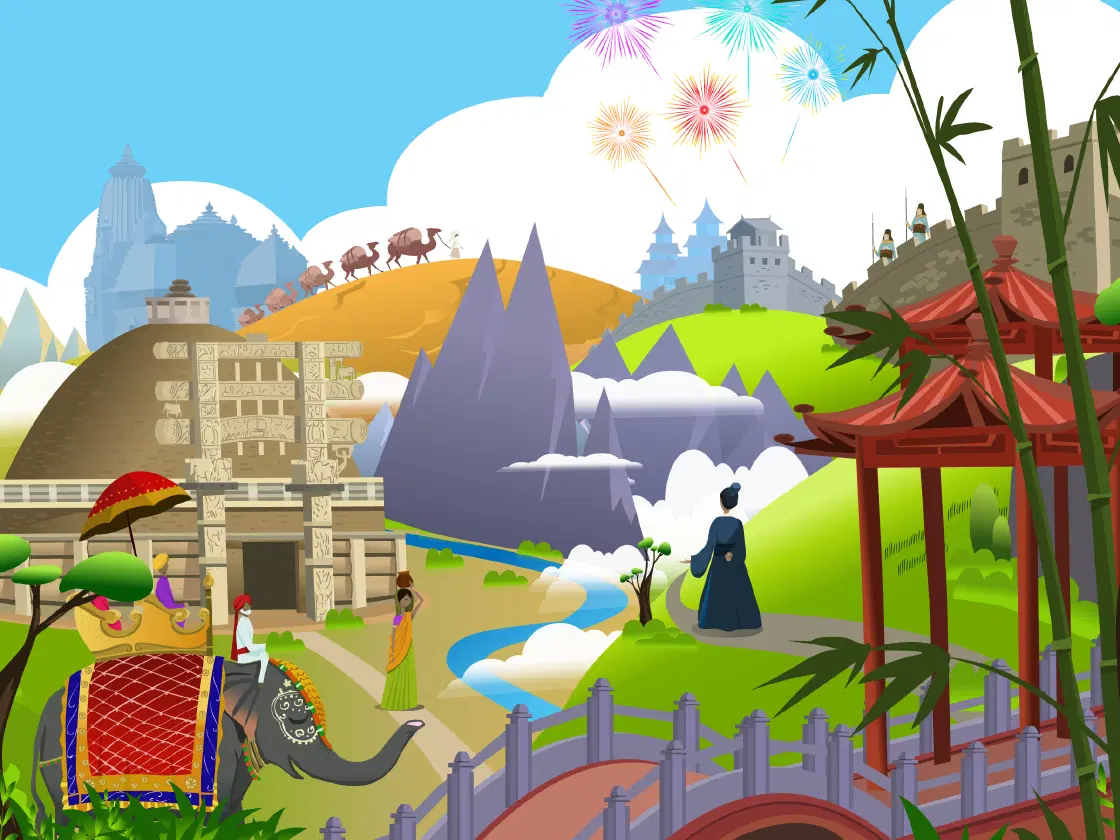
Dan Meyer (36:00):
Like if there was like feedback that came back to you on, you know, on lesson plans or there was some like something that was very constructive or productive, like maybe that would be different, but it really just feels like these are gonna go into a digital drawer somewhere and not be looked at, at all.

Bethany Lockhart Johnson (36:15):
Yes. The digital drawer. Like I’m gonna send you this report and then nothing is going to happen with it. Except that four hours of my time. Well, you wouldn’t do it, but <laugh>…

Dan Meyer (36:29):
You’ve worn me down. You’ve worn me down. I’m now putty in your hands and more compliant for the next thing. And I also just wanna shout out the administrator today, who I emailed asking about like a teacher participating in a project and this administrator said, I have a standing policy not to email teachers over summer break, which you know, as administrators out there doing just the good work, you know, trusting teachers, watching out for them, trying to be a force multiplier for teachers, making the road wider, the way easier for teachers. So shout out to y’all doing the out there. Really appreciate that.

Bethany Lockhart Johnson (37:04):
Okay. Wait, wait. About that email thing, quick question. Did you ever check your email over the summer?

Dan Meyer (37:11):
Uh, yeah. That’s one way in which I was the, you know, I just love email, you know? Oh. Someone wanted to reach out. Oh, oh, Banana Republic wants to tell me about new clothes that are on offer. <laugh> I mean like, it’s just, I love those personal emails. So yeah, I did check my email over the summer.

Bethany Lockhart Johnson (37:26):
Somebody emailed me recently and they emailed me at like two in the morning. And because I currently have a toddler, I received the email at four in the morning because you know, the best thing to help myself fall back asleep is to hop on my phone, right? Like I’m already up trying to get my toddler back to sleep. I might as well start scrolling. Anyway, so the person had this little thing at the bottom of their email and it said, I have, something to the effect of, I have really like wonky work hours. I may be sending this outside of the like more standard nine to five. But please don’t feel pressure in any way to respond outside of your time. Would you appreciate that, seeing that or does it make you feel like you should respond? ‘Cause I almost responded at four in the morning, and maybe that says something about …

Dan Meyer (38:15):
They’re telling you not to respond.

Bethany Lockhart Johnson (38:16):
I know it was helpful.

Dan Meyer (38:18):
It says don’t, but you’re like, what if they’re saying that because they really expect me to respond and this is one of many ways that you and I are different. I’m always happy to see that.

Bethany Lockhart Johnson (38:29):
Do you respond? I’ve texted you in the evening because you know I have some wonky hours. Do you respond to things, like where’s your boundary there? Or when you were in the classroom, where was your boundary there? Did parents have your phone number?

Dan Meyer (38:43):
No. I gave kids my cell phone number for a couple years and it was a wobbly experiment. But parents will email, you know, back and forth with you. And I think the best thing to like … I love just like adding some friction, some latency into the kind of the chain, you know, like I hate going like back and forth, like da, da, da, da, and then like respond and then da, da da respond. And it just like goes back and forth. So just like just sitting back for an hour or two hours, you know, not responding, just let someone cool down, calm down. Email just gets you more email. That’s like if you send an email, you are just making it more likely to get more email. It’s a, you know, it’s a problem.

Bethany Lockhart Johnson (39:20):
Are you one of the zero people?

Dan Meyer (39:23):
My inbox is at zero. Most days before work.

Bethany Lockhart Johnson (39:26):
You’re joking!

Dan Meyer (39:28):
I end work every day with inbox, at zero.

Bethany Lockhart Johnson (39:31):
You’re joking!

Dan Meyer (39:32):
That’s just, you know.

Bethany Lockhart Johnson (39:33):
Who are you?

Dan Meyer (39:34):
You know, you should take my life coaching, Bethany. I’ll give you a discount since we’re math teacher, lunch pals. But, um yeah. I can help.

Bethany Lockhart Johnson (39:44):
Thank you for qualifying where our pal-dom lives. I wouldn’t even tell you how many are in my inbox. Point is, if you are actively starting the school year, we celebrate you and we are here and over the next few months, we’re gonna be diving into joyful math and that definition’s gonna keep evolving. But I wanna say something that is making me feel a little joyful, Dan. You ready?

Dan Meyer (40:15):
Tell me.

Bethany Lockhart Johnson (40:16):
You and I, in person, at NCTM, the National Council for Teachers and Mathematics. It’s coming up and we are going to be recording Math Teacher Lounge, live. Live, in person! And I hear there’s gonna be like a t-shirt cannon and there’s gonna be, you know, like musicians marching through the aisles or something.

Dan Meyer (40:46):
A marching band?

Bethany Lockhart Johnson (40:46):
A marching band!

Dan Meyer (40:46):
Trained animals. Yeah.

Bethany Lockhart Johnson (40:48):
But the point is, I’m so excited, Dan. And you know, when I see you, I might just, it’s been so long since I’ve seen you, Dan. I’d love to give you a big old embrace.

Dan Meyer (41:04):
You might just, you might just cry. Yeah. Yeah. It’ll be great. Yeah. It’s gonna be awesome for you folks to see me and Bethany have a real awkward first hug since the pandemic. And, uh, but it’s gonna be a blast to hang with us in person. We’ll have some special guests, probably, some interesting segments. You folks should stop on by at NCTM, if you’re gonna be there. Highly recommended.

Bethany Lockhart Johnson (41:29):
Now, we will be broadcasting that episode. You’re gonna get to hear … we’re gonna record it live. It’s gonna happen. In the meantime, you can find us at MTLshow on Twitter, or you can find us in our Facebook group, Math Teacher Lounge. We can’t wait to hear from you. And we’d love to hear what makes math joyful for you? Where can we add a little bit more joy to you this, this season? So thrilled to be back. Thanks for listening.

Stay connected!

Join our community and get new episodes every other Tuesday!

We’ll also share new and exciting free resources for your classroom every month.

What Kanchan Kant says about math

“Creating an equitable environment in the classroom is most important because once you have that, that’s when you have the relationships, and that’s when all students actually thrive.”

– Kanchan Kant

Meet the guest

As a math and computer science teacher at Newton North High School, Newton, MA, Kanchan has been sharing her love for math with her students for the past four years. Kanchan is instrumental in setting the culture and ethos of the mathematics department at her school in her role as the Assistant Department Head. Kanchan also leads the Math Department Grading Team and has been instrumental in making grading policies which are more equitable and bias resistant. In her new role as a Transformative Leaders of Massachusetts Fellow in collaboration with Springpoint and Barr Foundation, Kanchan looks forward to making equity and joy of learning the foundation of many more classrooms.

Businesswoman with long dark hair, wearing a dark blazer and blue blouse, poses in a professional portrait against a light background, representing math programs.
A graphic with the text "Math Teacher Lounge with Bethany Lockhart Johnson and Dan Meyer" on colored overlapping circles.

About Math Teacher Lounge: The podcast

Math Teacher Lounge is a biweekly podcast created specifically for K–12 math educators. In each episode co-hosts Bethany Lockhart Johnson (@lockhartedu) and Dan Meyer (@ddmeyer) chat with guests, taking a deep dive into the math and educational topics you care about.

Join the Math Teacher Lounge Facebook group to continue the conversation, view exclusive content, interact with fellow educators, participate in giveaways, and more!

About the program

Each unit of Amplify Science engages students in a relevant, real-world problem where they investigate scientific phenomena, engage in collaboration and discussion, and develop models or explanations in order to arrive at solutions.

The program includes hands-on activities, print materials, and powerful digital tools to support online and offline teaching and learning. Highly adaptable and user-friendly, the program gives schools and individual teachers flexibility based on their technology resources and preferences.

In every unit, students take on the role of scientists or engineers—marine biologists, geologists, water resource engineers, and more—to solve a real-world problem. These engaging roles and problems provide relevant contexts through which students investigate phenomena.

A powerful partnership

Amplify Science was developed by the science education experts at UC Berkeley’s Lawrence Hall of Science and the digital learning team at Amplify. As the Hall’s first curriculum designed to address the new science standards, Amplify Science reflects state-of-the-art practices in science teaching and learning.

Amplify Science is rooted in the Lawrence Hall of Science’s Do, Talk, Read, Write, Visualize model of learning. This research-based approach presents students with multiple modalities through which to explore the curriculum.

K–5 sample


In Balancing Forces, students are challenged to figure out how a floating train works in order to explain it to the citizens of the fictional city Faraday.


Preview the digital Teacher’s Guide


  • Learn more about phenomena and the student roles of scientists and engineers across all units in grades K–5.
  • Learn more about the Student Books written exclusively for Amplify Science for grades K–5.
  • Learn more about the program structure of Amplify Science for grades K–5.

Hear from teachers about why they love Amplify Science:

6–8 sample

Metabolism (Grade 6/Life Science)

Inhabiting the role of medical students in a hospital, students are able to draw the connections between the large-scale, macro-level experiences of the body and the micro-level processes that make the body function as they first diagnose a patient and then analyze the metabolism of world-class athletes.


Preview the digital Teacher’s Guide


  • Learn more about phenomena and the student roles of scientists and engineers across all units in grades 6–8.
  • Learn more about the digital simulations in grades 4–8 of Amplify Science.
  • Learn more about the program structure of Amplify Science for grades 6–8.

Hear from teachers about why they love Amplify Science:

Learn more

Ready to learn more?

Fill out the form to talk with a program expert, request a physical sample, or simply receive additional educational emails about Amplify Science.


Literacy Essentials, Episode 3

Science of Reading Essentials: Dyslexia

In this special dyslexia-focused Essentials episode of Science of Reading: The Podcast, Susan Lambert pulls from past episodes to summarize everything you need to know about dyslexia, from experts Emily Lutrick, Ed.D.; Nadine Gaab, Ph.D.; Tim Odegard, Ph.D.; Sally Shaywitz, M.D.; and Francisco Usero-González, Ph.D. You'll also hear first-hand accounts from young people about their personal experiences with dyslexia, reading, and the education system. Even if you have little prior knowledge of dyslexia, you’ll walk away from this episode with a foundational understanding of the condition, including what it is, what causes it, how to identify it, the importance of early screening, how it is a continuum, methods for intervention, and more.

Meet Our Guest(s):

A man wearing a dark suit, white shirt, and striped yellow tie, smiling at the camera in front of a neutral background.

Francisco Usero-González, Ph.D.

Francisco Usero-González, Ph.D., is a multilingual and education consultant specializing in culturally and linguistically responsive approaches for Hispanic bilingual students. Through his scientific training and teaching experience—nationally and internationally—he has increased his knowledge of biliteracy program design and implementation, participated in national and international educational conferences, and published several papers in international educational journals.

A young woman with curly hair smiles at the camera, wearing a maroon top, hoop earrings, and a necklace, against a light gray background.

Margaret “Margo” Malaika Weaver

Margo Weaver had unplugged from school and retreated into the corners of her environment until her diagnosis of dyslexia helped her make sense of things. She went from being on academic probation to regularly landing on the Honor Roll and Dean’s List. She became a two-time California All-State Softball player and now plays for Bowie State University in Maryland, where she studies Digital Art Animation.

A man with glasses, a beard, and a mustache smiles at the camera. He is wearing a white shirt and is set against a plain light gray background.

Elijah Valencia

Elijah Valencia’s story is a testament to the power of perseverance and an indictment of systems intended to help young people prepare for society. Without the ability to read well, Elijah was unable to keep his life on track. While incarcerated, he was diagnosed with dyslexia and given the support needed to develop his reading skills. Upon release, he earned an associate’s degree and has become a youth counselor and hotel manager.

An older woman with styled brown hair, wearing a bright blue jacket and pearl earrings, smiles at the camera against a light background.

Sally Shaywitz, M.D.

Sally E. Shaywitz, M.D., is Audrey G. Ratner Professor in Learning Development at Yale University and co-director and co-founder of the Yale Center for Dyslexia & Creativity. A leading expert on dyslexia, she has authored over 350 scientific papers, delivered a Congressional keynote, and was elected to the National Academy of Medicine.

A man with short blond hair and blue eyes wearing a suit and white shirt, seen in a close-up portrait with a neutral gray background.

Tim Odegard, Ph.D.

Tim Odegard, Ph.D., holds the Katherine Davis Murfree Chair of Excellence in Dyslexic Studies at Middle Tennessee State University. He leads the efforts of the Tennessee Center for the Study and Treatment of Dyslexia, serves as editor-in-chief of Annals of Dyslexia and consulting editor of the Journal of Learning Disabilities, and is a former editor at large for Perspectives on Language and Literacy. He is also a reading therapist, having completed a two-year dyslexia specialist training program at Texas Scottish Rite Hospital for Children in Dallas.

Nadine Gaab, Ph.D.

Nadine Gaab, Ph.D., studies typical and atypical learning trajectories from infancy to adolescence, with a special emphasis on language, reading, and literacy development, and the role of the environment in shaping these trajectories. Her work is at the intersection of developmental psychology, learning sciences, neuroscience, educational technology, and educational policy within a learning disability framework. She’s interested in multifactorial frameworks of learning differences with an emphasis on early identification, and “preventative education.” One key aspect is the translation of research findings to address contemporary challenges in educational practice and policy.

A woman with long brown hair, wearing white-framed glasses and a red top, is smiling at the camera against a blurred indoor background.
A young person with wavy, light brown hair and a white hoodie smiles at the camera indoors.

Hadyn Fleming

Hadyn Fleming is a student featured on Science of Reading: The Podcast who openly shares his experiences growing up with dyslexia. In his episode, he discusses his journey to becoming a confident reader and debunks common dyslexia myths. His story offers valuable insight into the profound impact educators can have on a student’s success and self-belief.

Meet our host, Susan Lambert

Susan Lambert is Chief Academic Officer of Literacy at Amplify and host of Science of Reading: The Podcast. Throughout her career, she has focused on creating high-quality learning environments using evidence-based practices. Lambert is a mom of four, a grandma of four, a world traveler, and a collector of stories.

As the host of Science of Reading: The Podcast, Lambert explores the increasing body of scientific research around how reading is best taught. A former classroom teacher, administrator, and curriculum developer, she’s dedicated to turning theory into best practices that educators can put right to use in the classroom, and to showcasing national models of reading instruction excellence.

Person with short blonde hair, glasses, and earrings, wearing an orange jacket, smiling in front of a plain gray background—committed to literacy education and fostering background knowledge for all learners.

Quotes

“The knowledge has been out there for decades, and still we have so many students in classrooms who are not identified and not supported. And it's a shame, because the impact of living with dyslexia—especially when it's not identified—can be profound.”

—Susan Lambert

“What we know is prevention is always the best, and you can't prevent somebody from being dyslexic. But what you can do is you can prevent them from having compounding struggles in learning how to read.”

—Susan Lambert

“When you have something, but it doesn't have a name, it leads to anxiety. So when you know that you have something and it has a name, that makes such a difference.”

—Sally Shaywitz, M.D.

“You don't wanna just screen the whole world or your whole district and then not do anything about it. Good screening needs to be followed by a good evidence-based response to screening.”

—Nadine Gaab, Ph.D.

“In this world of intervention, we need to take responsibility for getting students the intervention that they need to have, so they're not leaving us in this next grade and the next grade and the next grade still being non-readers.”

—Susan Lambert

“That old mindset of having something or not having something, black or white, is a real hindrance to actually making sure that we have protections for all students, regardless of if they fit this ‘you have dyslexia or not.’ We have a structural and systems challenge now.”

—Tim Odegard, Ph.D.

“Kiddos start to learn to read, and just at a basic preK level of understanding, you can identify some level of risk there and intervene appropriately. You can screen early and you can intervene just as early, to help close those gaps.”

—Emily Lutrick, Ed.D.

Season 9, Episode 10

Phonology as a settled science, with Jane Ashby, Ph.D.

In this episode of Science of Reading: The Podcast, Susan Lambert is joined by Jane Ashby, professor in the Reading Science doctoral program at Mount St. Joseph University. The two define the concept of “settled science” as a jumping-off point before digging into phonology and the argument for not always basing your teaching practice on the newest research. Dr. Ashby touches on the impact of phonology on comprehension, the Matthew Effect, and why the term “instant words” is more accurate than “sight words.” You’ll walk away from this episode with two practical exercises Dr. Ashby recommends for teaching students to transfer oral segmenting and blending to reading and writing tasks.

Meet Our Guest(s):

Jane Ashby, Ph.D.

Jane Ashby, Ph.D.

Dr. Ashby’s reading journey started 30 years ago. She pursued an Ed.M. at the Harvard Graduate School of Education, then taught adult learners who struggled with reading. This led her to deepen her instruction skills by studying the Orton-Gillingham approach at Massachusetts General Hospital. She supported teachers and students facing reading disorders in the Columbus area, then returned to school to study how readers get the words off the page during silent reading. She earned a doctorate in psychology from the University of Massachusetts, and in 2009, joined the Psychology Department at Central Michigan University, where her eye movement lab investigated the role of speech processes in silent reading. She coauthored the book Psychology of Reading (2012) as well as several papers examining the role of phonology in silent reading. During her sabbatical, Dr. Ashby supported teachers in Vermont who were developing more effective literacy practices. In her spare time, she enjoys reading and outdoor adventures.

Meet our host, Susan Lambert

Susan Lambert is the Chief Academic Officer of Elementary Humanities at Amplify, and the host of Science of Reading: The Podcast. Throughout her career, she has focused on creating high-quality learning environments using evidence-based practices. Lambert is a mom of four, a grandma of four, a world traveler, and a collector of stories.

As the host of Science of Reading: The Podcast, Lambert explores the increasing body of scientific research around how reading is best taught. As a former classroom teacher, administrator, and curriculum developer, Lambert is dedicated to turning theory into best practices that educators can put right to use in the classroom, and to showcasing national models of reading instruction excellence.

Person with short blonde hair, glasses, and earrings, wearing an orange jacket, smiling in front of a plain gray background—committed to literacy education and fostering background knowledge for all learners.

Quotes

“To store a vocabulary word, it's not enough to have the meaning. You have to have the entry for it, and the entry for it is the sound form of the word.”

—Jane Ashby

“The greatest gift you can give a kid is letting them know that you see that they're special and that they have something unique that they bring to the world. But the second piece is really, can you help them become a confident, independent reader?”

—Jane Ashby

“ The practitioner doesn't necessarily want to follow the latest research, because you don't know if the latest research is going to replicate or not. Is it going to hold up over time or not? If you always follow the latest research, you can find yourself zigzagging a lot in your practice.”

—Jane Ashby

“There's a good 10 to 20 years of solid work that needs to be done just implementing what we already know from research, what is already the settled science.”

—Jane Ashby

Season 10, Episode 10

From talk to text: How language skills shape reading success, with Charles Hulme, D.Phil., and MaryKate DeSantis

In this episode of Science of Reading: The Podcast, Susan Lambert is joined by emeritus professor of psychology and education at the University of Oxford, Charles Hulme, D.Phil.; and founder of Left Side Strong LLC, MaryKate DeSantis. They dive deep into the critical connection between oral language development and reading comprehension. Together, they also explore exactly what oral language development is, how to screen children for deficits in oral language abilities, and the most effective strategies educators can use for intervention.

Meet Our Guest(s):

A smiling older man with short gray hair poses in front of green plants, highlighting themes of language development. A lightbulb graphic and circular frame decorate the photo.

Charles Hulme, D.Phil.

Charles Hulme is emeritus professor of psychology and education at the University of Oxford. He has broad research interests in reading, language, and memory processes and their development; and is an expert on randomized controlled trials in education. He has published widely and is in the top 2% for citations of all researchers in the field of education. He holds an honorary doctorate from the University of Oslo (2014) and is a member of Academia Europea and a Fellow of the Academy of Social Sciences. He was also elected a Fellow of the British Academy in 2017.

A woman with short brown hair and a black turtleneck smiles at the camera. She is framed by a circular border with a blue book icon and orange decorative lines, hinting at her passion for reading success. Bookshelves are blurred in the background.

MaryKate DeSantis

MaryKate DeSantis is the founder of Left Side Strong LLC. Her experience working in a large urban school district as a special education teacher, reading specialist, and district-wide literacy coach has fueled her passion for translational research to ensure that all children receive evidence-based instruction. Her background in teaching reading sparked an interest in researching language, literacy, and developmental trajectories. She is a full-time faculty member in the Speech and Language Literacy Lab at MGH Institute of Health Professions, and is also an ongoing-research collaborator with the BRIDGES Lab at the Harvard Graduate School of Education.

She has also served as a clinician in the Neurology Department at Boston Children’s Hospital, is an adjunct professor at the Boston College Lynch School of Human Development, and is a Ph.D. student in educational psychology at the University of Connecticut.

Meet our host, Susan Lambert

Susan Lambert is chief academic officer of literacy at Amplify and host of Science of Reading: The Podcast. Throughout her career, she has focused on creating high-quality learning environments using evidence-based practices. Lambert is a mom of four, a grandma of four, a world traveler, and a collector of stories.

As the host of Science of Reading: The Podcast, Lambert explores the increasing body of scientific research around how reading is best taught. A former classroom teacher, administrator, and curriculum developer, she’s dedicated to turning theory into best practices that educators can put right to use in the classroom, and to showcasing national models of reading instruction excellence.

Person with short blonde hair, glasses, and earrings, wearing an orange jacket, smiling in front of a plain gray background—committed to literacy education and fostering background knowledge for all learners.

Quotes

“Reading comprehension is the process of taking the meaning from printed symbols on a page and translating them into a linguistic and cognitive code. It's making contact with the processes of language comprehension.”

—Charles Hulme, D.Phil.

“Language comprehension is really what leads us to reading comprehension.”

—MaryKate DeSantis

“We've got to start from the premise that reading is language. Without language, there would be no reading. Reading is a process that involves taking language in its written form and translating it back into its original form, which is spoken language.”

—Charles Hulme, D.Phil.

“If we go back in development, language skills appear to form the foundation for the ability to decode print, as well as the foundation for the ability to understand what is decoded.”

—Charles Hulme, D.Phil.

“Language skills are unconstrained, meaning the sky's the limit. As long as you continue to engage in any sort of way, your language skills can continue to develop throughout your lifetime.”

—Susan Lambert

“We talk about learning to read, but we also need to talk about reading to learn. A lot of what we learn in our lives is through reading, and reading is certainly a powerful driver of vocabulary and language development.”

—Charles Hulme, D.Phil.

“Focusing on language is worth the time. …  When we treat it as foundational, that's when we will give more students access to success.”

—MaryKate DeSantis

“If we want better readers, we have to grow better language users.”

—MaryKate DeSantis

Season 7, Episode 7

Debunking the "gift" of dyslexia in children, with Dr. Tim Odegard

When we surveyed listeners, more than half of respondents said they wanted more conversations about teaching students with dyslexia. That is why Susan is joined by Dr. Tim Odegard from Middle Tennessee State University. Odegard is a professor of psychology and holds the Katherine Davis Murfree Chair of Excellence in Dyslexic Studies. As someone with dyslexia himself, Odegard brings a unique perspective to this discussion where they debunk the idea of “the gift of dyslexia,” discuss neurodiversity, and talk about what needs to be done to change the system.

Meet Our Guest(s):

Dr. Tim Odegard

Dr. Tim Odegard

Tim Odegard, Ph.D., is a professor of psychology and holds the Katherine Davis Murfree Chair of Excellence in Dyslexic Studies at Middle Tennessee State University. He also leads the efforts of the Tennessee Center for the Study and Treatment of Dyslexia. He serves as editor-in-chief of Annals of Dyslexia, as a consulting editor of the Journal of Learning Disabilities, and is a former editor at large for Perspectives on Language and Literacy. In addition to being a research scientist, Tim is a reading therapist, having completed a two-year dyslexia specialist training program at Texas Scottish Rite Hospital for Children in Dallas.

Meet our host, Susan Lambert

Susan Lambert is the Chief Academic Officer of Elementary Humanities at Amplify, and the host of Science of Reading: The Podcast. Her career has been focused on creating high-quality learning environments using evidence-based practices. Susan is a mom of four, a grandma of four, a world traveler, and a collector of stories.

As the host of Science of Reading: The Podcast, Susan explores the increasing body of scientific research around how reading is best taught. As a former classroom teacher, administrator, and curriculum developer, Susan is dedicated to turning theory into best practices that educators can put right to use in the classroom, and to showcasing national models of reading instruction excellence.

Retrato de una mujer caucásica sonriente con cabello rubio corto, involucrada en un podcast sobre la ciencia de la lectura, con gafas, lápiz labial rojo y un collar de perlas.

Quotes

"We need to change the dialogue and say, this is what's right for all kids. And this isn't about just dyslexia, that's the byproduct of doing what's right for all children."

—Tim Odegard

Season 2, Episode 5

Moving students forward with project-based learning

In this episode, Eric Cross sits with K–5 educator Janis Lodge to chat about building on her own science curriculum to create meaningful project-based learning experiences. Janis shares her work teaching Gifted and Talented Education (GATE), and how to use those practices to help accelerate the learning of all students. Eric and Janis also talk about making time for science within K–5 classrooms.

Portrait of a smiling woman with long blonde hair, framed within a circle against a seaside backdrop, surrounded by a pattern of colorful beach-themed icons in a science classroom setting.

Meet Our Guest(s):

A woman with long blonde hair smiling in front of a blue ocean background, framed by a white circular border with green and orange graphic accents—perfect for promoting project-based learning in the science classroom.

Janis Lodge

Janis Lodge is a third grade teacher in Orange County, California. Her career in education started six years ago when she decided to follow her passion of making a positive difference in the lives of young scholars. Prior to teaching, Janis lived in Maui, Hawaii for seven years, working in the field of graphic design, marketing, and hospitality. She has found that her interest in innovation, project-based learning, and inquiry-driven exploration has helped shape her into the educator she is today. STEAM is integrated regularly into her classroom, and her students continually develop 21st century skills through a variety of unique projects. ​​Janis is also a PAL (Peer Assistance Leadership) Advisor for her school, where she helps young leaders (4th-6th graders) cultivate their leadership skills and empowers them to make a positive difference in their school and community. Janis was recently awarded the Orange County Council for the Gifted & Talented Education Classroom Grant, which will provide an extension to the third grade Amplify Science Unit: Environments and Survival.

Meet our host: Eric Cross

Eric Cross is a seventh grade science/technology teacher, grade level lead, and digital learning innovator for Albert Einstein Academies, International Baccalaureate schools. He is also an adjunct professor of learning and technology at the University of San Diego and a Google certified innovator. Eric earned a bachelor’s degree from Azusa Pacific University and a Master of Education from the University of San Diego. He had 17 years of experience working with at-risk youth and underserved populations before becoming a middle school teacher. By building relationships with students, colleagues, and the community, he has become an empowered leader in and out of the classroom. Through meaningful learning experiences centered around student agency, STEM has become accessible to students through highly engaging lesson design, thoughtful integration of digital tools, and pedagogy that engages students from all backgrounds.
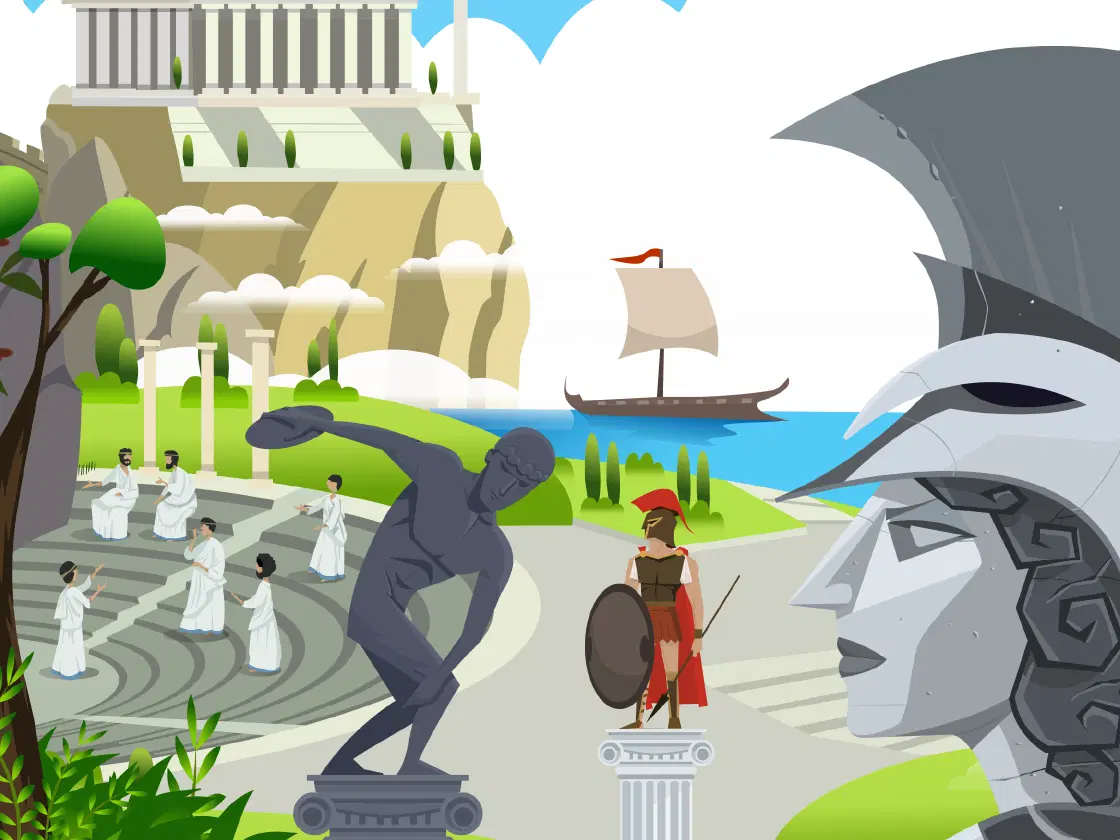
Quotes

The reward of having kids feel like they accomplished something and take ownership is such an opportunity [with project-based learning] that I have to run with it. Being inspired by the potential outcomes of what could happen is what made me take that risk.

– Janice Lodge

Stay connected

Four women sitting at a table in a meeting, with one standing and presenting on the topic of "why is science so important," all engaged in discussion.