Amplify literacy curriculum sample boxes – CA
Amplify literacy curriculum sample boxes
Science of Reading professional development, with Danielle Thompson



Meet Our Guest(s):

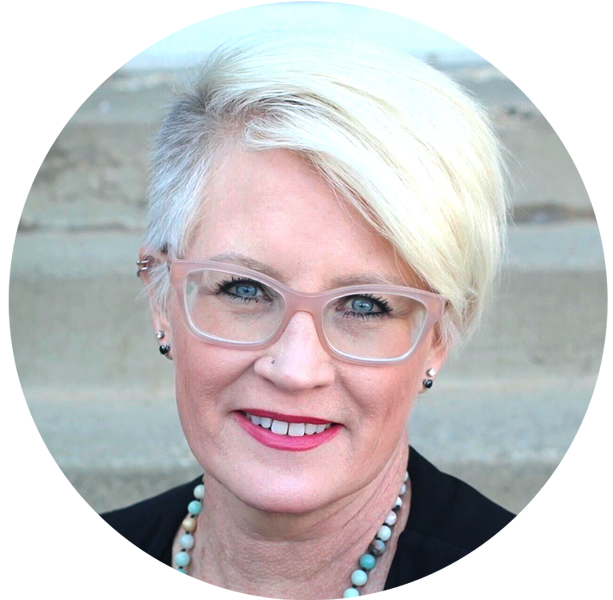
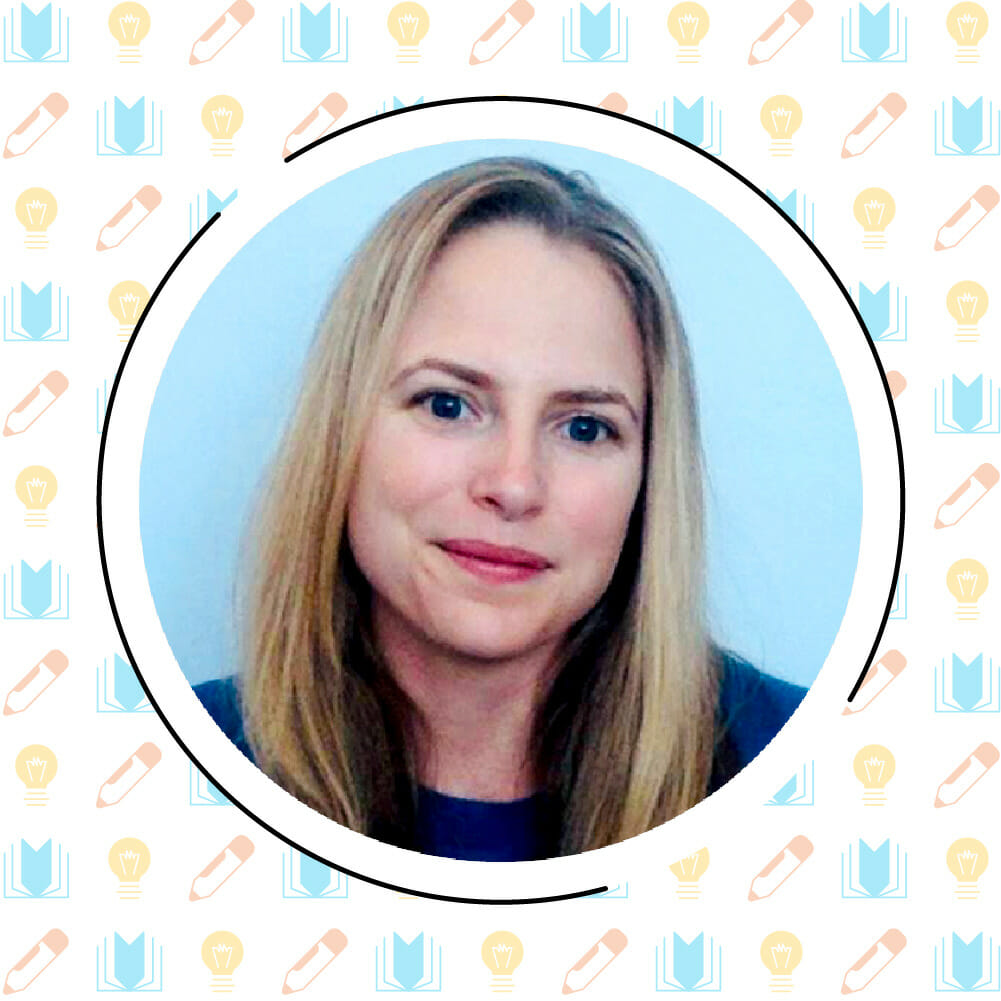
Danielle "Nell" Thompson
Danielle M. Thompson, Ph.D., CCC-SLP, is an educational consultant, teacher of educators, and servant leader who is insatiably curious about all things that make people’s lives better. She is an agent of positive change, working to help teachers and leaders re-think, unlearn, and up-level their knowledge. As a speech language pathologist and teacher, she worked with PreK–12 students for over a decade in rural at-risk environments from Alaska to Mississippi, in public schools, Head Starts, and private practice. Currently, she is president and founder of The Transformative Reading Teacher Group, president of The Reading League Montana, and the creator of The Big Sky Literacy Summit.
Meet our host, Susan Lambert
Susan Lambert is the Chief Academic Officer of Elementary Humanities at Amplify, and the host of Science of Reading: The Podcast. Her career has been focused on creating high-quality learning environments using evidence-based practices. Susan is a mom of four, a grandma of four, a world traveler, and a collector of stories.
As the host of Science of Reading: The Podcast, Susan explores the increasing body of scientific research around how reading is best taught. As a former classroom teacher, administrator, and curriculum developer, Susan is dedicated to turning theory into best practices that educators can put right to use in the classroom, and to showcasing national models of reading instruction excellence.
Quotes
“Use a failure to fail forward and to really learn from the failure. Wisdom is only gained when we reflect.”
Featured Episodes


What teachers can learn from incarcerated youth, with Hilderbrand Pelzer III
Transcripts and additional resources:
Meet Our Guest(s):

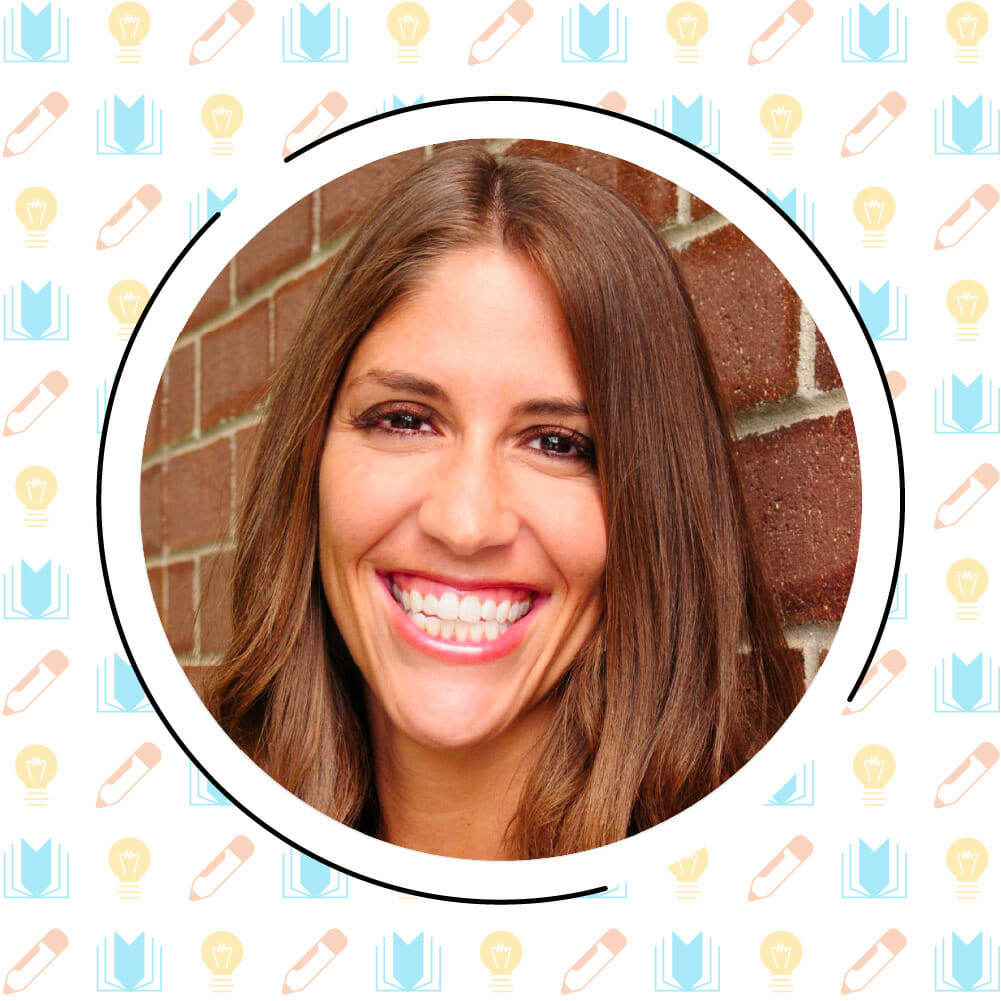
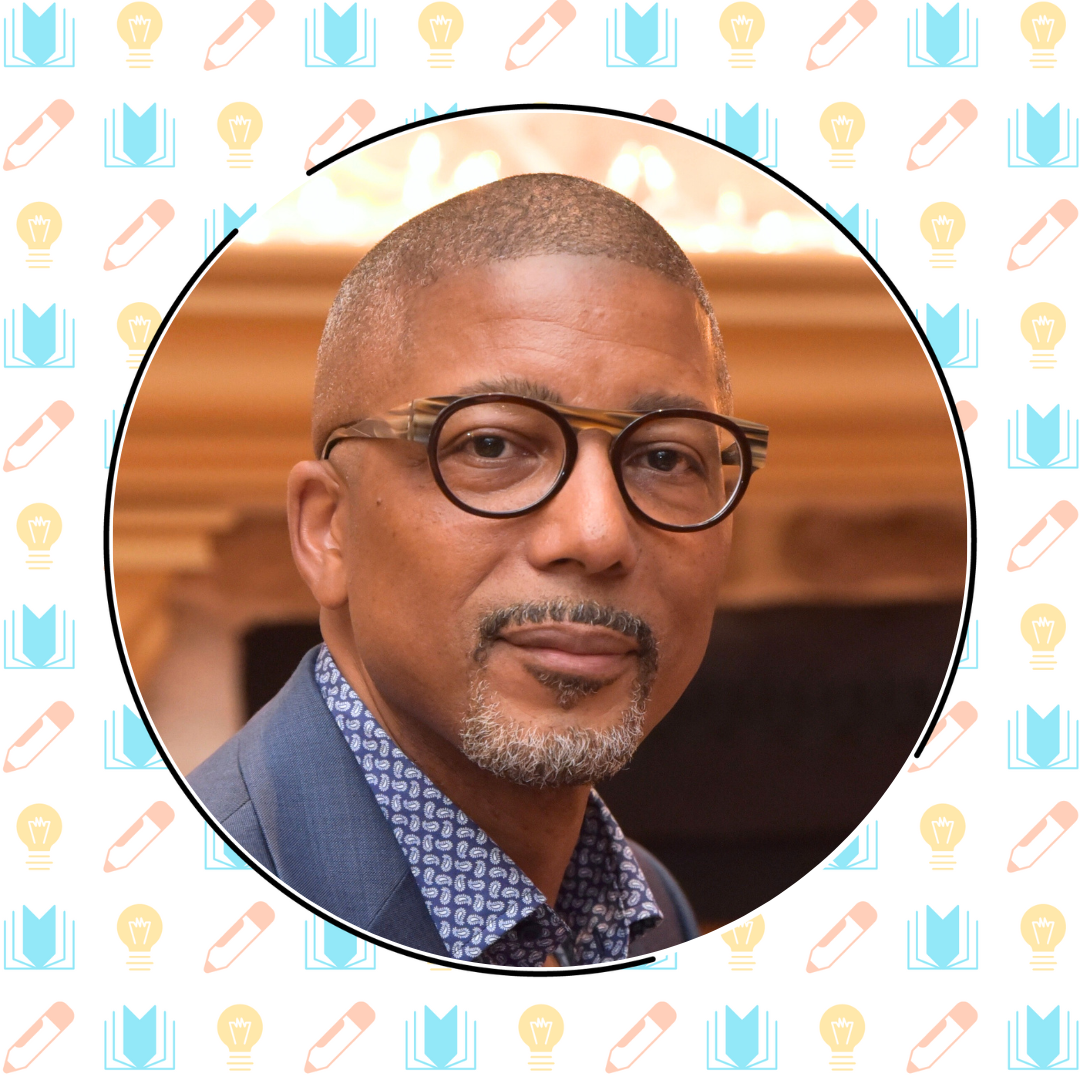
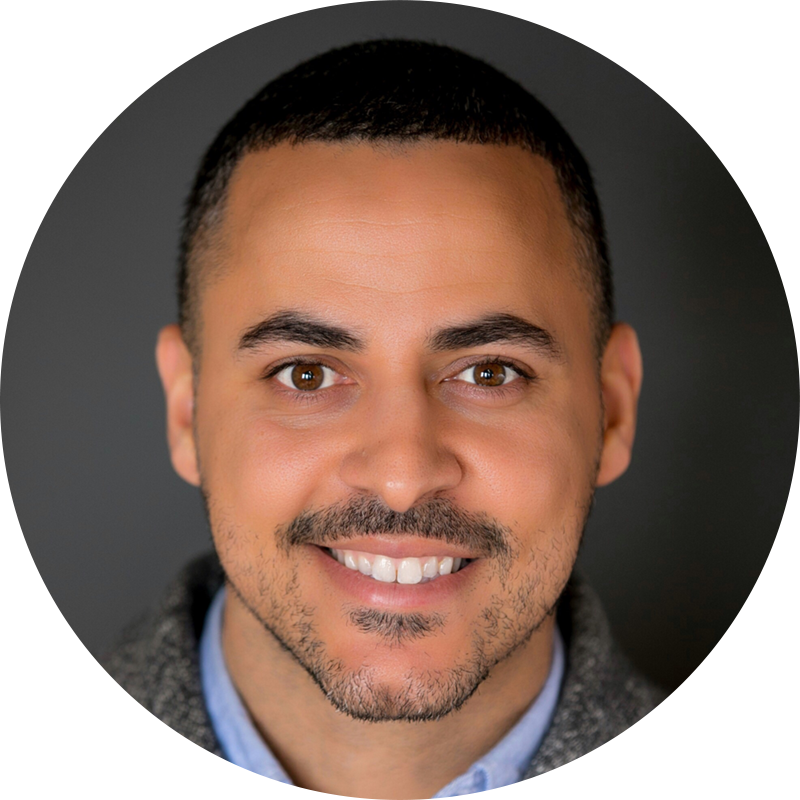
Hilderbrand Pelzer III
In his over three decades of experience, Hilderbrand Pelzer III has earned a stellar reputation as an award-winning educator and inspirational speaker. His leadership in the education field began when he became Philadelphia’s youngest high school principal in the early 2000s. His greatest accomplishment—in a career that has included leading five different schools—was in one of the largest prison systems in the United States in Philadelphia. There, Pelzer led a pivotal shift toward higher expectations for all incarcerated youth by demonstrating how much these students are capable of learning. Leveraging these unique lessons, Pelzer teaches his audiences how to raise expectations for all students.
Meet our host, Susan Lambert
Susan Lambert is the Chief Academic Officer of Elementary Humanities at Amplify, and the host of Science of Reading: The Podcast. Her career has been focused on creating high-quality learning environments using evidence-based practices. Susan is a mom of four, a grandma of four, a world traveler, and a collector of stories.
As the host of Science of Reading: The Podcast, Susan explores the increasing body of scientific research around how reading is best taught. As a former classroom teacher, administrator, and curriculum developer, Susan is dedicated to turning theory into best practices that educators can put right to use in the classroom, and to showcasing national models of reading instruction excellence.
Quotes
“These are real stories about children living their [lives] unable to read. It’s not data. They’re telling you they’re in a situation of incarceration and they’ve figured that their life is over as a result of not being taught in school.”
Featured Episodes
Integrating science and literacy strategies, with Susan Gomez Zwiep

Meet Our Guest(s):
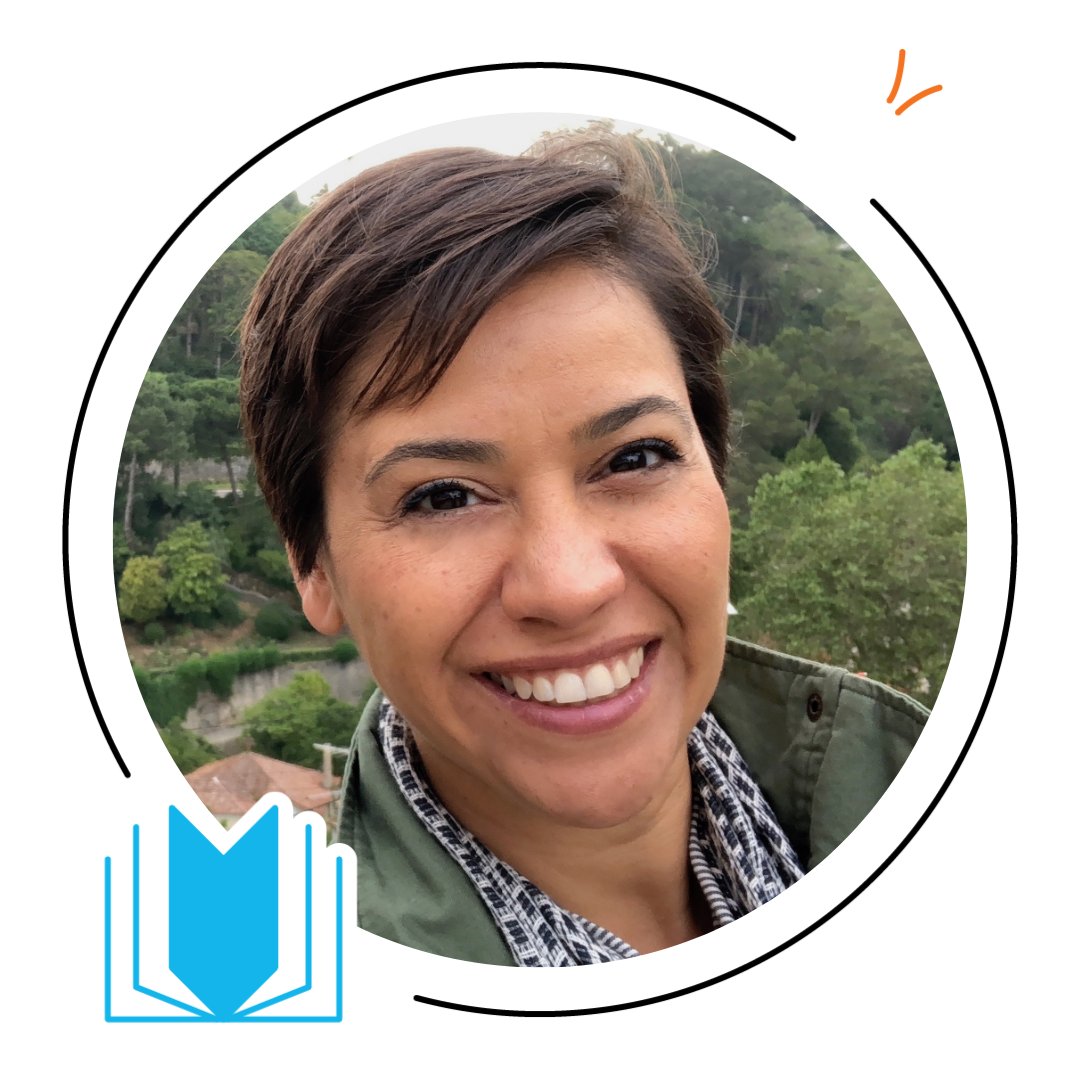
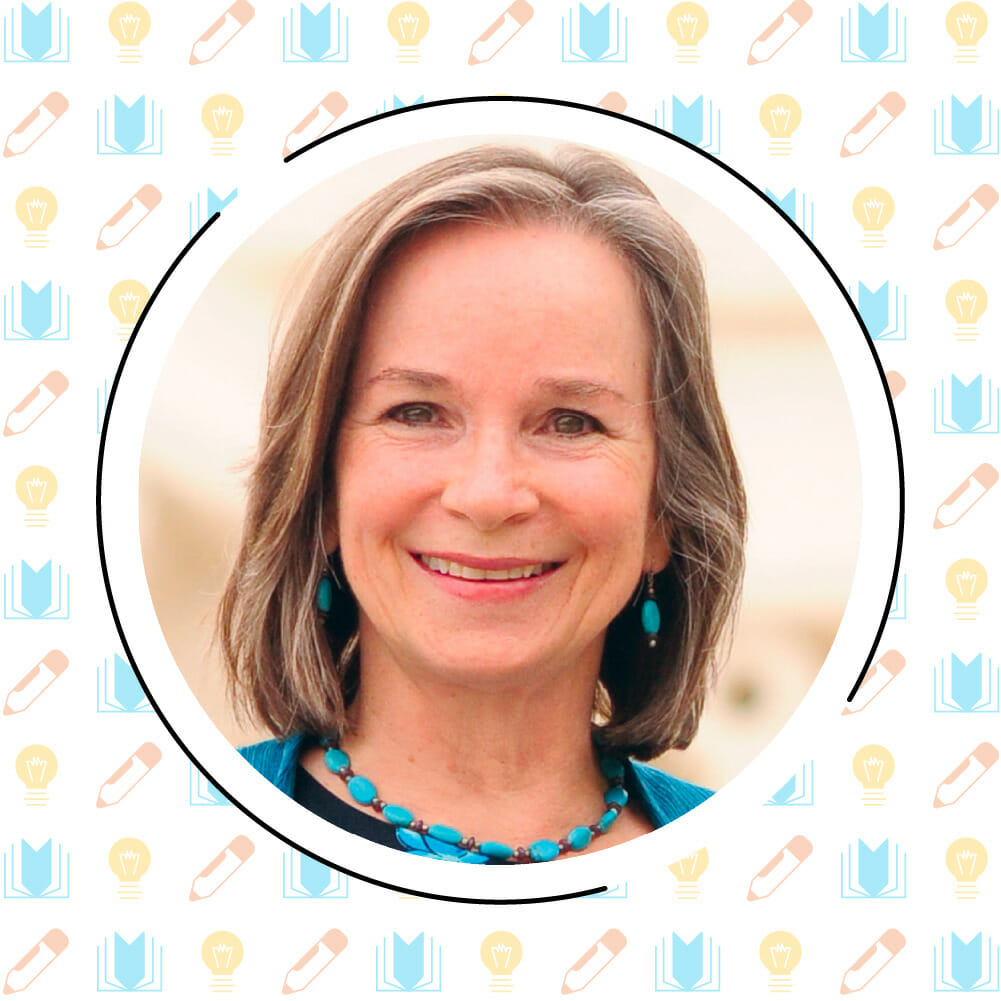
Susan Gomez Zwiep
Susan Gomez Zwiep began her career in science education as a middle school science teacher in Los Angeles, where she spent over 12 years working in urban schools. Prior to joining BSCS, Susan worked at California State University, Long Beach as a Professor of Science Education.
Susan has also worked as a regional director for the K–12 Alliance, providing high-quality professional development in science and mathematics for K–12 educators, including the CA NGSS Early Implementer Initiative.
Meet our host: Eric Cross
Eric Cross, host of Science Connections, is a seventh grade science/technology teacher, grade-level lead, and digital learning innovator for Albert Einstein Academies International Baccalaureate schools. He is also an adjunct professor of learning and technology at the University of San Diego and a Google-certified innovator. Eric earned a bachelor’s degree from Azusa Pacific University and a master’s degree in education from the University of San Diego. He worked with at-risk youth and underserved populations for 17 years before becoming a middle-school teacher. By building relationships with students, colleagues, and the community, he has become an empowered leader in and out of the classroom. He’s made STEM accessible to students through learning experiences centered in student agency, highly engaging lesson design, thoughtful integration of digital tools, and culturally relevant pedagogy.
Quotes
“When we used science as a context for language development, kids were talking more; kids were writing more; kids were engaged.”
Featured Episodes
Debunking the "gift" of dyslexia in children, with Dr. Tim Odegard

Meet Our Guest(s):
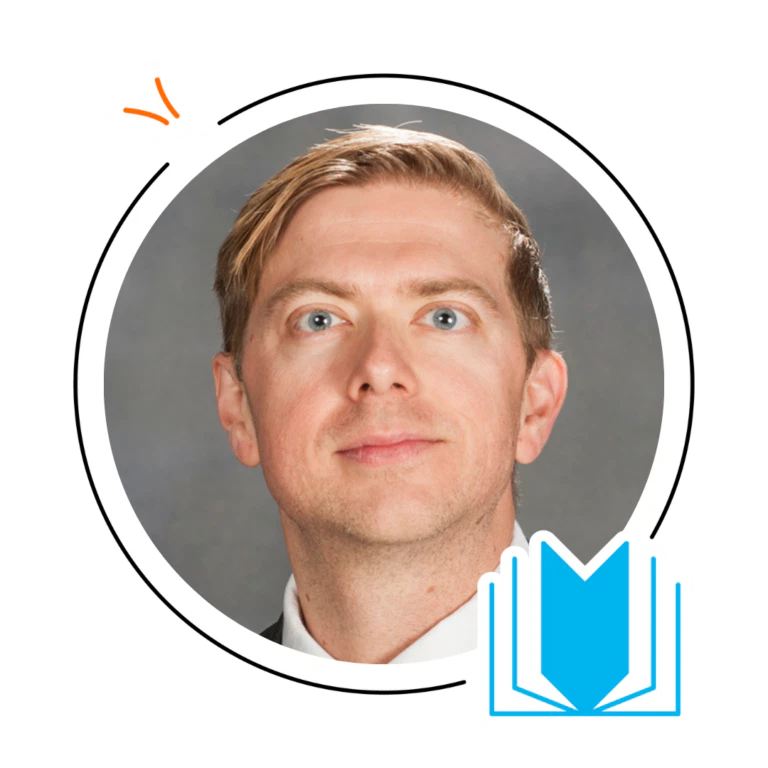
Dr. Tim Odegard
Tim Odegard, Ph.D., is a professor of psychology and holds the Katherine Davis Murfree Chair of Excellence in Dyslexic Studies at Middle Tennessee State University. He also leads the efforts of the Tennessee Center for the Study and Treatment of Dyslexia. He serves as editor-in-chief of Annals of Dyslexia, as a consulting editor of the Journal of Learning Disabilities, and is a former editor at large for Perspectives on Language and Literacy. In addition to being a research scientist, Tim is a reading therapist, having completed a two-year dyslexia specialist training program at Texas Scottish Rite Hospital for Children in Dallas.
Meet our host, Susan Lambert
Susan Lambert is the Chief Academic Officer of Elementary Humanities at Amplify, and the host of Science of Reading: The Podcast. Her career has been focused on creating high-quality learning environments using evidence-based practices. Susan is a mom of four, a grandma of four, a world traveler, and a collector of stories.
As the host of Science of Reading: The Podcast, Susan explores the increasing body of scientific research around how reading is best taught. As a former classroom teacher, administrator, and curriculum developer, Susan is dedicated to turning theory into best practices that educators can put right to use in the classroom, and to showcasing national models of reading instruction excellence.
Quotes
"We need to change the dialogue and say, this is what's right for all kids. And this isn't about just dyslexia, that's the byproduct of doing what's right for all children."
