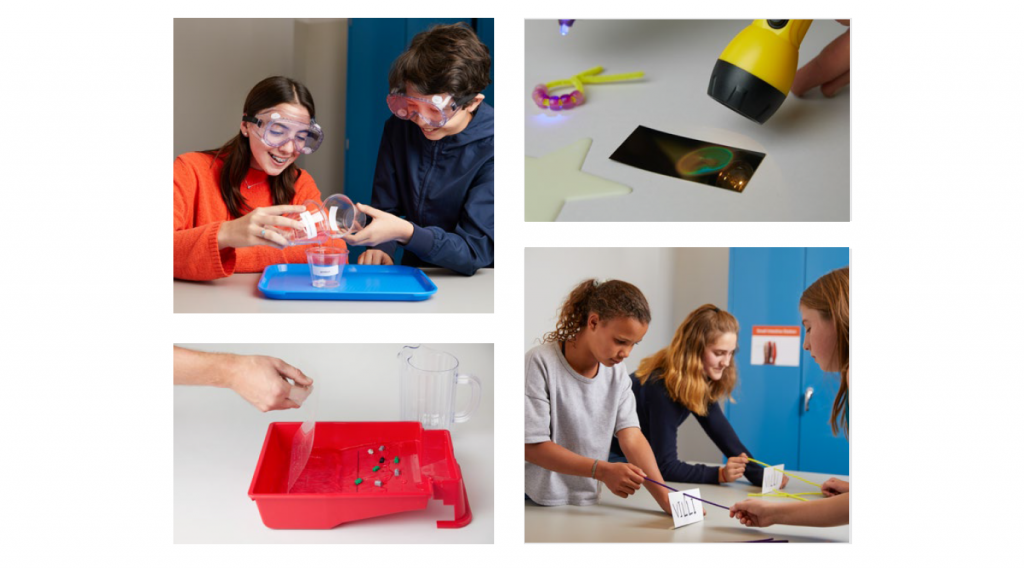
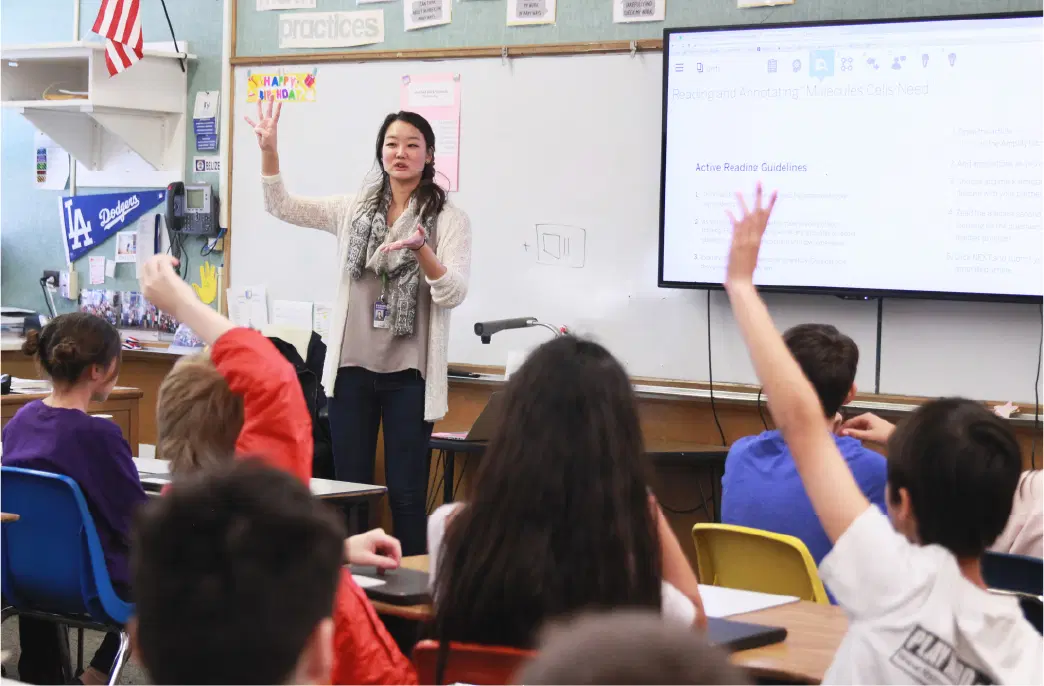
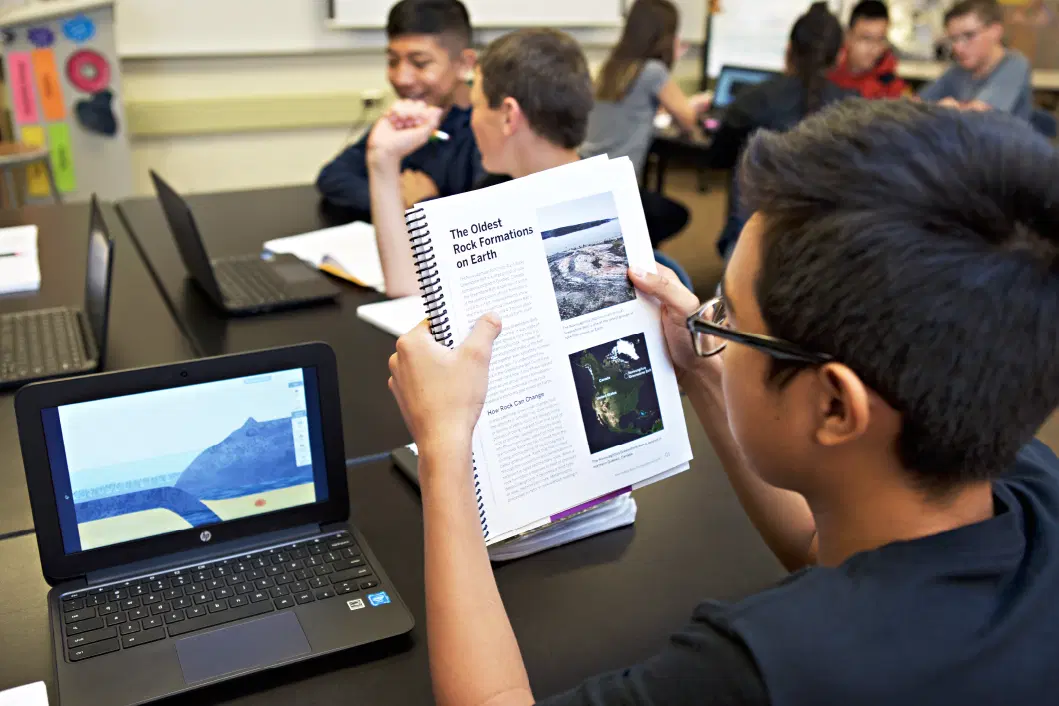
Amplify Science is based on the latest research on teaching and learning and helps teachers deliver rigorous and riveting lessons through hands-on investigations, literacy-rich activities, and interactive digital tools that empower students to think, read, write, and argue like real scientists.
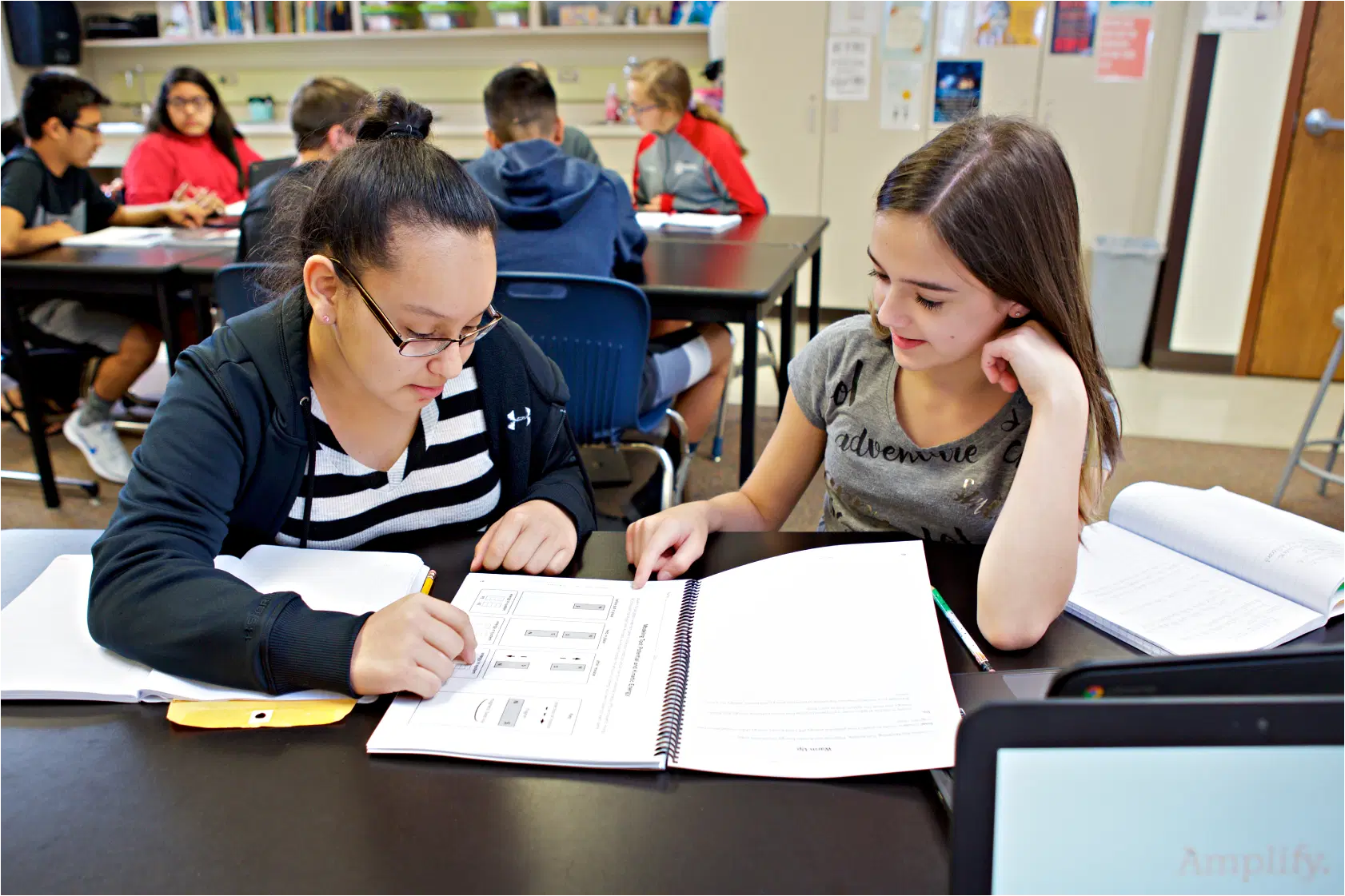
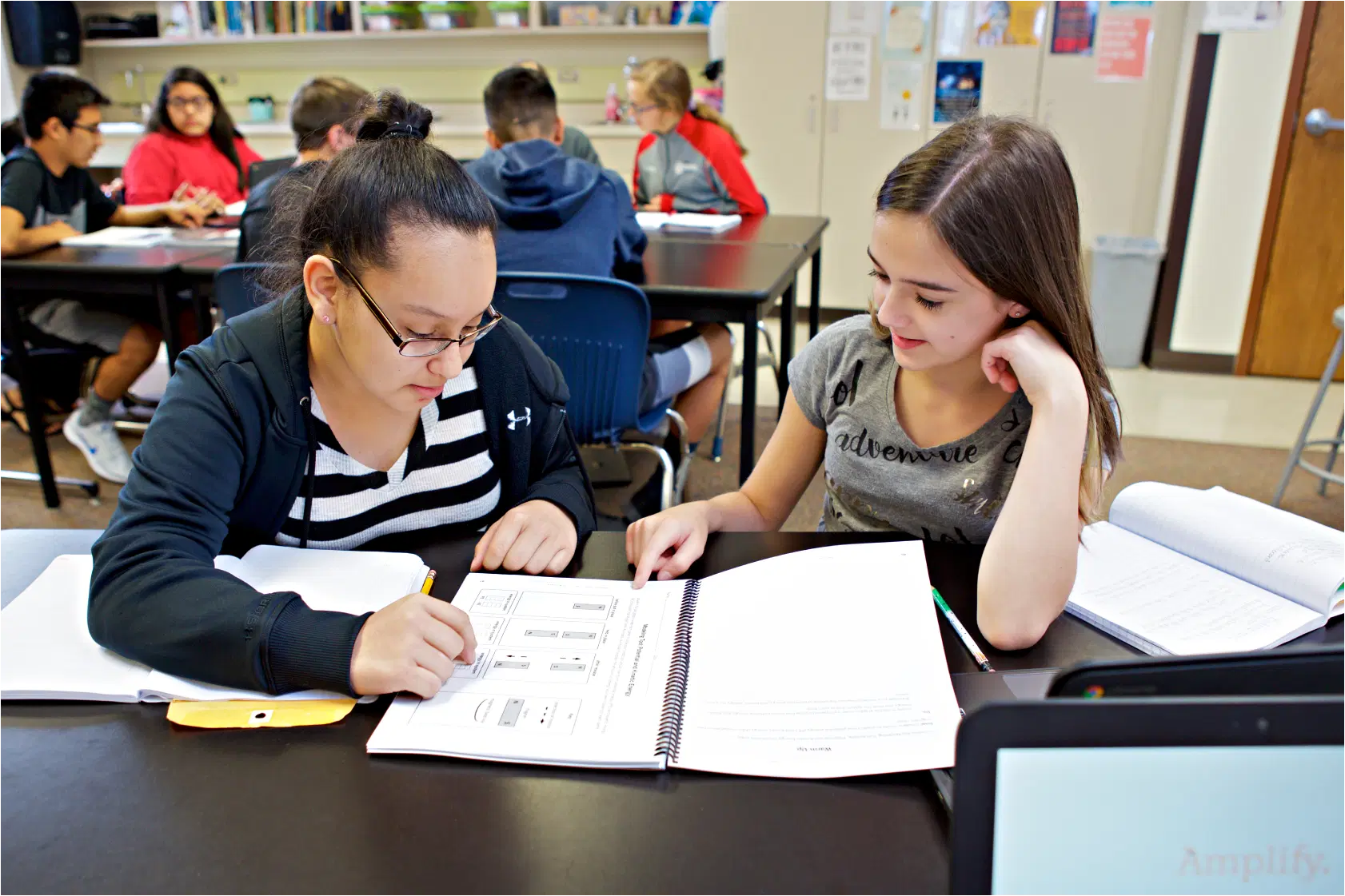
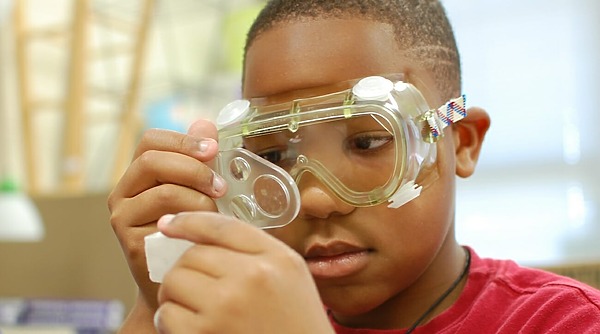
In the 6–8 classroom, this looks like students:
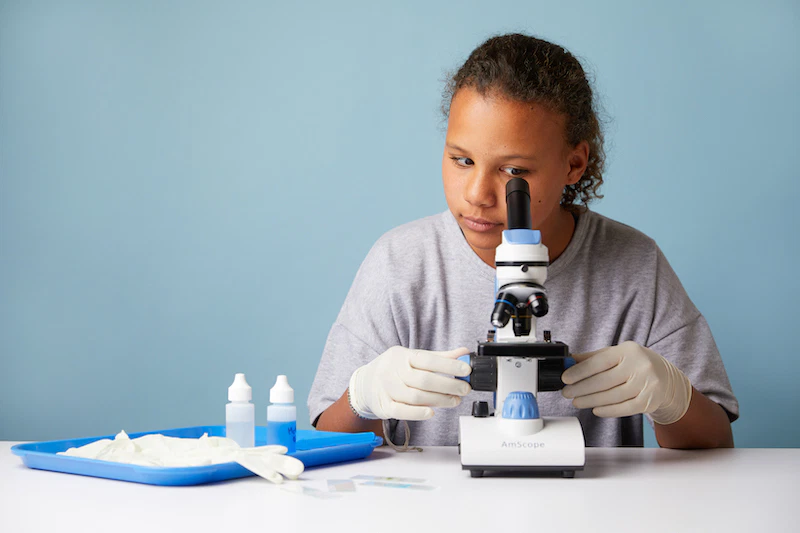
Collecting evidence from a variety of sources.
Making sense of evidence in a variety of ways.
Formulating convincing scientific arguments.
Is your school implementing the domain model? Click here.
Program structure
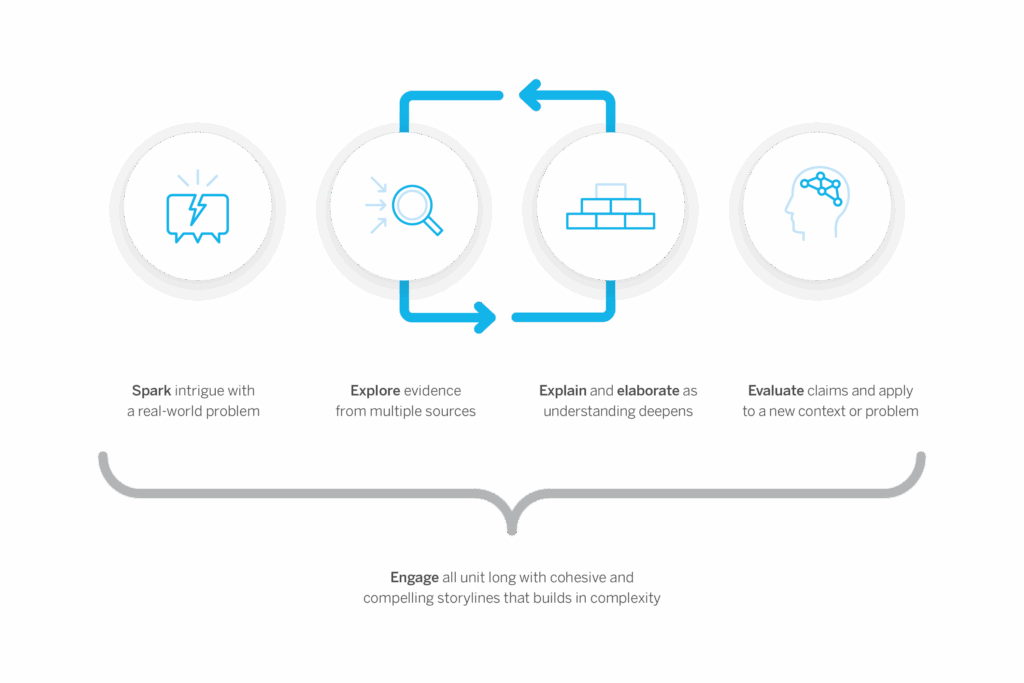
Our cyclical lesson design ensures students receive multiple exposures to concepts through a variety of modalities. As they progress through the lessons within a unit, students build and deepen their understanding, increasing their ability to develop and refine complex explanations of the unit’s phenomenon.
It’s this proven program structure and lesson design that enables Amplify Science to teach less, but achieve more. Rather than asking teachers to wade through unnecessary content, we designed our 6–8 program to address 100% of the NGSS in fewer lessons than other programs.
Scope and sequence
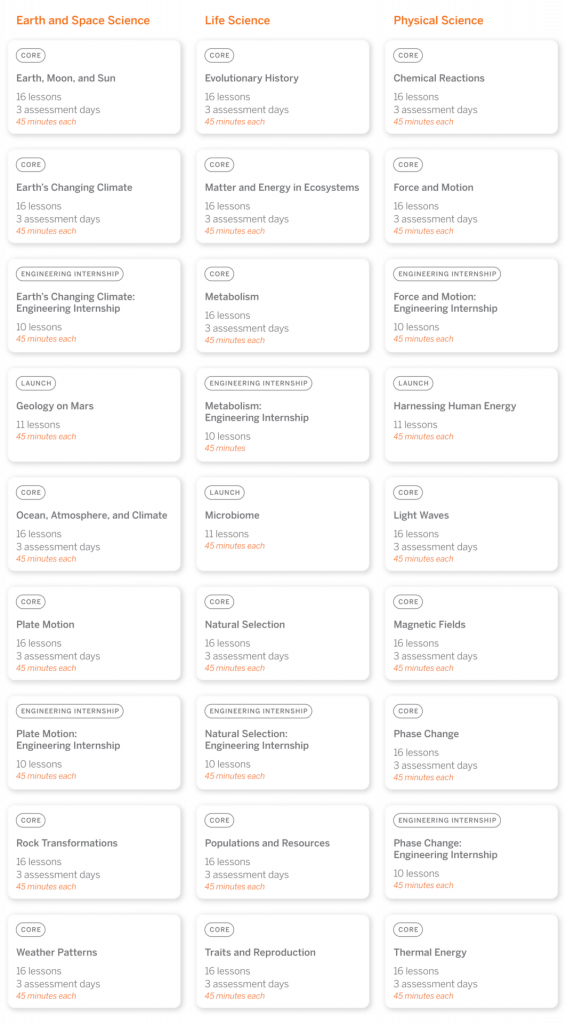
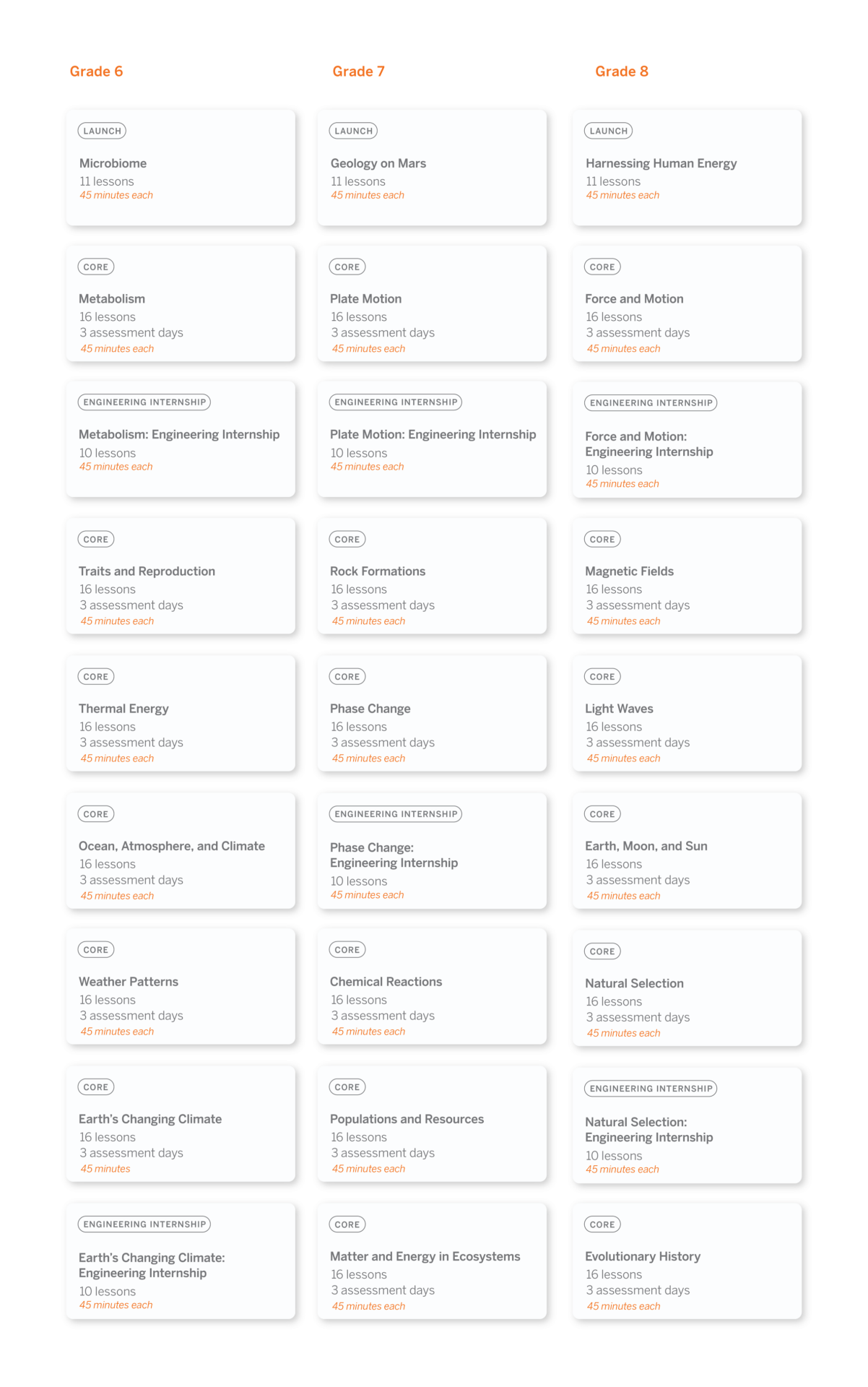
Every year our grades 6–8 sequence consists of 9 units, with each unit containing 10–19 lessons. Lessons are written to last a minimum of 45-minutes, though teachers can expand or contract the timing to meet their needs.
Unit types
Each unit delivers three-dimensional learning experiences and engages students in gathering evidence from a rich collection of sources, while also serving a unique purpose.
In grades 6–8, there are three types of units:
One unit is a launch unit.
Three units are core units.
Two units are engineering internships.
Launch units
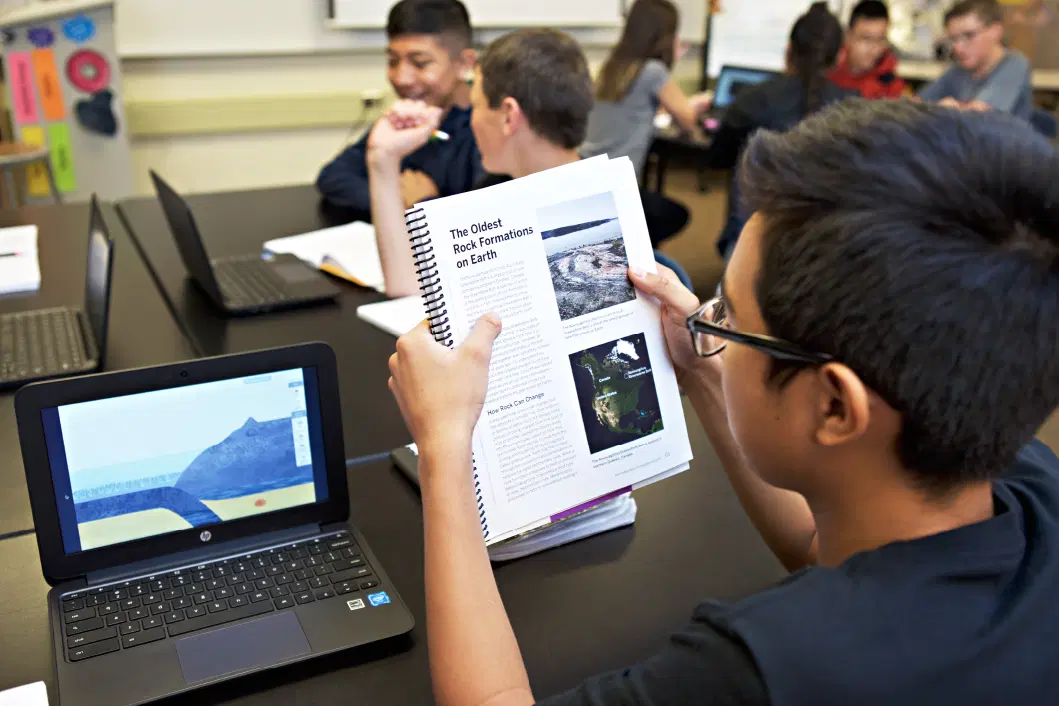
Launch units are the first units taught in each year of Amplify Science. The goal of the Launch unit is to introduce students to norms, routines, and practices that will be built on throughout the year, including argumentation, active reading, and using the program’s technology. For example, rather than taking the time to explain the process of active reading in every unit in a given year, it is explained thoroughly in the Launch unit, thereby preparing students to read actively in all subsequent units.
Core units
Core units establish the context of the unit by introducing students to a real-world problem. As students move through lessons in a Core unit, they figure out the unit’s anchoring phenomenon, gain an understanding of the unit’s disciplinary core ideas and science and engineering practices, and make linkages across topics through the crosscutting concepts. Each Core unit culminates with a Science Seminar and final writing activity.
Engineering Internship units
Engineering Internship units invite students to design solutions for real-world problems as interns for a fictional company called Futura. Students figure out how to help those in need, from tsunami victims in Sri Lanka to premature babies, through the application of engineering practices. In the process, they apply and deepen their learning from Core units.
Units at a glance
Microbiome
Domain: Life Science
Unit type: Launch
Student role: Microbiological researchers
Phenomenon: The presence of 100 trillion microorganisms living on and in the human body may keep the body healthy.
Metabolism
Domain: Life Science
Unit type: Core
Student role: Medical researchers
Phenomenon: Elisa, a young patient, feels tired all the time.
Metabolism Engineering Internship
Domains: Life Science, Engineering Design
Unit type: Engineering internship
Student role: Food engineers
Phenomenon: Designing health bars with different molecular compositions can effectively meet the metabolic needs of patients or rescue workers.
Traits and Reproduction
Domain: Life Science
Unit type: Core
Student role: Biomedical students
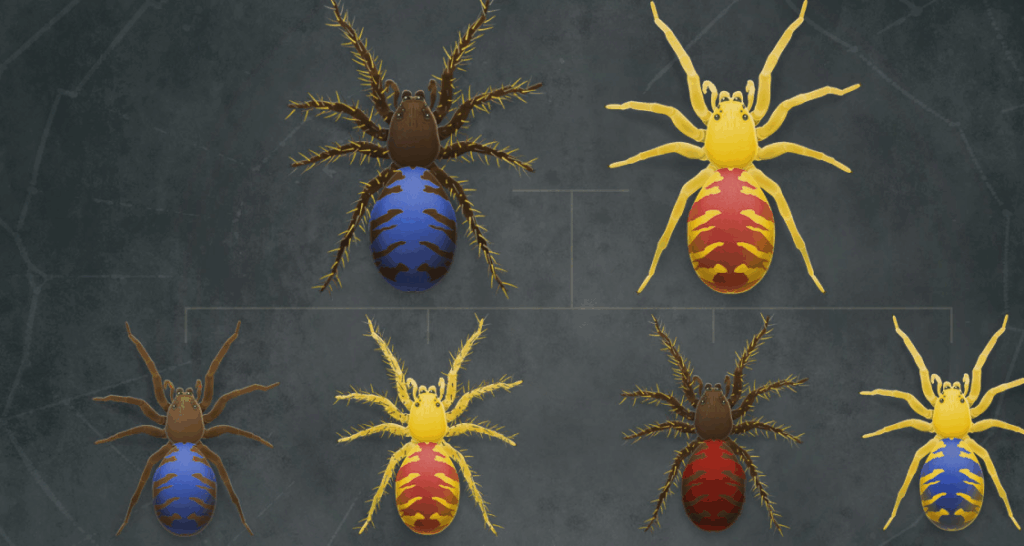
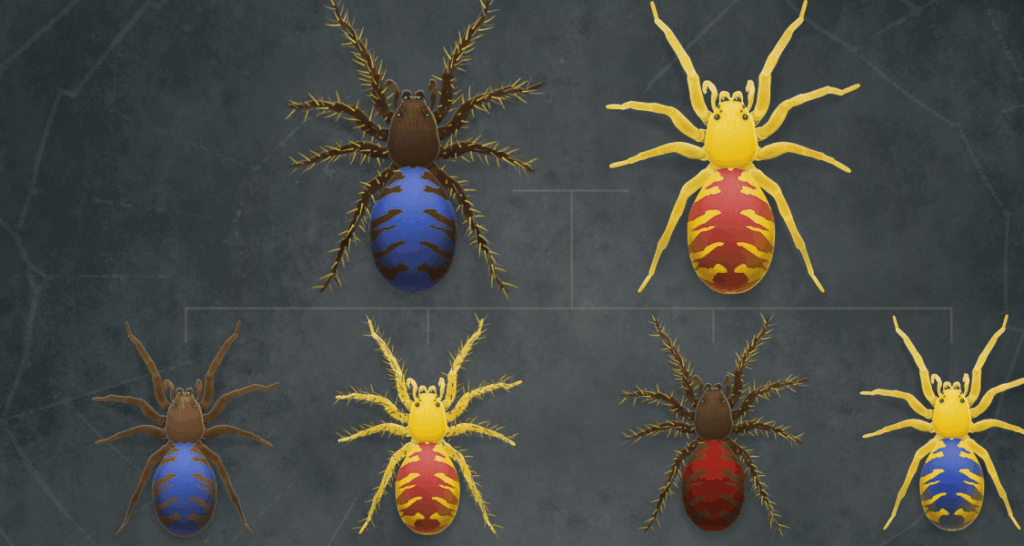
Phenomenon: Darwin’s bark spider offspring have different silk flexibility traits, even though they have the same parents.
Thermal Energy
Domain: Physical Science
Unit type: Core
Student role: Thermal scientists
Phenomenon: One of two proposed heating systems for Riverdale School will best heat the school.
Ocean, Atmosphere, and Climate
Domains: Earth and Space Science, Physical Science
Unit type: Core
Student role: Climatologists
Phenomenon: During El Niño years, the air temperature in Christchurch, New Zealand is cooler than usual.
Weather Patterns
Domains: Earth and Space Science, Physical Science
Unit type: Core
Student role: Forensic meteorologists
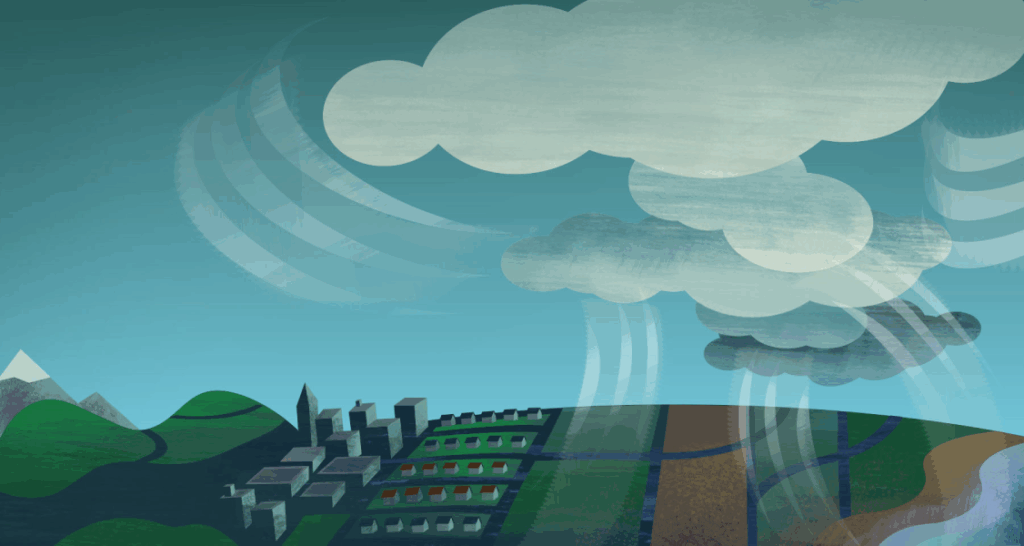
Phenomenon: In recent years, rainstorms in Galetown have been unusually severe.
Earth’s Changing Climate
Domains: Earth and Space Science, Life Science
Unit type: Core
Student role: Climatologists
Phenomenon: The ice on Earth’s surface is melting.
Earth’s Changing Climate Engineering Internship
Domains: Earth and Space Science, Engineering Design
Unit type: Engineering internship
Student role: Civil engineers
Phenomenon: Designing rooftops with different modifications can reduce a city’s impact on climate change.
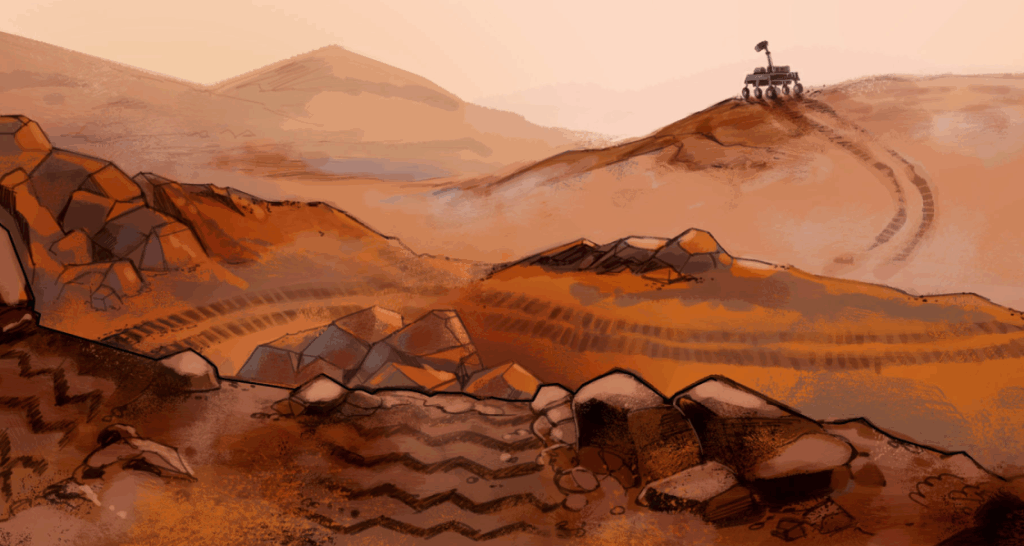
Geology on Mars
Domain: Earth and Space Science
Unit type: Launch
Student role: Planetary geologists
Phenomenon: Analyzing data about landforms on Mars can provide evidence that Mars may have once been habitable.
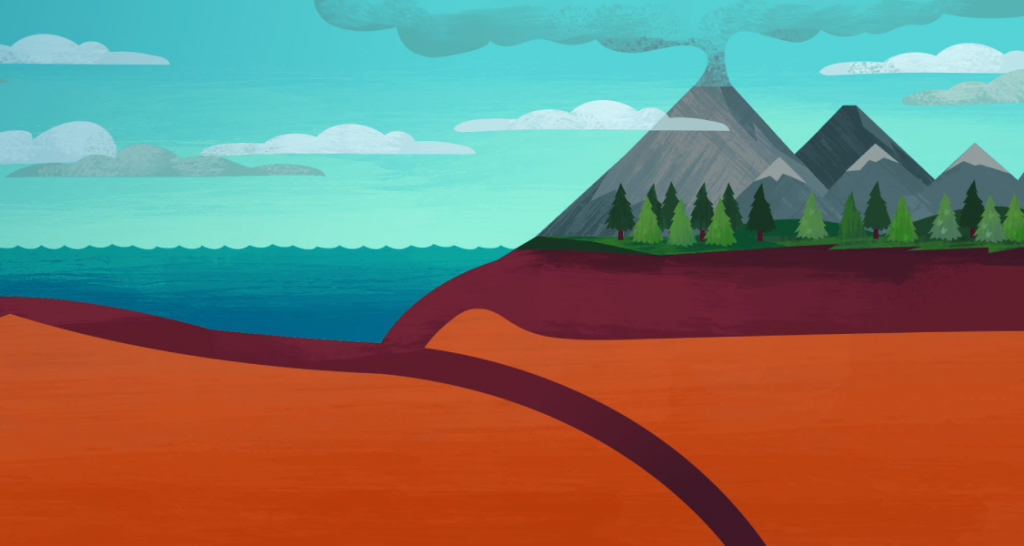
Plate Motion
Domain: Earth and Space Science
Unit type: Core
Student role: Geologists
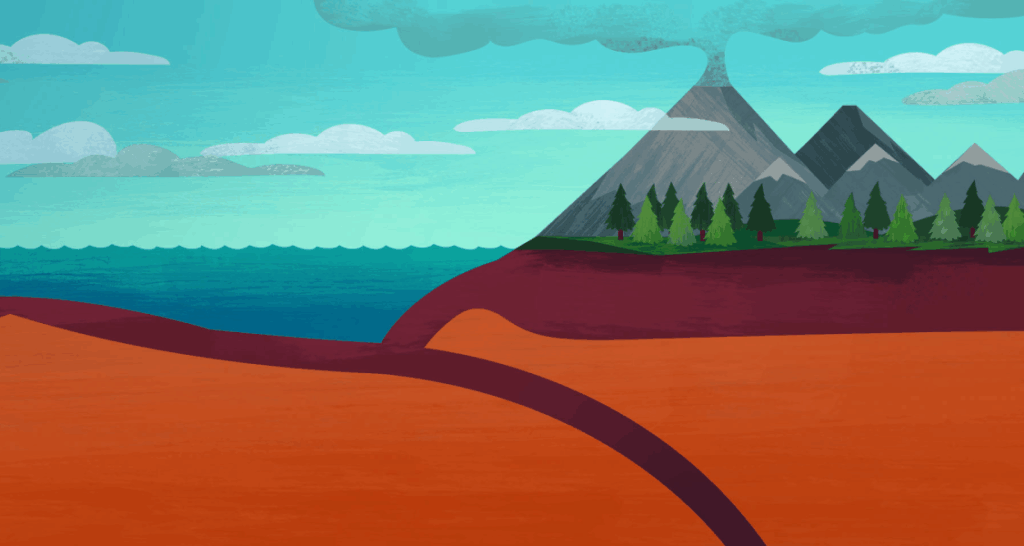
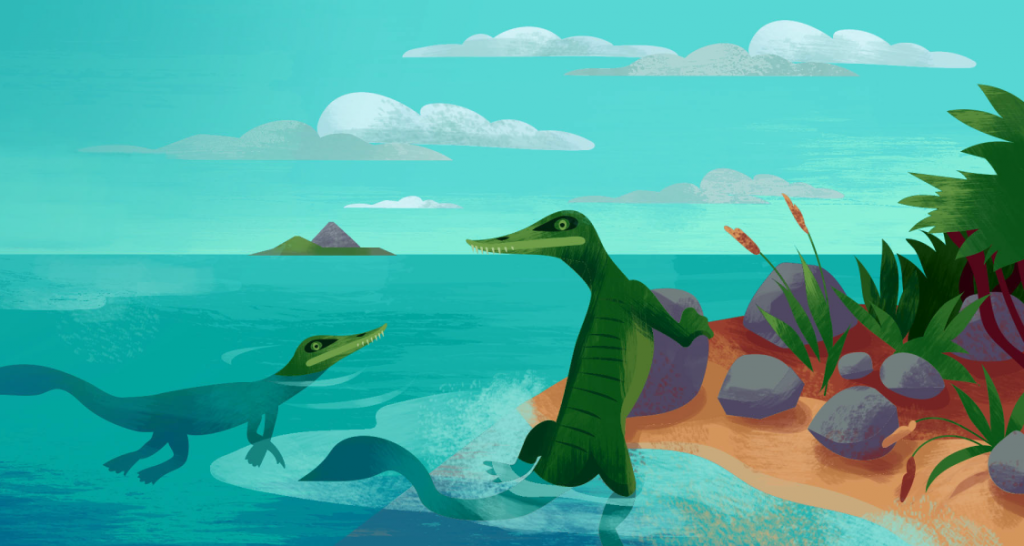
Phenomenon: Mesosaurus fossils have been found on continents separated by thousands of kilometers of ocean, even though the Mesosaurus species once lived all together.
Plate Motion Engineering Internship
Domains: Earth and Space Science, Engineering Design
Unit type: Engineering internship
Student role: Mechanical engineering interns
Phenomenon: Patterns in earthquake data can be used to design an effective tsunami warning system.
Rock Transformations
Domain: Earth and Space Science
Unit type: Core
Student role: Geologists
Phenomenon: Rock samples from the Great Plains and from the Rocky Mountains — regions hundreds of miles apart — look very different, but have surprisingly similar mineral compositions.
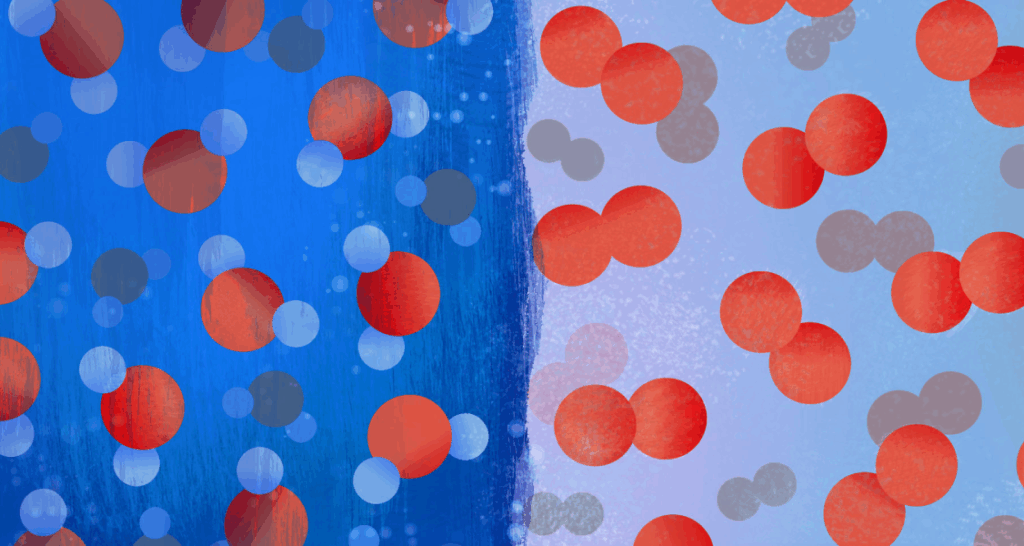
Phase Change
Domains: Physical Science, Earth and Space Science
Unit type: Core
Student role: Chemists
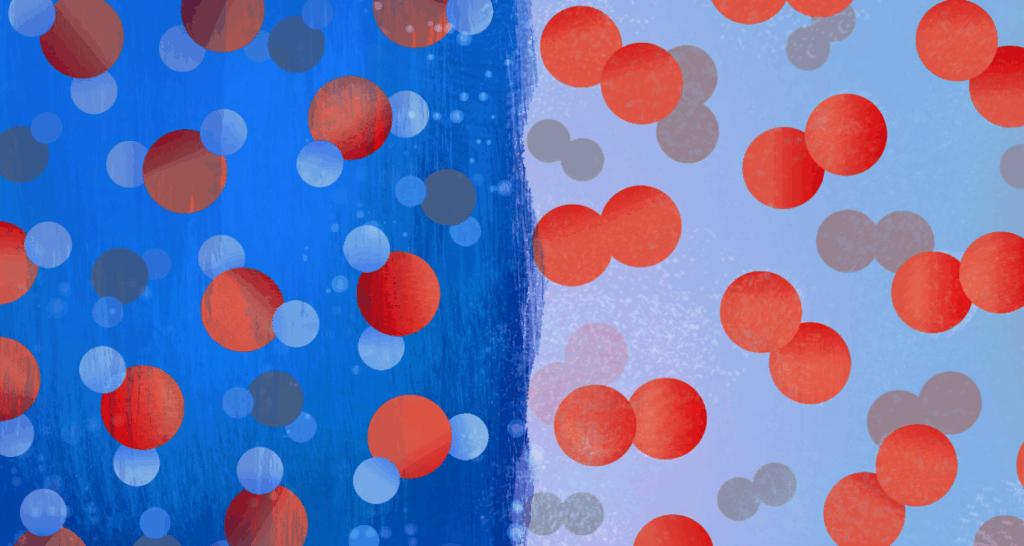
Phenomenon: A methane lake on Titan no longer appears in images taken by a space probe two years apart
Force and Motion Engineering Internship
Domains: Engineering Design, Physical Science
Unit type: Engineering internship
Student role: Chemical engineering interns
Phenomenon: Designing portable baby incubators with different combinations of phase change materials can keep babies at a healthy temperature. Domains: Engineering Design, Physical Science
Chemical Reactions
Domains: Physical Science, Life Science, Earth and Space Science
Unit type: Core
Student role: Forensic chemists
Phenomenon: A mysterious brown substance has been detected in the tap water of Westfield.
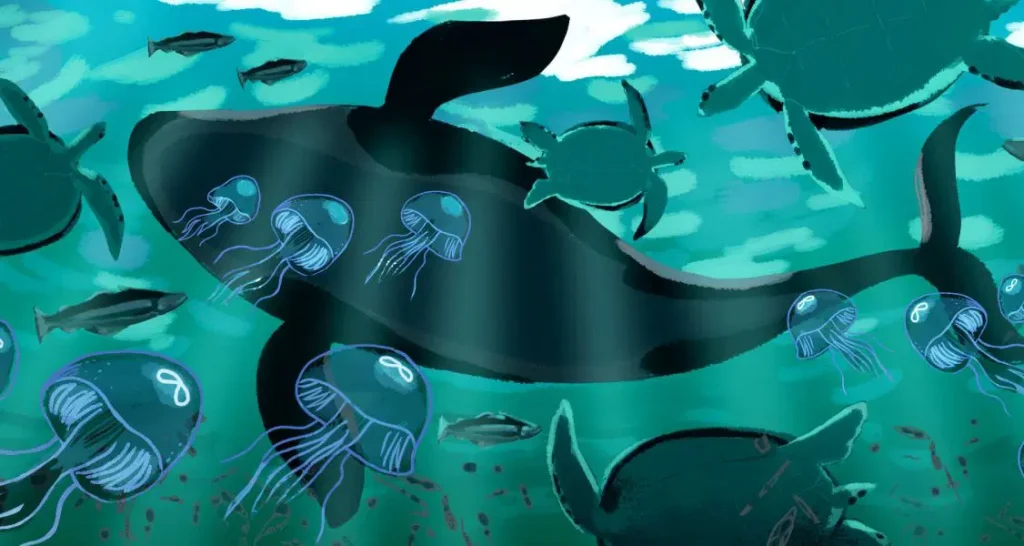
Populations and Resources
Domains: Life Science, Earth and Space Science
Unit type: Core
Student role: Biologists
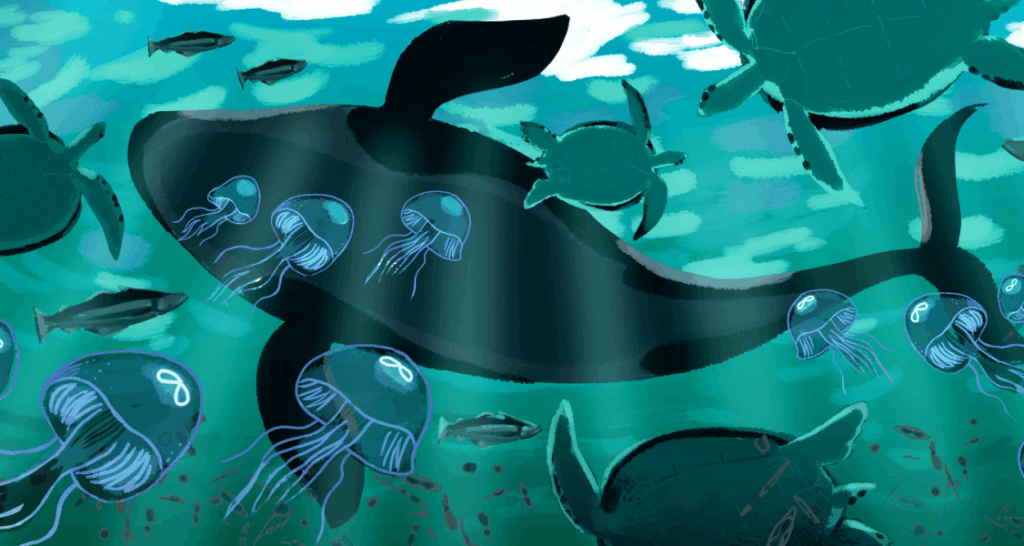
Phenomenon: The size of the moon jelly population in Glacier Sea has increased.
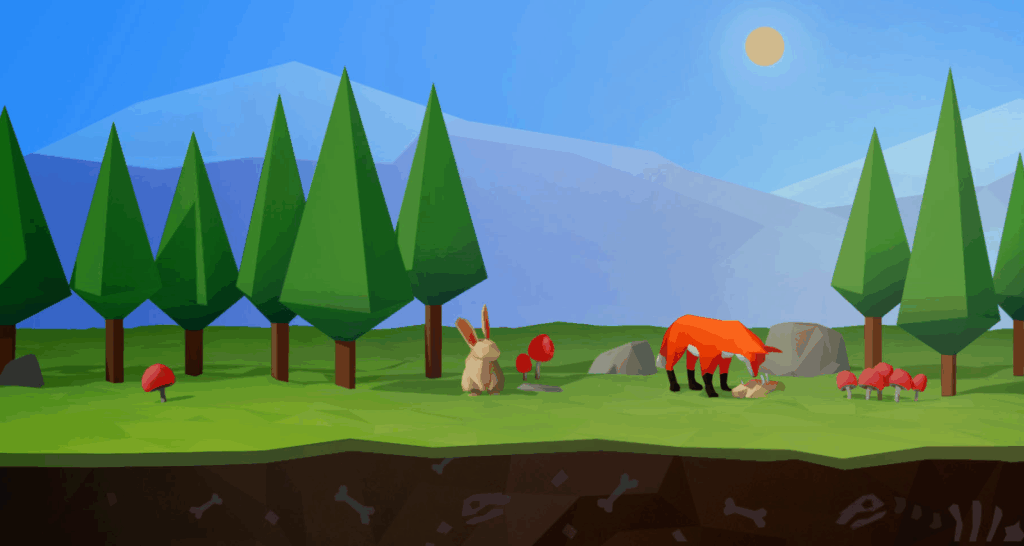
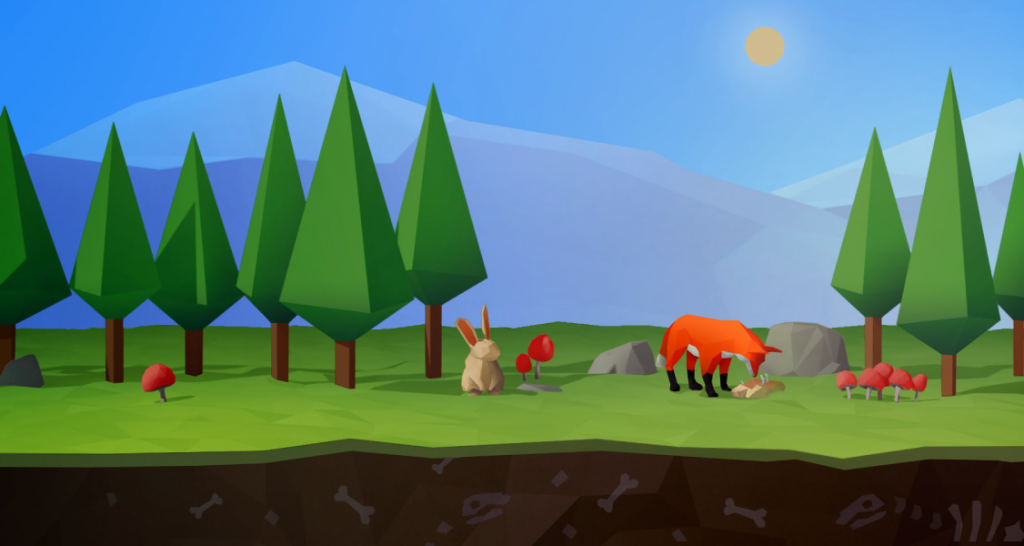
Matter and Energy in Ecosystems
Domains: Life Science, Earth and Space Science, Physical Science
Unit type: Core
Student role: Ecologists
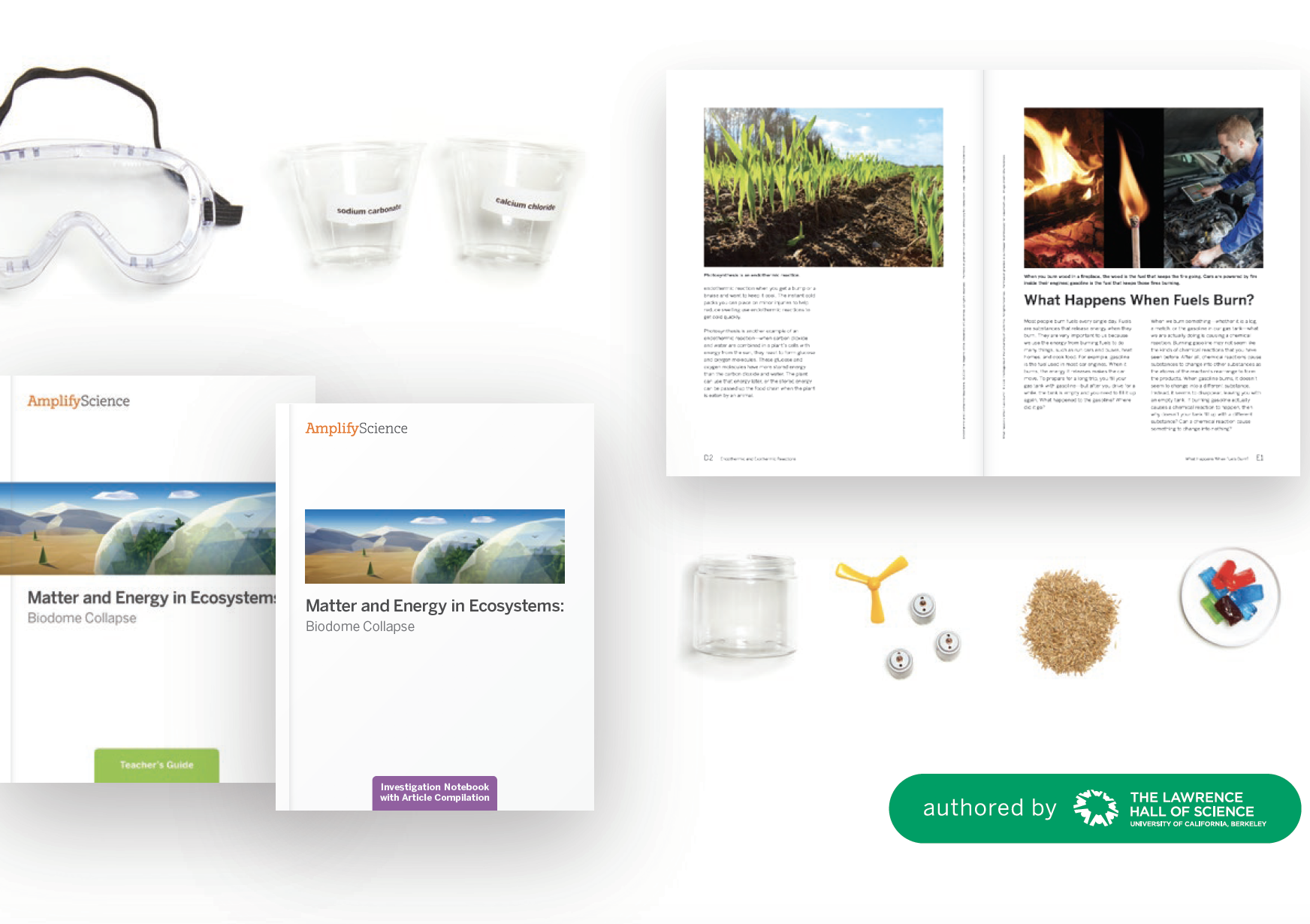
Phenomenon: The biodome ecosystem has collapsed.
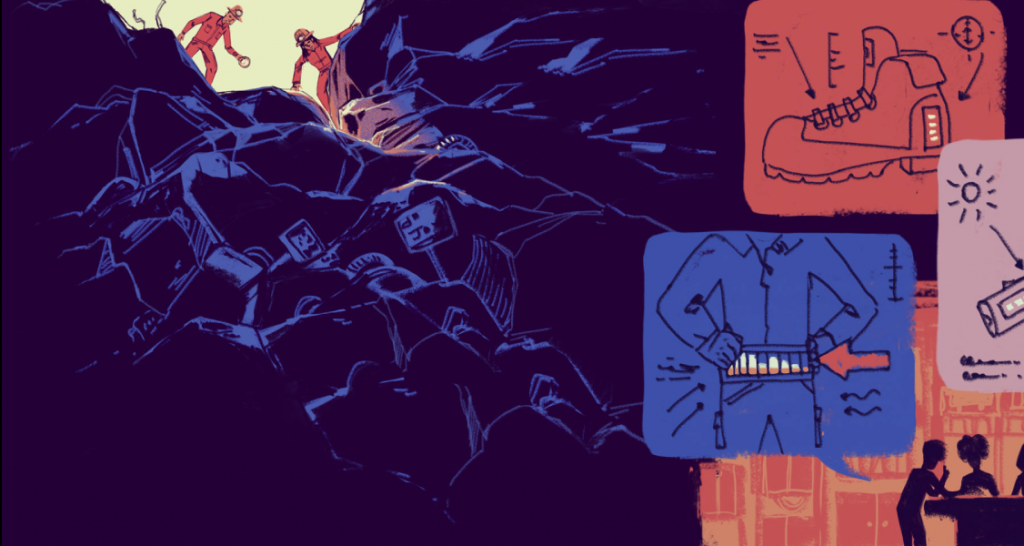
Harnessing Human Energy
Domains: Physical Science, Earth and Space Science, Engineering Design
Unit type: Launch
Student role: Energy scientists
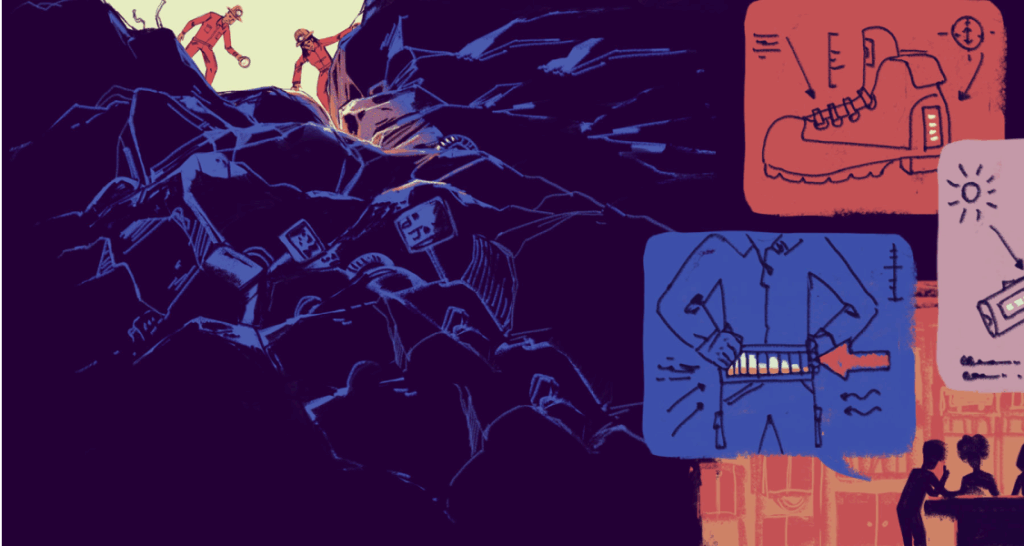
Phenomenon: Rescue workers can use their own human kinetic energy to power the electrical devices they use during rescue missions.
Force and Motion
Domain: Physical Science
Unit type: Core
Student role: Physicists
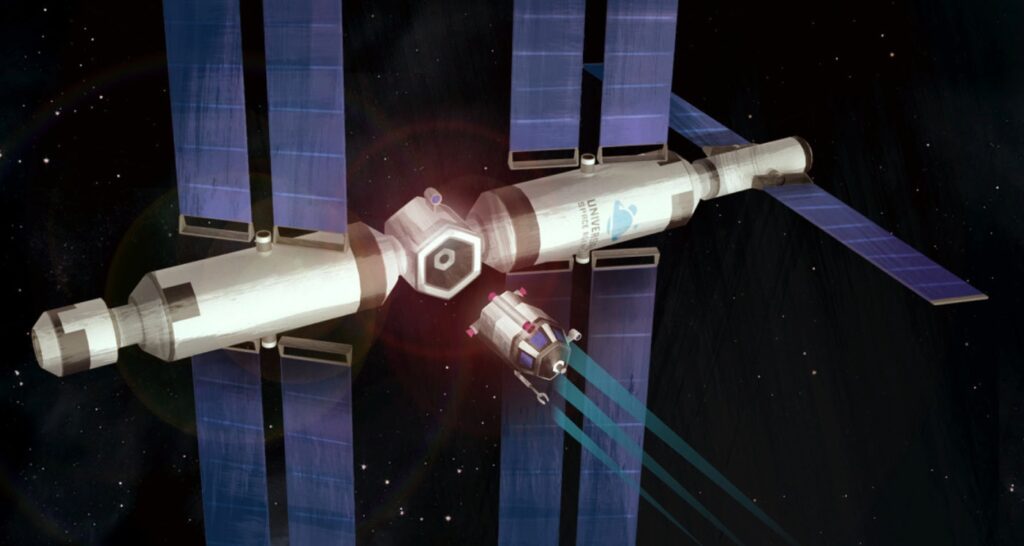
Phenomenon: The asteroid sample-collecting pod failed to dock at the space station as planned.
Force and Motion Engineering Internship
Domains: Engineering Design, Physical Science
Unit type: Engineering internship
Student role: Chemical engineering interns
Phenomenon: Designing emergency supply delivery pods with different structures can maintain the integrity of the supply pods and their contents.
Magnetic Fields
Domain: Physical Science
Unit type: Core
Student role: Physicists
Phenomenon: During a test launch, a spacecraft traveled much faster than expected.
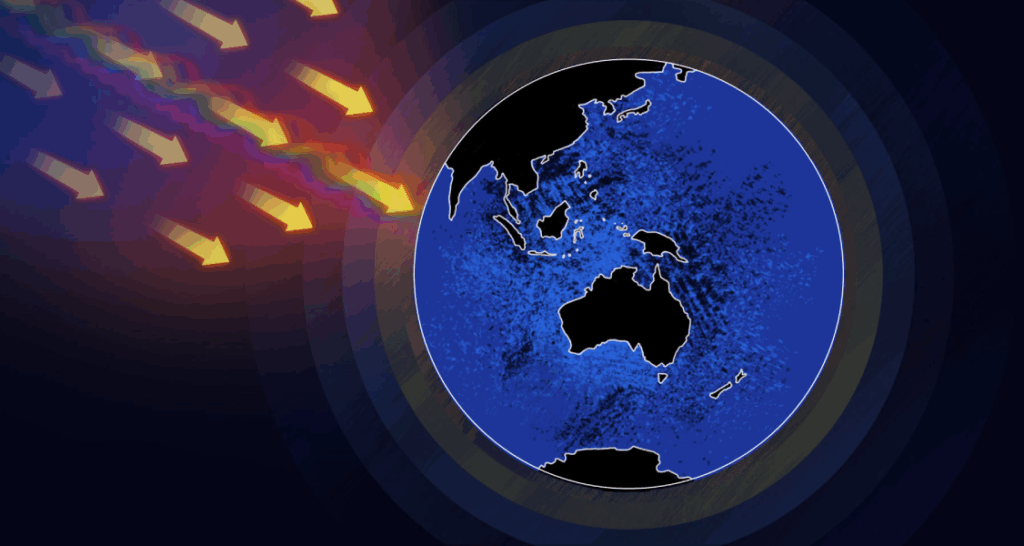
Light Waves
Domains: Physical Science, Life Science, Earth and Space Science
Unit type: Core
Student role: Spectroscopists
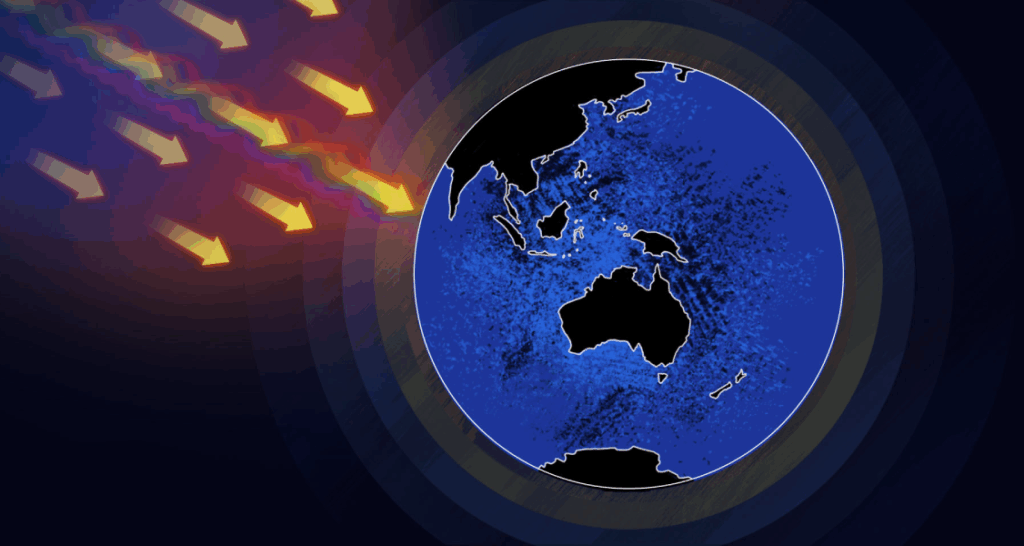
Phenomenon: The rate of skin cancer is higher in Australia than in other parts of the world.
Earth, Moon, and Sun
Domains: Earth and Space Science, Physical Science
Unit type: Core
Student role: Astronomers
Phenomenon: An astrophotographer can only take pictures of specific features on the Moon at certain times.
Natural Selection
Domains: Life Science, Earth and Space Science
Unit type: Core
Student role: Biologists
Phenomenon: The newt population in Oregon State Park has become more poisonous over time.
Natural Selection Engineering Internship
Domains: Engineering Design, Life Science
Unit type: Engineering internship
Student role: Clinical engineers
Phenomenon: Designing malaria treatment plans that use different combinations of drugs can reduce drug resistance development while helping malaria patients.
Evolutionary History
Domains: Life Science, Earth and Space Science
Unit type: Core
Student role: Paleontologists
Phenomenon: A mystery fossil at the Natural History Museum has similarities with both wolves and whales.
Amplify Science is based on the latest research on teaching and learning and helps teachers deliver rigorous and riveting lessons through hands-on investigations, literacy-rich activities, and interactive digital tools that empower students to think, read, write, and argue like real scientists.
In the 6–8 classroom, this looks like students:
Collecting evidence from a variety of sources.
Making sense of evidence in a variety of ways.
Formulating convincing scientific arguments.
Is your school implementing the domain model? Click here.
Program structure
Our cyclical lesson design ensures students receive multiple exposures to concepts through a variety of modalities. As they progress through the lessons within a unit, students build and deepen their understanding, increasing their ability to develop and refine complex explanations of the unit’s phenomenon.
It’s this proven program structure and lesson design that enables Amplify Science to teach less, but achieve more. Rather than asking teachers to wade through unnecessary content, we designed our 6–8 program to address 100% of the NGSS in fewer lessons than other programs.
Scope and sequence
Every year our grades 6–8 sequence consists of 9 units, with each unit containing 10–19 lessons. Lessons are written to last a minimum of 45-minutes, though teachers can expand or contract the timing to meet their needs.
Unit types
Each unit delivers three-dimensional learning experiences and engages students in gathering evidence from a rich collection of sources, while also serving a unique purpose.
In grades 6–8, there are three types of units:
One unit is a launch unit.
Three units are core units.
Two units are engineering internships.
Launch units
Launch units are the first units taught in each year of Amplify Science. The goal of the Launch unit is to introduce students to norms, routines, and practices that will be built on throughout the year, including argumentation, active reading, and using the program’s technology. For example, rather than taking the time to explain the process of active reading in every unit in a given year, it is explained thoroughly in the Launch unit, thereby preparing students to read actively in all subsequent units.
Core units
Core units establish the context of the unit by introducing students to a real-world problem. As students move through lessons in a Core unit, they figure out the unit’s anchoring phenomenon, gain an understanding of the unit’s disciplinary core ideas and science and engineering practices, and make linkages across topics through the crosscutting concepts. Each Core unit culminates with a Science Seminar and final writing activity.
Engineering Internship units
Engineering Internship units invite students to design solutions for real-world problems as interns for a fictional company called Futura. Students figure out how to help those in need, from tsunami victims in Sri Lanka to premature babies, through the application of engineering practices. In the process, they apply and deepen their learning from Core units.
Units at a glance
Microbiome
Domain: Life Science
Unit type: Launch
Student role: Microbiological researchers
Phenomenon: The presence of 100 trillion microorganisms living on and in the human body may keep the body healthy.
Metabolism
Domain: Life Science
Unit type: Core
Student role: Medical researchers
Phenomenon: Elisa, a young patient, feels tired all the time.
Metabolism Engineering Internship
Domains: Life Science, Engineering Design
Unit type: Engineering internship
Student role: Food engineers
Phenomenon: Designing health bars with different molecular compositions can effectively meet the metabolic needs of patients or rescue workers.
Traits and Reproduction
Domain: Life Science
Unit type: Core
Student role: Biomedical students
Phenomenon: Darwin’s bark spider offspring have different silk flexibility traits, even though they have the same parents.
Thermal Energy
Domain: Physical Science
Unit type: Core
Student role: Thermal scientists
Phenomenon: One of two proposed heating systems for Riverdale School will best heat the school.
Ocean, Atmosphere, and Climate
Domains: Earth and Space Science, Physical Science
Unit type: Core
Student role: Climatologists
Phenomenon: During El Niño years, the air temperature in Christchurch, New Zealand is cooler than usual.
Weather Patterns
Domains: Earth and Space Science, Physical Science
Unit type: Core
Student role: Forensic meteorologists
Phenomenon: In recent years, rainstorms in Galetown have been unusually severe.
Earth’s Changing Climate
Domains: Earth and Space Science, Life Science
Unit type: Core
Student role: Climatologists
Phenomenon: The ice on Earth’s surface is melting.
Earth’s Changing Climate Engineering Internship
Domains: Earth and Space Science, Engineering Design
Unit type: Engineering internship
Student role: Civil engineers
Phenomenon: Designing rooftops with different modifications can reduce a city’s impact on climate change.
Geology on Mars
Domain: Earth and Space Science
Unit type: Launch
Student role: Planetary geologists
Phenomenon: Analyzing data about landforms on Mars can provide evidence that Mars may have once been habitable.
Plate Motion
Domain: Earth and Space Science
Unit type: Core
Student role: Geologists
Phenomenon: Mesosaurus fossils have been found on continents separated by thousands of kilometers of ocean, even though the Mesosaurus species once lived all together.
Plate Motion Engineering Internship
Domains: Earth and Space Science, Engineering Design
Unit type: Engineering internship
Student role: Mechanical engineering interns
Phenomenon: Patterns in earthquake data can be used to design an effective tsunami warning system.
Rock Transformations
Domain: Earth and Space Science
Unit type: Core
Student role: Geologists
Phenomenon: Rock samples from the Great Plains and from the Rocky Mountains — regions hundreds of miles apart — look very different, but have surprisingly similar mineral compositions.
Phase Change
Domains: Physical Science, Earth and Space Science
Unit type: Core
Student role: Chemists
Phenomenon: A methane lake on Titan no longer appears in images taken by a space probe two years apart
Force and Motion Engineering Internship
Domains: Engineering Design, Physical Science
Unit type: Engineering internship
Student role: Chemical engineering interns
Phenomenon: Designing portable baby incubators with different combinations of phase change materials can keep babies at a healthy temperature. Domains: Engineering Design, Physical Science
Chemical Reactions
Domains: Physical Science, Life Science, Earth and Space Science
Unit type: Core
Student role: Forensic chemists
Phenomenon: A mysterious brown substance has been detected in the tap water of Westfield.
Populations and Resources
Domains: Life Science, Earth and Space Science
Unit type: Core
Student role: Biologists
Phenomenon: The size of the moon jelly population in Glacier Sea has increased.
Matter and Energy in Ecosystems
Domains: Life Science, Earth and Space Science, Physical Science
Unit type: Core
Student role: Ecologists
Phenomenon: The biodome ecosystem has collapsed.
Harnessing Human Energy
Domains: Physical Science, Earth and Space Science, Engineering Design
Unit type: Launch
Student role: Energy scientists
Phenomenon: Rescue workers can use their own human kinetic energy to power the electrical devices they use during rescue missions.
Force and Motion
Domain: Physical Science
Unit type: Core
Student role: Physicists
Phenomenon: The asteroid sample-collecting pod failed to dock at the space station as planned.
Force and Motion Engineering Internship
Domains: Engineering Design, Physical Science
Unit type: Engineering internship
Student role: Chemical engineering interns
Phenomenon: Designing emergency supply delivery pods with different structures can maintain the integrity of the supply pods and their contents.
Magnetic Fields
Domain: Physical Science
Unit type: Core
Student role: Physicists
Phenomenon: During a test launch, a spacecraft traveled much faster than expected.
Light Waves
Domains: Physical Science, Life Science, Earth and Space Science
Unit type: Core
Student role: Spectroscopists
Phenomenon: The rate of skin cancer is higher in Australia than in other parts of the world.
Earth, Moon, and Sun
Domains: Earth and Space Science, Physical Science
Unit type: Core
Student role: Astronomers
Phenomenon: An astrophotographer can only take pictures of specific features on the Moon at certain times.
Natural Selection
Domains: Life Science, Earth and Space Science
Unit type: Core
Student role: Biologists
Phenomenon: The newt population in Oregon State Park has become more poisonous over time.
Natural Selection Engineering Internship
Domains: Engineering Design, Life Science
Unit type: Engineering internship
Student role: Clinical engineers
Phenomenon: Designing malaria treatment plans that use different combinations of drugs can reduce drug resistance development while helping malaria patients.
Evolutionary History
Domains: Life Science, Earth and Space Science
Unit type: Core
Student role: Paleontologists
Phenomenon: A mystery fossil at the Natural History Museum has similarities with both wolves and whales.
Amplify Science is based on the latest research on teaching and learning and helps teachers deliver rigorous and riveting lessons through hands-on investigations, literacy-rich activities, and interactive digital tools that empower students to think, read, write, and argue like real scientists.
In the 6–8 classroom, this looks like students:
Collecting evidence from a variety of sources.
Making sense of evidence in a variety of ways.
Formulating convincing scientific arguments.
Is your school implementing the domain model? Click here.
Program structure
Our cyclical lesson design ensures students receive multiple exposures to concepts through a variety of modalities. As they progress through the lessons within a unit, students build and deepen their understanding, increasing their ability to develop and refine complex explanations of the unit’s phenomenon.
It’s this proven program structure and lesson design that enables Amplify Science to teach less, but achieve more. Rather than asking teachers to wade through unnecessary content, we designed our 6–8 program to address 100% of the NGSS in fewer lessons than other programs.
Scope and sequence
Every year our grades 6–8 sequence consists of 9 units, with each unit containing 10–19 lessons. Lessons are written to last a minimum of 45-minutes, though teachers can expand or contract the timing to meet their needs.
Unit types
Each unit delivers three-dimensional learning experiences and engages students in gathering evidence from a rich collection of sources, while also serving a unique purpose.
In grades 6–8, there are three types of units:
One unit is a launch unit.
Three units are core units.
Two units are engineering internships.
Launch units
Launch units are the first units taught in each year of Amplify Science. The goal of the Launch unit is to introduce students to norms, routines, and practices that will be built on throughout the year, including argumentation, active reading, and using the program’s technology. For example, rather than taking the time to explain the process of active reading in every unit in a given year, it is explained thoroughly in the Launch unit, thereby preparing students to actively read in all subsequent units.
Core units
Core units establish the context of the unit by introducing students to a real-world problem. As students move through lessons in a Core unit, they figure out the unit’s anchoring phenomenon, gain an understanding of the unit’s disciplinary core ideas and science and engineering practices, and make linkages across topics through the crosscutting concepts. Each Core unit culminates with a Science Seminar and final writing activity.
Engineering Internship units
Engineering Internship units invite students to design solutions for real-world problems as interns for a fictional company called Futura. Students figure out how to help those in need, from tsunami victims in Sri Lanka to premature babies, through the application of engineering practices. In the process, they apply and deepen their learning from Core units.
Units at a glance
Geology on Mars
Domain: Earth and Space Science
Unit type: Launch
Student role: Planetary geologists
Phenomenon: Analyzing data about landforms on Mars can provide evidence that Mars may have once been habitable.
Plate Motion
Domain: Earth and Space Science
Unit type: Core
Student role: Geologists
Phenomenon: Mesosaurus fossils have been found on continents separated by thousands of kilometers of ocean, even though the Mesosaurus species once lived all together.
Plate Motion Engineering Internship
Domain: Earth and Space Science
Unit type: Engineering internship
Student role: Mechanical engineering interns
Phenomenon: Patterns in earthquake data can be used to design an effective tsunami warning system.
Rock Transformations
Domain: Earth and Space Science
Unit type: Core
Student role: Geologists
Phenomenon: Rock samples from the Great Plains and from the Rocky Mountains — regions hundreds of miles apart — look very different, but have surprisingly similar mineral compositions.
Earth, Sun, and Moon
Domain: Earth and Space Science
Unit type: Core
Student role: Astronomers
Phenomenon: An astrophotographer can only take pictures of specific features on the Moon at certain times.
Ocean, Atmosphere, and Climate
Domain: Earth and Space Science
Unit type: Core
Student role: Climatologists
Phenomenon: During El Niño years, the air temperature in Christchurch, New Zealand is cooler than usual.
Weather Patterns
Domain: Earth and Space Science
Unit type: Core
Student role: Forensic meteorologists
Phenomenon: In recent years, rainstorms in Galetown have been unusually severe.
Earth’s Changing Climate
Domain: Earth and Space Science
Unit type: Core
Student role: Climatologists
Phenomenon: The ice on Earth’s surface is melting.
Earth’s Changing Climate Engineering Internship
Domain: Earth and Space Science
Unit type: Engineering internship
Student role: Civil engineers
Phenomenon: Designing rooftops with different modifications can reduce a city’s impact on climate change.
Microbiome
Domain: Life Science
Unit type: Launch
Student role: Microbiological researchers
Phenomenon: The presence of 100 trillion microorganisms living on and in the human body may keep the body healthy.
Metabolism
Domain: Life Science
Unit type: Core
Student role: Medical researchers
Phenomenon: Elisa, a young patient, feels tired all the time.
Metabolism Engineering Internship
Domain: Life Science
Unit type: Engineering internship
Student role: Food engineers
Phenomenon: Designing health bars with different molecular compositions can effectively meet the metabolic needs of patients or rescue workers.
Traits and Reproduction
Domain: Life Science
Unit type: Core
Student role: Biomedical students
Phenomenon: Darwin’s bark spider offspring have different silk flexibility traits, even though they have the same parents.
Populations and Resources
Domain: Life Science
Unit type: Core
Student role: Biologists
Phenomenon: The size of the moon jelly population in Glacier Sea has increased.
Matter and Energy in Ecosystems
Domain: Life Science
Unit type: Core
Student role: Ecologists
Phenomenon: What caused the mysterious crash of a biodome ecosystem?
Natural Selection
Domain: Life Science
Unit type: Core
Student role: Biologists
Phenomenon: The newt population in Oregon State Park has become more poisonous over time.
Natural Selection Engineering Internship
Domain: Life Science
Unit type: Engineering internship
Student role: Clinical engineers
Phenomenon: Designing malaria treatment plans that use different combinations of drugs can reduce drug resistance development while helping malaria patients.
Evolutionary History
Domain: Life Science
Unit type: Core
Student role: Paleontologists
Phenomenon: A mystery fossil at the Natural History Museum has similarities with both wolves and whales.
Harnessing Human Energy
Domain: Physical Science
Unit type: Launch
Student role: Energy scientists
Phenomenon: Rescue workers can use their own human kinetic energy to power the electrical devices they use during rescue missions.
Force and Motion
Domain: Physical Science
Unit type: Core
Student role: Physicists
Phenomenon: The asteroid sample-collecting pod failed to dock at the space station as planned.
Force and Motion Engineering Internship
Domain: Physical Science
Unit type: Engineering internship
Student role: Mechanical engineering interns
Phenomenon: Designing emergency supply delivery pods with different structures can maintain the integrity of the supply pods and their contents.
Magnetic Fields
Domain: Physical Science
Unit type: Core
Student role: Physicists
Phenomenon: During a test launch, a spacecraft traveled much faster than expected.
Thermal Energy
Domain: Physical Science
Unit type: Core
Student role: Thermal scientists
Phenomenon: One of two proposed heating systems for Riverdale School will best heat the school.
Phase Change
Domain: Physical Science
Unit type: Core
Student role: Chemists
Phenomenon: A methane lake on Titan no longer appears in images taken by a space probe two years apart.
Phase Change Engineering Internship
Domain: Physical Science
Unit type: Engineering internship
Student role: Chemical engineering interns
Phenomenon: Designing portable baby incubators with different combinations of phase change materials can keep babies at a healthy temperature.
Chemical Reactions
Domain: Physical Science
Unit type: Core
Student role: Forensic chemists
Phenomenon: A mysterious brown substance has been detected in the tap water of Westfield.
Light Waves
Domain: Physical Science
Unit type: Core
Student role: Spectroscopists
Phenomenon: The rate of skin cancer is higher in Australia than in other parts of the world.
Amplify Science is based on the latest research on teaching and learning and helps teachers deliver rigorous and riveting lessons through hands-on investigations, literacy-rich activities, and interactive digital tools that empower students to think, read, write, and argue like real scientists.
In the 6–8 classroom, this looks like students:
Collecting evidence from a variety of sources.
Making sense of evidence in a variety of ways.
Formulating convincing scientific arguments.
Is your school implementing the domain model? Click here.
Program structure
Our cyclical lesson design ensures students receive multiple exposures to concepts through a variety of modalities. As they progress through the lessons within a unit, students build and deepen their understanding, increasing their ability to develop and refine complex explanations of the unit’s phenomenon.
It’s this proven program structure and lesson design that enables Amplify Science to teach less, but achieve more. Rather than asking teachers to wade through unnecessary content, we designed our 6–8 program to address 100% of the NGSS in fewer lessons than other programs.
Scope and sequence
Every year our grades 6–8 sequence consists of 9 units, with each unit containing 10–19 lessons. Lessons are written to last a minimum of 45-minutes, though teachers can expand or contract the timing to meet their needs.
Unit types
Each unit delivers three-dimensional learning experiences and engages students in gathering evidence from a rich collection of sources, while also serving a unique purpose.
In grades 6–8, there are three types of units:
One unit is a launch unit.
Three units are core units.
Two units are engineering internships.
Launch units
Launch units are the first units taught in each year of Amplify Science. The goal of the Launch unit is to introduce students to norms, routines, and practices that will be built on throughout the year, including argumentation, active reading, and using the program’s technology. For example, rather than taking the time to explain the process of active reading in every unit in a given year, it is explained thoroughly in the Launch unit, thereby preparing students to actively read in all subsequent units.
Core units
Core units establish the context of the unit by introducing students to a real-world problem. As students move through lessons in a Core unit, they figure out the unit’s anchoring phenomenon, gain an understanding of the unit’s disciplinary core ideas and science and engineering practices, and make linkages across topics through the crosscutting concepts. Each Core unit culminates with a Science Seminar and final writing activity.
Engineering Internship units
Engineering Internship units invite students to design solutions for real-world problems as interns for a fictional company called Futura. Students figure out how to help those in need, from tsunami victims in Sri Lanka to premature babies, through the application of engineering practices. In the process, they apply and deepen their learning from Core units.
Units at a glance
Geology on Mars
Domain: Earth and Space Science
Unit type: Launch
Student role: Planetary geologists
Phenomenon: Analyzing data about landforms on Mars can provide evidence that Mars may have once been habitable.
Plate Motion
Domain: Earth and Space Science
Unit type: Core
Student role: Geologists
Phenomenon: Mesosaurus fossils have been found on continents separated by thousands of kilometers of ocean, even though the Mesosaurus species once lived all together.
Plate Motion Engineering Internship
Domain: Earth and Space Science
Unit type: Engineering internship
Student role: Mechanical engineering interns
Phenomenon: Patterns in earthquake data can be used to design an effective tsunami warning system.
Rock Transformations
Domain: Earth and Space Science
Unit type: Core
Student role: Geologists
Phenomenon: Rock samples from the Great Plains and from the Rocky Mountains — regions hundreds of miles apart — look very different, but have surprisingly similar mineral compositions.
Earth, Sun, and Moon
Domain: Earth and Space Science
Unit type: Core
Student role: Astronomers
Phenomenon: An astrophotographer can only take pictures of specific features on the Moon at certain times.
Ocean, Atmosphere, and Climate
Domain: Earth and Space Science
Unit type: Core
Student role: Climatologists
Phenomenon: During El Niño years, the air temperature in Christchurch, New Zealand is cooler than usual.
Weather Patterns
Domain: Earth and Space Science
Unit type: Core
Student role: Forensic meteorologists
Phenomenon: In recent years, rainstorms in Galetown have been unusually severe.
Earth’s Changing Climate
Domain: Earth and Space Science
Unit type: Core
Student role: Climatologists
Phenomenon: The ice on Earth’s surface is melting.
Earth’s Changing Climate Engineering Internship
Domain: Earth and Space Science
Unit type: Engineering internship
Student role: Civil engineers
Phenomenon: Designing rooftops with different modifications can reduce a city’s impact on climate change.
Microbiome
Domain: Life Science
Unit type: Launch
Student role: Microbiological researchers
Phenomenon: The presence of 100 trillion microorganisms living on and in the human body may keep the body healthy.
Metabolism
Domain: Life Science
Unit type: Core
Student role: Medical researchers
Phenomenon: Elisa, a young patient, feels tired all the time.
Metabolism Engineering Internship
Domain: Life Science
Unit type: Engineering internship
Student role: Food engineers
Phenomenon: Designing health bars with different molecular compositions can effectively meet the metabolic needs of patients or rescue workers.
Traits and Reproduction
Domain: Life Science
Unit type: Core
Student role: Biomedical students
Phenomenon: Darwin’s bark spider offspring have different silk flexibility traits, even though they have the same parents.
Populations and Resources
Domain: Life Science
Unit type: Core
Student role: Biologists
Phenomenon: The size of the moon jelly population in Glacier Sea has increased.
Matter and Energy in Ecosystems
Domain: Life Science
Unit type: Core
Student role: Ecologists
Phenomenon: What caused the mysterious crash of a biodome ecosystem?
Natural Selection
Domain: Life Science
Unit type: Core
Student role: Biologists
Phenomenon: The newt population in Oregon State Park has become more poisonous over time.
Natural Selection Engineering Internship
Domain: Life Science
Unit type: Engineering internship
Student role: Clinical engineers
Phenomenon: Designing malaria treatment plans that use different combinations of drugs can reduce drug resistance development while helping malaria patients.
Evolutionary History
Domain: Life Science
Unit type: Core
Student role: Paleontologists
Phenomenon: A mystery fossil at the Natural History Museum has similarities with both wolves and whales.
Harnessing Human Energy
Domain: Physical Science
Unit type: Launch
Student role: Energy scientists
Phenomenon: Rescue workers can use their own human kinetic energy to power the electrical devices they use during rescue missions.
Force and Motion
Domain: Physical Science
Unit type: Core
Student role: Physicists
Phenomenon: The asteroid sample-collecting pod failed to dock at the space station as planned.
Force and Motion Engineering Internship
Domain: Physical Science
Unit type: Engineering internship
Student role: Mechanical engineering interns
Phenomenon: Designing emergency supply delivery pods with different structures can maintain the integrity of the supply pods and their contents.
Magnetic Fields
Domain: Physical Science
Unit type: Core
Student role: Physicists
Phenomenon: During a test launch, a spacecraft traveled much faster than expected.
Thermal Energy
Domain: Physical Science
Unit type: Core
Student role: Thermal scientists
Phenomenon: One of two proposed heating systems for Riverdale School will best heat the school.
Phase Change
Domain: Physical Science
Unit type: Core
Student role: Chemists
Phenomenon: A methane lake on Titan no longer appears in images taken by a space probe two years apart.
Phase Change Engineering Internship
Domain: Physical Science
Unit type: Engineering internship
Student role: Chemical engineering interns
Phenomenon: Designing portable baby incubators with different combinations of phase change materials can keep babies at a healthy temperature.
Chemical Reactions
Domain: Physical Science
Unit type: Core
Student role: Forensic chemists
Phenomenon: A mysterious brown substance has been detected in the tap water of Westfield.
Light Waves
Domain: Physical Science
Unit type: Core
Student role: Spectroscopists
Phenomenon: The rate of skin cancer is higher in Australia than in other parts of the world.
mCLASS® Texas Edition has been selected as the Texas Education Agency (TEA)–approved alternative free Reading Diagnostic Tool for Kindergarten and as one of the free options for grades 1–2, as legislated by HB3.
mCLASS Texas Edition provides a full K–6 assessment solution, enabling you to leverage and connect valuable student data from the beginning of their literacy journey to later grades, reflecting a reliable and valid view of every student’s progression.
Introducing mCLASS Lectura! This revolutionary Spanish assessment ensures complete parity between English and Spanish-speaking students.
*For mCLASS Texas Edition customers who have already opted into the program, please visit our onboarding site to learn how to get started.
What is mCLASS Texas Edition?
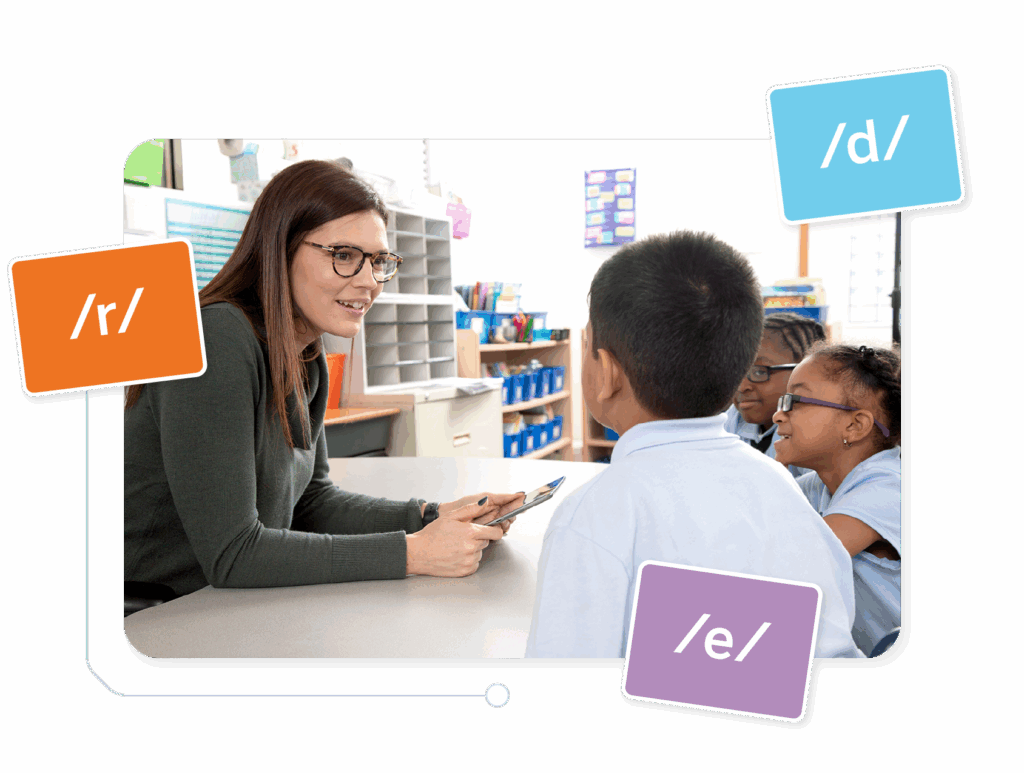
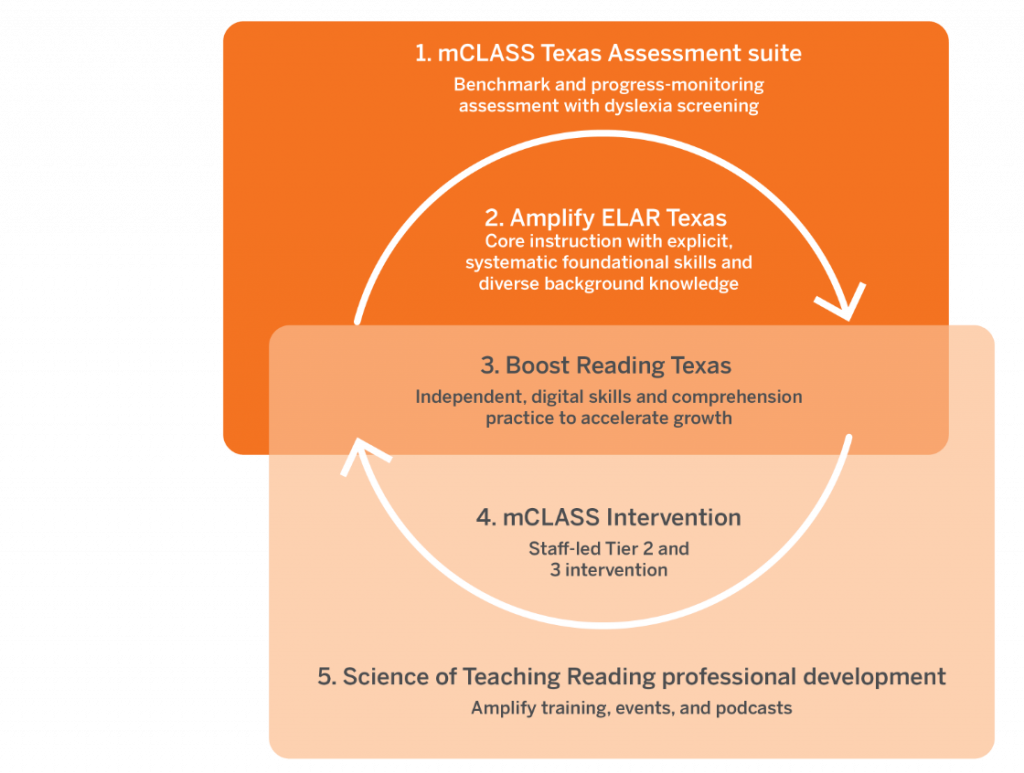
mCLASS Texas Edition is an integrated, gold standard literacy system that offers teacher-administered assessment and holistic instruction for grades K–6. Teachers often complain about the need to cobble together a number of different tools. They don’t trust their screener so they use something else to monitor progress.
The mCLASS comprehensive system includes efficient one-minute measures, a built-in dyslexia screener, teacher-led and student-driven instruction, intervention, and robust reports for teachers and administrators. It’s all you’ll need to monitor and support every type of student learner in your classroom.
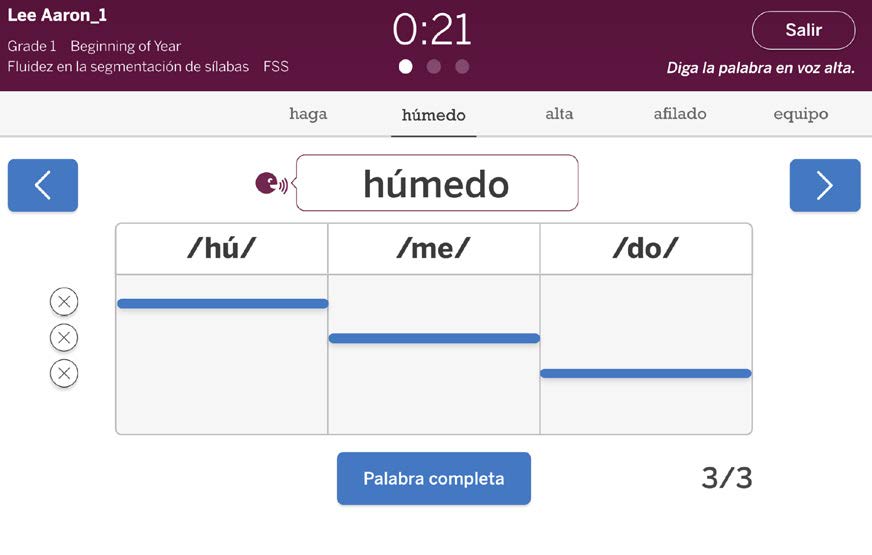
We’re excited to introduce mCLASS Lectura! mCLASS Lectura works with mCLASS’s DIBELS 8th Edition to deliver universal and dyslexia screening in both languages. This powerful tool is the only assessment to offer a dual language instructional report that shows how a student is reading in each language.
Built for Texas educators
TEA has established a bold vision for teaching and learning by:
Enabling universal, multidimensional assessment.
Supporting differentiated instruction based on diagnostics.
Making the resulting data useful for teachers and parents.
mCLASS Texas Edition is built on decades of research at the Center on Teaching and Learning at the University of Oregon, a national center for early childhood assessment and instruction. The measures are already in use in hundreds of districts in Texas.
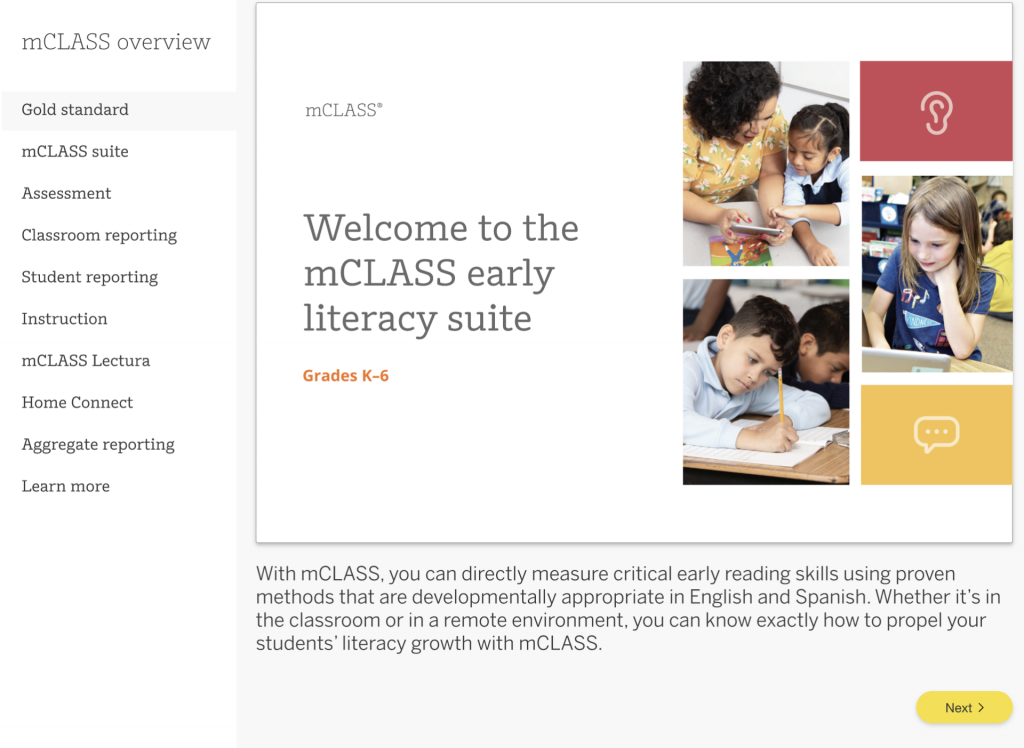
CLICK HERE to explore a walkthrough of mCLASS Texas Edition and mCLASS Lectura (or click the image to the right).
mCLASS® Texas Edition and mCLASS Lectura Reporting
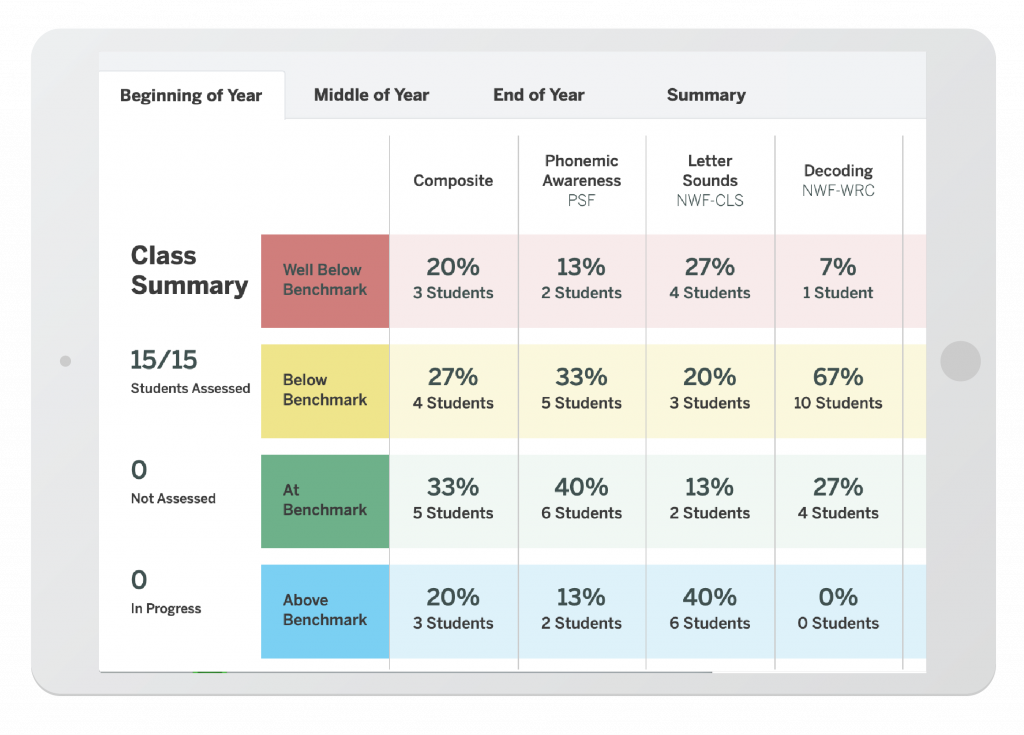
Quick and actionable reports provide detailed insight into students’ reading development across foundational literacy skills for classroom teachers and literacy specialists, principals and district leaders, and parents and guardians at home.
mCLASS Texas Edition gives you instant results and clear next steps for each student.
When mCLASS Texas Edition is used in tandem with the brand new, mCLASS Lectura, educators will have access to a dual language instructional report that shows how a student is reading in each language.
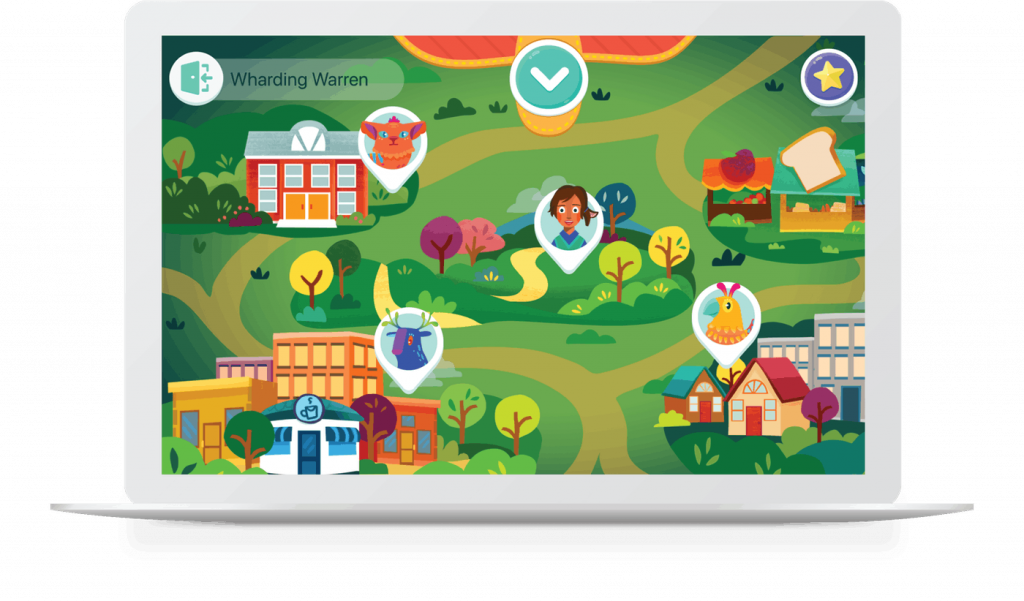
Boost Reading (formerly Amplify Reading) is a K–8 student-driven literacy program that provides both remediation and enrichment for all students, leveraging the power of compelling storytelling to engage students in personalized reading instruction and practice.
At its heart, there are 3 main areas that make Boost Reading a unique supplemental learning program:
The program meets all students where they are with powerful individualized instruction and practice
Age-appropriate narratives create a learning experience that leaps off the screen
Research shows Boost Reading improves student performance–particularly among English Learners–reducing the overall percentage of students at risk of reading difficulty.
Introducing mCLASS Lectura: Dual Language assessment and instruction for K-6!
Here’s what mCLASS Lectura delivers to help teachers know what instruction to prioritize:
An authentic dual language assessment that works in tandem with mCLASS Texas Edition to deliver universal and dyslexia screening in both languages.
The only assessment to offer a dual language instructional report that shows how a student is reading in each language. This helps the teacher tailor instructional recommendations for each student based on the identified transferable skills from one language to another.
Complete parity between English and Spanish solutions at all levels, with full coverage of the key foundational skills required by Texas
Early intervention is critical. mCLASS Texas with DIBELS 8th Edition aligns to the state’s rigorous requirements around dyslexia screening as outlined in the Texas Dyslexia Handbook.
Check out mCLASS Texas measures for DIBELS and Lectura here.
Get universal and dyslexia screening in one single powerful tool—no additional assessment system required.
Emergency Rules Related to Dyslexia Screening are available that address the 2019-20 school year kindergarten end-of-year dyslexia screening and have implications for the 2020/2021 school year 1st grade BOY administration of Commissioner-approved or LEA designated reading instrument. This new screening requirement applies to 1st grade students who were not screened for dyslexia at EOY of their kindergarten year.
mCLASS Texas Alignment with the Texas Essential Knowledge and Skills (TEKS)
mCLASS Texas Edition includes multiple measures. In English, it includes DIBELS 8th Edition and screeners of vocabulary, spelling, and oral language. In Spanish, it includes IDEL, screeners of vocabulary, oral language, and spelling.
Curious about required kindergarten beginning-of-year measures for ECDS Texas? Check out more details here!
Amplify also provides additional top-rated literacy programs that connect with mCLASS Texas Edition to give educators a robust, comprehensive package that covers all of their instructional needs.
mCLASS Intervention is a staff-led reading intervention for K–6 that performs data analysis and lesson sequencing with Tier 2 and Tier 3 small-group intervention to get struggling readers back on track.
Text Reading and Comprehension (TRC) for K–6 provides teachers with additional comprehension measures within the mCLASS platform, featuring a digital reading record and connected book sets.
mCLASS Math offers universal screening and progress monitoring with diagnostic interviews to provide a rich view of at-risk students and gauge the effectiveness of math instruction.
mCLASS® Texas Edition has created a collection of resources to help users plan for a variety of scenarios for the 2020–2021 school year.
*The TEA has offered a a one-time waiver to school districts for the 2020-2021 school year. They continue to encourage LEAs to adopt a kindergarten screener, as districts will still need to meet dyslexia screening requirements for grades K and 1 for the 2020–21 school year.
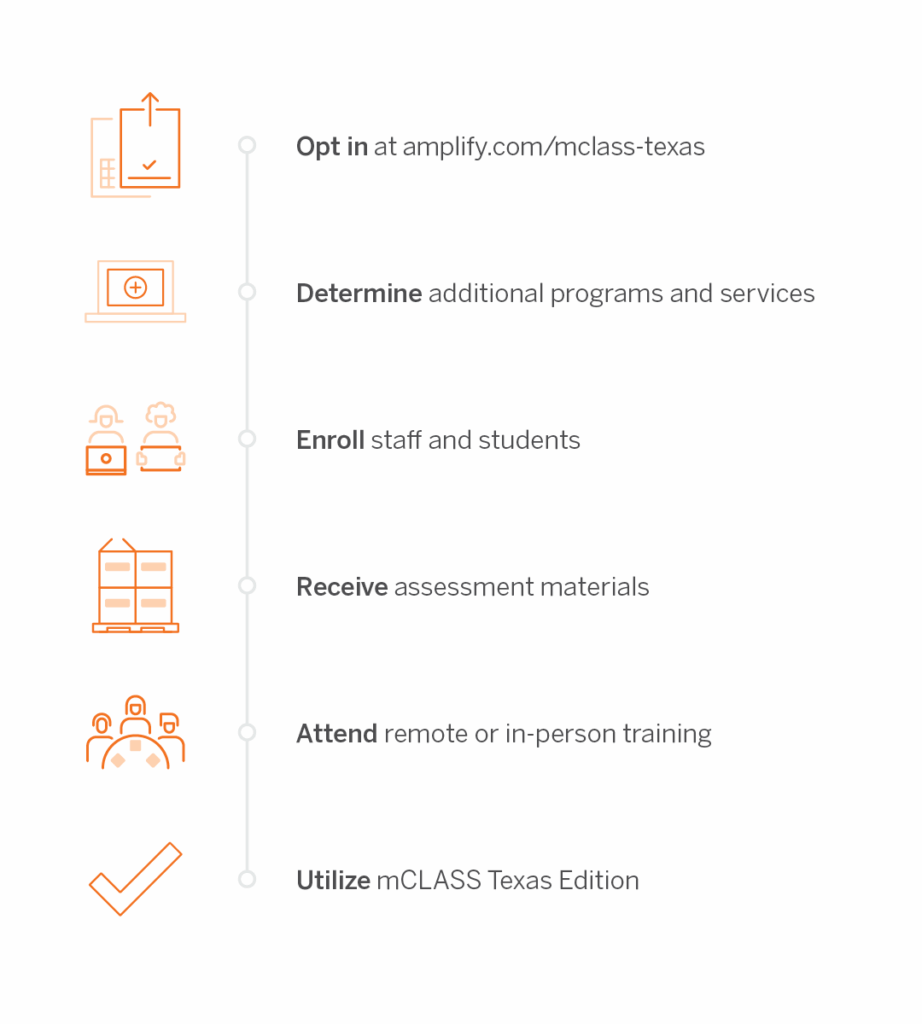
Fill out the form to sign up for mCLASS/mCLASS Lectura! If you have any questions as you complete the form, you can reach our Texas team at texas@amplify.com.
Amplify Caminos for SFUSD
Amplify Caminos is an authentic elementary Spanish language arts program. Like its English language counterpart, Amplify CKLA, Amplify Caminos provides explicit, systematic foundational skills instruction sequenced with deep knowledge-building content to foster comprehension. When used with Amplify CKLA, Amplify Caminos provides full parity across English and Spanish that’s suitable for any dual language implementation model.
Amplify and SFUSD Partnership
We recognize and respect the unique differences of each of our partnering districts—and that includes San Francisco USD.
Out of the box, Amplify Caminos offers districts a rich, comprehensive, research-based SELA experience. That said, no two districts are exactly alike. To that end, we are committed to working with San Francisco USD to ensure that Amplify Caminos addresses the needs of your community. This includes providing implementation guidance and support, as well as collaborating with your staff to determine which domains need to be modified or exchanged.
What is Amplify Caminos?
Amplify Caminos is a core Spanish language arts program for grades TK–5 that delivers:
Authentic instruction built from the ground up for the Spanish language.
A unique research-based approach truly built on the Science of Reading.
A combination of explicit foundational skills with meaningful knowledge-building.
Embedded support and differentiation that gets all students reading grade-level texts together.
Opportunities for students to see the strengths and experiences that all people share while also celebrating each others’ unique identities and experiences.
Watch the video below to learn more about Amplify Caminos for Grades K–2.
Watch the video below to learn more about Amplify Caminos for Grades 3–5.
How does Amplify Caminos work?
Amplify Caminos is built on the science of how kids learn to read—in Spanish.
Amplify Caminos is all about helping you teach students how to read, all while giving them authentic and engaging reasons to read. That’s why Amplify Caminos develops foundational skills and builds knowledge in tandem.
Knowledge: Through complex and authentic Spanish read-alouds with an emphasis on classroom interactivity, oral comprehension, and contextual vocabulary, students start to build their awareness of the world around them—and the way the reading skills they’re building give them access to it.
Skills: Starting with the sounds at the core of the Spanish language, students practice their phonemic awareness, handwriting skills, vocabulary, spelling, and grammar. Through daily practice, students become aware of the connection between reading and writing, building confidence as they go.
Respecting the development differences between grade ranges, Amplify Caminos teaches foundational skills and background knowledge as two distinct strands in grades K–2, and combines them into one integrated strand in grades 3–5.
Grades K–2: Every day, students in grades K–2 complete one full lesson that explicitly and systematically builds foundational reading skills in the Amplify Caminos Lectoescritura strand, as well as one full lesson that builds robust background knowledge to access complex text in the Amplify Caminos Conocimiento strand. Through learning in each of these strands, students develop the early literacy skills necessary to help them become confident readers and build the context to understand what they’re reading.
Grades 3–5: In grades 3–5, the Amplify Caminos Lectoescritura and Conocimiento strands are integrated in one set of instructional materials. Lessons begin to combine skills and knowledge with increasingly complex texts, close reading, and a greater writing emphasis. Students can then use their skills to go on their own independent reading adventures.
What do Amplify Caminos students explore?
Amplify Caminos builds students’ knowledge about the world.
In addition to teaching all students to crack the written code (which is vital for fairness), the Amplify Caminos program helps students see the strengths and experiences we all share while celebrating their own unique identities and experiences.
This is accomplished through the exploration of topics and text that feature people who resemble students and familiar situations or experiences while also exposing them to people whose appearances, lives, beliefs, and backgrounds differ from their own.
Engaging domains
Amplify Caminos builds knowledge coherently across subjects and grades.
Throughout the program, students use their skills to explore domains that relate to storytelling, science, and the history of our world as seen through the eyes of many different groups.
Carefully selected to build from year-to-year, our grade-appropriate topics help students make and deepen connections while also reading, writing, and thinking creatively and for themselves.
New Knowledge Research Units for Grades K–5
Our brand-new Knowledge Research units carry forward Amplify Caminos’ powerful and proven instructional approach while also:
Adding more content for students from all walks of life. The rich topics and highly visual components featured in these units provide students with even more “windows and mirrors” and perspectives as they work to build knowledge.
Adding more authentic literature. Each new research unit revolves around a collection of high-interest authentic trade books that will spark more curiosity and inspire more inquiry.
Adding more flexibility. Units can be implemented for extended core instruction during flex periods, district-designated Pausing Points, or enrichment periods.
Units cover a variety of rich and relevant topics:
With these new units, students will soar to new heights with Dr. Ellen Ochoa, Amelia Earhart, and the Tuskegee Airmen. They’ll feel the rhythm as they learn about Jazz legends Miles Davis, Tito Puente, and Duke Ellington. And they’ll explore the far reaches of the world with Jacques Cousteau, Matthew Henson, and Eugenie Clark.
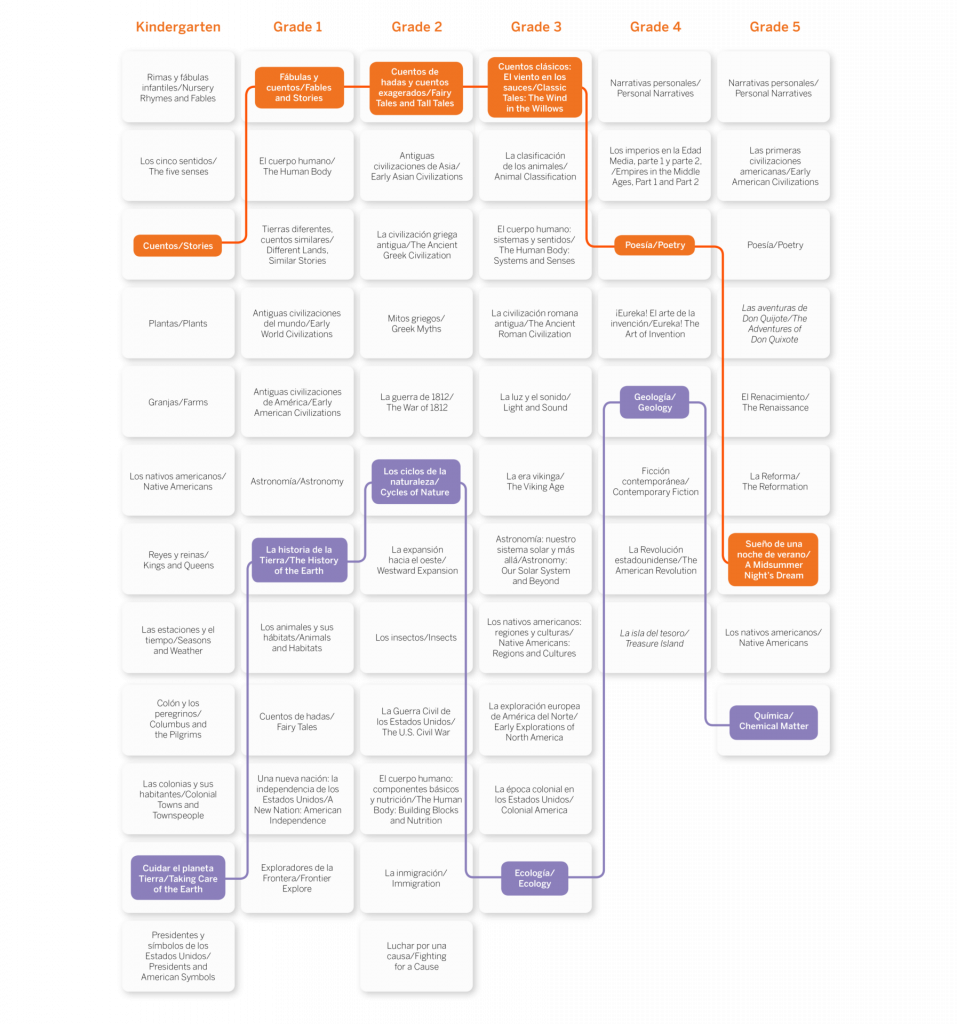
Grade K: El arte y el mundo que nos rodea
Grade 1: Cuentos de aventuras: relatos desde los confines de la Tierra
Grade 2: ¡A volar! La era de la aviación
Grade 3: Jazz y más
Grade 4: Energía: pasado, presente y futuro
Grade 5: Más allá de Juneteenth: de 1865 al presente
Units will be made available in English and Spanish, and will include the following components:
Teacher Guide
Student Activity Books
Image Cards
Trade Book Collection
Digital Components (for Grades K–3 and Grade 5 only)
Why we added this unit: “Every child is an artist,” said Picasso, meaning that every child uses art to explore and understand the world around them. El arte y el mundo que nos rodea honors that truth by introducing Kindergarten students to some of the ways in which artists have explored and understood the world around them.
This domain introduces students to artists from different time periods, countries, and cultures. Throughout the unit, students learn about different kinds of art and how artists use the world around them as they make art. They also connect this to what they have already learned about the earth, plants, and animals in other Caminos domains: Granjas, Plantas, and Cuidar el planeta Tierra. In addition, students connect this to what they have learned about sculptors in the Presidentes y símbolos de los Estados Unidos domain. As they explore different artists and artistic traditions, they develop their ideas about how humans are connected to each other and to the world around them.
As you read the texts in this unit, students may observe ways in which the characters or subjects are both similar to and different from students. This is a good opportunity to teach students awareness and sensitivity, building on the idea that all people share some things in common, even as they have other things that make them unique. This unit also offers an excellent opportunity to collaborate with your school’s art teacher, as many lessons have suggested activities to help students understand the kind of art they are studying.
Within this unit, students have opportunities to:
Use details to describe art.
Identify three ways to create art.
Identify characteristics of cave art.
Sequence the steps of making pottery.
Describe how artists can create work connected to the world around them.
Describe what makes Kehinde Wiley’s portraits unique.
Explain how the texture of a surface can affect artwork created on it.
Explain what a sculpture is.
Describe what makes James Turrell’s artwork about the sky unique.
Explain what a museum is and what kinds of things you can see or do there.
Trade books in this unit: Instruction in this unit revolves around the following collection of high-interest authentic trade books. One copy of each trade book is included with the unit materials.
Georgia O’Keeffe por Erica Salcedo
Yayoi Kusama: De aquí al infinito por Sarah Suzuki
Tejedora del arcoíris por Linda Elovitz Marshall
Las tijeras de Matisse por Jeanette Winter
El museo por Susan Verde
Quizás algo hermoso: Cómo el arte transformó un barrio por F. Isabel Campoy
Sample materials: Take a sneak peek at the rich instruction and engaging activities for this unit by viewing the PDFs below.
Why we added this unit: This domain introduces students to adventure stories set around the world and challenges students to dig into the adventures through research. By listening to the Read-Alouds and trade books, students increase their vocabulary and reading comprehension skills, learn valuable lessons about perseverance and teamwork, and become familiar with gathering information for research.
In this unit, students study the careers of real-world explorers Dr. Eugenie Clark and Sophia Danenberg, marvel at the inventions of Jacques Cousteau, think critically about how teamwork and collaboration can make greater adventures possible, learn about the science and technology that enable adventures, and research some of the ways humans have confronted challenges at the edges of the world, from the oceans below to space above.
Each lesson in the domain builds students’ research skills as they ask questions, gather information, and write a paragraph about their findings. Students share what they have learned about adventures in an Adventure Gallery Walkthrough. By taking on the persona of one of the adventurers they meet in the Read-Alouds and trade books, students deliver their final paragraphs as if they are a “speaking portrait” of that person. Students are invited to dress up as that adventurer if they desire.
In addition, teachers can set aside time outside the instructional block to create the picture frames students will hold as they present to the Adventure Gallery Walk guests. Frames can be made from shirt boxes, cardboard, construction paper, or any art supplies that are on hand. This might be an opportunity to collaborate with the school’s art department if resources are available. Another option is to ask students to make their frames at home with their caregivers. On the day of the Adventure Gallery Walk, students will be the hosts and take on specific jobs, such as welcoming the guests, describing their work throughout the unit, and pointing out the areas of study on the domain bulletin board. You can find a complete list of student jobs in Lesson 13.
How this unit builds knowledge: This unit builds upon the following Caminos units that students will have encountered in the previous grade.
Rimas y fábulas infantiles (Kindergarten)
Cuentos (Kindergarten)
The specific core content targeted in these domains is particularly relevant to the Read-Alouds students will hear in Cuentos de aventuras: relatos desde los confines de la Tierra. The background knowledge students bring to this unit will greatly enhance their understanding of the trade books used in this unit.
Trade books in this unit: Instruction in this unit revolves around the following collection of high-interest authentic trade books. One copy of each trade book is included with the unit materials.
My Name Is Gabito/Me llamo Gabito por Monica Brown
Galápagos Girl/Galapagueña por Marsha Diane Arnold
My Name Is Gabriela/Me llamo Gabriela por Monica Brown
El viaje de Kalak por María Quintana Silva y Marie-Noëlle Hébert
Señorita Mariposa por Ben Gundersheimer
Sharuko, el arqueólogo peruano/Peruvian Archaeologist Julio C. Tello por Monica Brown
Abuelita fue al mercado por Stella Blackstone
Sample materials: Take a sneak peek at the rich instruction and engaging activities for this unit by viewing the PDFs below.
Why we added this unit: With this domain, students head up, up, and away with an introduction to the soaring history of aviation. Students learn the stories of early aviators, such as the Montgolfier brothers, the Wright brothers, Aida de Acosta, and Amelia Earhart.
During the unit, students study the science of flight, including the physics concept of lift, and research the social impacts of the world of flight. Finally, students let their research skills take flight as they explore key figures from the world of aviation.
The lessons in this domain build on earlier Grade 2 Caminos domains about the westward expansion, early Greek civilizations, and Greek myths, and lay the foundation for learning about other periods of world history in future grades.
How this unit builds knowledge: This unit builds upon the following Caminos units that students will have encountered earlier in the year.
La civilización griega antigua (Grade 2)
Mitos griegos (Grade 2)
La expansión hacia el oeste (Grade 2)
The specific core content targeted in these domains is particularly relevant to the Read-Alouds students will hear in ¡A volar! La era de la aviación. The background knowledge students bring to this unit will greatly enhance their understanding of the trade books used in this unit.
Trade books in this unit: Instruction in this unit revolves around the following collection of high-interest authentic trade books. One copy of each trade book is included with the unit materials.
¡A volar! Todo sobre aviones por Jennifer Prior
Amelia sabe volar por Mara dal Corso
Héroes de la aviación que cambiaron el mundo por Dan Green
El niño que alcanzó las estrellas por José M. Hernández
La niña que aprendió a volar por Sylvia Acevedo
Buenas Noches Capitán Mamá por Graciela Tiscareño-Sato
Sample materials: Take a sneak peek at the rich instruction and engaging activities for this unit by viewing the PDFs below.
Why we added this unit: This domain teaches students about the vibrant music, poetry, and culture of the Jazz Age in the United States. Students learn about famous writers and musicians like Langston Hughes, Louis Armstrong, Billie Holiday, Melba Liston, Tito Puente, and Miles Davis. They study how the jazz art form took root in the South, then spread to the North to become the sound of the Harlem Renaissance, eventually connecting people around the world in musical expression.
During this unit, students perform guided research to further explore both the history of jazz and what jazz is today. They develop research skills and then use those skills to find deeper connections between the stories and music of the Jazz Age and music today. As students learn about the world of jazz, they collaborate and share ideas with their classmates. They also practice sharing feedback focused on their written work, and, at the end of the unit, students present their research to the group.
The lessons give students opportunities to dive into the rhythms and stories of jazz, utilizing the knowledge sequence in this unit to:
Collaboratively generate research questions about jazz, jazz musicians, contemporary musicians from the state where they live or have lived, and the evolution of jazz music.
Utilize Read-Alouds, independent reading, and partner reading to learn about the Jazz Age, the Harlem Renaissance, jazz music, and biographies of celebrated jazz musicians and writers.
Research the answers to their generated questions, gather information, write a short research essay about a famous jazz musician, write a short essay about a contemporary musician from the state where they live or have lived, and give a presentation about their research.
How this unit builds knowledge: Within this unit, students have opportunities to:
Ask relevant questions and make pertinent comments
Identify details in texts
Determine key ideas of texts by evaluating details
Make text-based inferences
Generate questions based on prior knowledge and gathered information
Synthesize details across texts to demonstrate comprehension
Discuss and explain an author’s purpose
Identify and cite reliable primary and secondary sources of information
Compose a well-organized and focused informative essay
Make connections between topics
Present information using appropriate media
Trade books in this unit: Instruction in this unit revolves around the following collection of high-interest authentic trade books. One copy of each trade book is included with the unit materials.
¡Esquivel! Un artista del sonido de la era espacial por Susan Wood
Ray Charles por Sharon Bell Mathis
Tito Puente, el Rey del Mambo por Monica Brown
Me llamo Celia, la vida de Celia Cruz por Monica Brown
¡Azúcar! por Ivar Da Coll
In this unit, students also read the poem “Harlem” by Langston Hughes. (Available for free through the Academy of American Poets website and the Poetry Foundation website, with recorded audio available through the website for John Hancock College Preparatory High School.)
Sample materials: Take a sneak peek at the rich instruction and engaging activities for this unit by viewing the PDFs below.
Why we added this unit: With this domain, students become tomorrow’s problem solvers in this study of energy in the United States. Analytical reading skills are developed by examining the challenges of early energy innovators. Students then read about current energy practices and young energy change-makers across the world.
Throughout the unit, students conduct research into different sources of energy and present a proposal, putting them in the shoes of future energy innovators. They also use the knowledge sequence in this unit to:
Collaboratively analyze texts to identify cause-effect and problem-solution relationships.
Generate questions and conduct research about energy.
Write an opinion essay making their case for a fuel of the future.
Create energy proposals using primary and secondary resources.
How this unit builds knowledge: This unit builds upon the following Caminos units that students will have encountered in previous grades as well as earlier in the year.
Plantas (Grade K)
La historia de la Tierra (Grade 1)
¡Eureka! Estudiante inventor (Grade 4)
The specific core content targeted in these domains is particularly relevant to the Read-Alouds students will hear in Energía: pasado, presente y futuro. The background knowledge students bring to this unit will greatly enhance their understanding of the trade books used in this unit.
Trade books in this unit: Instruction in this unit revolves around the following collection of high-interest authentic trade books. One copy of each trade book is included with the unit materials.
La historia de los combustibles fósiles por William B. Rice
El niño que domó el viento por William Kamkwamba y Bryan Mealer
Sample materials: Take a sneak peek at the rich instruction and engaging activities for this unit by viewing the PDFs below.
Why we added this unit: Within this domain, Students learn about General Granger’s announcement in Galveston, Texas on June 19, 1865, a day marked in history as Juneteenth. Texts and multimedia sources will support foundational knowledge-building about the end of slavery in the United States. A review of the first freedom announcement, President Lincoln’s Emancipation Proclamation, provides students with background knowledge to further emphasize the significance of Juneteenth in American history.
This unit also takes students on a journey beyond Juneteenth, as they study specific contributions of African Americans from 1865 to the present day. Students participate in a virtual field trip to Emancipation Park in Houston, Texas and use the knowledge sequence in this unit to:
Collaboratively generate research questions about Juneteenth, The Great Migration, innovators and inventors, education, the humanities, activists, and allies.
Use Read-Alouds, independent, and partner reading to learn about African American contributions from 1865 to the present.
Research to find answers to their generated questions, gather information, and write a four-chapter Beyond Juneteenth book.
How this unit builds knowledge: This unit builds upon the following Caminos units that students will have encountered in previous grades.
Los nativos americanos (Grade K)
Una nueva nación: la independencia de los Estados Unidos (Grade 1)
La Guerra Civil de los Estaods Unidos (Grade 2)
La inmigración (Grade 2)
Los nativos americanos (Grade 5)
The specific core content targeted in these domains is particularly relevant to the Read-Alouds students will hear in Más allá de Juneteenth: de 1865 al presente . The background knowledge students bring to this unit will greatly enhance their understanding of the trade books used in this unit.
Trade books in this unit: Instruction in this unit revolves around the following collection of high-interest authentic trade books. One copy of each trade book is included with the unit materials.
Martí’s Song for Freedom/Martí y sus versos por la libertad escrito por Emma Otheguy
¡Celebremos Juneteenth! escrito por Carole Boston Weatherford
Side by Side/Lado a Lado: The Story of Dolores Huerta and Cesar Chavez/La Historia de Dolores Huerta y César Chávez escrito por Monica Brown
Canto de alabanza para el día: Poema para la ceremonia inaugural del mandato de Barack Obama escrito por Elizabeth Alexander, traducido por Rodrigo Rojas
Sample materials: Take a sneak peek at the rich instruction and engaging activities for this unit by viewing the PDFs below.
Amplify Caminos puts a variety of texts in the hands of students every day.
Amplify Caminos includes both transadaptations and authentic texts written by Latin American and Spanish authors. Our texts feature a wide variety of authors, topics, individuals and characters representing many different socioeconomic statuses, ages, abilities, races, ethnicities, countries of origin, religions, and more.
Amplify Caminos texts include:
Authentic literature: Authentic literature exposes students to a variety of text types and perspectives to deepen their knowledge of fascinating topics in social studies, science, literature, and the arts. Authentic texts support text-to-self, text-to-world, and text-to-text connections for readers.
Decodable Student Readers: Decodable Student Readers at grades K–2 are newly redesigned to include students from all walks of life and educational backgrounds. They feature characters with a broad range of backgrounds, experiences, ages, races, religions, and more.
ReadWorks® texts: Amplify and ReadWorks have partnered to deliver high-quality texts curated to support the Amplify Caminos Knowledge Sequence and to extend student learning. Texts include high-interest nonfiction articles in topics in social studies, science, literature, and the arts. These texts are accompanied by vocabulary supports and standards-aligned formative assessment opportunities. Teachers can monitor their students’ progress using the ReadWorks reporting features.
Amplify Caminos Trade Book Collection Guide
Each book in our authentic literature collection was selected specifically to support and enhance the content of the K-2 Conocimiento Strand. These anchor texts are intended for use as an introduction to each domain—engaging students, piquing their curiosity, and building initial background knowledge—before diving into the deeper content of the domain Read-Alouds.
Every trade book has an instructional guide that includes the following:
Author and illustrator
Book summary
The Essential Question of the Knowledge domain, connecting the book to the domain
Key Tier 2 and Tier 3 vocabulary words found in the book
A group activity to reinforce and extend students’ knowledge and understanding
A performance task to help gauge students’ comprehension of concepts in the text
Writing prompts to expand understanding and critical thinking
Text complexity ratings and descriptors for quantitative, qualitative, and reader/task categories
Detailed information about text complexity ratings and descriptors; additional uses for the books before, during, and after domain instruction; and the complete list of domains and books for each grade level can be found in the More About the Books section of this guide.
What makes Amplify Caminos different?
Built on the Science of Reading
Built out of the latest research in the Science of Reading, Amplify Caminos delivers explicit instruction in both foundational literacy skills (systematic phonics, decoding, and fluency) and background knowledge in grades K–2 with an integrated approach to explicit instruction in grades 3–5.
Explicit systematic skills instruction
The skills instruction in Amplify Caminos was distinctly developed with the Spanish language in mind. Its foundational lessons are specific to the language, rather than a direct translation from Amplify CKLA’s English skills instruction.
Reading instruction begins with the vowels first, then the most common consonants, and finally the least common consonants. Students will blend and segment sounds to form syllables, and syllables to form words.
Although Spanish has a highly predictable orthography, there are a few silent letters (h is always silent, u is silent after g or q), as well as letters that can make different sounds, depending on the letters that follow them. For that reason, syllables with these letters are taught somewhat later in the progression. The same is true for syllables with infrequently occurring consonants, such as z, k, x, and w.
Coherent knowledge instruction
While students are learning how to read, the Conocimiento strand gives them authentic and engaging reasons to read.
Amplify Caminos uses spiral learning to reinforce every student’s ability to develop skills like reading, writing, speaking, and listening in Spanish that can be transferred to English. As students engage with their lessons, they explore the similarities and differences in grammar, vocabulary, writing, and language use between Spanish and English. This bridge helps students learning two languages to strengthen their knowledge in both.
Through cross-curricular content, students explore units that relate to storytelling, science, and the history of our world in a holistic and thoughtful way. With these units, you’ll bring the world to your students, showing them how reading can become an exciting, rewarding, and useful part of their lives.
Embedded differentiation for all learners
Amplify Caminos provides built-in differentiation strategies and supports in every lesson.
Apoyo a la enseñanza y desafío: Support and Challenge suggestions in every lesson provide assistance or opportunities for more advanced work toward the goal of the lesson.
Notas culturales: These point-of-use notes provide additional information about the traditions, foods, holidays, word variations, and more from across the Spanish-speaking world.
Apoyo adicional: Every lesson in the Lectoescritura (Skills) Strand provides additional support activities suggested to reinforce foundational skills instruction. These activities can be given to any student who requires extra help, including students with special needs.
Systematic and cohesive writing instruction
Writing instruction in Amplify Caminos builds systematically and cohesively within and across grades.
In Grades K-2, writing mechanics—including handwriting and spelling—are taught in the Amplify Caminos Lectoescritura strand. Starting in Grade 1, instruction includes four steps in the writing process: planning, drafting, editing, and publishing and features lessons that have modeling, collaboration, and sharing. As students gain skills and confidence, they are able to take on more of these steps independently. Students learn to use planning techniques, including brainstorming and graphic organizers.
Beginning in Grade 4, the Amplify Caminos writing process expands to also include sharing and evaluating. In Grades 4 and 5, the writing process is no longer conceptualized as a series of scaffolded, linear steps (an important change from the Grade 3 writing process). Rather, students move between components of the writing process in a flexible manner, similar to the process mature and experienced writers follow naturally.
Amplify Caminos’ writing instruction provides a clear progression through the text types in each grade.
Because Amplify Caminos has two strands of lessons in Grades K-2, Lectoescritura and Conocimiento, students are exposed to both narrative and informational texts throughout the year. In Grades 3-5, the integrated units feature study in literary, informational, or a mix of both types of texts, depending on the content of the unit.
Grades K–2 introduce and establish the key elements of each text type, allowing students to gain comfort and confidence writing narratives, opinions, and informative texts. This enables students to practice thinking about content in different ways, offering more depth and breadth to their understanding of core content and of the writing text types.
By Grade 3, students will have gained significant practice in narrative, opinion/argumentative, and informational/explanatory forms of writing and will continue to apply those skills through Grade 5.
How does Amplify Caminos integrate with the other parts of the literacy system?
Amplify Caminos + mCLASS® Lectura
Achieve complete parity between English and Spanish assessments with mCLASS Lectura for K–6. mCLASS Lectura allows teachers to connect with their Spanish-speaking students face-to-face, one-on-one, and in the language most comfortable to them. The result? Valid and reliable student data reports available in both English and Spanish, enabling teachers to pinpoint where their Spanish-speaking or emergent bilingual students really are in their skill development and what instruction to prioritize.
Amplify Caminos + Amplify Reading
Amplify Reading is an engaging, adaptive digital program that extends the learning in Amplify Caminos. Amplify Reading offers support to a large sub-group of English learners (ELs) through Spanish voice-over. Spanish voiceover instructions are available in vocabulary and sentence-level comprehension games so ELs can build their vocabulary, language, and critical comprehension skills before moving into analyzing complex texts
Demo access and sample materials
Ready to explore on your own? First, watch the videos below to learn about the program’s components and how to navigate the digital platform.
Physical materials walkthrough video
Digital navigation video
Demo access
Next, follow the instructions below to access your demo account.
Click the CKLA and Caminos Demo button below.
Select Log in with Amplify.
To explore as a teacher, enter this username: t1.sfusdreviewer@demo.tryamplify.net
To explore as a student, enter this username: s1.sfusdreviewer@demo.tryamplify.net
Enter the password: Amplify1-sfusdreviewer
Click the Programs and apps menu
Select CKLA Teacher Resource Site
Select the desire grade level
Use the toggle to switch between English (CKLA) and Spanish (Caminos) resources.
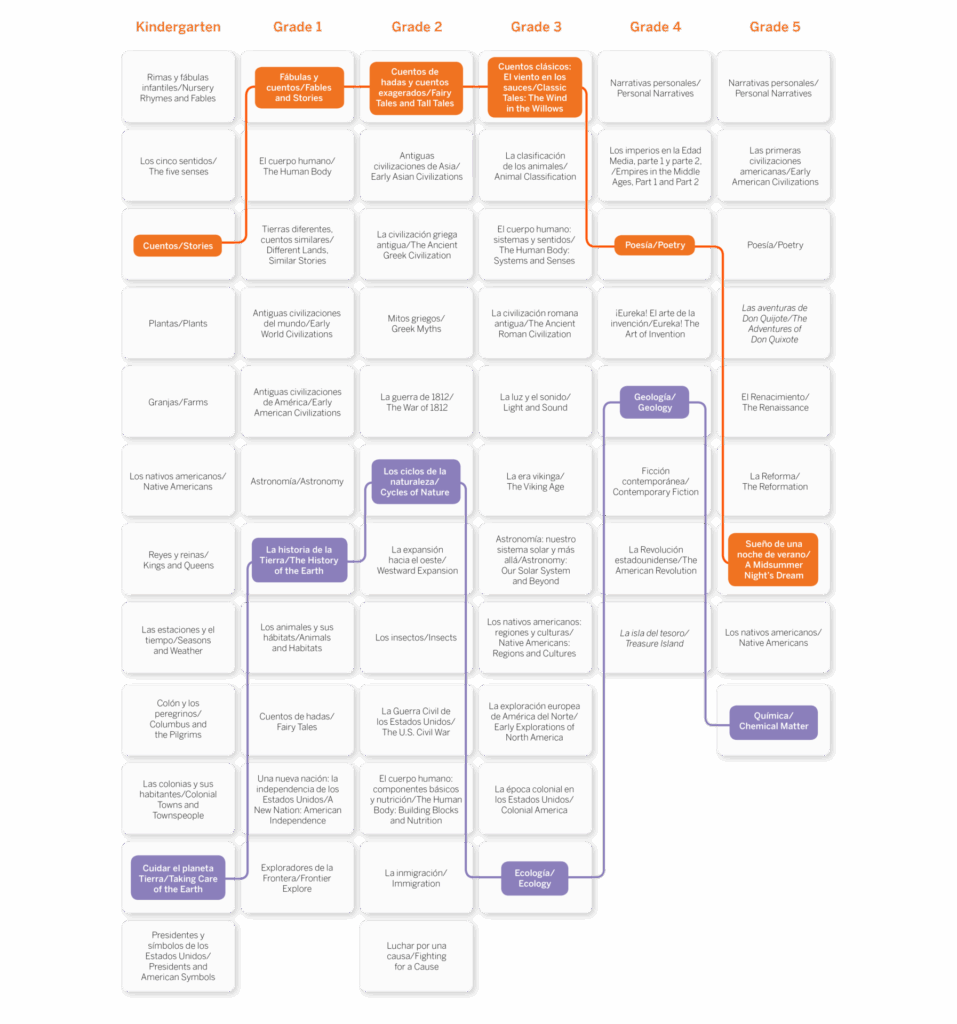
We recognize and respect the unique differences of each of our partnering districts—and that includes San Francisco USD.
Out of the box, Amplify Caminos offers districts a rich, comprehensive, research-based SELA experience. That said, no two districts are exactly alike. To that end, we are committed to working with San Francisco USD to ensure that Amplify Caminos addresses the needs of your community. This includes providing implementation guidance and support, as well as collaborating with your staff to determine which domains need to be modified or exchanged.
What is Amplify Caminos?
Amplify Caminos is a core Spanish language arts program for grades TK–5 that delivers:
Authentic instruction built from the ground up for the Spanish language.
A unique research-based approach truly built on the Science of Reading.
A combination of explicit foundational skills with meaningful knowledge-building.
Embedded support and differentiation that gets all students reading grade-level texts together.
Opportunities for students to see the strengths and experiences that all people share while also celebrating each others’ unique identities and experiences.
Watch the video below to learn more about Amplify Caminos for Grades K–2.
Watch the video below to learn more about Amplify Caminos for Grades 3–5.
How does Amplify Caminos work?
Amplify Caminos is built on the science of how kids learn to read—in Spanish.
Amplify Caminos is all about helping you teach students how to read, all while giving them authentic and engaging reasons to read. That’s why Amplify Caminos develops foundational skills and builds knowledge in tandem.
Knowledge: Through complex and authentic Spanish read-alouds with an emphasis on classroom interactivity, oral comprehension, and contextual vocabulary, students start to build their awareness of the world around them—and the way the reading skills they’re building give them access to it.
Skills: Starting with the sounds at the core of the Spanish language, students practice their phonemic awareness, handwriting skills, vocabulary, spelling, and grammar. Through daily practice, students become aware of the connection between reading and writing, building confidence as they go.
Respecting the development differences between grade ranges, Amplify Caminos teaches foundational skills and background knowledge as two distinct strands in grades K–2, and combines them into one integrated strand in grades 3–5.
Grades K–2: Every day, students in grades K–2 complete one full lesson that explicitly and systematically builds foundational reading skills in the Amplify Caminos Lectoescritura strand, as well as one full lesson that builds robust background knowledge to access complex text in the Amplify Caminos Conocimiento strand. Through learning in each of these strands, students develop the early literacy skills necessary to help them become confident readers and build the context to understand what they’re reading.
Grades 3–5: In grades 3–5, the Amplify Caminos Lectoescritura and Conocimiento strands are integrated in one set of instructional materials. Lessons begin to combine skills and knowledge with increasingly complex texts, close reading, and a greater writing emphasis. Students can then use their skills to go on their own independent reading adventures.
What do Amplify Caminos students explore?
Amplify Caminos builds students’ knowledge about the world.
In addition to teaching all students to crack the written code (which is vital for equity), the Amplify Caminos program helps students see the strengths and experiences we all share while celebrating their own unique identities and experiences.
This is accomplished through the exploration of topics and text that feature people who resemble students and familiar situations or experiences while also exposing them to people whose appearances, lives, beliefs, and backgrounds differ from their own.
Engaging domains
Amplify Caminos builds knowledge coherently across subjects and grades.
Throughout the program, students use their skills to explore domains that relate to storytelling, science, and the history of our world as seen through the eyes of many different groups.
Carefully selected to build from year-to-year, our grade-appropriate topics help students make and deepen connections while also reading, writing, and thinking creatively and for themselves.
New Knowledge Research Units for Grades K–5
Our brand-new Knowledge Research units carry forward Amplify Caminos’ powerful and proven instructional approach while also:
Adding more diversity. The rich topics and highly visual components featured in these units provide students with even more “windows and mirrors” and perspectives as they work to build knowledge.
Adding more authentic literature. Each new research unit revolves around a collection of high-interest authentic trade books that will spark more curiosity and inspire more inquiry.
Adding more flexibility. Units can be implemented for extended core instruction during flex periods, district-designated Pausing Points, or enrichment periods.
Units cover a variety of rich and relevant topics:
With these new units, students will soar to new heights with Dr. Ellen Ochoa, Amelia Earhart, and the Tuskegee Airmen. They’ll feel the rhythm as they learn about Jazz legends Miles Davis, Tito Puente, and Duke Ellington. And they’ll explore the far reaches of the world with Jacques Cousteau, Matthew Henson, and Eugenie Clark.
Grade K: El arte y el mundo que nos rodea
Grade 1: Cuentos de aventuras: relatos desde los confines de la Tierra
Grade 2: ¡A volar! La era de la aviación
Grade 3: Jazz y más
Grade 4: Energía: pasado, presente y futuro
Grade 5: Más allá de Juneteenth: de 1865 al presente
Units will be made available in English and Spanish, and will include the following components:
Why we added this unit: “Every child is an artist,” said Picasso, meaning that every child uses art to explore and understand the world around them. El arte y el mundo que nos rodea honors that truth by introducing Kindergarten students to some of the ways in which artists have explored and understood the world around them.
This domain introduces students to artists from different time periods, countries, and cultures. Throughout the unit, students learn about different kinds of art and how artists use the world around them as they make art. They also connect this to what they have already learned about the earth, plants, and animals in other Caminos domains: Granjas, Plantas, and Cuidar el planeta Tierra. In addition, students connect this to what they have learned about sculptors in the Presidentes y símbolos de los Estados Unidos domain. As they explore different artists and artistic traditions, they develop their ideas about how humans are connected to each other and to the world around them.
As you read the texts in this unit, students may observe ways in which the characters or subjects are both similar to and different from students. This is a good opportunity to teach students awareness and sensitivity, building on the idea that all people share some things in common, even as they have other things that make them unique. This unit also offers an excellent opportunity to collaborate with your school’s art teacher, as many lessons have suggested activities to help students understand the kind of art they are studying.
Within this unit, students have opportunities to:
Use details to describe art.
Identify three ways to create art.
Identify characteristics of cave art.
Sequence the steps of making pottery.
Describe how artists can create work connected to the world around them.
Describe what makes Kehinde Wiley’s portraits unique.
Explain how the texture of a surface can affect artwork created on it.
Explain what a sculpture is.
Describe what makes James Turrell’s artwork about the sky unique.
Explain what a museum is and what kinds of things you can see or do there.
Trade books in this unit: Instruction in this unit revolves around the following collection of high-interest authentic trade books. One copy of each trade book is included with the unit materials.
Georgia O’Keeffe por Erica Salcedo
Yayoi Kusama: De aquí al infinito por Sarah Suzuki
Tejedora del arcoíris por Linda Elovitz Marshall
Las tijeras de Matisse por Jeanette Winter
El museo por Susan Verde
Quizás algo hermoso: Cómo el arte transformó un barrio por F. Isabel Campoy
Sample materials: Take a sneak peek at the rich instruction and engaging activities for this unit by viewing the PDFs below.
Why we added this unit: This domain introduces students to adventure stories set around the world and challenges students to dig into the adventures through research. By listening to the Read-Alouds and trade books, students increase their vocabulary and reading comprehension skills, learn valuable lessons about perseverance and teamwork, and become familiar with gathering information for research.
In this unit, students study the careers of real-world explorers Dr. Eugenie Clark and Sophia Danenberg, marvel at the inventions of Jacques Cousteau, think critically about how teamwork and collaboration can make greater adventures possible, learn about the science and technology that enable adventures, and research some of the ways humans have confronted challenges at the edges of the world, from the oceans below to space above.
Each lesson in the domain builds students’ research skills as they ask questions, gather information, and write a paragraph about their findings. Students share what they have learned about adventures in an Adventure Gallery Walkthrough. By taking on the persona of one of the adventurers they meet in the Read-Alouds and trade books, students deliver their final paragraphs as if they are a “speaking portrait” of that person. Students are invited to dress up as that adventurer if they desire.
In addition, teachers can set aside time outside the instructional block to create the picture frames students will hold as they present to the Adventure Gallery Walk guests. Frames can be made from shirt boxes, cardboard, construction paper, or any art supplies that are on hand. This might be an opportunity to collaborate with the school’s art department if resources are available. Another option is to ask students to make their frames at home with their caregivers. On the day of the Adventure Gallery Walk, students will be the hosts and take on specific jobs, such as welcoming the guests, describing their work throughout the unit, and pointing out the areas of study on the domain bulletin board. You can find a complete list of student jobs in Lesson 13.
How this unit builds knowledge: This unit builds upon the following Caminos units that students will have encountered in the previous grade.
Rimas y fábulas infantiles (Kindergarten)
Cuentos (Kindergarten)
The specific core content targeted in these domains is particularly relevant to the Read-Alouds students will hear in Cuentos de aventuras: relatos desde los confines de la Tierra. The background knowledge students bring to this unit will greatly enhance their understanding of the trade books used in this unit.
Trade books in this unit: Instruction in this unit revolves around the following collection of high-interest authentic trade books. One copy of each trade book is included with the unit materials.
My Name Is Gabito/Me llamo Gabito por Monica Brown
Galápagos Girl/Galapagueña por Marsha Diane Arnold
My Name Is Gabriela/Me llamo Gabriela por Monica Brown
El viaje de Kalak por María Quintana Silva y Marie-Noëlle Hébert
Señorita Mariposa por Ben Gundersheimer
Sharuko, el arqueólogo peruano/Peruvian Archaeologist Julio C. Tello por Monica Brown
Abuelita fue al mercado por Stella Blackstone
Sample materials: Take a sneak peek at the rich instruction and engaging activities for this unit by viewing the PDFs below.
Why we added this unit: With this domain, students head up, up, and away with an introduction to the soaring history of aviation. Students learn the stories of early aviators, such as the Montgolfier brothers, the Wright brothers, Aida de Acosta, and Amelia Earhart.
During the unit, students study the science of flight, including the physics concept of lift, and research the social impacts of the world of flight. Finally, students let their research skills take flight as they explore key figures from the world of aviation.
The lessons in this domain build on earlier Grade 2 Caminos domains about the westward expansion, early Greek civilizations, and Greek myths, and lay the foundation for learning about other periods of world history in future grades.
How this unit builds knowledge: This unit builds upon the following Caminos units that students will have encountered earlier in the year.
La civilización griega antigua (Grade 2)
Mitos griegos (Grade 2)
La expansión hacia el oeste (Grade 2)
The specific core content targeted in these domains is particularly relevant to the Read-Alouds students will hear in ¡A volar! La era de la aviación. The background knowledge students bring to this unit will greatly enhance their understanding of the trade books used in this unit.
Trade books in this unit: Instruction in this unit revolves around the following collection of high-interest authentic trade books. One copy of each trade book is included with the unit materials.
¡A volar! Todo sobre aviones por Jennifer Prior
Amelia sabe volar por Mara dal Corso
Héroes de la aviación que cambiaron el mundo por Dan Green
El niño que alcanzó las estrellas por José M. Hernández
La niña que aprendió a volar por Sylvia Acevedo
Buenas Noches Capitán Mamá por Graciela Tiscareño-Sato
Sample materials: Take a sneak peek at the rich instruction and engaging activities for this unit by viewing the PDFs below.
Why we added this unit: This domain teaches students about the vibrant music, poetry, and culture of the Jazz Age in the United States. Students learn about famous writers and musicians like Langston Hughes, Louis Armstrong, Billie Holiday, Melba Liston, Tito Puente, and Miles Davis. They study how the jazz art form took root in the South, then spread to the North to become the sound of the Harlem Renaissance, eventually connecting people around the world in musical expression.
During this unit, students perform guided research to further explore both the history of jazz and what jazz is today. They develop research skills and then use those skills to find deeper connections between the stories and music of the Jazz Age and music today. As students learn about the world of jazz, they collaborate and share ideas with their classmates. They also practice sharing feedback focused on their written work, and, at the end of the unit, students present their research to the group.
The lessons give students opportunities to dive into the rhythms and stories of jazz, utilizing the knowledge sequence in this unit to:
Collaboratively generate research questions about jazz, jazz musicians, contemporary musicians from the state where they live or have lived, and the evolution of jazz music.
Utilize Read-Alouds, independent reading, and partner reading to learn about the Jazz Age, the Harlem Renaissance, jazz music, and biographies of celebrated jazz musicians and writers.
Research the answers to their generated questions, gather information, write a short research essay about a famous jazz musician, write a short essay about a contemporary musician from the state where they live or have lived, and give a presentation about their research.
How this unit builds knowledge: Within this unit, students have opportunities to:
Ask relevant questions and make pertinent comments
Identify details in texts
Determine key ideas of texts by evaluating details
Make text-based inferences
Generate questions based on prior knowledge and gathered information
Synthesize details across texts to demonstrate comprehension
Discuss and explain an author’s purpose
Identify and cite reliable primary and secondary sources of information
Compose a well-organized and focused informative essay
Make connections between topics
Present information using appropriate media
Trade books in this unit: Instruction in this unit revolves around the following collection of high-interest authentic trade books. One copy of each trade book is included with the unit materials.
¡Esquivel! Un artista del sonido de la era espacial por Susan Wood
Ray Charles por Sharon Bell Mathis
Tito Puente, el Rey del Mambo por Monica Brown
Me llamo Celia, la vida de Celia Cruz por Monica Brown
¡Azúcar! por Ivar Da Coll
In this unit, students also read the poem “Harlem” by Langston Hughes. (Available for free through the Academy of American Poets website and the Poetry Foundation website, with recorded audio available through the website for John Hancock College Preparatory High School.)
Sample materials: Take a sneak peek at the rich instruction and engaging activities for this unit by viewing the PDFs below.
Why we added this unit: With this domain, students become tomorrow’s problem solvers in this study of energy in the United States. Analytical reading skills are developed by examining the challenges of early energy innovators. Students then read about current energy practices and young energy change-makers across the world.
Throughout the unit, students conduct research into different sources of energy and present a proposal, putting them in the shoes of future energy innovators. They also use the knowledge sequence in this unit to:
Collaboratively analyze texts to identify cause-effect and problem-solution relationships.
Generate questions and conduct research about energy.
Write an opinion essay making their case for a fuel of the future.
Create energy proposals using primary and secondary resources.
How this unit builds knowledge: This unit builds upon the following Caminos units that students will have encountered in previous grades as well as earlier in the year.
Plantas (Grade K)
La historia de la Tierra (Grade 1)
¡Eureka! Estudiante inventor (Grade 4)
The specific core content targeted in these domains is particularly relevant to the Read-Alouds students will hear in Energía: pasado, presente y futuro. The background knowledge students bring to this unit will greatly enhance their understanding of the trade books used in this unit.
Trade books in this unit: Instruction in this unit revolves around the following collection of high-interest authentic trade books. One copy of each trade book is included with the unit materials.
La historia de los combustibles fósiles por William B. Rice
El niño que domó el viento por William Kamkwamba y Bryan Mealer
Sample materials: Take a sneak peek at the rich instruction and engaging activities for this unit by viewing the PDFs below.
Why we added this unit: Within this domain, Students learn about General Granger’s announcement in Galveston, Texas on June 19, 1865, a day marked in history as Juneteenth. Texts and multimedia sources will support foundational knowledge-building about the end of slavery in the United States. A review of the first freedom announcement, President Lincoln’s Emancipation Proclamation, provides students with background knowledge to further emphasize the significance of Juneteenth in American history.
This unit also takes students on a journey beyond Juneteenth, as they study specific contributions of African Americans from 1865 to the present day. Students participate in a virtual field trip to Emancipation Park in Houston, Texas and use the knowledge sequence in this unit to:
Collaboratively generate research questions about Juneteenth, The Great Migration, innovators and inventors, education, the humanities, activists, and allies.
Use Read-Alouds, independent, and partner reading to learn about African American contributions from 1865 to the present.
Research to find answers to their generated questions, gather information, and write a four-chapter Beyond Juneteenth book.
How this unit builds knowledge: This unit builds upon the following Caminos units that students will have encountered in previous grades.
Los nativos americanos (Grade K)
Una nueva nación: la independencia de los Estados Unidos (Grade 1)
La Guerra Civil de los Estaods Unidos (Grade 2)
La inmigración (Grade 2)
Los nativos americanos (Grade 5)
The specific core content targeted in these domains is particularly relevant to the Read-Alouds students will hear in Más allá de Juneteenth: de 1865 al presente . The background knowledge students bring to this unit will greatly enhance their understanding of the trade books used in this unit.
Trade books in this unit: Instruction in this unit revolves around the following collection of high-interest authentic trade books. One copy of each trade book is included with the unit materials.
Martí’s Song for Freedom/Martí y sus versos por la libertad escrito por Emma Otheguy
¡Celebremos Juneteenth! escrito por Carole Boston Weatherford
Side by Side/Lado a Lado: The Story of Dolores Huerta and Cesar Chavez/La Historia de Dolores Huerta y César Chávez escrito por Monica Brown
Canto de alabanza para el día: Poema para la ceremonia inaugural del mandato de Barack Obama escrito por Elizabeth Alexander, traducido por Rodrigo Rojas
Sample materials: Take a sneak peek at the rich instruction and engaging activities for this unit by viewing the PDFs below.
Amplify Caminos puts a variety of texts in the hands of students every day.
Amplify Caminos includes both transadaptations and authentic texts written by Latin American and Spanish authors. In addition to featuring a diverse range of authors and topics, our texts represent individuals and characters with a broad range of identity factors, including socioeconomic status, age, ability, race, ethnicity, country of origin, religion, and more.
Amplify Caminos texts include:
Authentic literature: Authentic literature exposes students to a variety of text types and perspectives to deepen their knowledge of fascinating topics in social studies, science, literature, and the arts. Authentic texts support text-to-self, text-to-world, and text-to-text connections for readers.
Decodable Student Readers: Amplify Caminos is built on the conviction that equitable instruction is vital to an effective program. Decodable Student Readers at grades K–2 are newly re-designed to celebrate students’ diverse experiences and feature individuals with a broad range of identity factors, including socioeconomic status, age, ability, race, ethnicity, country of origin, religion, and more.
ReadWorks® texts: Amplify and ReadWorks have partnered to deliver high-quality texts curated to support the Amplify Caminos Knowledge Sequence and to extend student learning. Texts include high-interest nonfiction articles in topics in social studies, science, literature, and the arts. These texts are accompanied by vocabulary supports and standards-aligned formative assessment opportunities. Teachers can monitor their students’ progress using the ReadWorks reporting features.
Amplify Caminos Trade Book Collection Guide
Each book in our authentic literature collection was selected specifically to support and enhance the content of the K-2 Conocimiento Strand. These anchor texts are intended for use as an introduction to each domain—engaging students, piquing their curiosity, and building initial background knowledge—before diving into the deeper content of the domain Read-Alouds.
Every trade book has an instructional guide that includes the following:
Author and illustrator
Book summary
The Essential Question of the Knowledge domain, connecting the book to the domain
Key Tier 2 and Tier 3 vocabulary words found in the book
A group activity to reinforce and extend students’ knowledge and understanding
A performance task to help gauge students’ comprehension of concepts in the text
Writing prompts to expand understanding and critical thinking
Text complexity ratings and descriptors for quantitative, qualitative, and reader/task categories
Detailed information about text complexity ratings and descriptors; additional uses for the books before, during, and after domain instruction; and the complete list of domains and books for each grade level can be found in the More About the Books section of this guide.
What makes Amplify Caminos different?
Built on the Science of Reading
Built out of the latest research in the Science of Reading, Amplify Caminos delivers explicit instruction in both foundational literacy skills (systematic phonics, decoding, and fluency) and background knowledge in grades K–2 with an integrated approach to explicit instruction in grades 3–5.
Explicit systematic skills instruction
The skills instruction in Amplify Caminos was distinctly developed with the Spanish language in mind. Its foundational lessons are specific to the language, rather than a direct translation from Amplify CKLA’s English skills instruction.
Reading instruction begins with the vowels first, then the most common consonants, and finally the least common consonants. Students will blend and segment sounds to form syllables, and syllables to form words.
Although Spanish has a highly predictable orthography, there are a few silent letters (h is always silent, u is silent after g or q), as well as letters that can make different sounds, depending on the letters that follow them. For that reason, syllables with these letters are taught somewhat later in the progression. The same is true for syllables with infrequently occurring consonants, such as z, k, x, and w.
Coherent knowledge instruction
While students are learning how to read, the Conocimiento strand gives them authentic and engaging reasons to read.
Amplify Caminos uses spiral learning to reinforce every student’s ability to develop skills like reading, writing, speaking, and listening in Spanish that can be transferred to English. As students engage with their lessons, they explore the similarities and differences in grammar, vocabulary, writing, and language use between Spanish and English. This bridge helps students learning two languages to strengthen their knowledge in both.
Through cross-curricular content, students explore units that relate to storytelling, science, and the history of our world in a holistic and thoughtful way. With these units, you’ll bring the world to your students, showing them how reading can become an exciting, rewarding, and useful part of their lives.
Embedded differentiation for all learners
Amplify Caminos provides built-in differentiation strategies and supports in every lesson.
Apoyo a la enseñanza y desafío: Support and Challenge suggestions in every lesson provide assistance or opportunities for more advanced work toward the goal of the lesson.
Notas culturales: These point-of-use notes provide additional information about the traditions, foods, holidays, word variations, and more from across the Spanish-speaking world.
Apoyo adicional: Every lesson in the Lectoescritura (Skills) Strand provides additional support activities suggested to reinforce foundational skills instruction. These activities can be given to any student who requires extra help, including students with special needs.
Systematic and cohesive writing instruction
Writing instruction in Amplify Caminos builds systematically and cohesively within and across grades.
In Grades K-2, writing mechanics—including handwriting and spelling—are taught in the Amplify Caminos Lectoescritura strand. Starting in Grade 1, instruction includes four steps in the writing process: planning, drafting, editing, and publishing and features lessons that have modeling, collaboration, and sharing. As students gain skills and confidence, they are able to take on more of these steps independently. Students learn to use planning techniques, including brainstorming and graphic organizers.
Beginning in Grade 4, the Amplify Caminos writing process expands to also include sharing and evaluating. In Grades 4 and 5, the writing process is no longer conceptualized as a series of scaffolded, linear steps (an important change from the Grade 3 writing process). Rather, students move between components of the writing process in a flexible manner, similar to the process mature and experienced writers follow naturally.
Amplify Caminos’ writing instruction provides a clear progression through the text types in each grade.
Because Amplify Caminos has two strands of lessons in Grades K-2, Lectoescritura and Conocimiento, students are exposed to both narrative and informational texts throughout the year. In Grades 3-5, the integrated units feature study in literary, informational, or a mix of both types of texts, depending on the content of the unit.
Grades K–2 introduce and establish the key elements of each text type, allowing students to gain comfort and confidence writing narratives, opinions, and informative texts. This enables students to practice thinking about content in different ways, offering more depth and breadth to their understanding of core content and of the writing text types.
By Grade 3, students will have gained significant practice in narrative, opinion/argumentative, and informational/explanatory forms of writing and will continue to apply those skills through Grade 5.
How does Amplify Caminos integrate with the other parts of the literacy system?
Amplify Caminos + mCLASS® Lectura
Achieve complete parity between English and Spanish assessments with mCLASS Lectura for K–6. mCLASS Lectura allows teachers to connect with their Spanish-speaking students face-to-face, one-on-one, and in the language most comfortable to them. The result? Valid and reliable student data reports available in both English and Spanish, enabling teachers to pinpoint where their Spanish-speaking or emergent bilingual students really are in their skill development and what instruction to prioritize.
Amplify Caminos + Amplify Reading
Amplify Reading is an engaging, adaptive digital program that extends the learning in Amplify Caminos. Amplify Reading offers support to a large sub-group of English learners (ELs) through Spanish voice-over. Spanish voiceover instructions are available in vocabulary and sentence-level comprehension games so ELs can build their vocabulary, language, and critical comprehension skills before moving into analyzing complex texts
Demo access and sample materials
Ready to explore on your own? First, watch the videos below to learn about the program’s components and how to navigate the digital platform.
Physical materials walkthrough video
Digital navigation video
Demo access
Next, follow the instructions below to access your demo account.
Click the CKLA and Caminos Demo button below.
Select Log in with Amplify.
To explore as a teacher, enter this username: t1.sfusdreviewer@demo.tryamplify.net
To explore as a student, enter this username: s1.sfusdreviewer@demo.tryamplify.net
Enter the password: Amplify1-sfusdreviewer
Click the Programs and apps menu
Select CKLA Teacher Resource Site
Select the desire grade level
Use the toggle to switch between English (CKLA) and Spanish (Caminos) resources.
Finally, click on the grade levels below to explore your requested sample units.
Each book in our authentic literature collection was selected specifically to support and enhance the content of the K-2 Conocimiento Strand. These anchor texts are intended for use as an introduction to each domain—engaging students, piquing their curiosity, and building initial background knowledge—before diving into the deeper content of the domain Read-Alouds.
Every trade book has an instructional guide that includes the following:
Author and illustrator
Book summary
The Essential Question of the Knowledge domain, connecting the book to the domain
Key Tier 2 and Tier 3 vocabulary words found in the book
A group activity to reinforce and extend students’ knowledge and understanding
A performance task to help gauge students’ comprehension of concepts in the text
Writing prompts to expand understanding and critical thinking
Text complexity ratings and descriptors for quantitative, qualitative, and reader/task categories
Download the Amplify Caminos Trade Book Collection Guide for Grades K–2. Detailed information about text complexity ratings and descriptors; additional uses for the books before, during, and after domain instruction; and the complete list of domains and books for each grade level can be found in the More About the Books section of this guide.
Amplify Science California is based on the latest research on teaching and learning and helps teachers deliver rigorous and riveting lessons through hands-on investigations, literacy-rich activities, and interactive digital tools that empower students to think, read, write, and argue like real scientists.
In the 6–8 classroom, this looks like students:
Collecting evidence from a variety of sources.
Making sense of evidence in a variety of ways.
Formulating convincing scientific arguments.
Is your school implementing the domain model? Click here.
Program structure
Our cyclical lesson design ensures students receive multiple exposures to concepts through a variety of modalities. As they progress through the lessons within a unit, students build and deepen their understanding, increasing their ability to develop and refine complex explanations of the unit’s phenomenon.
It’s this proven program structure and lesson design that enables Amplify Science California to teach less, but achieve more. Rather than asking teachers to wade through unnecessary content, we designed our 6–8 program to address 100% of the California NGSS in fewer lessons than other programs.
Scope and sequence
Every year our grades 6–8 sequence consists of 9 units, with each unit containing 10–19 lessons. Lessons are written to last a minimum of 45-minutes, though teachers can expand or contract the timing to meet their needs.
Unit types
Each unit delivers three-dimensional learning experiences and engages students in gathering evidence from a rich collection of sources, while also serving a unique purpose.
In grades 6–8, there are three types of units:
One unit is a launch unit.
Three units are core units.
Two units are engineering internships.
Launch units
Launch units are the first units taught in each year of Amplify Science California. The goal of the Launch unit is to introduce students to norms, routines, and practices that will be built on throughout the year, including argumentation, active reading, and using the program’s technology. For example, rather than taking the time to explain the process of active reading in every unit in a given year, it is explained thoroughly in the Launch unit, thereby preparing students to read actively in all subsequent units.
Core units
Core units establish the context of the unit by introducing students to a real-world problem. As students move through lessons in a Core unit, they figure out the unit’s anchoring phenomenon, gain an understanding of the unit’s disciplinary core ideas and science and engineering practices, and make linkages across topics through the crosscutting concepts. Each Core unit culminates with a Science Seminar and final writing activity.
Engineering Internship units
Engineering Internship units invite students to design solutions for real-world problems as interns for a fictional company called Futura. Students figure out how to help those in need, from tsunami victims in Sri Lanka to premature babies, through the application of engineering practices. In the process, they apply and deepen their learning from Core units.
Units at a glance
Microbiome
Domain: Life Science
Unit type: Launch
Student role: Microbiological researchers
Phenomenon: The presence of 100 trillion microorganisms living on and in the human body may keep the body healthy.
Metabolism
Domain: Life Science
Unit type: Core
Student role: Medical researchers
Phenomenon: Elisa, a young patient, feels tired all the time.
Domains: Earth and Space Science, Engineering Design
Unit type: Engineering internship
Student role: Civil engineers
Phenomenon: Designing rooftops with different modifications can reduce a city’s impact on climate change.
Geology on Mars
Domain: Earth and Space Science
Unit type: Launch
Student role: Planetary geologists
Phenomenon: Analyzing data about landforms on Mars can provide evidence that Mars may have once been habitable.
Plate Motion
Domain: Earth and Space Science
Unit type: Core
Student role: Geologists
Phenomenon: Mesosaurus fossils have been found on continents separated by thousands of kilometers of ocean, even though the Mesosaurus species once lived all together.
Domains: Earth and Space Science, Engineering Design
Unit type: Engineering internship
Student role: Mechanical engineering interns
Phenomenon: Patterns in earthquake data can be used to design an effective tsunami warning system.
Rock Transformations
Domain: Earth and Space Science
Unit type: Core
Student role: Geologists
Phenomenon: Rock samples from the Great Plains and from the Rocky Mountains — regions hundreds of miles apart — look very different, but have surprisingly similar mineral compositions.
Phenomenon: Designing malaria treatment plans that use different combinations of drugs can reduce drug resistance development while helping malaria patients.
Evolutionary History
Domains: Life Science, Earth and Space Science
Unit type: Core
Student role: Paleontologists
Phenomenon: A mystery fossil at the Natural History Museum has similarities with both wolves and whales.
Amplify Science California is based on the latest research on teaching and learning and helps teachers deliver rigorous and riveting lessons through hands-on investigations, literacy-rich activities, and interactive digital tools that empower students to think, read, write, and argue like real scientists.
In the 6–8 classroom, this looks like students:
Collecting evidence from a variety of sources.
Making sense of evidence in a variety of ways.
Formulating convincing scientific arguments.
Is your school implementing the domain model? Click here.
Program structure
Our cyclical lesson design ensures students receive multiple exposures to concepts through a variety of modalities. As they progress through the lessons within a unit, students build and deepen their understanding, increasing their ability to develop and refine complex explanations of the unit’s phenomenon.
It’s this proven program structure and lesson design that enables Amplify Science California to teach less, but achieve more. Rather than asking teachers to wade through unnecessary content, we designed our 6–8 program to address 100% of the California NGSS in fewer lessons than other programs.
Scope and sequence
Every year our grades 6–8 sequence consists of 9 units, with each unit containing 10–19 lessons. Lessons are written to last a minimum of 45-minutes, though teachers can expand or contract the timing to meet their needs.
Unit types
Each unit delivers three-dimensional learning experiences and engages students in gathering evidence from a rich collection of sources, while also serving a unique purpose.
In grades 6–8, there are three types of units:
One unit is a launch unit.
Three units are core units.
Two units are engineering internships.
Launch units
Launch units are the first units taught in each year of Amplify Science California. The goal of the Launch unit is to introduce students to norms, routines, and practices that will be built on throughout the year, including argumentation, active reading, and using the program’s technology. For example, rather than taking the time to explain the process of active reading in every unit in a given year, it is explained thoroughly in the Launch unit, thereby preparing students to read actively in all subsequent units.
Core units
Core units establish the context of the unit by introducing students to a real-world problem. As students move through lessons in a Core unit, they figure out the unit’s anchoring phenomenon, gain an understanding of the unit’s disciplinary core ideas and science and engineering practices, and make linkages across topics through the crosscutting concepts. Each Core unit culminates with a Science Seminar and final writing activity.
Engineering Internship units
Engineering Internship units invite students to design solutions for real-world problems as interns for a fictional company called Futura. Students figure out how to help those in need, from tsunami victims in Sri Lanka to premature babies, through the application of engineering practices. In the process, they apply and deepen their learning from Core units.
Units at a glance
Microbiome
Domain: Life Science
Unit type: Launch
Student role: Microbiological researchers
Phenomenon: The presence of 100 trillion microorganisms living on and in the human body may keep the body healthy.
Metabolism
Domain: Life Science
Unit type: Core
Student role: Medical researchers
Phenomenon: Elisa, a young patient, feels tired all the time.
Domains: Earth and Space Science, Engineering Design
Unit type: Engineering internship
Student role: Civil engineers
Phenomenon: Designing rooftops with different modifications can reduce a city’s impact on climate change.
Geology on Mars
Domain: Earth and Space Science
Unit type: Launch
Student role: Planetary geologists
Phenomenon: Analyzing data about landforms on Mars can provide evidence that Mars may have once been habitable.
Plate Motion
Domain: Earth and Space Science
Unit type: Core
Student role: Geologists
Phenomenon: Mesosaurus fossils have been found on continents separated by thousands of kilometers of ocean, even though the Mesosaurus species once lived all together.
Domains: Earth and Space Science, Engineering Design
Unit type: Engineering internship
Student role: Mechanical engineering interns
Phenomenon: Patterns in earthquake data can be used to design an effective tsunami warning system.
Rock Transformations
Domain: Earth and Space Science
Unit type: Core
Student role: Geologists
Phenomenon: Rock samples from the Great Plains and from the Rocky Mountains — regions hundreds of miles apart — look very different, but have surprisingly similar mineral compositions.
Phenomenon: Designing malaria treatment plans that use different combinations of drugs can reduce drug resistance development while helping malaria patients.
Evolutionary History
Domains: Life Science, Earth and Space Science
Unit type: Core
Student role: Paleontologists
Phenomenon: A mystery fossil at the Natural History Museum has similarities with both wolves and whales.
Introducing new units for Amplify CKLA and Amplify Caminos K–5
As part of our commitment to creating even richer and more wide-ranging curricula, we are excited to release six new units for both Amplify CKLA and Amplify Caminos!
Our brand-new Knowledge Research units carry forward the powerful and proven instructional approach of both Amplify CKLA and Amplify Caminos while also:
Adding more variety to engage students from many walks of life. The rich topics and highly visual components featured in these units provide students with even more “windows and mirrors” and perspectives as they work to build knowledge.
Adding more authentic literature. Each new research unit revolves around a collection of high-interest authentic trade books that will spark more curiosity and inspire more inquiry.
Adding more flexibility. Units can be implemented for extended core instruction during flex periods, district-designated Pausing Points, or enrichment periods.
Units cover a variety of rich and relevant topics:
With these new units, students will soar to new heights with Dr. Ellen Ochoa, Amelia Earhart, and the Tuskegee Airmen. They’ll feel the rhythm as they learn about Jazz legends Miles Davis, Tito Puente, and Duke Ellington. And they’ll explore the far reaches of the world with Jacques Cousteau, Matthew Henson, and Eugenie Clark.
Grade K: Art and the World Around Us/El arte y el mundo que nos rodea
Grade 1: Adventure Stories: Tales from the Edge of the World/Cuentos de aventuras: relatos desde los confines de la Tierra
Grade 2: Up, Up, and Away: The Age of Aviation/¡A volar! La era de la aviación
Grade 3: All That Jazz/Jazz y más
Grade 4: Energy: Past, Present, and Future/Energía: pasado, presente y futuro
Grade 5: Beyond Juneteenth: 1865 to present/Más allá de Juneteenth: de 1865 al presente
Units are available in English and Spanish, and will include the following components:
Teacher Guide
Student Activity Books
Image Cards
Trade Book Collection
Digital Components (grades K–3 and 5)
Grade K: Art and the World Around Us/El arte y el mundo que nos rodea
“Every child is an artist,” said Picasso, meaning that every child uses art to explore and understand the world around them. Art and the World Around Us honors that truth by introducing Kindergarten students to some of the ways in which artists have explored and understood the worlds around them, too.
This domain introduces students to artists from different time periods, countries, and cultures. Throughout the unit, students learn about different kinds of art and how artists use the world around them as they make art. They also connect this to what they have already learned about the earth, plants, and animals in other Amplify CKLA and Amplify Caminos domains: Farms/Granjas, Plants/Plantas, and Taking Care of the Earth/Cuidar el planeta Tierra. In addition, students connect this to what they have learned about sculptors in the Presidents and American Symbols/Presidentes y símbolos de los Estados Unidos domain. As they explore different artists and artistic traditions, they develop their ideas about how humans are connected to each other and to the world around them.
As you read the texts in this unit, students may observe ways in which the characters or subjects are both similar to and different from students. This is a good opportunity to teach students awareness and sensitivity, building on the idea that all people share some things in common, and have other things that make them unique. This unit also offers an excellent opportunity to collaborate with your school’s art teacher, as many lessons have suggested activities to help students understand the kind of art they are studying.
Within this unit, students have opportunities to:
Use details to describe art.
Identify three ways to create art.
Identify characteristics of cave art.
Sequence the steps of making pottery.
Describe how artists can create work connected to the world around them.
Describe what makes Kehinde Wiley’s portraits unique.
Explain how the texture of a surface can affect artwork created on it.
Explain what a sculpture is.
Describe what makes James Turrell’s artwork about the sky unique.
Explain what a museum is and what kinds of things you can see or do there.
Instruction in this unit revolves around the following collection of high-interest authentic trade books. One copy of each trade book is included with the unit materials.
The First Drawing by Mordicai Gerstein
Van Gogh and the Sunflowers by Laurence Anholt
My Name is Georgia by Jeanette Winter
A Life Made by Hand by Andrea D’Aquino
Rainbow Weaver by Linda Elovitz Marshall
Luna Loves Art by Joseph Coelho
Grade 1: Adventure Stories: Tales from the Edge of the World/Cuentos de aventuras: relatos desde los confines de la Tierra
This domain introduces students to adventure stories set around the world and challenges students to dig into the adventures through research. By listening to the Read-Alouds and trade books, students increase their vocabulary and reading comprehension skills, learn valuable lessons about perseverance and teamwork, and become familiar with gathering information for research.
In this unit, students study the careers of real-world explorers Dr. Eugenie Clark and Sophia Danenberg, marvel at the inventions of Jacques Cousteau, think critically about how teamwork and collaboration can make greater adventures possible, learn about the science and technology that enable adventures, and research some of the ways humans have confronted challenges at the edges of the world, from the oceans below to space above.
Each lesson in the domain builds students’ research skills as they ask questions, gather information, and write a paragraph about their findings. Students share what they have learned about adventures in an Adventure Gallery Walkthrough. By taking on the persona of one of the adventurers they meet in the Read-Alouds and trade books, students deliver their final paragraphs as if they are a “speaking portrait” of that person. Students are invited to dress up as that adventurer if they desire.
In addition, teachers can set aside time outside of the instructional block to create the picture frames students will hold as they present to the Adventure Gallery Walk guests. Frames can be made from shirt boxes, cardboard, construction paper, or any art supplies that are on hand. This might be an opportunity to collaborate with the school’s art department if resources are available. Another option is to ask students to make their frames at home with their caregivers. On the day of the Adventure Gallery Walk, students will be the hosts and take on specific jobs, such as welcoming the guests, describing their work throughout the unit, and pointing out the areas of study on the domain bulletin board. You can find a complete list of student jobs in Lesson 13.
This unit builds upon the following Amplify CKLA and Amplify Caminos units that students will have encountered in the previous grade.
Nursery Rhymes and Fables/Rimas y fábulas infantiles (Kindergarten)
Stories/Cuentos (Kindergarten)
The specific core content targeted in these domains is particularly relevant to the Read-Alouds students will hear in Adventure Stories: Tales from the Edge of the World. The background knowledge students bring to this unit will greatly enhance their understanding of the trade books used in this unit.
Instruction in this unit revolves around the following collection of high-interest authentic trade books. One copy of each trade book is included with the unit materials.
My Name is Gabito/Me llamo Gabito by Monica Brown
Tomas and the Galápagos Adventure by Carolyn Lunn
The Astronaut with a Song for the Stars: The Story of Dr. Ellen Ochoa by Julia Finley Mosca
Mae Among the Stars by Roda Ahmed
Shark Lady: The True Story of How Eugenie Clark Became the Ocean’s Most Fearless Scientist by Jess Keating
Manfish by Jennifer Berne
Keep On! The Story of Matthew Henson, Co-Discoverer of the North Pole by Deborah Hopkinson
The Top of the World: Climbing Mount Everest by Steve Jenkins
Grade 2: Up, Up, and Away: The Age of Aviation/¡A volar! La era de la aviación
With this domain, students head up, up, and away with an introduction to the soaring history of aviation. Students learn the stories of early aviators, such as the Montgolfier brothers, the Wright brothers, Aída de Acosta, and Amelia Earhart.
During the unit, students study the science of flight, including the physics concept of lift, and research the social impacts of the world of flight. Finally, students let their research skills take flight as they explore key figures from the world of aviation.
The lessons in this domain build on earlier Grade 2 CKLA and Amplify Caminos domains about the westward expansion, early Greek civilizations, and Greek myths, and lay the foundation for learning about other periods of world history in future grades.
This unit builds upon the following Amplify CKLA and Amplify Caminos units that students will have encountered earlier in the year.
The Ancient Greek Civilization/La civilización griega antigua (Grade 2)
Greek Myths/Mitos griegos (Grade 2)
Westward Expansion/La expansión hacia el oeste (Grade 2)
The specific core content targeted in these domains is particularly relevant to the Read-Alouds students will hear in Up, Up, and Away: The Age of Aviation. The background knowledge students bring to this unit will greatly enhance their understanding of the trade books used in this unit.
Instruction in this unit revolves around the following collection of high-interest authentic trade books. One copy of each trade book is included with the unit materials.
Up and Away!: How Two Brothers Invented the Hot-Air Balloon by Jason Henry
The Glorious Flight: Across the Channel with Louis Blériot by Alice and Martin Provensen
The Flying Girl: How Aída de Acosta Learned to Soar by Margarita Engle
Wood, Wire, Wings: Emma Lilian Todd Invents an Airplane by Kirsten Larson
Helicopter Man: Igor Sikorsky and His Amazing Invention by Edwin Brit Wyckoff
The Tuskegee Airmen Story by Lynn Homan and Thomas Reilly
Skyward: The Story of Female Pilots in WWII by Sally Deng
Aim for the Skies: Jerrie Mock and Joan Merriam Smith’s Race to Complete Amelia Earhart’s Quest by Aimee Bissonette
Grade 3: All That Jazz/Jazz y más
This domain teaches students about the vibrant music, poetry, and culture of the Jazz Age in the United States. Students learn about famous writers and musicians like Langston Hughes, Louis Armstrong, Billie Holiday, Melba Liston, Tito Puente, and Miles Davis. They study how the jazz art form took root in the South, then spread to the North to become the sound of the Harlem Renaissance, eventually connecting people around the world in musical expression.
During this unit, students perform guided research to further explore both the history of jazz and what jazz is today. They develop research skills and then use those skills to find deeper connections between the stories and music of the Jazz Age and music today. As students learn about the world of jazz, they collaborate and share ideas with their classmates. They also practice sharing feedback focused on their written work, and, at the end of the unit, students present their research to the group.
The lessons give students opportunities to dive into the rhythms and stories of jazz, utilizing the knowledge sequence in this unit to:
Collaboratively generate research questions about jazz, jazz musicians, contemporary musicians from the state where they live or have lived, and the evolution of jazz music.
Utilize Read-Alouds, independent reading, and partner reading to learn about the Jazz Age, the Harlem Renaissance, jazz music, and biographies of celebrated jazz musicians and writers.
Research the answers to their generated questions, gather information, write a short research essay about a famous jazz musician, write a short essay about a contemporary musician from the state where they live or have lived, and give a presentation about their research.
Within this unit, students have opportunities to:
Ask relevant questions and make pertinent comments
Identify details in texts
Determine key ideas of texts by evaluating details
Make text-based inferences
Generate questions based on prior knowledge and gathered information
Synthesize details across texts to demonstrate comprehension
Discuss and explain an author’s purpose
Identify and cite reliable primary and secondary sources of information
Compose a well-organized and focused informative essay
Make connections between topics
Present information using appropriate media
Instruction in this unit revolves around the following collection of high-interest authentic trade books. One copy of each trade book is included with the unit materials.
Birth of the Cool: How Jazz Great Miles Davis Found His Sound by Kathleen Cornell Berman
Little Melba and Her Big Trombone by Kathryn Russell-Brown
Benny Goodman and Teddy Wilson: Taking the Stage as the First Black and White Jazz Band in History by Lesa Cline-Ransome
Tito Puente, Mambo King by Monica Brown
Drum Dream Girl: How One Girl’s Courage Changed Music by Margarita Engle
Duke Ellington: The Piano Prince and His Orchestra by Andrea Pinkney
In this unit, students also read the poem “Harlem” by Langston Hughes. (Available for free through the Academy of American Poets website and the Poetry Foundation website, with recorded audio available through the website for John Hancock College Preparatory High School.)
Grade 4: Energy: Past, Present, and Future/Energía: pasado, presente y futuro
With this domain, students become tomorrow’s problem solvers in this study of energy in the United States. Analytical reading skills are developed by examining the challenges of early energy innovators. Students then read about current energy practices and young energy change-makers across the world.
Throughout the unit, students conduct research into different sources of energy and present a proposal, putting them in the shoes of future energy innovators. They also use the knowledge sequence in this unit to:
Collaboratively analyze texts to identify cause-effect and problem-solution relationships.
Generate questions and conduct research about energy.
Write an opinion essay making their case for a fuel of the future.
Create energy proposals using primary and secondary resources.
This unit builds upon the following Amplify CKLA units that students will have encountered in previous grades as well as earlier in the year.
Plants/Plantas (Grade K)
The History of the Earth/La historia de la Tierra (Grade 1)
Eureka! Student Inventor/¡Eureka! El arte de la invención (Grade 4)
The specific core content targeted in these domains is particularly relevant to the Read-Alouds students will hear in Energy: Past, Present, and Future. The background knowledge students bring to this unit will greatly enhance their understanding of the trade books used in this unit.
Instruction in this unit revolves around the following collection of high-interest authentic trade books. One copy of each trade book is included with the unit materials.
Buried Sunlight: How Fossil Fuels Have Changed the Earth by Molly Bang and Penny Chisholm
Energy Island: How One Community Harnessed the Wind and Changed their World by Allan Drummond
The Boy Who Harnessed the Wind: Picture Book Edition by William Kamkwamba and Bryan Mealer
Grade 5: Beyond Juneteenth: 1865 to present/Más allá de Juneteenth: de 1865 al presente
Within this domain, Students learn about General Granger’s announcement in Galveston, Texas on June 19, 1865, a day marked in history as Juneteenth. Texts and multimedia sources will support foundational knowledge-building about the end of slavery in the United States. A review of the first freedom announcement, President Lincoln’s Emancipation Proclamation, provides students with background knowledge to further emphasize the significance of Juneteenth in American history.
This unit also takes students on a journey beyond Juneteenth, as they study specific contributions of African Americans from 1865 to the present day. Students participate in a virtual field trip to Emancipation Park in Houston, Texas and use the knowledge sequence in this unit to:
Collaboratively generate research questions about Juneteenth, The Great Migration, innovators and inventors, education, the humanities, activists, and allies.
Use Read-Alouds, independent, and partner reading to learn about African American contributions from 1865 to the present.
Research to find answers to their generated questions, gather information, and write a four-chapter Beyond Juneteenth book.
This unit builds upon the following Amplify CKLA units that students will have encountered in previous grades.
Native Americans/Los nativos americanos (Grade K)
A New Nation: American Independence/Una nueva nación: la independencia de los Estados Unidos (Grade 1)
The U.S. Civil War/La Guerra Civil de los Estados Unidos (Grade 2)
Immigration/La inmigración (Grade 2)
Native Americans/Los nativos americanos (Grade 5)
The specific core content targeted in these domains is particularly relevant to the Read-Alouds students will hear in Beyond Juneteenth: 1865 to present. The background knowledge students bring to this unit will greatly enhance their understanding of the trade books used in this unit.
Instruction in this unit revolves around the following collection of high-interest authentic trade books. One copy of each trade book is included with the unit materials.
All Different Now: Juneteenth, the First Day of Freedom by Angela Johnson
The Great Migration: An American Story by Jacob Lawrence
Sing a Song: How “Lift Every Voice and Sing” Inspired Generations by Kelly Starling Lyons
Side by Side/ Lado a lado: The Story of Dolores Huerta and Cesar Chavez/ La Historia de Dolores Huerta y Cesar Chavez by Monica Brown
Of Thee I Sing: A Letter to My Daughters by Barack Obama