Showing results for idioma 131 item3 131 idioma 131 item3 131 131 131
Grade 6
Unit 1: Numbers
| GO Math! | Amplify Classroom |
| Module 4: Operations with Fractions | |
| Lesson 4.1: Applying GCF and LCM to Fraction Operations | Unit 4 Lesson 6: Fill the Gap |
| Module 5: Operations with Decimals | |
| Lesson 5.2: Adding and Subtracting Decimals | Unit 5 Lesson 1: Dishing Out Decimals Lesson 2: Decimal Diagrams and Algorithms |
| Lesson 5.4: Dividing Decimals | Unit 5 Lesson 13: Movie Time |
Unit 2: Number Operations
| Module 4: Operations with Fractions | |
| Lesson 4.1: Applying GCF and LCM to Fraction Operations | Unit 4 Lesson 6: Fill the Gap |
| Module 5: Operations with Decimals | |
| Lesson 5.2: Adding and Subtracting Decimals | Unit 5 Lesson 1: Dishing Out Decimals Lesson 2: Decimal Diagrams and Algorithms |
| Lesson 5.4: Dividing Decimals | Unit 5 Lesson 13: Movie Time |
Unit 3: Proportionality, Ratios, and Rates
| Module 6: Representing Ratios and Rates | |
| Lesson 6.1: Ratios | Unit 2 Lesson 1: Pizza Maker |
| Lesson 6.2: Rates | Unit 3 Lesson 6: Soft Serve |
| Lesson 6.3: Using Ratios and Rates to Solve Problems | Unit 2 Lesson 4: Fruit Lab Lesson 10: Disaster Preparation |
| Module 7: Applying Ratios and Rates | |
| Lesson 7.1: Ratios, Rates, Tables, and Graphs | Unit 2 Lesson 4: Fruit Lab Lesson 10: Disaster Preparation Unit 3 Lesson 6: Soft Serve |
| Module 8: Percents | |
| Lesson 8.1 Understanding Percent. | Unit 3 Lesson 9: Lucky Duckies |
Unit 4: Equivalent Expressions
| Module 10: Generating Equivalent Algebraic Expressions | |
| Lesson 10.1: Modeling and Writing Expressions Lesson 10.2: Evaluating Expressions | Unit 6 Lesson 8: Products and Sums Take Away (coming soon!) |
| Lesson 10.3: Generating Equivalent Expressions | Unit 6 Lesson 8: Products and Sums Take Away (coming soon!) |
Unit 5: Equations and Inequalities
| Module 11: Equations and Relationships | |
| Lesson 11.1: Writing Equations to Represent Situations Lesson 11.2: Addition and Subtraction Equations Lesson 11.3: Multiplication and Division Equations | Unit 6 Lesson 1: Weight For It |
| Lesson 11.4: Writing Inequalities | Unit 7 Lesson 7: Tunnel Travels |
| Module 12: Relationships in Two Variables | |
| Lesson 12.2: Independent and Dependent Variables in Tables and Graphs | Unit 6 Lesson 16: Subway Fares Take Away (coming soon!) |
| Lesson 12.3: Writing Equations from Tables. | Unit 6 Lesson 16: Subway Fares Take Away (coming soon!) |
| Lesson 12.4: Representing Algebraic Relationships in Tables and Graphs | Unit 6 Lesson 16: Subway Fares Take Away (coming soon!) |
Unit 6: Relationships in Geometry
| GO Math! | Amplify Classroom |
| Module 13: Area and Polygons | |
| Lesson 13.1: Area of Quadrilaterals | Unit 1 Lesson 1: Shapes on a Plane Lesson 3: Exploring Parallelograms Exploring Parallelograms, Part 2 |
| Lesson 13.2: Area of Triangles | Unit 1 Lesson 1: Shapes on a Plane |
| Lesson 13.4: Area of Polygons | Unit 1 Lesson 1: Shapes on a Plane |
| Module 14: Distance and Area in the Coordinate Plane | |
| Lesson 14.1: Distance in the Coordinate Plane Lesson 14.2: Polygons in the Coordinate Plane | Unit 1 Lesson 1: Shapes on a Plane |
Unit 7: Measurement and Data
| Module 16: Displaying, Analyzing, and Summarizing Data | |
| Lesson 16.1: Measures of Center | Unit 8 Lesson 11: Toy Cars |
| Lesson 16.4: Dot Plots and Data Distribution | Unit 8 Lesson 3: Minimum Wage |
| Lesson 16.5: Histograms | Unit 8 Lesson 5: The Plot Thickens |
Grade 7
Unit 1: The Number System
| GO Math! | Amplify Classroom |
| Module 1: Adding and Subtracting Integers | |
| Lesson 1.2: Adding Integers With Different Signs Lesson 1.3: Subtracting Integers | Unit 5 Lesson 1: Floats and Anchors Lesson 4: Draw Your Own Lesson 10: Integer Puzzles |
| Module 2: Multiplying and Dividing Integers | |
| Lesson 2.1: Multiplying Integers | Unit 5 Lesson 10: Integer Puzzles |
| Lesson 2.2: Dividing Integers | Unit 5 Lesson 10: Integer Puzzles |
| Module 3: Rational Numbers | |
| Lesson 3.2: Adding Rational Numbers Lesson 3.3: Subtracting Rational Numbers | Unit 5 Lesson 4: Draw Your Own |
Unit 2: Ratios and Proportional Relationships
| Module 4: Rates and Proportionality | |
| Lesson 4.1: Unit Rates | Unit 2 Lesson 6: Two and Two |
| Lesson 4.2: Constant Rates of Change | Unit 2 Lesson 1: Paint Lesson 6: Two and Two |
| Lesson 4.3: Proportional Relationships and Graphs | Unit 2 Lesson 1: Paint Lesson 6: Two and Two |
| Module 5: Proportions and Percent | |
| Lesson 5.1: Percent Increase and Decrease | Unit 4 Lesson 1: Mosaics Lesson 5: Percent Machines |
| Lesson 5.3: Applications of Percent | Unit 4 Lesson 12: Posing Percent Problems(coming soon!) |
Unit 3: Expressions, Equations, and Inequalities
| Module 6: Expressions and Equations | |
| Lesson 6.3: Writing Two-Step Equations | Unit 6 Lesson 10: Collect the Squares |
| Module 6: Expressions and Equations | |
| Lesson 7.2: Writing Two-Step Inequalities | Unit 6 Lesson 16: Shira the Sheep |
| Lesson 7.3: Solving Two-Step Inequalities | Unit 6 Lesson 16: Shira the Sheep |
Unit 4: Geometry
| Module 8: Modeling Geometric Figures | |
| Lesson 8.1: Similar Shapes and Scale Drawings | Unit 1 Lesson 1: Scaling Machines Lesson 7: Will It Fit? Unit 7 Lesson 5: Can You Build It? |
| Lesson 8.2: Geometric Drawings | Unit 1 Lesson 7: Will It Fit? |
| Lesson 8.4: Angle Relationships | Unit 7 Lesson 2: Friendly Angles Lesson 4: Missing Measures |
| Module 9: Circumference, Area, and Volume | |
| Lesson 9.1: Circumference | Unit 3 Lesson 3: Measuring Around |
| Lesson 9.2: Area of Circles | Unit 3 Lesson 8: Area Challenges |
| Lesson 9.3: Area of Composite Figures | Unit 3 Lesson 8: Area Challenges |
Unit 5: Statistics
| Module 10: Random Samples and Populations | |
| Lesson 10.1: Populations and Samples | Unit 8 Lesson 10: Crab Island |
| Module 11: Analyzing and Comparing Data | |
| Lesson 11.3: Using Statistical Measures to Compare Populations | Unit 8 Lesson 10: Crab Island |
Unit 6: Probability
| Module 13: Theoretical Probability and Simulations | |
| Lesson 13.1: Theoretical Probability of Simple Events | Unit 8 Lesson 1: How Likely? Lesson 2: Prob-bear-bilities |
Grade 8
Unit 1: Real Numbers, Exponents, and Scientific Notation
| GO Math! | Amplify Classroom |
|---|---|
| Module 1: Real Numbers | |
| Lesson 1.3: Ordering Real Numbers | Unit 8 Lesson 4: Root Down |
| Module 2: Exponents and Scientific Notation | |
| Lesson 2.1: Integer Exponents | Unit 7 Lesson 1: Circles Lesson 3: Power Pairs |
| Lesson 2.4: Operations with Scientific Notation | Unit 7 Lesson 9: Specific and Scientific Lesson 11: Balance the Scale |
Unit 2: Proportional and Nonproportional Relationships and Functions
| Module 3: Proportional Relationships | |
| Lesson 3.1: Representing Proportional Relationships. | Unit 3 Lesson 1: Turtle Time Trials |
| Lesson 3.2: Rate of Change and Slope | Unit 3 Lesson 4: Flags Lesson 5: The Tortoise and the Hare |
| Module 4: Nonproportional Relationships | |
| Lesson 4.1: Representing Linear Nonproportional Relationships | Unit 3 Lesson 4: Flags |
| Lesson 4.2: Determining Slope and y-intercept | Unit 3 Lesson 4: Flags |
| Lesson 4.3: Graphing Linear Nonproportional Relationships using Slope and y-intercept. | Unit 3 Lesson 4: Flags |
| Lesson 4.4: Proportional and Nonproportional Situations | Unit 3 Lesson 1: Turtle Time Trials |
| Module 5: Writing Linear Equations | |
| Lesson 5.1: Writing Linear Equations from Situations and Graphs | Unit 3 Lesson 4: Flags |
| Lesson 5.3: Linear Relationships and Bivariate Data | Unit 6 Lesson 3: Robots Lesson 4: Dapper Cats Lesson 6: Find the Fit |
| Module 6: Functions | |
| Lesson 6.1: Identifying and Representing Functions | Unit 5 Lesson 2: Guess My Rule Lesson 5: The Tortoise and the Hare |
| Lesson 6.3: Comparing Functions | Unit 5 Lesson 5: The Tortoise and the Hare |
| Lesson 6.4: Analyzing Graphs | Unit 5 Lesson 1: Turtle Crossing Lesson 5: The Tortoise and the Hare |
Unit 3: Solving Equations and Systems of Equations
| Module 7: Solving Linear Equations | |
| Lesson 7.1: Equations with the Variable on Both Sides | Unit 4 Lesson 5: Equation Roundtable |
| Lesson 7.2: Equations with Rational Numbers | |
| Lesson 7.3: Equations with the Distributive Property | Unit 4 Lesson 5: Equation Roundtable |
| Module 8: Solving Systems of Linear Equations | |
| Lesson 8.1: Solving Systems of Linear Equations by Graphing. | Unit 4 Lesson 11: Make Them Balance Lesson 12: Line Zapper |
Unit 4: Transformational Geometry
| Module 9: Transformations and Congruence | |
| Lesson 9.1: Properties of Translations Lesson 9.2: Properties of Reflections Lesson 9.3: Properties of Rotations | Unit 1 Lesson 1: Transformers Lesson 2: Spinning, Flipping, Sliding Lesson 4: Moving Day |
| Module 10: Transformations and Similarity | |
| Lesson 10.1: Properties of Dilations | Unit 2 Lesson 2: Dilation Mini Golf Lesson 6: Social Scavenger Hunt |
| Lesson 10.3: Similar Figures | Unit 2 Lesson 1: Sketchy Dilations Lesson 6: Social Scavenger Hunt |
Unit 5: Measurement Geometry
| Module 11: Angle Relationships in Parallel Lines and Triangles | |
| Lesson 11.1: Parallel Lines Cut by a Transversal. | Unit 1 Lesson 12: Puzzling It Out |
| Lesson 11.2: Angle Theorems for Triangles | Unit 1 Lesson 12: Puzzling It Out |
| Lesson 11.3: Angle-Angle Similarity | Unit 2 Lesson 6: Social Scavenger Hunt |
| Module 12: Pythagorean Theorem | |
| Lesson 12.1: The Pythagorean Theorem | Unit 8 Lesson 8: Triangle-Tracing Turtle Lesson 10: Taco Truck |
| Module 13: Volume | |
| Lesson 13.1: Volume of Cylinders | Unit 5 Lesson 11: Cylinders |
| Lesson 13.2: Volume of Cones | Unit 5 Lesson 13: Cones |
Unit 6: Statistics
| Module 14: Scatter Plots | |
| Lesson 14.1: Scatter Plots and Association | Unit 6 Lesson 3: Robots |
| Lesson 14.2: Trend Lines and Predictions | Unit 6 Lesson 4: Dapper Cats Lesson 6: Find the Fit |
| Module 15: Two-Way Tables | |
| Lesson 15.2: Two-Way Relative Frequency Tables | Unit 6 Lesson 11: Finding Associations |
Disclaimer
This document is for informational purposes only; references to third-party programs do not imply endorsement or affiliation, and all trademarks are the property of their respective owners.
Amplify Desmos Math California
Welcome, K–8 Reviewers!
We’re honored to introduce you to Amplify Desmos Math California. We’re confident you’ll find this comprehensive program to be a powerful tool for bringing the vision of the California Math Framework to life in classrooms across the state.
Please start with the video on the right to learn how to navigate the program and access key features referenced within our submission. Below you’ll find additional resources to support your review.
Your Review Samples
As a curriculum that incorporates both print and digital resources, it’s important that you explore both our physical materials (delivered to you in grade-specific tubs) and our digital materials (accessible through our platform). We invite you to explore both types of resources using the instructions and tips below.
Print Samples
Your print samples should have arrived in grade-specific tubs with a copy of two Reviewer binders. The K-5 Reviewer binder is contained within the Grade K shipping box and the Grade 6-8 Reviewer binder can be located in the Grade 6 shipping box. As you begin the process of organizing your materials, please refer to the inventory checklist found inside each tub as well as within your Reviewer Binder.
Digital Samples
In order to access your digital samples, you’ll need to log into our platform using your unique login credentials found on a Digital Access Flyer inside of your Reviewer Binder. Once you have located the flyer:
- Click the orange button below to access the platform.
- Click “Log in with Amplify.”
- Enter the username and password provided on your Digital Access Flyer.
Navigation Tips
Below you will find helpful tips for navigating Amplify Desmos Math California. We recommend reading these pages alongside the program’s print materials and digital experience to gain a deeper understanding of the program.
Click the links below to read about navigating program features including:
- Navigating the print program (Grades K–1)
- Navigating the print program (Grades 2–5)
- Navigating the print program (Grades 6–8)
- Navigating the digital program
Built for California
The Amplify Desmos Math California program is designed around the vision articulated in the California Mathematics Framework to enable all California students to become powerful users of mathematics. Our program incorporates the latest research in student learning, meaning that we:
- Focus on the Big Ideas: Amplify Desmos Math California’s courses, units, and lessons are centered around the Big Ideas. Big Ideas, like standards, are not considered in isolation. In addition to each unit and lesson’s focal Big Ideas, Amplify Desmos Math California also provides connections among the Big Ideas across units and lessons.
- Center on open and engaging tasks: Amplify Desmos Math California is grounded in engaging tasks meant to address students’ often-asked question: “Why am I learning this?” Students are invited into learning with low-floor, high-ceiling tasks that provide an entry point for all. Open tasks in Amplify Desmos Math California provide the space for students to try on multiple strategies and represent their thinking in different ways, and allow student explanation and discussion to serve as the center of the classroom. All lessons offer both print and digital representations of lessons.
- Provide enhanced digital experiences: Amplify Desmos Math California includes digitally-enhanced lesson activities, incorporating interactive digital tools alongside print materials. These purposefully-placed resources allow students to visualize mathematical concepts, receive actionable feedback while practicing, encounter personalized learning support from an onscreen tutor, and engage in discussions about their thinking and approaches.
- Treat core instruction and differentiation as integral partners: The Amplify Desmos Math California curriculum provides teachers with lessons, strategies, and resources to eliminate barriers and increase access to grade-level content without reducing the mathematical demand of tasks. Every activity has multiple entry points to ensure that all students are supported and challenged. Intervention and personalized learning activities are directly connected to lesson content and offer students the individualized support as they dive into the mathematics.
Category 1: Mathematics Content/Alignment with the Standards
Standards Maps
The links below provide the Standards Maps for Amplify Desmos Math California for each grade level.
Evaluation Criteria Map
Linked here is the Evaluation Criteria Map for grades K–8. Please note that you will need to be logged into the digital platform to access the links in the Evaluation Criteria Map.
Standards for Mathematical Practice
The links below provide the alignment of Amplify Desmos Math California to the Standards for Mathematical Practice at each grade level.
Drivers of Investigation and Content Connections
Amplify Desmos Math California incorporates the Drivers of Investigation (DIs) and Content Connection (CCs) throughout the program. Throughout the year, students engage with open and authentic tasks of varying durations — from lesson activities to unit-level Explore lessons and longer course-level Investigations. Every lesson and investigation opportunity is grounded around the why, how, and what of the learning experience, and helps teachers bring mathematical concepts to life.

California English Language Development Standards
The links below provide the alignment of Amplify Desmos Math California to the California English Language Development Standards at each grade level.
California Environmental Principles and Concepts
Select lessons, performance tasks, and investigations across grade levels in Amplify Desmos Math California are aligned to one or more of the California Environmental Principles and Concepts. Click the links below to view how the California Environmental Principles and Concepts are represented in each grade level.
Category 2: Program Organization
Amplify Desmos Math California thoughtfully combines conceptual understanding, procedural fluency, and application. Each lesson is designed to tell a story by posing problems that invite a variety of approaches before guiding students to synthesize their understanding of the learning goals.
Big Ideas
Amplify Desmos Math California’s courses, units, and lessons are centered around the Big Ideas. In addition to each unit and lesson’s focal Big Ideas, Amplify Desmos Math California also provides connections among the Big Ideas across units and lessons. Please refer to Keeping the Big Ideas at the Center (linked below) for specific lesson designs and alignment with the Big Ideas for each grade level.
Program Structure
Amplify Desmos Math California combines the best of problem-based lessons, intervention, personalized practice, and assessments into a coherent and engaging experience for both students and teachers.

Lessons and units in Amplify Desmos Math California are designed around a Proficiency Progression, a model that steps out problem-based learning by systematically building students’ curiosity into lasting grade-level understanding.

In the Proficiency Progression, lessons begin by activating students’ natural curiosity and offering opportunities to generate new ideas through collaboration. Teachers are then able to refine ideas through intentional facilitation and guide students to grade-level understanding, while students retain the ability to use different strategies and methods to show their comprehension of the content. Students are provided ample opportunities to develop lasting understanding.
Scope and Sequence
Below you can view the scope and sequence for each grade level.


Lesson Design and Structure

Amplify Desmos Math California is designed with a structured approach to problem-based learning that systematically builds on students’ curiosity and allows students to grapple with the Big Ideas of the California Framework. Every lesson activity is organized into a Launch, Monitor, Connect format.
- Launch: The launch is a short, whole-class conversation that creates a need or excitement, provides clarity, or helps students connect their prior knowledge or personal experience, which ensures that everyone has access to the upcoming work.
- Monitor: As students work individually, in pairs, or in groups, teachers explore student thinking, ask questions, and provide support to help move the conversations closer to the intended math learning goal.
- Connect: Teachers connect students’ ideas to the key learning goals of the lesson, facilitating class discussions that help synthesize and solidify the Big Ideas.
Each lesson within Amplify Desmos Math California follows the same structure.
- Warm-Up: Every Amplify Desmos Math California lesson begins with a whole class Warm-Up. Warm-Ups are an invitational Instructional Routine intended to provide a social moment at the start of the lesson in which every student has an opportunity to contribute. Warm-Ups may build fluency or highlight a strategy that may be helpful in the current lesson or act as an invitation into the math of the lesson.
- Lesson Activities: Each lesson includes one or two activities. These activities are the heart of each lesson. Students notice, wonder, explore, calculate, predict, measure, explain their thinking, use math to settle disputes, create challenges for their classmates, and more. Guidance is provided to help teachers launch, monitor, and connect student thinking over the course of the activity.
- Synthesis and Show What You Know: The Synthesis is an opportunity for the teacher and students to pull all the learning of the lesson together into a lesson takeaway. Students engage in a facilitated discussion to consolidate and refine their ideas about the learning goals, and the teacher synthesizes students’ learning. Show What You Know is a daily assessment opportunity for students to show what they know about the learning goals and what they are still learning.
- Centers (K–5): Centers are hands-on activities for students in grades K–5 to play collaboratively to strengthen their understanding of key skills and concepts. In grades K–1, students have Daily Center Time built into every lesson.
- Practice and Differentiation: Daily practice problems for the day’s lesson are included both online and in the print Student Edition, including fluency, test practice, and spiral review.
Kindergarten–Grade 1

Grades 2–5

Grades 6–8

Routines
Amplify Desmos Math California features a variety of lesson routines. Instructional routines and Math Language Routines (MLRs) are used within lessons to highlight student-developed language and ideas, cultivate conversation, support mathematical sense-making, and promote meta-cognition. Both are called out at point-of-use within the Teacher Edition and Teacher Presentation Screens. Below are the types of routines used throughout the Amplify Desmos Math California curriculum:
Math Language Routines
- MLR1: Stronger and Clearer Each Time
- MLR2: Collect and Display
- MLR3: Critique, Correct, Clarify
- MLR5: Co-Craft Questions
- MLR6: Three Reads
- MLR7: Compare and Connect
- MLR 8: Discussion Supports
Instructional Routines
- Decide and Defend
- Notice and Wonder
- Number Talk
- Tell a Story
- Think-Pair-Share
- Which One Doesn’t Belong?
Category 3: Assessments
A variety of performance data in Amplify Desmos Math California provides evidence of student learning, while helping students bolster their skills and understanding.
Unit-Level Assessment
Amplify Desmos Math California has embedded unit assessments that offer key insights into students’ conceptual understanding of math. These assessments provide regular, actionable information about how students are thinking about and processing math, with both auto-scoring and in-depth rubrics that help teachers anticipate and respond to students’ learning needs.
- Pre-Unit Check: Each unit in grades 2–8 begins with a formative assessment designed to identify the student skills that will be particularly relevant to the upcoming unit. This check is agnostic to the standards covered in the following unit and serves not as a deficit-based acknowledgment of what students do not know, but rather as an affirmation of the knowledge and skills with which students come in.
- End-of-Unit Assessment: Students engage with rigorous grade-level mathematics through a variety of formats and tasks in the summative End-of-Unit Assessment. A combination of auto-scored (when completed digitally) and rubric-scored items provides deep insights into student thinking. All Amplify Desmos Math California End-of-Unit Assessments include two forms.
- Sub-Unit Quizzes: Sub-Unit Quizzes are formative assessments embedded regularly in Grades Kindergarten through Algebra 1. In these checks, students are assessed on a subset of conceptual understandings from the unit, with rubrics that help illuminate students’ current understanding and provide guidance for responding to student thinking.
- Sub-Unit Checklists: These checklists enable teachers to observe key skills and concepts that cannot be assessed on a pencil-and-paper assessment in Kindergarten–Grade 1. The checklists outline the supports students need to achieve mathematical growth and success.
- Performance Tasks: At the end of each unit in grades 3–8, there is a summative assessment performance task provided to evaluate students’ proficiency with the concepts and skills addressed in the unit.
Lesson-Level Assessments
Amplify Desmos Math California lessons include daily moments of assessment to provide valuable evidence of learning for both the teacher and student. Beyond formative, summative, and benchmark assessments, students also have opportunities for self-reflection with Watch Your Knowledge Grow. Students take ownership of their learning by reflecting and tracking their progress before and after each unit.
- Show What You Know: Each lesson has a daily formative assessment focused on one of the key concepts in the lesson. Show What You Know moments are carefully designed to minimize completion time for students while maximizing daily teacher insights to attend to student needs during the following class.
- Responsive Feedback™: Teachers have the ability to see and provide in-the-moment feedback as students progress through a digital lesson. Responsive Feedback motivates students and engages them in the learning process.
Diagnostic Assessment
Every grade level features an asset-based diagnostic assessment designed to be administered at the beginning of the year. Delivered digitally and to the whole class, our diagnostic assessment is uniquely designed to reveal underlying math thinking and identify what students know about grade-level math. With data beyond just right and wrong, teachers have the type of deeper level of insights need to take the right next step.
CAASPP-Aligned Assessment Preparation
Amplify Desmos Math is designed to support students’ mathematical development through problem-based learning, differentiation, and embedded assessments. The program’s emphasis on conceptual understanding, procedural fluency, and application aligns with the mathematical practices and content standards assessed by the CAASPP.
Amplify Desmos Math California includes a CAASPP-aligned Item Bank. This standards-aligned bank of questions allows teachers to filter and search by grade and standard to find items. Once assigned on the digital platform, students will experience CAASPP-like practice with the online digital tools.
Data and Reporting
Amplify Desmos Math California provides teachers and administrators with unified reporting and insights so that educators have visibility into what students know about grade-level math—and can plan instruction accordingly for the whole class, small groups, and individual students. Reporting functionality integrates unit assessments, lesson assessments, diagnostic data, and progress monitoring for a comprehensive look at student learning. Program reports show proficiency and growth by domain, cluster, standard, and priority concept using performance data from unit assessments, then highlight areas of potential student need to allow teachers to modify their instruction and target differentiated support.
Administrator reporting provides a complete picture of student, class, and district performance, allowing administrators to implement instructional and intervention plans.
Category 4: Access and Equity
The Amplify Desmos Math California curriculum provides teachers with lessons, strategies, and resources to eliminate barriers and increase access to grade-level content without reducing the mathematical demand of tasks. Our lessons are developed using the Universal Design for Learning (UDL) framework to proactively ensure that all learners can access and participate in meaningful, challenging learning opportunities.
Every activity has multiple entry points to ensure that all students are supported and challenged. Intervention and personalized learning activities are directly connected to the day’s content and offer students the individualized supports they need to be successful.
Each lesson and unit contains guidance for teachers on how to identify students who may need support, students who need to keep strengthening their understanding, and students who may be ready to stretch their learning. In addition, teachers are provided with recommendations for resources to use with each group of students.
Universal Design for Learning
Each lesson in the program incorporates opportunities for engagement, representation, action, and expression based on the guidelines of Universal Design for Learning (UDL).
- Multiple Means of Engagement: Students engage in both print and digital learning, and are regularly participating in discussions and hands-on activities. Students are invited to build their own challenge for other students to solve, which provides opportunities for choice and
autonomy, as well as joy and play. - Multiple Means of Representation: Students are encouraged to demonstrate their learning using mathematical representations, both print and digital, and regularly engage with their peers in analyzing multiple possible solutions. Classes engage in open-ended discussions about what individual students notice and wonder about mathematical concepts.
- Multiple Means of Action and Expression: Learners differ in how they navigate learning environments and express what they know. Students can communicate their ideas in multiple ways, including in print, sketching, uploading photos, or recording an audio response.
Accessibility
Lesson facilitation supports
Every lesson includes at least one specific suggestion the teacher can use to increase access to the lesson without reducing the mathematical demand of the tasks. These suggestions address the following areas:
- Visual-spatial processing
- Conceptual processing
- Executive functioning
- Memory and attention
- Fine motor skills
Accessibility tools
Students have the ability to control accessibility tools so that each learning experience is customized to their individual needs. In many instances, these tools can be turned on or off at any point of instruction.
- Text to speech: Reads text instructions to students in multiple languages
- Enlarged font: Increases the size of all text on screen
- Braille mode: Includes narration of digital interactions
- Language selection: Toggles between languages
Differentiation: In-Lesson Teacher Moves
Within every lesson activity, teachers can use the suggestions in the Differentiation Teacher Moves table to provide in-the-moment instructional support while students are engaged in the work of the lesson. This table can help teachers anticipate the ways students may approach the activity, and provides prompts that they can use during the lesson to Support, Strengthen, and Stretch individual students in their thinking. Teachers are provided with clear student actions and understanding to look for, each matched with immediately usable suggestions for how to respond to the student thinking illustrated in each row of the table. In addition to using these suggestions in the moment as teachers monitor student work, teachers can review the Differentiation table in advance to help them anticipate how students are likely to approach the activity.

Differentiation: Beyond the Lesson
Teachers are provided with recommendations for resources to use with each group of students needing support, strengthening, and stretching after each lesson. Support, Strengthen, and Stretch resources include:
- Mini-Lessons: 15-minute, small-group direct instruction lessons targeted to a specific concept or skill
- Item Banks: Space for teachers to create practice and assessments by using filters and searching for standards, summative-style items, and more
- Fluency Practice: Adaptive, personalized practice built out for basic operations and more
- Centers (K–5): Lesson-embedded routines and practice for students that are vertically aligned across grade levels
- Extensions: Lesson-embedded Teacher Moves including possible stretch questions and activities for students
- Lesson Practice: Additional practice problems support every lesson
- Math Adventures: Strategy-based math games where students engage with math concepts and practice skills in a fun digital environment
- Lesson Summary Support: Support for students and caregivers that provides efficient explanation of the learning goal with clear examples
Math Identity and Community
The Math Identity and Community feature supports teachers in helping students build confidence in their own mathematical thinking, develop skills to work with and learn from others when doing math, and learn how math is an interwoven part of their broader community. The embedded prompts throughout the lessons are designed to highlight what it means to be good at math, the value of sharing ideas, and the power of flexible and creating thinking. Here are some examples of the Math Identity and Community supports embedded in each lesson:
- I can be all of me in math class. You will work with partners every day in math class. What do you want your partners to know about you?
- We are a math community. What does good listening look like and sound like in a math community?
- I am a doer of math. What math strengths did you use today?
Unit Stories
Every unit in grades K–5 contains a Unit Story. These Unit Stories are brief fiction stories read aloud by the teacher at the beginning of each unit that connect to the math of the unit and introduce characters that students will get to know as they engage in the unit. Teachers read the story aloud from their Teacher Edition while projecting illustrations for students from the story, found in the Teacher Presentation Screens for the story. Across the unit, the Unit Story context and characters are used at appropriate points to inspire and engage students in the math as well as in reflections about their math identity and community.
Math Language Development
Every lesson in Amplify Desmos Math California includes opportunities for all students to develop mathematical language as they experience the content. Amplify Desmos Math California purposefully progresses language development from lesson to lesson and across units by supporting students in making their arguments and explanations stronger, clearer, and more precise. This systematic approach to the development of math language can be broken down into the following four categories of support:
- Vocabulary: Units and lessons start by surfacing students’ language for new concepts, then building connections between their language and the new vocabulary for that unit. This honors the language assets that students bring into their learning.
- Language goals: Language goals attend to the mathematics students are learning, and are written through the lens of one or more of four language modalities: reading, writing, speaking, and listening.
- Math Language Routines: Math Language Routines are used within lessons to highlight student-developed language and ideas, cultivate conversation, support mathematical sense-making, and promote meta-cognition.
- Multilingual/English learner supports: Supports for multilingual/English learners (ML/ELs) are called out at intentional points within each lesson. These specific, targeted suggestions support ML/ELs with modifications that increase access to a task, or through development of contextual or mathematical language (both of which can be supportive of all learners).
Multilingual and English Learner Supports
Partnership with English Learner Success Forum
Amplify partnered with the English Learner Success Forum (ELSF), a national nonprofit organization that advocates for high-quality instructional materials that are inclusive of multilingual learners. ELSF reviewed Amplify Desmos Math California, and provided directional guidance and feedback to ensure that the program reflects their research-based instructional strategies for multilingual/English learners.
Math Language Development Resources
Our Math Language Development Resources book contains lesson-specific strategies and activities for all levels of English Learners (i.e., Emerging, Expanding, Bridging). With support for every lesson, teachers are empowered to help all students, regardless of their language skills, to participate fully, grasp the material, and excel in their mathematical journey.
Multilingual Glossary
Amplify Desmos Math California includes a digital glossary for languages other than Spanish. Translations will be provided for up to nine languages.
Spanish Version
Amplify Desmos Math California will include Spanish student-facing materials beginning in the 2026–27 school year.
Category 5: Instructional Planning and Support
Amplify Desmos Math California includes a variety of embedded instructional supports to empower teachers to lead effectively and gain actionable insights into student growth and progress. Teachers are equipped with a comprehensive set of resources designed to fulfill the requirements of Category 5.
Grade-level concepts
Within the Teacher Edition front matter:
- Scope and sequence
- Big Ideas, Drivers of Investigation, and Content Connections
- Grade level standards
- Standards for Mathematical Practice
- English Language Development Standards
- Environmental Principals and Concepts
Within each Unit and Sub-Unit Overview:
- Big Ideas, Drivers of Investigation, and Content Connections
- Math that Matters Most
- Grade level standards
- Standards for Mathematical Practice
- English Language Development Standards
- Environmental Principals and Concepts
Within each Lesson:
- Big Ideas, Drivers of Investigation, and Content Connections
- Grade level standards
- Standards for Mathematical Practice
- English Language Development Standards
- Environmental Principals and Concepts
How to implement the program
At the course level (within the Teacher Edition front matter):
- Navigating the Program (both print and digital)
- Facilitating Lesson Activities with Launch, Monitor and Connect
- Overview of the Digital Facilitation Tools
At the lesson level:
- Suggestions for timing
- What materials to prep
- How to organize and group students
- Key lesson takeaways with the Synthesis
- Recommendations for Differentiation
- Strategies for intervention and extensions (in the Intervention, Extensions, and Investigation Resources book)
At the activity level:
- Differentiation recommendations
- Accessibility tips
- ML / EL tips
- Teacher look-fors
- Recommended Teacher Moves
- Prompts for guiding student thinking
- Sample student responses
Development of Math Language
A variety of language development supports are provided within the Student and Teacher Editions and Math Language Development Resources book.
At the lesson level:
- Diagrams and visuals
- Sentence frames and word banks
- Graphic organizers, including Frayer models
- Vocabulary routines
- Embedded language supports aligned to the CA ELDs
- Lesson-specific strategies for Emerging, Expanding, and Bridging
At the unit level:
- Words With Multiple Meanings
- Contextual vocabulary
At the course level:
- English/Spanish cognates
- Multilingual Glossary
Other Curriculum Guidance
- Additional Practice Resources book
- Assessment Resources book
- Assess and Respond guidance paired with each assessment opportunity
- Show-What-You-Know activities
- Answer keys and rubrics
- Performance tasks
GO Math!-NEW
Grade K
Unit 1: Math Is…
| Lesson 1-2: Math is Exploring and Thinking | Connecting Cubes |
Unit 4: Sort, Classify and Count Objects
| Lesson 4-1: Alike and Different | So Much Sorting |
| Lesson 4-2: Sort Objects into Groups | So Much Sorting |
| Lesson 4-3: Count Objects in Groups | What’s that Shape called? Another Shape |
Unit 5: 2-Dimensional Shapes
| Lesson 5-1: Triangles | What’s that Shape called? |
| Lesson 5-2: Squares and Rectangles | Another Shape |
| Lesson 5-4: Circles | What’s that Shape called? |
Unit 6: Understand Addition
| Lesson 6-1: Represent and Solve Add To Problems | How Many Objects? |
| Lesson 6-2: Represent and Solve More Add to Problems | What does it mean to add? |
| Lesson 6-3: Represent and Solve Put Together Problems | What does it mean to add? |
Unit 7: Understand Subtraction
| Lesson 7-1: Represent Take Apart Problems | What does it mean to subtract? |
| Lesson 7-2: Represent and Take From Problems | What does it mean to subtract? |
Unit 8: Addition and Subtraction Strategies
| Lesson 8-4: Ways to Decompose 6 and 7 | Harry Explores the Ocean |
| Lesson 8-6: Ways to Decompose 8 and 9 | Harry Explores the Ocean |
| Lesson 8-7: Ways to Make 10 | Harry Explores Space |
| Lesson 8-8: Ways to Decompose 10 | Showing What We Know About 10 |
Unit 13: Analyze, Compare and Compose Shapes
| Lesson 13-1: Compare and Contrast 2-Dimensional Shapes | What’s that Shape called? |
Unit 14: Compare Measurable Attributes
| Lesson 14-1: Describe Attributes of Objects | Another Shape |
Grade 1
Unit 2: Number Patterns
| Lesson 2-5: Patterns when Representing Objects in a Group | Meeting Yara |
Unit 3: Place Value
| Lesson 3-1: Numbers 11 to 19 | Same Number, Different Ways |
| Lesson 3-2: Understand 10s | Boris’s Thimbles |
| Lesson 3-4: Represent 2-Digits | Same Number, Different Ways |
| Lesson 3-5: Represent 2-Digits in Different Ways | Same Number, Different Ways |
Unit 4: Addition within 20: Facts and Strategies
| Lesson 4-1: Relate Counting to Addition | Investigate: Game Points Meeting Yara |
| Lesson 4-5: Make a Ten to Add | Making 10 |
| Lesson 4-9: Find an Unknown Number in an Addition Equation | A Community Working Together |
| Lesson 4-10: Understand The Equal Sign | Kitten Coaster |
| Lesson 4-11: True Addition Equations | Kitten Coaster Replanting Huli |
Unit 5: Subtraction within 20: Facts and Strategies
| Lesson 5-1: Relate Counting to Subtraction | Packing a Picnic |
Unit 7: Meanings of Addition
| Lesson 7-1: Represent and Solve Add to Problems | The Kalo Plants Tutu’s Garden in Maui |
| Lesson 7-2: Represent and Solve More Add to Problems | Helping Others |
Unit 8: Meanings of Subtraction
| Lesson 8-1: Represent and Solve Take From Problems | The Kalo Plants Tutu’s Garden in Maui |
| Lesson 8-2: Represent and Solve More Take From Problems | Helping Others |
Unit 13: Equal Shares
| Lesson 13-1: Understand Equal Shares | A Bigger Part |
| Lesson 13-2: Partition Shapes into Halves | Fair and Square |
| Lesson 13-3: Partition Shapes into Fourths | Fair and Square |
| Lesson 13-4: Describe the Whole | One of the Parts, All of the Parts |
| Lesson 13-5: Describe the Halves and Fourths of Shapes | One of the Parts, All of the Parts |
Grade 2
Unit 2: Place Value to 1,000
| Lesson 2-1: Understand Hundreds | What Makes a Hundred? |
| Lesson 2-2: Understand 3-digit numbers | What’s the Value? |
| Lesson 2-3: Read and Write Numbers to 1000 | All the Ways! |
| Lesson 2-4: Decompose 3-digit numbers | A New Representation |
Unit 3: Patterns within Numbers
| Lesson 3-1: Counting Patterns | Investigate: A Mistake in Mom’s Office |
| Lesson 3-2: Patterns when Skip Counting by 5? | What’s that Number? |
| Lesson 3-3: Patterns when Skip Counting by 10s and 100s | Looking for Patterns |
Unit 4: Meanings of Addition and Subtraction
| Lesson 4-7: Represent and Solve Compare Problems | Awesome Aquariums |
Unit 5: Strategies to Add Fluently Within 100
| Lesson 5-9: Add More Than Two Numbers | How Much Money? |
Unit 7: Measure and Compare Lengths
| Lesson 7-10: Solve Problems using Length | Lengths of Jungle Animals |
Unit 8: Measurement, Time and Money
| Lesson 8-1: Understand the Value of Coins | Discovering Coins (Part I) Discovering Coins (Part 2) |
| Lesson 8-2: Solving Money Problems Using Coins | How Much Money? |
Unit 9: Strategies to Add 3-Digit Numbers
| 9-2: Represent Addition with 3-Digit Numbers | There’s Something About Berries |
| 9-3: Represent Addition with 3-Digit Numbers With Regrouping | Baking with Skunk |
Unit 11: Data Analysis
| Lesson 11-5: Understand Line Plots | Messy Measurements |
| Lesson 11-6: Show Data on a Line Plot | Bracelets and Wristbands |
Grade 3
Unit 2: Use Place Value Fluently to Add and Subtract within 1001
| Lesson 2-3: Estimate Sums and Differences | Adding Strategically |
| Lesson 2-6: Use Partial Sums to Add | What is an Algorithm |
| Lesson 2-10: Fluently Add Within 1,000 | How Would You Solve It? Determining the Sum of 2 or More Addends |
Unit 3: Multiplication and Division
| Lesson 3-1: Understand Equal Groups | Equal Groups |
| Lesson 3-3: Understand the Commutative Property | Arrays of Flavor |
| Lesson 3-7: Find the Unknown | It’s Chilli In Here! |
Unit 4: Use Patterns to Multiply by 0,1, 2, 5 and 11
| Lesson 4-6: Solve Problems Using Equal Groups | Division and Multiplication Equations |
Unit 6: Connect Area and Multiplication
| Lesson 6-1: Understand Area | Tiling Figures |
| Lesson 6-2: Count Unit Squares to Determine Area | Rectangles and Arrays Unit 2: Lesson 4: Area Hunt |
Unit 7: Fractions
| Lesson 7-5: Represent Whole Numbers as Fractions | Cat Crossing |
| Lesson 7-6: Represent a Greater Than One on a Number Line | Fractions on the Number Line |
Unit 9: Use Multiplication to Divide
| Lesson 9-1: Use Multiplication to Solve Division Problems | Relating Quotients to Familar Products |
Unit 12: Measurement and Data
| Lesson 12-10: Measure to Halves or Fourths of an Inch | How Long Is It? More Precise Measurements |
| Lesson 12-11: Show Measurement Data on a Line Plot | The Plot Chickens |
Unit 13: Describe and Analyze 2-Dimensional Shapes
| Lesson 13-1: Describe and Classify Polygons | Piho’s Shapes |
| Lesson 13-2: Classify Quadrilaterals | Rectangles, Squares and Rhombuses |
Grade 4
Unit 4: Multiplication as Comparison
| Lesson 4-1: Understanding Comparing with Multiplication | Representing “Times as Many” |
| Lesson 4-2: Represent Comparison Problems | Sticker Mania |
| Lesson 4-3: Solve Comparison Problems Using Multiplication | Going Swimming |
Unit 5: Numbers and Number Patterns
| Lesson 5-1: Understand Factors of a Number | Hamster Homes |
| Lesson 5-3: Understand Multiples | Factor or Multiple |
| Lesson 5-4: Number or Shape Patterrns | How Does it Grow? |
| Lesson 5-5: Generate a Pattern | How Does it Grow? |
Unit 6: Multiplication Strategies with Multi-Digit Numbers
| Lesson 6-2: Estimate Products | A Reasonable Answer |
| Lesson 6-4: Multiply 2-Digit by 1-Digit Factors | Counting Flowers for Lei |
| Lesson 6-5: Multiply Multi-Digit 1-Digit Factors | A Lei Making Workshop |
| Lesson 6-7: Multiply 2-Digit Factors | Double Decomposition |
Unit 9: Addition and Subtractions Meanings and Strategies with Fractions
| Lesson 9-2: Represent Adding Fractions | Pizza Problems |
| Lesson 9-3: Add Fractions with Like Denominators | Pizza Problems |
| Lesson 9-4: Represent Subtracting Fractions | Pizza Problems |
| Lesson 9-5: Subtract Fractions with Like Denominators | Pizza Problems |
| Lesson 9-6: Solve Problems Using Fractions | Pizza Problems |
Unit 10: Addition and Subtraction Strategies with Mixed Numbers
| Lesson 10-1: Understand Decomposing Mixed Numbers | Math Pizzeria |
Unit 11: Multiply Fractions by Whole Numbers
| Lesson 11-1: Represent Multiplication of a Unit Fraction by a Whole Number | Equal Groups of Fractions |
Unit 12: Decimal Fractions
| Lesson 12-2: Understand Decimal Notation | A New Way to Write Tenths A New Way to Write Hundredths |
| Lesson 12-3: Compare Decimals | Can You Compare? |
Grade 5
Unit 2: Volume
| Lesson 2-2: Use Unit Cubes to Determine Volume | Putting It Together |
| Lesson 2-3: Use Formula to Determine Volume | Putting It Together |
| Lesson 2-4: Determine the Volume of Composite Figures | Figures Made of Prisms |
Unit 3: Place Value and Number Relationships
| Lesson 3-1: Generalize Place Value | Place Value Patterns |
| Lesson 3-4: Compare Decimals | Selling Collectibles |
| Lesson 3-5: Use Place Value to Round Decimals | Which Way Down the Mountain? |
Unit 5: Multiply Multi-Digit Whole Numbers
| Lesson 5-1: Understand Powers and Exponents | Monarch Butterflies |
| Lesson 5-2: Patterns When Multiplying a Whole Number by Powers of 10 | All About that Base |
| Lesson 5-5: Use Partial Products to Multiply Multi-Digit Factors | How Do They Compare? |
| Lesson 5-6: Relate Partial Products to an Algorithm | Patrial Products Everywhere |
| Lesson 5-7: Multiply Multi-Digit Factors Fluently | Patrial Products Everywhere |
Unit 6: Multiply Decimals
| Lesson 6-1: Patterns when Multiplying Decimals by Powers of 10 | Powers of 10 Parade |
Unit 7: Divide Whole Numbers
| Lesson 7-5: Use Partial Quotients to Divide | Emptying the Water Tank |
Unit 8: Divide Decimals
| Lesson 8-1: Division Patterns with Decimals and Patterns of 10 | Powers of 10 Parade |
Unit 10: Multiply Fractions
| Lesson 10-3: Represent Multiplication of a Fraction By A Fraction | Making Food |
| Lesson 10-4: Multiply a Fraction By A Fraction | Making Food |
| Lesson 10-5: Determine the Area of Rectanges with Fractional Side Lengths | Installing Turf |
| Lesson 10-6: Represent Multiplication of Mixed Numbers | Installing Turf |
| Lesson 10-7: Multiply Mixed Numbers | Installing Turf |
Unit 13: Geometry
| Lesson 13-2: Plot Ordered Pairs on the Coordinate Plane | Bullseye! |
Grade 6
Module 1: Ratios and Rates
| Reveal Math | Amplify Classroom |
| Lesson 1: Understand ratios | Unit 2 Lesson 1: Pizza Maker |
| Lesson 2: Tables of Equivalent Ratios | Unit 2 Lesson 10: Disaster Preparation |
| Lesson 4: Compare Ratio Relationships | Unit 2 Lesson 4: Fruit Lab |
| Lesson 6: Convert Customary Measurement Units | Unit 3 Lesson 1: Many Measurements |
| Lesson 7: Understand Rates and Unit Rates | Unit 3 Lesson 6: Soft Serve |
Module 2: Fractions, Decimals, and Percents
| Lesson 1: Understand Percents | Unit 3 Lesson 9: Lucky Duckies |
| Lesson 3: Relate Fractions, Decimals, and Percents | Unit 5 Lesson 2: Decimal Diagrams and Algorithms |
Module 3: Compute with Multi-Digit Numbers and Fractions
| Lesson 1: Divide Multi-Digit Whole Numbers | Unit 5 Lesson 13: Movie Time |
| Lesson 3: Divide Whole Numbers by Fractions | Unit 4 Lesson 3: Flour Planner |
| Lesson 4: Divide Fractions by Fractions | Unit 4 Lesson 6: Fill the Gap |
| Lesson 5: Divide with Whole and Mixed Numbers | Unit 4 Lesson 6: Fill the Gap |
Module 4: Integers, Rational Numbers, and the Coordinate Plane
| Lesson 1: Represent Integers | Unit 7 Lesson 1: Can You Dig It? |
| Lesson 3: Compare and Order Integers | Unit 7 Lesson 4: Order in the Class |
Module 5: Numerical and Algebraic Expressions
| Lesson 3: Write Algebraic Expressions Lesson 4: Evaluate Algebraic Expressions | Unit 6 Lesson 8: Products and Sums Take Away (coming soon!) |
| Lesson 6: Use the Distributive Property | Unit 6 Lesson 8: Products and Sums Take Away (coming soon!) |
| Lesson 7: Equivalent Algebraic Expressions | Unit 6 Lesson 1: Weight for It |
Module 6: Relationships in Geometry
| Lesson 2: One-Step Addition Equations Lesson 3: One-Step Subtraction Equations | Unit 6 Lesson 1: Weight for It |
| Lesson 6: Inequalities | Unit 7 Lesson 7: Tunnel Travels |
Module 7: Relationships Between Two Variables
| Lesson 4: Multiple Representations | Unit 6 Lesson 16: Subway Fares Take Away (coming soon!) |
Module 8: Area
| Lesson 1: Area of Parallelograms | Unit 1 Lesson 3: Exploring Parallelograms, Part 1 Exploring Parallelograms, Part 2 |
Module 9: Volume and Surface Area
| Lesson 2: Surface Area of Rectangular Prisms | Unit 1 Lesson 10: Renata’s Stickers |
Module 10: Statistical Measures and Displays
| Lesson 1: Statistical Questions | Unit 8 Lesson 3: Minimum Wage |
| Lesson 2: Dot Plots and Histograms | Unit 8 Lesson 5: The Plot Thickens |
| Lesson 3: Measures of Center | Unit 8 Lesson 11: Toy Cars |
| Lesson 7: Interpret Graphical Displays | Unit 8 Lesson 3: Minimum Wage |
Grade 7
Module 1: Proportional Relationships
| Reveal Math | Amplify Classroom |
| Lesson 1: Unit Rates Involving Ratios of Fractions | Unit 2 Lesson 1: Paint |
| Lesson 3: Tables of Proportional Reasoning | Unit 2 Lesson 1: Paint |
| Lesson 4: Graphs of Proportional Reasoning | Unit 2 Lesson 8: Dino Pops |
| Lesson 5: Equations of Proportional Reasoning | Unit 2 Lesson 6: Two and Two |
Module 2: Solve Percent Problems
| Lesson 1: Percent of Change | Unit 4 Lesson 5: Percent Machines Lesson 12: Posing Percent Problems (coming soon!) |
| Lesson 3: Tips and Markups | Unit 4 Lesson 5: Percent Machines |
| Lesson 4: Discounts | Unit 4 Lesson 5: Percent Machines |
Module 3: Operations with Integers
| Lesson 1: Add Integers Lesson 2: Subtract Integers | Unit 5 Lesson 4: Draw Your Own Lesson 10: Integer Puzzles |
| Lesson 3: Multiply Integers | Unit 5 Lesson 10: Integer Puzzles |
| Lesson 5: Apply Integers Operations | Unit 5 Lesson 10: Integer Puzzles |
Module 4: Operations with Rational Numbers
| Lesson 1: Add Integers Lesson 2: Subtract Integers | Unit 5 Lesson 4: Draw Your Own Lesson 10: Integer Puzzles |
| Lesson 3: Multiply Integers | Unit 5 Lesson 10: Integer Puzzles |
| Lesson 5: Apply Integers Operations | Unit 5 Lesson 10: Integer Puzzles |
Module 5: Simplify Algebraic Expressions
| Lesson 2: Add Linear Expressions Lesson 3: Subtract Linear Expressions | Unit 6 Lesson 10: Collect the Squares |
| Lesson 4: Solve Inequalities Using Addition or Subtraction | Unit 6 Lesson 16: Shira the Sheep |
Module 6: Write and Solve Equations
| Lesson 1: Write and Solve One-Step Equations | Unit 6 Lesson 16: Shira the Sheep |
Module 7: Write and Solve Inequalities
| Lesson 6: Wirte and Solve Two-Step Inequalities | Unit 6 Lesson 16: Shira the Sheep |
Module 8: Geometric Figures
| Lesson 1: Vertical and Adjacent Angles | Unit 7 Lesson 4: Missing Measures |
| Lesson 2: Complementary and Supplementary Angles | Unit 7 Lesson 2: Friendly Angles |
| Lesson 3: Triangles | Unit 7 Lesson 5: Can You Build It? |
| Lesson 4: Scale Drawings | Unit 1 Lesson 1: Scaling Machines Lesson 7: Will It Fit? |
Module 9: Measure Figures
| Lesson 1: Circumference of Circles | Unit 3 Lesson 3: Measuring Around |
| Lesson 2: Area of Circles | Unit 3 Lesson 9: Area Challenges |
Module 10: Probability
| Lesson 1: Find Likelihoods Lesson 2: Relative Frequency of Simple Events Lesson 3: Theoretical Probability of Events | Unit 8 Lesson 1: How Likely? Lesson 2: Prob-bear-bilities |
Module 11: Sampling and Statistics
| Lesson 1: Biased and Unbiased Samples | Unit 8 Lesson 10: Crab Island |
| Lesson 2: Make Predictions Lesson 3: Generate Multiple Samples | Unit 8 Lesson 10: Crab Island |
| Lesson 4: Compare Two Populations | Unit 8 Lesson 10: Crab Island |
Grade 8
Module 1: Exponents and Scientific Notation
| Reveal Math | Amplify Classroom |
| Lesson 1: Powers and Exponents | Unit 7 Lesson 1: Circles |
| Lesson 2: Multiply and Divide Monomials | Unit 7 Lesson 3: Power Pairs |
| Lesson 3: Power of Monomials | Unit 7 Lesson 3: Power Pairs |
| Lesson 5: Scientific Notation | Unit 7 Lesson 9: Specific and Scientific Lesson 11: Balance the Scale |
| Lesson 6: Compute with Scientific Notation | Unit 7 Lesson 9: Specific and Scientific Lesson 11: Balance the Scale |
Module 2: Real Numbers
| Lesson 2: Roots | Unit 8 Lesson 4: Root Down |
Module 3: Solve Equations with Variables on Each Side
| Lesson 1: Solve Equations with Variables on Each Side | Unit 4 Lesson 5: Equation Roundtable |
| Lesson 2: Write and Solve Equations with Variables on Each Side | Unit 4 Lesson 5: Equation Roundtable |
| Lesson 5: Determine the Number of Solutions |
Module 4: Linear Relationships and Slope
| Lesson 1: Proportional Relationships and Slope | Unit 3 Lesson 1: Turtle Time Trials |
| Lesson 2: Slope of a Line | Unit 3 Lesson 4: Flags |
| Lesson 5: Slope-Intercept Form | Unit 4 Lesson 5: Equation Roundtable |
| Lesson 6: Graph Linear Equations | Unit 3 Lesson 4: Flags Unit 5 Lesson 5: The Tortoise and the Hare |
Module 5: Functions
| Lesson 1: Identify Functions | Unit 5 Lesson 1: Turtle Crossing Lesson 2: Guess My Rule |
| Lesson 6: Qualitative Graphs | Unit 5 Lesson 5: The Tortoise and the Hare |
Module 6: Systems of Linear Equations
| Lesson 1: Solve Systems of Equations by Graphing | Unit 4 Lesson 11: Make Them Balance |
Module 7: Triangles and the Pythagorean Theorem
| Lesson 2: Angle Relationships and Triangles | Unit 1 Lesson 12: Puzzling It Out |
Module 8: Transformations
| Lesson 1: Translations Lesson 2: Reflections Lesson 3: Rotations | Unit 1 Lesson 1: Transformers Lesson 2: Spinning, Flipping, Sliding Lesson 4: Moving Day |
| Lesson 4: Dilations | Unit 2 Lesson 1: Sketchy Dilations Lesson 2: Dilation Mini Golf |
Module 9: Congruence and Similarity
| Lesson 3: Similarity and Transformations | Unit 2 Lesson 6: Social Scavenger Hunt |
Module 10: Volume
| Lesson 1: Volume of Cylinders | Unit 5 Lesson 11: Cylinders |
| Lesson 2: Volume of Cones | Unit 5 Lesson 13: Cones |
Module 11: Scatter Plots and Two-Way Tables
| Lesson 1: Scatter Plots | Unit 6 Lesson 3: Robots |
| Lesson 2: Draw Lines of Fit | Unit 6 Lesson 4: Dapper Cats Lesson 6: Find the Fit |
| Lesson 4: Two-Way Tables | Unit 6 Lesson 11: Finding Associations |
| Lesson 5: Associations in Two-Way Tables | Unit 6 Lesson 11: Finding Associations |
Disclaimer
This document is for informational purposes only; references to third-party programs do not imply endorsement or affiliation, and all trademarks are the property of their respective owners.
Grade K
Unit 1: Count Sequence and Numbers to 5
Module 1: Represent Numbers to 5 with Objects
| Lesson 1: Represent 1 and 2 | Connecting Cubes |
| Lesson 2: Represent 3 and 4 | Skye’s Style Matching Groups Designing Shoes With Skye |
Unit 2: Count Sequence and Numbers to 10
Module 7: Represent Numbers 6 to 10 with Objects
| Module Opener | Investigate: Cafeteria Math Fingers as Math Tools |
| Lesson 2: Represent 8 and 9 | Moving and Grooving |
Module 10: Compare Numbers to 10
| Lesson 4: Compare Groups Within 10 by Counting | More, Fewer, or the Same Fingers and Counters |
| Lesson 5: Compare Groups Within 10 by Matching | Comparing Words Forest Friends |
Module 11: Add To and Take From Within 10
| Module Opener | Investigate How Many Objects? |
Module 12: Put Together and Take Apart Within 10
| Lesson 3: Solve Put Together Problems Within 10 | How Many Objects in Pictures? How Will You Count? What Does It Mean to Add? |
| Lesson 4: Solve Take Apart Problems Within 10 | What Does It Mean to Subtract? |
| Lesson 5: Solve Word Problems Within 10 | The Bus Depot |
Module 13: Ways to Make Numbers to 10
| Lesson 4: Ways to Make 10 | Harry’s Hamster Wheel Harry Explores Space |
| Lesson 5: Make 10 From a Given Number | Showing What We Know About 10 |
| Lesson 1: Ways to Make 6 and 7 | Harry Explores the Ocean |
Unit 3: Geometry
Module 14: Analyze and Compare Three-Dimensional Shapes
| Module Opener | What’s That Shape? |
| Lesson 5: Build Shapes | Building Solid Shapes |
Module 15: Describe Position of Objects
| Module Opener | Putting Solid Shapes Together |
Module 16: Analyze and Compare Two-Dimensional Shapes
| Lesson 7: Compare Two-Dimensional and Three-Dimensional Shapes | So Much Sorting What’s That Shape Called? Another Shape |
Unit 4: Number and Operations in Base Ten
Module 17: Place Value Foundations-Represent Numbers to 20
| Lesson 3: Compose Ten Ones and Some More Ones to 19 | Investigate: Packing Snacks |
| Lesson 4: Represent Numbers to 20 | Getting Ready for the Game How Many on the Field? Pass, Shoot, Score |
Module 18: Place Value Foundations-Represent Number to 20 with a Written Numeral
| Lesson 1: Count and Write 11 to 14 | Jersey Jam! |
| Lesson 3: Count and Write 16-19 | People at the Park |
Grade 1
Unit 1: Ways to Add and Subtract
Module 2: Subtraction Strategies
| Lesson 2.1: Represent Subtraction | Packing a Picnic |
| Lesson 2.2: Count Back | What’s the Difference? |
| Lesson 2.3: Count on to Subtract | Leaping Lily Pads! |
Module 3: Properties of Operations
| Lesson 3.6: Determin Equatl and Not Equal | Replanting Huli |
Module 4: Apply Addition and Subtraction Relationships
| Lesson 4.2: Represent Related Facts | Same Number, Different Ways |
| Lesson 4.3: Identify Related Facts | Kitten Coaster |
| Lesson 4.6: Solve for Unknow Addend | Tutu’s Garden in Maui |
Module 5: Understand Add to and Take From Problems
| Lesson 5.4: Solve Add To and Take From Problems | A Community Working Together Helping Others Making 10 |
Module 6: Understand Put Together and Take Apart Problems
| Lesson 6.3: Represent Addend and Unknown Problems with Objects and Drawing | Investigate: Let’s Grow! |
Module 8: Data
| Lesson: 8.2 Represent Data with Picture Graphs | Shapes Ying Saw |
Unit 3: Numbers to 120
Module 10: Count and Represent Numbers
| Lesson 10.4: Decompose Numbers in Different Ways | Investigate: Game Points |
| Lesson 10.5: Represent, Read, and Write Numbers from 100 to 110 | From Head to Claw From Wing Tip to Wing Tip Measuring More Wingspans |
| Lesson 10.5: Represent, Read, and Write Numbers from 110 to 120 | From Head to Claw From Wing Tip to Wing Tip Measuring More Wingspans |
Unit 4: Addition and Subtractoin in Base Ten
Module 12: Understand Addition and Subtraction with Tens and Ones
| Lesson 12.1: Representing Adding Tens | Meeting Yara It’s a Match From Park to Table |
| Lesson 12.3: Add and Subtract Tens | How Many Cubes? Boris’s Thimbles How Many Tens? |
Module 13: Two-Digita Addition and Subtraction
| Lesson 13.1: Use Hundred Charts to Show Two-Digit Addtion and Subtraction. | Investigate: Squashes at the Playground |
| Lesson 13.2: Understand and Explain Place Value Addition | Town Helpers Making Squash Butter |
Unit 6: Measurment
Module 16: Fraction Foundations
| Lesson 16.1: TAke Apart Two-Dimensional Shapes | Fair and Square |
| Lesson 16.2: Identify Equal or Unequal Parts | One of the Parts, All of the Parts |
| Lesson 16.4: Partition Shapes into Fourths | A Bigger Part |
Grade 2
Unit 1: Numbers and Data
Module 1: Fluency for Addition and Subtraction Within 20
| Lesson 1.5: Use the Make a Ten Strategy to Add | Exploring Within 10 Ways to Make 10 |
Module 1: Fluency for Addition and Subtraction Within 21
| Lesson 1.6: Use a Tens Fact to Subtract | Exploring Within 10 Ways to Make 10 |
Module 2: Equal Groups
| Lesson 2.1: Identify Even and Odd Numbers | Can You Share? Is It Even or Odd? |
| Lesson 2.2: Write Equations to Represent Even Numbers | Everybody, Find A Partner! |
Module 3: Data
| Lesson 3.5: Draw bar graphs to Represent Data | Awesome Aquariums |
Unit 2: Place Value
Module 4: Understand Place Value
| Lesson 4.1: Group Tens as Hundreds | What Makes a Hundred? |
| Lesson 4.2: Understand Three-Digit Numbers | What’s the Value? |
| Lesson 4.4: Represent Numbers with Hundreds, Tens, and Ones | Mail Call! What’s Your Name? |
Module 5: Read, Write, and Show Numbers to 1000
| Lesson 5.3: Different Ways to Write Numbers | A New Representation |
| Lesson 5.4: Different Ways to Show Numbers | All the Ways! |
Module 6: Use Place Value
| Lesson 6.1: Count Within 1000 | Investigate Turtle Hurdle |
| Lesson 6.5: Use Symbols to Compare Numbers | Time to Line Up! |
Unit 3: Money and Time
Module 7: Coins
| Lesson 7.1: Relate Place Value to Coins | Investigate |
| Lesson 7.2 Identify and Find Value of Coins | Discovering Coins (Part 1) |
| Lesson 7.3: Compute the Value of Coin Combinations | How Much Money? |
| Lesson 7.4: Show Amounts in Different Ways | Discovering Coins (Part 2) The Toy Stand |
Module 8: Dollar Amounts
| Lesson 8.3: Solve Problems Involving Money | The Craft Stand at the Block Party |
Unit 5: Three-Digita Addition and Subtraction
Module 16: Three-Digit Addition
| Lesson 16.1: Use Drawing to Represent Three-Digit Addition | There’s Something About Berries |
| Lesson 16.2: Decomposte Three-Digit Addends | Baking With Skunk |
Unit 6: Measurement
Module 18: Lengths in Inches, Feet, and Yards
| Lesson 18.4: Make Line Ploits to Show Measurement Data | Messy Measurements Bracelets and Wristbands |
Module 20: Relate Addition and Subtraction to Length
| Lesson 20.1: Relate Inches to a Number Line | Investigate Time to Line Up! What’s That Number? |
| Lesson 20.2: Add and Subtract Lengths in Inches | Lengths of Jungle Animals |
| Lesson 20.3: Relate Centimeters to a Number Line | Investigate Time to Line Up! In Full Bloom |
Unit 7: Geometry and Fractions
Module 21: Two- and Three- Dimensional Shapes
| Lesson 21.2 Identify and Draw Three-Dimensional Shapes | More to Measure |
| Lesson 21.2: Identify and Draw Two-Dimensional Shapes | Frame It! Measure It, Draw It |
Grade 3
Unit 1: Understand Multiplication and Area
Module 1: Understand Multiplication
| Lesson 1.1: Count Equal Groups | Equal Groups |
| Lesson 1.3: Represent Multiplication with Arrays | Arrays of Flavor |
| Lesson 1.4: Understand the Commutative Property of Multiplication | Arrays of Flavor |
Module 2: Relate Multiplication and Area
| Lesson 2.1 Understand Area by Counting Unit Square | Investigate: Comparing Rugs Which Covers More Space? |
| Lesson 2.2: Measuring Area by Counting Unit Squares | Tiling Figures Area Hunt |
| Lesson 2.3: Relate Area to Addition and Multiplication | Rectangles and Arrays |
Unit 2: Multiplication and Division
Module 7: Relate Multiplication and Division
| Lesson 7.7: Build Fluency with Multiplication and Division | Relating Quotients to Familiar Products |
Module 8: Apply Multiplication and Division
| Lesson 8.3: Use Multiplication and Division to Solve Problem Situations | It’s Chili in Here! |
| Lesson 8.4: Solve Two-Step Problems | Division and Multiplication Equations |
Unit 3: Addition and Subtraction Strategies
Module 9: Addition and Subtraction Strategies
| Lesson 9.3: Use Properties to Add | How Would You Solve It? |
| Lesson 9.4: Use Mental Math to Assess Reasonableness | Adding Strategically |
Module 10: Addition and Subtraction Within 1000
| Lesson 10.1: Use Expanded Form to Add | What Is an Algorithm? |
| Lesson 10.2: Use Place Value to Add | Adding Your Way Using Fewer Digits |
| Lesson 10.5: Choose a Strategy to Add or Subtract | Determining Sums of 2 or More Addends |
Unit 4: Fractions
Module 13: Understand Fractions as Numbers
| Lesson 13.4: Represent and Name Fractions on a Number Line | Fractions on the Number Line |
| Lesson 13.5: Express Whole Numbers as Fractions | Cat Crossing |
| Lesson 13.6: Represent and Name Fractions Greater Than 1 | Location, Location, Location |
Unit 5: Measurement and Data
Module 18: Represent and Interpret Data
| Lesson 18.4: Make a Bar Graph | Puppy Pile 2, 5, or 10? Egg-cellent Pick |
| Lesson 18.5: Use Line Plots to Display Measurement Data | How Long Is It? More Precise Measurements Same Lengths, Different Names |
| Lesson 18.6: Make Line Plots to Display Measurement Data | The Plot Chickens Let’s Make a Line Plot |
Unit 6: Geometry
Module 19: Define Two-Dimensional Shapes
| Lesson 19.1: Describe Shapes | Piho’s Shapes |
| Lesson 19.4: Define Quadrilaterals | Rectangles, Squares, and Rhombuses |
Module 20: Categorize Two-Dimensional Shapes
| Lesson 20.1: Draw Quadrilaterals | More Quadrilaterals |
Grade 4
Unit 1: Place Value and Whole Number Operations
Module 3: Interpret and Solve Problem Situations
| Lesson 3.1: Explore Multiplicative Comparisons | Sticker Mania |
| Lesson 3.4: Use Comparison to Solve Problem Situations | Representing “Times as Many” Going Swimming |
Unit 2: Multiplication and Division Problems
Module 4: Mental Math and Estimation Strategies
| Lesson 4.3: Estimate Products by 1-Digit Numbers | A Reasonable Answer |
Module 5: Multiply by 1-Digit Numbers
| Lesson 5.1: Represent Multiplication | Investigate: Packing Lei |
| Lesson 5.2: Use Area Models and the Distributive Property to Multiply | Counting Flowers for Lei |
| Lesson 5.4: Multiplying Using Partial Products | Three of a Kind |
| Lesson 5.6: Multiplying 3-Digit and 4-Digit Numbers | A Lei Making Workshop |
Unit 3: Extend and Apply Multiplication
Module 8: Extend and Apply Multiplication
| Lesson 8.1: Multiply with Tens | Growing Flowers for the Lei |
| Lesson 8.3: Relate Area Model and Partial Products | Double Decomposition |
| Lesson 8.4: Multiplying Using Partial Products | Revisiting Strategies |
| Lesson 8.7: Solve Multi-step Problems and Assess Reasonableness | How Many Supplies? |
Unit 4: Fractions and Decimals
Module 10: Algebraic Thinking and Number Theory
| Lesson 10.1: Investigate Factors | Hamster Homes |
| Lesson 10.2: Identify Factors | Factor or Multiple? |
| Lesson 10.4: Identify Prime and Composite Numbers | A Number Game |
| Lesson 10.5 Generate and Analyze Number Patterns | How Does It Grow? |
Module 11: Fraction Equivalence and Comparison
| Lesson 11.1: Compare Fractions Using Viaula Models | Investigate: Building Your Own Number Line |
| Lesson 11.2: Compare Fractions Using Benchmarks | Fraction Strips |
| Lesson 11.6: Compare Fractions Using Common Denominators | Chop It |
| Lesson 11.7: Use Comparison to Order Fractions | All Kinds of Fractions |
Module 12: Relate Fractions and Decimals
| Lesson 12.1: Represent Tenths as Fractions and Decimals | A New Way to Write Tenths |
| Lesson 12.2 Represent Hundredths as Fractions and Decimals | A New Way to Write Hundredths |
| Lesson 12.3: Identify Equivalent Fractions and Decimals | Are They Equivalent? |
| Lesson 12.4: Compare Decimals | How Can You Compare? Robot Factory What’s the Order |
Module 13: Use Fractions to Understand Angles
| Lesson 13.2: Explore Angles | Angle Adventures |
| Lesson 13.3: Relate Angles to Fraction Part of a Circle | The Spin on Angles |
| Lesson 13.6: Join and Separate Angles | Angles in Motion |
Module 14: Understand Addition and Subtraction of Fractions with Like Denominators
| Lesson 14.2: Joining Parts of the Same Whole | Pizza Problems |
Module 15: Add and Subtract Fractions and Mixed Numbers with Like Denominators
| Lesson 15.1: Add and Subtract Fractions to Solve Problems | Math Pizzeria |
Unit 6: Two-Dimensional Figures and Symmetry
Module 18: Symmetry and Patterns
| Lesson 18.3: Generate and Identify Shape Patters | How Does It Grow? |
Grade 5
Unit 1: Whole Numbers, Expressions, and Volume
Module 1: Whole Number Place Value and Multiplication
| Lesson 1.3: Use a Pattern to Multiply by Multiplies of 10, 100, and 1000 | Partial Products Everywhere Monarch Butterflies All About That Base |
| Lesson 1.5: Multiply Multi-Digit Numbers | How Do They Compare? |
Module 2: Understand Division of Whole Numbers
| Lesson 2.4: Use Partial Quotients | Emptying the Water Tank |
Module 5: Volume
| Lesson 5.2: Understand Volume | Which is Largest |
| Lesson 5.3: Estimate Volume | Packing the Barge |
| Lesson 5.6: Find Volume of Composed Figures | Putting it Together Figures Made of Prisms |
Unit 3: Multiplying Fractions and Mixed Numbers
Module 8: Understand Multiplication of Fractions
| Lesson 8.1: Explore Groups of Equal Shares to Show Multiplication | Investigate: Sharing Sandwiches Investigate: Folding Paper |
| Lesson 8.2: Represent Multiplication of Whole Numbers by Fractions | Sharing More Sandwiches |
| Lesson 8.3: Represent Multiplication with Unit Fraction | One Part of One Part |
| Lesson 8.4: Represent Multiplication of Fractions | Dance Breaks Parts of Parts Making Food |
| Lesson 8.5: Use Representations of Area to Develop Procedures | One Part of One Part Installing Turf Rows and Columns |
| Lesson 8.6: Interpret Fraction Multiplication as Scaling | Chores at Animal Haven The Re-size-inator |
| Lesson 8.7: Multiplying Fractions | Messy Multiplication |
Module 9: Understand and Apply Multiplication of Mixed Numbers
| Lesson 9.3: Practice Multiplication with Fractions and Mixed Numbers | Messy Multiplication Applying Fraction Multiplication |
Unit 4: Divide Fractions and Convert Customary Units
Module 10: Understand Division with Whole Numbers and Unit Fractions
| Lesson 10.1: Interpret a Fraction as Division | Division Story Problems Making Generalizations |
Unit 5: Add and Subtract Decimals
Module 13: Decimal Place Value
| Lesson 13.1: Understand Thousandths | What Is One Thousandth? |
| Lesson 13.2: Read and Write Decimals to Thousandths | Say What? |
| Lesson 13.3: Round Decimals | Which Way Down the Mountain? Rounding Races |
| Lesson 13.4: Compare and Order Decimals | Investigate: Numbers Between Numbers The Claw Selling Collectibles |
Unit 6: Multiply Decimals
Module 15: Multiply Decimals and Whole Numbers
| Lesson 15.1: Understand Decimal Multiplication Patterns | Place Value Patterns Powers of 10 Parade |
Unit 7: Divide Decimals and Convert Customary Units
Module 17: Understand Decimal Division Patterns
| Lesson 17.1: Understand Decimal Division Patterns | Powers of 10 Parade |
Unit 8: Graphs, Patterns, and Geometry
Module 19: Graphs and Patterns
| Lesson 19.1: Describe a Coordinate System | Creating a Coordinate System |
| Lesson 19.2: Understand Ordered Pairs | Bullseye! |
| Lesson19.4: Generate and Identify Numerical Patterms | Coordinating Satellite Repairs |
Grade 6
Unit 1: Number Systems and Operations
Module 1: Integer Concepts
| Lesson 1: Identify and Interpret Integers | Can You Dig It? |
| Lesson 2: Compare and Order Integers on a Number Line | Order in the Class |
Module 3: Fraction Division
| Lesson 1: Understand Fraction Division | Flour Planner Fill the Gap |
Module 4: Fluency with Multi-Digit Decimal Operations
| Lesson 1: Add and Subtract Multi-Digit Decimals | Dishing Out Decimals Decimal Diagrams and Algorithms |
| Lesson 4: Divide Multi-Digit Decimals | Movie Time |
Unit 2: Ratio and Rate Reasoning
Module 5: Ratio and Rates
| Lesson 1: Understand the Concept and Language of Ratios | Pizza Maker |
| Lesson 2: Represent Ratios and Rates with Tables and Graphs | Fruit Lab Disaster Preparation |
| Lesson 3: Compare Ratios and Rates | Model Trains |
| Lesson 4: Find and Apply Unit Rates | World Records |
| Lesson 5: Solve Ratio and Rate Problems Using Proportional Reasoning | Welcome to the Robot Factory More Soft Serve |
Module 6: Apply Ratios and Rates to Measurement
| Lesson 2: Use Rate Reasoning to Convert withing Measurement Systems | Soft Serve Many Measurements |
Module 7: Understand, Express, and Compare Percent Ratios
| Lesson 1: Understand, Express, and Compare Percent Ratios | Lucky Duckies |
Unit 3: Expressions, Equations, and Inequalities
Module 8: Numerical and Algebraic Expressions
Module 9: Solve Problems Using Equations and Inequalities
| Lesson 1: Write Equations to Represent Situations | Weight for It Five Equations |
| Lesson 2: USe Additions and Subtraction Equations to Solve Problems | Hanging Around Hanging It Up |
| Lesson 3: Use Multiplication and Division Equations to Solve Problems | Hanging Around Hanging It Up |
| Lesson 4: Use One-Step Equations to Solve a Variety of Problems | Swap and Solve |
| Lesson 5: Write and Graph Inequalities | Tunnel Travels |
Module 10: Real-World Relationships Between Variables
| Lesson 1: Represent Equations in Tables and Graphs | Subway Fares |
| Lesson 2: Write Equations from Verbal Descriptions | Subway Fares |
Unit 4: Relationships in Geometry
Module 11: Polygons on the Coordinate Plane
| Lesson 4: Find the Perimeter and Area on the Coordinate Plane | Shapes on a Plane |
Module 12: Area of Triangles and Special Quadrilaterals
| Lesson 1: Develop and Use the Formula for Area of Parallelograms | Exploring Parallelograms, Part 1 Exploring Parallelograms, Part 2 Off the Grid, Part 1 |
| Lesson 2: Develop and Use the Formula for Area of Triangles | Exploring Triangles Triangles and Parallelograms Off the Grid, Part 2 |
| Lesson 3: Develop and Use the Formula for Area of Trapezoids | Pile of Polygons |
| Lesson 4: Find Area of Composite Figures | Puzzling Areas Letters |
Module 13: Surface Area and Volume
| Lesson 1: Explore Nets and Surface Area | Renata’s Stickers |
Unit 5: Data Collection and Analysis
Module 14: Data Collection and Displays
| Lesson 2: Display Data in Dot Plots | Minimum Wage |
| Lesson 3: Make Histograms and Frequency Tables | The Plot Thickens |
Module 15: Measure of Center
Grade 7
Unit 1: Proportional Relationships
Module 1: Identify and Represent Proportional Relationships
| Lesson 1: Explore Relationships | Paint |
| Lesson 2: Recognize Proportional Relationships in Tables | Two and Two |
| Lesson 3: Compute Unit Rates Involving Fractions | DinoPops |
| Lesson 4: Recognize Proportional Relationships in Graphs | Scale Factor Challenges |
| Lesson 5: Use Proportional Relationships to Solve Rate Problems | Scaling Robots |
| Lesson 6: Practice Proportional Reasoning with Scale Drawings | Scaling Machines Make it Scale Tiles Will It Fit |
Module 2: Proportional Reasoning with Percents
| Lesson 1: Percent Change | Mosaics Percent Machines |
| Lesson 2: Markups and Discounts | More and Less All the Equations |
| Lesson 3: Taxes and Gratuities | 100% |
| Lesson 5: Simple Interest | Back in My Day |
Unit 2: Rational Number Operations
Module 3: Understand Addition and Subtraction of Rational Numbers
| Lesson 1: Add or Subtract a Positive Integer on a Number line | Floats and Anchors |
| Lesson 3: Use a Number Line to Add and Subtract Rational Numbers | Draw Your Own |
Module 4: Add and Subtract Rational Numbers
| Lesson 1: Compute Sums of Integers | More Floats and Anchors |
| Lesson 2: Compute Differences of Integers | More Floats and Anchors |
| Lesson 4: Apply Properties to Multi-step Addition and Subtraction Problems | Integer Puzzles |
Unit 3: Model with Expressions, Equations, and Inequalities
Module 7: Solve Problems Using Expressions and Equations
| Lesson 1: Write Linear Expressions in Different Forms for Different Situations | Collect the Squares |
| Lesson 3: Write Two-Step Equations for Situations | Keeping it True |
| Lesson 5: Apply Two-Step Equations fo Find Angle Measures | Friendly Angles Missing Measures |
Module 8: Solve Problems Using Inequalities
| Lesson 1: Understand and Apply Properties to Solve One-Step Inequalities | I Saw the Signs |
| Lesson 2: Write Two-Step Inequalities for Situations | Unbalanced Hangers Shira the Sheep |
| Lesson 3: Apply Two-Step Inequalities to Solve Problems | Budgeting Write Them and Solve Them |
Unit 4: Geometry
Module 9: Draw and Analyze Two-Dimensional Figures
| Lesson 2: Draw Circles and Other Figures | Can You Build It |
Module 10: Analyze Figures to Find Circumference and Area
| Lesson 1: Derive and Apply Formulas for Circumference | Measuring Around |
| Lesson 2: Derive and Apply a Formula for the Area of a Circle | Why Pi? |
| Lesson 4: Areas of Composite Figures | Area Challenges |
Unit 5: Sampling and Data Analysis
Module 13: Use Statistics and Graphs to Compare Data
| Lesson 3: Compare Means Using MAD and Repeated Sampling | Crab Island |
Module 14: Understand and Apply Experimental Probability
| Lesson 1: Understand Probability of an Event | How Likely |
| Lesson 2: Find Experimental Probability of Simple Events | Prob-bear-bilities |
Module 15: Find Theoretical Probability of Simple Events
| Lesson 1: Find Theoretical Probability of Simple Events | Is It Fair? |
Grade 8
Unit 1: Transformational Geometry
Module 1: Transformations and Congruence
| Lesson 1: Investigate Transformations | Transformers Spinning, Flipping, Sliding |
| Lesson 2: Explore Translations | Transformation Golf Moving Day Getting Coordinated, Part 1 Getting Coordinated, Part 2 |
| Lesson 3: Explore Reflections | Transformation Golf Moving Day Getting Coordinated, Part 1 Getting Coordinated, Part 2 |
| Lesson 4: Explore Rotations | Transformation Golf Moving Day Getting Coordinated, Part 1 Getting Coordinated, Part 2 |
| Lesson 5: Understand and Recognize Congruent Figures | Tessellate |
Module 2: Transformations and Similarity
| Lesson 1: Investigate Reductions and Enlargements | Sketchy Dilations |
| Lesson 2: Explore Dilations | Dilation Mini Golf |
| Lesson 3: Understand and Recognize Similar Figures | Social Scavenger Hunt |
Unit 2: Linear Equations and Applications
Module 3: Solve Linear Equations
| Lesson 1: Solve Multi-Step Linear Equations | Equation Roundtable |
| Lesson 3: Apply Linear Equations |
Module 4: Angle Relationships
| Lesson 1: Develop Angle Relationships for Triangles | Puzzling It Out |
| Lesson 3: Explore Prarallel Lines Cut by a Transversal | Puzzling It Out |
Unit 3: Relationships and Functions
Module 5: Proportional Relationships
| Lesson 2: Derive y = mx | Turtle Time Trials |
|---|---|
| Lesson 3: Interpret and Graph Proportional Relationships | Turtle Time Trials |
| Lesson 4: Compare Proportional Relationships | Turtle Time Trials |
Module 6: Understand and Analyze Functions
| Lesson 1: Understand and Graph Functions | Guess My Rule |
| Lesson 2: Derive and Interpret y = mx + b | Flags Translations |
| Lesson 3: Interpret Rat of Change and Initial Value | Stacking Cups (Optional) |
| Lesson 4: Construct Functions | Water Cooler |
| Lesson 5: Compare Functions | Ups and Downs |
| Lesson 6: Describe and Sketch Nonlinear Functions | Turtle Crossing The Tortoise and the Hare |
Module 7: Systems of Linear Equations
| Lesson 1: Represent Systems by Graphing | Make Them Balance |
| Lesson 2: Solve Systems by Graphing | Line Zapper |
Unit 4: Statistics and Probability
Module 8: Scatter Plots
| Lesson 1: Construct Scatter Plots and Examine Association | Robots Dapper Cats |
| Lesson 2: Draw and Analyze Trend Lines | Interpreting Scatter Plots Find the Fit (called Fit Fights in Desmos Math) |
| Lesson 3: Interpret Linear Data in Context | Interpreting Slopes Scatter Plot City Animal Brains |
Module 9: Two-Way Tables
| Lesson 1: Construct and Interpret Two-Way Frequency Tables | Finding Associations |
| Lesson 3: Interpret Two-Way Relative Freqency Tables | Finding Associations |
Unit 5: Real Numbers and the Pythagorean Theorem
Module 10: Real Numbers
| Lesson 2: Investigate Roots | Root Down |
Module 11: The Pythagorean Theorem
| Lesson 1: Prove the Pythagorean Theorem | Triangle Tracing Turtle |
| Lesson 3: Apply the Pythagorean Theorem | Taco Truck |
Unit 6: Exponents, Scientific Notation, and Volume
Module 12: Exponents and Scientific Notation
| Lesson 1: Know and Apply Properties of Exponents | Circles Power Pairs |
| Lesson 2: Understand Scientific Notation | Specific and Scientific (formerly Solar System) |
| Lesson 3: Compute with Scientific Notation | Balance the Scale |
Module 13: Volume
Algebra 1
Intro/Launch
| Launch | Visual Patterns |
Unit 1: Real Numbers and Connections to Algebra
Module 2: Linear Equations and Inequalities in One Variable
| Lesson 2.2: Write and Solve Equations | Working Backwards Solving Strategies Same Position |
| Lesson 2.3: Rewrite Formulas and Solve Literal Equations | Various Variables |
| Lesson 2.4: Write and Solve Inequalities | Pizza Delivery |
Unit 2: Linear Functions and Equations
Module 3: Linear Equations in Two Variables
| Lesson 3.1: Linear Equations in Standard Form | Shelley the Snail Five Representations |
| Lesson 3.2: Slopes of Lines and Rates of Change | Plane, Train, and Automobile |
Module 4: Linear Functions and Models
| Lesson 4.3: Characteristics of Linear Functions | Craft-a-Graph |
Module 5: Relationships Among Linear Functions
| Lesson 5.3: Compare Linear Functions | Subway Seats |
| Lesson 5.4: Inverses of Linear Functions | Chip the Robot |
Unit 3: Build Linear Functions and Models
Module 6: Fit Linear Functions to Data
| Lesson 6.1: Scatter Plots, Correlation, and Fitted Lines | Correlation Coefficient How Hot Is It? City Slopes Behind the Headlines City Data |
| Lesson 6.2: Residualts and Best-Fit Lines | Residual Fruit Penguin Populations |
Module 7: Discrete Linear Functions
| Lesson 7.1: Arithmetic Sequences Defined Recursively | Sequence Carnival |
| Lesson 7.2: Arithmetic Sequences Defined Explicitly | More Visual Patterns |
Module 8: Piecewise-Defined Functions
Unit 4: Linear Systems
Module 9: Systems of Linear Equations
| Lesson 9.1: Solve Linear Systems by Graphing | Lizard Lines |
| Lesson 9.2: Solve Linear Systems by Substitution | Shape It Up |
Module 10: Linear Inequalities
| Lesson 10.2: Graph Systems of Linear Inequalities | Quilts Seeking Solutions |
Unit 5: Exponential Functions and Equations
Module 11: Exponential Functions and Models
| Lesson 11.1: Exponential Growth Functions | Carlos’s Fish |
Unit 6: Build Exponential Functions and Models
Module 13: Fit Exponential Functions to Data
| Lesson 13.1: Scatter Plots and Fitted Exponential Curves | Detroit’s Population, Part 1 Detroit’s Population, Part 2 |
Module 14: Discrete Exponential Functions
| Lesson 14.1: Geometric Sequences Defined Recursively | Sequence Carnival |
| Lesson 14.2: Geometric Sequences Defined Explicitly | More Visual Patterns |
Unit 8: Quadratic Functions and Equations
Module 17: Use Graphing and Factoring to Solve Quadratic Equations
| Lesson 17.1: Solve Quadratic Equations by Graphing Quadratic Functions | Revisiting Visual Patterns, Part 1 Quadratic Visual Patterns On the Fence Plenty of Parabolas |
| Lesson 17.3: Solve Quadratic Equations by Factoring ax^2+bx+c | Stomp Rockets Two for One Robot Launch |
| Lesson 17.4: Use Special Factoring Patterns to Solve Quadratic Equations | Parabola Zapper Shooting Stars |
Module 18: Use Square Roots to Solve Quadratic Equations
| Lesson 18.2: Solve Quadratic Equations by Completing the Square | Square Tactic |
| Lesson 18.3: Use the Quadratic Formula to Solve Equations | Stomp Rockets in Space |
Unit 9: Function Analysis
Module 20: Function Analysis
| Lesson 20.1: Choose Among Linear, Exponential, and Quadratic Models | Sorting Relationships |
Unit 10: Data Analysis
Module 22: Numerical Data
| Lesson 22.1: Data Distributions and Appropriate Statistics | Finding Desmo |
Disclaimer
This document is for informational purposes only; references to third-party programs do not imply endorsement or affiliation, and all trademarks are the property of their respective owners.
Grade 6
Unit 1: Numbers
Unit 2: Number Operations
Unit 3: Proportionality, Ratios, and Rates
Unit 4: Equivalent Expressions
| Module 9: Generating Equivalent Numerical Expressions | |
| Lesson 9.1: Exponents | Unit 6 Lesson 10: Powers Lesson 11: Exponent Expressions (Print available) Lesson 12: Squares and Cubes |
| Lesson 9.2: Prime Factorization | |
| Lesson 9.3: Order of Operations | |
| Module 10: Generating Equivalent Algebraic Expressions | |
| Lesson 10.1: Modeling and Writing Expressions Lesson 10.2: Evaluating Expressions | Unit 6 Lesson 6: Vari-apples Lesson 8: Products and Sums [Free lesson] Lesson 9: Products, Sums, and Differences (Print available) |
| Lesson 10.3: Generating Equivalent Expressions | Unit 6 Lesson 7: Border Tiles Lesson 8: Products and Sums [Free lesson] Lesson 9: Products, Sums, and Differences (Print available) |
Unit 5: Equations and Inequalities
Unit 6: Relationships in Geometry
Unit 7: Measurement and Data
| Module 16: Displaying, Analyzing, and Summarizing Data | |
| Lesson 16.1: Measures of Center | Unit 8 Lesson 4: Lots More Dots Lesson 7: Snack Time Lesson 8: Pop It! Lesson 11: Toy Cars [Free lesson] Lesson 12: In the News Lesson 16: Hollywood Part 3 (Print available) |
| Lesson 16.2: Mean Absolute Deviation | Unit 8 Lesson 8: Pop It! Lesson 9: Hoops Lesson 10: Hollywood Part 1 (Print available) Lesson 16: Hollywood Part 3 ( Print available) |
| Lesson 16.3: Box Plots | Unit 8 Lesson 14: Car, Plane, Bus, or Train? (Print available) Lesson 15: Hollywood Part 2 Lesson 16: Hollywood Part 3 (Print available) |
| Lesson 16.4: Dot Plots and Data Distribution | Unit 8 Lesson 2: Dot Plots Lesson 3: Minimum Wage (Print available) [Free lesson] Lesson 4: Lots More Dots Lesson 13: Pumpkin Patch Lesson 16: Hollywood Part 3 (Print available) |
| Lesson 16.5: Histograms | Unit 8 Lesson 5: The Plot Thickens [Free lesson] Lesson 6: DIY Histograms Lesson 16: Hollywood Part 3 (Print available) |
Grade 7
Unit 1: The Number System
Unit 2: Ratios and Proportional Relationships
Unit 3: Expressions, Equations, and Inequalities
Unit 4: Geometry
Unit 5: Statistics
| Module 10: Random Samples and Populations | |
| Lesson 10.1: Populations and Samples | Unit 8 Lesson 10: Crab Island [Free lesson] Lesson 11: Headlines Lesson 12: Flower Power Lesson 13: Plots and Samples Lesson 14: School Newspaper (Print available) Lesson 15: Asthma Rates (Print available) |
| Lesson 10.2: Making Inferences from a Random Sample Lesson 10.3: Generating Random Samples | Unit 8 Lesson 13: Plots and Samples Lesson 15: Asthma Rate (Print available) |
| Module 11: Analyzing and Comparing Data | |
| Lesson 11.1: Comparing Data Displayed in Dot Plots | Unit 8 Lesson 14: School Newspaper (Print available) Lesson 15: Asthma Rates (Print available) |
| Lesson 11.2: Comparing Data Displayed in Box Plots | Unit 8 Lesson 13: Plots and Samples Lesson 15: Asthma Rates (Print available) |
| Lesson 11.3: Using Statistical Measures to Compare Populations | Unit 8 Lesson 9: Car, Bike, or Train? (Print available) Lesson 10: Crab Island [Free lesson] Lesson 15: Asthma Rates (Print available) |
Unit 6: Probability
| Module 12: Experimental Probability | |
|---|---|
| Lesson 12.1: Probability | Unit 8 Lesson 1: How Likely? (Print available) [Free lesson] Lesson 2: Prob-bear-bilities [Free lesson] |
| Lesson 12.2: Experimental Probability of Simple Events | Unit 8 Lesson 3: Mystery Bag Lesson 4: Spin Class Lesson 5: Is It Fair? |
| Lesson 12.3: Experimental Probability of Compound Events | Unit 8 Lesson 7: Weather or Not |
| Lesson 12.4: Making Predictions with Experimental Probability | Unit 8 Lesson 3: Mystery Bag Lesson 5: Is It Fair? |
| Module 13: Theoretical Probability and Simulations | |
| Lesson 13.1: Theoretical Probability of Simple Events | Unit 8 Lesson 1: How Likely? (Print available) [Free lesson] Lesson 2: Prob-bear-bilities [Free lesson] |
| Lesson 13.2: Theoretical Probability of Compound Events | Unit 8 Lesson 6: Fair Games |
| Lesson 13.3: Making Predictions with Theoretical Probability | Unit 8 Lesson 8: Simulate It! (Print available) |
| Lesson 13.4: Using Technology to Conduct a Simulation | Unit 8 Lesson 7: Weather or Not Lesson 8: Simulate It! (Print available) |
Grade 8
Unit 1: Real Numbers, Exponents, and Scientific Notation
Unit 2: Proportional and Nonproportional Relationships and Functions
Unit 3: Solving Equations and Systems of Equations
Unit 4: Transformational Geometry
Unit 5: Measurement Geometry
Unit 6: Statistics
| Module 14: Scatter Plots | |
| Lesson 14.1: Scatter Plots and Association | Unit 6 Lesson 1: Click Battle Lesson 2: Wing Span Lesson 3: Robots [Free lesson] Lesson 6: Interpreting Slopes Lesson 7: Scatter Plot City Lesson 8: Animal Brains |
| Lesson 14.2: Trend Lines and Predictions | Unit 6 Lesson 4: Dapper Cats [Free lesson] Lesson 5: Fit Fights [Free lesson] Lesson 8: Animal Brains |
| Module 15: Two-Way Tables | |
| Lesson 15.1: Two-Way Frequency Tables | Unit 6 Lesson 9: Tasty Fruit |
| Lesson 15.2: Two-Way Relative Frequency Tables | Unit 6 Lesson 10: Finding Associations [Free lesson] Lesson 11: Federal Budgets |
Grade K
Topic Opener Numbers 0 to 5
| Topic Opener Numbers 0 to 5 | Connecting Cubes |
Topic 1: Numbers 0 to 5
| Lesson 1-2 Recognize 1, 2, and 3 in Different Arrangements | Skye’s Style |
| Lesson 1-5 Recognize 4 and 5 in Different Arrangements | Matching Groups Designing Shoes with Skye |
| 3-ACT MATH: Set the Table | Investigate: Cafeteria Math |
Topic 3: Numbers 6 to 10
| Lesson 3-2: Read, Make, and Write 6 and 7 | Moving and Grooving |
| Lesson 3-4: Read, Make, and Write 8 and 9 | Moving and Grooving |
| Lesson 3-6: Read, Make, and Write 10 | Moving and Grooving |
| Lesson 3-7: Count Numbers to 10 | Fingers as Math Tools |
Topic 4: Compare Numbers 0 to 10
| Lesson 4-1: Compare Groups to 10 by Matching | More, Fewer, or the Same Forest Friends |
| Lesson 4-2: Compare Numbers Using Numerals to 10 | Fingers and Counters |
| Lesson 4-3: Compare Groups to 10 by Counting | Comparing Words |
Topic 6: Understand Addition
| Interactive Math Story | Investigate: Casey’s Town |
| Lesson 6-1: Explore Addition | How Many Objects in Pictures? The Bus Depot |
| Lesson 6-2: Represent Addition as Adding To | How Will You Count? |
| Lesson 6-3: Represent Addition as Putting Together | How Many Objects? |
| Lesson 6-4: Represent and Explain Addition with Equations | What Does It Mean to Add? |
Topic 7: Understand Subtraction
| Lesson 7-1: Explore Subtraction | What Does It Mean to Subtract? The Bus Depot |
Topic 8: More Addition and Subtraction
| Lesson 8-5: Decompose 6 and 7 to Solve Problems | Harry Explores the Ocean |
| Lesson 8-6: Decompose 8 and 9 to Solve Problems | Harry Explores the Ocean |
| Lesson 8-8: Decompose 10 to Solve Problems | Harry Explores the Ocean |
Topic 12: Identify and Describe Shapes
| Lesson 12-2: Circles and Triangles | What’s That Shape Called? |
| Lesson 12-3: Squares and Other Rectangles | Another Shape |
Topic 13: Analyze, Compare, and Create Shapes
| Lesson 13-1: Analyze and Compare Two-Dimensional (2-D) Shapes | Another Shape So Much Sorting |
Grade 1
Topic 1: Understand Addition and Subtraction
| Lesson 1-4: Take From | Packing for a Picnic What’s the Difference? |
| Lesson 1-7: Change Unknown | Replanting Huli |
| Lesson 1-8: Practice Adding and Subtracting | Leaping Lily Pads! |
Topic 2: Fluently Add and Subtract Within 10
| enVision STEM Project | A Community Working Together |
| Topic 2 Interactive Math Story | Investigate: Let’s Grow! |
| Lesson 2-8: Solve Word Problems with Facts to 10 | Tutu’s Garden in Maui The Kalo Plants Helping Others |
Topic 3: Addition Facts to 20: Use Strategies
| Lesson 3-5: Make 10 to Add | Making 10 |
| Lesson 3-6: Continue to Make 10 to Add | Kitten Coaster |
Topic 6: Represent and Interpret Data
| Lesson 6-1: Organize Data into Three Categories | Shapes Ying Saw |
Topic 7: Extend the Counting Sequence
| Lesson 7-1: Count by 10s to 120 | Meeting Yara |
| Grade 1 Lesson 7-5: Count on an Open Number Line | Time to Line Up! |
| Grade 1 Lesson 7-5: Count on an Open Number Line | What’s That Number? |
Topic 8: Understand Place value
| Lesson 8-1: Make Numbers 11 to 19 | Same Number, Different Ways |
| Lesson 8-2: Numbers Made with Tens | Investigate: Game Points It’s a Match |
Topic 9: Compare Two-Digit Numbers
| Lesson 9-3: Compare Numbers | Investigate: Where Am I? |
| Grade 1 Lesson 9-5: Compare Numbers on a Number Line | Greater Than, Less Than, or Equal to |
| Grade 1 Lesson 9-5: Compare Numbers on a Number Line | In Full Bloom |
Topic 10: Use Models and Strategies to Add Tens and Ones
| Lesson 10-1: Add Tens Using Models | How Many Cubes? Boris’s Thimbles How Many Tens? |
Topic 11: Use Models and Strategies to Subtract Tens
| Lesson 11-1: Subtract Tens Using Models | Boris’s Thimbles |
| Lesson 11-2: Subtract Tens Using a Hundred Chart | How Many Tens? |
Topic 14: Reason with Shapes and Their Attributes
| Lesson 14-1: Use Attributes to Define Two-Dimensional (2-D) Shapes | Shapes Ying Saw |
Grade 2
Topic 1: Fluently Add and Subtract Within 20
| Lesson 1-1: Addition Fact Strategies | Exploring Within 10 |
| Lesson 1-3: Make a 10 to Add | Ways to Make 10 |
Topic 8: Work with Time and Money
| Lesson 8-1: Solve Problems with Coins | Investigate: Activities at the Block Party Discovering Coins (Part 1) Discovering Coins (Part 2) |
| Lesson 8-2: Continue to Solve Problems with Coins | How Much Money? Discovering Coins (Part 2) |
| Lesson 8-5: Problem Solving: Reasoning | The Toy Stand The Craft Stand at the Block Party |
Topic 12: Measuring Length
| Lesson 12-8: Compare Lengths | Lengths of Jungle Animals |
Topic 15: Graphs and Data
| Lesson 15-1: Line Plots | Messy Measurements |
| Lesson 15-2: More Line Plots | Bracelets and Wristbands |
| Lesson 15-3: Bar Graphs | Awesome Aquariums |
Grade 3
Topic 1: Understand Multiplication and Division of Whole Numbers
| Lesson 1-1: Relate Multiplication and Addition | Equal Groups |
| Lesson 1-3: Arrays and Properties | Arrays of Flavor |
Topic 4: Use Multiplication to Divide: Division Facts
| Lesson 4-1: Relate Multiplication and Division | It’s Chili in Here Relating Quotients to Familiar Products |
| Lesson 4-8: Solve Multiplication and Division Equations | Division and Multiplication Equations |
Topic 6: Connect Area to Multiplication and Addition
| Lesson 6-1: Cover Regions | Investigate: Comparing Rugs Which Covers More Space? |
| Lesson 6-2: Area: Nonstandard Units | Tiling Figures |
| Lesson 6-3: Area: Standard Units | Area Hunt |
| Lesson 6-4: Area of Squares and Rectangles | Rectangles and Arrays |
Topic 7: Represent and Interpret Data
| Lesson 7-3: Make Bar Graphs | Puppy Pile 2, 5, or 10? |
Topic 8: Use Strategies and Properties to Add and Subtract
| Topic 8 Vocabulary | Investigate: Create a Photo Gallery |
| Lesson 8-2: Algebra: Addition Patterns | Panda Patterns |
| Lesson 8-3: Mental Math: Addition | How Would You Solve It? |
Topic 9: Fluently Add and Subtract within 1,000
| Lesson 9-1: Use Partial Sums to Add | Adding Your Way What is an Algorithm? |
| Lesson 9-2: Use Regrouping to Add | Using Fewer Digits |
| Lesson 9-3: Add 3 or More Numbers | Determining Sums of 2 or More Addends |
| Lesson 9-6: Use Strategies to Add and Subtract | Adding Strategically |
Grade 4
Topic 7: Factors and Multiples
| 3-ACT MATH: Can-Do Attitude | Hamster Homes |
| Lesson 7-2: Factors | Factor or Multiple? |
| Lesson 7-4: Prime and Composite Numbers | A Number Game |
| Lesson 7-5: Multiples | Factor or Multiple? How Does It Grow? |
Topic 8: Extend Understanding of Fraction Equivalence and Ordering
| Lesson 8-2: Equivalent Fractions: Number Lines | Investigate: Building Your Own Number Line All Kinds of Fractions |
| Lesson 8-5: Use Benchmarks to Compare Fractions | Fraction Strips |
| Lesson 8-5: Use Benchmarks to Compare Fractions | Chop It |
Topic 9: Understand Addition and Subtraction of Fractions
| Lesson 9-1: Model Addition of Fractions | Pizza Problems |
| Lesson 9-4: Model Subtraction of Fractions | Pizza Problems |
| Lesson 9-2: Decompose Fractions | Math Pizzeria |
Topic 10: Extend Multiplication Concepts to Fractions
| Lesson 10-1: Fractions as Multiples of Unit Fractions | Equal Groups of Fractions |
Topic 12: Understand and Compare Decimals
| Topic 12 Review What You Know | Investigate: Different Units |
| Lesson 12-1: Fractions and Decimals | A New Way to Write Tenths A New Way to Write Hundredths |
| Lesson 12-2: Fractions and Decimals on the Number Line | Are They Equivalent? What’s the Order? |
| Lesson 12-3: Compare Decimals | How Can You Compare? Robot Factory |
Grade 5
Topic 3: Fluently Multiply Multi-Digit Whole Numbers
| Lesson 3-5: Multiply 3-Digit by 2-Digit Numbers | Partial Products Everywhere |
| Lesson 3-7: Practice Multiplying Multi-Digit Numbers | How Do They Compare? |
Topic 5: Use Models and Strategies to Divide Whole Numbers
| Lesson 5-4: Use Partial Quotients to Divide | Emptying the Water Tank |
Topic 8: Apply Understanding of Multiplication to Multiply Fractions
| Lesson 8-3: Multiply Fractions and Whole Numbers | Making Food |
| Lesson 8-4: Use Models to Multiply Two Fractions | Investigate: Folding Paper Parts of Parts One Part of One Part |
| Lesson 8-5: Multiply Two Fractions | Making Food Messy Multiplication |
| Lesson 8-6: Area of a Rectangle | Installing Turf Rows and Columns |
| Lesson 8-7: Multiply Mixed Numbers | Applying Fraction Multiplication Messy Multiplication |
| Lesson 8-8: Multiplication as Scaling | Chores at Animal Haven The Re-size-inator |
Topic 9: Apply Understanding of Division to Divide Fractions
| Lesson 9-1: Fractions and Division | Investigate: Sharing Sandwiches Sharing More Sandwiches Making Generalizations |
| Lesson 9-2: Fractions and Mixed Numbers as Quotients | Dance Breaks Division Story Problems Making Generalizations |
Topic 11: Understand Volume Concepts
| Lesson 11-1: Model Volume | Which is Largest |
| 3-ACT Math: Fill ‘er Up | Packing the Barge |
| Lesson 11-3: Combine Volumes of Prisms | Putting It Together Figures Made of Prisms |
Algebra 1
No lessons focused on only shape patterns.
| Launch | Visual Patterns |
Topic 1: Solving Equations and Inequalities
| Lesson 1-2: Solving Linear Equations | Working Backwards Solving Strategies |
| Lesson 1-3: Solving Linear Equations With a Variable on Both Sides | Same Position |
| Lesson 1-4: Literal Equations & Formulas | Subway Seats Various Variables |
| Lesson 1-5: Solving Inequalities in One Variable | Pizza Delivery |
Topic 2: Linear Equations
| Lesson 2-3: Standard Form | Shelley the Snail Five Representations |
Topic 3: Linear Functions
| Lesson 3-4: Arithmetic Sequence | More Visual Patterns Sequence Carnival |
| Lesson 3-5: Scatter Plots and Lines of Fit | Correlation Coefficient How Hot Is It? City Slopes |
| Lesson 3-6: Analyzing Lines of Fit | Residual Fruit Penguin Populations Behind the Headlines City Data |
Topic 4: Systems of Linear Equations and Inequalities
| Lesson 4-1: Solving Systems of Linear Equations by Graphing | Lizard Lines |
| Lesson 4-2: Solving Systems of Equations by Substitution | Shape It Up |
| Lesson 4-5: Systems of Linear Inequalities | Quilts Seeking Solutions |
Topic 5: Piecewise Functions
| Lesson 5-2: Piecewise Defined Functions | Craft-a-Graph Pumpkin Prices |
Topic 6: Exponents and Exponential Functions
| Lesson 6-3: Exponential Functions | Carlos’s Fish |
| Lesson 6-5: Geometric Sequences | Revisiting Visual Patterns, Part 1 Sequence Carnival More Visual Patterns |
Topic 8: Quadratic Functions
| Lesson 8-1: Key Features of a Quadratic Function | Revisiting Visual Patterns, Part 1 Quadratic Visual Patterns On the Fence |
| Lesson 8-3: Quadratic Functions in Standard Form | Plenty of Parabolas Two for One |
| Lesson 8-4: Modeling with Quadratic Functions | Stomp Rockets Robot Launch |
| Lesson 8-5: Linear, Exponential and Quadratic Models | Sorting Relationships |
Topic 9: Solving Quadratic Equations
| Lesson 9-1: Solving Quadratics Using Graphs and Tables | Stomp Rockets |
| Lesson 9-2: Solving Quadratic Equations by Factoring | Parabola Zapper Shooting Stars |
| Lesson 9-4: Completing the Square | Square Tactic |
| Lesson 9-5: The Quadratic Formula and the Discriminant | Stomp Rockets in Space |
Topic 10: Working with Functions
| Lesson 10-1: The Square Root Function ( & average rate of change) | Plane, Train, and Automobile |
| Lesson 10-3: Analyzing Functions Graphically (Abs, Quad, Sq.Root, Exp, Cubic) | Craft-a-Graph Detroit’s Population, Part 1 Detroit’s Population, Part 2 |
| Lesson 10-7: Inverse Functions | Chip the Robot |
Topic 11: Statistics
| Lesson 11-4: Standard Deviation | Finding Desmo |
Disclaimer
This document is for informational purposes only; references to third-party programs do not imply endorsement or affiliation, and all trademarks are the property of their respective owners.
Una evaluación auténtica del español creada específicamente para estudiantes bilingües que están aprendiendo a leer
Como parte del paquete mCLASS® Español, mCLASS Lectura es un evaluador universal para K a 6.º grado basado en investigaciones recientes sobre alfabetización en español que ayuda a los educadores a acelerar el progreso en la lectura para los estudiantes de habla hispana al ofrecer una paridad total entre las evaluaciones de lectura en inglés y en español. For English version, please click here.

Abordar las desigualdades que enfrentan en el salón de clase los estudiantes de habla hispana en la alfabetización temprana
Los estudiantes de habla hispana han estado desatendidos y clasificados erróneamente durante décadas. Al combinar mCLASS Lectura y mCLASS con DIBELS® 8.ª edición, podrá comprender dónde se encuentran sus estudiantes de habla hispana en su trayectoria de alfabetización en inglés y español.
Basado en la ciencia que subyace a cómo los estudiantes aprenden a leer en inglés y español, el sistema mCLASS permite a los maestros conectarse con sus estudiantes de habla hispana cara a cara, uno a uno y en el idioma que les resulte más cómodo. Los maestros pueden identificar en qué punto del desarrollo de sus destrezas de lectura y escritura se encuentran realmente sus estudiantes hispanohablantes o bilingües emergentes y qué instrucción deben priorizar.

Desarrollado por reconocidos expertos en alfabetización
El evaluador universal mCLASS® Lectura fue desarrollado conjuntamente con el Centro de Enseñanza y Aprendizaje de la Universidad de Oregon. La evaluación fue validada por Amplify en colaboración con la Dra. Lillian Durán de la Universidad de Oregón.
El desarrollo de mCLASS Lectura también involucró a un equipo de expertos reconocidos a nivel nacional que representan una variedad de regiones (México, América Central, América del Sur y el Caribe), junto con grupos focales con maestros regulares, maestros de educación especial, especialistas y administradores.
Nuestro enfoque
Alineado con la Ciencia de la lectura, mCLASS Lectura permite a los maestros conectarse con sus estudiantes a través de una evaluación observacional y en el idioma que les resulte más cómodo. Creamos mCLASS Lectura para que, cuando se use en conjunto con mCLASS con DIBELS 8.ª edición, los educadores puedan lograr una paridad completa entre las destrezas de alfabetización en inglés y español.
Paridad total entre inglés y español
mCLASS Lectura es una evaluación auténtica en español que ofrece paridad total cuando se combina con mCLASS con DIBELS 8.ª edición, que incluye informes paralelos entre evaluaciones en inglés y español así como informes únicos en dos idiomas.


Escuche a sus estudiantes leer en ambos idiomas, uno a uno
mCLASS Lectura proporciona evaluaciones en español administradas por maestros, que brindan mediciones precisas y confiables del progreso de alfabetización de cada estudiante.
Creado a partir de las últimas investigaciones sobre el desarrollo de la alfabetización en español
mCLASS Lectura es una evaluación de alta calidad que tiene en cuenta las principales diferencias entre inglés y español, no simplemente una traducción directa o transadaptación entre los dos idiomas.

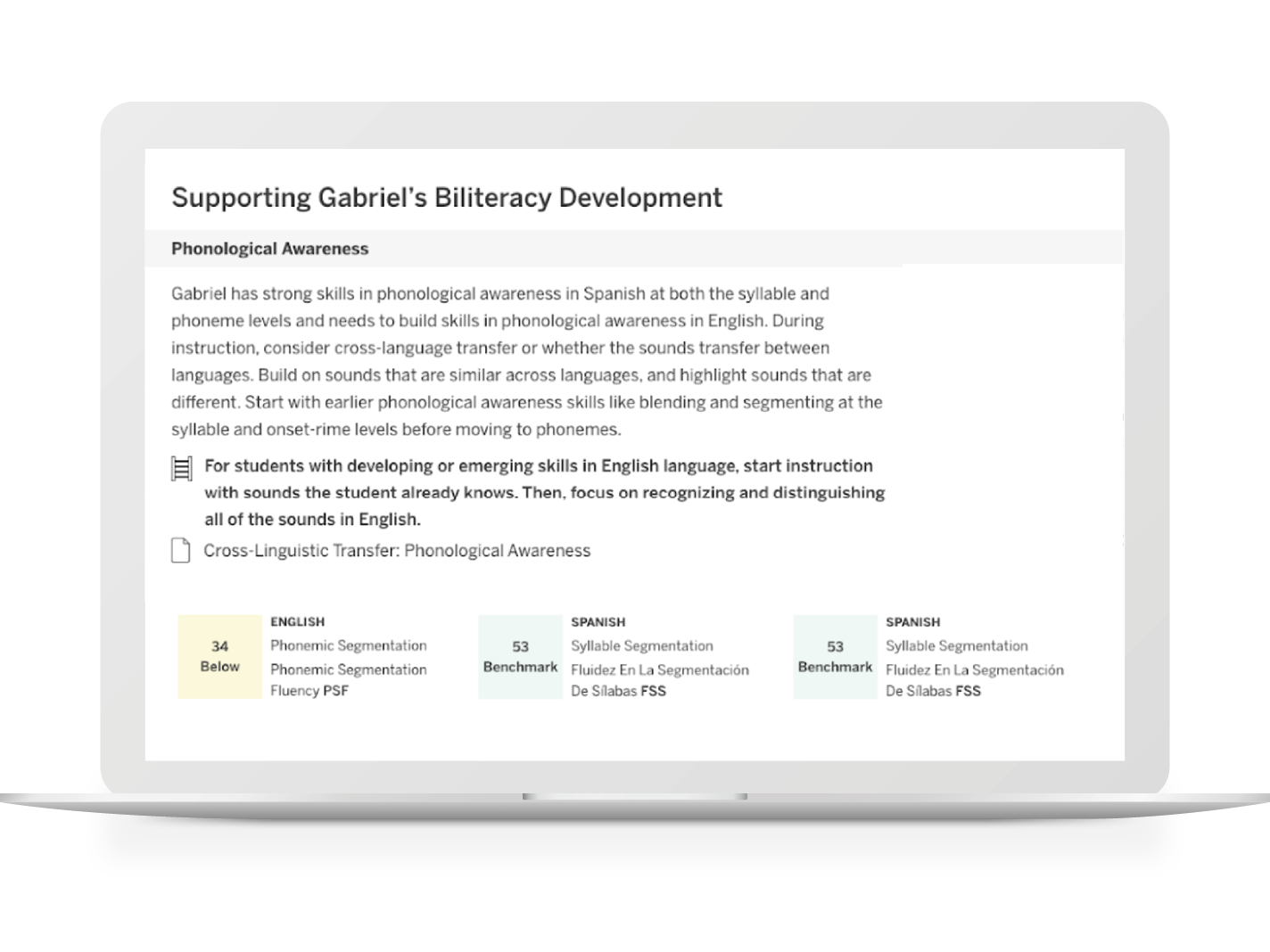
Transferir destrezas de un idioma a otro
Al brindar a los maestros información sobre las áreas de destrezas que sus estudiantes dominan en su idioma nativo, el programa ayuda a los hispanohablantes a desarrollar sus fortalezas y establecer conexiones con su segundo idioma. Los educadores también reciben orientación sobre la transferencia interlingüística de destrezas fundamentales en ambos idiomas.

Conozca las desigualdades que enfrentan en el salón de clase los estudiantes de habla hispana y cómo los educadores pueden abordarlas
Descargar ahoraQué se incluye
mCLASS Lectura incluye medidas de un minuto validadas para la detección universal y de dislexia, y proporciona informes en dos idiomas para maestros y administradores.
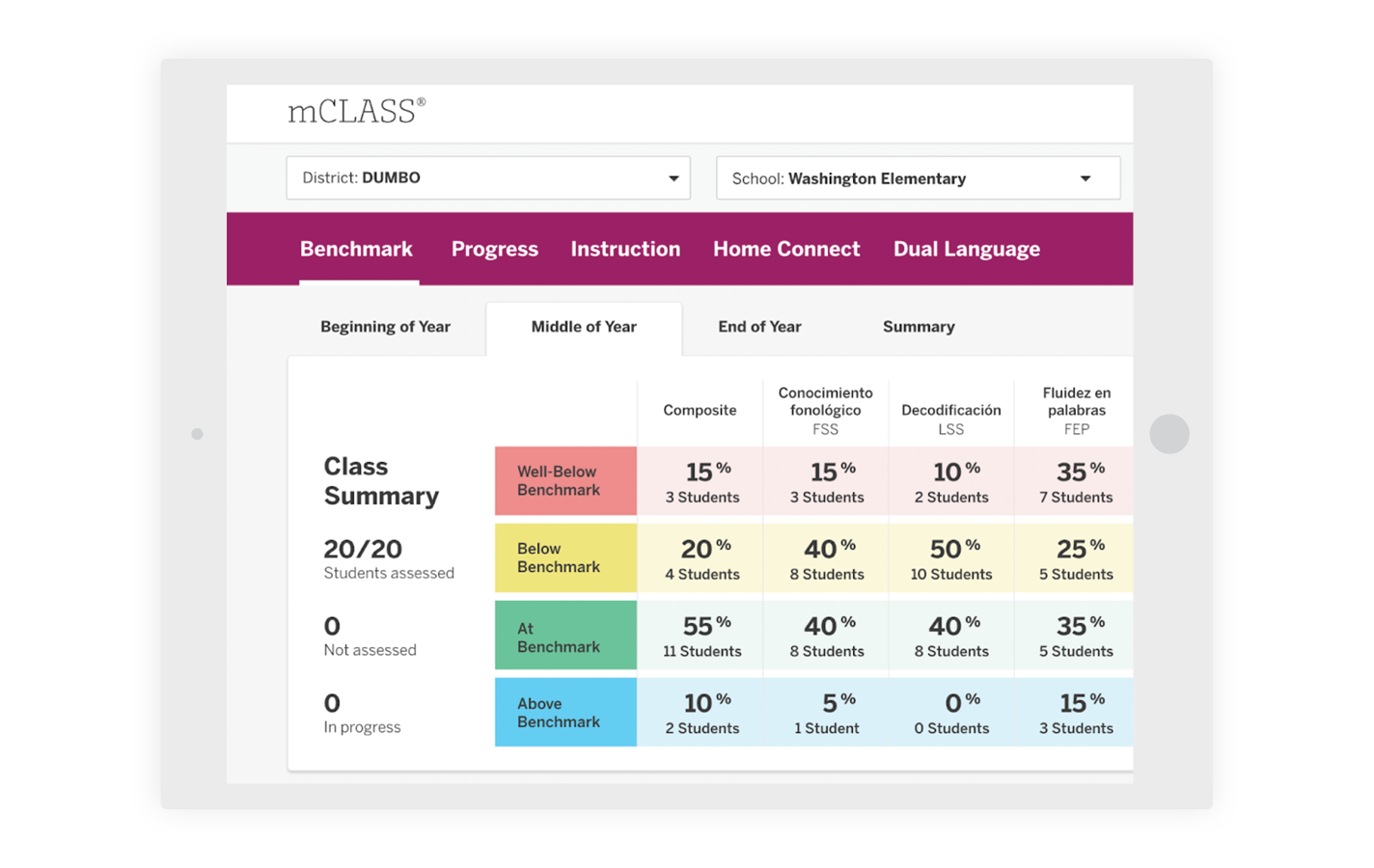
Medidas integrales de alfabetización en español en mCLASS Lectura
mCLASS Lectura está validado para evaluar todas las destrezas fundamentales para K a 6.º grado, que incluyen:
- Nombrar las letras
- Conciencia fonológica
- Principio alfabético
- Fluidez
- Comprensión
Informes en inglés y español
mCLASS Lectura analiza la alfabetización en español y el desarrollo de la alfabetización en inglés en paralelo, lo que le permite ver en qué nivel se encuentran los estudiantes en ambos idiomas. Conozca más sobre los informes de mCLASS Lectura.


Actividades de instrucción para desarrollar destrezas de alfabetización en español
Con mCLASS Lectura, los educadores obtienen cientos de actividades de instrucción paso a paso para grupos pequeños o estudiantes individuales y reciben actividades eficaces para enfocarse en las destrezas de alfabetización en español en las que los estudiantes necesitan más apoyo.
Informes integrales
mCLASS Lectura proporciona informes para todos en todos los niveles, desde maestros y especialistas en alfabetización hasta directores y líderes distritales, así como padres y cuidadores en el hogar. Conozca más sobre sobre los informes de mCLASS Lectura.
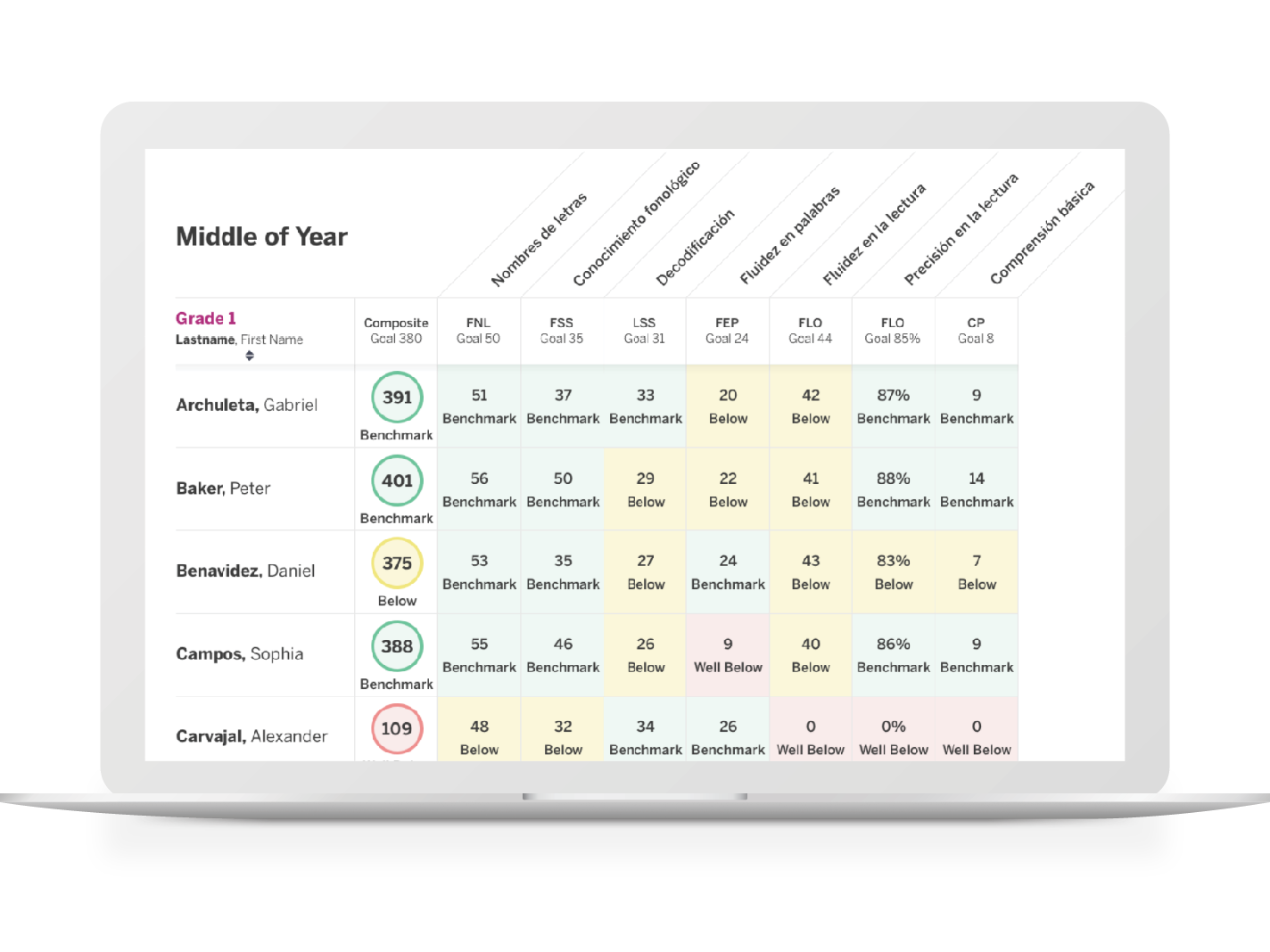
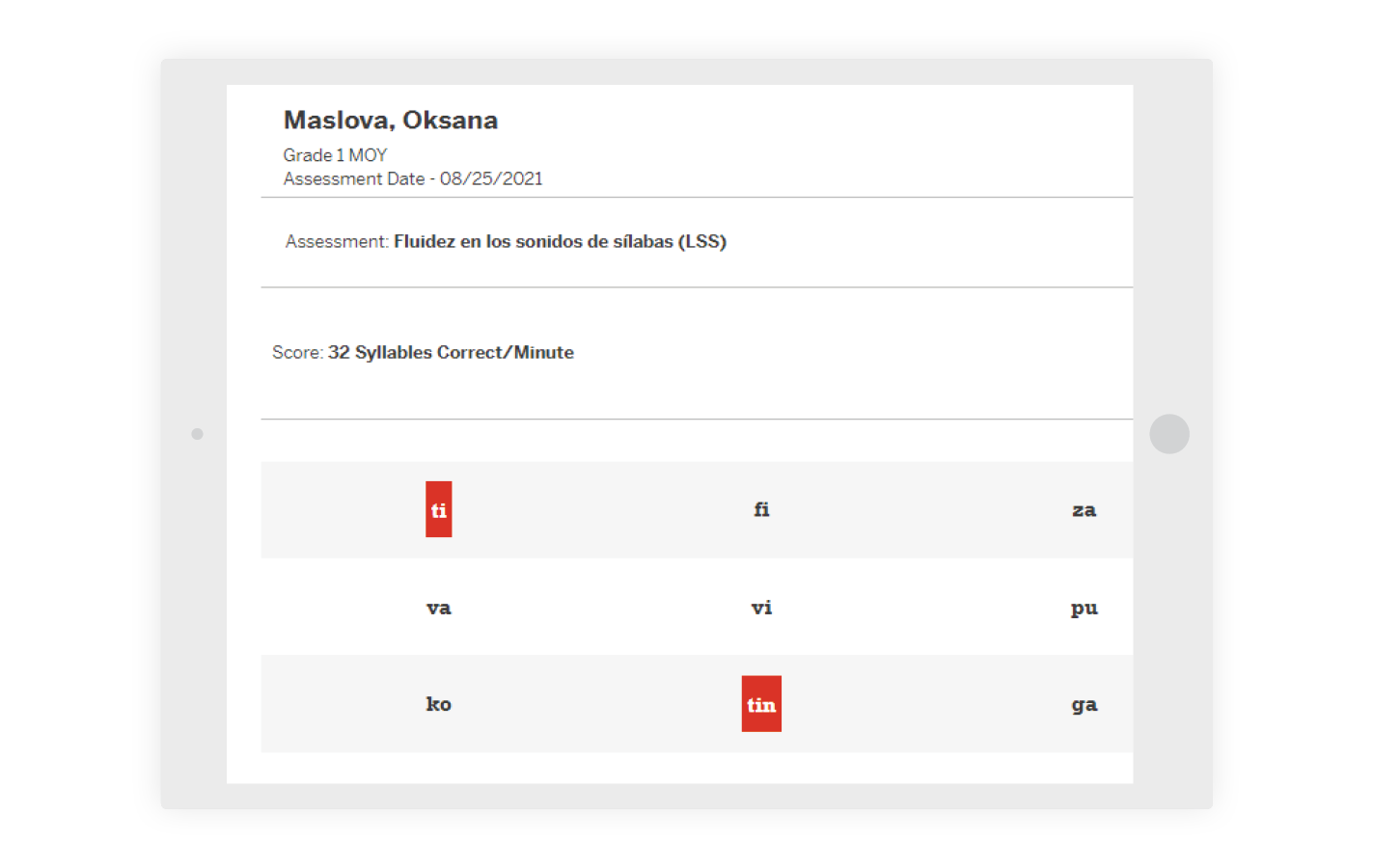
Datos de evaluación detallados
mCLASS Lectura proporciona transcripciones de cada evaluación e identifica patrones de error para ayudar a los educadores a tomar decisiones didácticas sobre las habilidades que más necesitan reforzar los estudiantes. El programa también incluye cartas con resultados y análisis de las evaluaciones de los estudiantes para enviar a casa o usar como base para discusiones durante las conferencias.
Lea sobre la investigación y validación que respaldan a mCLASS Lectura
Descargar nuestro informe técnicoAmplify Typography
H1 / Amplify Regular
H2 / Amplify Regular
H3 / Amplify Regular
H4 / Amplify Regular
H5 / Amplify Regular
H6 / Amplify Regular
Paragraphs
Default styling ( landing page )
Blocquotes
Lorem ipsum dolor sit amet, consectetur adipiscing elit, sed do eiusmod tempor incididunt ut labore et dolore magna aliqua. Ut enim ad minim veniam, quis nostrud exercitation ullamco laboris nisi ut aliquip ex ea commodo consequat. Duis aute irure dolor in reprehenderit in voluptate velit esse cillum dolore eu fugiat nulla pariatur. Excepteur sint occaecat cupidatat non proident, sunt in culpa qui officia deserunt mollit anim id est laborum.
Lorem ipsum dolor sit amet
Lorem ipsum dolor sit amet, consectetur adipiscing elit, sed do eiusmod tempor incididunt ut labore et dolore magna aliqua. Ut enim ad minim veniam, quis nostrud exercitation ullamco laboris nisi ut aliquip ex ea commodo consequat. Duis aute irure dolor in reprehenderit in voluptate velit esse cillum dolore eu fugiat nulla pariatur. Excepteur sint occaecat cupidatat non proident, sunt in culpa qui officia deserunt mollit anim id est laborum.
Lorem ipsum dolor sit amet
Lorem ipsum dolor sit amet, consectetur adipiscing elit, sed do eiusmod tempor incididunt ut labore et dolore magna aliqua. Ut enim ad minim veniam, quis nostrud exercitation ullamco laboris nisi ut aliquip ex ea commodo consequat. Duis aute irure dolor in reprehenderit in voluptate velit esse cillum dolore eu fugiat nulla pariatur. Excepteur sint occaecat cupidatat non proident, sunt in culpa qui officia deserunt mollit anim id est laborum.
Quote captions
Lorem ipsum dolor sit amet, consectetur adipiscing elit, sed do eiusmod tempor incididunt ut labore et dolore magna aliqua. Ut enim ad minim veniam, quis nostrud exercitation ullamco laboris nisi ut aliquip ex ea commodo consequat. Duis aute irure dolor in reprehenderit in voluptate velit esse cillum dolore eu fugiat nulla pariatur. Excepteur sint occaecat cupidatat non proident, sunt in culpa qui officia deserunt mollit anim id est laborum.
Quote captions
Ultimately, kids can thrive and grow in conditions that you may not ever have imagined. I want our school to prove nature’s law is wrong.
—Ray James
Spaces
Small (default spacing 30px)
Lorem ipsum is placeholder text commonly used in the graphic, print, and publishing industries for previewing layouts and visual mockups. Lorem ipsum is placeholder text commonly used in the graphic, print, and publishing industries for previewing layouts and visual mockups.
Lorem ipsum is placeholder text commonly used in the graphic, print, and publishing industries for previewing layouts and visual mockups. Lorem ipsum is placeholder text commonly used in the graphic, print, and publishing industries for previewing layouts and visual mockups.
- Lorem ipsum is placeholder text commonly used in the graphic, print, and publishing industries for previewing layouts and visual mockups.
Medium (50px spacing)
Lorem ipsum is placeholder text commonly used in the graphic, print, and publishing industries for previewing layouts and visual mockups. Lorem ipsum is placeholder text commonly used in the graphic, print, and publishing industries for previewing layouts and visual mockups.
- Lorem ipsum is placeholder text commonly used in the graphic, print, and publishing industries for previewing layouts and visual mockups.
- Lorem ipsum is placeholder text commonly used in the graphic, print, and publishing industries for previewing layouts and visual mockups.
Lorem ipsum is placeholder text commonly used in the graphic, print, and publishing industries for previewing layouts and visual mockups.
Large (80px spacing)
Lorem ipsum is placeholder text commonly used in the graphic, print, and publishing industries for previewing layouts and visual mockups.
- Lorem ipsum is placeholder text commonly used in the graphic, print, and publishing industries for previewing layouts and visual mockups.
- Lorem ipsum is placeholder text commonly used in the graphic, print, and publishing industries for previewing layouts and visual mockups.
Lorem ipsum is placeholder text commonly used in the graphic, print, and publishing industries for previewing layouts and visual mockups.
Without spacing
Lorem ipsum is placeholder text commonly used in the graphic, print, and publishing industries for previewing layouts and visual mockups.
- Lorem ipsum is placeholder text commonly used in the graphic, print, and publishing industries for previewing layouts and visual mockups.
- Lorem ipsum is placeholder text commonly used in the graphic, print, and publishing industries for previewing layouts and visual mockups.
- Lorem ipsum is placeholder text commonly used in the graphic, print, and publishing industries for previewing layouts and visual mockups.
Lorem ipsum is placeholder text commonly used in the graphic, print, and publishing industries for previewing layouts and visual mockups. Lorem ipsum is placeholder text commonly used in the graphic, print, and publishing industries for previewing layouts and visual mockups.
Lists
- K
- 1
- 2
- 3
- 4
- 5
- detailed lesson plans.
- unit and chapter overview documentation.
- differentiation strategies.
- standards alignments.
- in-context professional development.
- Illuminate
- SchoolCity
- Otus
- detailed lesson plans.
- unit and chapter overview documentation.
- differentiation strategies.
- Course 1: Foundations to the Science of Reading
- Course 2: Advanced Topics in the Science of Reading: Assessment and Reading Difficulties
- Course 3: Applied Structured Literacy
Custom Benton-Sans font
- Data you can trust, with teacher-administered assessments
- Skill-level data aligned with the Science of Reading
- Data-driven instructional recommendations to support intervention, remediation, and enrichment
- detailed lesson plans.
- unit and chapter overview documentation.
- differentiation strategies.
- standards alignments.
- in-context professional development.
- CKLA Program Guide
- Text complexity in CKLA
- Trade books in CKLA
- Assessments in CKLA
- Remote and hybrid learning with CKLA
- CKLA Scopes and Sequences
- Grade K Skills and Knowledge
- Grade 1 Skills and Knowledge
- Grade 2 Skills and Knowledge
- Grade 3 Integrated
- Grade 4 Integrated
- Grade 5 Integrated
- Click the CKLA Student Hub button below.
- Select Log in with Amplify.
- Enter the student username and password found on the login flyer PDF provided to you.
- Click the CKLA Student Hub icon.
- Select a grade level.
- Illuminate
- SchoolCity
- Otus
- detailed lesson plans.
- unit and chapter overview documentation.
- differentiation strategies.
Tables
|
Which services are right for me? |
1. Materials and implementation support |
2. Full-service |
3. Consultancies |
|
Professional development Coaching and training |
 |
|
|
|
Tutoring materials High-quality instructional materials and nationally normed reading assessments |
|
|
|
|
Program management |
|
|
|
|
Amplify tutors |
|
|
|
Option two
Option three
Prepare |
Begin |
Practice |
Advance |
|
|
|
|
|


Image with lightbox
Lorem ipsum dolor sit amet, consectetur adipiscing elit, sed do eiusmod tempor incididunt ut labore et dolore magna aliqua. Ut enim ad minim veniam, quis nostrud exercitation ullamco laboris nisi ut aliquip ex ea commodo consequat. Duis aute irure dolor in reprehenderit in voluptate velit esse cillum dolore eu fugiat nulla pariatur. Excepteur sint occaecat cupidatat non proident, sunt in culpa qui officia deserunt mollit anim id est laborum.
YouTube Video with lightbox
Lorem ipsum dolor sit amet, consectetur adipiscing elit, sed do eiusmod tempor incididunt ut labore et dolore magna aliqua. Ut enim ad minim veniam, quis nostrud exercitation ullamco laboris nisi ut aliquip ex ea commodo consequat. Duis aute irure dolor in reprehenderit in voluptate velit esse cillum dolore eu fugiat nulla pariatur. Excepteur sint occaecat cupidatat non proident, sunt in culpa qui officia deserunt mollit anim id est laborum.
Amplify Cards block – Default style


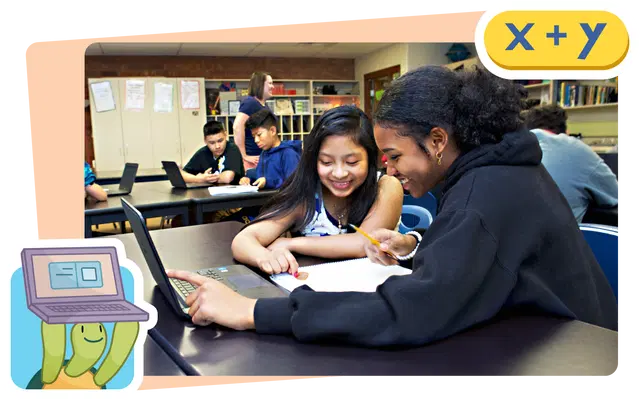
Amplify Cards block – Bordered style


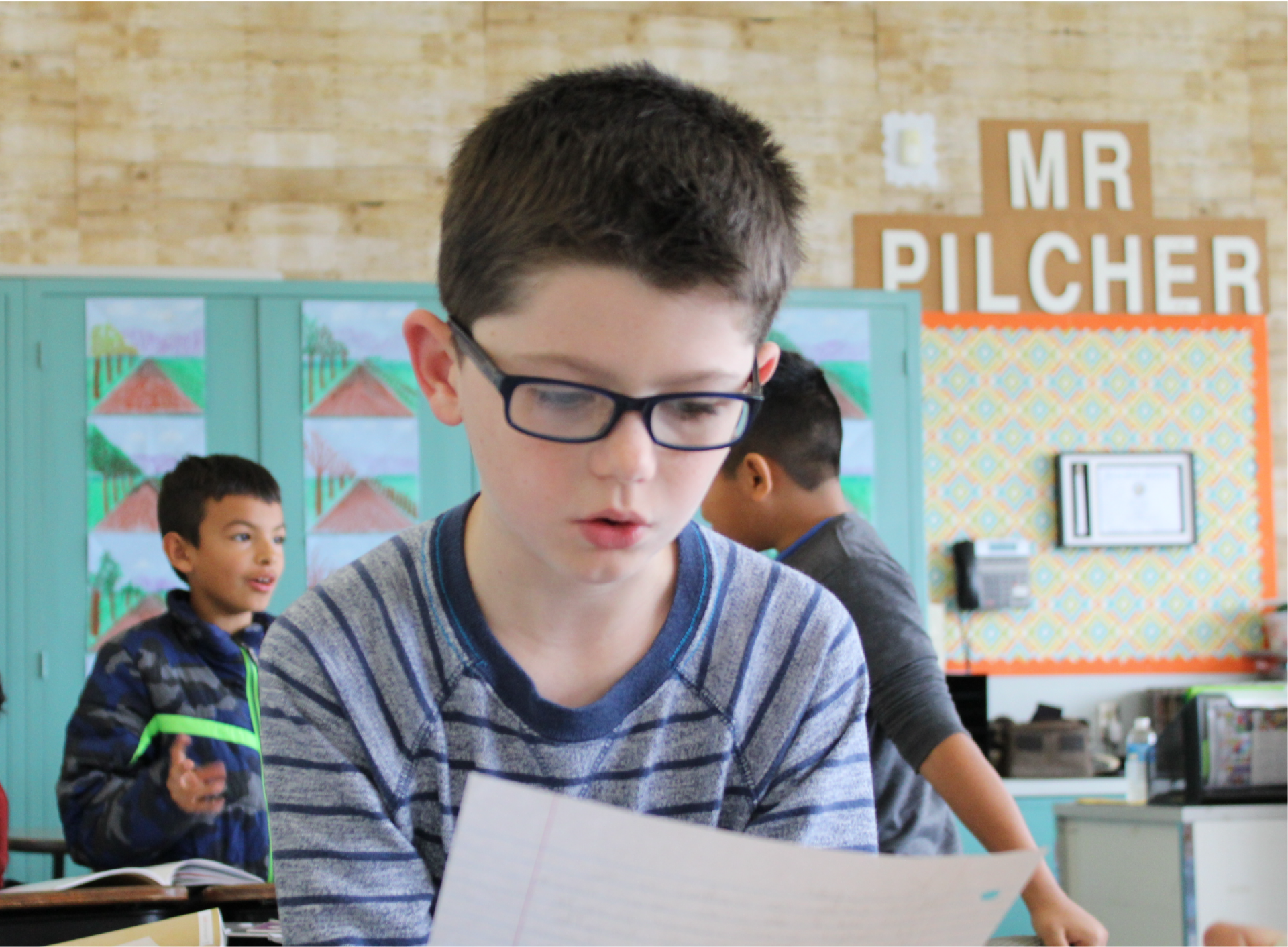

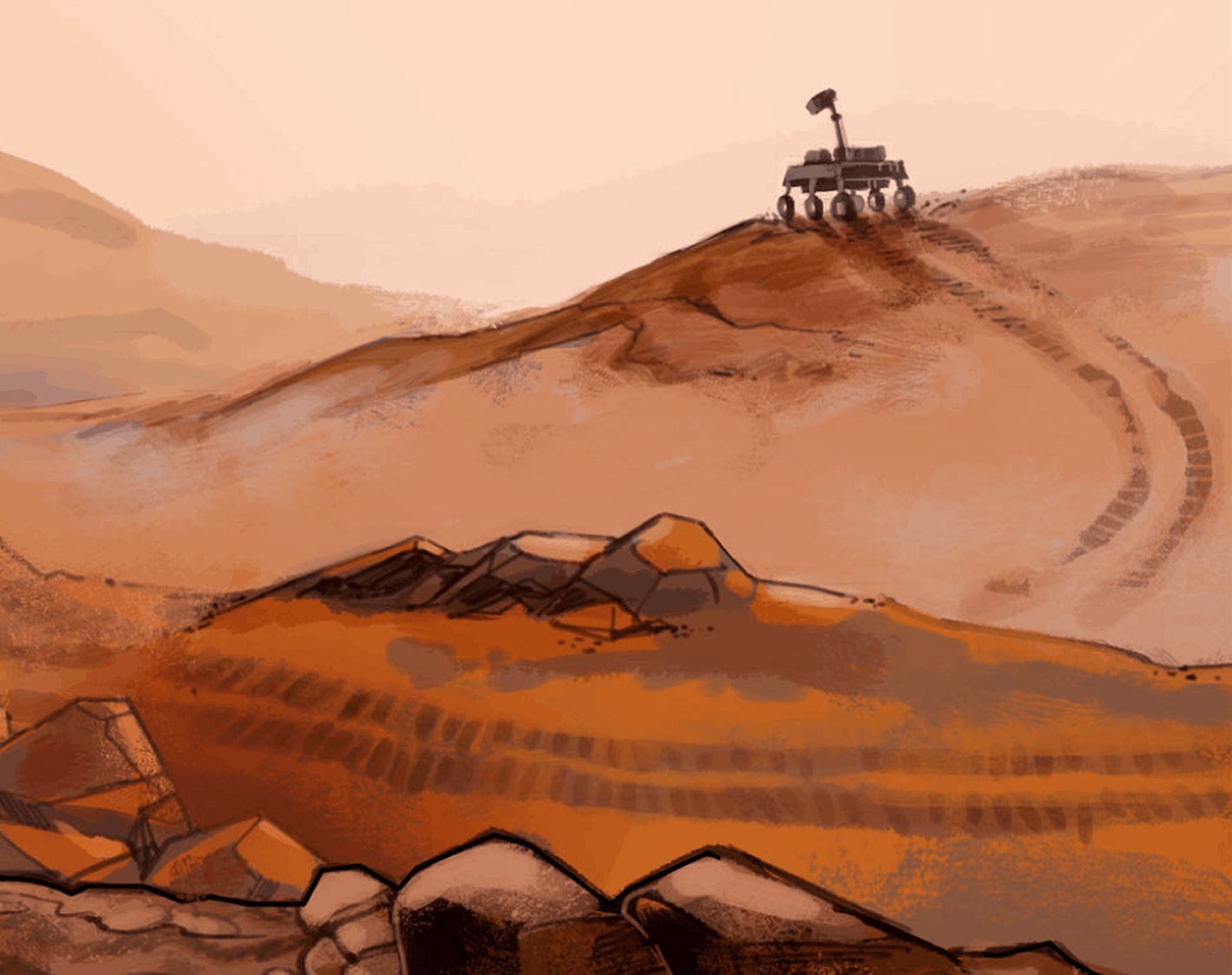

Inherit font
Lorem ipsum dolor sit amet, consectetur adipiscing elit, sed do eiusmod tempor incididunt ut labore et dolore magna aliqua. Ut enim ad minim veniam, quis nostrud exercitation ullamco laboris nisi ut aliquip ex ea commodo consequat. Duis aute irure dolor in reprehenderit in voluptate velit esse cillum dolore eu fugiat nulla pariatur. Excepteur sint occaecat cupidatat non proident, sunt in culpa qui officia deserunt mollit anim id est laborum.
Amplify font
Lorem ipsum dolor sit amet, consectetur adipiscing elit, sed do eiusmod tempor incididunt ut labore et dolore magna aliqua. Ut enim ad minim veniam, quis nostrud exercitation ullamco laboris nisi ut aliquip ex ea commodo consequat. Duis aute irure dolor in reprehenderit in voluptate velit esse cillum dolore eu fugiat nulla pariatur. Excepteur sint occaecat cupidatat non proident, sunt in culpa qui officia deserunt mollit anim id est laborum.
Article styling
Inherit font
Lorem ipsum dolor sit amet, consectetur adipiscing elit, sed do eiusmod tempor incididunt ut labore et dolore magna aliqua. Ut enim ad minim veniam, quis nostrud exercitation ullamco laboris nisi ut aliquip ex ea commodo consequat. Duis aute irure dolor in reprehenderit in voluptate velit esse cillum dolore eu fugiat nulla pariatur. Excepteur sint occaecat cupidatat non proident, sunt in culpa qui officia deserunt mollit anim id est laborum.
Amplify font
Lorem ipsum dolor sit amet, consectetur adipiscing elit, sed do eiusmod tempor incididunt ut labore et dolore magna aliqua. Ut enim ad minim veniam, quis nostrud exercitation ullamco laboris nisi ut aliquip ex ea commodo consequat. Duis aute irure dolor in reprehenderit in voluptate velit esse cillum dolore eu fugiat nulla pariatur. Excepteur sint occaecat cupifidatat non proident, sunt in culpa qui officia deserunt mollit anim id est laborum.
Secondary text
Secondary text (captions) / Benton Sans Regular
Labels
LABELS / Benton Sans Medium
Lists
Unordered
- Item 1
- Item 2
- Item 3
- Item 3.1
- Item 3.2
- Item 3.2.1
- Item 3.3
- Item 4
Ordered
- Item 1
- Item 2
- Item 3
- Item 3.1
- Item 3.2
- Item 3.2.1
- Item 3.3
- Item 4
Links
Open modal (get in touch)
open modal
Lorem ipsum text-link dolor sit amet, consectetur adipiscing elit, sed do eiusmod tempor incididunt ut labore et dolore magna aliqua. Ut enim ad minim veniam, quis nostrud exercitation ullamco laboris nisi ut aliquip ex ea commodo consequat. Duis aute irure dolor in reprehenderit in voluptate velit esse cillum dolore eu fugiat nulla pariatur. Excepteur sint occaecat cupidatat non proident, sunt in culpa qui officia deserunt mollit anim id est laborum.
Amplify Buttons
Various Sizes
Various Shapes
Various Colours
Disabled State
Background option
Various Icons
Various Types
Layouts
Two columns 50/50
Lorem ipsum dolor sit amet, consectetur adipiscing elit, sed do eiusmod tempor incididunt ut labore et dolore magna aliqua. Ut enim ad minim veniam, quis nostrud exercitation ullamco laboris nisi ut aliquip ex ea commodo consequat. Duis aute irure dolor in reprehenderit in voluptate velit esse cillum dolore eu fugiat nulla pariatur. Excepteur sint occaecat cupidatat non proident, sunt in culpa qui officia deserunt mollit anim id est laborum.
Lorem ipsum dolor sit amet, consectetur adipiscing elit, sed do eiusmod tempor incididunt ut labore et dolore magna aliqua. Ut enim ad minim veniam, quis nostrud exercitation ullamco laboris nisi ut aliquip ex ea commodo consequat. Duis aute irure dolor in reprehenderit in voluptate velit esse cillum dolore eu fugiat nulla pariatur. Excepteur sint occaecat cupidatat non proident, sunt in culpa qui officia deserunt mollit anim id est laborum.
Two columns 75/25
Lorem ipsum dolor sit amet, consectetur adipiscing elit, sed do eiusmod tempor incididunt ut labore et dolore magna aliqua. Ut enim ad minim veniam, quis nostrud exercitation ullamco laboris nisi ut aliquip ex ea commodo consequat. Duis aute irure dolor in reprehenderit in voluptate velit esse cillum dolore eu fugiat nulla pariatur. Excepteur sint occaecat cupidatat non proident, sunt in culpa qui officia deserunt mollit anim id est laborum.
Lorem ipsum dolor sit amet, consectetur adipiscing elit, sed do eiusmod tempor incididunt ut labore et dolore magna aliqua. Ut enim ad minim.
Three columns 33/33/33
Lorem ipsum dolor sit amet, consectetur adipiscing elit, sed do eiusmod tempor incididunt ut labore et dolore magna aliqua. Ut enim ad minim veniam, quis nostrud exercitation ullamco laboris nisi ut aliquip ex ea commodo consequat. Duis aute irure dolor in reprehenderit in voluptate velit esse cillum dolore eu fugiat nulla pariatur. Excepteur sint occaecat cupidatat non proident, sunt in culpa qui officia deserunt mollit anim id est laborum.
Lorem ipsum dolor sit amet, consectetur adipiscing elit, sed do eiusmod tempor incididunt ut labore et dolore magna aliqua. Ut enim ad minim veniam, quis nostrud exercitation ullamco laboris nisi ut aliquip ex ea commodo consequat. Duis aute irure dolor in reprehenderit in voluptate velit esse cillum dolore eu fugiat nulla pariatur. Excepteur sint occaecat cupidatat non proident, sunt in culpa qui officia deserunt mollit anim id est laborum.
Lorem ipsum dolor sit amet, consectetur adipiscing elit, sed do eiusmod tempor incididunt ut labore et dolore magna aliqua. Ut enim ad minim veniam, quis nostrud exercitation ullamco laboris nisi ut aliquip ex ea commodo consequat. Duis aute irure dolor in reprehenderit in voluptate velit esse cillum dolore eu fugiat nulla pariatur. Excepteur sint occaecat cupidatat non proident, sunt in culpa qui officia deserunt mollit anim id est laborum.
Three columns 25/50/25
Lorem ipsum dolor sit amet, consectetur adipiscing elit, sed do eiusmod tempor incididunt ut labore et dolore magna aliqua. Ut enim ad minim veniam, quis nostrud exercitation ullamco laboris nisi ut aliquip ex ea
Lorem ipsum dolor sit amet, consectetur adipiscing elit, sed do eiusmod tempor incididunt ut labore et dolore magna aliqua. Ut enim ad minim veniam, quis nostrud exercitation ullamco laboris nisi ut aliquip ex ea commodo consequat. Duis aute irure dolor in reprehenderit in voluptate velit esse cillum dolore eu fugiat nulla pariatur. Excepteur sint occaecat cupidatat non proident, sunt in culpa qui officia deserunt mollit anim id est laborum.
Lorem ipsum dolor sit amet, consectetur adipiscing elit, sed do eiusmod tempor incididunt ut labore et dolore magna aliqua. Ut enim ad minim veniam, quis nostrud exercitation ullamco laboris nisi ut aliquip ex
Amplify Divider
Instrucción personalizada de lectoescritura en español, ideal para todos los salones de clase
Boost Lectura es un programa basado en la Ciencia de la Lectura creado para acelerar la alfabetización en español para estudiantes de K-2. Utilizando historias cautivadoras y las últimas investigaciones sobre cómo se desarrolla la alfabetización en español, Boost Lectura involucra a los estudiantes en una instrucción de lectura digital poderosa y personalizada, todo respaldado con eficacia probada. For English version, please click here.
Ciencia de la lectura para bilingües emergentes
Basado en la metodología de la Ciencia de la lectura, Boost Lectura reconoce los matices de la lectoescritura bilingüe y el idioma español. El diseño de la instrucción se basa en cómo se desarrolla la alfabetización en español, manteniéndonos fieles a nuestro principio central de Ciencia de la lectura: la instrucción de alfabetización en cada idioma debe reflejar sus elementos lingüísticos particulares.
Desarrollado con expertos
El plan de estudios de alfabetización en español Boost Lectura se desarrolló en colaboración con expertos en lectoescritura en español y educadores de varias regiones de habla hispana que contribuyeron con perspectivas valiosas para la creación de contenido auténtico y relevante.

Nuestro enfoque
Los estudiantes que aprenden a leer en español merecen una instrucción auténtica y basada en investigaciones. Boost Lectura logra esto y complementa los programas curriculares y de evaluación integral de alfabetización bilingüe de Amplify. Cuando se utiliza con Boost Reading, es la primera solución de aprendizaje personalizada basada en la Ciencia de la lectura para el desarrollo de la alfabetización bilingüe en español e inglés.
Auténtica instrucción de lectoescritura en español
Boost Lectura se centra en las destrezas fundamentales (como la conciencia fonológica, las correspondencias entre letras y sonidos, la decodificación y la comprensión) que, según las investigaciones, no sólo son indispensables para aprender a leer en español, sino que también son transferibles del español al inglés. El programa se creó con la orientación e investigación de expertos sobre cómo se desarrolla la alfabetización bilingüe (particularmente la alfabetización bilingüe en español e inglés).


Ideal para cualquier modelo de salón de clase
Sin tener que dominar el español, los maestros tienen acceso a un alcance y secuencia de alfabetización en español basado en evidencia con contenido de aprendizaje dirigido a las necesidades individuales de los estudiantes. Boost Lectura puede aprovecharse en cualquier modelo de enseñanza de la lectoescritura.
Paridad entre el español y el inglés
Boost Lectura se puede combinar perfectamente con Boost Reading. Cuando se usan juntos, los dos programas desarrollan el dominio de la lectura tanto en inglés como en español para los estudiantes de K a 2.º grado, además de brindar a los maestros información valiosa sobre la progresión de las destrezas de los estudiantes en cada idioma.

Paquete integral de alfabetización bilingüe
Boost Lectura se incorpora al paquete completo de programas de alfabetización bilingüe de Amplify, incluidos Amplify Caminos y mCLASS® Lectura. Mediante una instrucción alineada, estas herramientas y materiales brindan a los educadores todo lo que necesitan para evaluar, instruir y brindar práctica en la alfabetización en español.
Qué se incluye
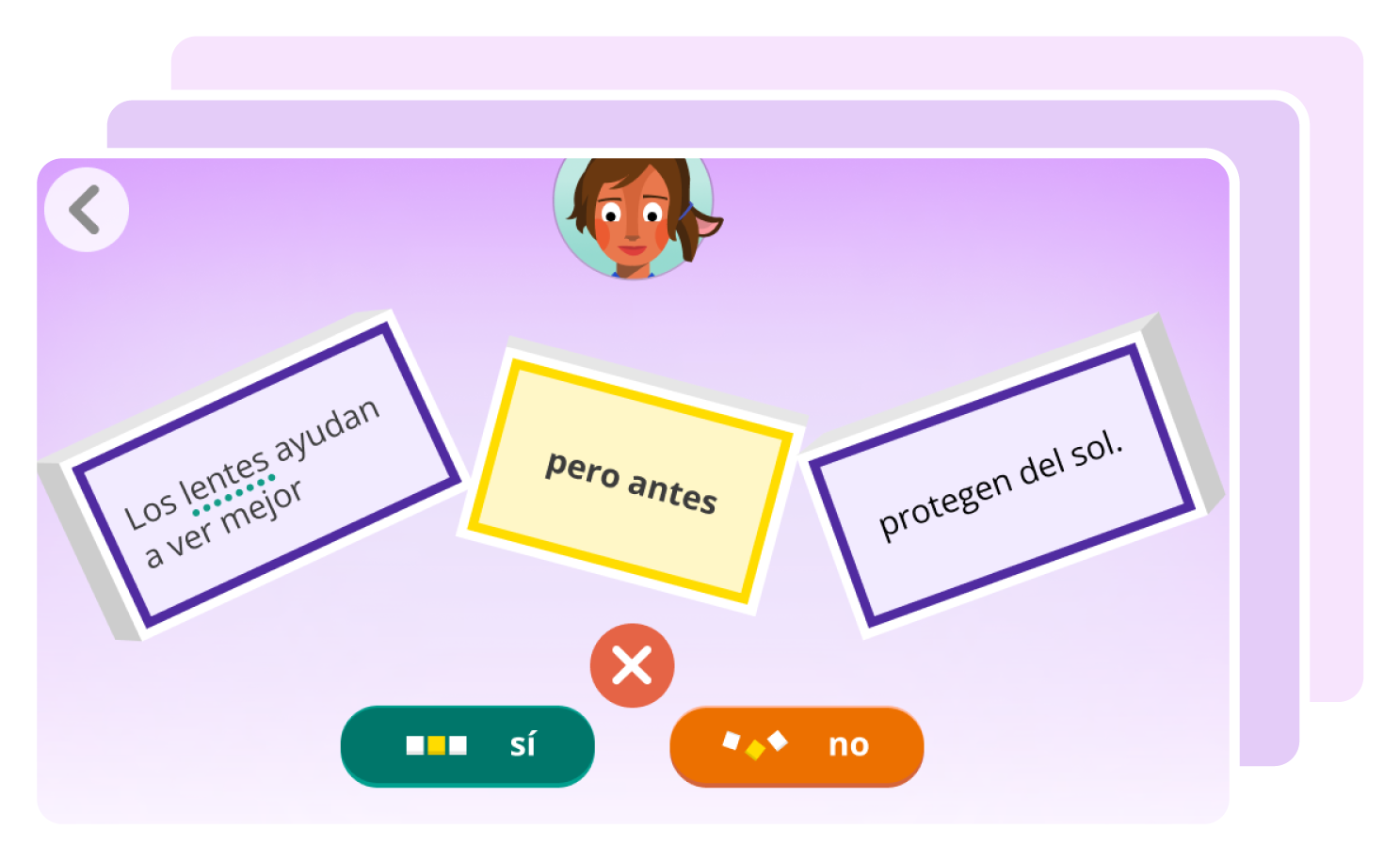
Instrucción eficaz y de gran riqueza
Los estudiantes participarán en actividades específicas relacionadas con historias auténticas y cautivadoras que honran la cultura y las experiencias de las comunidades de habla hispana. Este potente contenido está cuidadosamente diseñado para mejorar sus destrezas de decodificación, vocabulario y comprensión lectora.
Personalización de destrezas
La tecnología adaptativa de Boost Lectura desarrolla los mapas de destrezas individuales de los estudiantes para proporcionar el contenido adecuado en el momento correcto. Los estudiantes explorarán nuevas misiones, desafíos y juegos que simultáneamente les enseñarán las destrezas fundamentales de alfabetización que los convertirán en lectores de español más seguros.
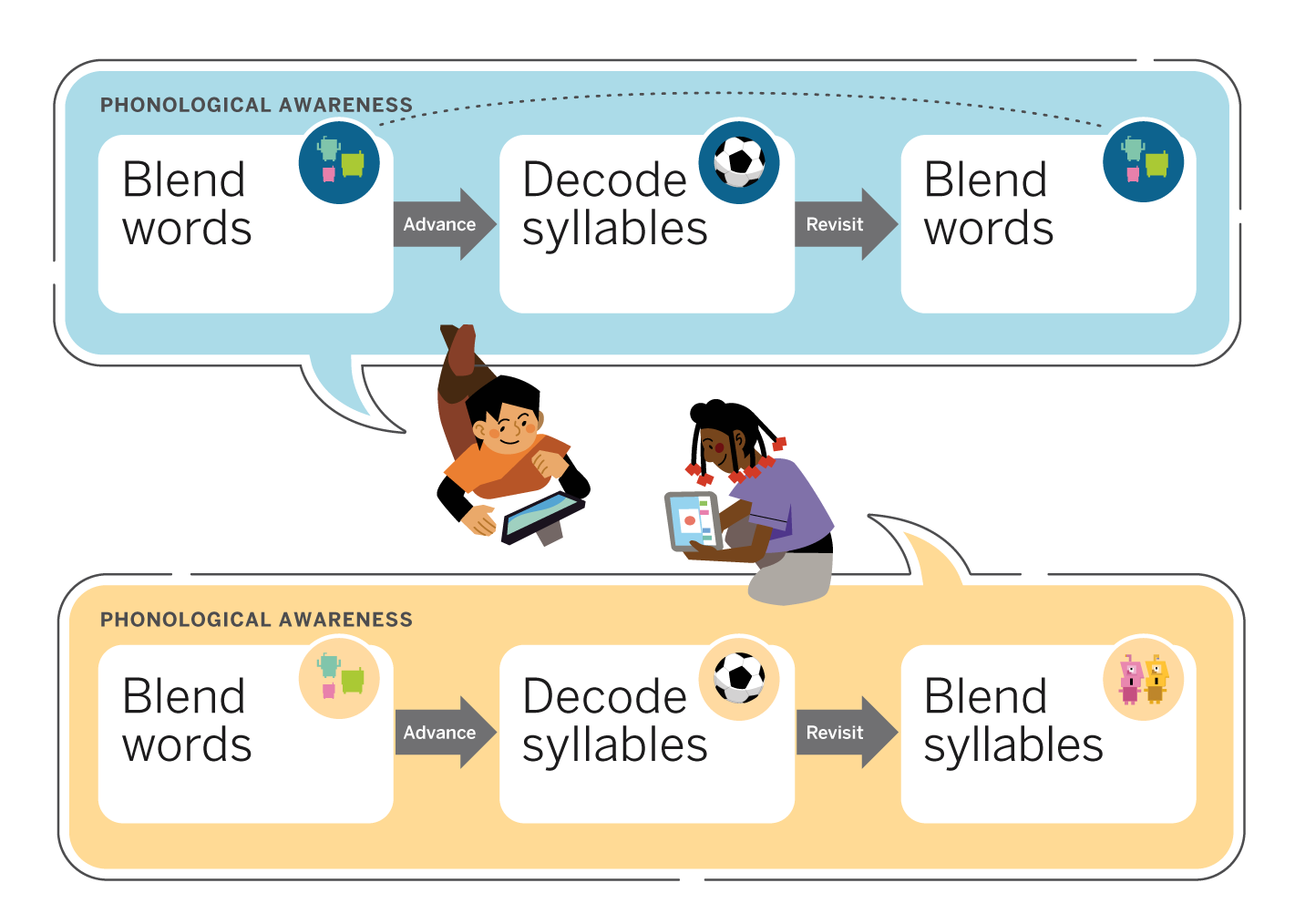
Datos e información práctica para educadores
El programa ofrece información a nivel de estudiante y de clase para ayudar a los educadores a diferenciar la instrucción, monitorear el progreso en todo el salón de clase, brindar apoyo específico sin más pruebas y acceder a recursos educativos dirigidos por maestros.
Informes paralelos en inglés y español
Cuando Boost Reading y Boost Lectura se usan juntos, los programas brindan a los educadores información paralela sobre las destrezas y el progreso de los estudiantes en cada idioma.

Explore otros programas basados en la Ciencia de la lectura.
Usamos componentes esenciales de la alfabetización bilingüe para fomentar la equidad en los salones de clase.

¡El futuro es bilingüe! | The future is bilingual!
Promueva la alfabetización bilingüe con Amplify Caminos, un plan de estudios de lengua y literatura en español para K a 5.º grado que ayuda a los maestros a infundir confianza en los estudiantes para que se conviertan en lectores, escritores y pensadores competentes en español. El programa combina un amplio conocimiento del contenido con una instrucción sistemática de destrezas fundamentales que se basa en la Ciencia de la lectura y es compatible con múltiples modelos de enseñanza. For English version, please click here.

Cultivar vías de alfabetización bilingüe
Amplify Caminos está diseñado para respaldar cualquier modelo de lectoescritura bilingüe, incluidos el inglés como segundo idioma (ESL), programas bilingües de transición, modalidades de dos idiomas y programas de inmersión en español. En combinación con su complemento en el idioma inglés, Amplify Core Knowledge Language Arts (CKLA), Amplify Caminos ofrece una solución integral de lectoescritura bilingüe.
Nuestro enfoque
Basado en la Ciencia de la lectura y siguiendo los principios de alfabetización bilingüe, Amplify Caminos combina conocimientos de contenidos de gran riqueza con enseñanza sistemática de destrezas fundamentales para ofrecer un plan de estudios de lectoescritura bilingüe basado en investigaciones.
Aprovechar la Ciencia de la lectura
Al centro de la Ciencia de la lectura se encuentra la Visión simple de la lectura, una fórmula que describe cómo una lectura hábil requiere tanto la comprensión del lenguaje como el reconocimiento de palabras. Amplify Caminos se basa en este modelo, con recursos poderosos que generan resultados reales.
Desarrollar destrezas fundamentales de forma explícita y sistemática
La instrucción de Amplify Caminos se basa en cómo funciona el idioma español. Los estudiantes aprenden los sonidos de las vocales y sonidos comunes antes de combinarlos para formar sílabas y palabras. Más adelante se presentan consonantes menos frecuentes y otros elementos complejos, con una progresión intencional que prepara a los estudiantes para el éxito.
El refuerzo de los conocimientos previos impulsa los resultados
Los estudiantes profundizan y hacen conexiones entre áreas de contenido para crear una base de conocimientos sólida para comprender textos complejos. Amplify Caminos y Amplify CKLA siguen la Core Knowledge Sequence, un enfoque coherente, acumulativo y de contenido específico para desarrollar conocimientos, con temas paralelos para respaldar la enseñanza equitativa y basada en investigaciones en español e inglés de nivel 1.
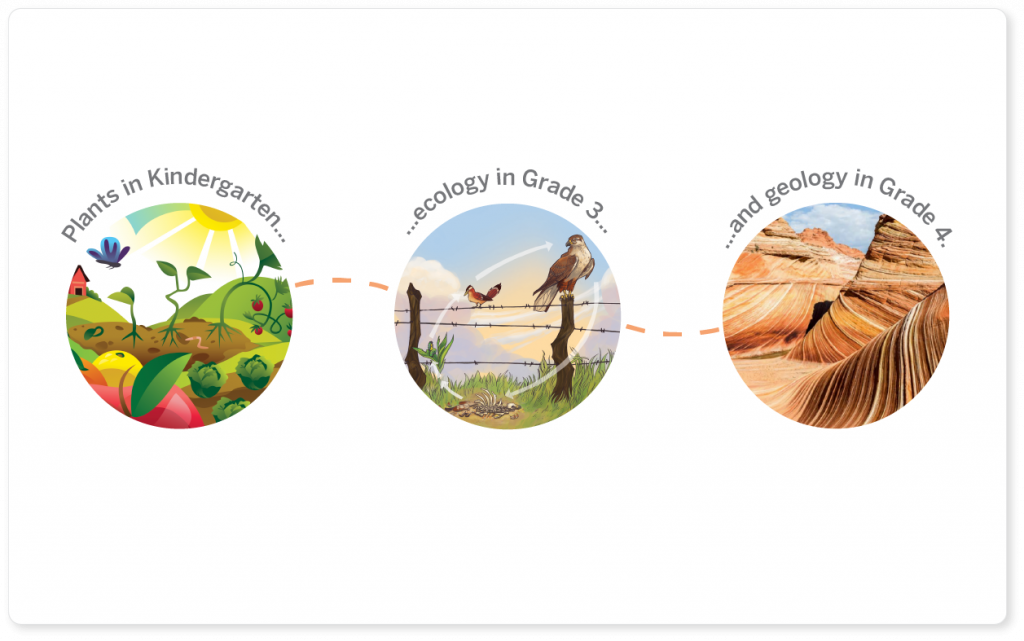
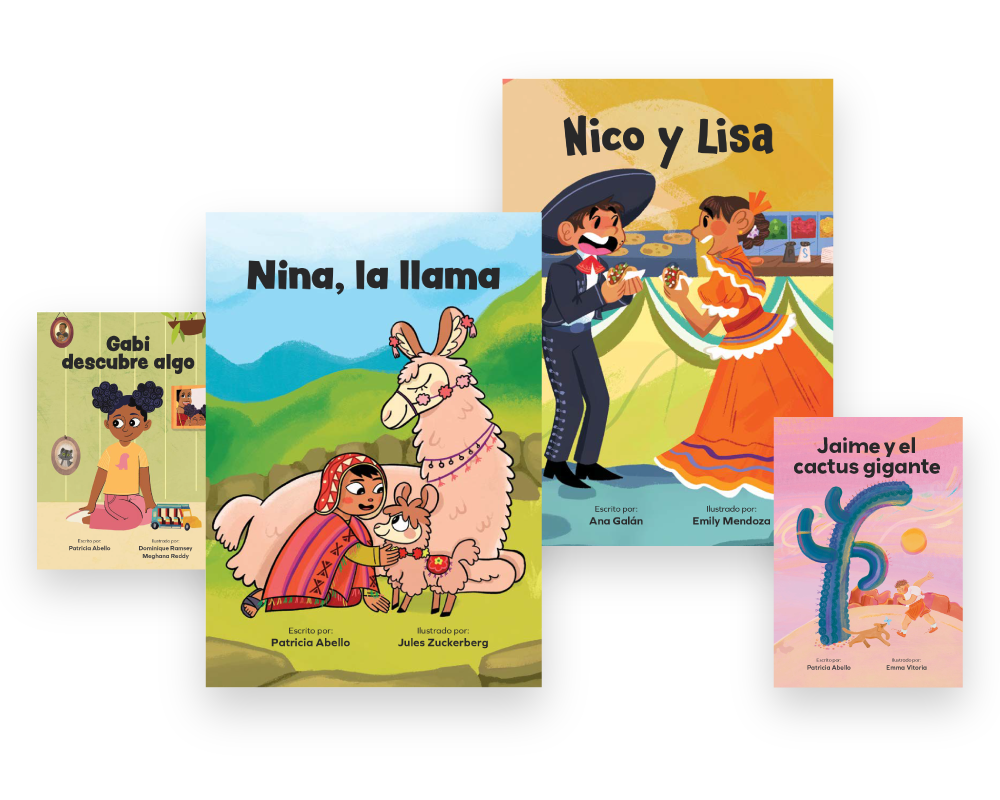
Textos culturalmente relevantes y exigentes
Los estudiantes aprenden sobre una variedad de temas y géneros a la vez que se comprenden mejor a sí mismos y al mundo gracias a una extensa selección de textos. La literatura en español auténtica, que incluye textos originales de autores latinos e hispanos, y los textos transadaptados conectan los temas de conocimiento y la enseñanza de destrezas fundamentales para brindar una experiencia de aprendizaje enriquecedora.
Ser bilingüe es un superpoder
El bilingüismo es una fortaleza cognitiva: las investigaciones lo atribuyen a una mayor atención, una mejor memoria de trabajo, una mayor conciencia del lenguaje y más. Honre las destrezas, fortalezas y necesidades únicas de sus estudiantes multilingües con Amplify Caminos y Amplify CKLA.
Qué se incluye
Amplify Caminos presenta atractivos materiales impresos y multimedia, accesibles desde cualquier lugar, diseñados para proporcionar una base sólida y rica de lectoescritura en cada salón de clase.
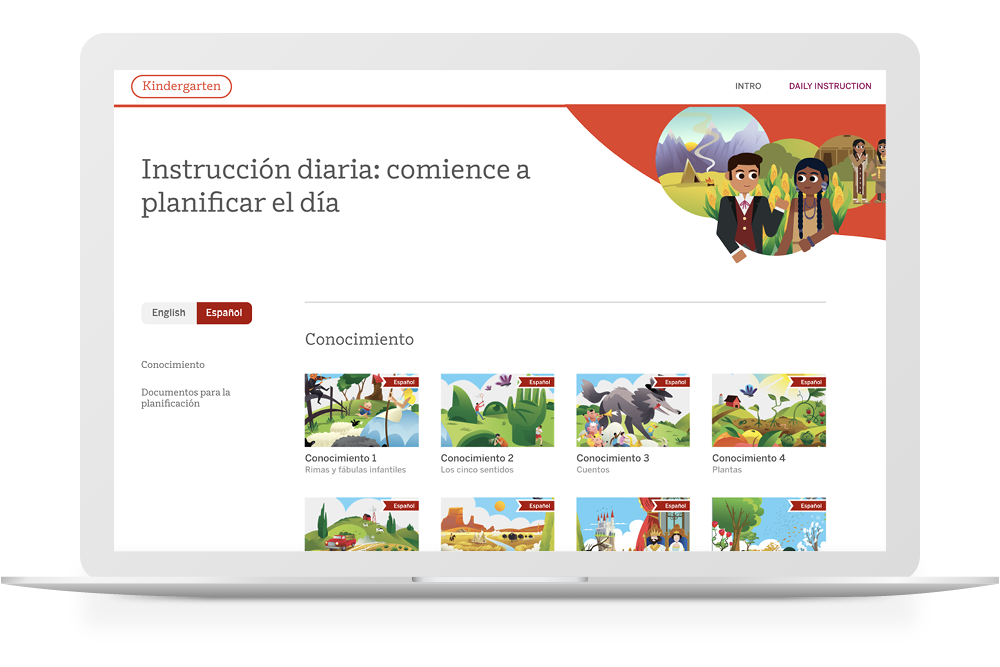
Materiales docentes de alta calidad
Los maestros de Amplify Caminos imparten la enseñanza de forma eficaz con recursos impresos y digitales, que incluyen:
- Guías del maestro con diferenciación integrada.
- Evaluaciones formales e informales.
- Diapositivas de lecciones listas para usar y que pueden ser personalizadas.
- Bilingual Connections para apoyar la transferencia interlingüística.
- Recursos para docentes y desarrollo profesional a pedido.
Recursos inmersivos para estudiantes
Los estudiantes de Amplify Caminos se mantienen interesados con una amplia gama de recursos impresos y digitales, que incluyen:
- Libros descodificables originales y Libros grandes para leer en voz alta (K a 2.º grado), Libros de lectura (3.er a 5.º grados) y antologías de literatura española auténtica (4.º y 5.º grados).
- Diario del poeta y Diario del escritor (libros de lectura con espacio para escribir para 4.º y 5.º grados).
- Cuadernos de actividades para estudiantes con evaluaciones integradas.
- Unidades de investigación para investigaciones independientes desarrolladas en torno a un libro comercial.
- Materiales de fonética multisensorial:
- Tarjetas de letras (K a 2.º grado).
- Tarjetas de sílabas (K a 2.º grado).
- Tarjetas de imágenes (K a 3.er grado).
- Además: gráficos de anclaje digitales y una biblioteca de sonidos.
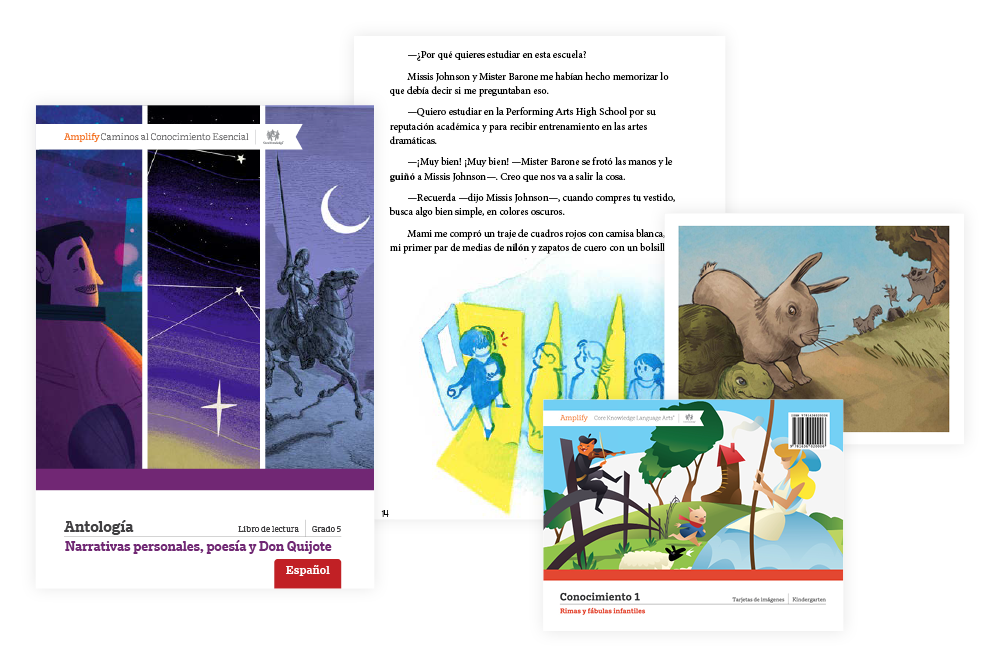
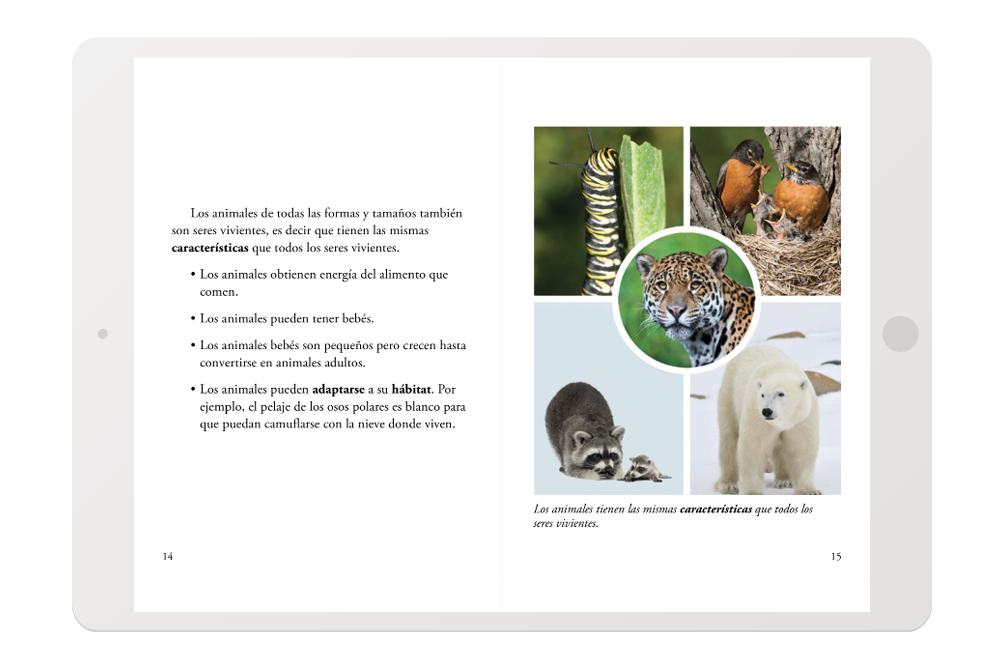
Experiencia digital robusta
Al igual que Amplify CKLA, Amplify Caminos se enorgullece de ser la principal oferta de material didáctico de alta calidad (HQIM, por sus siglas en inglés) en lengua y literatura de primaria, con un contenido variado y basado en la investigación, incluida una biblioteca de atractivos materiales digitales en constante expansión, que le ayuda a apoyar, motivar y cautivar el interés genuino de sus estudiantes. Desde Guías del maestro digitales hasta materiales proyectables, proporcionamos todas las herramientas necesarias para impartir con éxito cada lección.
Explore más programas basados en la Ciencia de la lectura
Todos los programas de nuestro paquete de alfabetización están diseñados para apoyarse y complementarse entre sí. Conozca más sobre nuestros programas relacionados:


Instrucción personalizada de lectoescritura en español, ideal para todos los salones de clase
Boost Lectura es un programa basado en la Ciencia de la Lectura creado para acelerar la alfabetización en español para estudiantes de K-2. Utilizando historias cautivadoras y las últimas investigaciones sobre cómo se desarrolla la alfabetización en español, Boost Lectura involucra a los estudiantes en una instrucción de lectura digital poderosa y personalizada, todo respaldado con eficacia probada. For English version, please click here.

Ciencia de la lectura para bilingües emergentes
Basado en la metodología de la Ciencia de la lectura, Boost Lectura reconoce los matices de la lectoescritura bilingüe y el idioma español. El diseño de la instrucción se basa en cómo se desarrolla la alfabetización en español, manteniéndonos fieles a nuestro principio central de Ciencia de la lectura: la instrucción de alfabetización en cada idioma debe reflejar sus elementos lingüísticos particulares.

Conozca más sobre nuestros principios de alfabetización bilingüe.
Usamos componentes esenciales de la alfabetización bilingüe para fomentar la equidad en los salones de clase.
Conocer másDesarrollado con expertos
El plan de estudios de alfabetización en español Boost Lectura se desarrolló en colaboración con expertos en lectoescritura en español y educadores de varias regiones de habla hispana que contribuyeron con perspectivas valiosas para la creación de contenido auténtico y relevante.

Nuestro enfoque
Los estudiantes que aprenden a leer en español merecen una instrucción auténtica y basada en investigaciones. Boost Lectura logra esto y complementa los programas curriculares y de evaluación integral de alfabetización bilingüe de Amplify. Cuando se utiliza con Boost Reading, es la primera solución de aprendizaje personalizada basada en la Ciencia de la lectura para el desarrollo de la alfabetización bilingüe en español e inglés.
Auténtica instrucción de lectoescritura en español
Boost Lectura se centra en las destrezas fundamentales (como la conciencia fonológica, las correspondencias entre letras y sonidos, la decodificación y la comprensión) que, según las investigaciones, no sólo son indispensables para aprender a leer en español, sino que también son transferibles del español al inglés. El programa se creó con la orientación e investigación de expertos sobre cómo se desarrolla la alfabetización bilingüe (particularmente la alfabetización bilingüe en español e inglés).


Ideal para cualquier modelo de salón de clase
Sin tener que dominar el español, los maestros tienen acceso a un alcance y secuencia de alfabetización en español basado en evidencia con contenido de aprendizaje dirigido a las necesidades individuales de los estudiantes. Boost Lectura puede aprovecharse en cualquier modelo de enseñanza de la lectoescritura.
Paridad entre el español y el inglés
Boost Lectura se puede combinar perfectamente con Boost Reading. Cuando se usan juntos, los dos programas desarrollan el dominio de la lectura tanto en inglés como en español para los estudiantes de K a 2.º grado, además de brindar a los maestros información valiosa sobre la progresión de las destrezas de los estudiantes en cada idioma.


Paquete integral de alfabetización bilingüe
Boost Lectura se incorpora al paquete completo de programas de alfabetización bilingüe de Amplify, incluidos Amplify Caminos y mCLASS® Lectura. Mediante una instrucción alineada, estas herramientas y materiales brindan a los educadores todo lo que necesitan para evaluar, instruir y brindar práctica en la alfabetización en español.

Profundice en Boost Lectura
Explore el poderoso y atractivo mundo del aprendizaje de la alfabetización en español.
Descargar ahoraQué se incluye

Instrucción eficaz y de gran riqueza
Los estudiantes participarán en actividades específicas relacionadas con historias auténticas y cautivadoras que honran la cultura y las experiencias de las comunidades de habla hispana. Este potente contenido está cuidadosamente diseñado para mejorar sus destrezas de decodificación, vocabulario y comprensión lectora.
Personalización de destrezas
La tecnología adaptativa de Boost Lectura desarrolla los mapas de destrezas individuales de los estudiantes para proporcionar el contenido adecuado en el momento correcto. Los estudiantes explorarán nuevas misiones, desafíos y juegos que simultáneamente les enseñarán las destrezas fundamentales de alfabetización que los convertirán en lectores de español más seguro


Datos e información práctica para educadores
El programa ofrece información a nivel de estudiante y de clase para ayudar a los educadores a diferenciar la instrucción, monitorear el progreso en todo el salón de clase, brindar apoyo específico sin más pruebas y acceder a recursos educativos dirigidos por maestros.
Informes paralelos en inglés y español
Cuando Boost Reading y Boost Lectura se usan juntos, los programas brindan a los educadores información paralela sobre las destrezas y el progreso de los estudiantes en cada idioma.

Explore otros programas basados en la Ciencia de la lectura.
Usamos componentes esenciales de la alfabetización bilingüe para fomentar la equidad en los salones de clase.


K–5 Core Knowledge Language Arts Program – K–5 Literacy Curriculum | Amplify
Lleve el mundo a los estudiantes con un plan de estudios de alfabetización comprobado de PreK a 5.º grado
Amplify Core Knowledge Language Arts (CKLA) es el plan de estudios líder en alfabetización temprana basado en la Ciencia de la lectura. Mediante la combinación del desarrollo de conocimientos y de destrezas fundamentales a partir de la investigación, nuestra instrucción orienta a los educadores en el desarrollo de lectores, escritores y pensadores capaces.
Con una poderosa plataforma en línea y un plan de estudios paralelo de lengua y literatura en español, Amplify CKLA ofrece una solución integral para educadores y estudiantes de PreK a 5.º grado. For English version, please click here.
Los resultados son fruto del conocimiento previo
El plan de estudios de alfabetización de Amplify CKLA de PreK a 5.º grado equipa a los estudiantes con un rico conocimiento que se construye intencionalmente para inspirar curiosidad e impulsar resultados. Explore las investigaciónes que revelan la eficacia del plan de estudios basado en el conocimiento, así como el logro de Amplify CKLA como intervención educativa de conformidad con la ESSA (nivel 1 de evidencia fuerte).
AMPLIFY CKLA
38,000+
Salones de clase
2,700,000+
Estudiantes
50
Estados de EE. UU. y D.C.
Revisado de forma independiente y rigurosa
Amplify CKLA se encuentra entre los pocos planes de estudio que es tanto reconocido por la campaña Knowledge Matters (por su excelencia en construir conocimiento intencionalmente) y como calificado verde en EdReports, obteniendo puntuaciones verdes en todos los criterios.
Nuestro enfoque
Basado en la Ciencia de la lectura y siguiendo el principio de Core Knowledge, el plan de estudios Amplify CKLA para PreK a 5.º grado combina conocimientos de contenido rico en historia, ciencias, literatura y artes con una instrucción sistemática de destrezas fundamentales basada en la investigación.
Basado en la Ciencia de la lectura
Como la primera casa editorial en crear un plan de estudios basado en la Ciencia de la lectura, ponemos la investigación en acción con una instrucción explícita y sistemática de destrezas fundamentales junto con una secuencia comprobada de construcción de conocimientos. En colaboración con expertos y profesionales de la educación, proporcionamos recursos poderosos que generan resultados reales. Explore nuestras historias de éxito de Ciencia de la lectura.

Desarrolla destrezas fundamentales con instrucción explícita y sistemática
El alcance y la secuencia basados en la investigación de Amplify CKLA progresan desde el desarrollo de destrezas simples hasta el más complejo, comenzando con la conciencia fonológica y fonémica. La instrucción le guía en la enseñanza explícita de las 150 ortografías de los 44 sonidos del inglés, con una progresión intencional y una revisión de las destrezas para preparar a sus estudiantes para el éxito.
Adopta una metodología demostrada de adquisición de conocimientos
Siguiendo la Core Knowledge Sequence, un enfoque coherente, acumulativo y de contenido específico para desarrollar conocimientos, los estudiantes profundizan y hacen conexiones entre áreas de contenido para construir una base de conocimientos sólida que les permita comprender textos complejos. Vea cómo se ha demostrado que el plan de estudios Core Knowledge mejora los puntajes de lectura y elimina las brechas en el rendimiento.
Creado en colaboración con la Core Knowledge Foundation
Amplify CKLA es el líder en materiales educativos de alta calidad para lengua y literatura de primaria, creado en colaboración con la Core Knowledge Foundation para ayudar a los estudiantes a desarrollar con eficacia un conocimiento profundo del contenido y destrezas fundamentales.
Cultivar la alfabetización bilingüe con programas paralelos en inglés y español
Amplify Caminos es el compañero perfecto en lengua y literatura del idioma español para Amplify CKLA. Los programas alineados combinan un rico conocimiento del contenido con una instrucción sistemática de destrezas fundamentales basada en la Ciencia de la lectura que sigue los principios de alfabetización bilingüe, y respalda múltiples modelos de enseñanza.
Estudio de eficacia de Amplify CKLA
Evidencia de conformidad con la ESSA (nivel 1): la adquisición de
conocimientos con Amplify CKLA
mejora los logros.
Qué se incluye
El programa proporciona atractivos materiales impresos y multimedia diseñados para construir una base sólida y rica en lectoescritura en todos los salones de clase.
CoreELD y complementos
Materiales de alta calidad para los maestros
Los maestros de Amplify CKLA brindan instrucción de manera eficaz con recursos impresos y digitales, que incluyen:
- Guías para el maestro con diferenciación integrada.
- Evaluaciones formales e informales.
- Diapositivas de lecciones listas para usar y personalizables.
- Libros comerciales y Guías literarias.
- Recursos docentes y desarrollo profesional a pedido.
Recursos inmersivos para estudiantes
Los estudiantes de Amplify CKLA se mantienen interesados con una amplia gama de recursos impresos y digitales, que incluyen:
- Descodificables originales y Libros grandes de lectura en voz alta (K a 2.º grado), Libros de lectura (3.er a 5.º grados) y libros comerciales (K a 5.º grado).
- Cuadernos de actividades para estudiantes con evaluaciones integradas (K a 5.º grado).
- Unidades de investigación para investigaciones independientes desarrollados en torno a un libro comercial (K a 5.º grado).
- Diario del poeta y Diario del escritor (libros de lectura con espacio para escribir para 4.º y 5.º grados).
- Misiones de conocimiento para apoyar el aprendizaje inmersivo basado en problemas en los grados 3.º a 5.º.
Materiales prácticos de fonética
La fonética multisensorial y los recursos de destrezas fundamentales ayudan a los estudiantes a practicar destrezas clave utilizando enfoques divertidos y variados que desarrollan la independencia.
- Carpetas para la práctica de ortografía (K).
- Tarjetas de letras (K a 2.º grado).
- Tarjetas de sílabas (K a 2.º grado).
- Tarjetas de imágenes (K a 3.er grado).
- Tarjetas de combinación de imágenes (K).
- Rotafolios de códigos de consonantes y vocales (1.er y 2.º grados).
- Biblioteca de sonido digital exclusiva.
Experiencia digital robusta
Los recursos para maestros y estudiantes de Amplify CKLA están disponibles a través de una plataforma de experiencia digital que mejora la instrucción y le ahorra tiempo. Con todo lo que necesita en un solo lugar, puede planificar lecciones, presentar contenido y revisar el trabajo de los estudiantes de manera eficaz.
- Presentaciones de lecciones con diapositivas listas para usar y personalizables.
- Herramienta dinámica para estudiantes con revisión en vivo.
- Experiencia interactiva y amigable para los estudiantes.
- Integración LMS.
- Videos animados de Desarrollo de conocimiento
- Lecturas en voz alta grabadas.
- Sitio web de desarrollo profesional.
- Apoyo al programa en tiempo real por correo electrónico, chat en vivo y teléfono.


Programa para estudiantes del idioma inglés
Language Studio, diseñado para Amplify CKLA, brinda instrucción diaria alineada con WIDA para que los estudiantes del idioma inglés profundicen su inglés académico.
Programa de exploración de escritura
Writing Studio, un complemento único para Amplify CKLA, ofrece una inmersión profunda en la redacción de información, narrativa y opinión para formar escritores fuertes y apasionados.

Explore otros programas basados en la Ciencia de la lectura
Todos los programas de nuestro paquete de alfabetización están diseñados para que se respalden y complementen entre sí. Aprenda más sobre nuestros programas relacionados:


Lleve el mundo a los estudiantes con un plan de estudios de alfabetización comprobado de PreK a 5.º grado
Amplify Core Knowledge Language Arts (CKLA) es el plan de estudios líder en alfabetización temprana basado en la Ciencia de la lectura. Mediante la combinación del desarrollo de conocimientos y de destrezas fundamentales a partir de la investigación, nuestra instrucción orienta a los educadores en el desarrollo de lectores, escritores y pensadores capaces.
Con una poderosa plataforma en línea y un plan de estudios paralelo de lengua y literatura en español, Amplify CKLA ofrece una solución integral para educadores y estudiantes de PreK a 5.º grado. For English version, please click here.
Los resultados son fruto del conocimiento previo
El plan de estudios de alfabetización de Amplify CKLA de PreK a 5.º grado equipa a los estudiantes con un rico conocimiento que se construye intencionalmente para inspirar curiosidad e impulsar resultados. Explore las investigaciónes que revelan la eficacia del plan de estudios basado en el conocimiento, así como el logro de Amplify CKLA como intervención educativa de conformidad con la ESSA (nivel 1 de evidencia fuerte).
Amplify CKLA serves
38,000+
Salones de clase
2,700,000+
Estudiantes
50
Estados de EE. UU. y D.C.
Revisado de forma independiente y rigurosa
Amplify CKLA se encuentra entre los pocos planes de estudio que es tanto reconocido por la campaña Knowledge Matters (por su excelencia en construir conocimiento intencionalmente) y como calificado verde en EdReports, obteniendo puntuaciones verdes en todos los criterios.
Nuestro enfoque
Basado en la Ciencia de la lectura y siguiendo el principio de Core Knowledge, el plan de estudios Amplify CKLA para PreK a 5.º grado combina conocimientos de contenido ricos y diversos en historia, ciencias, literatura y artes con una instrucción sistemática de destrezas fundamentales basada en la investigación.
Basado en la Ciencia de la lectura
Como la primera casa editorial en crear un plan de estudios basado en la Ciencia de la lectura, ponemos la investigación en acción con una instrucción explícita y sistemática de destrezas fundamentales junto con una secuencia comprobada de construcción de conocimientos. En colaboración con expertos y profesionales de la educación, proporcionamos recursos poderosos que generan resultados reales. Explore nuestras historias de éxito de Ciencia de la lectura.
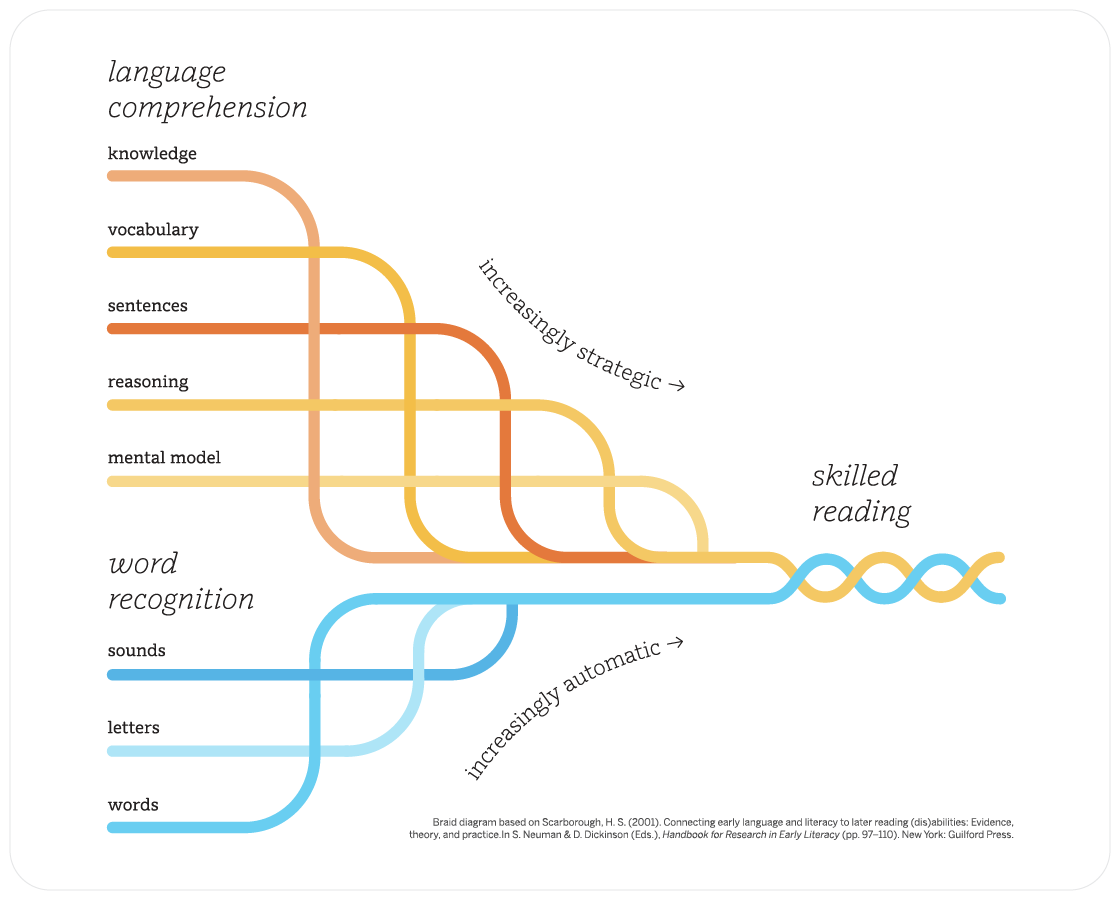
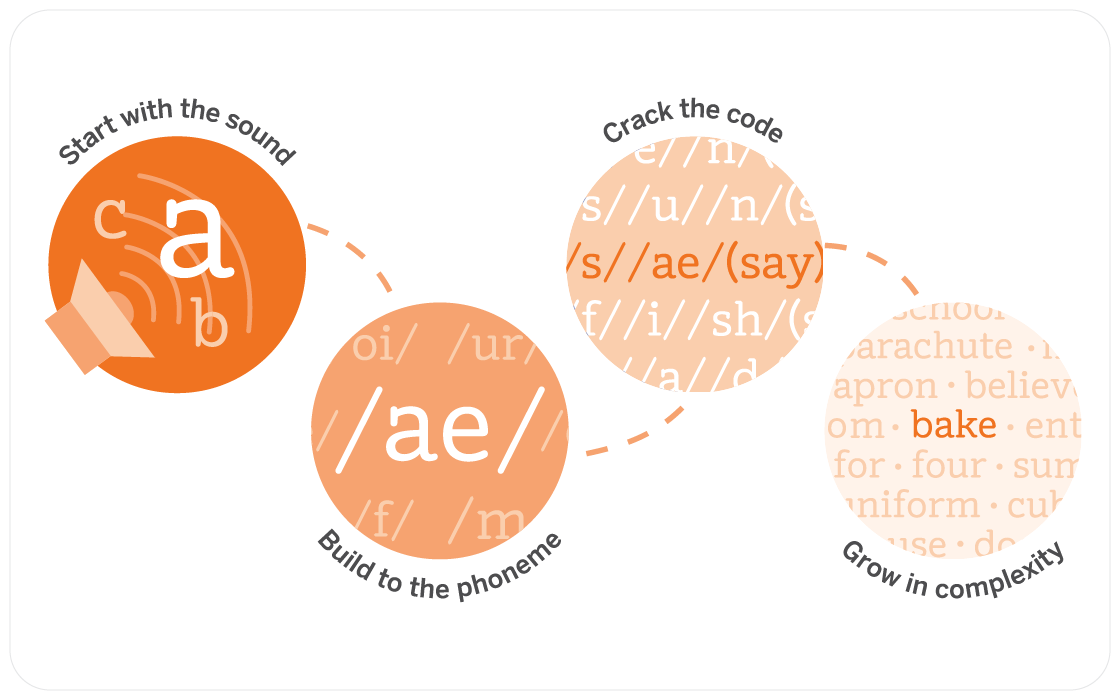
Desarrolla destrezas fundamentales con instrucción explícita y sistemática
El alcance y la secuencia basados en la investigación de Amplify CKLA progresan desde el desarrollo de destrezas simples hasta el más complejo, comenzando con la conciencia fonológica y fonémica. La instrucción le guía en la enseñanza explícita de las 150 ortografías de los 44 sonidos del inglés, con una progresión intencional y una revisión de las destrezas para preparar a sus estudiantes para el éxito.
Adopta una metodología demostrada de adquisición de conocimientos
Siguiendo la Core Knowledge Sequence, un enfoque coherente, acumulativo y de contenido específico para desarrollar conocimientos, los estudiantes profundizan y hacen conexiones entre áreas de contenido para construir una base de conocimientos sólida que les permita comprender textos complejos. Vea cómo se ha demostrado que el plan de estudios Core Knowledge mejora los puntajes de lectura y elimina las brechas en el rendimiento.

Creado en colaboración con la Core Knowledge Foundation
Amplify CKLA es el líder en materiales educativos de alta calidad para lengua y literatura de primaria, creado en colaboración con la Core Knowledge Foundation para ayudar a los estudiantes a desarrollar con eficacia un conocimiento profundo del contenido y destrezas fundamentales.
Cultivar la alfabetización bilingüe con programas paralelos en inglés y español
Amplify Caminos es el compañero perfecto en lengua y literatura del idioma español para Amplify CKLA. Los programas alineados combinan un rico conocimiento del contenido con una instrucción sistemática de destrezas fundamentales basada en la Ciencia de la lectura que sigue los principios de alfabetización bilingüe, y respalda múltiples modelos de enseñanza.


Estudio de eficacia de Amplify CKLA
Evidencia de conformidad con la ESSA (nivel 1): la adquisición de
conocimientos con Amplify CKLA mejora los logros.
Qué se incluye
El programa proporciona atractivos materiales impresos y multimedia diseñados para construir una base sólida y rica en lectoescritura en todos los salones de clase.
CoreELD y complementos
Materiales de alta calidad para los maestros
Los maestros de Amplify CKLA brindan instrucción de manera eficaz con recursos impresos y digitales, que incluyen:
- Guías para el maestro con diferenciación integrada.
- Evaluaciones formales e informales.
- Diapositivas de lecciones listas para usar y personalizables.
- Libros comerciales y Guías literarias.
- Recursos docentes y desarrollo profesional a pedido.
Recursos inmersivos para estudiantes
Los estudiantes de Amplify CKLA se mantienen interesados con una amplia gama de recursos impresos y digitales, que incluyen:
- Descodificables originales y Libros grandes de lectura en voz alta (K a 2.º grado), Libros de lectura (3.er a 5.º grados) y libros comerciales (K a 5.º grado).
- Cuadernos de actividades para estudiantes con evaluaciones integradas (K a 5.º grado).
- Unidades de investigación para investigaciones independientes desarrollados en torno a un libro comercial (K a 5.º grado).
- Diario del poeta y Diario del escritor (libros de lectura con espacio para escribir para 4.º y 5.º grados).
- Misiones de conocimiento para apoyar el aprendizaje inmersivo basado en problemas en los grados 3.º a 5.º.
Materiales prácticos de fonética
La fonética multisensorial y los recursos de destrezas fundamentales ayudan a los estudiantes a practicar destrezas clave utilizando enfoques divertidos y variados que desarrollan la independencia.
- Carpetas para la práctica de ortografía (K).
- Tarjetas de letras (K a 2.º grado).
- Tarjetas de sílabas (K a 2.º grado).
- Tarjetas de imágenes (K a 3.er grado).
- Tarjetas de combinación de imágenes (K).
- Rotafolios de códigos de consonantes y vocales (1.er y 2.º grados).
- Biblioteca de sonido digital exclusiva.
Experiencia digital robusta
Los recursos para maestros y estudiantes de Amplify CKLA están disponibles a través de una plataforma de experiencia digital que mejora la instrucción y le ahorra tiempo. Con todo lo que necesita en un solo lugar, puede planificar lecciones, presentar contenido y revisar el trabajo de los estudiantes de manera eficaz.
- Presentaciones de lecciones con diapositivas listas para usar y personalizables.
- Herramienta dinámica para estudiantes con revisión en vivo.
- Experiencia interactiva y amigable para los estudiantes.
- Integración LMS.
- Videos animados de Desarrollo de conocimiento
- Lecturas en voz alta grabadas.
- Sitio web de desarrollo profesional.
- Apoyo al programa en tiempo real por correo electrónico, chat en vivo y teléfono.
Programa para estudiantes del idioma inglés
Language Studio, diseñado para Amplify CKLA, brinda instrucción diaria alineada con WIDA para que los estudiantes del idioma inglés profundicen su inglés académico.
Programa de exploración de escritura
Writing Studio, un complemento único para Amplify CKLA, ofrece una inmersión profunda en la redacción de información, narrativa y opinión para formar escritores fuertes y apasionados.
Explore otros programas basados en la Ciencia de la lectura
Todos los programas de nuestro paquete de alfabetización están diseñados para que se respalden y complementen entre sí. Aprenda más sobre nuestros programas relacionados:
¡Les damos la bienvenida, familias de la ciudad de Nueva York!
Nos complace darles la bienvenida a usted y a su estudiante al programa Amplify Caminos Lectoescritura para el nuevo año escolar y brindarles oportunidades de aprendizaje excepcionales a través de nuestro programa. Hemos reunido una serie de recursos y guías que ayudarán a que su estudiante aproveche al máximo nuestra plataforma. Ponemos a su disposición estos materiales para que también usted pueda brindar apoyo a su estudiante a lo largo de todo el año.
Para la versión en inglés, haga clic aquí.

¿Qué es Amplify Caminos Lectoescritura?
Amplify Caminos Lectoescritura es un programa integral de destrezas fundamentales para los grados K a 2 que ayuda a que los estudiantes adquieran seguridad y fluidez en la lectura.
Basado en la Ciencia de la Lectura, el programa ha sido desarrollado para respetar por completo las estructuras y matices del idioma español. En lugar de limitarse a traducir las reglas fonéticas del inglés, Amplify Caminos Lectoescritura ofrece una progresión culturalmente auténtica, basada en investigaciones y diseñada para encaminar a los estudiantes más jóvenes a alcanzar un éxito duradero como lectores.
Primeros pasos
Cómo apoyar a su estudiante en casa:
- Si es posible, lea con su estudiante a diario; incluso 15 minutos de lectura juntos cada día pueden generar un gran impacto.
- Lea secciones del texto en voz alta y de forma conjunta. Si su estudiante tiene dificultad para leer en voz alta, intente leer el texto con expresividad y después pídale a su estudiante que haga lo mismo.
- Busquen momentos para conversar sobre lo que están leyendo y descubriendo en clase. Por ejemplo, usted podría preguntarle:¿Qué te llamó más la atención de lo que leíste hoy? ¿Alguna frase o palabra te resultó confusa? ¿Qué conclusión puedes sacar del pasaje del autor? ¿Qué crees que intentaba comunicar el autor? ¿Estás de acuerdo con las ideas o descripciones del autor? ¿Qué conexiones puedes establecer entre lo que estás leyendo y tu propia vida u otros temas sobre los que hayas escuchado algo?
- Escuche a su estudiante leer las respuestas que haya escrito o pídale que las comparta con un amigo en una videollamada.
- Consulte el artículo Proteja a los niños en internet de la Comisión Federal de Comercio, cuyo tema es la seguridad digital.
Iniciar sesión
Estudiantes de grados K a 2
Los estudiantes de grados K a 2 podrán iniciar sesión con las credenciales compartidas que proporcionó el maestro.
Desde el dispositivo del estudiante, diríjase a learning.amplify.com.
Seleccione “Log in” y luego introduzca los datos de ingreso o seleccione “Scan QR code” para iniciar sesión usando un código QR. Los estudiantes ingresarán a su página principal (Student Home), ¡donde podrán cambiar su avatar y hacer clic en un emoji para definir su estado de ánimo del día! En la página principal del estudiante, encontrarán un vínculo de acceso rápido al Student Hub.
Nota: Los códigos de inicio compartidos les permiten a los estudiantes de grados K a 2 que usan Amplify Caminos Hub, y a los estudiantes aún no matriculados por su escuela o distrito, ingresar a los programas digitales de Amplify.
Vistazo general a los materiales
Si cuenta con acceso a internet, su estudiante puede ingresar a parte del plan de estudios digital de Amplify Caminos Lectoescritura. Contacte a su maestro para obtener los datos de ingreso.
Libros de lectura
Amplify Caminos Lectoescritura es un programa de Artes del Lenguaje Español (SLA, por sus siglas en inglés), de modo que los libros de lectura están en español y se ajustan al código de español que se enseña en Amplify Caminos Lectoescritura. Estos libros solo estarán disponibles para maestros y estudiantes que implementen Caminos Lectoescritura en su salón de SLA o de dos idiomas.
Los libros de lectura están diseñados exclusivamente para brindarles a los estudiantes práctica intensiva mientras leen historias simples y auténticas.
En los grados K a 2, los libros de lectura contienen capítulos que permiten a su estudiante practicar los sonidos y patrones de deletreo recién aprendidos, así como palabras de uso común en español. Lo anterior le ayudará a comprender lo que lee y a disfrutar de cuentos encantadores con personajes interesantes.

Cuadernos de actividades para estudiantes
Como parte de las lecciones diarias, estas páginas de actividades piden a los estudiantes que respondan al texto leído y apliquen destrezas y conocimientos. También incluyen evaluaciones (a las que tienen acceso los maestros) que monitorean el desarrollo de las destrezas de los estudiantes.

El Hub de Caminos para estudiantes
Los estudiantes acceden a recursos multimedia y disfrutan de una nueva experiencia digital en el Hub de Caminos. Pueden acceder al Hub desde casa, en el salón de clases o dondequiera que estén, lo que lo hace ideal para el aprendizaje a distancia. También es compatible con computadoras portátiles, Chromebooks, tabletas y computadoras de escritorio; incluso lo hemos optimizado para dispositivos móviles.

Sonidos para los grados K a 2
La Biblioteca de sonidos contiene grabaciones del audio de fonemas. Los maestros pueden incorporar en cualquier momento los materiales de la Biblioteca de sonidos a las actividades existentes, ya sea al comienzo de las lecciones de Lectoescritura o como un repaso divertido para el salón de clases.
Los sonidos de la biblioteca están organizados por unidad, y los sonidos de cada unidad se pueden encontrar en las pestañas de la parte superior de la pantalla. Cada pestaña contiene tarjetas para cada sonido. En cada tarjeta se puede reproducir una grabación del sonido seleccionando el icono del altavoz.

Biblioteca
El Hub del lector de libros electrónicos permite a los niños acceder fácilmente a toda la biblioteca de libros de Caminos Lectoescritura. Un índice sencillo facilita la navegación por libros más extensos. Los libros electrónicos de Amplify Caminos Lectoescritura incluyen el conjunto completo de libros de lectura para estudiantes de kindergarten a segundo grado.

¿Tiene alguna pregunta sobre Amplify Caminos Lectoescritura?
Visite nuestra biblioteca de ayuda (en inglés) y busque respuestas a sus preguntas sobre el programa en nuestros artículos de ayuda.
Para obtener apoyo curricular adicional, comuníquese con su maestro.
¡Les damos la bienvenida, familias de Amplify Caminos!
Nos complace darles la bienvenida a usted y a su estudiante al programa Amplify Caminos para el nuevo año escolar y brindarles oportunidades de aprendizaje excepcionales a través de nuestro programa. Hemos reunido una serie de recursos y guías que ayudarán a que su estudiante aproveche al máximo nuestra plataforma. Ponemos a su disposición estos materiales para que también usted pueda brindar apoyo a su estudiante a lo largo de todo el año.
Para la versión en inglés, haga clic aquí.
¿Qué es Amplify Caminos?
Amplify Caminos es un programa de enseñanza del español para los grados K a 5. Está basado en la Ciencia de la lectura y fue creado y desarrollado completamente para el idioma español.
Hemos diseñado Amplify Caminos en torno a temas que interesan a los niños, desde temas de ciencia e historia universal hasta grandes obras literarias y artísticas. Los estudiantes conectan lo que aprenden en las distintas unidades y grados, profundizando su comprensión y participación cada año.
Primeros pasos
Cómo apoyar a su estudiante en casa:
- Si es posible, lea con su estudiante a diario; incluso 15 minutos de lectura juntos cada día pueden generar un gran impacto.
- Lea secciones del texto en voz alta y de forma conjunta. Si su estudiante tiene dificultad para leer en voz alta, intente leer el texto con expresividad y después pídale a su estudiante que haga lo mismo.
- Busquen momentos para conversar sobre lo que están leyendo y descubriendo en clase. Por ejemplo, usted podría preguntarle:¿Qué te llamó más la atención de lo que leíste hoy? ¿Alguna frase o palabra te resultó confusa? ¿Qué conclusión puedes sacar del pasaje del autor? ¿Qué crees que intentaba comunicar el autor? ¿Estás de acuerdo con las ideas o descripciones del autor? ¿Qué conexiones puedes establecer entre lo que estás leyendo y tu propia vida u otros temas sobre los que hayas escuchado algo?
- Escuche a su estudiante leer las respuestas que haya escrito o pídale que las comparta con un amigo en una videollamada.
- Consulte el artículo Proteja a los niños en internet de la Comisión Federal de Comercio, cuyo tema es la seguridad digital.
Iniciar sesión
Estudiantes de grados K a 2
Los estudiantes de grados K a 2 podrán iniciar sesión con las credenciales compartidas que proporcionó el maestro.
Desde el dispositivo del estudiante, diríjase a learning.amplify.com.
Seleccione “Log in” y luego introduzca los datos de ingreso o seleccione “Scan QR code” para iniciar sesión usando un código QR. Los estudiantes ingresarán a su página principal (Student Home), ¡donde podrán cambiar su avatar y hacer clic en un emoji para definir su estado de ánimo del día! En la página principal del estudiante, encontrarán un vínculo de acceso rápido al Student Hub.
Nota: Los códigos de inicio compartidos les permiten a los estudiantes de grados K a 2 que usan Amplify Caminos Hub, y a los estudiantes aún no matriculados por su escuela o distrito, ingresar a los programas digitales de Amplify.
Estudiantes de grados 3 a 5
Diríjase a learning.amplify.com.
Seleccione “Log in” y luego introduzca los datos de ingreso o seleccione “Scan QR code” para iniciar sesión usando un código QR. Los estudiantes ingresarán a su página principal (Student Home), ¡donde podrán cambiar su avatar y hacer clic en un emoji para definir su estado de ánimo del día! En la página principal del estudiante (Student Home), encontrarán un vínculo de acceso rápido al Student Hub.
Nota: Para poder ingresar a la página principal de estudiante, los estudiantes que se encuentran en esta banda de grados deben estar matriculados y tener una licencia adecuada. Contacte a su maestro para obtener los datos de ingreso.
Vistazo general a los materiales
Si cuenta con acceso a internet, su estudiante puede ingresar a parte del plan de estudios digital de Amplify Caminos. Contacte a su maestro para obtener los datos de ingreso.
Libros de lectura
Amplify Caminos es un programa de Artes del Lenguaje Español (SLA, por sus siglas en inglés), de modo que los libros de lectura están en español y se ajustan al código de español que se enseña en Amplify Caminos. Estos libros solo estarán disponibles para maestros y estudiantes que implementen Caminos en su salón de SLA o de dos idiomas.
Los libros de lectura están diseñados exclusivamente para brindarles a los estudiantes práctica intensiva mientras leen historias simples y auténticas.
En los grados K a 2, los libros de lectura contienen capítulos que permiten a su estudiante practicar los sonidos y patrones de deletreo recién aprendidos, así como palabras de uso común en español. Lo anterior le ayudará a comprender lo que lee y a disfrutar de cuentos encantadores con personajes interesantes. En los grados 3 a 5, los libros de lectura contienen una variedad de textos literarios e informativos ricos en contenido, los cuales ayudan a que los estudiantes desarrollen destrezas de lectura atenta y otras destrezas de lectoescritura.
Cuadernos de actividades para estudiantes
Como parte de las lecciones diarias, estas páginas de actividades piden a los estudiantes que respondan al texto leído y apliquen destrezas y conocimientos. También incluyen evaluaciones (a las que tienen acceso los maestros) que monitorean el desarrollo de las destrezas de los estudiantes.
El Hub de Caminos para estudiantes
Los estudiantes acceden a recursos multimedia y disfrutan de una nueva experiencia digital en el Hub de Caminos. Pueden acceder al Hub desde casa, en el salón de clases o dondequiera que estén, lo que lo hace ideal para el aprendizaje a distancia. También es compatible con computadoras portátiles, Chromebooks, tabletas y computadoras de escritorio; incluso lo hemos optimizado para dispositivos móviles.
Sonidos para los grados K a 2
La Biblioteca de sonidos contiene grabaciones del audio de fonemas. Los maestros pueden incorporar en cualquier momento los materiales de la Biblioteca de sonidos a las actividades existentes, ya sea al comienzo de las lecciones de Lectoescritura o como un repaso divertido para el salón de clases.
Los sonidos de la biblioteca están organizados por unidad, y los sonidos de cada unidad se pueden encontrar en las pestañas de la parte superior de la pantalla. Cada pestaña contiene tarjetas para cada sonido. En cada tarjeta se puede reproducir una grabación del sonido seleccionando el icono del altavoz.
Biblioteca
El Hub del lector de libros electrónicos permite a los niños acceder fácilmente a toda la biblioteca de libros de Caminos. Un índice sencillo facilita la navegación por libros más extensos. Los libros electrónicos de Amplify Caminos incluyen el conjunto completo de libros de lectura para estudiantes de kindergarten a quinto grado.
Misiones
En los grados 3 a 5, cada grado incluye una Misión Básica. En estas unidades especiales se modifican todas las reglas habituales del salón de clases y los estudiantes interactúan con el lenguaje de maneras sorprendentemente nuevas. Por ejemplo, en quinto grado, aprenden a apreciar el denso lenguaje shakespeariano de “Sueño de una noche de verano” haciendo una lectura atenta, prestando atención a las imágenes evocadas e incluso representando algunas escenas.
¿Tiene alguna pregunta sobre Amplify Caminos?
Visite nuestra biblioteca de ayuda (en inglés) y busque respuestas a sus preguntas sobre el programa en nuestros artículos de ayuda.
Para obtener apoyo curricular adicional, comuníquese con su maestro.
Familias y cuidadores, ¡bienvenidos a Amplify Desmos Math California
6–12!
Bienvenidos al Caregiver Hub de Amplify Desmos Math California 6–12. Diseñamos este espacio para apoyar a su estudiante en su proceso de aprendizaje de las matemáticas.
En clase, su estudiante trabaja con lecciones digitales usando dispositivos, así como cuadernos de trabajo de la Edición del estudiante (Student Edition). También se le pueden asignar prácticas digitales o impresas fuera de clase. A continuación, encontrará algunas sugerencias y recursos para apoyar el aprendizaje de su estudiante en casa.
Obtenga más información sobre Amplify Desmos Math California.
For the English version, please click here.
Recursos de la unidad para cuidadores
Para cada unidad del programa, hemos creado un Recurso para cuidadores (Caregiver Resource), el cual ofrece un resumen de la lección, además de un problema que usted puede resolver con su estudiante (y una clave de respuestas). Estos recursos están disponibles tanto en inglés como en español, junto con un glosario de términos clave en ambos idiomas.
Unidad 1: Área y área de superficie
Unidad 2: Introducción a las razones
Unidad 3: Tasas y porcentajes
Unidad 4: División de fracciones
Unidad 5: Aritmética decimal
Unidad 6: Expresiones y ecuaciones
Unidad 7: Números positivos y negativos
Unidad 8: Descripción de datos – ¡Próximamente!
Unidad 1: Dibujos a escala
Unidad 2: Introducción a las relaciones proporcionales
Unidad 3: Medidas de círculos
Unidad 4: Relaciones proporcionales y porcentajes
Unidad 5: Operaciones con números positivos y negativos
Unidad 6: Expresiones, ecuaciones y desigualdades
Unidad 7: Ángulos, triángulos y prismas
Unidad 8: Probabilidad y muestreo
Unidad 1: Transformaciones rígidas y congruencia
Unidad 2: Dilataciones, semejanza y pendiente
Unidad 3: Relaciones proporcionales y lineales
Unidad 4: Ecuaciones lineales y sistemas lineales
Unidad 5: Funciones y volumen
Unidad 6: Asociación de datos
Unidad 7: Exponentes y notación científica
Unidad 8: Teorema de Pitágoras y números irracionales
Unidad 1: Patrones y secuencias
Unidad 2: Ecuaciones lineales y desigualdades
Unidad 3: Descripción de datos
Unidad 4: Descripción de funciones
Unidad 5: Sistemas de ecuaciones lineales y desigualdades
Unidad 6: Funciones exponenciales
Unidad 7: Funciones cuadráticas
Unidad 8: Ecuaciones cuadráticas
Ingrese a Amplify Desmos Math California en casa.
Su estudiante tendrá acceso digital a todos los materiales de aprendizaje, práctica y evaluación a través de la plataforma de Amplify. Es posible acceder al currículo digital desde la escuela o desde casa siguiendo estas instrucciones:
- Haga clic en el botón Amplify Desmos Math California.
- Seleccione Log in with Amplify.
- Ingrese el nombre de usuario y la contraseña que el maestro de su estudiante les haya proporcionado.
- Seleccione el nivel escolar deseado.
Una vez iniciada la sesión, usted y su estudiante podrán ver los trabajos abriendo tareas anteriores.
Aprenda a navegar por la página de inicio de los estudiantes (student home page).
Apoye el aprendizaje de las matemáticas en casa.
Usted puede apoyar el aprendizaje de las matemáticas de su estudiante fuera de la escuela de muchas maneras:
Relacione las matemáticas con las actividades cotidianas del hogar, ya sea hornear, ir de compras o planear un viaje. Su estudiante puede ayudarle a determinar el precio de un artículo con un cupón, reducir una receta a la mitad o calcular cuánto combustible necesitan para llegar a su destino.
Invite al estudiante a que le explique paso a paso cómo resolvió cada problema o le platique qué partes le resultaron difíciles de resolver. Para fomentar el uso del lenguaje matemático, considere hacer las siguientes preguntas al estudiante: “¿Cómo lo sabes?”, “¿Cómo puedes mostrar tu razonamiento?” o “¿Cómo describirías eso?”. Si el estudiante no consigue avanzar, hágale preguntas de apoyo, por ejemplo: “¿Qué información de aquí conoces?” o “¿Cómo podrías representar este problema?”.
Recuerde al estudiante que bloquearse es una parte natural y necesaria (incluso benéfica) del proceso de aprendizaje. Muchos estudiantes (al igual que personas adultas) temen equivocarse, pero las investigaciones demuestran que equivocarse ayuda a que nuestro cerebro se desarrolle. Cuando su estudiante no consiga avanzar en un problema, anímelo a seguir intentando diferentes estrategias, aunque no esté seguro de si son correctas.
Esperamos que su estudiante disfrute explorando las matemáticas, trabajando con amigos para resolver problemas y aprendiendo conceptos nuevos e interesantes. ¡Y esperamos que ambos disfruten de esta emocionante aventura matemática!
Obtenga más información.
¿Tiene alguna pregunta sobre Amplify Desmos Math California? Visite nuestra biblioteca de ayuda (en inglés) para buscar artículos con respuestas a sus preguntas sobre el programa. Para obtener más ayuda, por favor comuníquese con su maestro.
Familias y cuidadores, ¡bienvenidos a Amplify Desmos Math 6–12!
Bienvenidos al Caregiver Hub de Amplify Desmos Math 6–12. Diseñamos este espacio para apoyar a su estudiante en su proceso de aprendizaje de las matemáticas.
En clase, su estudiante trabaja con lecciones digitales usando dispositivos, así como cuadernos de trabajo de la Edición del estudiante (Student Edition). También se le pueden asignar prácticas digitales o impresas fuera de clase. A continuación, encontrará algunas sugerencias y recursos para apoyar el aprendizaje de su estudiante en casa.
Obtenga más información sobre Amplify Desmos Math.
For the English version, please click here.

Recursos de la unidad para cuidadores
Para cada unidad del programa, hemos creado un Recurso para cuidadores (Caregiver Resource), el cual ofrece un resumen de la lección, además de un problema que usted puede resolver con su estudiante (y una clave de respuestas). Estos recursos están disponibles tanto en inglés como en español, junto con un glosario de términos clave en ambos idiomas.
Unidad 1: Área y área de superficie
Unidad 2: Introducción a las razones
Unidad 3: Tasas y porcentajes
Unidad 4: División de fracciones
Unidad 5: Aritmética decimal
Unidad 6: Expresiones y ecuaciones
Unidad 7: Números positivos y negativos
Unidad 8: Descripción de datos – ¡Próximamente!
Unidad 1: Dibujos a escala
Unidad 2: Introducción a las relaciones proporcionales
Unidad 3: Medidas de círculos
Unidad 4: Relaciones proporcionales y porcentajes
Unidad 5: Operaciones con números positivos y negativos
Unidad 6: Expresiones, ecuaciones y desigualdades
Unidad 7: Ángulos, triángulos y prismas
Unidad 8: Probabilidad y muestreo
Unidad 1: Transformaciones rígidas y congruencia
Unidad 2: Dilataciones, semejanza y pendiente
Unidad 3: Relaciones proporcionales y lineales
Unidad 4: Ecuaciones lineales y sistemas lineales
Unidad 5: Funciones y volumen
Unidad 6: Asociación de datos
Unidad 7: Exponentes y notación científica
Unidad 8: Teorema de Pitágoras y números irracionales
Unidad 1: Patrones y secuencias
Unidad 2: Ecuaciones lineales y desigualdades
Unidad 3: Descripción de datos
Unidad 4: Descripción de funciones
Unidad 5: Sistemas de ecuaciones lineales y desigualdades
Unidad 6: Funciones exponenciales
Unidad 7: Funciones cuadráticas
Unidad 8: Ecuaciones cuadráticas
Unidad 1: Área y área de superficie
Unidad 2: Introducción a las razones y tasas
Unidad 3: Fracciones y decimales
Unidad 4: Expresiones y ecuaciones
Unidad 5: Relaciones proporcionales y no proporcionale
Unidad 6: Porcentajes y más relaciones proporcionales
Unidad 7: Números positivos y negativos
Unidad 8: Conjuntos de datos y distribuciones
Unidad 1: Transformaciones rígidas y congruencia
Unidad 2: Dibujos a escala, dilataciones y semejanza
Unidad 3: Ecuaciones y desigualdades
Unidad 4: Relaciones lineales y sistemas de ecuaciones lineales
Unidad 5: Funciones y volumen
Unidad 6: Asociación de datos
Unidad 7: Volumen y área de superficie
Unidad 8: Exponentes y notación científica
Unidad 9: Teorema de Pitágoras y números irracionales
Ingrese a Amplify Desmos Math en casa.
Su estudiante tendrá acceso digital a todos los materiales de aprendizaje, práctica y evaluación a través de la plataforma de Amplify. Es posible acceder al currículo digital desde la escuela o desde casa siguiendo estas instrucciones:
- Haga clic en el botón Amplify Desmos Math.
- Seleccione Log in with Amplify.
- Ingrese el nombre de usuario y la contraseña que el maestro de su estudiante les haya proporcionado.
- Seleccione el nivel escolar deseado.
Una vez iniciada la sesión, usted y su estudiante podrán ver los trabajos abriendo tareas anteriores.
Aprenda a navegar por la página de inicio de los estudiantes (student home page).
Apoye el aprendizaje de las matemáticas en casa.
Usted puede apoyar el aprendizaje de las matemáticas de su estudiante fuera de la escuela de muchas maneras:
Relacione las matemáticas con las actividades cotidianas del hogar, ya sea hornear, ir de compras o planear un viaje. Su estudiante puede ayudarle a determinar el precio de un artículo con un cupón, reducir una receta a la mitad o calcular cuánto combustible necesitan para llegar a su destino.
Invite al estudiante a que le explique paso a paso cómo resolvió cada problema o le platique qué partes le resultaron difíciles de resolver. Para fomentar el uso del lenguaje matemático, considere hacer las siguientes preguntas al estudiante: “¿Cómo lo sabes?”, “¿Cómo puedes mostrar tu razonamiento?” o “¿Cómo describirías eso?”. Si el estudiante no consigue avanzar, hágale preguntas de apoyo, por ejemplo: “¿Qué información de aquí conoces?” o “¿Cómo podrías representar este problema?”.
Recuerde al estudiante que bloquearse es una parte natural y necesaria (incluso benéfica) del proceso de aprendizaje. Muchos estudiantes (al igual que personas adultas) temen equivocarse, pero las investigaciones demuestran que equivocarse ayuda a que nuestro cerebro se desarrolle. Cuando su estudiante no consiga avanzar en un problema, anímelo a seguir intentando diferentes estrategias, aunque no esté seguro de si son correctas.
Esperamos que su estudiante disfrute explorando las matemáticas, trabajando con amigos para resolver problemas y aprendiendo conceptos nuevos e interesantes. ¡Y esperamos que ambos disfruten de esta emocionante aventura matemática!
Obtenga más información.
¿Tiene alguna pregunta sobre Amplify Desmos Math? Visite nuestra biblioteca de ayuda (en inglés) para buscar artículos con respuestas a sus preguntas sobre el programa. Para obtener más ayuda, por favor comuníquese con su maestro.
Plan de estudios de lectura personalizado para acelerar la alfabetización en su salón de clase de K a 5.º grado
Boost Reading ayuda a los educadores de K a 5.º grado a satisfacer las necesidades de cada lector con instrucción de lectoescritura personalizada basada en la Ciencia de la lectura. Nuestros datos de eficacia, medidos por DIBELS® 8.ª edición, muestran que Boost Reading ayudó a un 36 % más de estudiantes a alcanzar el punto de referencia que aquellos que no utilizaban el programa. Este plan de estudios de lectura de Amplify se adapta a cualquier modelo de aprendizaje y proporciona conocimientos prácticos de crecimiento a lo largo del camino. For English version, please click here.
Instrucción personalizada basada en evidencia
Boost Reading es un plan de estudios de lectura suplementario dirigido por estudiantes que le brinda tiempo adicional para apoyar a otros estudiantes y refuerza la instrucción en todos los niveles de instrucción con una verdadera diferenciación en el desarrollo de destrezas. Es su asistente digital en la instrucción de alfabetización: amplía la instrucción básica, aborda las necesidades de recuperación y adapta constantemente las actividades para ayudar a cada lector a prosperar.
Nuestro enfoque
Eficacia probada y comprobada
Se ha demostrado que con solo 30 minutos de uso por semana, Boost Reading mejora los resultados en todas las mediciones de DIBELS 8.ª edición y aumenta el número de estudiantes encaminados hacia el éxito en la lectura en K a 5.º grado, cumpliendo el criterio de evidencia moderado de ESSA (nivel 2). Profundice en nuestro reciente estudio de eficacia en la página de investigación de Boost Reading.
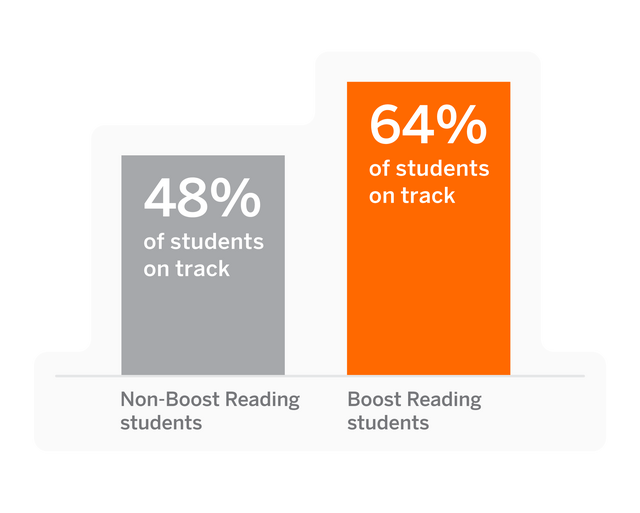

Coherencia pedagógica en todos los niveles
El paquete integral de alfabetización temprana de Amplify, la instrucción básica Amplify CKLA, la evaluación e intervención mCLASS® y la práctica personalizada Boost Reading proporcionan una alineación perfecta y una base sólida a partir de la Ciencia de la lectura para un sistema de apoyo de múltiples niveles en su salón de clase.
Práctica de lectura sistemática y dirigida, para todos
La tecnología altamente adaptable crea mapas de destrezas individuales para cada estudiante, ya sea que estén leyendo por debajo del nivel, a nivel o por encima del nivel de grado, proporcionando recuperación y avance simultáneos en diferentes dominios de destrezas. El programa es un componente eficaz de las soluciones de intervención y recuperación de su salón de clase, con instrucción explícita para todos los estudiantes, incluidos aquellos con dislexia o en clases de educación especial.

Cerrar la brecha para estudiantes multilingües de K a 5.º grado
El programa homólogo de lectoescritura en español de Boost Reading, Boost Lectura, apoya a los estudiantes bilingües emergentes de habla hispana que aprenden a leer en su lengua materna. Cuando se usan juntos, los dos programas impulsan el crecimiento de la alfabetización en inglés y español y brindan a los maestros informes paralelos sobre el progreso de las destrezas en ambos idiomas.
Estudio de eficacia de Boost Reading
Cerrar la brecha de alfabetización para estudiantes de K a 5.º grado
Descargar ahoraQué se incluye
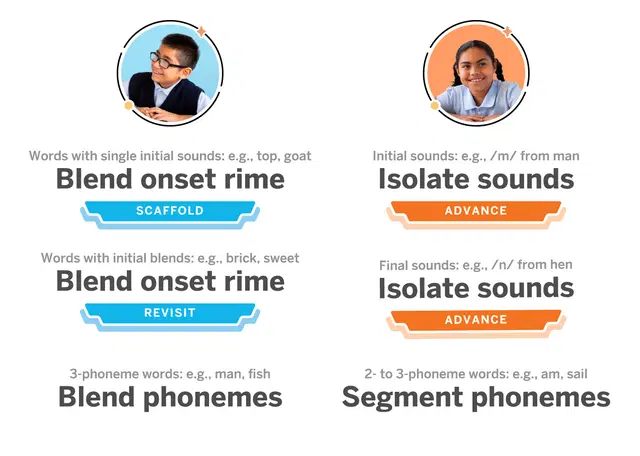
Tecnología de última generación
Boost Reading se adapta constantemente para personalizar la instrucción y brindar andamiaje en las destrezas fundamentales de los estudiantes, desarrollando el dominio de una actividad motivante a la vez. Los estudiantes nunca se quedarán atascados en actividades de práctica estáticas.
Abarca todas las destrezas
El alcance y la secuencia se basan en la Ciencia de la lectura e incluyen instrucción explícita en fonética, conciencia fonológica, comprensión, vocabulario y todas las destrezas críticas para leer con fluidez y /contconfianza.
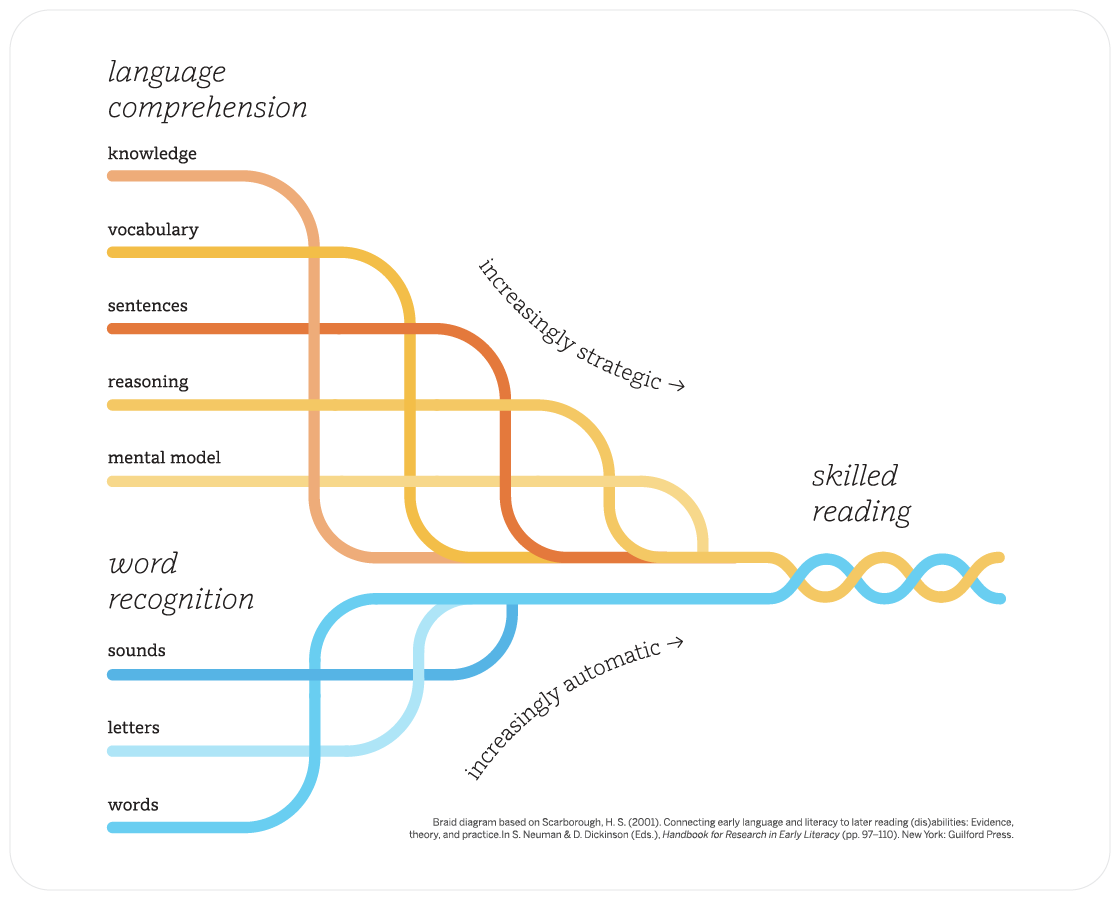
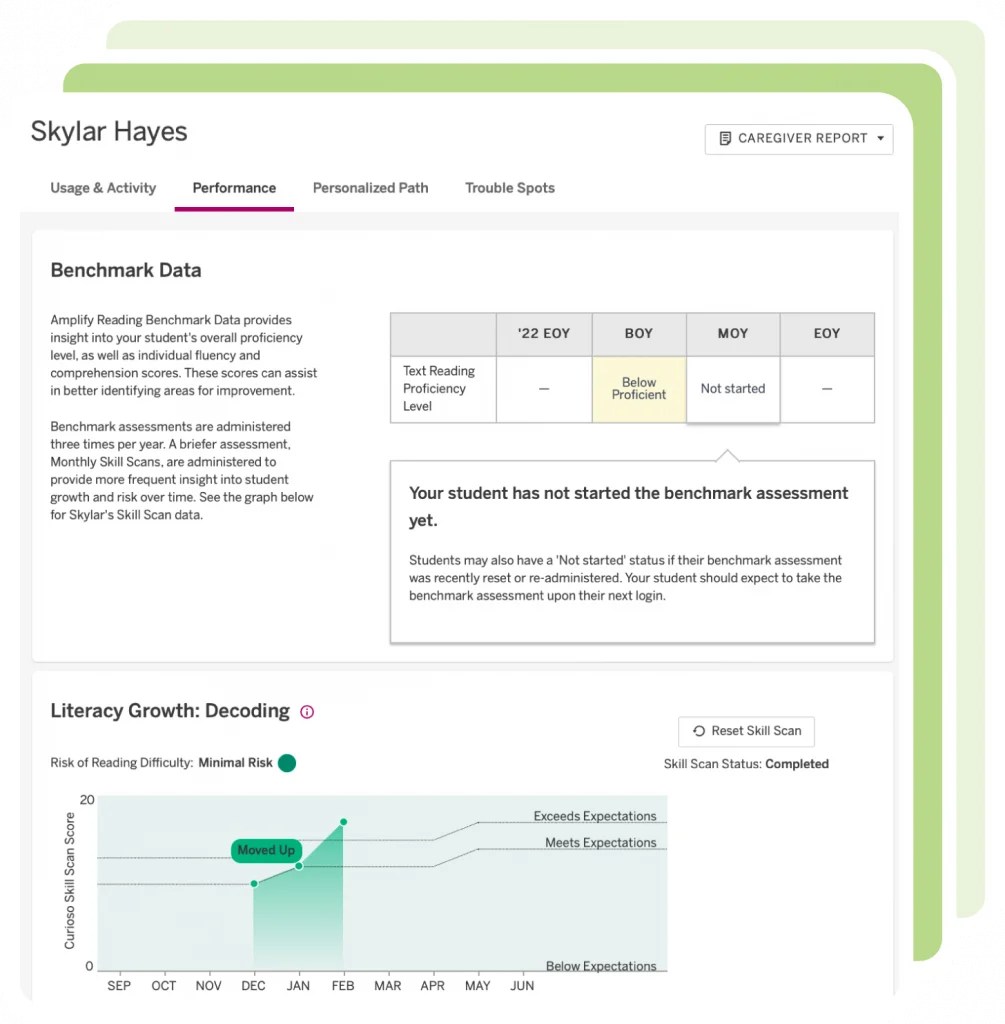
Evaluaciones de referencia y progreso
Las evaluaciones de referencia integradas miden el dominio de los estudiantes al principio, a la mitad y al final del año, y los Curioso Skill Scans miden el progreso mensual de los estudiantes que utilizan el programa sin interrumpir su participación.
Informes de crecimiento y competencia fáciles de usar
Las evaluaciones integradas da a los maestros información práctica sobre las experiencias de lectura de los estudiantes. La visibilidad del desempeño brinda a los maestros la tranquilidad de saber que los estudiantes están logrando un progreso significativo en su desarrollo de lectoescritura.
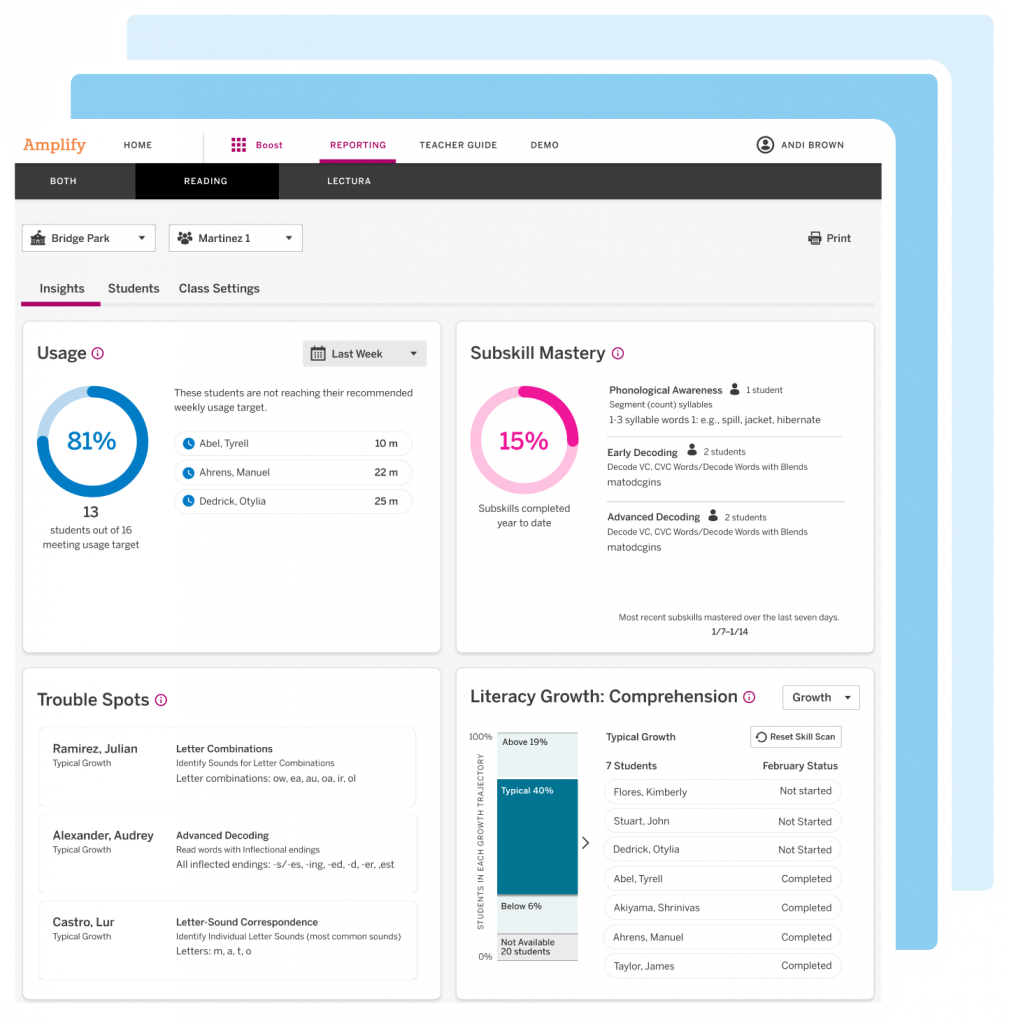
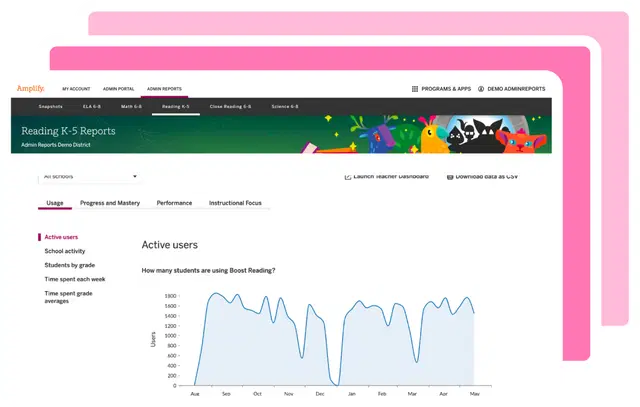
Informes para administradores y cuidadores
Los administradores y cuidadores pueden acompañar al estudiante en su trayectoria de lectura mediante datos sobre el uso del programa, el progreso en la lectura y el dominio de las destrezas.
Actividades basadas en la investigación para reforzar destrezas
Boost Reading alerta a los educadores sobre las dificultades que encuentran los estudiantes en el desarrollo de sus destrezas y ofrece lecciones y recursos de alfabetización adicionales de K a 5.º grado para que los maestros aborden y fortalezcan esas destrezas.


Boost Reading es un orgulloso ganador de los premios Tech & Learning Awards of Excellence: Best for Back to School 2023.
Conocer másExplore otros programas basados en la Ciencia de la lectura.
Todos los programas de nuestro paquete de alfabetización están diseñados para apoyarse y complementarse entre sí. Conozca más sobre nuestros programas relacionados:

Para enseñar se necesita confianza, con Luz Selenia Muñoz

Meet Our Guest(s):

Luz Selenia Muñoz
Luz S. Muñoz es maestra de Segundo grado en un programa de educación en dos idiomas. Ha enseñado por 20 años. Entre sus responsabilidades diarias está planificar lecciones en español, desarrollar sus estrategias para la clase y reunirse con las familias o cuidadores de los estudiantes, así como conocerlos mejor cada día al conectar con ellos.
Durante su tiempo libre fuera del salón de clases, puedes ver a Luz caminando al aire libre o con un libro en la mano. Le gusta divertirse con su familia y crear ideas que hagan la enseñanza más divertida para sus estudiantes. También le gusta compartir esas ideas con otros maestros. Puedes encontrar a Luz en Instagram como @lucecitalunera y en Facebook como @sonrisas.que.inspiran.dual.language.
Conozca a nuestra presentadora, Ana Torres
Ana ha trabajado en educación por 30 años, tanto en K–8 como en educación superior. Ha ejercido como administradora e instructora en diversas universidades e institutos públicos y privados. También ha sido maestra de lenguaje e idiomas, de matemáticas y de intervención para la lectura en programas bilingües y de educación en dos idiomas, así como coach de enseñanza de lenguaje e idiomas, vicedirectora y directora en escuelas de K–8. Actualmente, Ana se especializa en programas bilingües y de educación en dos idiomas en el departamento de Product de Amplify, desde donde ofrece presentaciones sobre lectoescritura y lectoescritura bilingüe por todo el país. La pasión y el apoyo a la educación multicultural y bilingüe que Ana desarrolla la ha llevado a educar tanto a líderes como a maestros y padres sobre el impacto positivo que estas áreas tienen en nuestro mundo.
Transcripts and additional resources:
Quotes
“Yo diría que algo que se ha quedado grabado es hacer conexiones. Hacer conexiones con los estudiantes, conocer quiénes son, de dónde vienen, qué les gusta. Y al hacer eso haces tu vida como maestro más fácil y más sencilla.”
“Yo creo que le diría que tenga paciencia. Paciencia. Que respire. Que las cosas van a mejorar cada día.”