Showing results for lemov

Season 10, Episode 3

Finding fluency at the heart of comprehension, with Doug Lemov


In this episode of Science of Reading: The Podcast, Susan Lambert is joined by Doug Lemov, former teacher and school principal, to discuss how teachers can identify when disfluency is actually the root cause for students’ struggles with comprehension—and what they can do about it. Using his new book, The Teach Like a Champion Guide to the Science of Reading, to guide the discussion, Susan and Doug address building attention stamina, the argument for reading whole books, and the value of expressive read-alouds. Finally, Doug ends the episode asserting that humans are meant to live in community, and that a deeper level of comprehension is unlocked through empathic connection to text and the experience of reading with others.

Meet Our Guest(s):

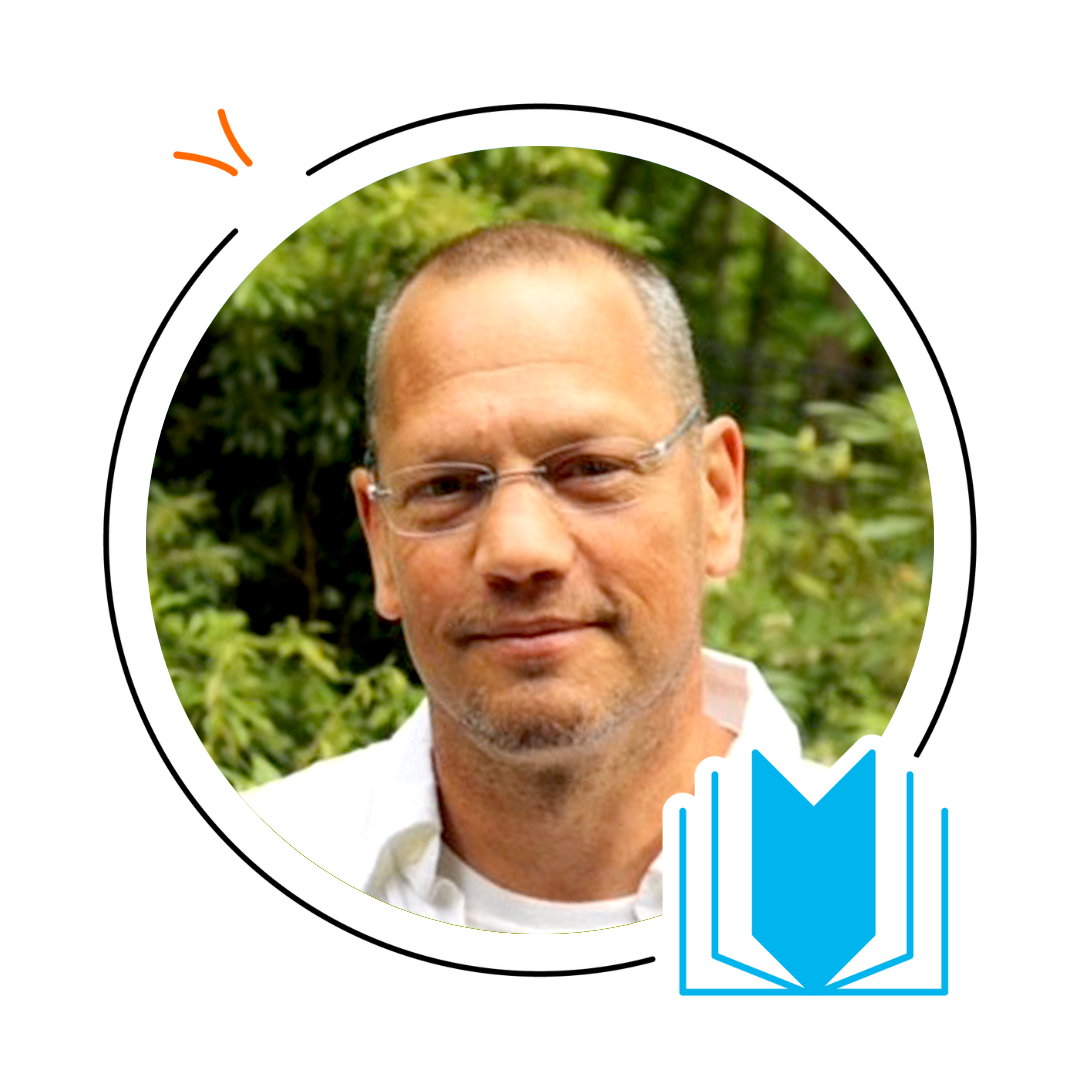
A middle-aged man with glasses and a white shirt is smiling outdoors, framed by a circular border with a blue book icon in the corner—perfect for an emergent readers or science of reading podcast profile.

Doug Lemov

Doug Lemov is a former teacher and school principal whose books describe the techniques of high-performing teachers. His best-known book, Teach Like a Champion, has been translated into more than a dozen languages. The Teach Like a Champion Guide to the Science of Reading, published in July 2025 and co-written with Colleen Driggs and Erica Woolway, looks at how cognitive science can be better applied to the teaching of reading. Doug holds a bachelor’s in English from Hamilton College, a master’s in English Literature from Indiana University, and a Master’s of Business Administration from the Harvard Business School.

Meet our host, Susan Lambert

Susan Lambert is Chief Academic Officer of Literacy at Amplify and host of Science of Reading: The Podcast. Throughout her career, she has focused on creating high-quality learning environments using evidence-based practices. Lambert is a mom of four, a grandma of four, a world traveler, and a collector of stories.

As the host of Science of Reading: The Podcast, Lambert explores the increasing body of scientific research around how reading is best taught. A former classroom teacher, administrator, and curriculum developer, she’s dedicated to turning theory into best practices that educators can put right to use in the classroom, and to showcasing national models of reading instruction excellence.
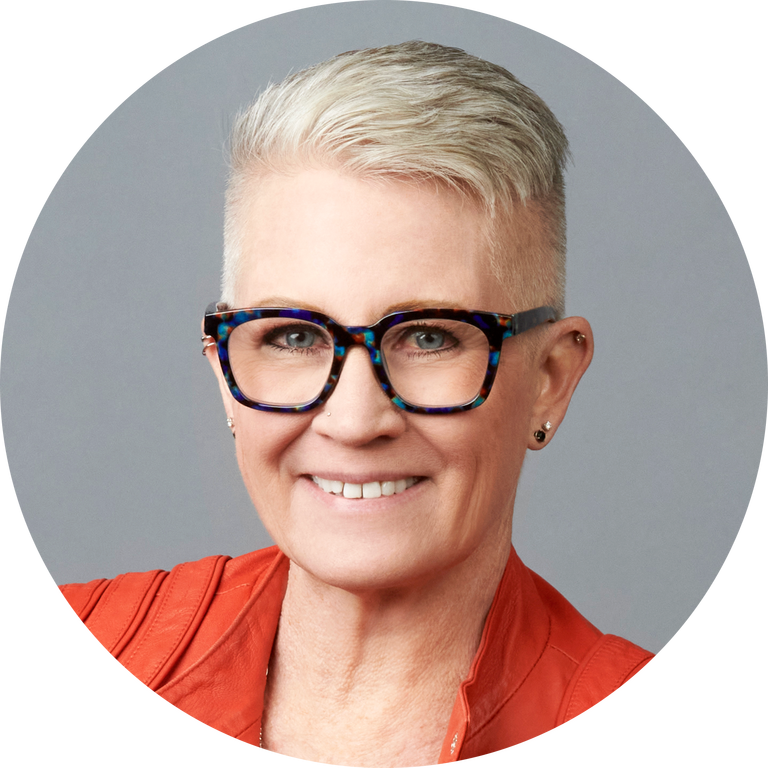
Person with short blonde hair, glasses, and earrings, wearing an orange jacket, smiling in front of a plain gray background—committed to literacy education and fostering background knowledge for all learners.

Quotes

“When you know the science, you should have the autonomy to make real decisions and to solve problems in your classroom. That's how education works.”

—Doug Lemov

“If you're not a fluent reader, you can't be a deep reader.”

—Doug Lemov

“The research is clear that when you start to read expressively externally, then your internal reading voice while reading silently is much more expressive and therefore infused with more meaning.”

—Doug Lemov

“Fluent reading, when it includes prosody, is meaning made audible.”

—Doug Lemov

“I just think it's easy for us to overlook how profoundly groupish we are, how we yearn for group formation, how stories, when they're told well, when they're shared, they bind us together in an experience.”

—Doug Lemov

“When we're sharing this experience that we're able to connect with the text itself, we're able to infuse some meaning through how we're reading that text. That lends us to a depth of comprehension that's really where we want any reader to get to.”

—Susan Lambert

“Comprehension just isn't coming out of a book knowing what the author said; it’s deeply connected to the content that you just experienced.”

—Susan Lambert

Episode 25: Aligning digital learning and the Science of Reading with Doug Lemov

Doug Lemov, author and managing director of Uncommon Schools, discusses the role of technology in the classroom and remote instruction, how educators should reconsider how they approach literacy, and his experience reconstructing a reading curriculum for this next phase of digital learning while holding true to the values of the Science of Reading.

Thank you for attending Amplify’s Impact Forum in Brooklyn!

We look forward to working with all the attending districts as you bring your change ideas back to your district.

if you have any questions, please email us at cfer@amplify.com.

Tools for Literacy Classrooms

Doug Lemov and Colleen Driggs

View videos

View presentation

Using Improvement Science

Sharon Greenberg

View presentation

Early Education and the Brain: Making Novel Connections

Bruce McCandliss

View presentation

The Case of Curriculum

Robert Pondiscio

View presentation

Getting Clear About the Goal: What Is Third-Grade Reading?

Elfrieda “Freddy” Hiebert

View presentation

The Now, Days 1 and 2

Rebecca Goldberg, Alison Fuller, and Macharva Housley (Bellwether Education Partners)

View presentation

Putting equity first

When so much about the world needs to shift, so urgently… here are a few places to start.

Listen: Educator, author, and leader Shawn Joseph shares his passion for social justice and discusses his work advocating for equity in education, shedding light on what he calls the “silent crisis” in literacy instruction.

Learn: Share Shawn Joseph’s discussion guide with your colleagues. Which insights are the most relevant to your district this year?

Lead: Take a look at this curated collection of multicultural and social justice books. Could one spark discussion for your students?

Lead: Share this infographic on the journey to freedom with your class. Ask students to select an event to research and present a two-minute video talk.

Leveraging the science of reading

Go deep on the insights and practices that will help our classrooms (remote or otherwise)–based on the latest science, and adaptable to every shift in the educational landscape.

Learn: Susan Lambert talks to Language Magazine about the science of reading and what it means right now.

Building strong foundational skills

Strong, systematic sound-first instruction is critical to helping students learn to decode and can increase student success. Learn how specific skills can increase your impact. 

Learn: Start with Emily Hanford’s “Hard Words” article.

Listen: Jasmine Lane on the importance of equity, and how early literacy teachers can make a difference.

Listen: Bruce McCandliss on the changes a child’s brain shows when learning to read

Lead: Challenge a colleague to this Scarborough’s Rope activity–work through a sample lesson from your district and point out elements of the reading rope.

Sharing knowledge resources

Students need to be able to both read words and get the meaning of what they’re reading. Find out how to help them build key background knowledge from the get-go, so that it compounds over time.

Learn: Begin with Why knowledge matters–then follow up with Natalie Wexler’s podcast

Learn: Take a look at Achieve the Core’s overview of the importance of building knowledge and the groundbreaking “baseball study

Listen: Anne Lucas on the importance of comprehension and the specific skills that can boost it.

Listen: Tim Shanahan on four crucial aspects in teaching reading and his views on teaching reading in middle school as an extension of evidence-based early literacy practices

Learn: Begin with Why knowledge matters–then follow up with Natalie Wexler’s podcast

Learn: Take a look at Achieve the Core’s overview of the importance of building knowledge and the groundbreaking “baseball study

Assessing what students need

Assessment this year is more important than ever before–and also more challenging. What does this extended summer slide look like? How can you find time to review what’s needed, while still moving forward?

Learn: Education for Global Development’s thoughts on formative assessment in the time of COVID-19.

Learn: District Administration on why educators want more data– and more guidance on how to use it

Learn: Catch up on dyslexia risk factors and state legislation with our dyslexia toolkit.

Listen: Nancy Nelson on the importance of universal screeners in literacy instruction.

Lead: What can you offer struggling readers and their caregivers? Take a look at the IDA’s COVID-19 Resource Guide.

Thriving through remote learning

Everything about this school year has changed–yet your work is more important than ever before. How can you support your students, and your colleagues, in this new normal? Stop by Amplify Anywhere for ideas that may help.

And while you’re here–please download your free PDF “20 Self-Care Tips for Educators Right Now” (and please take care of yourselves!).

Alana Mangham on Teaching Now

Natalie Wexler on the New Normal

Thinking about back-to-school

Though it feels like the landscape is changing every day, we know we’ve got to find a way to get students back to learning. What will your school day look like? What reinforcement might you need to do in order to ensure equity? We will continue to share resources to support your journey.

Learn: In this recorded webinar, explore some ways CARES Act funding might support your students.

Learn: Hear from Baltimore educator Lucas Drerup on making middle school ELA both enjoyable and rigorous for students.

Listen: Jackson-Madison CAO Jared Myracle shares his thoughts on change management and the science of reading.

Listen: Doug Lemov, managing director of Uncommon Schools, discusses the role of technology in the classroom and remote instruction, and how educators can reconsider how they approach literacy.

Lead: As you consider how and when to reopen, review this article from The Atlantic on Eight steps that will let us reopen schools.

Lead: Guidance from District Administration on reopening safely this fall.

Finding high-quality instructional materials

If you were already thinking about new literacy resources–you’ve now got even more ideas about what high quality looks like. How will your literacy program work for all students? How do you need your literacy resources to support you in the classroom, in remote learning, and for every scenario in between?

Learn: Review this guide to a high-quality curriculum adoption.  What factors matter most now, in literacy and in every subject?

Listen: Hear nationally recognized reading experts and authors David and Meredith Liben discuss evidence based solutions and more.

Lead: Download this K-8 ELA Instructional Materials Evaluation Guide. Share with your district leadership. What resources will you all need next year (and beyond) to do the best job possible for your students?

Lead: Talk to a few colleagues in the coming weeks. What are they seeing right now? What are they planning to improve next year?

Staying strong and staying connected!

Illustration for

Looking for ways to connect with other educators and stay updated on the latest research and trends in the science of reading? Check out a few more ways to do so below.

Science of Reading: The Podcast delivers the latest insights from researchers and practitioners in early reading. Further your professional development with each episode by subscribing and downloading them now.

Science of Reading: The Community is built for those committed to fostering conversation around the science of reading and implementing best practices in the classroom (including the virtual classroom).

Ready for more? Complete the form below to stay up-to-date on the latest resources.

Season 10, Episode 14

Your comprehension questions answered, with Nathaniel Swain, Ph.D.

In this episode of Science of Reading: The Podcast, returning guest Nathaniel Swain, Ph.D., joins Susan Lambert to close out the season by answering thoughtful and thought-provoking comprehension questions submitted by listeners. Nathaniel and Susan answer questions about comprehension strategies, the relationship between comprehension and memorization, and how to shift the mindset among your teaching colleagues to help them understand comprehension.

Second Mockup Episode 14: Your comprehension questions answered, with Nathaniel Swain, Ph.D.

To view this protected page, enter the password below:


Season 10, Episode 14

Your comprehension questions answered, with Nathaniel Swain, Ph.D.

In this episode of Science of Reading: The Podcast, returning guest Nathaniel Swain, Ph.D., joins Susan Lambert to close out the season by answering thoughtful and thought-provoking comprehension questions submitted by listeners. Nathaniel and Susan answer questions about comprehension strategies, the relationship between comprehension and memorization, and how to shift the mindset among your teaching colleagues to help them understand comprehension.

Mockup Episode 14: Your comprehension questions answered, with Nathaniel Swain, Ph.D.

To view this protected page, enter the password below:


The Foundation of Comprehension: Building Blocks That Matter

Tuesday, 2 pm ET

Susan Lambert unpacks the groundbreaking research shared by Doug Lemov, Susan Neuman, and Nancy Eberhardt at our recent Science of Comprehension Symposium. In this session, Susan will break down what these experts shared about the often-overlooked fluency-comprehension connection, the critical role of knowledge building in literacy instruction, and how syntactic awareness unlocks complex text understanding. You’ll discover classroom-ready strategies for applying this research, and tools to identify when dysfluency is the source behind comprehension struggles.