Amplify appoints Paul Sheppard as Chief Financial Officer
BROOKLYN, NY (January 14, 2021) — Amplify, a publisher of next-generation curriculum and assessment programs, announced today the appointment of Paul Sheppard as chief financial officer. Sheppard previously served as chief financial officer of Entangled (now Guild Education) and has held senior positions at several other education companies, including McGraw-Hill and Pearson.
As CFO at Entangled, a venture capital and advisory firm focused on education innovation, Sheppard helped the company implement best practices at scale across several departments, including finance, accounting, and operations. In 2020, Entangled was sold to Guild Education.
“Paul Sheppard is both an innovator and trusted leader who consistently delivers results. He is also deeply committed to our mission, which is important to us,” said Amplify CEO Larry Berger. “As an accomplished executive with demonstrated success in the education and corporate training sectors, Paul will further drive our financial planning and business growth, enabling Amplify to serve more educators and students across the country.”
During his time at McGraw-Hill, Sheppard served as chief operating officer for Learning Science Platforms and vice president of strategy. He helped transition the core business to a digital subscription model and led major research on the future of education. In his earlier career, Sheppard served as vice president of corporate development and strategy for Pearson.
About Amplify
A pioneer in K–12 education since 2000, Amplify is leading the way in next-generation curriculum and assessment. Our core and supplemental programs in ELA, math, and science engage all students in rigorous learning and inspire them to think deeply, creatively, and for themselves. Our formative assessment products turn data into practical instructional support to help all students build a strong foundation in early reading and math. All of our programs provide teachers with powerful tools that help them understand and respond to the needs of every student. Today, Amplify serves seven million students in all 50 states. For more information, visit amplify.com.
Amplify announces new board member Margaret Spellings
Brooklyn, NY (October 25, 2019) — Amplify, a publisher of next-generation curriculum and assessment programs, announced today that it appointed a new board member, Margaret Spellings. Spellings served as the secretary of education under former President George W. Bush from 2005–2009 and was the president of the University of North Carolina from 2016–2019. She was also an advisor to Bush when he served as governor of Texas. She is now president and CEO of Texas 2036, a non-profit organization dedicated to sustaining the success of Texas.
“We are very grateful for the vast experience that Margaret will bring to our board,” said Larry Berger, CEO of Amplify. “As a seasoned leader in U.S. education with expertise at the national, state, and university levels, she will provide invaluable guidance to our company as we continue growing and serving more educators and students across the country.”
“I am excited for this opportunity to work with a company that creates such high-quality curriculum and assessment programs,” said Spellings. “I have seen in my work just how critical it is to provide educators with well-designed materials that engage all of their students in rigorous learning, and I’m committed to partnering with Amplify to help advance the movement of bringing strong curricular materials to schools across the U.S.”
Spellings joins Amplify’s existing board members: Russlynn Ali, Managing Director, Education at the Emerson Collective; Brad Powell, Managing Director, Investments at the Emerson Collective; and Larry Berger, CEO at Amplify.
About Amplify
A pioneer in K–12 education since 2000, Amplify is leading the way in next-generation curriculum and assessment. Our captivating core and supplemental programs in ELA, math, and science engage all students in rigorous learning and inspire them to think deeply, creatively, and for themselves. Our formative assessment products turn data into practical instructional support to help all students build a strong foundation in early reading and math. All of our programs provide teachers with powerful tools that help them understand and respond to the needs of every student. Today, Amplify serves five million students in all 50 states. For more information, visit amplify.com.
Contact: media@amplify.com
Amplify Education welcomes executive Paul Griffin
Brooklyn, NY (February 24, 2020) — Amplify, a publisher of next-generation curriculum and assessment programs, announced today the appointment of Paul Griffin as vice president of strategic urban initiatives. In Griffin’s new role, he will partner with sales managers across Amplify and work with large urban accounts and superintendents. Griffin previously served as head of national partnerships at Lexia Learning and director of urban initiatives at Houghton Mifflin, where he built relationships with key urban school districts and decision-makers across the nation.
“Amplify is thrilled to welcome Paul Griffin to the company,” said Rita Schaefer, senior vice president and national sales manager at Amplify. “Paul’s extensive K–12 experience, strong record of success, and long-standing ties within the industry will allow us to deliver the dynamic opportunities that educators and students across the country deserve.”
At Lexia Learning, Griffin worked with sales teams and district administrators to bring learning solutions to schools nationwide; at Houghton Mifflin he was the organization’s trusted liaison to member districts of the Council of Great City Schools. He has a long history of participation with nationally recognized organizations such as the Council of Urban Boards of Education (CUBE), The School Superintendents Association (AASA), the National Alliance of Black School Educators (NABSE), and the Association of Latino Administrators and Superintendents (ALAS).
Griffin is a former advisory board member of the National League of Cities, Youth, Education and Families Institute. He holds The President’s Award from the National Alliance of Black School Educators, the organization’s highest honor, as well as the California Alliance of African American Educators’ Corporate Leadership Award. He has been listed in Ebony Magazine’s 100 most influential Black Americans. Griffin continues to have a strong interest in increasing educational excellence across the country.
About Amplify
A pioneer in K–12 education since 2000, Amplify is leading the way in next-generation curriculum and assessment. Our captivating core and supplemental programs in ELA, math, and science engage all students in rigorous learning and inspire them to think deeply, creatively, and for themselves. Our formative assessment products turn data into practical instructional support to help all students build a strong foundation in early reading and math. All of our programs provide teachers with powerful tools that help them understand and respond to the needs of every student. Today, Amplify serves five million students in all 50 states. For more information, visit amplify.com.
Contact: media@amplify.com
Amplify announces new board member Michael Camuñez
Brooklyn, NY (October 21, 2020) – Amplify, a publisher of next-generation curriculum and assessment programs, announced today that it appointed a new board member, Michael Camuñez to its board of directors.
Camuñez serves as president and chief executive officer of Monarch Global Strategies LLC, a bi-national consulting firm providing strategic advice and advocacy to companies doing business in emerging economies, with a particular emphasis on Mexico and Latin America. Previously, Camuñez served as one of the nation’s leading commercial diplomats as the assistant secretary of commerce at the International Trade Administration, where he managed a global portfolio to help lead the U.S. government’s efforts to open new markets for U.S. goods and services. Prior to that, he also served as special counsel to the president at the White House.
“We are honored and excited to have Michael Camuñez join the board of Amplify,” said Amplify CEO Larry Berger. “His unique experience in political, legal, economic, and international worlds means he brings critical insight to our company as we continue growing and serving educators and students across the country and, in time, the globe.”
“Amplify’s mission to revolutionize education and expand access to learning through technology is not only exciting, it’s essential to help bridge the equity gap and accelerate learning for millions of children in the U.S. and around the world,” stated Camuñez. “I’m thrilled to be joining such an important endeavor with such a talented team.”
Camuñez joins Amplify’s existing board members: Russlynn Ali, CEO and co-founder, XQ Institute; Brad Powell, managing director, investments at the Emerson Collective; Margaret Spellings, president and CEO of Texas 2036; and Larry Berger, CEO at Amplify.
About Amplify
A pioneer in K–12 education since 2000, Amplify is leading the way in next-generation curriculum and assessment. Our core and supplemental programs in ELA, math, and science engage all students in rigorous learning and inspire them to think deeply, creatively, and for themselves. Our formative assessment products turn data into practical instructional support to help all students build a strong foundation in early reading and math. All of our programs provide teachers with powerful tools that help them understand and respond to the needs of every student. Today, Amplify serves seven million students in all 50 states. For more information, visit amplify.com.
Contact: media@amplify.com
Jason Zimba joins Amplify as Chief Academic Officer of STEM
BROOKLYN, NY (January 11, 2022) — Amplify, a publisher of next-generation curriculum and assessment programs, announced today the appointment of Jason Zimba, Ph.D., as chief academic officer of STEM. Zimba, who most recently founded Student Achievement Partners, a nonprofit organization dedicated to helping teachers and school leaders implement equitable, high-quality, college- and career-ready standards, has spent his career as a researcher, educator, and advocate for high-quality curriculum and instruction for all students.
Over the last 30 years, Zimba has participated in numerous endeavors related to the advancement of excellent STEM education for all students, including his work with Engage New York Math, Illustrative Math and the Next Generation Science Standards. In 2019, Zimba created Math Milestones, a nonprofit subsidiary of Student Achievement Partners, that provides educators with a carefully crafted set of tasks that make mathematics learning easy and accessible to diverse communities, including Black students, English learners, and students in poverty. He also worked with the nonprofit Learning Heroes on a series of resources to inspire and equip parents with information to help their children succeed in school.
“Jason has been one of the most influential and incisive voices about math and science education in the last 20 years, and we could not be happier that Jason has joined the Amplify team,” said Amplify Chief Executive Officer Larry Berger. ”Jason’s immense expertise in STEM education will help us create the next generation of high-quality math and science programs that engage all students in the beauty and rigor of STEM subjects.”
“I’m thrilled to be joining the passionate and talented Amplify team,” stated Zimba. “In the past two years educators have gone above and beyond for their students, and they deserve all the support we can provide. I look forward to working with my math and science colleagues to deliver excellent and innovative tools for teachers.”
A Rhodes scholarship recipient and former professor of physics and mathematics, Zimba holds a bachelor’s degree from Williams College, with a double major in mathematics and astrophysics; a master’s degree in mathematics from the University of Oxford; and a doctorate in mathematical physics from the University of California at Berkeley. He has worked as a researcher and educator, teaching mathematics and physics to university and high school students, and incarcerated adults. Zimba is also the author of the book “Force and Motion: An Illustrated Guide to Newton’s Laws,” which presents the laws not only in mathematical form but also visually. This unique approach allows students to appreciate the conceptual underpinnings of each law before moving on to qualitative descriptions of motion and, finally, to the equations and their solutions. Finally, as the first person in his family to attend college, Zimba has a deep commitment to giving all students access to a high-quality education and the opportunity to excel in STEM and other fields.
###
About Amplify
A pioneer in K–12 education since 2000, Amplify is leading the way in next-generation curriculum and assessment. Our core and supplemental programs in ELA, math, and science engage all students in rigorous learning and inspire them to think deeply, creatively, and for themselves. Our formative assessment products turn data into practical instructional support to help all students build a strong foundation in early reading and math. All of our programs provide teachers with powerful tools that help them understand and respond to the needs of every student. Today, Amplify serves ten million students in all 50 states. For more information, visit amplify.com.
Welcome, Amplify Tutoring caregivers!
Welcome to Amplify Tutoring! We’re excited to support your student with high-impact tutoring in both reading and/or math. Our program is grounded in research and designed to build confidence, strengthen foundational skills, and accelerate learning. We also provide tools and resources to help teachers and caregivers work together to create a strong culture of learning at home and at school. Para la versión en español, haga clic aquí.

What is high impact tutoring?
High-impact tutoring is small-group, targeted instruction that can lead to significant learning gains. Amplify Tutoring achieves these gains through the following best practices:

High-quality
materials
Tutors use high-quality reading and math lessons that are proven to work. You’ll see real progress and growth through your child’s individual data.

Frequent and consistent high-impact
tutoring sessions
Tutors provide personalized attention in small groups. Our program is designed for students to participate in three or more 30-minute sessions per week.

Supportive relationships and training
Consistent tutor-student pairings support relationship-building and higher achievement. Tutors receive ongoing professional development.
Amplify Tutoring provides your student with engaging and effective tutoring programming throughout the year.
Minutes matter
Every minute counts in helping your child learn and grow. To get the most out of tutoring, it’s important they come on time and attend regularly. Here are a few quick reminders:
How you can help your child get the most from tutoring
- Communicate with your child’s teacher. If your child can’t make it to tutoring, just let the teacher or coordinator know so they can support them.
- Make tutoring days a priority. Try your best to make sure your child is at school on tutoring days. Every session helps them grow!
- Ask for the tutoring schedule. Reach out to your child’s teacher or the tutoring coordinator to find out the days and times for tutoring.
- Plan around tutoring time. If you can, schedule appointments and other activities at different times so your child doesn’t miss a session.
Talking to your student about their Amplify Tutoring sessions
Discuss tutoring with your student at home or while getting ready for the day. To support their learning, you may consider:
Celebrating progress
Ask:
- What new reading skills or strategies have you learned?
- How has your reading improved since starting tutoring?
- Do you have any favorite books or activities in tutoring?
Setting goals together
Ask:
- What reading skills would you like to improve in tutoring?
- What goal would you like to achieve by the end of the tutoring program?
- What steps can you take to help achieve those goals?
- How can I help support your goals?
Sharing your support
Ask:
- How can I help you with your reading or math?
- Can we set aside time each day for you to practice your skills?
- What was the most interesting part of your tutoring session?
- What do you feel proud of achieving in this week’s sessions?
- When did you feel really excited about what you were learning?
Amplify Tutoring literacy support materials and resources
Caregivers, please find materials and resources below that may be helpful to you and your student.
mCLASS:
- Schools participating in Amplify Tutoring use mCLASS assessment and mCLASS Intervention.
- mCLASS assessment identifies reading risks and helps address student needs through targeted interventions such as high-impact tutoring.
- Check the Understanding mCLASS guide for reading assessments, caregiver resources, and growth.
- Explore the mCLASS caregiver hub in English and Spanish.
- View the sample HomeConnect letter that highlights your student’s strengths and growth areas.
- Visit the HomeConnect site which offers activities for your family to practice important literacy skills with your child.
Boost Reading:
- Boost Reading provides personalized instruction based on the Science of Reading.
- It complements your student’s high-impact tutoring, giving them a place to practice the same skills.
- Explore Boost Reading caregiver resources.
Note: All schools participating in Amplify Tutoring use mCLASS Intervention. Ask your student or their teacher about the implementation of Boost Reading.
Amplify Tutoring math support materials and resources
Caregivers, please find materials and resources below that may be helpful to you and your student.
Amplify Math Tutoring materials:
Learn more about the mCLASS Math Assessment your student will take.
- Schools participating in Amplify Math Tutoring use Amplify’s mCLASS math assessment, Amplify Desmos Math Mini-Lessons, and Amplify’s Fluency by Heart.
- mCLASS assessment provides valuable insights into student math thinking. It shows how students think about grade-level math and what they already understand.
- Amplify Desmos Math Mini-Lessons are the lessons tutors use to help guide your student through grade-level math concepts.
- Amplify’s Fluency by Heart is the fact fluency program your student will use during tutoring. Students are encouraged to continue to practice their fact fluency through this program outside of tutoring, too!
- Explore the Math Caregiver Hub in English and Spanish to learn more about Amplify Desmos Math!
- View the HomeConnect letter homepage, which includes a sample letter that highlights your student’s development of math skills against the grade-level expectations.
- Visit the Caregiver Resources, which offers activities for your family to practice key concepts.
- Learn more about the mCLASS Math Assessment your student will take.
Tutoring impacts

Amplify Tutoring works for students who need it most! In one large study of Amplify Tutoring in action, 70 percent of students who scored below benchmark and participated regularly in Amplify Tutoring made above-average growth. Tutored students were 22 percentage points more likely to make outsized growth than peers with a similar profile who did not receive high-impact tutoring at their school.
By providing targeted support tailored to individual needs, Amplify Tutoring enables students to receive the assistance they need and deserve.
See how Amplify Tutoring accelerates learning.
Looking for help or more information?
Visit amplify.com/tutoring to learn more about Amplify Tutoring.
For additional support, please contact your student’s teacher.
Thank you for everything you do to support your student’s learning!
Dyslexia toolkit for teachers

What do students at risk for dyslexia struggle with?
- Delay in learning tasks such as tying shoes, telling time
- Difficulty expressing self
- Inattentiveness, distractibility
- Inability to follow directions
- Left-right confusion
- Difficulty learning alphabet, times tables, words of songs
- Difficulty learning rhymes
- Poor playground skills
- Difficulty learning to read
- Mixing order of letters or numbers when writing
- Reversing letters or numbers
Supporting students with dyslexia: What can you do?
According to the International Dyslexia Association official publication of Perspectives on Language and Literacy, Vol. 44, 2018, here are six steps to help your struggling students:
1. Screen for dyslexia
- Become involved in implementing or improving universal screening programs for dyslexia by reminding administrators about specific laws.
- If you suspect your student has dyslexia, request that common reading and writing skills associated with dyslexia are assessed (e.g., basic reading skills [phonics and sight word identification], spelling, reading rate).
2. Dyslexia training for teachers and reading specialists
- Advocate for the appointment of a specific person in charge of dyslexia training.
- Request specific teacher training that includes structured literacy programs (e.g., explicit, systematic reading instruction, phonics instruction, etc.). Request dyslexia awareness training for all K–12 teachers.
3. Eligibility for accommodations and services for students with dyslexia
- Become involved in the Response to Intervention, Multi-tiered system of support, or a similar system at your school. Ensure that the accommodations and services that are provided are appropriate for students with dyslexia.
- Collaborate with colleagues to evaluate the effectiveness of accommodations and services being provided to students with dyslexia.
4. Classroom instruction for students with dyslexia
- Become familiar with differentiated instruction strategies (e.g., use of centers during instruction).
- Learn and help colleagues learn about specific reading programs designed to help students with dyslexia (e.g., structured literacy programs).
5. Dyslexia handbook
- Request that your state or district develop a dyslexia handbook to guide teachers and offer other states’ handbooks as a reference.
6. Dyslexia awareness
- Consult with fellow educational professionals in your school(s) to hold events and encourage discussions about dyslexia during October (National Dyslexia Month).
DIBELS® 8th Edition is validated for the following measures:
DIBELS 8th Edition Subtest Alignment with Dyslexia Screening Areas
| Rapid Naming Ability | Phonological Awareness | Alphabetic Principle | Word Reading | |
| Letter Naming Fluency |  | |||
| Phonemic Segmentation Fluency | | |||
| Nonsense Word Fluency | | | | |
| Word Reading Fluency | | |||
| Oral Reading Fluency | |
How mCLASS can help you identify and support at-risk students
mCLASS® with DIBELS® 8th Edition’s free dyslexia screening measures provide additional screening for risk of dyslexia in students in grades K–3 through subtests that help identify early warning signs of reading difficulty. Measures include:
- Vocabulary
- Encoding
- Rapid Automatized Naming (RAN)
- Word Reading Fluency (WRF)
- Letter Naming Fluency (LNF)
- Phonemic Segmentation Fluency (PSF)
What I should have learned in college, with Donna Hejtmanek



Transcripts and additional resources:
Meet Our Guest(s):
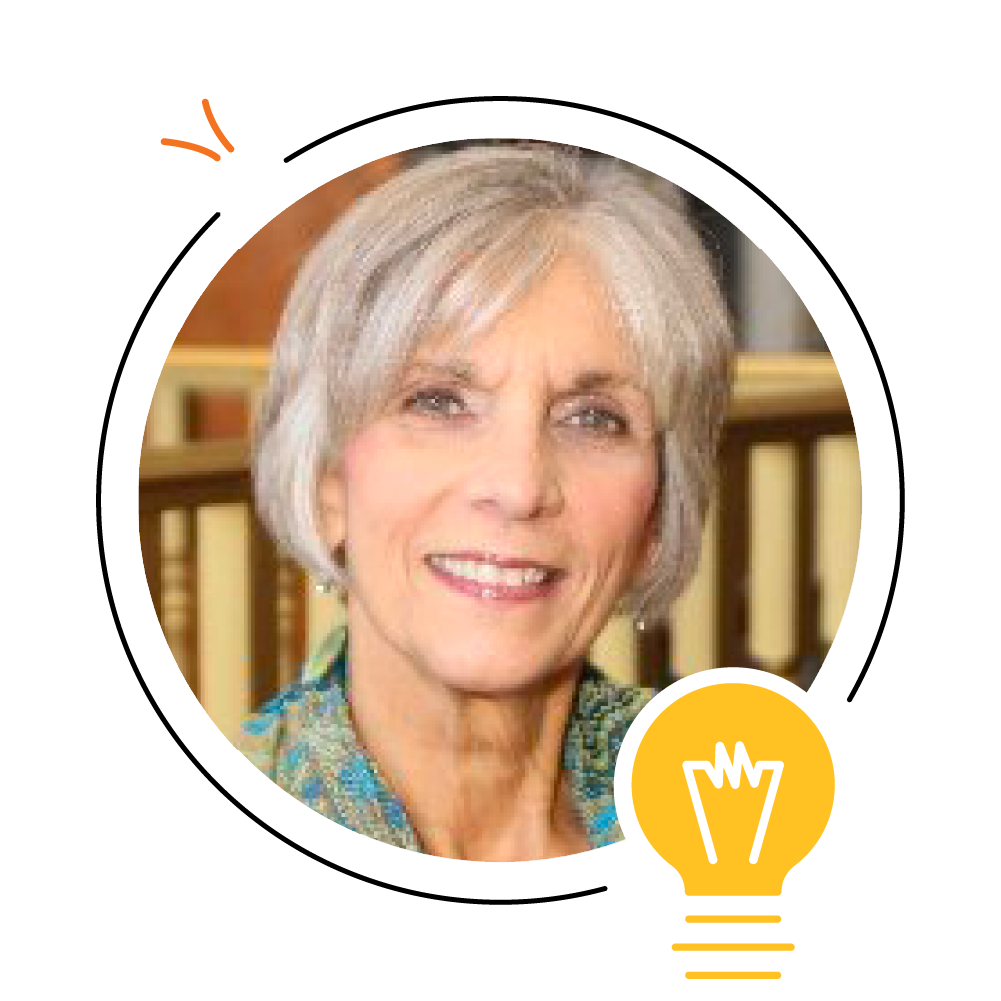
Donna Hejtmanek
Donna Hejtmanek spent 41 years serving as a reading specialist-interventionist and president of the Literacy Task Force of Northern Wisconsin. In 2014, Governor Walker appointed her to Wisconsin’s Read to Lead Literacy Council. She has also served as legislative chair of the International Dyslexia Association and on the Legislative Council Study Committee which produced and passed Wisconsin’s first dyslexia bill, signed in 2016. Now, she creates Science of Reading professional development for teachers on her Facebook group, Science of Reading—What I Should Have Learned in College.
Meet our host, Susan Lambert
Susan Lambert is the Chief Academic Officer of Elementary Humanities at Amplify, and the host of Science of Reading: The Podcast. Her career has been focused on creating high-quality learning environments using evidence-based practices. Susan is a mom of four, a grandma of four, a world traveler, and a collector of stories.
As the host of Science of Reading: The Podcast, Susan explores the increasing body of scientific research around how reading is best taught. As a former classroom teacher, administrator, and curriculum developer, Susan is dedicated to turning theory into best practices that educators can put right to use in the classroom, and to showcasing national models of reading instruction excellence.
Quotes
“The door's been cracked. It has to happen and it has to happen by having relationships with people. You just can’t walk in and just say, you know, this is the way it needs to be done. It's a slow process.”
“If you're trained in a certain way, you're only exposing yourself to those researchers doing those things and that type of information. And so you don't know other sources of information of other researchers and what else might be going on.”
“Learning the Science of Reading is not a, ‘You get it in one day.’ It's not like that. It's a journey and it takes time to assimilate everything you read and then turning that into a practice and shifting the thinking of millions of people.”
“You get better and better at it the longer you do it. So if we just stay stagnant and are closed-minded to new things that are out there, then we can't grow.”
Featured Episodes
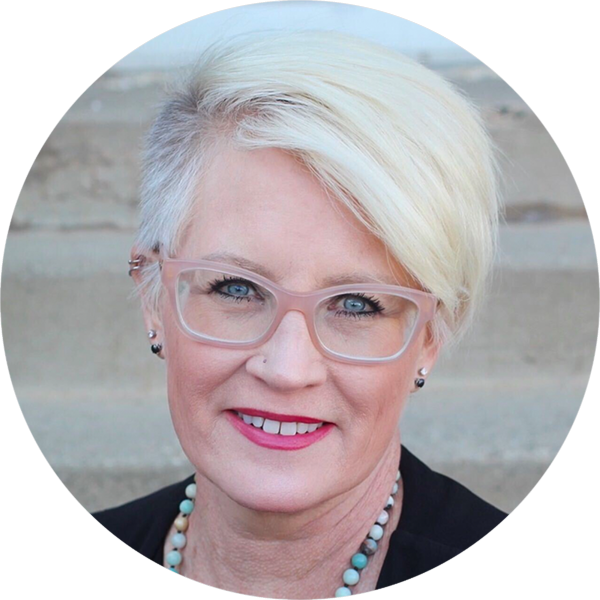
Science of Reading Essentials: Writing



Transcripts and additional resources:
Meet Our Guest(s):
Judith Hochman, Ed.D.
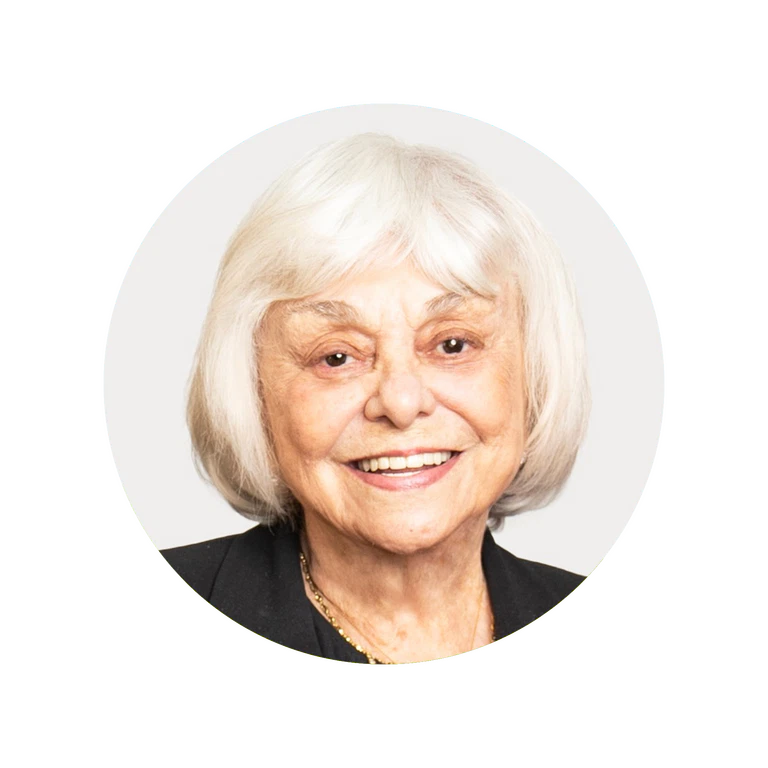
Judith C. Hochman is the former head of The Windward School and the founder of the Windward Teacher Training Institute in White Plains, New York, as well as the former superintendent of the Greenburgh Graham Free School District in Hastings-on-Hudson, New York. She is the founder of The Writing Revolution, a not-for-profit organization which disseminates evidence-based strategies for writing instruction. Hochman is the author of Basic Writing Skills: A Manual for Teachers and co-author of The Writing Revolution: A Guide to Advancing Thinking Through Writing in All Subjects and Grades (2017, 2024).
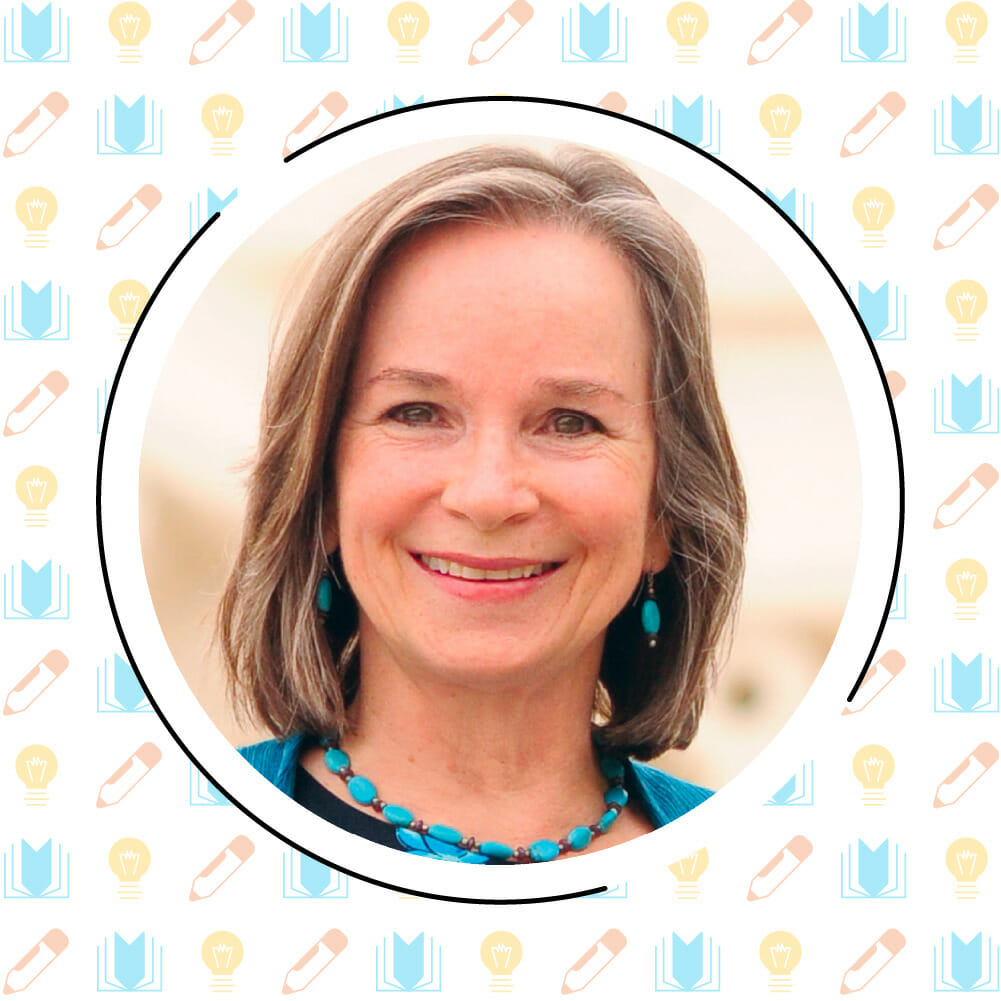
Natalie Wexler
Natalie Wexler is the author of Beyond the Science of Reading: Connecting Literacy Instruction to the Science of Learning. She is also the author of The Knowledge Gap: The Hidden Cause of America’s Broken Education System—and How to Fix It and the co-author, with Judith C. Hochman, of The Writing Revolution: A Guide to Advancing Thinking Through Writing in All Subjects and Grades. She has a free Substack newsletter called Minding the Gap, and she was the host of Season One of the Reading Comprehension Revisited podcast from the Knowledge Matters Campaign. More information is available at her website, www.nataliewexler.com.

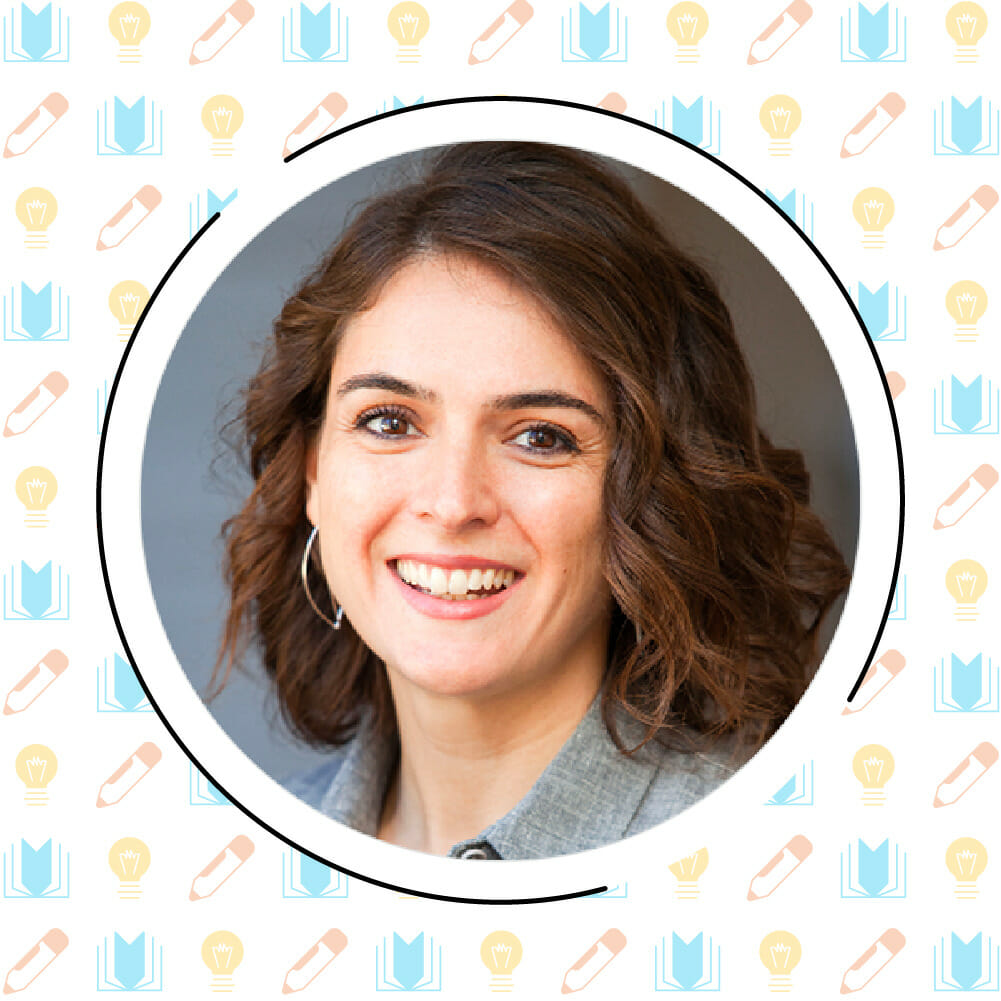
Young-Suk Grace Kim, Ed.D.
Young-Suk Grace Kim, Ed.D., (Harvard University) is a professor at the School of Education, University of California at Irvine. She was a former classroom teacher in San Francisco. Her scholarship focuses on understanding language and literacy development and effective instruction for children from diverse backgrounds. Her areas of research include reading comprehension, reading fluency, listening comprehension and oral language, dyslexia, higher-order cognitive skills, written composition, and reading-writing relations. She has worked extensively with monolingual children and multilingual children from various linguistic backgrounds including English, Korean, Chinese, Spanish, and Kiswahili. Her research has been supported by over $60 million in grants from the Institute of Education Sciences, the U.S. Department of Education, the National Institute of Child Health and Human Development, and the National Science Foundation. Her work was recognized by several awards, including the 2012 Presidential Early Career Award for Scientists and Engineers (PECASE) by former President Barack Obama, the Developing Scholar Award, and the Robert M. Gagne Outstanding Student Research Award. She is an American Educational Research Association (AERA) Fellow, and serves as the editor-in-chief for Scientific Studies of Reading and the chair of the California Reading Difficulties Risk Screener Selection Panel (RDRSSP), appointed by the California State Board of Education.

Steve Graham, Ed.D.
Steve Graham is a Regents’ and Warner Professor at Arizona State University’s Mary Lou Fulton College for Teaching and Learning Innovation. For 47 years, he has studied how writing develops, how to teach it effectively, and how it can be used to support reading and learning. In recent years, he has been involved in the development and testing of digital tools for supporting writing and reading through a series of grants from the Institute of Educational Sciences and the Office of Special Education Programs in the U.S. Department of Education. His research involves the development of writers with special needs in both elementary and secondary schools, much of which occurs in urban schools. Graham has received many awards for his contributions to literacy and was selected to the Reading Hall of Fame in 2018. He is a fellow of the American Educational Research Association, Division 15 of the American Psychological Association, and of the International Academy for Research in Learning Disabilities.
Meet our host, Susan Lambert
Susan Lambert is chief academic officer of literacy at Amplify and host of Science of Reading: The Podcast. Throughout her career, she has focused on creating high-quality learning environments using evidence-based practices. Lambert is a mom of four, a grandma of four, a world traveler, and a collector of stories.
As the host of Science of Reading: The Podcast, Lambert explores the increasing body of scientific research around how reading is best taught. As a former classroom teacher, administrator, and curriculum developer, Lambert is dedicated to turning theory into best practices that educators can put right to use in the classroom, and to showcasing national models of reading instruction excellence.
Quotes
“The Science of Reading encapsulates decades of research about both reading and writing—because if writing was never invented, we would not have to teach kids how to read.”
"What we see with exceptional teachers is they have their kids write."
“This is not learned by osmosis. And it's not learned by vague feedback like, 'Make it better,' or 'Add more details.' You've got to be very granular.”
Science of Reading Essentials: The science of learning

Transcripts and additional resources:
Meet Our Guest(s):

Natalie Wexler
Natalie Wexler is the author of multiple books, including Beyond the Science of Reading: Connecting Literacy Instruction to the Science of Learning and The Knowledge Gap: The Hidden Cause of America’s Broken Education System—and How to Fix It; and is the co-author, together with Judith C. Hochman, Ed.D., of The Writing Revolution: A Guide to Advancing Thinking Through Writing in All Subjects and Grades. She has a free Substack newsletter called Minding the Gap, and she was the host of the Knowledge Comprehension podcast, Season 1. More information is available on her website, www.nataliewexler.com.

Nathaniel Swain, Ph.D.
Nathaniel Swain is a teacher, instructional coach, and writer. He produces a blog for teachers called Dr. Swain’s Cognitorium and is cohost of the Chalk Dust podcast with Rebecca Birch. Nathaniel works directly with schools and systems through an online learning platform called Luminary.
He founded a community of educators committed to the science of learning, called Think Forward Educators. He also has a best-selling book, Harnessing the Science of Learning: Success Stories to Help Kickstart Your School Improvement.

Hugh Catts, Ph.D.
Hugh Catts’ research interests include the early identification and prevention of reading and disabilities. He is a former board member of the International Dyslexia Association and former president of the Society for the Scientific Study of Reading. He has received the Samuel T. Orton Award, the International Dyslexia Association’s highest honor, and the Honors of the Association award from the American Speech-Language-Hearing Association, for his career contributions in these disciplines. His current research concerns the early identification of reading and language difficulties and the nature and assessment of reading comprehension problems.

Daniel Willingham, Ph.D.
Daniel Willingham is a professor of psychology at the University of Virginia, where he has taught since 1992. Until about 2000, his research focused solely on the brain basis of learning and memory. Today, all of his research concerns the application of cognitive psychology to K–12 education. He is the author of several books, including the best-selling Why Don’t Students Like School? and Outsmart Your Brain. His writing on education has appeared in 23 languages. In 2017, he was appointed by President Barack Obama to the National Board for Education Sciences.

Peter C. Brown
Peter C. Brown is a bestselling writer and novelist, retired from a career as a management consultant. He is the lead author of Make It Stick: The Science of Successful Learning. Make It Stick has been translated into 17 foreign languages and received international acclaim for changing the way we understand learning.
Jamey Peavler, Ed.D.
Jamey Peavler is a co-director of and full-time instructor in the Graduate Reading Science program at Mount St. Joseph University. Before joining Mount St. Joseph, Jamey served as director of training for the M.A. Rooney Foundation. In addition, she works for the National Council for Teacher Quality (NCTQ) as a higher-education textbook and teacher licensure reviewer. Her research interests include instructional design, the impact of spaced practice and interleaving to support effortful retrieval and retention of information, the role of oral language and syntactic awareness on comprehension and written expression, and foundational skills for supporting literacy in the early childhood setting.


David Rapp, Ph.D.
David Rapp is the Walter Dill Scott Professor of Education, Social Policy, and Psychology at Northwestern University. His research examines language and memory, focusing on the cognitive mechanisms responsible for successful learning and knowledge failures. This has included investigations into the influence of inaccurate information on comprehension, the evaluation of technologies that support formal and informal learning, and the iterative development of tools and curricula intended to support literacy. Rapps’ projects have been funded by the National Science Foundation, the U.S. Department of Education, the National Institute on Aging, and Meta.
Meet our host, Susan Lambert, Ed.D.
Susan Lambert is chief academic officer of literacy at Amplify and host of Science of Reading: The Podcast. Throughout her career, she has focused on creating high-quality learning environments using evidence-based practices. Lambert is a mom of four, a grandma of four, a world traveler, and a collector of stories.
As the host of Science of Reading: The Podcast, Lambert explores the increasing body of scientific research around how reading is best taught. A former classroom teacher, administrator, and curriculum developer, she’s dedicated to turning theory into best practices that educators can put right to use in the classroom, and to showcasing national models of reading instruction excellence.
Quotes
“To build a meaningful memory of something that you can hold on to and use, you have to think about it.”
“Memory is a cognitive process. It's the way the brain encodes, stores, and retrieves information.”
“You can't learn something new if it doesn't connect to something you already know.”
“The catch about writing is it's hugely important. It can help cement knowledge and long-term memory, deep knowledge, et cetera.”
“When we have knowledge in our long-term memory, all of these limitations suddenly disappear.”
“We can only work with a limited set of information and when there's too much happening in our working memory, we experience cognitive overload. Essentially, our system is overloaded and we shut down.”
“Essentially, memory is what enables us to retain knowledge, skills, and experiences, forming the foundation for all learning and cognition.”
“The resonance model of comprehension suggests when someone asks a question, lots of ideas get activated automatically in memory.”
“Your mind is very good at bringing up from memory the necessary facts, the facts that will help you given the context.”
“A lot of our students that are having difficulty are experiencing cognitive overload. So the first thing we need to think about is how are we gonna minimize that for them?”
Syntax and comprehension, with Julie Van Dyke, Ph.D.
Transcripts and additional resources:
Meet Our Guest(s):

Julie Van Dyke, Ph.D.
Julie Van Dyke, Ph.D., holds joint appointments as an associate research professor at the Institute for Brain and Cognitive Sciences at the University of Connecticut; clinical assistant professor at the Yale University Child Study Center; and research scientist at the Yale-UConn Haskins Global Literacy Hub. She is also Chief Scientist at Cascade Reading. Previously, she served as a senior scientist at Haskins Laboratories for 22 years. Her deep dedication to improving reading outcomes for all children is fueled daily by her experience as the parent of a child with dyslexia, developmental language disability, dyscalculia, ADHD, and autism.
Meet our host, Susan Lambert
Susan Lambert is chief academic officer of Literacy at Amplify and host of Science of Reading: The Podcast. Throughout her career, she has focused on creating high-quality learning environments using evidence-based practices. Lambert is a mom of four, a grandma of four, a world traveler, and a collector of stories.
As the host of Science of Reading: The Podcast, Lambert explores the increasing body of scientific research around how reading is best taught. A former classroom teacher, administrator, and curriculum developer, she’s dedicated to turning theory into best practices that educators can put right to use in the classroom, and to showcasing national models of reading instruction excellence.
Quotes
“In English, syntax is word order. Syntax is the relationship between the entities in a sentence.”
“If you want to increase comprehension, you need to be explicit in syntax because that's the part of the language system that matters for comprehension.”
“Comprehension is the glue between the words. It's the process of gluing the words together, each word as you go.”
“The process itself [of comprehension] is the moment by moment, really millisecond by millisecond action of gluing words together in order to create a meaning.”
“We need to move the needle on the nation's report card. We still have two-thirds of our students who are unable to read at what we call proficient. I think the only way that we can really get that number to be closer to the 95% that we really want is to do something new. Syntax is the new thing.”
“If somebody knew how beautiful and systematic the language was, I think you would have people rushing when they wake up to go study syntax.”
Understanding assessment, with Melissa Farrall, Ph.D.
Transcripts and additional resources:
Meet Our Guest(s):

Melissa Farrall, Ph.D.
Melissa Farrall, Ph.D., is the author of Reading Assessment: Linking Language, Literacy and Cognition, and co-author of All About Tests & Assessments. She recently retired as director for evaluation at the Stern Center for Language and Learning in Vermont, and held an appointment as clinical assistant professor in the Department of Neurological Sciences at the Robert Larner College of Medicine at the University of Vermont, where she trained medical professionals about learning disabilities and reading. She continues to train evaluators and teach courses through the Stern Center and Vermont State University.
She has her doctorate from Brown University in Slavic linguistics, her master’s degree in learning disabilities from Rivier College, and certification as a specialist in the Assessment of Intellectual Functioning.
Meet our host, Susan Lambert
Susan Lambert is chief academic officer of Literacy at Amplify and host of Science of Reading: The Podcast. Throughout her career, she has focused on creating high-quality learning environments using evidence-based practices. Lambert is a mom of four, a grandma of four, a world traveler, and a collector of stories.
As the host of Science of Reading: The Podcast, Lambert explores the increasing body of scientific research around how reading is best taught. A former classroom teacher, administrator, and curriculum developer, she’s dedicated to turning theory into best practices that educators can put right to use in the classroom, and to showcasing national models of reading instruction excellence.
Quotes
“My view of reading comprehension is that it is ‘thinking guided by print.’”
“If we supplement our evaluation with measures of listening comprehension, we can then get a sense of an individual's ability to make meaning. ”
“One of the interesting things about being in this field is that no two people share the same definition of what reading comprehension is. Because we don't necessarily agree as to what reading comprehension is, there is certainly a lot of diversity in the way that we decide we want to assess it.”
“In a perfect world, we would have not just evaluators, but educators who are trained both in the Science of Reading and in assessment so that we can all sit at the same table and participate as we review evaluation results.”
Summer ’24 Interlude: Training teachers well from the start, with Lisa Lenhart and Rebecca Tolson
Transcripts and additional resources:
Meet Our Guest(s):
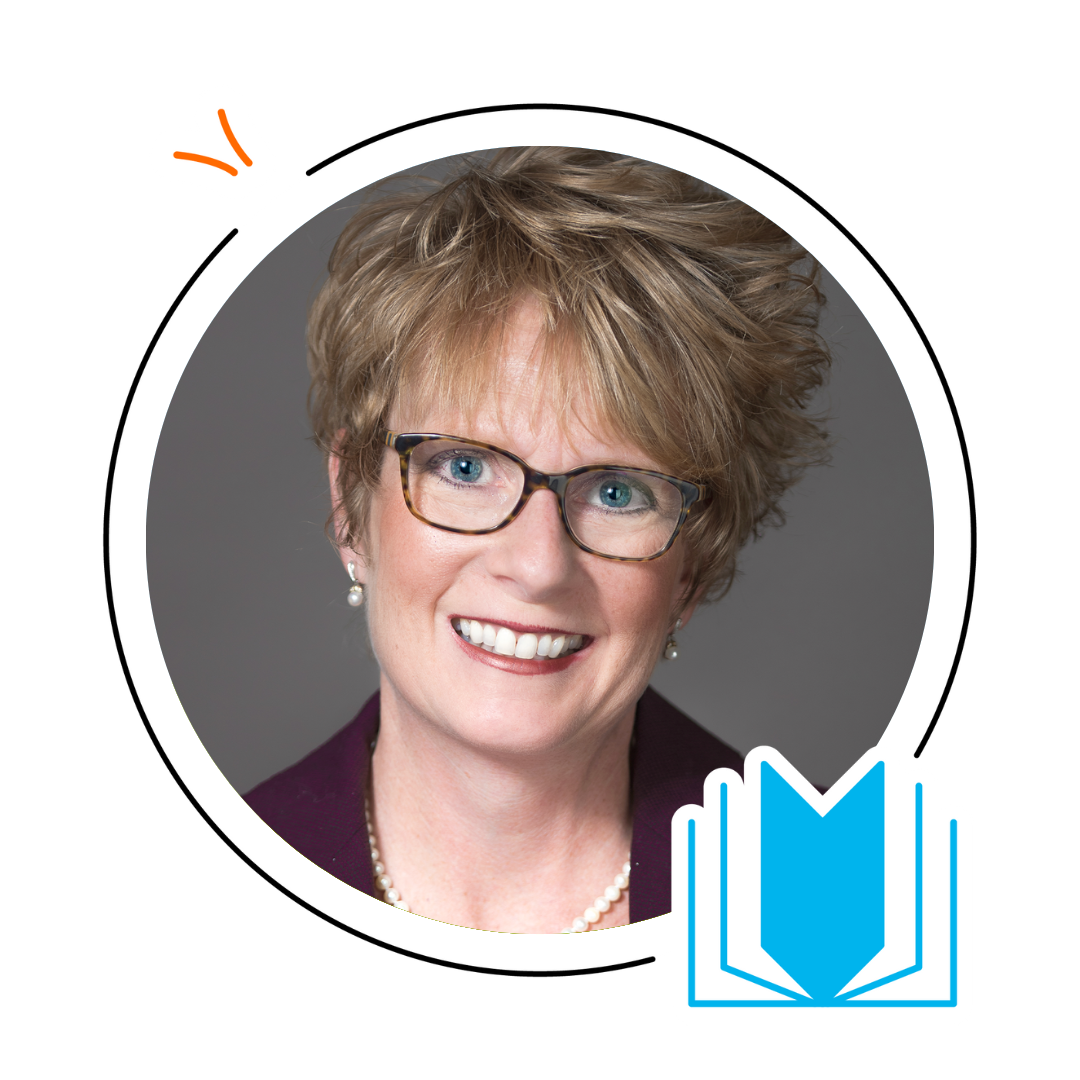
Rebecca Tolson, Ph.D., CALT-QI
Rebecca Tolson is the director of the Center for Structured Literacy at the University of Akron and a national literacy/dyslexia consultant and speaker. She has a doctorate in Curriculum and Instruction from the University of Akron and is a certified dyslexia therapist and qualified instructor. Rebecca is an experienced educator with over three decades of teaching experience in the classroom and private tutoring using a structured literacy approach to teach students with learning differences. Rebecca served as vice president of Literacy Initiatives at the Neuhaus Education Center, a national non-profit organization specializing in teacher professional development. She co-authored three Ohio laws related to dyslexia and was appointed to the Ohio Dyslexia Committee (ODC) in 2020. Rebecca serves as the current chair of the ODC, overseeing the implementation phase of the Ohio’s Dyslexia Guidebook. Additionally, she is an adjunct professor for Walsh University in the Master of Dyslexia Therapy (MDT) program.
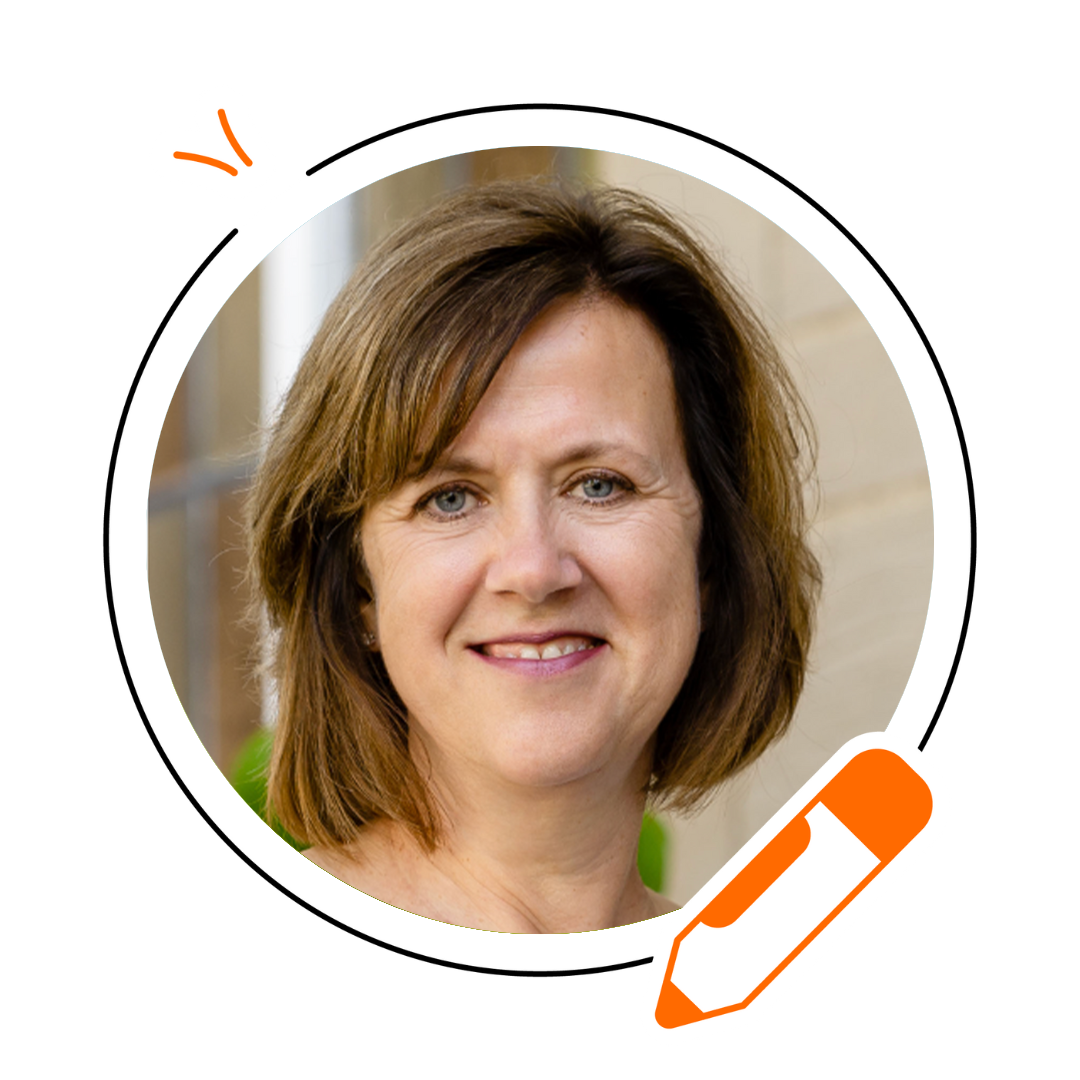
Lisa Lenhart, Ph.D.
Lisa Lenhart holds a Ph.D. in Curriculum and Instruction from Kent State University. She is a distinguished professor and director of the LeBron James Family Foundation School of Education. A recipient of the University of Akron’s Researcher of the Year Award, her research interests include early language and literacy development and teacher professional development. She has published extensively in journals and has co-authored books such as Oral Language and Early Literacy in Preschool; Reading and Learning to Read; and Early Literacy Materials Selector. She has been the recipient and principal investigator (PI) of many federal and state grants, each designed to improve young children’s language and early reading skills through enhanced professional development for teachers.
Meet our host, Susan Lambert
Susan Lambert is the Chief Academic Officer of Elementary Humanities at Amplify, and the host of Science of Reading: The Podcast. Her career has been focused on creating high-quality learning environments using evidence-based practices. Lambert is a mom of four, a grandma of four, a world traveler, and a collector of stories.
As the host of Science of Reading: The Podcast, Lambert explores the increasing body of scientific research around how reading is best taught. As a former classroom teacher, administrator, and curriculum developer, Lambert is dedicated to turning theory into best practices that educators can put right to use in the classroom, and to showcasing national models of reading instruction excellence.
Quotes
“We're also making sure that our students are prepared in structured literacy, not just to one program, so they're able to understand the structure and adopt it to any program any district is using.”
“The Center for Structured Literacy is about empowering teachers at the onset—bachelor's degree. If districts have to retrain them after they graduate, then we're not doing something right.”
“We all have the same goal. We all want children to be good readers. We do. And it has never not been anyone's goal. We have to respect that about each other.”
Unlocking reading: Comprehension strategies vs. knowledge building, with Daniel Willingham, Ph.D.

Transcripts and additional resources:
Meet Our Guest(s):
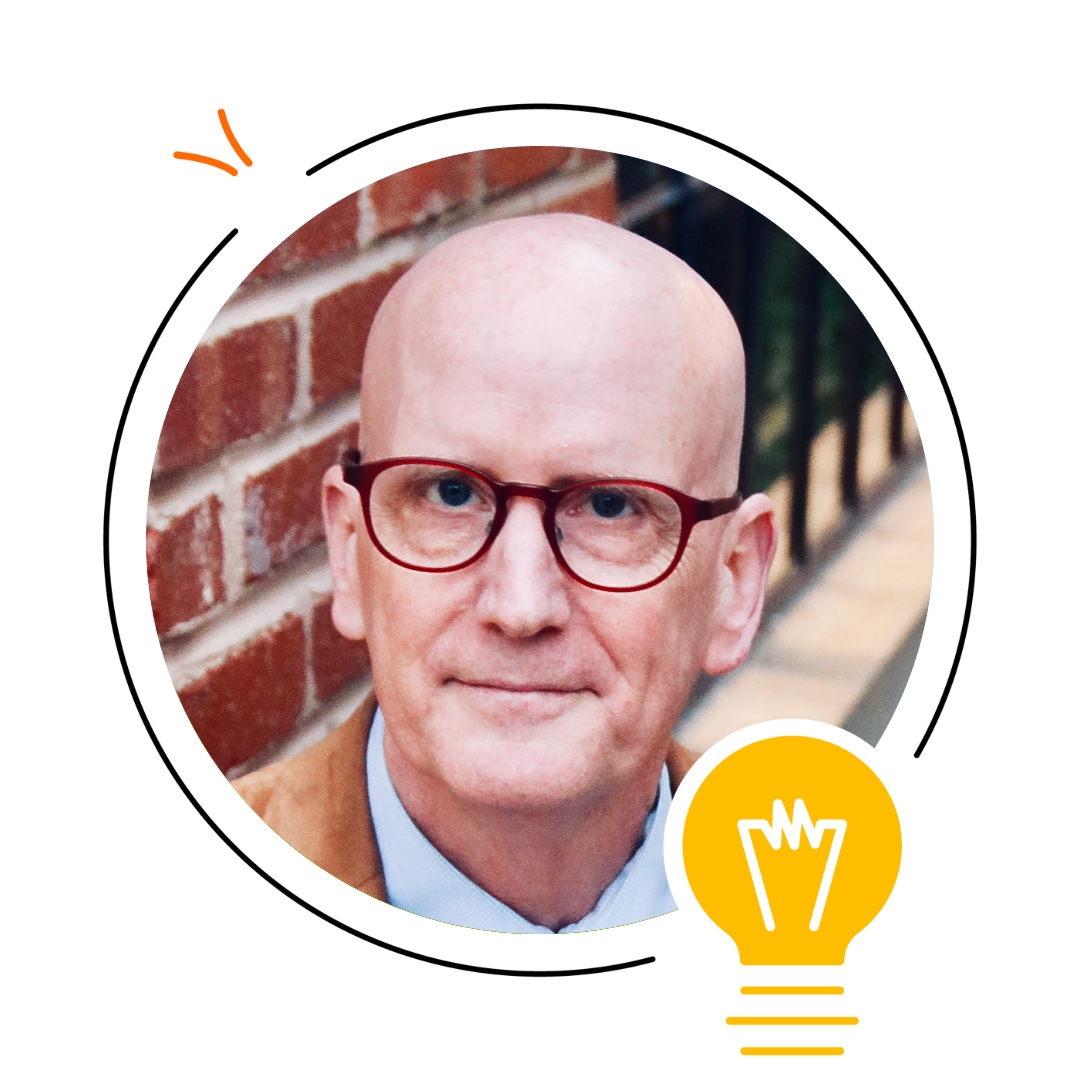
Daniel Willingham, Ph.D.
Daniel Willingham, Ph.D., is a Professor of Psychology at the University of Virginia, where he has taught since 1992. Until about 2000, his research focused solely on the brain basis of learning and memory. Today, all of his research concerns the application of cognitive psychology to K–16 education. He is the author of several books, including the best-selling Why Don’t Students Like School? and, most recently, Outsmart Your Brain. His writing on education has appeared in 23 languages. In 2017 he was appointed by President Barack Obama to the National Board for Education Sciences.
Meet our host, Susan Lambert
Susan Lambert is Chief Academic Officer of Literacy at Amplify and host of Science of Reading: The Podcast. Throughout her career, she has focused on creating high-quality learning environments using evidence-based practices. Lambert is a mom of four, a grandma of four, a world traveler, and a collector of stories.
As the host of Science of Reading: The Podcast, Lambert explores the increasing body of scientific research around how reading is best taught. A former classroom teacher, administrator, and curriculum developer, she’s dedicated to turning theory into best practices that educators can put right to use in the classroom, and to showcasing national models of reading instruction excellence.
Quotes
“Your brain is really good at only bringing out the information from long-term memory that is relevant for the context. All of that's happening outside of awareness.”
“When reading is really humming, when it's really working well, it's like visual perception. You're just enjoying the view and you're oblivious to all of the cognitive machinery in the background that's letting you see.”
“Expecting that knowledge-rich curriculum is going to solve all problems… that's [not] what a reading program is. No, a reading program is multifaceted and needs to have lots of components.”
“Knowledge accrues slowly and it's going to take a while. You need to be patient.”
Empowering instruction through mental models, with Young-Suk Grace Kim, Ed.D.

Transcripts and additional resources:
Meet Our Guest(s):
Young-Suk Grace Kim, Ed.D.
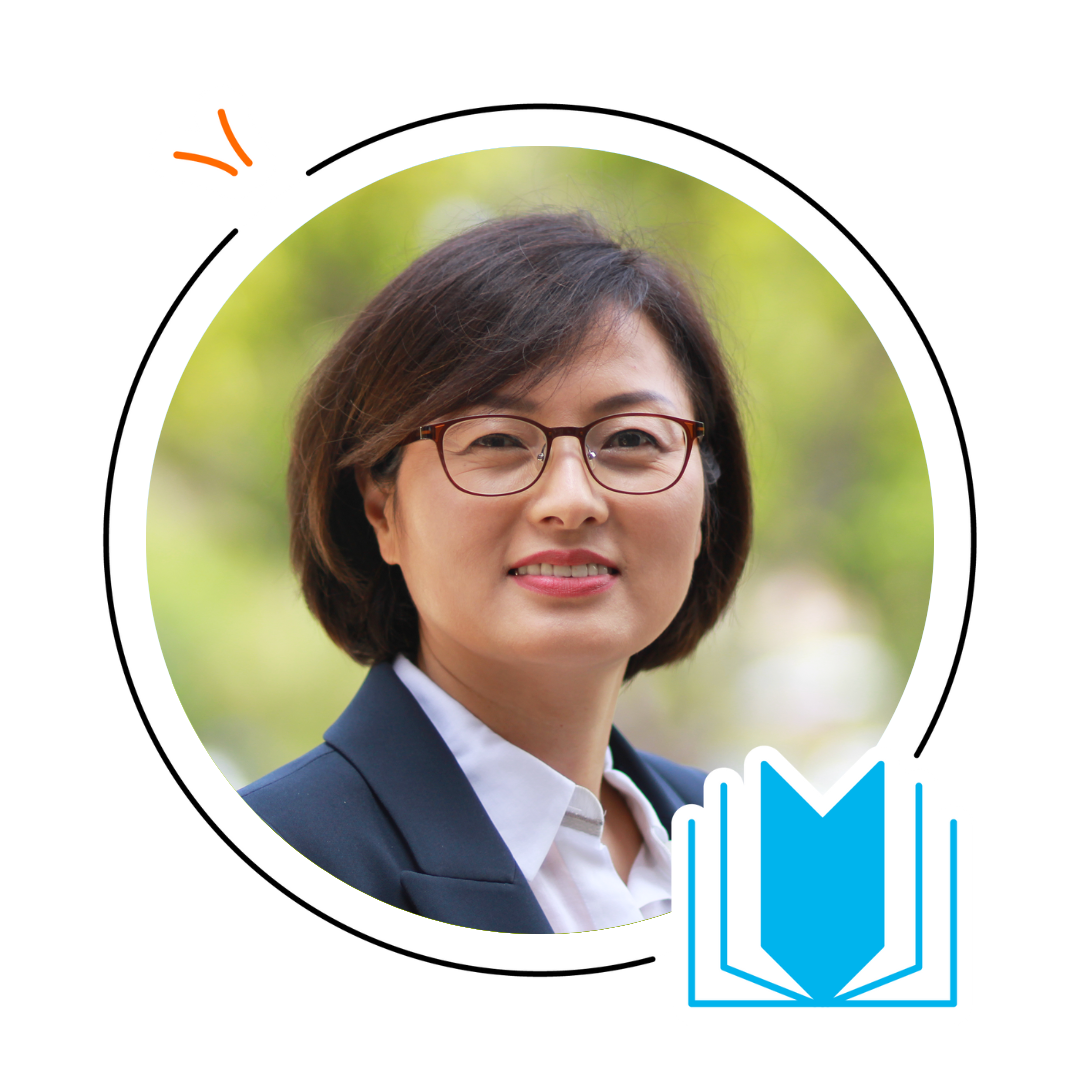
Young-Suk Grace Kim, Ed.D., (Harvard University) is a professor at the School of Education, University of California at Irvine. She is a former classroom teacher in San Francisco. Her scholarship focuses on understanding language and literacy development and effective instruction for children from diverse backgrounds. Her areas of research include reading comprehension, reading fluency, listening comprehension and oral language, dyslexia, higher-order cognitive skills, written composition, and reading-writing relations. She has worked extensively with monolingual children and multilingual children from various linguistic backgrounds including English, Korean, Chinese, Spanish, and Kiswahili. Her research has been supported by over $60 million in grants from the Institute of Education Sciences, the U. S. Department of Education, the National Institute of Child Health and Human Development, and the National Science Foundation. Her work was recognized by several awards, including the 2012 Presidential Early Career Award for Scientists and Engineers (PECASE) by former President Barack Obama, the Developing Scholar Award, and the Robert M. Gagne Outstanding Student Research Award. She is an American Educational Research Association (AERA) Fellow, and serves as the editor-in-chief for Scientific Studies of Reading and the chair of the California Reading Difficulties Risk Screener Selection Panel (RDRSSP), appointed by the California State Board of Education.
Meet our host, Susan Lambert
Susan Lambert is the Chief Academic Officer of Elementary Humanities at Amplify, and the host of Science of Reading: The Podcast. Throughout her career, she has focused on creating high-quality learning environments using evidence-based practices. Lambert is a mom of four, a grandma of four, a world traveler, and a collector of stories.
As the host of Science of Reading: The Podcast, Lambert explores the increasing body of scientific research around how reading is best taught. As a former classroom teacher, administrator, and curriculum developer, Lambert is dedicated to turning theory into best practices that educators can put right to use in the classroom, and to showcasing national models of reading instruction excellence.
Quotes
“Theory is an explanation about how things work. …It's a structured framework, a mental framework, that helps us explain, and predict, and understand phenomena.”
“Theoretical models matter because they offer insights into the processes of reading and writing, as well as factors that contribute to the development of reading and writing skills and/or difficulties in development. Teachers' understanding of this will empower them to make decisions about instructional approaches.”
“Lower order skills are necessary for higher order skills—that means skills and knowledge have a series of causal effects. So if you flip it the other way—any challenges…skills—it's going to have a series of impacts on higher order skills.”
“A lot of educators understand that reading and writing are related, but I think as educators, we need to have a really precise understanding about it. We need to have a good mental model about how they're related and why they're related, so that we can use that knowledge to inform our instruction and assessment.”
“If an educator goes to a professional development and learns about something like phoneme awareness…but you don't have a framework in which to attach it, you can sort of go down a rabbit trail on one thing instead of thinking about how it relates to the whole.”