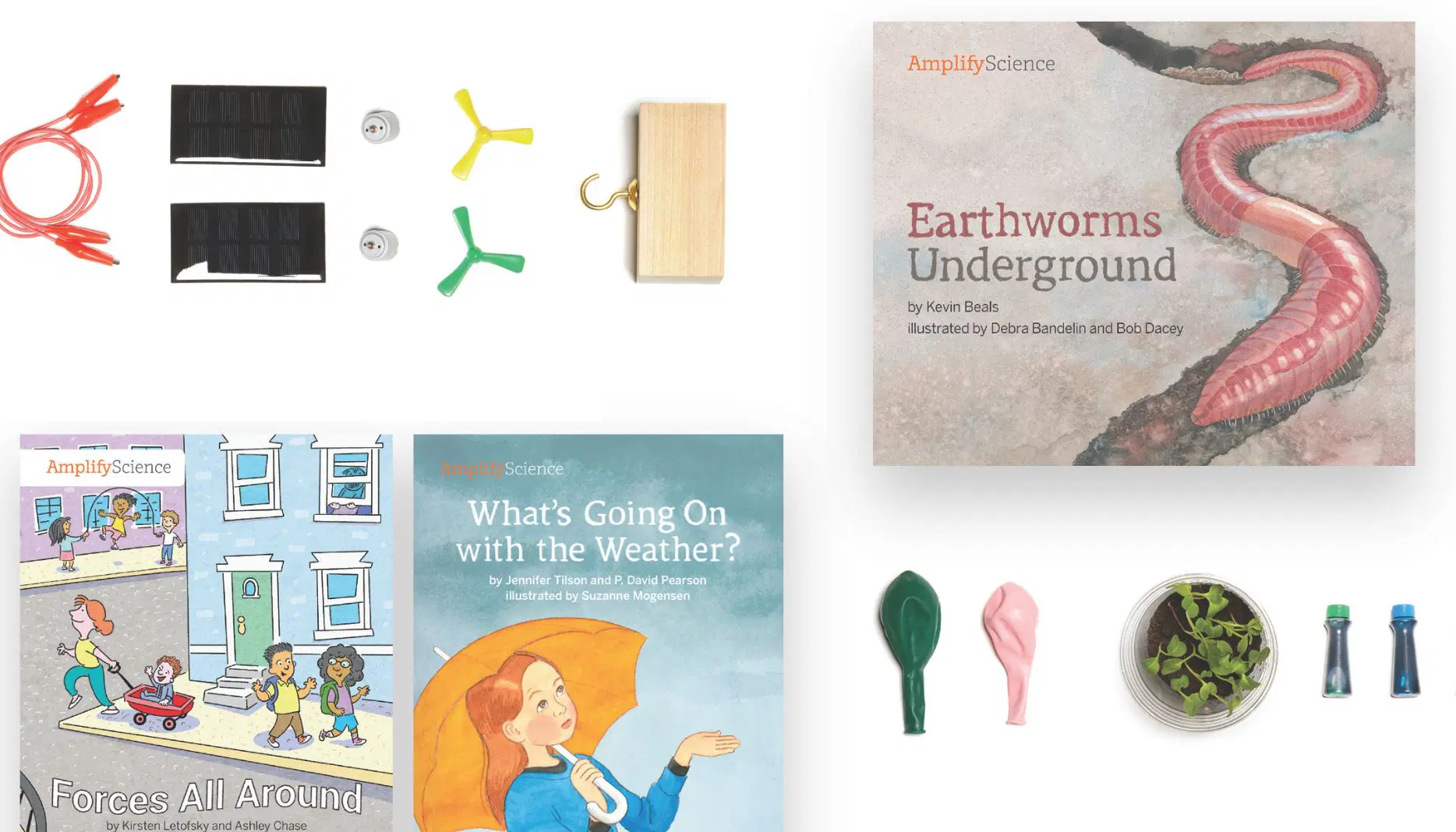
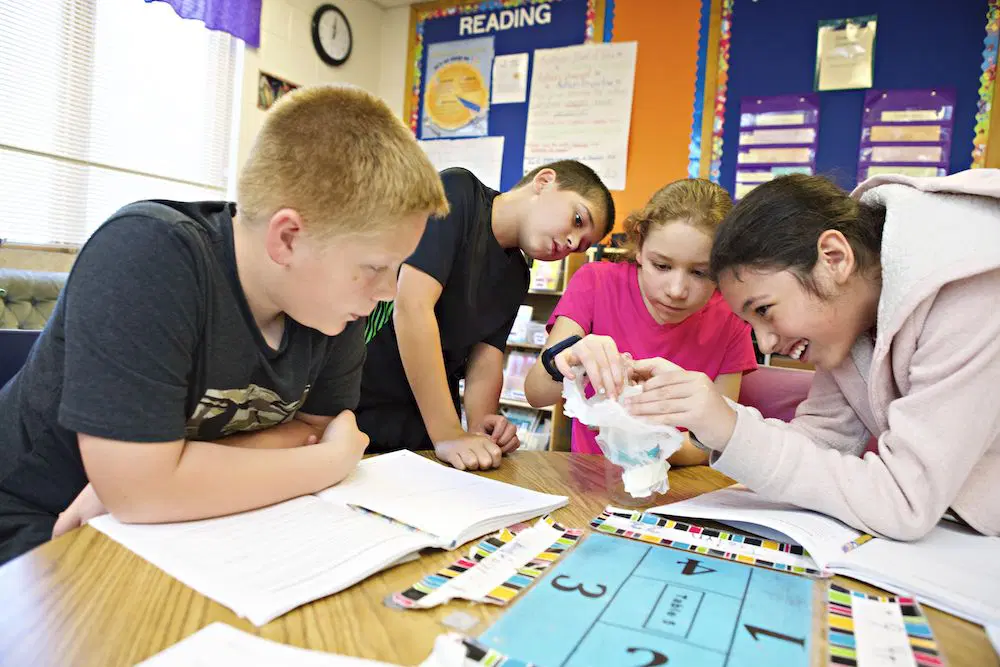
Welcome, Utah K-8 reviewers!
A closer look at grades 6–8
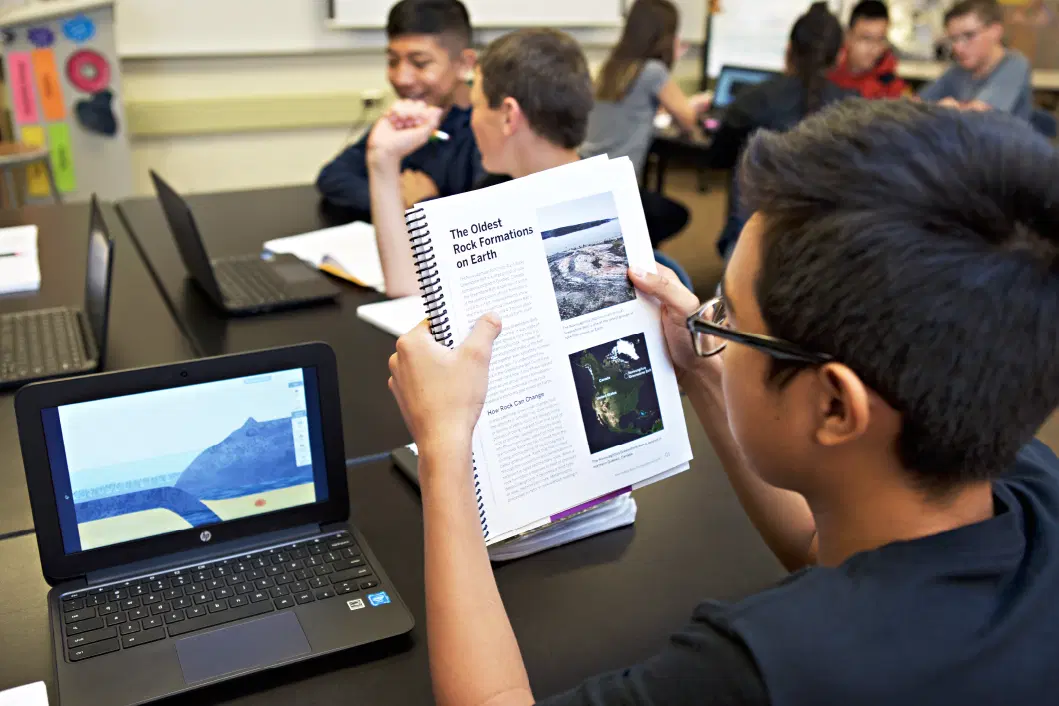
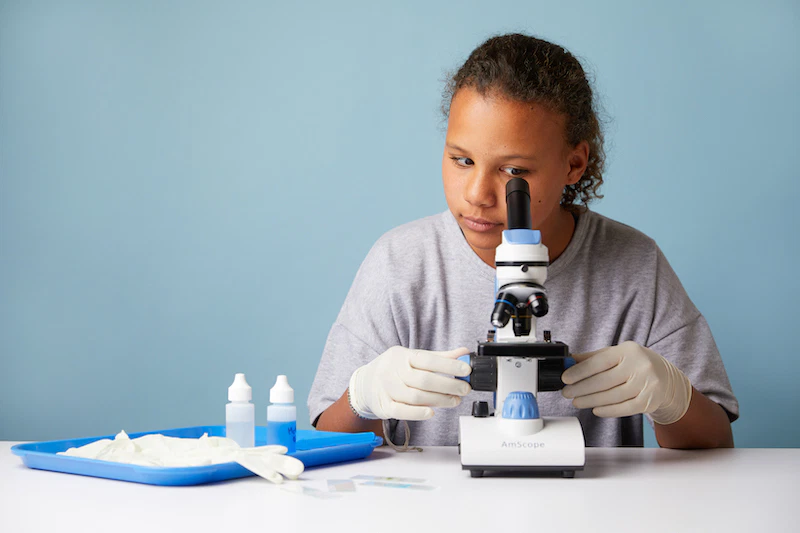
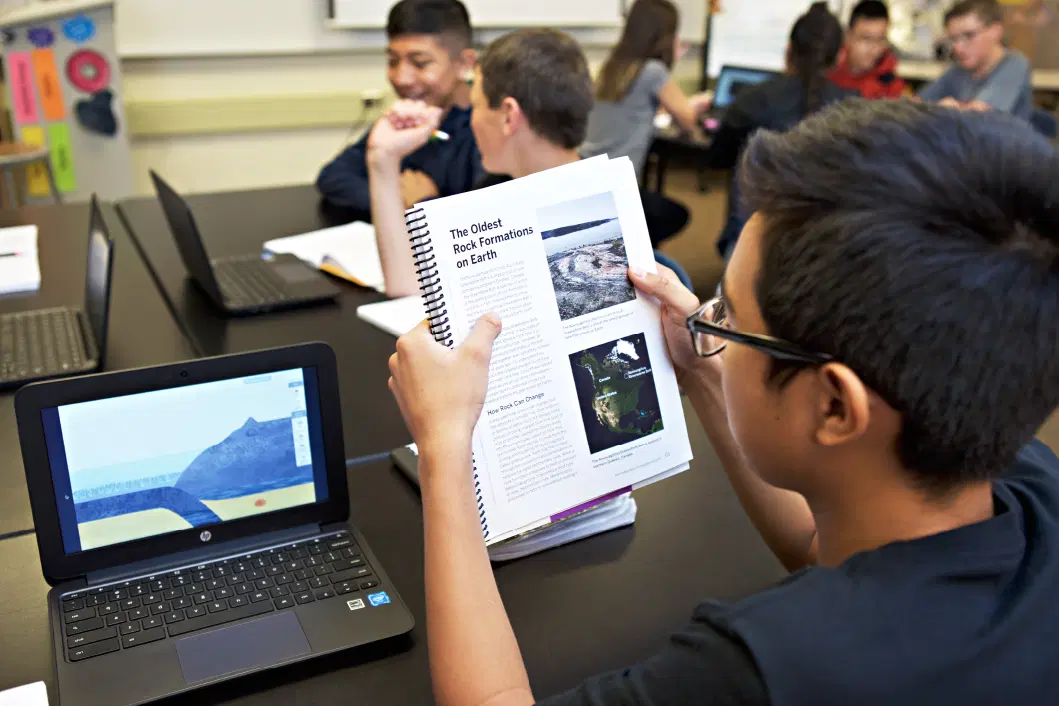
Amplify Science California is based on the latest research on teaching and learning and helps teachers deliver rigorous and riveting lessons through hands-on investigations, literacy-rich activities, and interactive digital tools that empower students to think, read, write, and argue like real scientists.
In the 6–8 classroom, this looks like students:
- Collecting evidence from a variety of sources.
- Making sense of evidence in a variety of ways.
- Formulating convincing scientific arguments.
Is your school implementing the domain model? Click here.
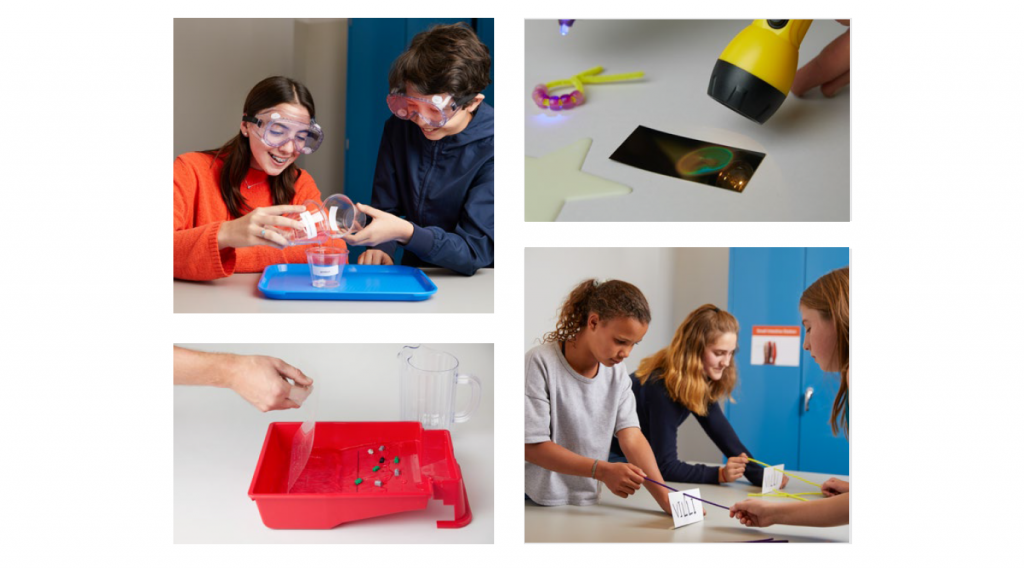

Program structure
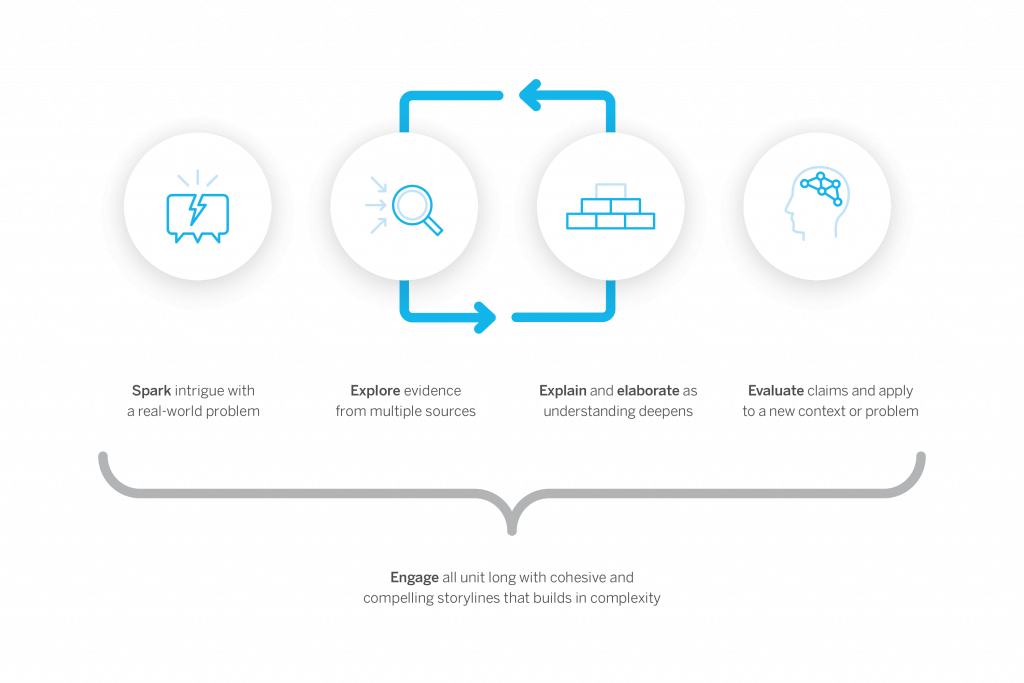
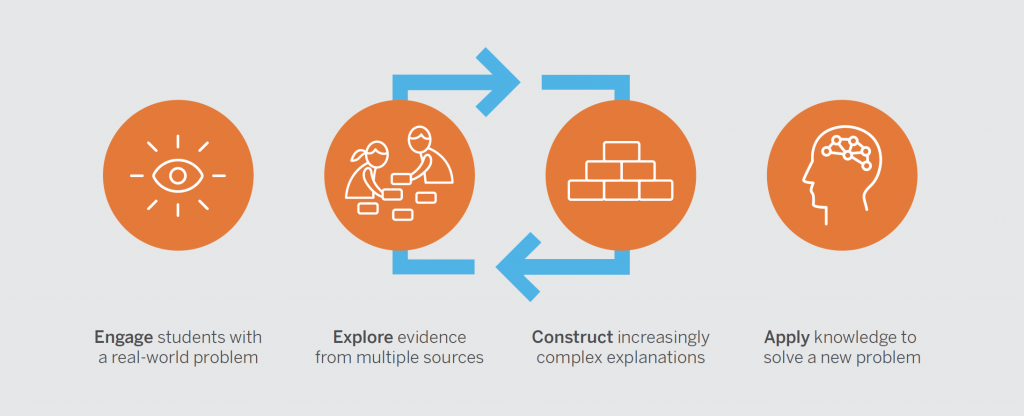
Our cyclical lesson design ensures students receive multiple exposures to concepts through a variety of modalities. As they progress through the lessons within a unit, students build and deepen their understanding, increasing their ability to develop and refine complex explanations of the unit’s phenomenon.
It’s this proven program structure and lesson design that enables Amplify Science California to teach less, but achieve more. Rather than asking teachers to wade through unnecessary content, we designed our 6–8 program to address 100% of the California NGSS in fewer lessons than other programs.
Scope and sequence
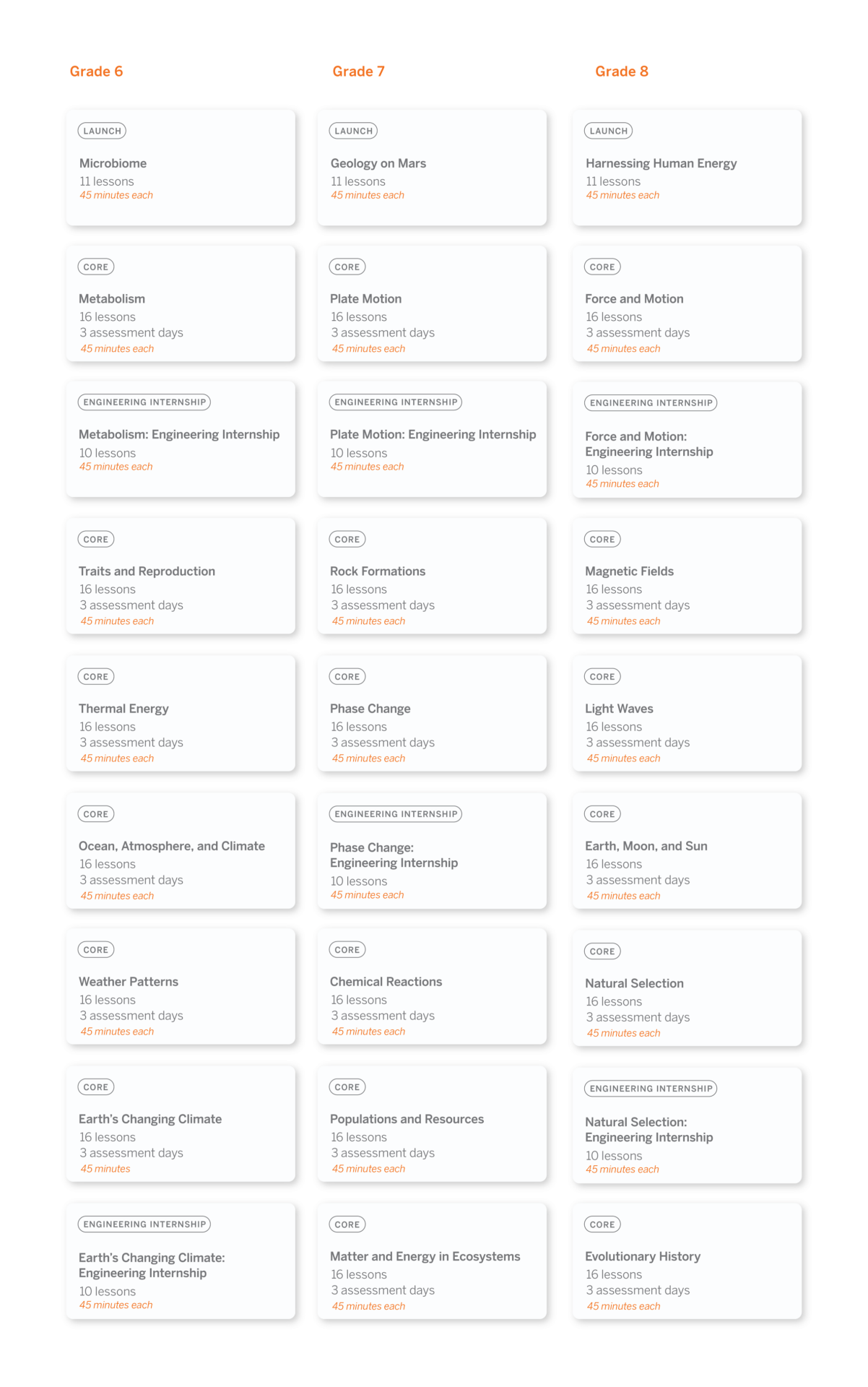
Every year our grades 6–8 sequence consists of 9 units, with each unit containing 10–19 lessons. Lessons are written to last a minimum of 45-minutes, though teachers can expand or contract the timing to meet their needs.
Unit types
Each unit delivers three-dimensional learning experiences and engages students in gathering evidence from a rich collection of sources, while also serving a unique purpose.
In grades 6–8, there are three types of units:
- One unit is a launch unit.
- Three units are core units.
- Two units are engineering internships.
Launch units
Launch units are the first units taught in each year of Amplify Science California. The goal of the Launch unit is to introduce students to norms, routines, and practices that will be built on throughout the year, including argumentation, active reading, and using the program’s technology. For example, rather than taking the time to explain the process of active reading in every unit in a given year, it is explained thoroughly in the Launch unit, thereby preparing students to read actively in all subsequent units.
Core units
Core units establish the context of the unit by introducing students to a real-world problem. As students move through lessons in a Core unit, they figure out the unit’s anchoring phenomenon, gain an understanding of the unit’s disciplinary core ideas and science and engineering practices, and make linkages across topics through the crosscutting concepts. Each Core unit culminates with a Science Seminar and final writing activity.
Engineering Internship units
Engineering Internship units invite students to design solutions for real-world problems as interns for a fictional company called Futura. Students figure out how to help those in need, from tsunami victims in Sri Lanka to premature babies, through the application of engineering practices. In the process, they apply and deepen their learning from Core units.
Units at a glance

Microbiome
Domain: Life Science
Unit type: Launch
Student role: Microbiological researchers
Phenomenon: The presence of 100 trillion microorganisms living on and in the human body may keep the body healthy.
Metabolism
Domain: Life Science
Unit type: Core
Student role: Medical researchers
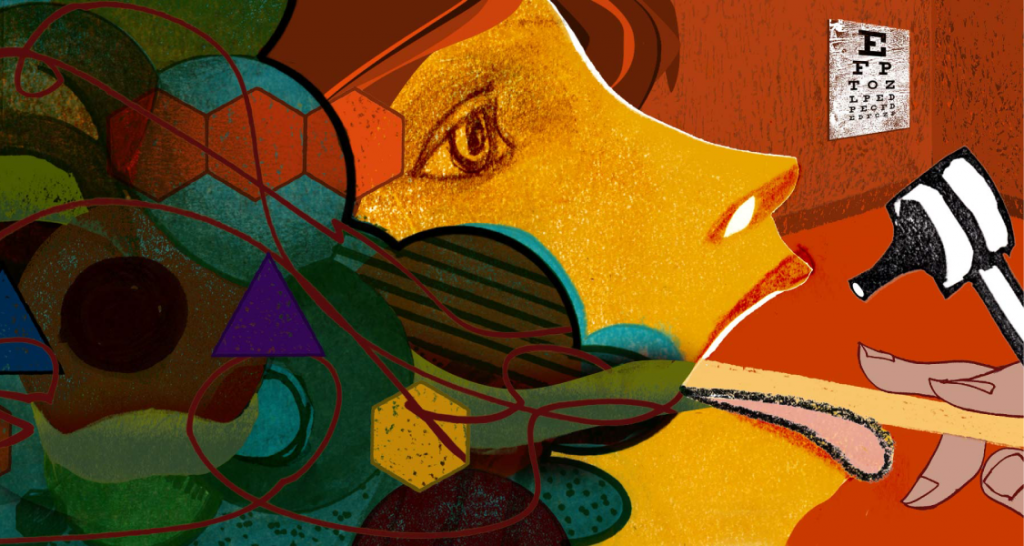
Phenomenon: Elisa, a young patient, feels tired all the time.

Metabolism Engineering Internship
Domains: Life Science, Engineering Design
Unit type: Engineering internship
Student role: Food engineers
Phenomenon: Designing health bars with different molecular compositions can effectively meet the metabolic needs of patients or rescue workers.

Traits and Reproduction
Domain: Life Science
Unit type: Core
Student role: Biomedical students
Phenomenon: Darwin’s bark spider offspring have different silk flexibility traits, even though they have the same parents.

Thermal Energy
Domain: Physical Science
Unit type: Core
Student role: Thermal scientists
Phenomenon: One of two proposed heating systems for Riverdale School will best heat the school.

Ocean, Atmosphere, and Climate
Domains: Earth and Space Science, Physical Science
Unit type: Core
Student role: Climatologists
Phenomenon: During El Niño years, the air temperature in Christchurch, New Zealand is cooler than usual.

Weather Patterns
Domains: Earth and Space Science, Physical Science
Unit type: Core
Student role: Forensic meteorologists
Phenomenon: In recent years, rainstorms in Galetown have been unusually severe.

Earth’s Changing Climate
Domains: Earth and Space Science, Life Science
Unit type: Core
Student role: Climatologists
Phenomenon: The ice on Earth’s surface is melting.

Earth’s Changing Climate Engineering Internship
Domains: Earth and Space Science, Engineering Design
Unit type: Engineering internship
Student role: Civil engineers
Phenomenon: Designing rooftops with different modifications can reduce a city’s impact on climate change.

Geology on Mars
Domain: Earth and Space Science
Unit type: Launch
Student role: Planetary geologists
Phenomenon: Analyzing data about landforms on Mars can provide evidence that Mars may have once been habitable.
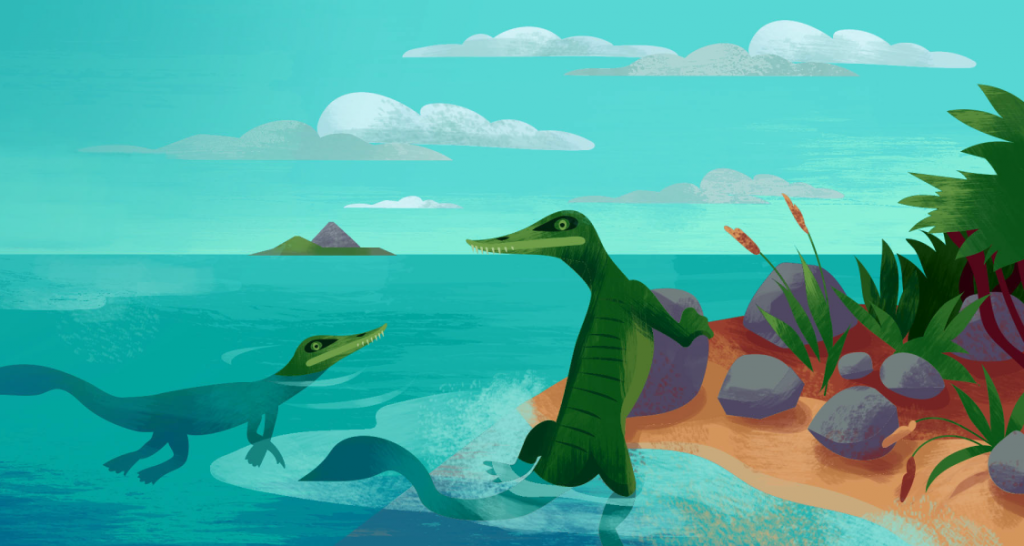
Plate Motion
Domain: Earth and Space Science
Unit type: Core
Student role: Geologists
Phenomenon: Mesosaurus fossils have been found on continents separated by thousands of kilometers of ocean, even though the Mesosaurus species once lived all together.
Plate Motion Engineering Internship
Domains: Earth and Space Science, Engineering Design
Unit type: Engineering internship
Student role: Mechanical engineering interns
Phenomenon: Patterns in earthquake data can be used to design an effective tsunami warning system.
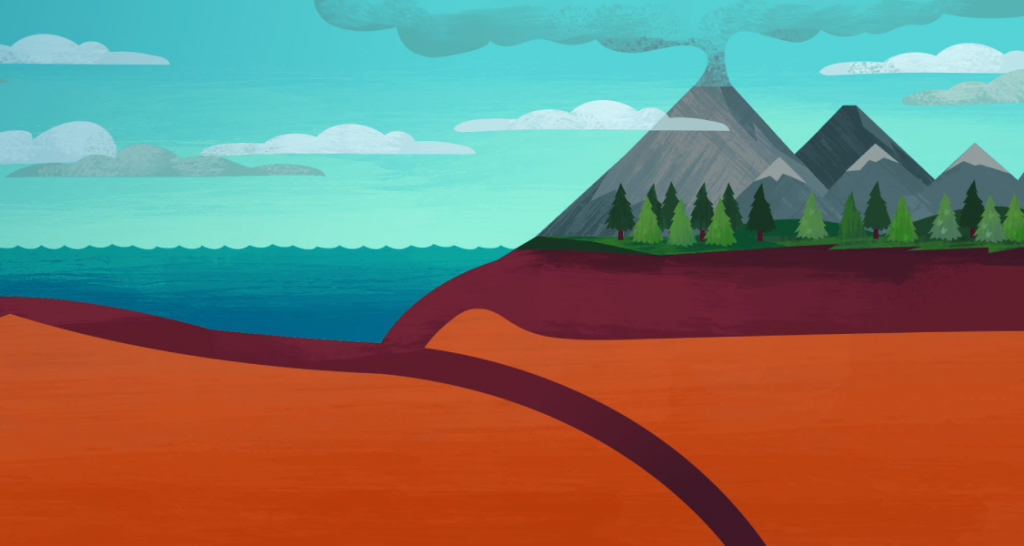
Rock Transformations
Domain: Earth and Space Science
Unit type: Core
Student role: Geologists
Phenomenon: Rock samples from the Great Plains and from the Rocky Mountains — regions hundreds of miles apart — look very different, but have surprisingly similar mineral compositions.

Phase Change
Domains: Physical Science, Earth and Space Science
Unit type: Core
Student role: Chemists
Phenomenon: A methane lake on Titan no longer appears in images taken by a space probe two years apart

Force and Motion Engineering Internship
Domains: Engineering Design, Physical Science
Unit type: Engineering internship
Student role: Mechanical engineering interns
Phenomenon: Designing emergency supply delivery pods with different structures can maintain the integrity of the supply pods and their contents.

Chemical Reactions
Domains: Physical Science, Life Science, Earth and Space Science
Unit type: Core
Student role: Forensic chemists
Phenomenon: A mysterious brown substance has been detected in the tap water of Westfield.
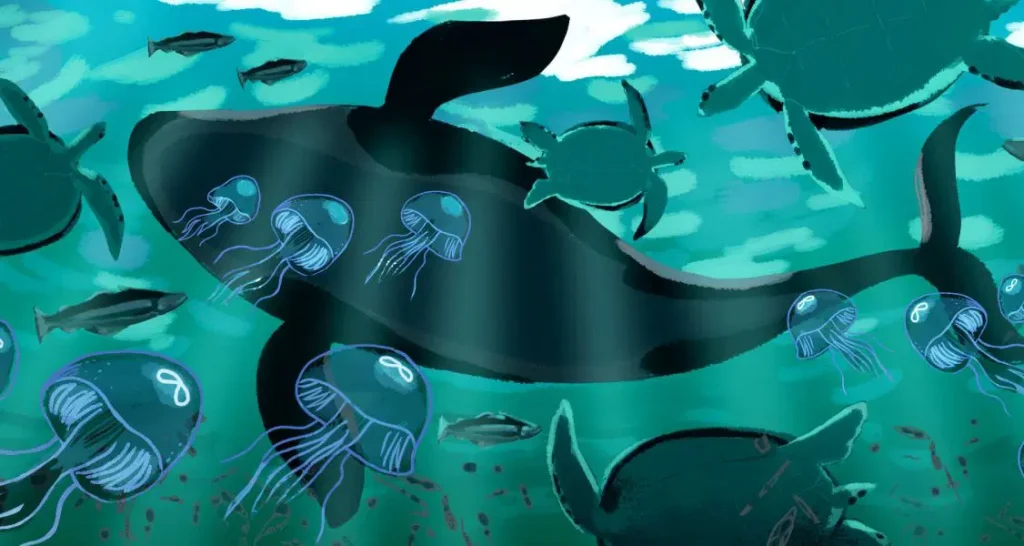
Populations and Resources
Domains: Life Science, Earth and Space Science
Unit type: Core
Student role: Biologists
Phenomenon: The size of the moon jelly population in Glacier Sea has increased.
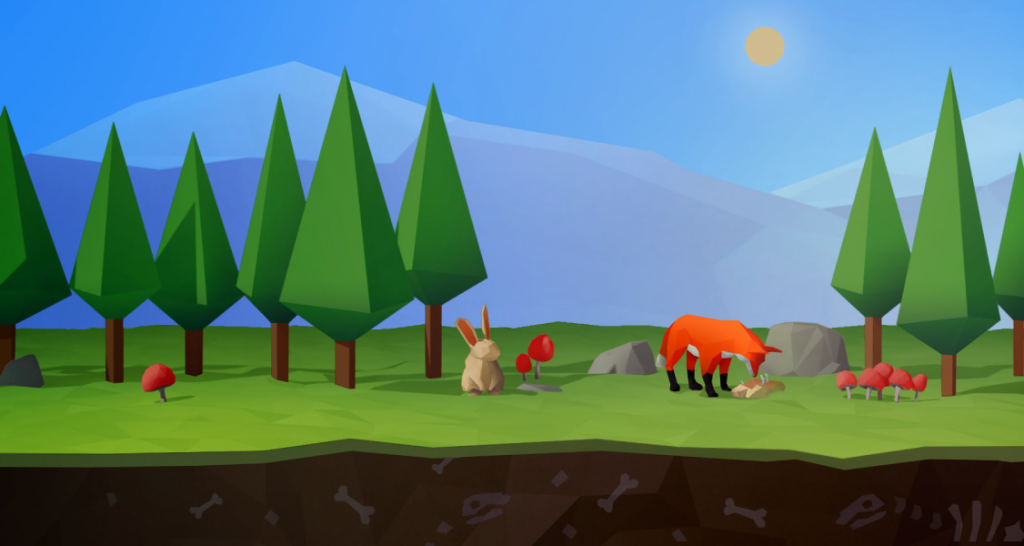
Matter and Energy in Ecosystems
Domains: Life Science, Earth and Space Science, Physical Science
Unit type: Core
Student role: Ecologists
Phenomenon: The biodome ecosystem has collapsed.
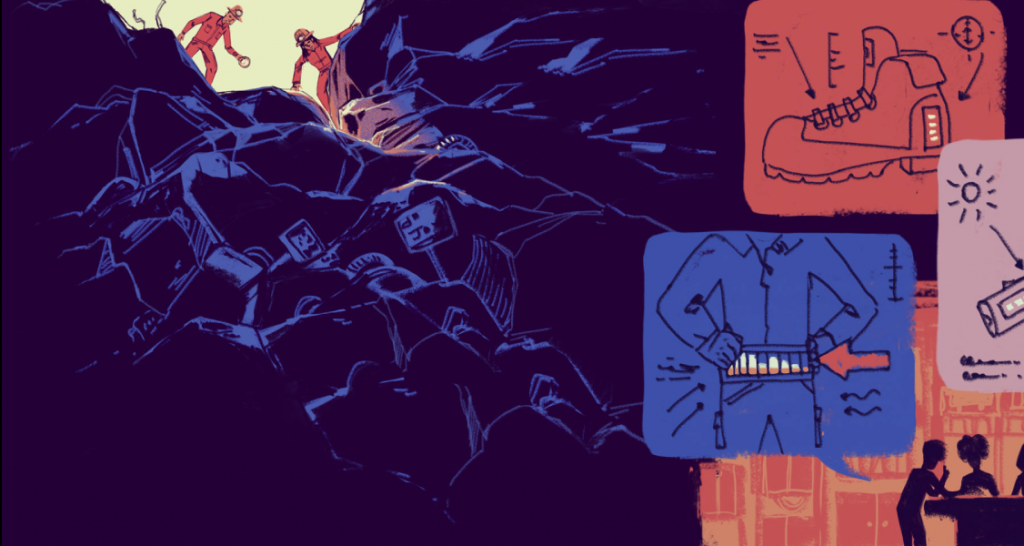
Harnessing Human Energy
Domains: Physical Science, Earth and Space Science, Engineering Design
Unit type: Launch
Student role: Energy scientists
Phenomenon: Rescue workers can use their own human kinetic energy to power the electrical devices they use during rescue missions.

Force and Motion
Domain: Physical Science
Unit type: Core
Student role: Physicists
Phenomenon: The asteroid sample-collecting pod failed to dock at the space station as planned.

Phase Change Engineering Internship
Domains: Engineering Design, Physical Science
Unit type: Engineering internship
Student role: Chemical engineering interns
Phenomenon: Designing portable baby incubators with different combinations of phase change materials can keep babies at a healthy temperature.
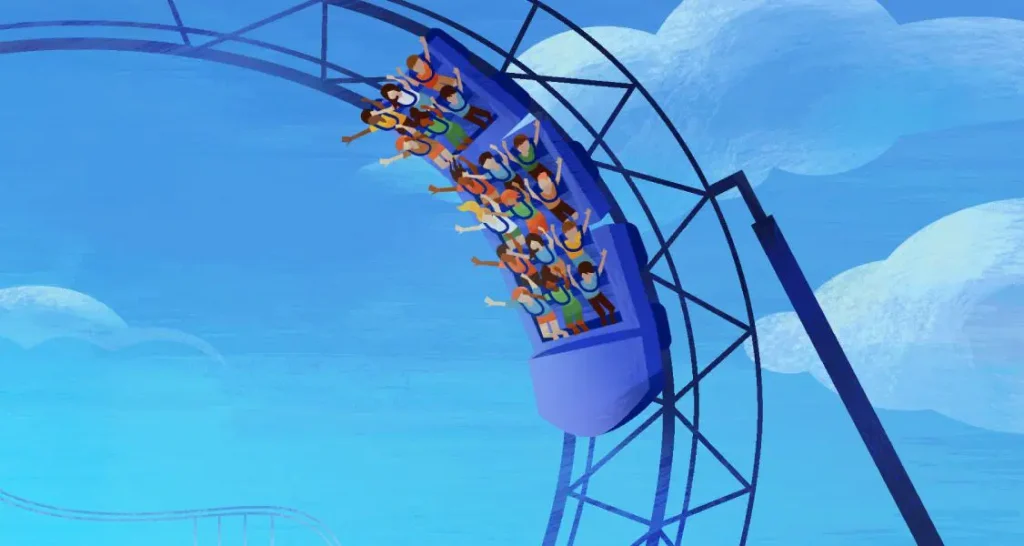
Magnetic Fields
Domain: Physical Science
Unit type: Core
Student role: Physicists
Phenomenon: During a test launch, a spacecraft traveled much faster than expected.

Light Waves
Domains: Physical Science, Life Science, Earth and Space Science
Unit type: Core
Student role: Spectroscopists
Phenomenon: The rate of skin cancer is higher in Australia than in other parts of the world.

Earth, Moon, and Sun
Domains: Earth and Space Science, Physical Science
Unit type: Core
Student role: Astronomers
Phenomenon: An astrophotographer can only take pictures of specific features on the Moon at certain times.
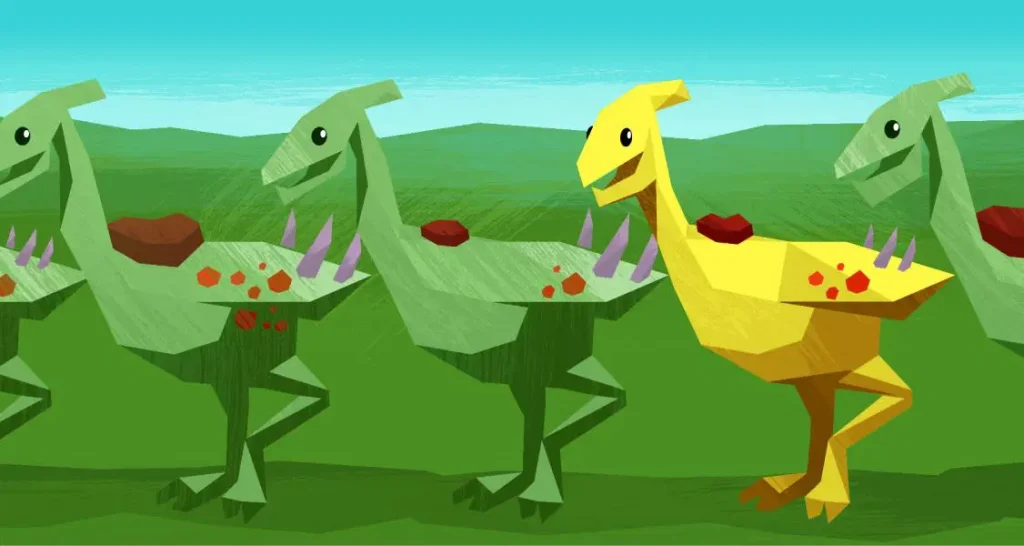
Natural Selection
Domains: Life Science, Earth and Space Science
Unit type: Core
Student role: Biologists
Phenomenon: The newt population in Oregon State Park has become more poisonous over time.

Natural Selection Engineering Internship
Domains: Engineering Design, Life Science
Unit type: Engineering internship
Student role: Clinical engineers
Phenomenon: Designing malaria treatment plans that use different combinations of drugs can reduce drug resistance development while helping malaria patients.

Evolutionary History
Domains: Life Science, Earth and Space Science
Unit type: Core
Student role: Paleontologists
Phenomenon: A mystery fossil at the Natural History Museum has similarities with both wolves and whales.
Resources
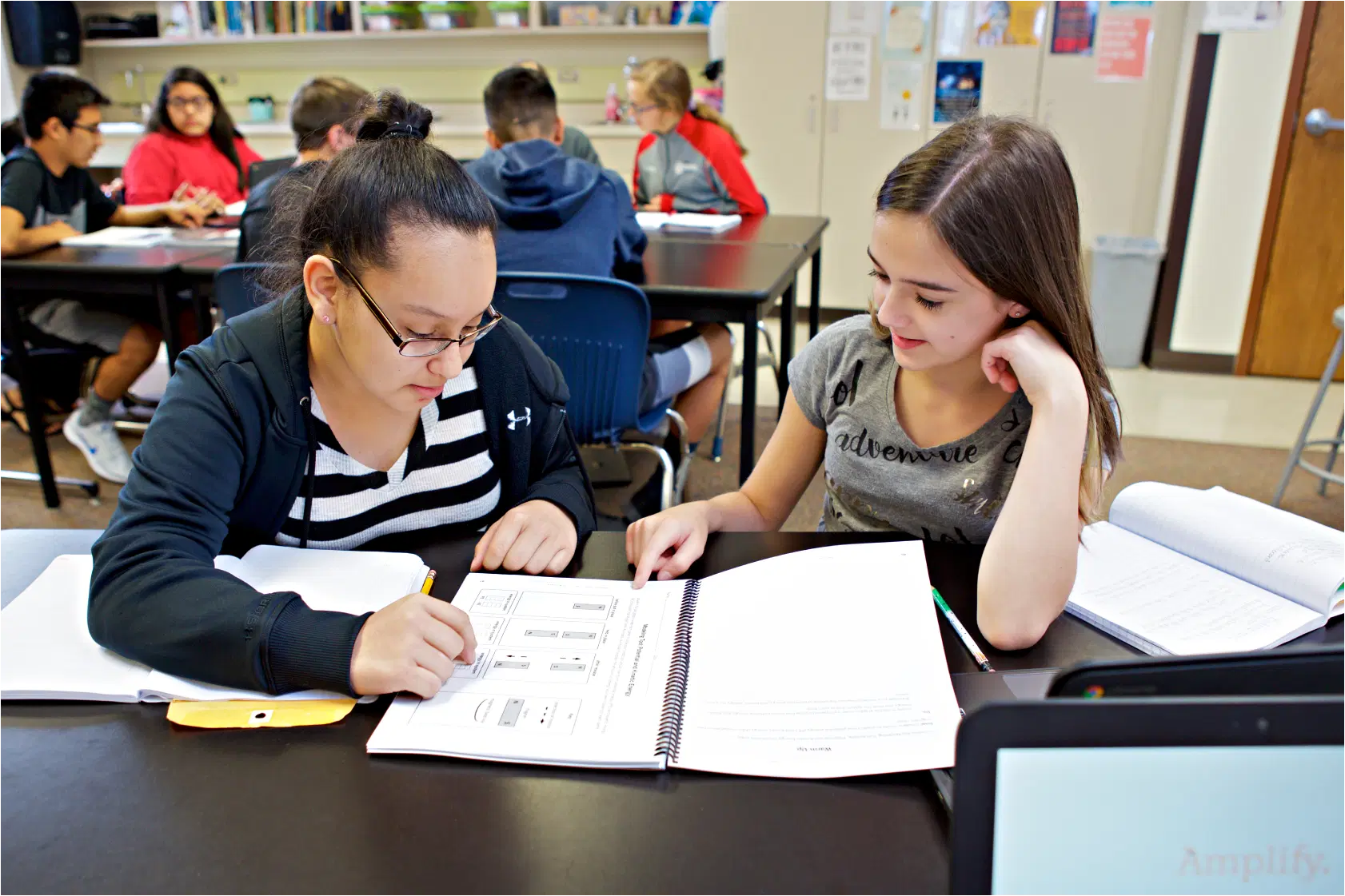


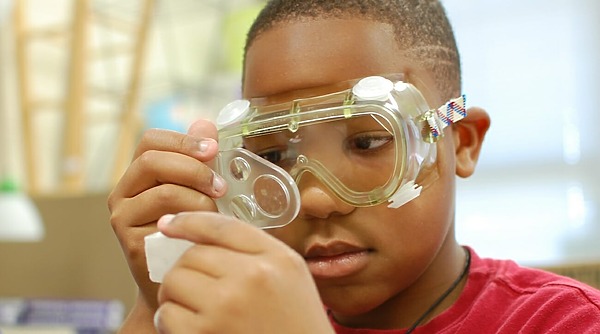


A closer look at grades 6–8 (domain)
Amplify Science California is based on the latest research on teaching and learning and helps teachers deliver rigorous and riveting lessons through hands-on investigations, literacy-rich activities, and interactive digital tools that empower students to think, read, write, and argue like real scientists.
In the 6–8 classroom, this looks like students:
- Collecting evidence from a variety of sources.
- Making sense of evidence in a variety of ways.
- Formulating convincing scientific arguments.
Is your school implementing the integrated model? Click here.
Program structure
Our cyclical lesson design ensures students receive multiple exposures to concepts through a variety of modalities. As they progress through the lessons within a unit, students build and deepen their understanding, increasing their ability to develop and refine complex explanations of the unit’s phenomenon.
It’s this proven program structure and lesson design that enables Amplify Science California to teach less, but achieve more. Rather than asking teachers to wade through unnecessary content, we designed our 6–8 program to address 100% of the California NGSS in fewer lessons than other programs.
Scope and sequence
Every year of our grades 6–8 sequence consists of 9 units, with each unit containing 10–19 lessons. Lessons are written to last a minimum of 45 minutes, though teachers can expand or contract the timing to meet their needs.
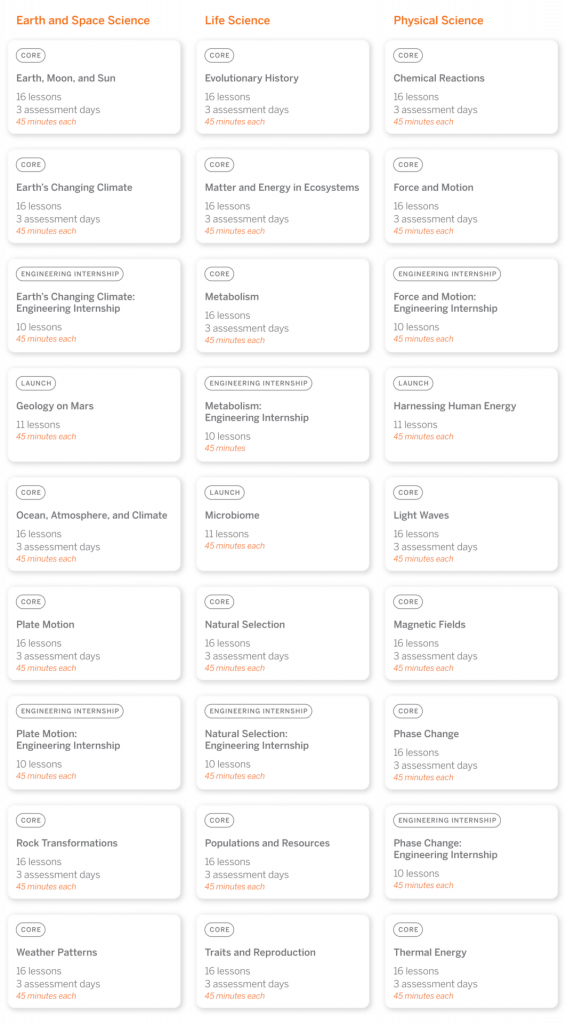
Unit types
Each unit delivers three-dimensional learning experiences and engages students in gathering evidence from a rich collection of sources, while also serving a unique purpose.
In grades 6–8, there are three types of units:
- One unit is a launch unit.
- Three units are core units.
- Two units are engineering internships.
Launch units
Launch units are the first units taught in each year of Amplify Science California. The goal of the Launch unit is to introduce students to norms, routines, and practices that will be built on throughout the year, including argumentation, active reading, and using the program’s technology. For example, rather than taking the time to explain the process of active reading in every unit in a given year, it is explained thoroughly in the Launch unit, thereby preparing students to actively read in all subsequent units.
Core units
Core units establish the context of the unit by introducing students to a real-world problem. As students move through lessons in a Core unit, they figure out the unit’s anchoring phenomenon, gain an understanding of the unit’s disciplinary core ideas and science and engineering practices, and make linkages across topics through the crosscutting concepts. Each Core unit culminates with a Science Seminar and final writing activity.
Engineering Internship units
Engineering Internship units invite students to design solutions for real-world problems as interns for a fictional company called Futura. Students figure out how to help those in need, from tsunami victims in Sri Lanka to premature babies, through the application of engineering practices. In the process, they apply and deepen their learning from Core units.
Units at a glance
Geology on Mars
Domain: Earth and Space Science
Unit type: Launch
Student role: Planetary geologists
Phenomenon: Analyzing data about landforms on Mars can provide evidence that Mars may have once been habitable.
Plate Motion
Domain: Earth and Space Science
Unit type: Core
Student role: Geologists
Phenomenon: Mesosaurus fossils have been found on continents separated by thousands of kilometers of ocean, even though the Mesosaurus species once lived all together.
Plate Motion Engineering Internship
Domain: Earth and Space Science
Unit type: Engineering internship
Student role: Mechanical engineering interns
Phenomenon: Patterns in earthquake data can be used to design an effective tsunami warning system.
Rock Transformations
Domain: Earth and Space Science
Unit type: Core
Student role: Geologists
Phenomenon: Rock samples from the Great Plains and from the Rocky Mountains — regions hundreds of miles apart — look very different, but have surprisingly similar mineral compositions.
Earth, Sun, and Moon
Domain: Earth and Space Science
Unit type: Core
Student role: Astronomers
Phenomenon: An astrophotographer can only take pictures of specific features on the Moon at certain times.
Ocean, Atmosphere, and Climate
Domain: Earth and Space Science
Unit type: Core
Student role: Climatologists
Phenomenon: During El Niño years, the air temperature in Christchurch, New Zealand is cooler than usual.
Weather Patterns
Domain: Earth and Space Science
Unit type: Core
Student role: Forensic meteorologists
Phenomenon: In recent years, rainstorms in Galetown have been unusually severe.
Earth’s Changing Climate
Domain: Earth and Space Science
Unit type: Core
Student role: Climatologists
Phenomenon: The ice on Earth’s surface is melting.
Earth’s Changing Climate Engineering Internship
Domain: Earth and Space Science
Unit type: Engineering internship
Student role: Civil engineers
Phenomenon: Designing rooftops with different modifications can reduce a city’s impact on climate change.
Microbiome
Domain: Life Science
Unit type: Launch
Student role: Microbiological researchers
Phenomenon: The presence of 100 trillion microorganisms living on and in the human body may keep the body healthy.
Metabolism
Domain: Life Science
Unit type: Core
Student role: Medical researchers
Phenomenon: Elisa, a young patient, feels tired all the time.
Metabolism Engineering Internship
Domain: Life Science
Unit type: Engineering internship
Student role: Food engineers
Phenomenon: Designing health bars with different molecular compositions can effectively meet the metabolic needs of patients or rescue workers.
Traits and Reproduction
Domain: Life Science
Unit type: Core
Student role: Biomedical students
Phenomenon: Darwin’s bark spider offspring have different silk flexibility traits, even though they have the same parents.
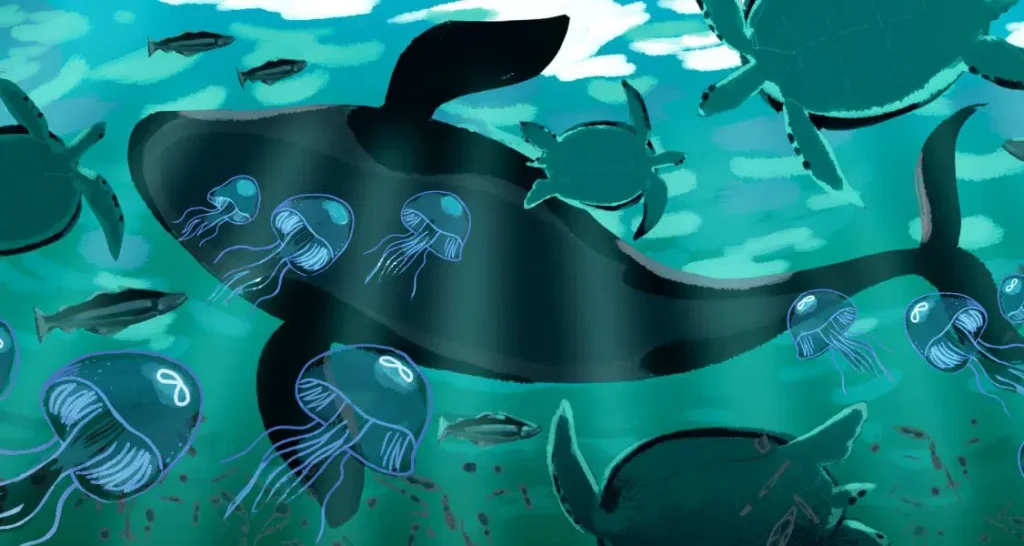
Populations and Resources
Domain: Life Science
Unit type: Core
Student role: Biologists
Phenomenon: The size of the moon jelly population in Glacier Sea has increased.
Matter and Energy in Ecosystems
Domain: Life Science
Unit type: Core
Student role: Ecologists
Phenomenon: What caused the mysterious crash of a biodome ecosystem?
Natural Selection
Domain: Life Science
Unit type: Core
Student role: Biologists
Phenomenon: The newt population in Oregon State Park has become more poisonous over time.
Natural Selection Engineering Internship
Domain: Life Science
Unit type: Engineering internship
Student role: Clinical engineers
Phenomenon: Designing malaria treatment plans that use different combinations of drugs can reduce drug resistance development while helping malaria patients.
Evolutionary History
Domain: Life Science
Unit type: Core
Student role: Paleontologists
Phenomenon: A mystery fossil at the Natural History Museum has similarities with both wolves and whales.
Harnessing Human Energy
Domain: Physical Science
Unit type: Launch
Student role: Energy scientists
Phenomenon: Rescue workers can use their own human kinetic energy to power the electrical devices they use during rescue missions.
Force and Motion
Domain: Physical Science
Unit type: Core
Student role: Physicists
Phenomenon: The asteroid sample-collecting pod failed to dock at the space station as planned.
Force and Motion Engineering Internship
Domain: Physical Science
Unit type: Engineering internship
Student role: Mechanical engineering interns
Phenomenon: Designing emergency supply delivery pods with different structures can maintain the integrity of the supply pods and their contents.
Magnetic Fields
Domain: Physical Science
Unit type: Core
Student role: Physicists
Phenomenon: During a test launch, a spacecraft traveled much faster than expected.
Thermal Energy
Domain: Physical Science
Unit type: Core
Student role: Thermal scientists
Phenomenon: One of two proposed heating systems for Riverdale School will best heat the school.
Phase Change
Domain: Physical Science
Unit type: Core
Student role: Chemists
Phenomenon: A methane lake on Titan no longer appears in images taken by a space probe two years apart.
Phase Change Engineering Internship
Domain: Physical Science
Unit type: Engineering internship
Student role: Chemical engineering interns
Phenomenon: Designing portable baby incubators with different combinations of phase change materials can keep babies at a healthy temperature.
Chemical Reactions
Domain: Physical Science
Unit type: Core
Student role: Forensic chemists
Phenomenon: A mysterious brown substance has been detected in the tap water of Westfield.
Light Waves
Domain: Physical Science
Unit type: Core
Student role: Spectroscopists
Phenomenon: The rate of skin cancer is higher in Australia than in other parts of the world.
Resources


Welcome, Nebraska educators!
Designed from the ground up for the NGSS to teach students to think, read, write, and argue like real scientists and engineers, Amplify Science combines literacy-rich activities with hands-on learning and digital tools to engage students in exploring compelling phenomena in every unit.

Overview
Developed by UC Berkeley’s Lawrence Hall of Science, our program features:
- A phenomena-based approach where students construct a more complex understanding of each unit’s anchor phenomenon.
- A blend of cohesive storylines, hands-on investigations, rich discussions, literacy-rich activities, and digital tools.
- Newly crafted units, chapters, lessons, and activities designed to deliver true 3-dimensional learning.
- An instructional design that supports all learners in accessing all standards.
Hear what these educators have to say about the program. >
Explore your grade level
Get started by watching this class share what they’re figuring out with Amplify Science. >
Then select your grade level below to learn more about how we make this type of rich learning accessible to all students at every grade.
Elementary school
When you’re ready:
- Find a summary of each unit below including each unit’s student role and anchor phenomenon.
- Download some helpful resources to support your review.
- Explore the digital Teacher’s Guide by clicking the orange “Review now” button.


Unit 1
Needs of Plants and Animals
Student role: Scientists
Phenomenon: There are no monarch caterpillars in the Mariposa Grove community garden ever since vegetables were planted.

Unit 2
Pushes and Pulls
Student role: Pinball engineers
Phenomenon: Pinball machines allow people to control the direction and strength of forces on a ball.
Unit 3
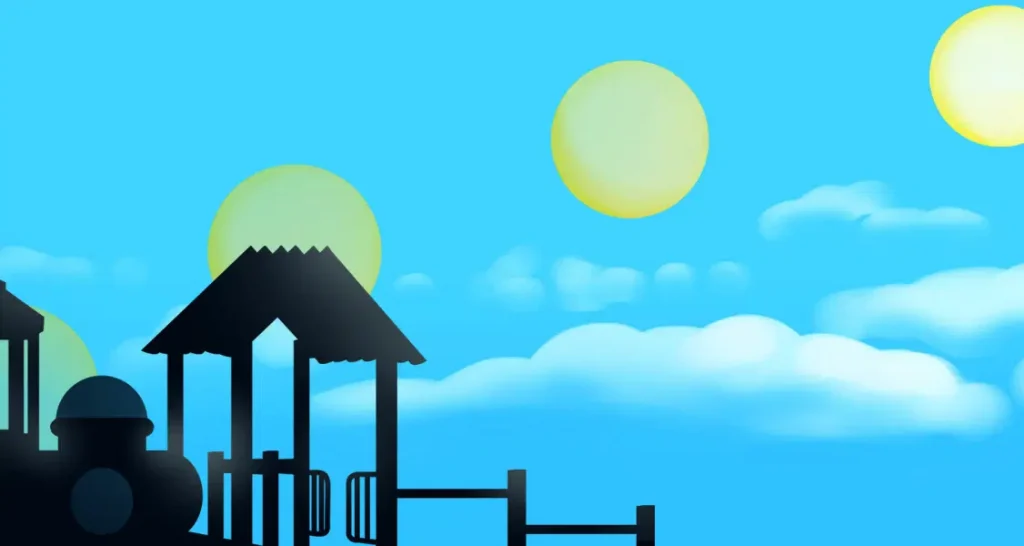
Sunlight and Weather
Student role: Weather scientists
Phenomenon: Students at one school are too cold during morning recess, while students at another are too hot during afternoon recess.

Unit 1
Animal and Plant Defenses
Student role: Marine scientists
Phenomenon: Spruce the Sea Turtle will soon be released back into the ocean, where she will survive despite predators.
Unit 2
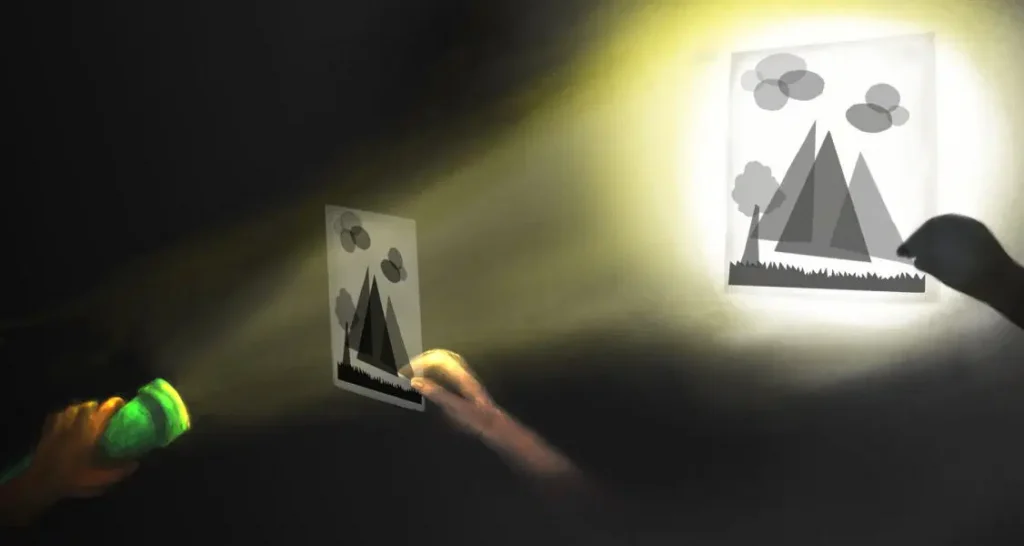
Light and Sound
Student role: Light and sound engineers
Phenomenon: A puppet show company uses light and sound to depict realistic scenes in puppet shows.

Unit 3
Spinning Earth
Student role: Sky scientists
Phenomenon: The sky looks different to Sai and his grandma when they talk on the phone at night.

Unit 1
Plant and Animal Relationships
Student role: Plant scientists
Phenomenon: No new chalta trees are growing in the fictional Bengal Tiger Reserve in India.
Unit 2
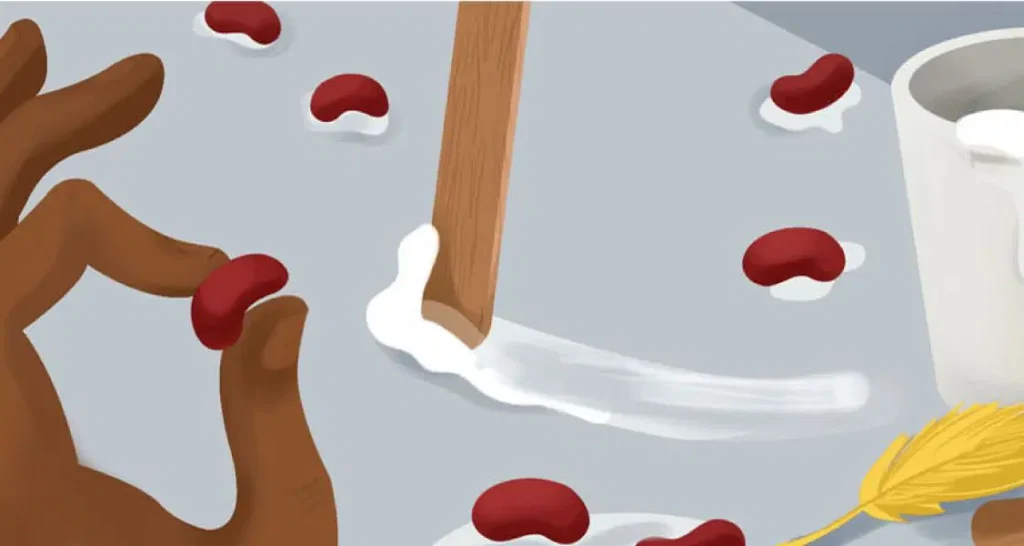
Properties of Materials
Student role: Glue engineers
Phenomenon: Different glue recipes result in glues that have different properties.
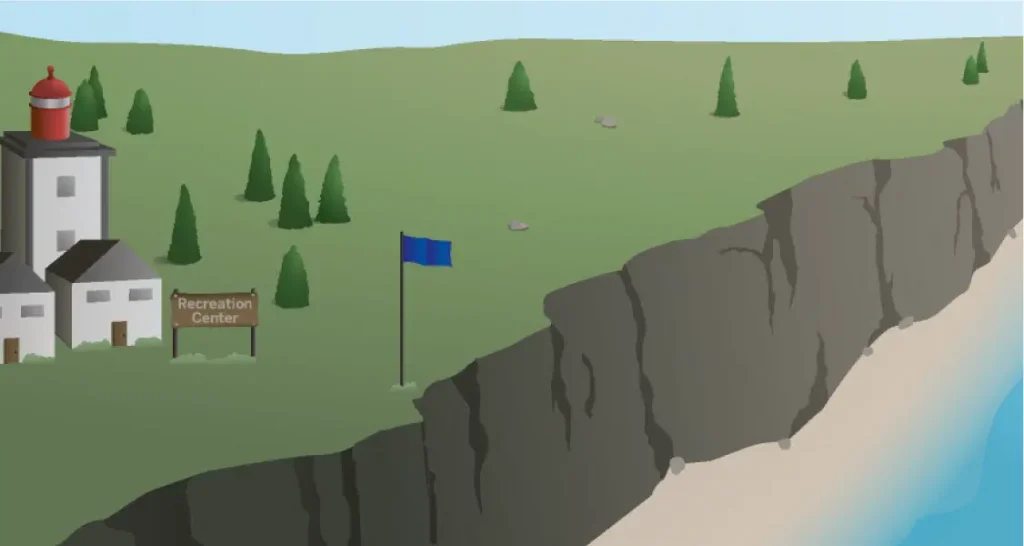
Unit 3
Changing Landforms
Student role: Geologists
Phenomenon: The cliff on which Oceanside Recreation Center is situated appears to be receding.
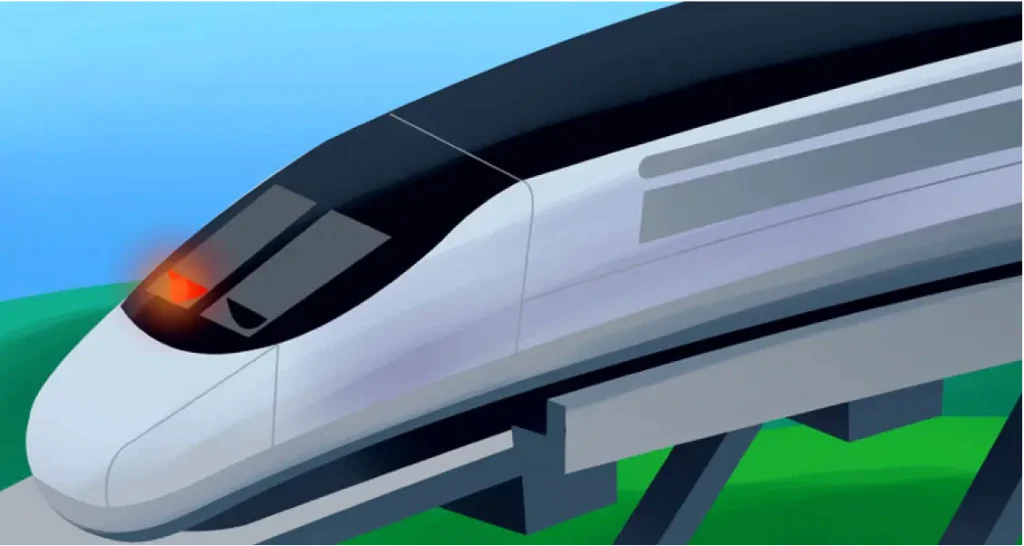
Unit 1
Balancing Forces
Student role: Engineers
Phenomenon: The fictional town of Faraday is getting a new train. Unlike typical trains, this one floats, which is causing some concern among the town’s citizens.
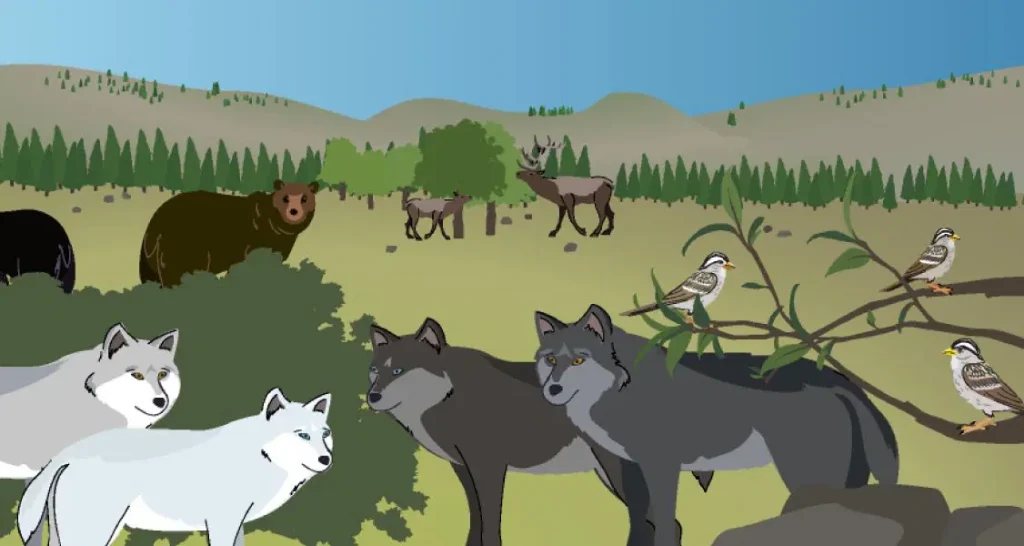
Unit 2
Inheritance and Traits
Student role: Wildlife biologists
Phenomenon: An adopted wolf in Graystone National Park has some traits in common with one wolf pack in the park and other traits in common with a different pack.
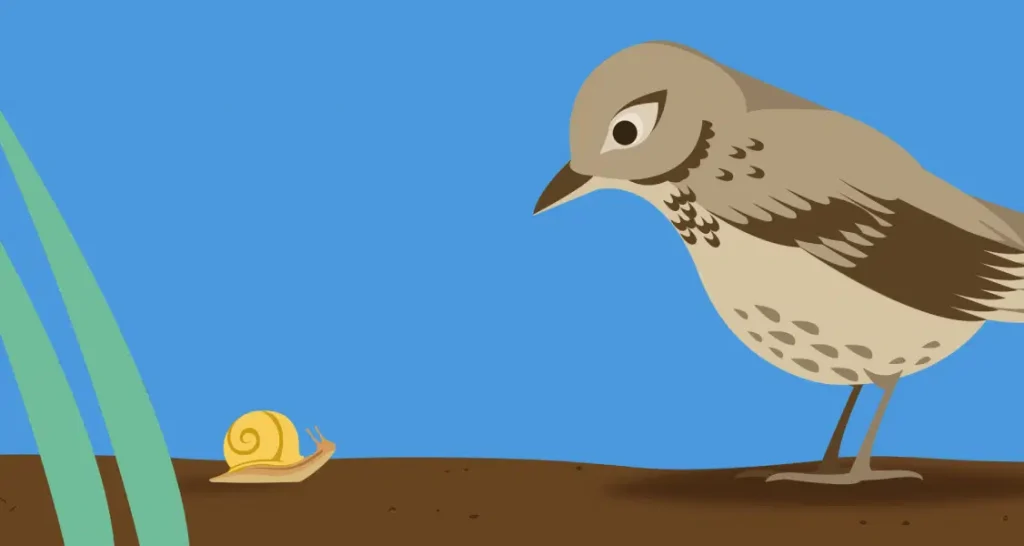
Unit 3
Environments and Survival
Student role: Biomimicry engineers
Phenomenon: Over 10 years, a population of grove snails has changed. Populations with yellow shells have decreased, while those with banded shells have increased.

Unit 4
Weather and Climate
Student role: Meteorologists
Phenomenon: Three different islands, each a contender for becoming an orangutan reserve, experience different weather patterns.

Unit 1
Energy Conversions
Student role: System engineers
Phenomenon: The fictional town of Ergstown experiences frequent blackouts. Their electrical system seems to be failing.

Unit 2
Vision and Light
Student role: Conservation biologists
Phenomenon: The population of Tokay geckos in a rain forest in the Philippines has decreased since the installation of new highway lights.

Unit 3
Earth’s Features
Student role: Geologists
Phenomenon: A mysterious fossil is discovered in a canyon within the fictional Desert Rocks National Park.

Unit 4
Waves, Energy, and Information
Student role: Marine scientists
Phenomenon: Mother dolphins in the fictional Blue Bay National Park communicate with their calves despite the distance between them.

Unit 1
Patterns of Earth and Sky
Student role: Astronomers
Phenomenon: An ancient artifact depicts what we see in the sky at different times of the day, but it appears to be missing a piece.
Unit 2
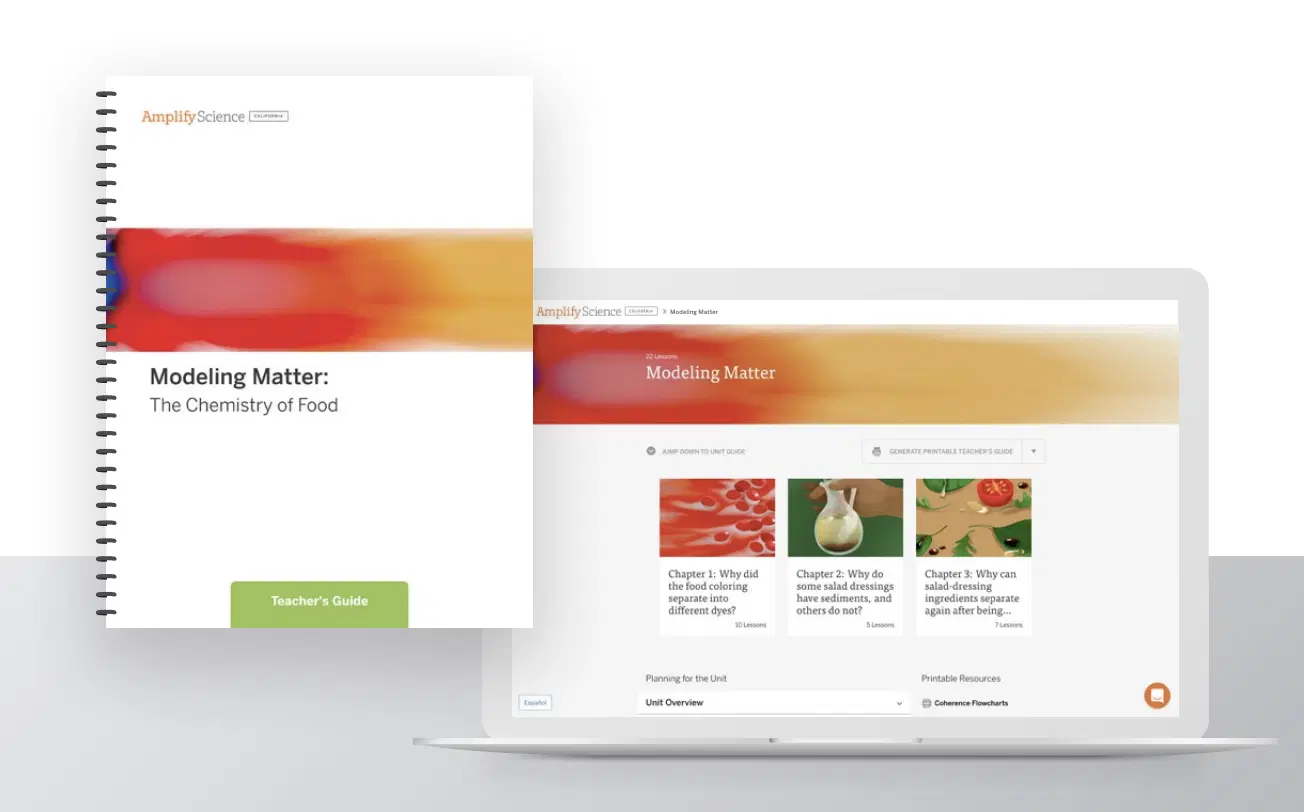
Modeling Matter
Student role: Food scientists
Phenomenon: Some ingredients dissolve in a salad dressing while others, like oil and vinegar, appear to separate

Unit 3
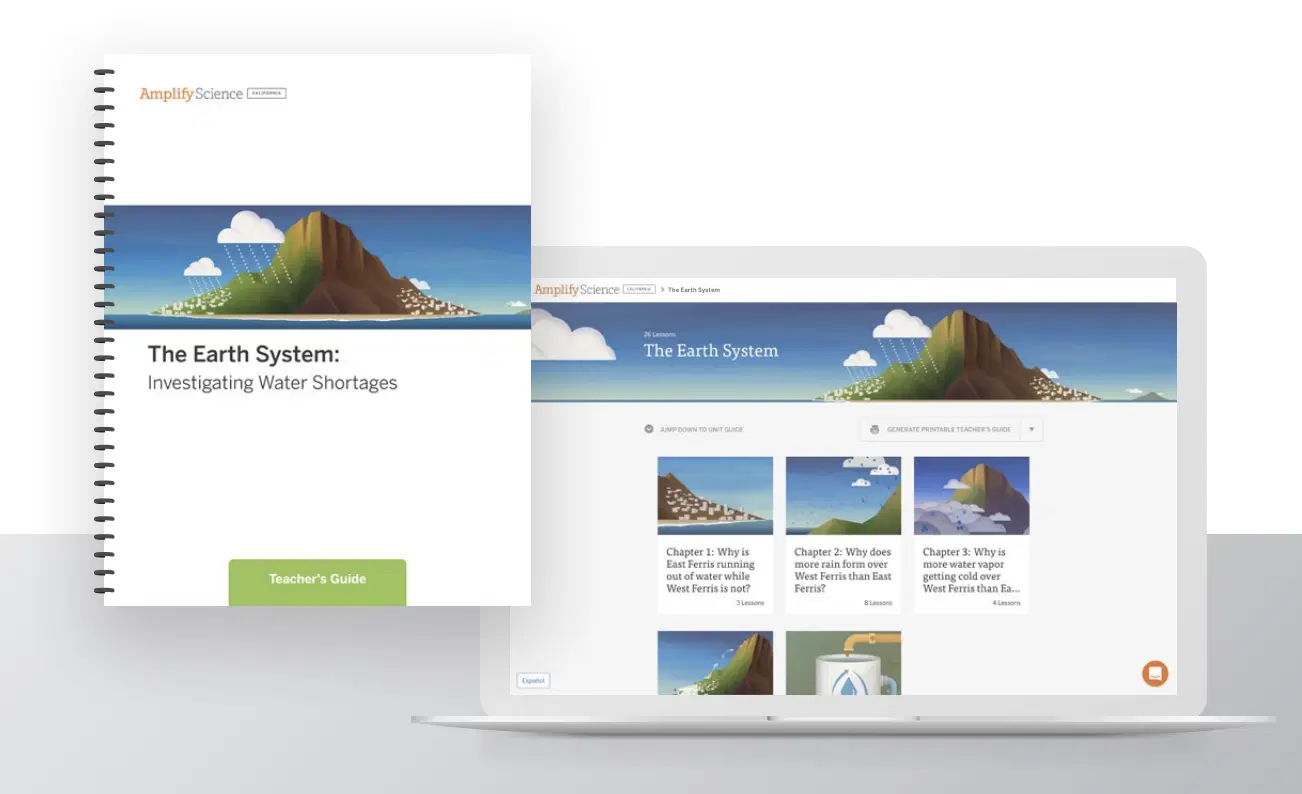
The Earth System
Student role: Water resource engineers
Phenomenon: East Ferris, a city on one side of the fictional Ferris Island, is experiencing a water shortage, while West Ferris is not.
Unit 4
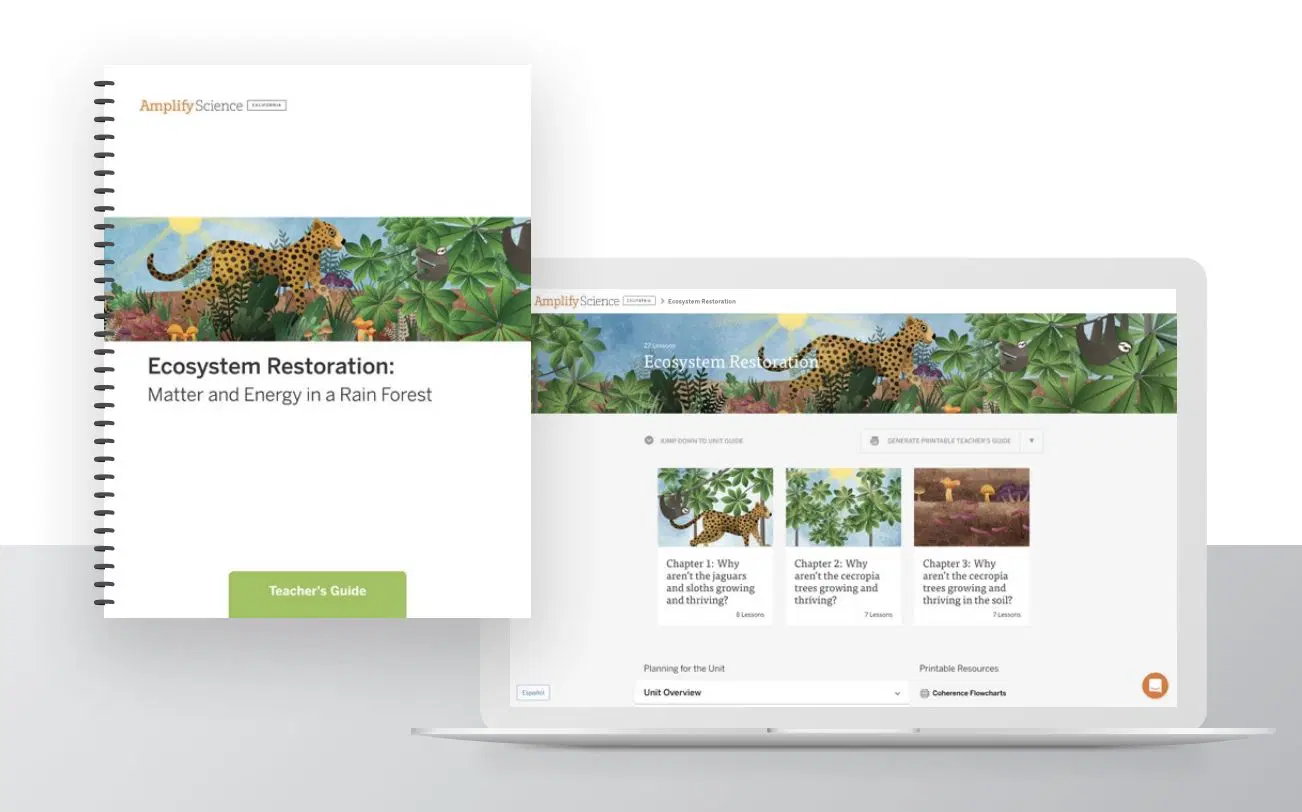
Ecosystem Restoration
Student role: Ecologists
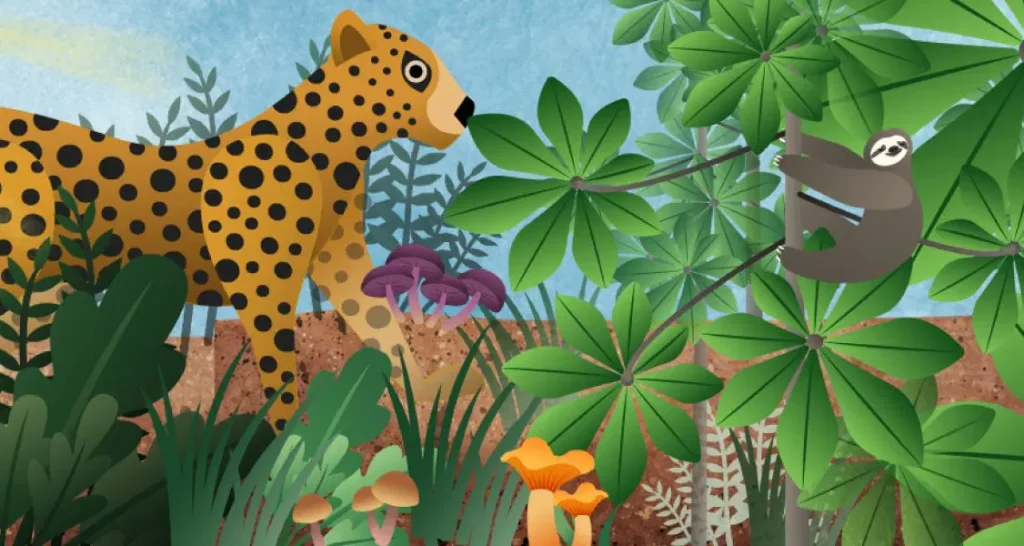
Phenomenon: The jaguars, sloths, and cecropia trees in a reforested section of a Costa Rican rain forest are not growing or thriving.
Middle school
When you’re ready:
- Find a summary of each unit below including each unit’s student role and anchor phenomenon.
- Download some helpful resources to support your review.
- Explore the digital Teacher’s Guide by clicking the orange “Review now” button.

LAUNCH
Microbiome
Domain: Life Science
Unit type: Launch
Student role: Microbiological researchers
Phenomenon: The presence of 100 trillion microorganisms living on and in the human body may keep the body healthy.
CORE
Metabolism
Domain: Life Science
Unit type: Core
Student role: Medical researchers
Phenomenon: Elisa, a young patient, feels tired all the time.
ENGINEERING INTERNSHIP
Metabolism Engineering Internship
Domains: Life Science, Engineering Design
Unit type: Engineering internship
Student role: Food engineers
Phenomenon: Designing health bars with different molecular compositions can effectively meet the metabolic needs of patients or rescue workers.
CORE
Traits and Reproduction
Domain: Life Science
Unit type: Core
Student role: Biomedical students
Phenomenon: Darwin’s bark spider offspring have different silk flexibility traits, even though they have the same parents.
CORE
Thermal Energy
Domain: Physical Science
Unit type: Core
Student role: Thermal scientists
Phenomenon: One of two proposed heating systems for Riverdale School will best heat the school.
CORE
Ocean, Atmosphere, and Climate
Domains: Earth and Space Science, Physical Science
Unit type: Core
Student role: Climatologists
Phenomenon: During El Niño years, the air temperature in Christchurch, New Zealand is cooler than usual.
CORE
Weather Patterns
Domains: Earth and Space Science, Physical Science
Unit type: Core
Student role: Forensic meteorologists
Phenomenon: In recent years, rainstorms in Galetown have been unusually severe.
CORE
Earth’s Changing Climate
Domains: Earth and Space Science, Life Science
Unit type: Core
Student role: Climatologists
Phenomenon: The ice on Earth’s surface is melting.
Engineering Internship
Earth’s Changing Climate Engineering Internship
Domains: Earth and Space Science, Engineering Design
Unit type: Engineering internship
Student role: Civil engineers
Phenomenon: Designing rooftops with different modifications can reduce a city’s impact on climate change.
LAUNCH
Geology on Mars
Domain: Earth and Space Science
Unit type: Launch
Student role: Planetary geologists
Phenomenon: Analyzing data about landforms on Mars can provide evidence that Mars may have once been habitable.
CORE
Plate Motion
Domain: Earth and Space Science
Unit type: Core
Student role: Geologists
Phenomenon: Mesosaurus fossils have been found on continents separated by thousands of kilometers of ocean, even though the Mesosaurus species once lived all together.
ENGINEERING INTERNSHIP
Plate Motion Engineering Internship
Domains: Earth and Space Science, Engineering Design
Unit type: Engineering internship
Student role: Mechanical engineering interns
Phenomenon: Patterns in earthquake data can be used to design an effective tsunami warning system.
CORE
Rock Transformations
Domain: Earth and Space Science
Unit type: Core
Student role: Geologists
Phenomenon: Rock samples from the Great Plains and from the Rocky Mountains — regions hundreds of miles apart — look very different, but have surprisingly similar mineral compositions.
CORE
Phase Change
Domains: Physical Science, Earth and Space Science
Unit type: Core
Student role: Chemists
Phenomenon: A methane lake on Titan no longer appears in images taken by a space probe two years apart.
ENGINEERING INTERNSHIP
Phase Change Engineering Internship
Domains: Engineering Design, Physical Science
Unit type: Engineering internship
Student role: Chemical engineering interns
Phenomenon: Designing portable baby incubators with different combinations of phase change materials can keep babies at a healthy temperature.
CORE
Chemical Reactions
Domains: Physical Science, Life Science, Earth and Space Science
Unit type: Core
Student role: Forensic chemists
Phenomenon: A mysterious brown substance has been detected in the tap water of Westfield.
CORE
Populations and Resources
Domains: Life Science, Earth and Space Science
Unit type: Core
Student role: Biologists
Phenomenon: The size of the moon jelly population in Glacier Sea has increased.
CORE
Matter and Energy in Ecosystems
Domains: Life Science, Earth and Space Science, Physical Science
Unit type: Core
Student role: Ecologists
Phenomenon: The biodome ecosystem has collapsed.
LAUNCH
Harnessing Human Energy
Domains: Physical Science, Earth and Space Science, Engineering Design
Unit type: Launch
Student role: Energy scientists
Phenomenon: Rescue workers can use their own human kinetic energy to power the electrical devices they use during rescue missions.
CORE
Force and Motion
Domain: Physical Science
Unit type: Core
Student role: Physicists
Phenomenon: The asteroid sample-collecting pod failed to dock at the space station as planned.
ENGINEERING INTERNSHIP
Force and Motion Engineering Internship
Domains: Engineering Design, Physical Science
Unit type: Engineering internship
Student role: Mechanical engineering interns
Phenomenon: Designing emergency supply delivery pods with different structures can maintain the integrity of the supply pods and their contents.
CORE
Magnetic Fields
Domain: Physical Science
Unit type: Core
Student role: Physicists
Phenomenon: During a test launch, a spacecraft traveled much faster than expected.

CORE
Light Waves
Domains: Physical Science, Life Science, Earth and Space Science
Unit type: Core
Student role: Spectroscopists
Phenomenon: The rate of skin cancer is higher in Australia than in other parts of the world.
CORE
Earth, Moon, and Sun
Domains: Earth and Space Science, Physical Science
Unit type: Core
Student role: Astronomers
Phenomenon: An astrophotographer can only take pictures of specific features on the Moon at certain times.
CORE
Natural Selection
Domains: Life Science, Earth and Space Science
Unit type: Core
Student role: Biologists
Phenomenon: The newt population in Oregon State Park has become more poisonous over time.
ENGINEERING INTERNSHIP
Natural Selection Engineering Internship
Domains: Engineering Design, Life Science
Unit type: Engineering internship
Student role: Clinical engineers
Phenomenon: Designing malaria treatment plans that use different combinations of drugs can reduce drug resistance development while helping malaria patients.
CORE
Evolutionary History
Domains: Life Science, Earth and Space Science
Unit type: Core
Student role: Paleontologists
Phenomenon: A mystery fossil at the Natural History Museum has similarities with both wolves and whales.
Resources to support your review
Select a topic below to explore helpful resources with more information about Amplify Science, the program’s development, and pedagogy.


[Video] Planning in action (K–5)
Watch how easy it is for Amplify Science teachers to prep their 3-D instruction.
[Video] Planning in action (6–8)
Watch how easy it is for Amplify Science teachers to prep their 3-D instruction.


[Video] Simulations and modeling tools (K–5)
Watch how students investigate phenomena with the help of digital tools.
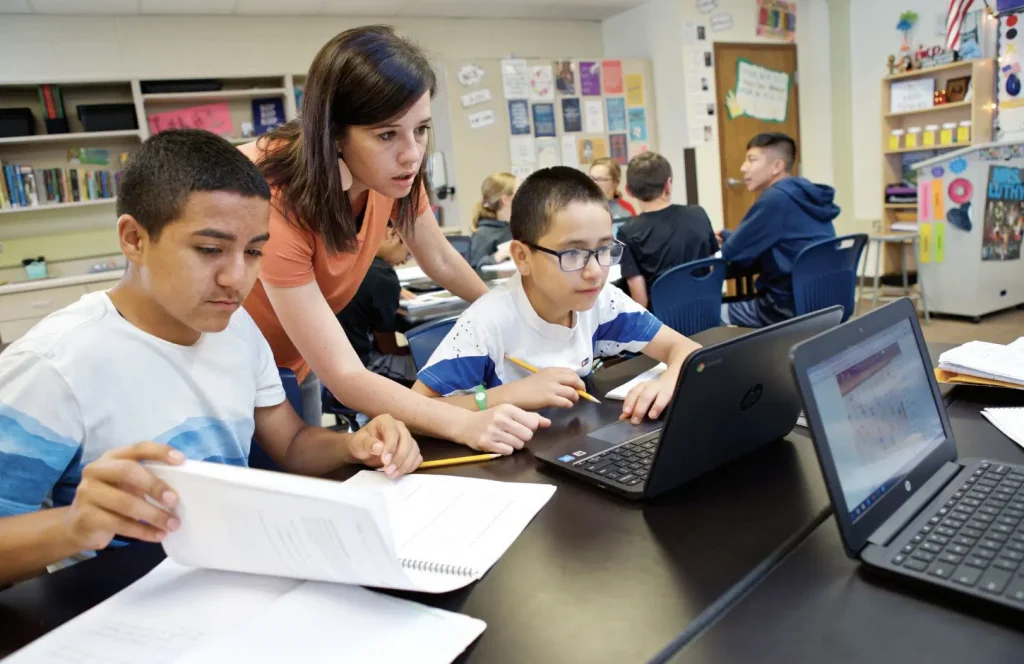
[Video] Simulations and modeling tools (6–8)
Watch how students investigate phenomena with the help of digital tools.




Students ready for more
Learn how we make learning more rigorous for students ready for a challenge.
[Video] Literacy in action (K–5)
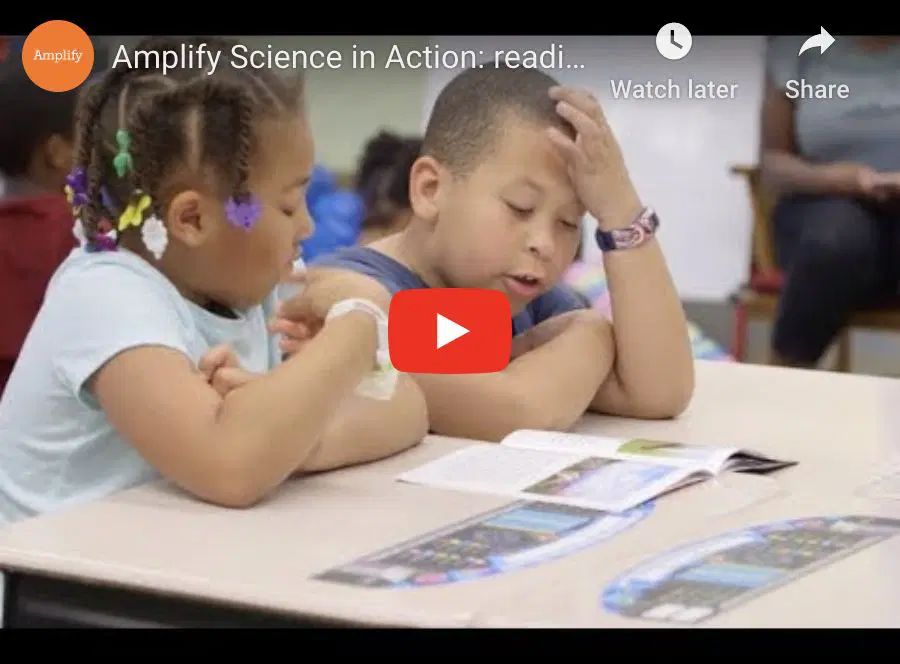
Watch students use scientific text to obtain information and practice reading skills, while using writing prompts to create arguments using evidence

[Video] Literacy in action (6–8)
Watch students use scientific text to obtain information and practice reading skills, while using writing prompts to create arguments using evidence.

Literacy-rich science instruction (K–5)
Immersing young students in reading, writing, and arguing like real scientists and engineers.


NGSS Benchmark assessments
Learn more about the Next Generation Science Standards Benchmark assessments created by Amplify.


Remote and hybrid learning guide
Amplify is here to help! Amplify Science will soon feature product enhancements and new resources that will help manage the new landscape of back-to-school 2020.
Ready to start exploring with digital access?
Contact an Amplify representative
Laina Armbruster
larmbruster@amplify.com
(602) 791-4135
Bob McCarty
rmccarty@amplify.com
(435) 655-1731
Kristin McDonald
kmcdonald@amplify.com
(515) 240-0244
A closer look at grades 6–8
Amplify Science California is based on the latest research on teaching and learning and helps teachers deliver rigorous and riveting lessons through hands-on investigations, literacy-rich activities, and interactive digital tools that empower students to think, read, write, and argue like real scientists.
In the 6–8 classroom, this looks like students:
- Collecting evidence from a variety of sources.
- Making sense of evidence in a variety of ways.
- Formulating convincing scientific arguments.
Is your school implementing the domain model? Click here.
Program structure
Our cyclical lesson design ensures students receive multiple exposures to concepts through a variety of modalities. As they progress through the lessons within a unit, students build and deepen their understanding, increasing their ability to develop and refine complex explanations of the unit’s phenomenon.
It’s this proven program structure and lesson design that enables Amplify Science California to teach less, but achieve more. Rather than asking teachers to wade through unnecessary content, we designed our 6–8 program to address 100% of the California NGSS in fewer lessons than other programs.
Scope and sequence
Every year our grades 6–8 sequence consists of 9 units, with each unit containing 10–19 lessons. Lessons are written to last a minimum of 45-minutes, though teachers can expand or contract the timing to meet their needs.
Unit types
Each unit delivers three-dimensional learning experiences and engages students in gathering evidence from a rich collection of sources, while also serving a unique purpose.
In grades 6–8, there are three types of units:
- One unit is a launch unit.
- Three units are core units.
- Two units are engineering internships.
Launch units
Launch units are the first units taught in each year of Amplify Science California. The goal of the Launch unit is to introduce students to norms, routines, and practices that will be built on throughout the year, including argumentation, active reading, and using the program’s technology. For example, rather than taking the time to explain the process of active reading in every unit in a given year, it is explained thoroughly in the Launch unit, thereby preparing students to read actively in all subsequent units.
Core units
Core units establish the context of the unit by introducing students to a real-world problem. As students move through lessons in a Core unit, they figure out the unit’s anchoring phenomenon, gain an understanding of the unit’s disciplinary core ideas and science and engineering practices, and make linkages across topics through the crosscutting concepts. Each Core unit culminates with a Science Seminar and final writing activity.
Engineering Internship units
Engineering Internship units invite students to design solutions for real-world problems as interns for a fictional company called Futura. Students figure out how to help those in need, from tsunami victims in Sri Lanka to premature babies, through the application of engineering practices. In the process, they apply and deepen their learning from Core units.
Units at a glance
Microbiome
Domain: Life Science
Unit type: Launch
Student role: Microbiological researchers
Phenomenon: The presence of 100 trillion microorganisms living on and in the human body may keep the body healthy.
Metabolism
Domain: Life Science
Unit type: Core
Student role: Medical researchers
Phenomenon: Elisa, a young patient, feels tired all the time.
Metabolism Engineering Internship
Domains: Life Science, Engineering Design
Unit type: Engineering internship
Student role: Food engineers
Phenomenon: Designing health bars with different molecular compositions can effectively meet the metabolic needs of patients or rescue workers.
Traits and Reproduction
Domain: Life Science
Unit type: Core
Student role: Biomedical students
Phenomenon: Darwin’s bark spider offspring have different silk flexibility traits, even though they have the same parents.
Thermal Energy
Domain: Physical Science
Unit type: Core
Student role: Thermal scientists
Phenomenon: One of two proposed heating systems for Riverdale School will best heat the school.
Ocean, Atmosphere, and Climate
Domains: Earth and Space Science, Physical Science
Unit type: Core
Student role: Climatologists
Phenomenon: During El Niño years, the air temperature in Christchurch, New Zealand is cooler than usual.
Weather Patterns
Domains: Earth and Space Science, Physical Science
Unit type: Core
Student role: Forensic meteorologists
Phenomenon: In recent years, rainstorms in Galetown have been unusually severe.
Earth’s Changing Climate
Domains: Earth and Space Science, Life Science
Unit type: Core
Student role: Climatologists
Phenomenon: The ice on Earth’s surface is melting.
Earth’s Changing Climate Engineering Internship
Domains: Earth and Space Science, Engineering Design
Unit type: Engineering internship
Student role: Civil engineers
Phenomenon: Designing rooftops with different modifications can reduce a city’s impact on climate change.
Geology on Mars
Domain: Earth and Space Science
Unit type: Launch
Student role: Planetary geologists
Phenomenon: Analyzing data about landforms on Mars can provide evidence that Mars may have once been habitable.
Plate Motion
Domain: Earth and Space Science
Unit type: Core
Student role: Geologists
Phenomenon: Mesosaurus fossils have been found on continents separated by thousands of kilometers of ocean, even though the Mesosaurus species once lived all together.
Plate Motion Engineering Internship
Domains: Earth and Space Science, Engineering Design
Unit type: Engineering internship
Student role: Mechanical engineering interns
Phenomenon: Patterns in earthquake data can be used to design an effective tsunami warning system.
Rock Transformations
Domain: Earth and Space Science
Unit type: Core
Student role: Geologists
Phenomenon: Rock samples from the Great Plains and from the Rocky Mountains — regions hundreds of miles apart — look very different, but have surprisingly similar mineral compositions.
Phase Change
Domains: Physical Science, Earth and Space Science
Unit type: Core
Student role: Chemists
Phenomenon: A methane lake on Titan no longer appears in images taken by a space probe two years apart
Force and Motion Engineering Internship
Domains: Engineering Design, Physical Science
Unit type: Engineering internship
Student role: Mechanical engineering interns
Phenomenon: Designing emergency supply delivery pods with different structures can maintain the integrity of the supply pods and their contents.
Chemical Reactions
Domains: Physical Science, Life Science, Earth and Space Science
Unit type: Core
Student role: Forensic chemists
Phenomenon: A mysterious brown substance has been detected in the tap water of Westfield.
Populations and Resources
Domains: Life Science, Earth and Space Science
Unit type: Core
Student role: Biologists
Phenomenon: The size of the moon jelly population in Glacier Sea has increased.
Matter and Energy in Ecosystems
Domains: Life Science, Earth and Space Science, Physical Science
Unit type: Core
Student role: Ecologists
Phenomenon: The biodome ecosystem has collapsed.
Harnessing Human Energy
Domains: Physical Science, Earth and Space Science, Engineering Design
Unit type: Launch
Student role: Energy scientists
Phenomenon: Rescue workers can use their own human kinetic energy to power the electrical devices they use during rescue missions.
Force and Motion
Domain: Physical Science
Unit type: Core
Student role: Physicists
Phenomenon: The asteroid sample-collecting pod failed to dock at the space station as planned.
Phase Change Engineering Internship
Domains: Engineering Design, Physical Science
Unit type: Engineering internship
Student role: Chemical engineering interns
Phenomenon: Designing portable baby incubators with different combinations of phase change materials can keep babies at a healthy temperature.
Magnetic Fields
Domain: Physical Science
Unit type: Core
Student role: Physicists
Phenomenon: During a test launch, a spacecraft traveled much faster than expected.
Light Waves
Domains: Physical Science, Life Science, Earth and Space Science
Unit type: Core
Student role: Spectroscopists
Phenomenon: The rate of skin cancer is higher in Australia than in other parts of the world.
Earth, Moon, and Sun
Domains: Earth and Space Science, Physical Science
Unit type: Core
Student role: Astronomers
Phenomenon: An astrophotographer can only take pictures of specific features on the Moon at certain times.
Natural Selection
Domains: Life Science, Earth and Space Science
Unit type: Core
Student role: Biologists
Phenomenon: The newt population in Oregon State Park has become more poisonous over time.
Natural Selection Engineering Internship
Domains: Engineering Design, Life Science
Unit type: Engineering internship
Student role: Clinical engineers
Phenomenon: Designing malaria treatment plans that use different combinations of drugs can reduce drug resistance development while helping malaria patients.
Evolutionary History
Domains: Life Science, Earth and Space Science
Unit type: Core
Student role: Paleontologists
Phenomenon: A mystery fossil at the Natural History Museum has similarities with both wolves and whales.
Resources
A closer look at grades 6–8 (domain)
Amplify Science California is based on the latest research on teaching and learning and helps teachers deliver rigorous and riveting lessons through hands-on investigations, literacy-rich activities, and interactive digital tools that empower students to think, read, write, and argue like real scientists.
In the 6–8 classroom, this looks like students:
- Collecting evidence from a variety of sources.
- Making sense of evidence in a variety of ways.
- Formulating convincing scientific arguments.
Is your school implementing the integrated model? Click here.
Program structure
Our cyclical lesson design ensures students receive multiple exposures to concepts through a variety of modalities. As they progress through the lessons within a unit, students build and deepen their understanding, increasing their ability to develop and refine complex explanations of the unit’s phenomenon.
It’s this proven program structure and lesson design that enables Amplify Science California to teach less, but achieve more. Rather than asking teachers to wade through unnecessary content, we designed our 6–8 program to address 100% of the California NGSS in fewer lessons than other programs.
Scope and sequence
Every year of our grades 6–8 sequence consists of 9 units, with each unit containing 10–19 lessons. Lessons are written to last a minimum of 45 minutes, though teachers can expand or contract the timing to meet their needs.
Unit types
Each unit delivers three-dimensional learning experiences and engages students in gathering evidence from a rich collection of sources, while also serving a unique purpose.
In grades 6–8, there are three types of units:
- One unit is a launch unit.
- Three units are core units.
- Two units are engineering internships.
Launch units
Launch units are the first units taught in each year of Amplify Science California. The goal of the Launch unit is to introduce students to norms, routines, and practices that will be built on throughout the year, including argumentation, active reading, and using the program’s technology. For example, rather than taking the time to explain the process of active reading in every unit in a given year, it is explained thoroughly in the Launch unit, thereby preparing students to actively read in all subsequent units.
Core units
Core units establish the context of the unit by introducing students to a real-world problem. As students move through lessons in a Core unit, they figure out the unit’s anchoring phenomenon, gain an understanding of the unit’s disciplinary core ideas and science and engineering practices, and make linkages across topics through the crosscutting concepts. Each Core unit culminates with a Science Seminar and final writing activity.
Engineering Internship units
Engineering Internship units invite students to design solutions for real-world problems as interns for a fictional company called Futura. Students figure out how to help those in need, from tsunami victims in Sri Lanka to premature babies, through the application of engineering practices. In the process, they apply and deepen their learning from Core units.
Units at a glance
Geology on Mars
Domain: Earth and Space Science
Unit type: Launch
Student role: Planetary geologists
Phenomenon: Analyzing data about landforms on Mars can provide evidence that Mars may have once been habitable.
Plate Motion
Domain: Earth and Space Science
Unit type: Core
Student role: Geologists
Phenomenon: Mesosaurus fossils have been found on continents separated by thousands of kilometers of ocean, even though the Mesosaurus species once lived all together.
Plate Motion Engineering Internship
Domain: Earth and Space Science
Unit type: Engineering internship
Student role: Mechanical engineering interns
Phenomenon: Patterns in earthquake data can be used to design an effective tsunami warning system.
Rock Transformations
Domain: Earth and Space Science
Unit type: Core
Student role: Geologists
Phenomenon: Rock samples from the Great Plains and from the Rocky Mountains — regions hundreds of miles apart — look very different, but have surprisingly similar mineral compositions.
Earth, Sun, and Moon
Domain: Earth and Space Science
Unit type: Core
Student role: Astronomers
Phenomenon: An astrophotographer can only take pictures of specific features on the Moon at certain times.
Ocean, Atmosphere, and Climate
Domain: Earth and Space Science
Unit type: Core
Student role: Climatologists
Phenomenon: During El Niño years, the air temperature in Christchurch, New Zealand is cooler than usual.
Weather Patterns
Domain: Earth and Space Science
Unit type: Core
Student role: Forensic meteorologists
Phenomenon: In recent years, rainstorms in Galetown have been unusually severe.
Earth’s Changing Climate
Domain: Earth and Space Science
Unit type: Core
Student role: Climatologists
Phenomenon: The ice on Earth’s surface is melting.
Earth’s Changing Climate Engineering Internship
Domain: Earth and Space Science
Unit type: Engineering internship
Student role: Civil engineers
Phenomenon: Designing rooftops with different modifications can reduce a city’s impact on climate change.
Microbiome
Domain: Life Science
Unit type: Launch
Student role: Microbiological researchers
Phenomenon: The presence of 100 trillion microorganisms living on and in the human body may keep the body healthy.
Metabolism
Domain: Life Science
Unit type: Core
Student role: Medical researchers
Phenomenon: Elisa, a young patient, feels tired all the time.
Metabolism Engineering Internship
Domain: Life Science
Unit type: Engineering internship
Student role: Food engineers
Phenomenon: Designing health bars with different molecular compositions can effectively meet the metabolic needs of patients or rescue workers.
Traits and Reproduction
Domain: Life Science
Unit type: Core
Student role: Biomedical students
Phenomenon: Darwin’s bark spider offspring have different silk flexibility traits, even though they have the same parents.
Populations and Resources
Domain: Life Science
Unit type: Core
Student role: Biologists
Phenomenon: The size of the moon jelly population in Glacier Sea has increased.
Matter and Energy in Ecosystems
Domain: Life Science
Unit type: Core
Student role: Ecologists
Phenomenon: What caused the mysterious crash of a biodome ecosystem?
Natural Selection
Domain: Life Science
Unit type: Core
Student role: Biologists
Phenomenon: The newt population in Oregon State Park has become more poisonous over time.
Natural Selection Engineering Internship
Domain: Life Science
Unit type: Engineering internship
Student role: Clinical engineers
Phenomenon: Designing malaria treatment plans that use different combinations of drugs can reduce drug resistance development while helping malaria patients.
Evolutionary History
Domain: Life Science
Unit type: Core
Student role: Paleontologists
Phenomenon: A mystery fossil at the Natural History Museum has similarities with both wolves and whales.
Harnessing Human Energy
Domain: Physical Science
Unit type: Launch
Student role: Energy scientists
Phenomenon: Rescue workers can use their own human kinetic energy to power the electrical devices they use during rescue missions.
Force and Motion
Domain: Physical Science
Unit type: Core
Student role: Physicists
Phenomenon: The asteroid sample-collecting pod failed to dock at the space station as planned.
Force and Motion Engineering Internship
Domain: Physical Science
Unit type: Engineering internship
Student role: Mechanical engineering interns
Phenomenon: Designing emergency supply delivery pods with different structures can maintain the integrity of the supply pods and their contents.
Magnetic Fields
Domain: Physical Science
Unit type: Core
Student role: Physicists
Phenomenon: During a test launch, a spacecraft traveled much faster than expected.
Thermal Energy
Domain: Physical Science
Unit type: Core
Student role: Thermal scientists
Phenomenon: One of two proposed heating systems for Riverdale School will best heat the school.
Phase Change
Domain: Physical Science
Unit type: Core
Student role: Chemists
Phenomenon: A methane lake on Titan no longer appears in images taken by a space probe two years apart.
Phase Change Engineering Internship
Domain: Physical Science
Unit type: Engineering internship
Student role: Chemical engineering interns
Phenomenon: Designing portable baby incubators with different combinations of phase change materials can keep babies at a healthy temperature.
Chemical Reactions
Domain: Physical Science
Unit type: Core
Student role: Forensic chemists
Phenomenon: A mysterious brown substance has been detected in the tap water of Westfield.
Light Waves
Domain: Physical Science
Unit type: Core
Student role: Spectroscopists
Phenomenon: The rate of skin cancer is higher in Australia than in other parts of the world.
Resources
Welcome, Jordan K-8 reviewers!
What’s included in our Spanish language arts curriculum
Amplify Core Knowledge Language Arts® (CKLA) is available in both English and Spanish. Amplify Caminos al Conocimiento Esencial, our robust Spanish language arts companion for grades K–5, supports multiple teaching models, including dual language immersion and transitional classrooms.

Year at a glance
The program’s intentional Knowledge Sequence from K–5 connects knowledge and vocabulary within a grade level and across grade levels, for deeper reading comprehension and preparation for college, career, and life. Instead of “activating prior knowledge,” Amplify Caminos helps you build it in the classroom from day one, for every child, expanding each student’s knowledge base long before they transition to reading to learn.

Units & domains at a glance
Each Knowledge Domain in grades K–2 and Unit in grades 3–5 varies in the number of days based on instructional purpose. Just as with our top-rated Amplify CKLA program, the Amplify Caminos materials engage and delight young learners with resources that are both appealing and original.
Domain
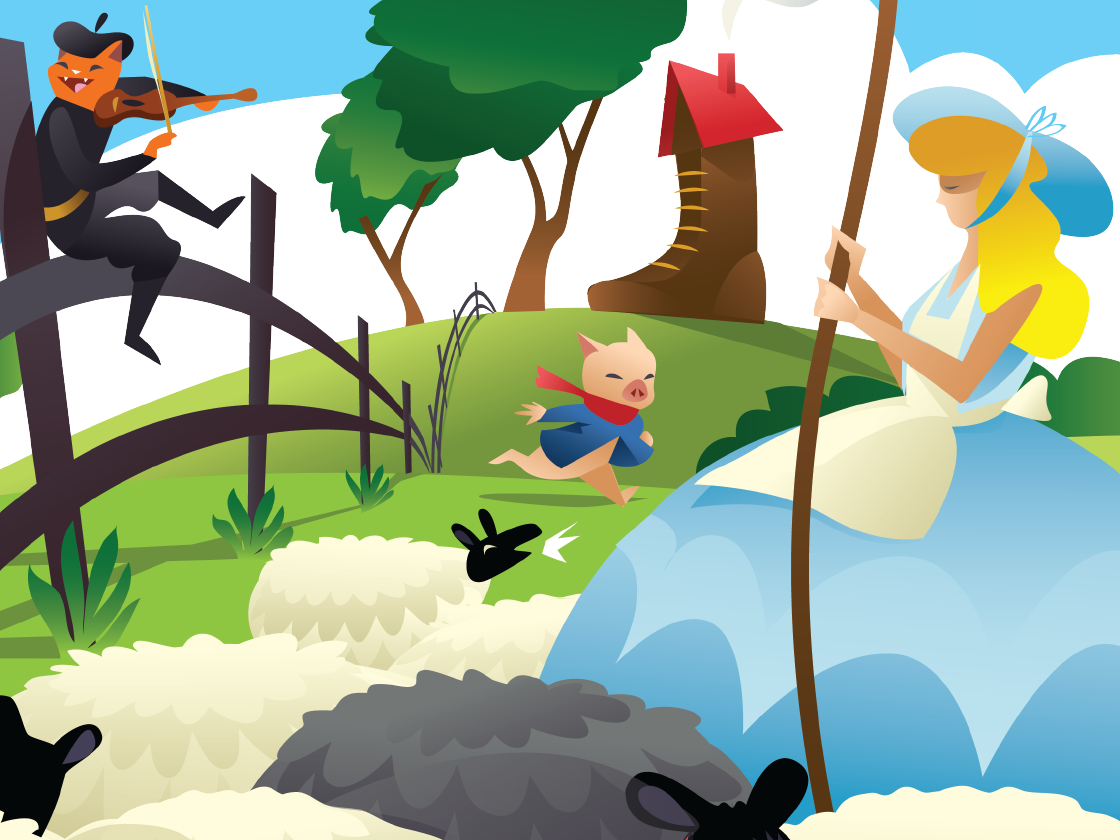
Nursery Rhymes and Fables/Rimas y fábulas infantiles
Start learning about literature with these classic Mother Goose rhymes.
Domain
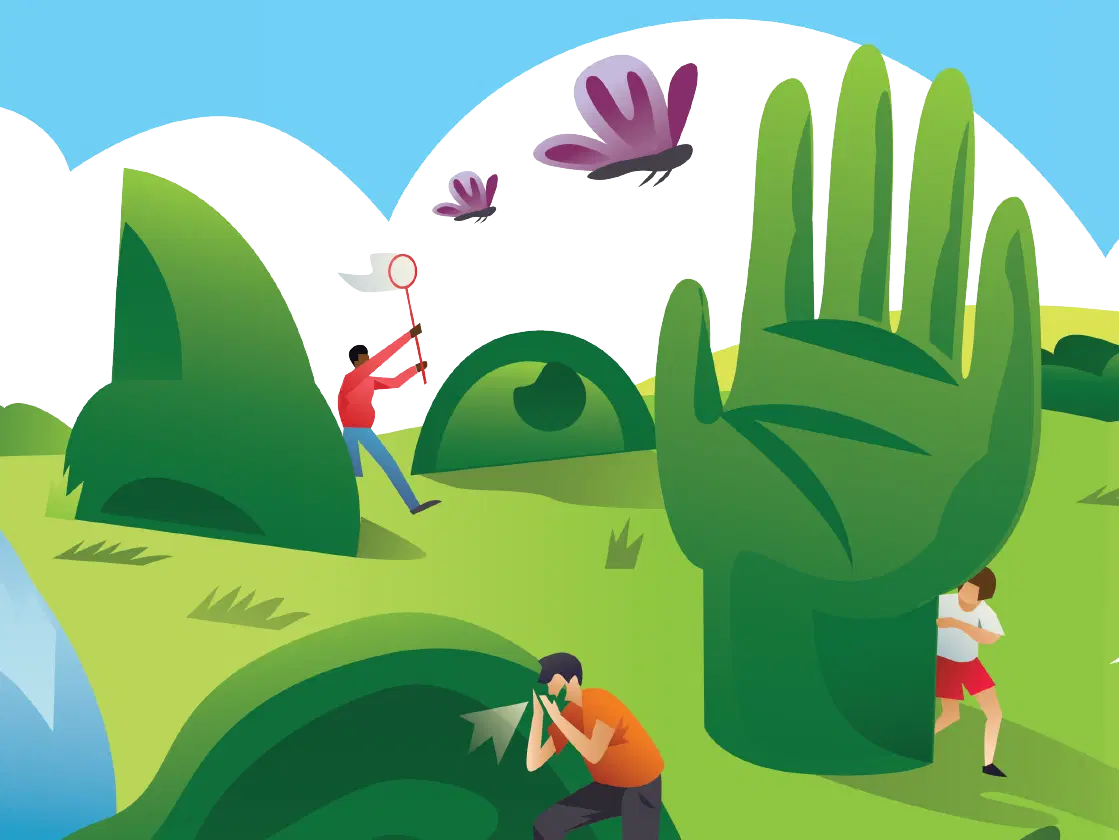
The Five Senses/Los cinco sentidos
Learning about the body starts with learning about how we experience the world.
Domain
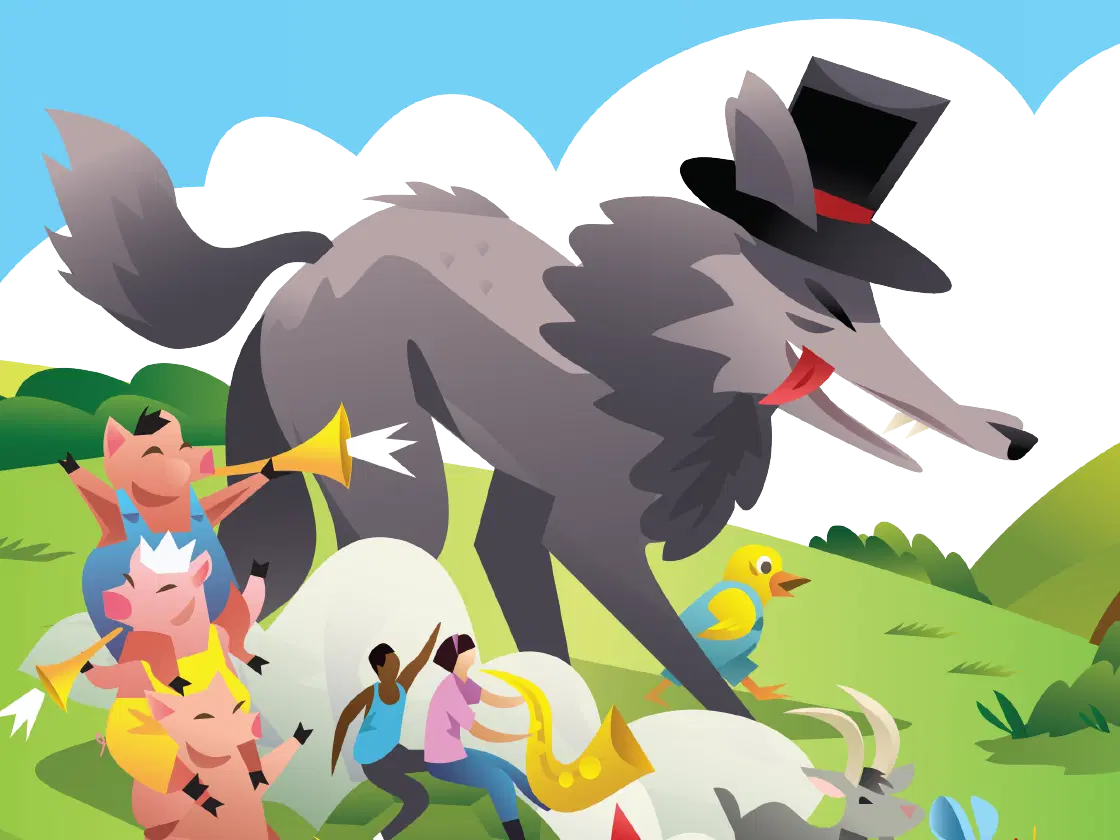
Stories/Cuentos
Learn about the parts of a book and some of the stories that go in one.

Domain
Plants/Plantas
Discover the lifecycle of plants and the history of George Washington Carver.
Domain
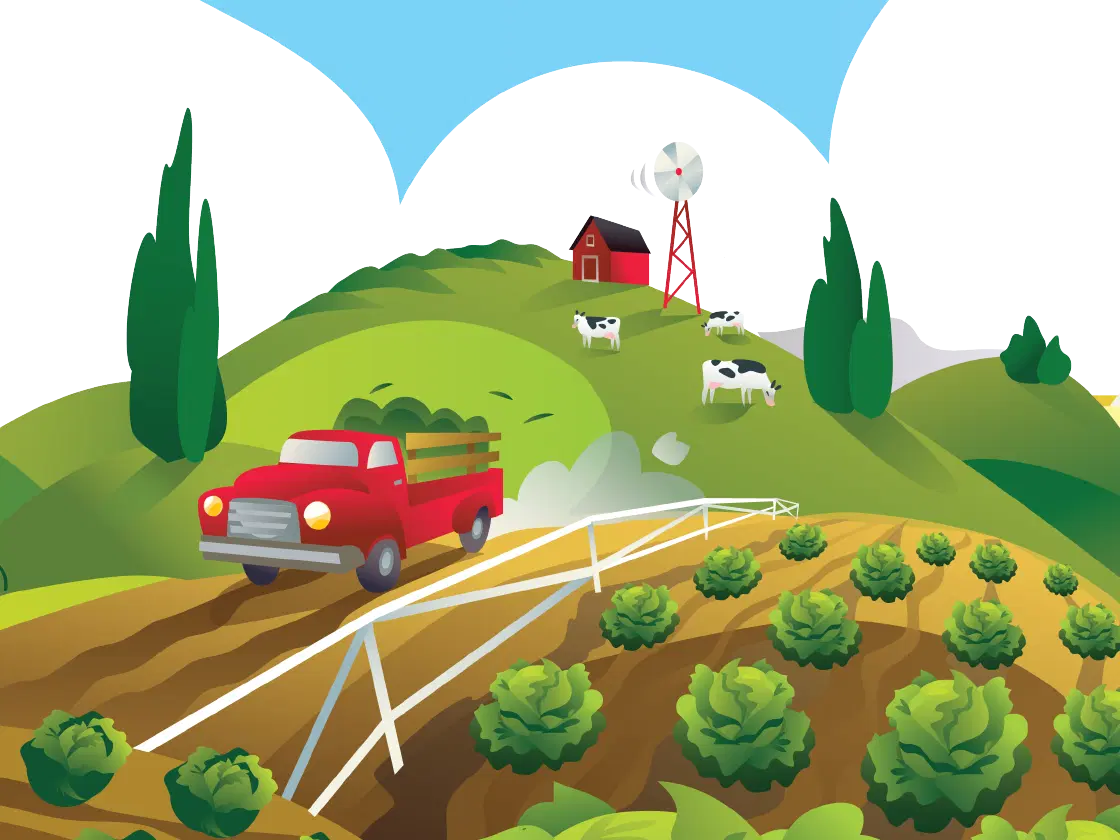
Farms/Granjas
Now we know how plants make their food… but what about animals?
Domain
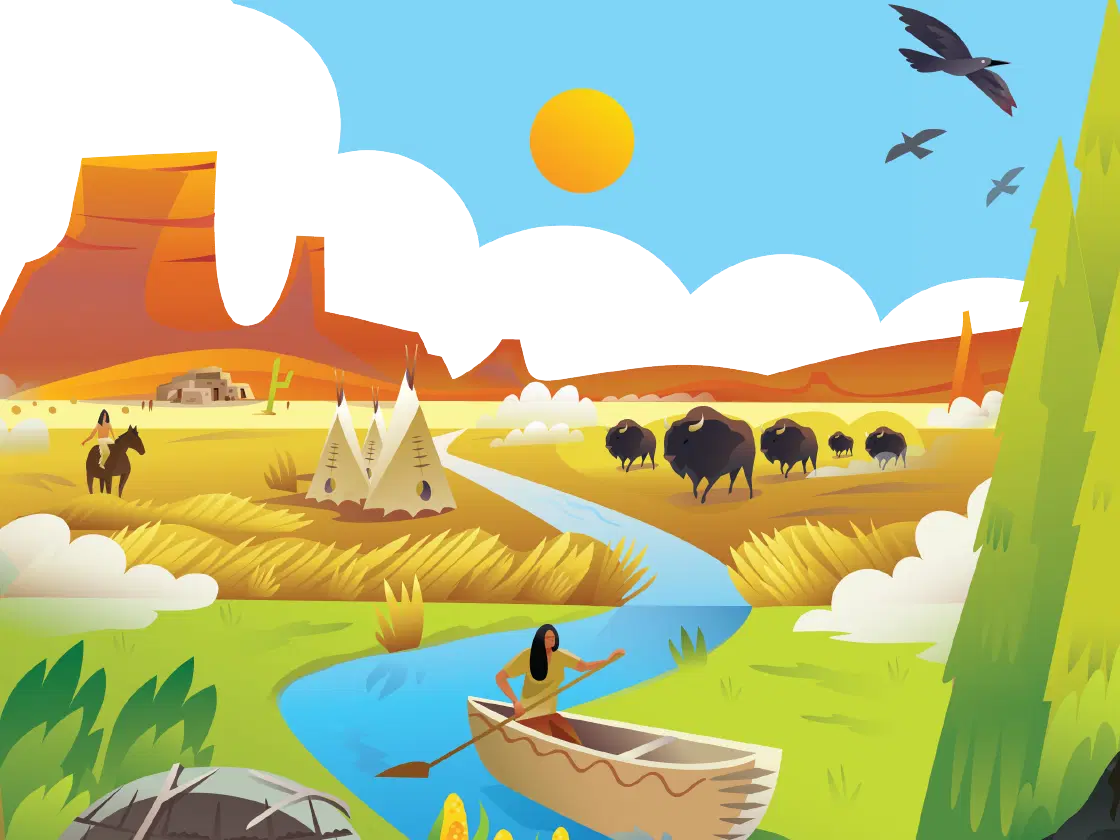
Native Americans/Los nativos americanos
Who were the first people in America? A look at the Lenape, Wampanoag, and Lakota Sioux.

Domain
Kings and Queens/Reyes y reinas
To understand fairy tales, it’s best to first understand royalty.
Domain
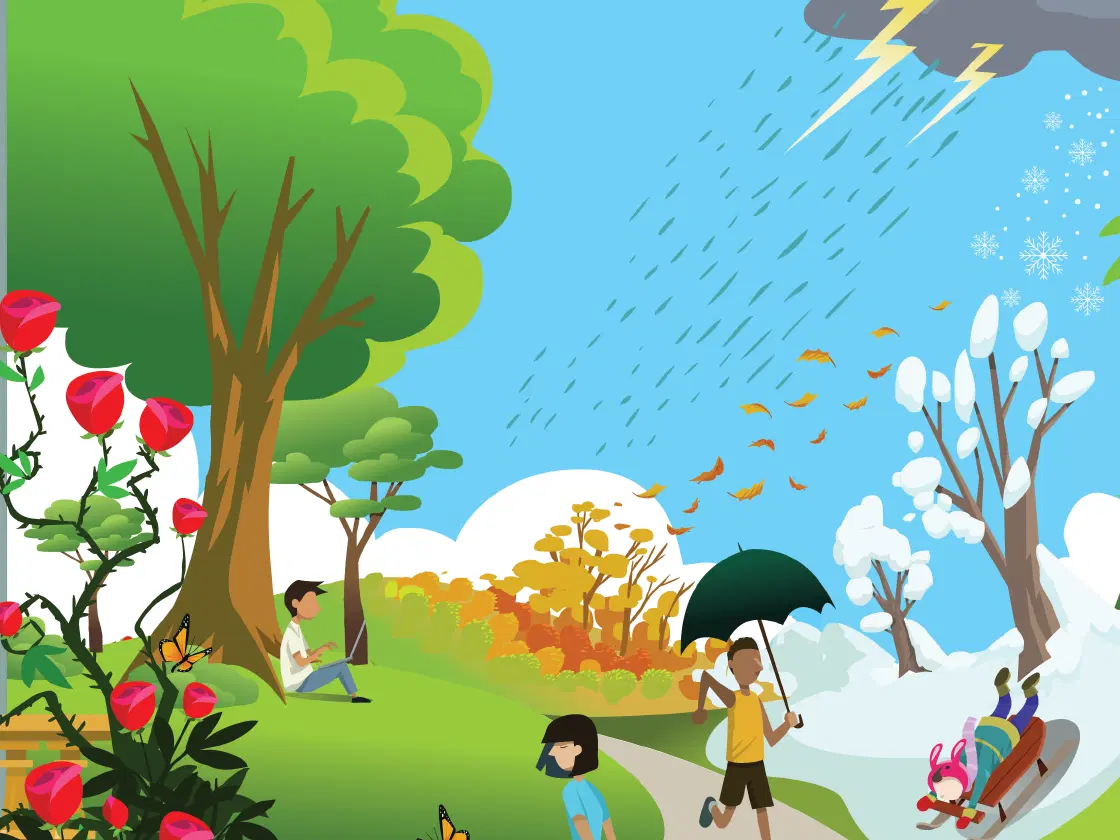
Seasons and Weather/Las estaciones y el tiempo
The study of natural cycles continues with the weather and why it happens.

Domain
Columbus and the Pilgrims/Colón y los peregrinos
A look at the first contact between Europe and the Americas, and some of its results.
Domain
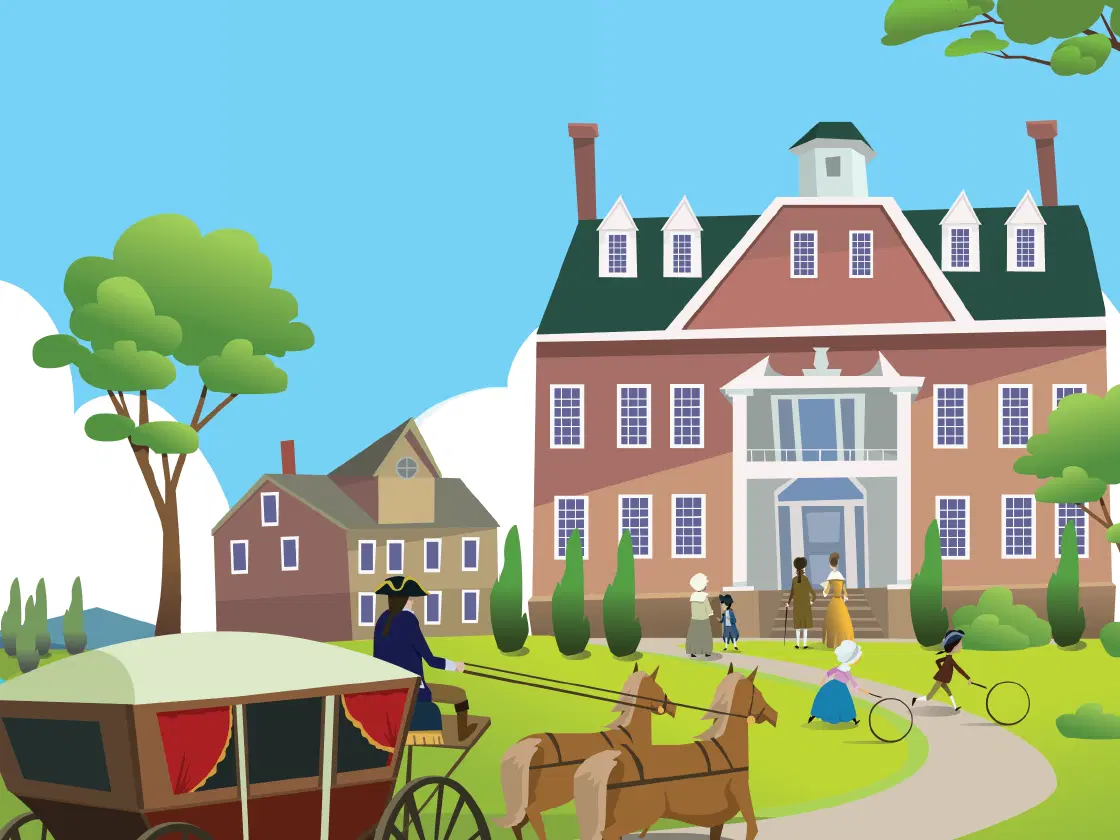
Colonial Towns and Townspeople/Las colonias y sus habitantes
Before the War for Independence, how did the town and country depend on one another?

Domain
Taking Care of the Earth/Cuidar el planeta Tierra
We only have one Earth—here are some ways to help care for it.

Domain
Presidents and American Symbols/Presidentes y símbolos de los Estados Unidos
Start learning about government through the lives of five presidents.
Domain
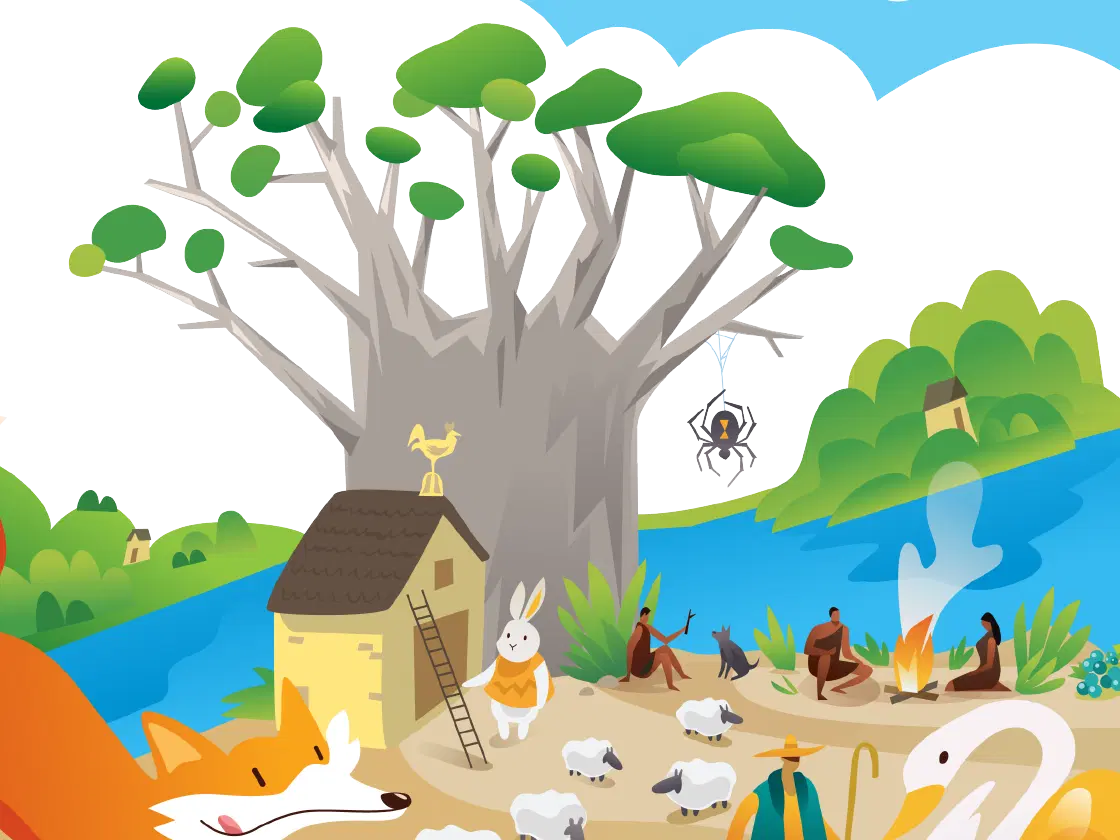
Fables and Stories/Fábulas y cuentos
Learn some of the key elements of a story through classic fables.
Domain
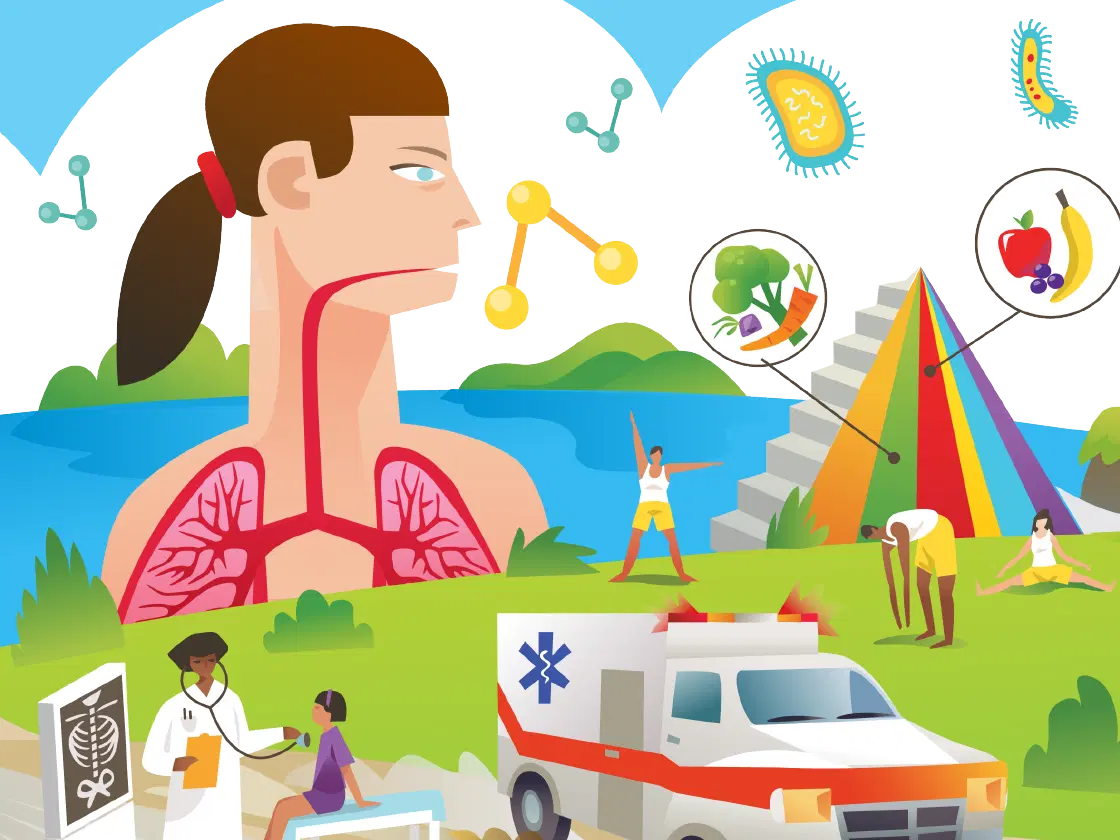
The Human Body/El cuerpo humano
What are germs? What are the organs? And what does it all have to do with health?
Domain
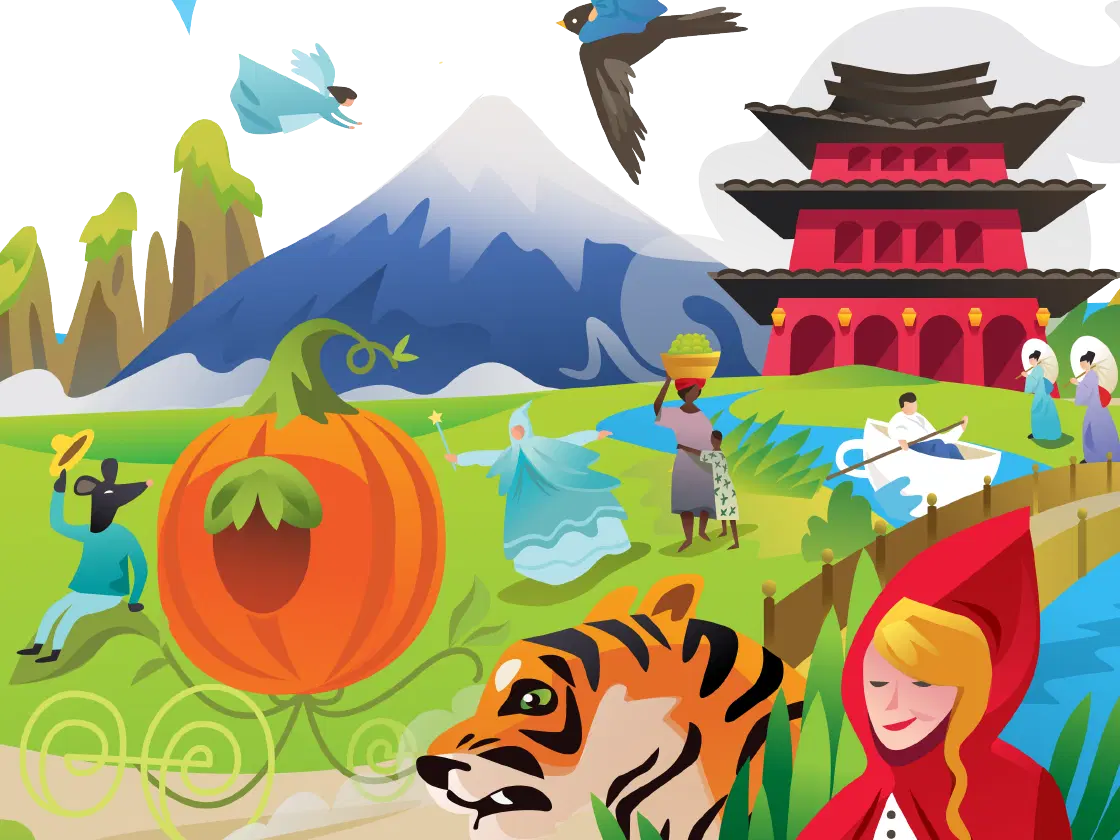
Different Lands, Similar Stories/Tierras diferentes, cuentos similares
A world tour of storytelling, and the stories that stay the same across the world.
Domain
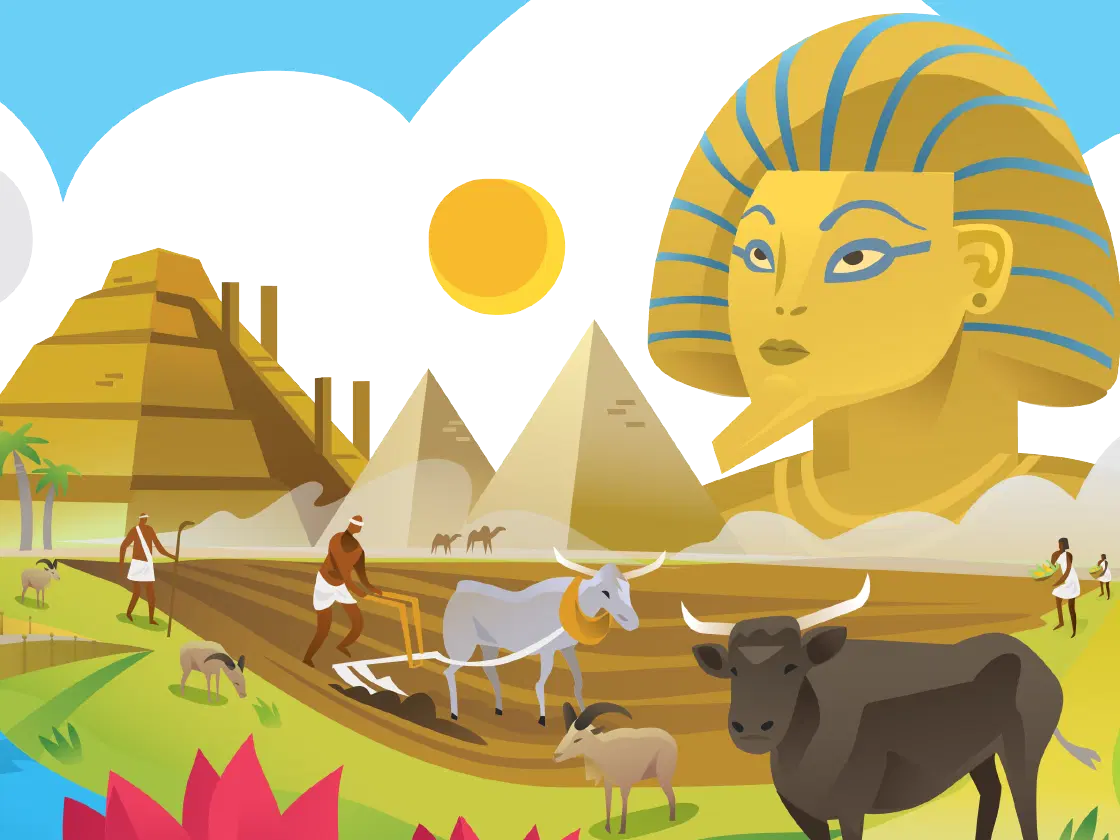
Early World Civilizations/Antiguas civilizaciones del mundo
Rivers, farming, writing, and laws: just what does it take to build a civilization?
Domain
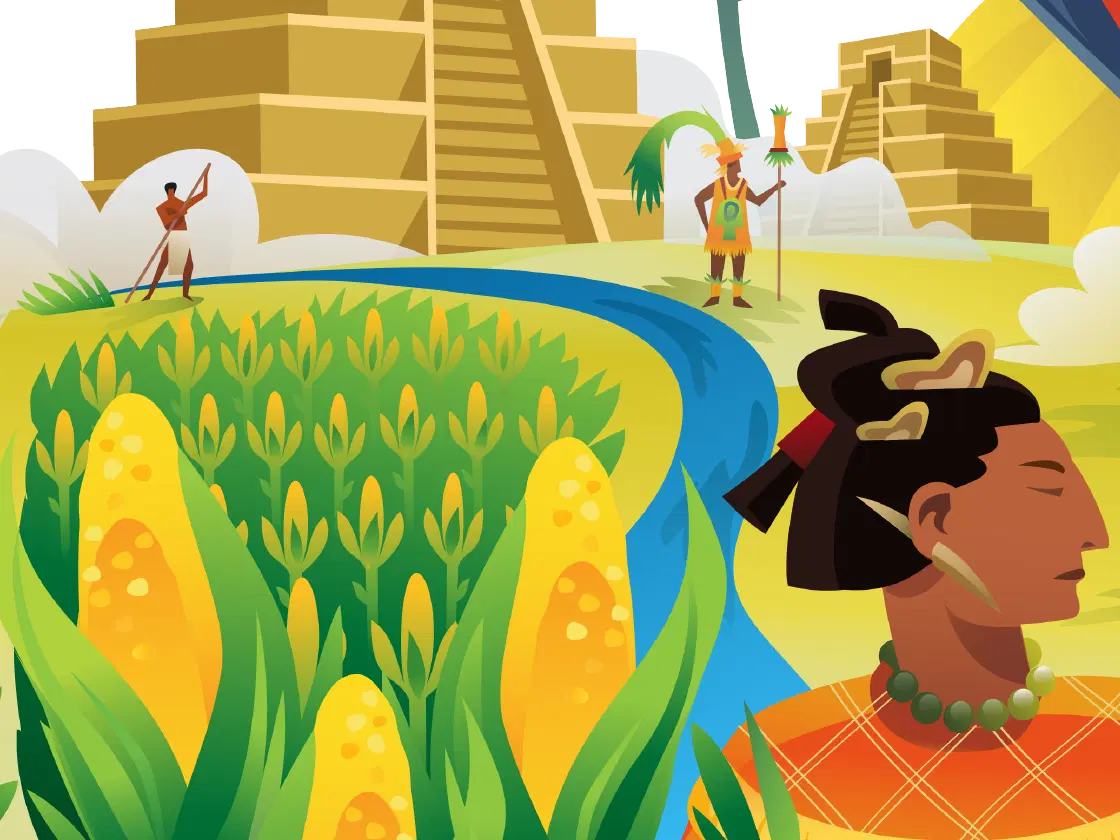
Early American Civilizations/Antiguas civilizaciones de América
What will we find in the great temples of the Aztec, Maya, and Inca civilizations?

Domain
Astronomy/Astronomía
How the Earth relates to the moon, the sun, and the rest of the planets.
Domain
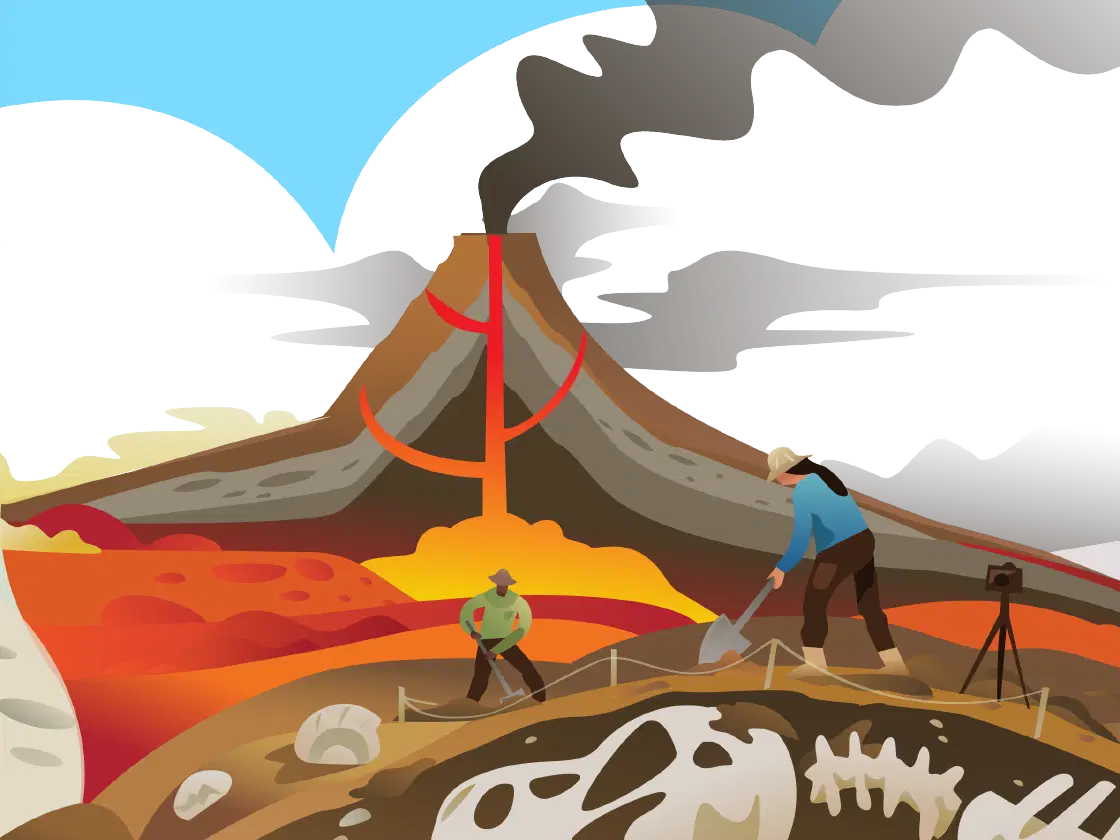
The History of the Earth/La historia de la Tierra
Just what lies beneath the Earth’s surface, and what can it teach us about the past?
Domain
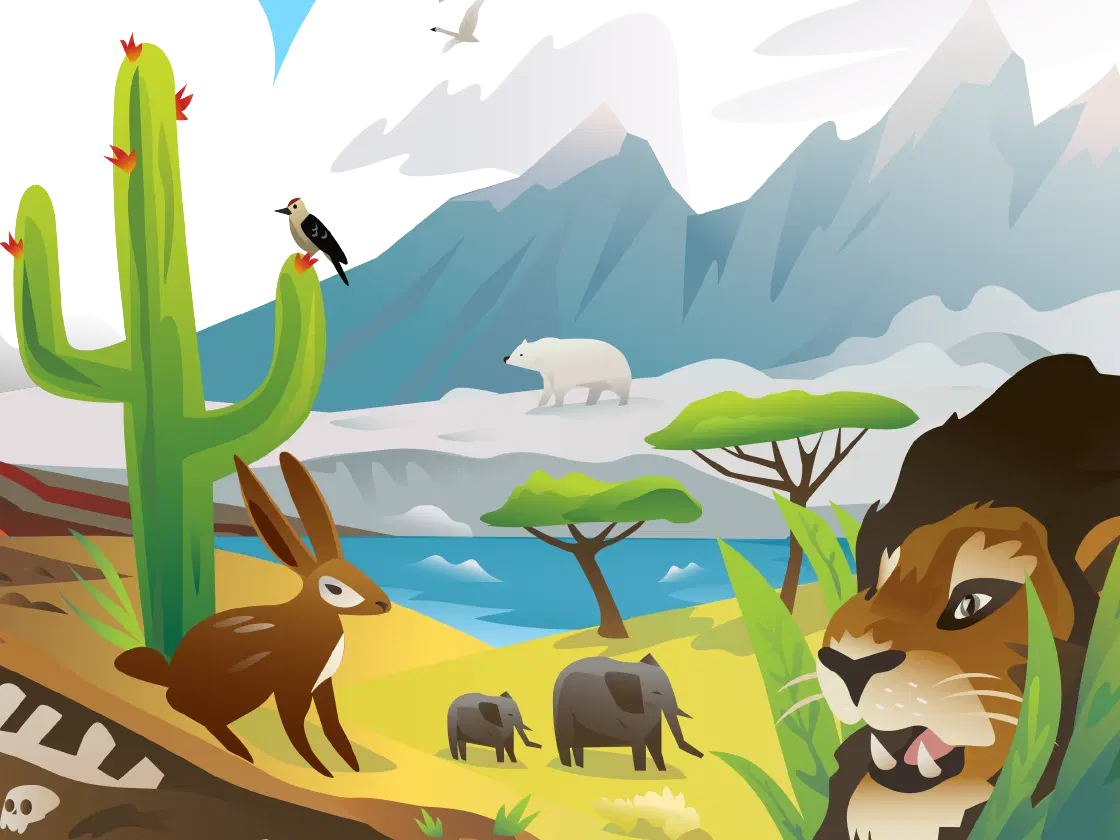
Animals and Habitats/Los animales y sus hábitats
A look at the connection between how animals live and where they make their homes.
Domain
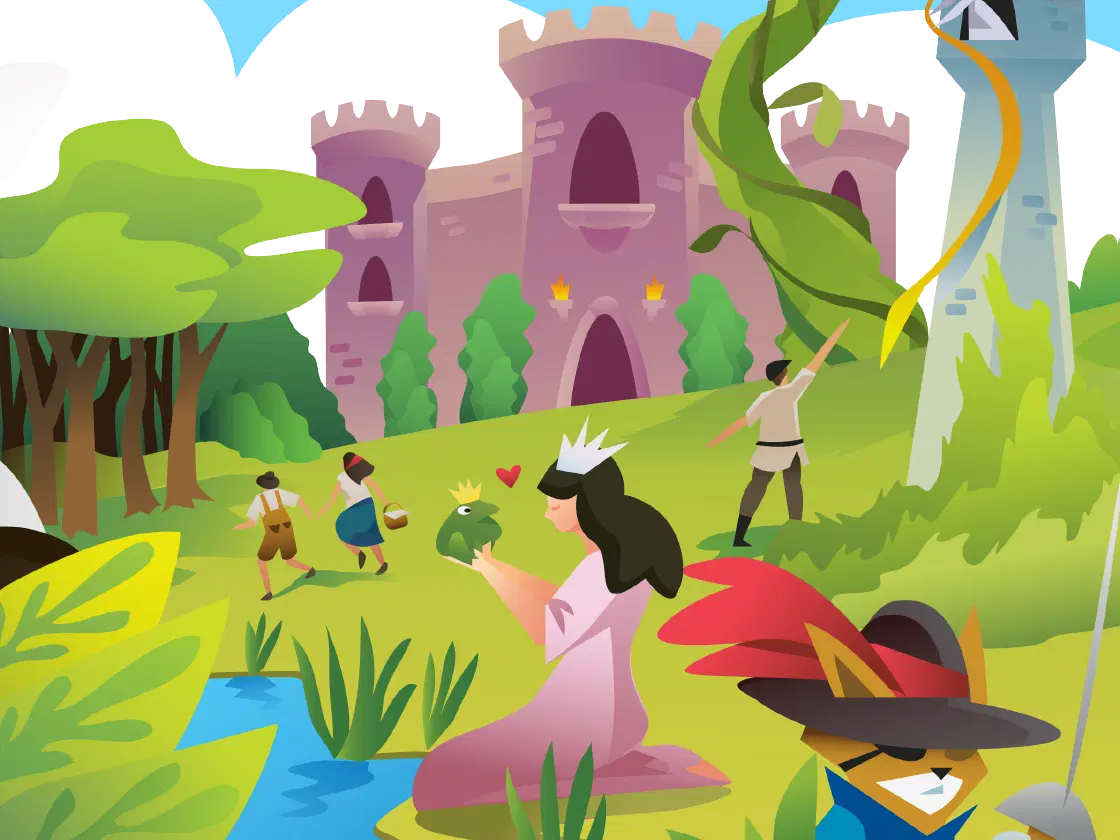
Fairy Tales/Cuentos de hadas
What do fairy tales have to teach us about how stories are told?
Domain
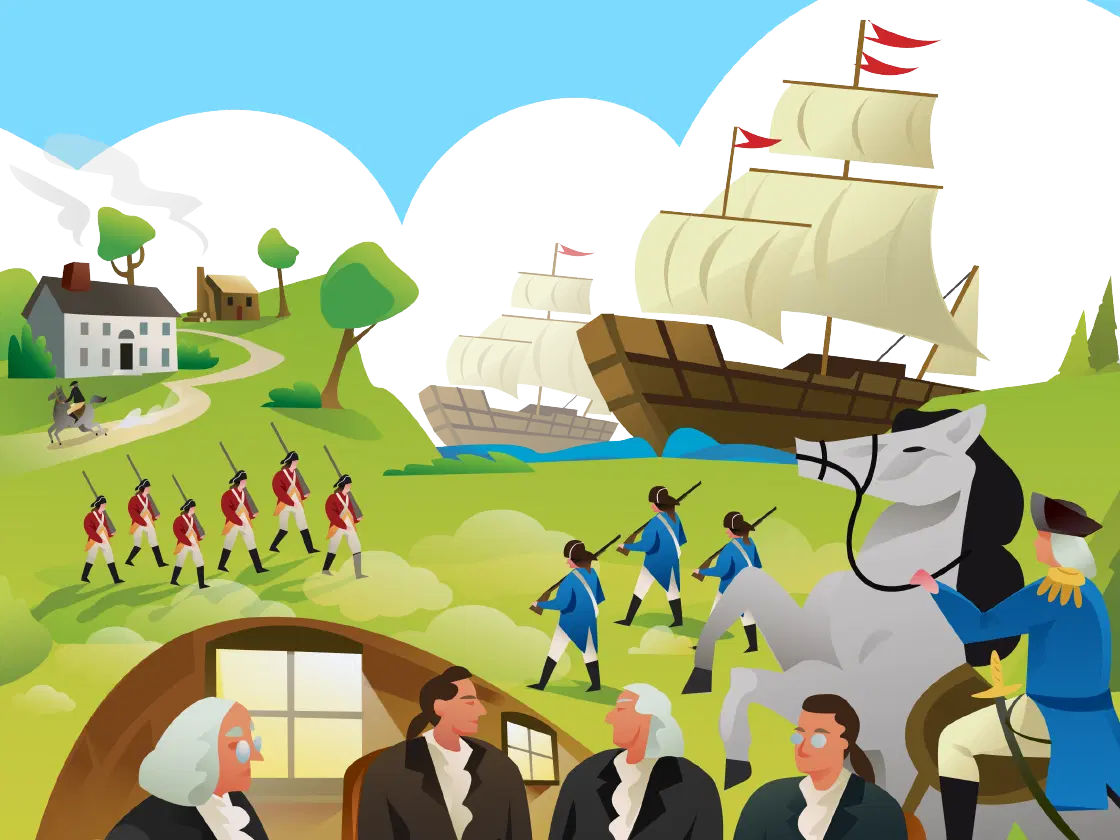
A New Nation: American Independence/Una nueva nación: la independencia de los Estados Unidos
The story of the birth of the United States out of the 13 Colonies.
Domain
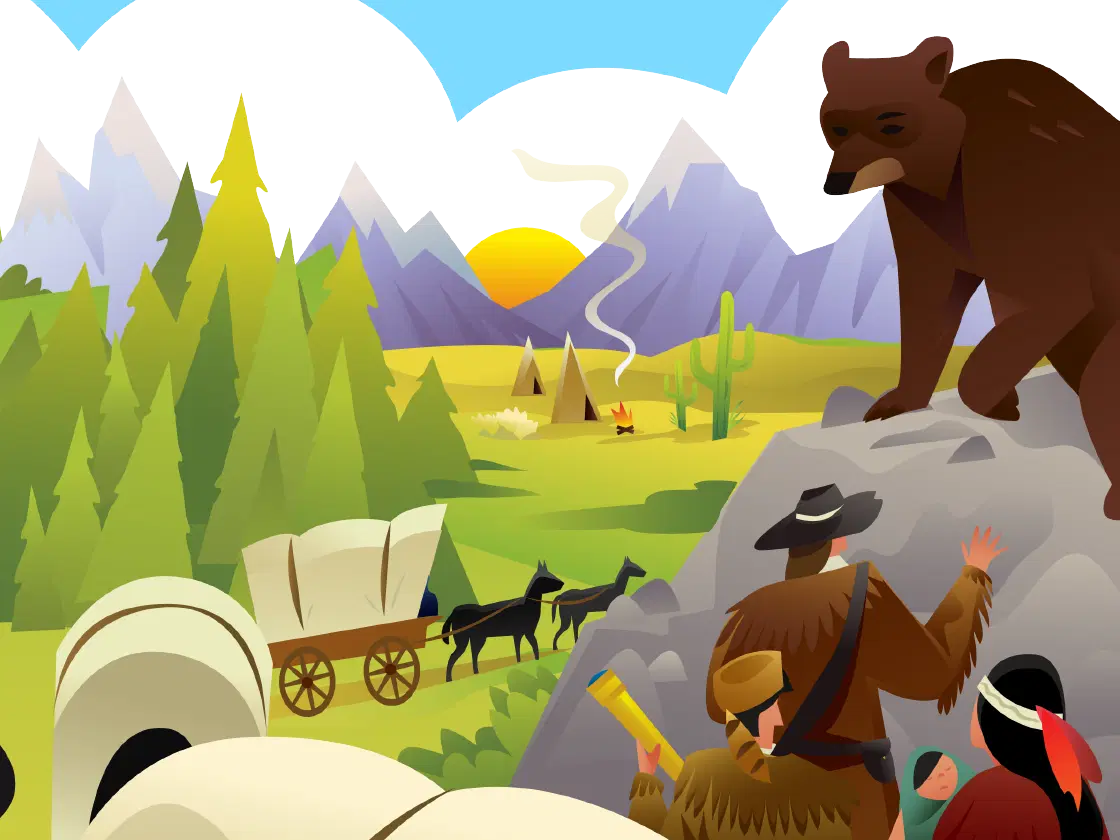
Frontier Explorers/Exploradores de la Frontera
The story of the journey west from the newborn U.S.A. to find the Pacific Ocean.
Domain
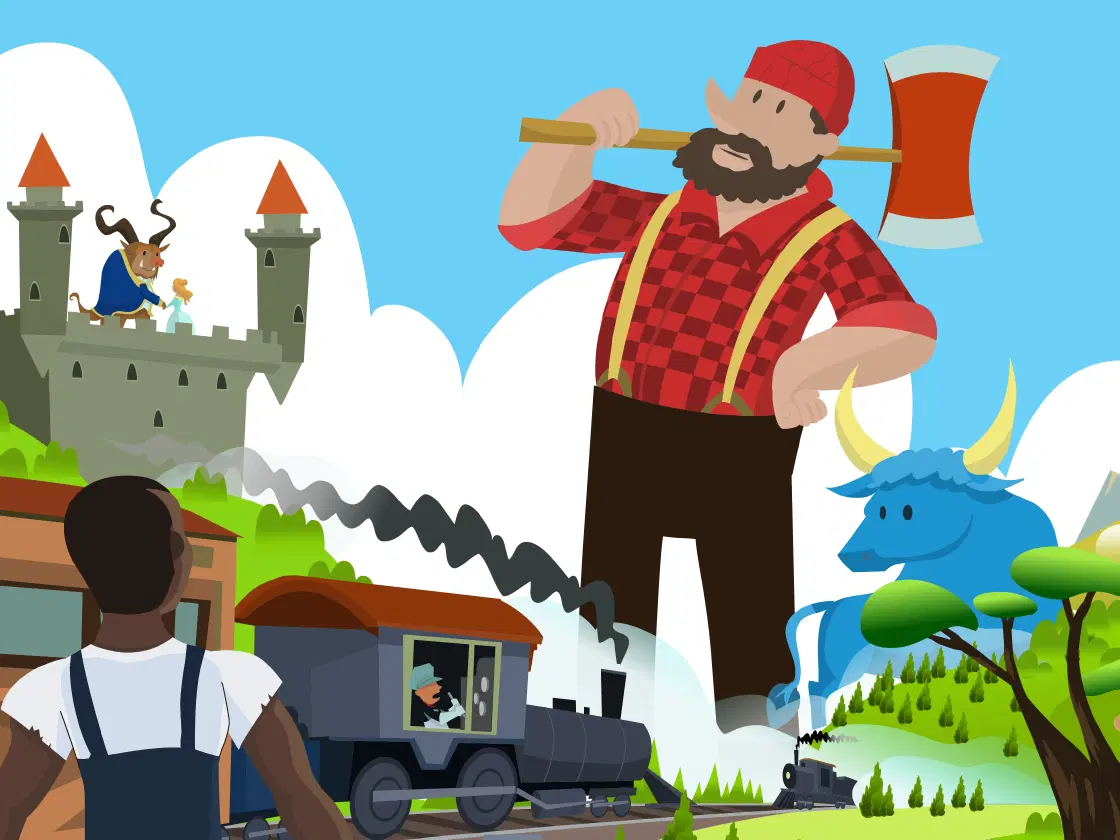
Fairy Tales and Tall Tales/Cuentos de hadas y cuentos exagerados
Learn about exaggeration and characterization on the frontier.
Domain
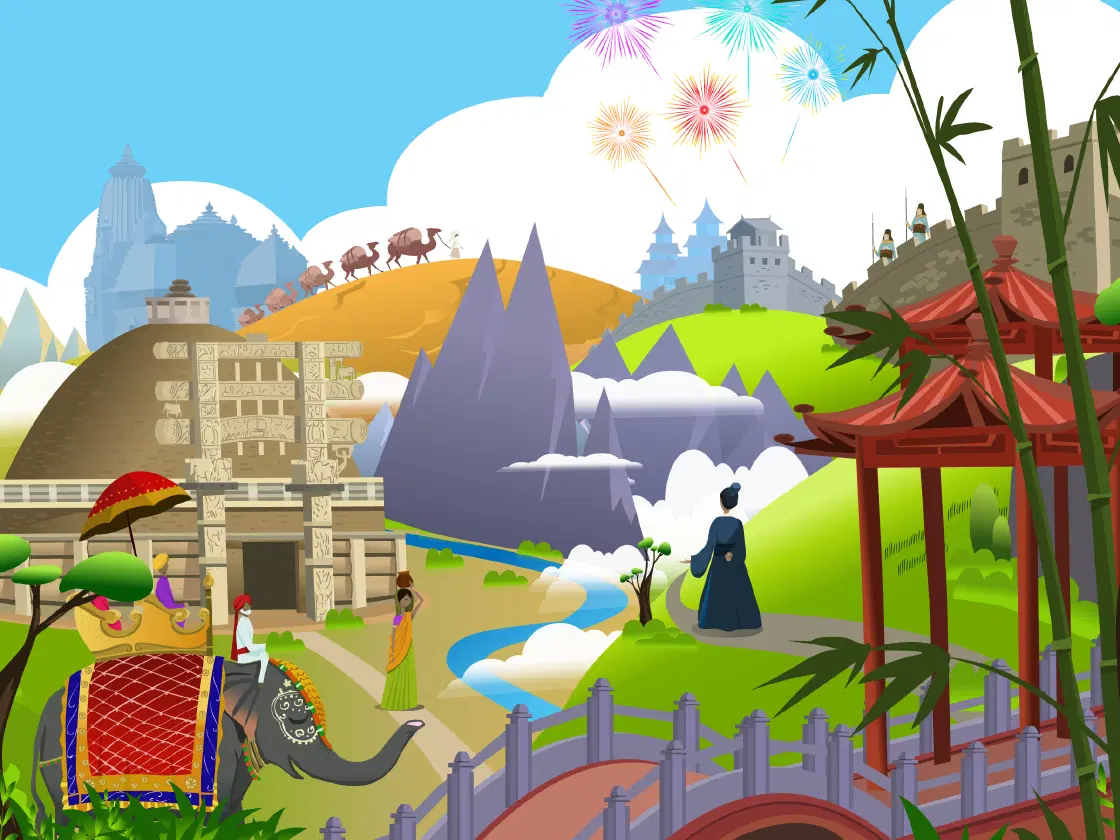
Early Asian Civilizations/Antiguas civilizaciones de Asia
Tour the world of classical civilization, starting with India and China.
Domain
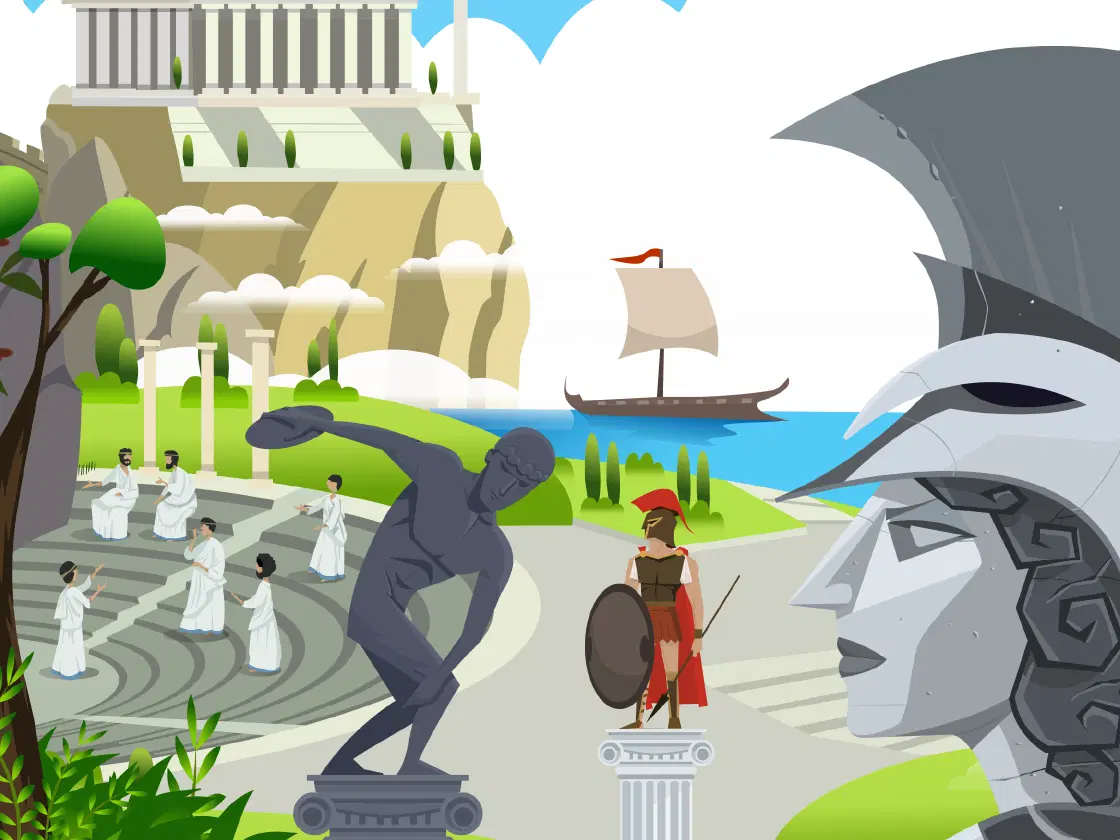
Ancient Greek Civilization/La civilización griega antigua
The tour continues with the philosophy and politics of Greece.
Domain
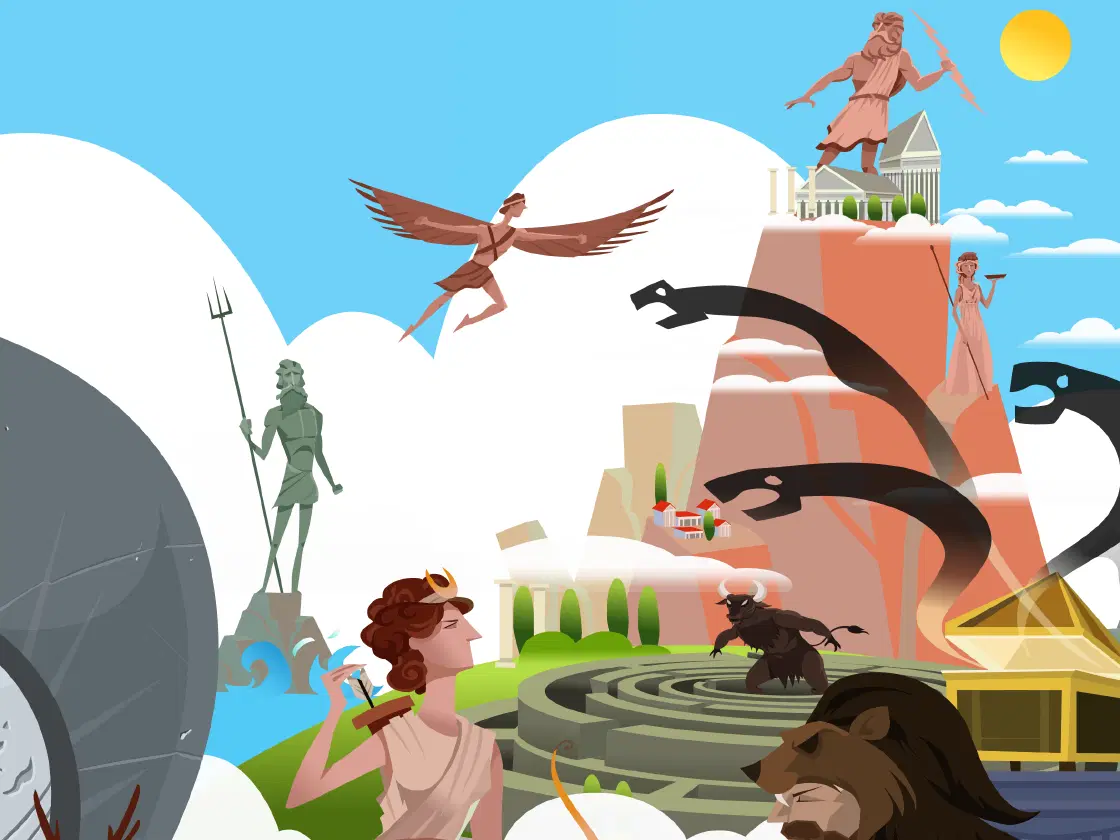
Greek Myths/Mitos griegos
Dive deep into the characters and storytelling of classic myths.
Domain
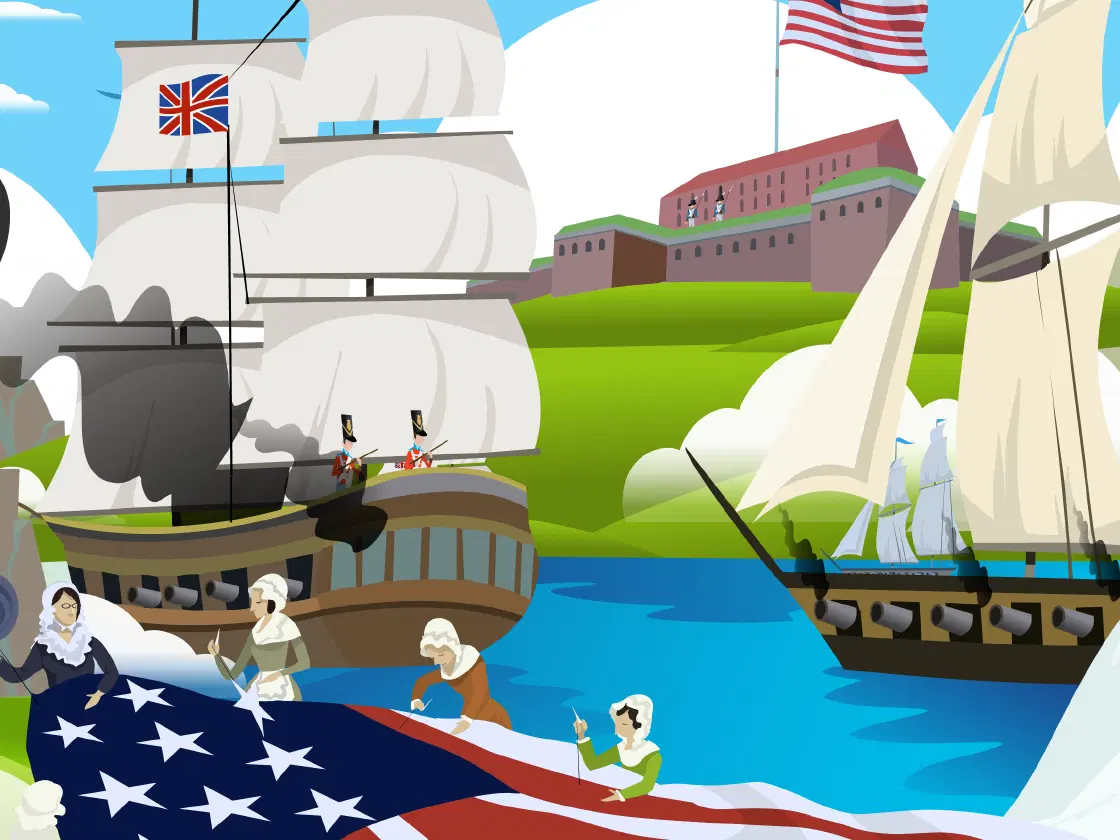
The War of 1812/La guerra de 1812
Learn about America’s “Second War for Independence.”
Domain
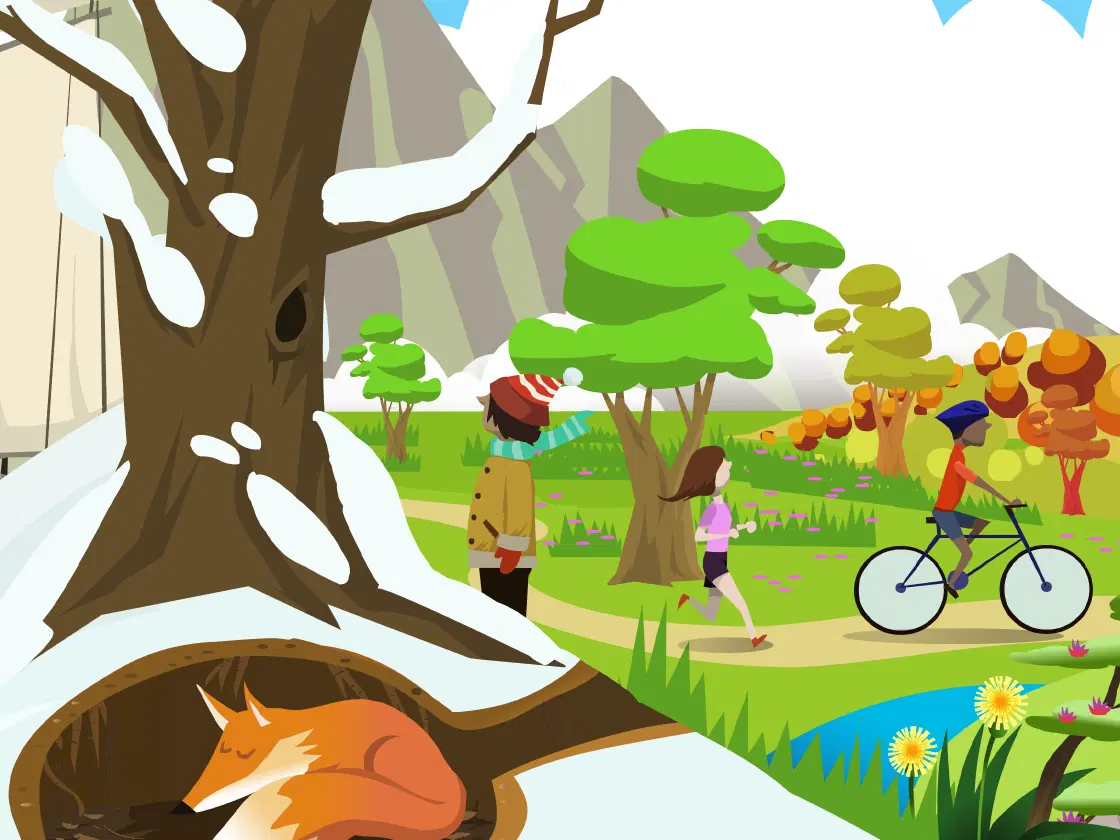
Cycles in Nature/Los ciclos de la naturaleza
Introducing the natural cycles that make our lives possible.
Domain
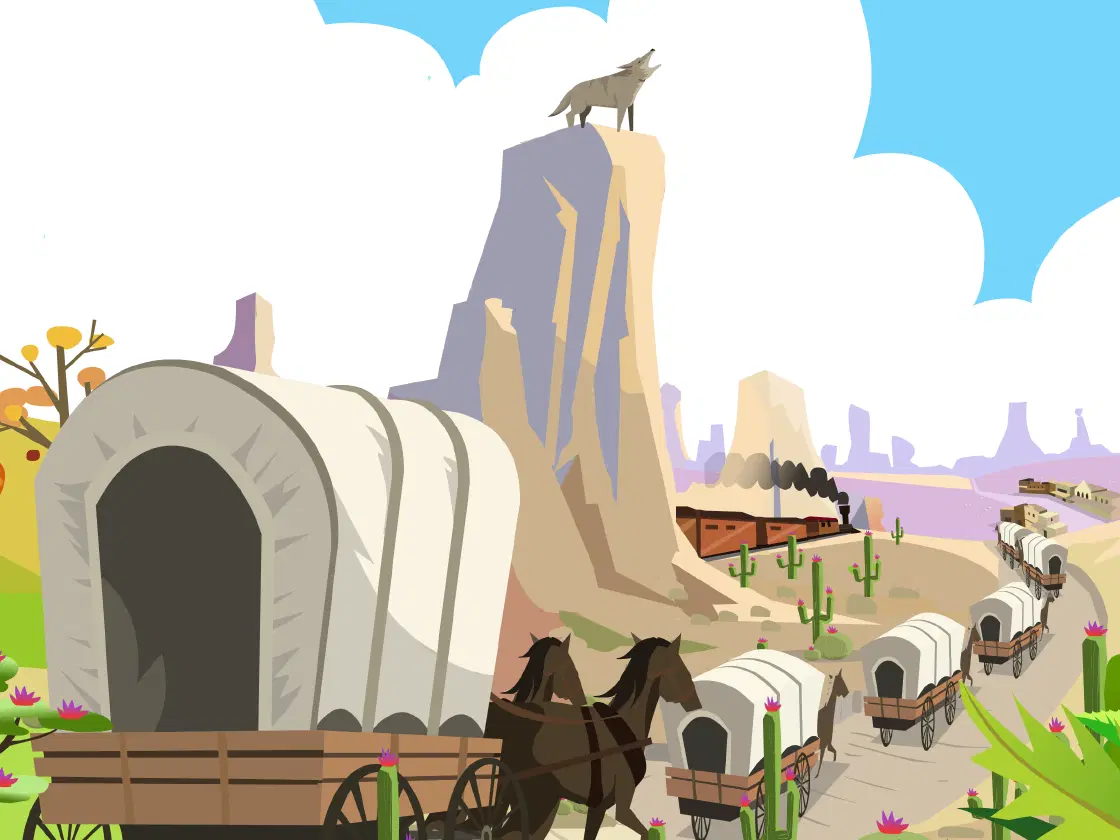
Westward Expansion/La expansión hacia el oeste
Why did pioneers go west? What happened to the people who were there?
Domain
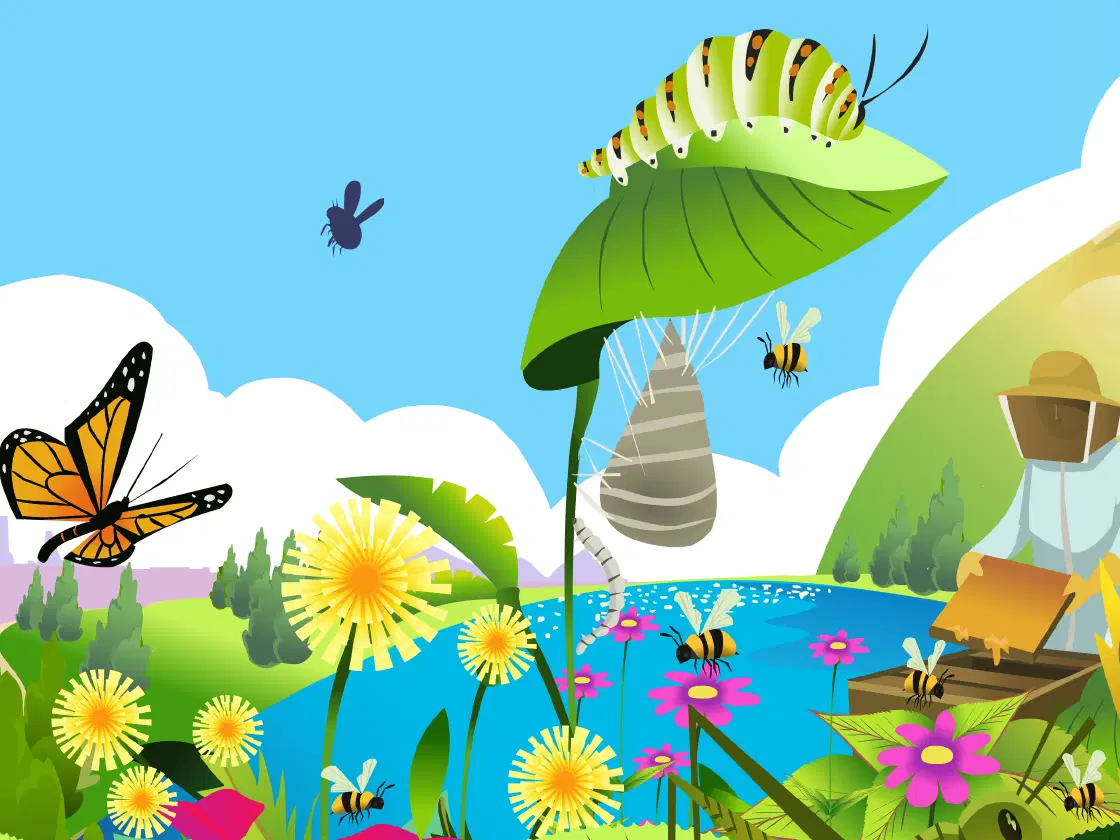
Insects/Los insectos
Lay the grounds for animal classification by looking at solitary and social insects.

Domain
The U.S. Civil War/La Guerra Civil de los Estados Unidos
Begin to grapple with U.S. history’s central crisis over slavery.
Domain
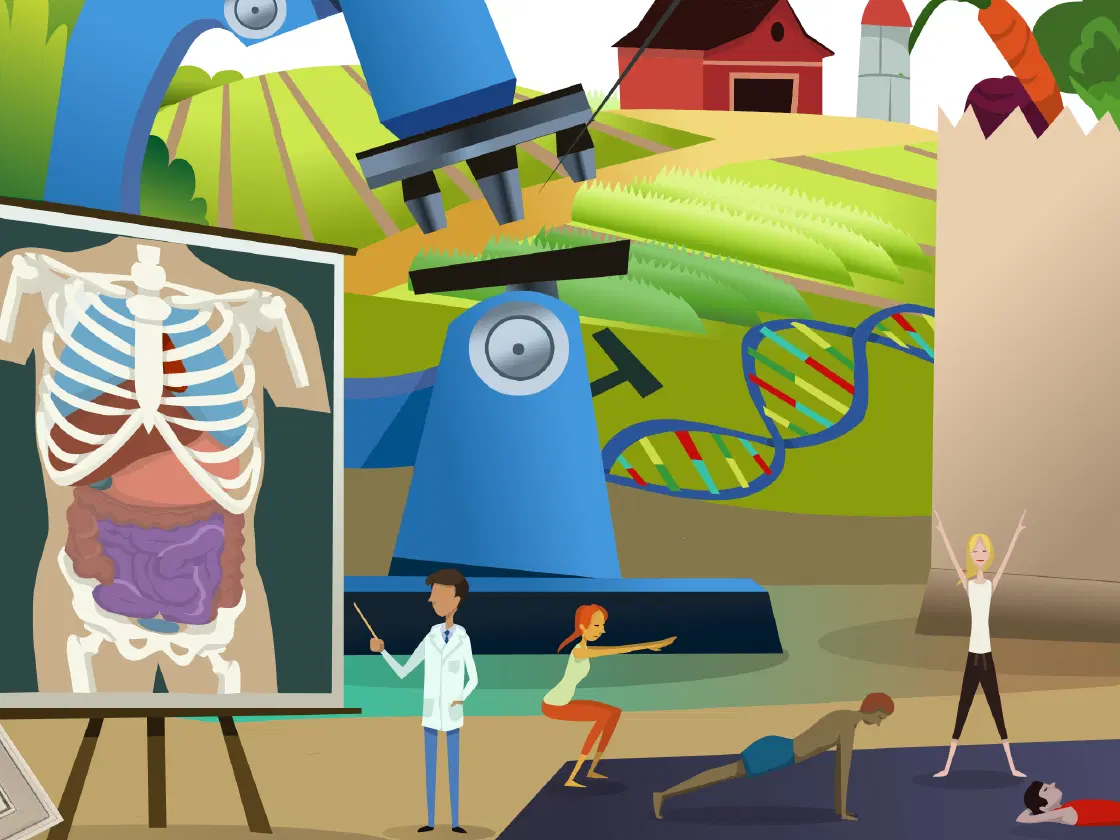
Human Body: Building Blocks and Nutrition/El cuerpo humano: componentes básicos y nutrición
A deeper dive into the digestive system and the nutrition process.

Domain
Immigration/La inmigración
Why did people immigrate to the United States, and what did they find here?
Domain
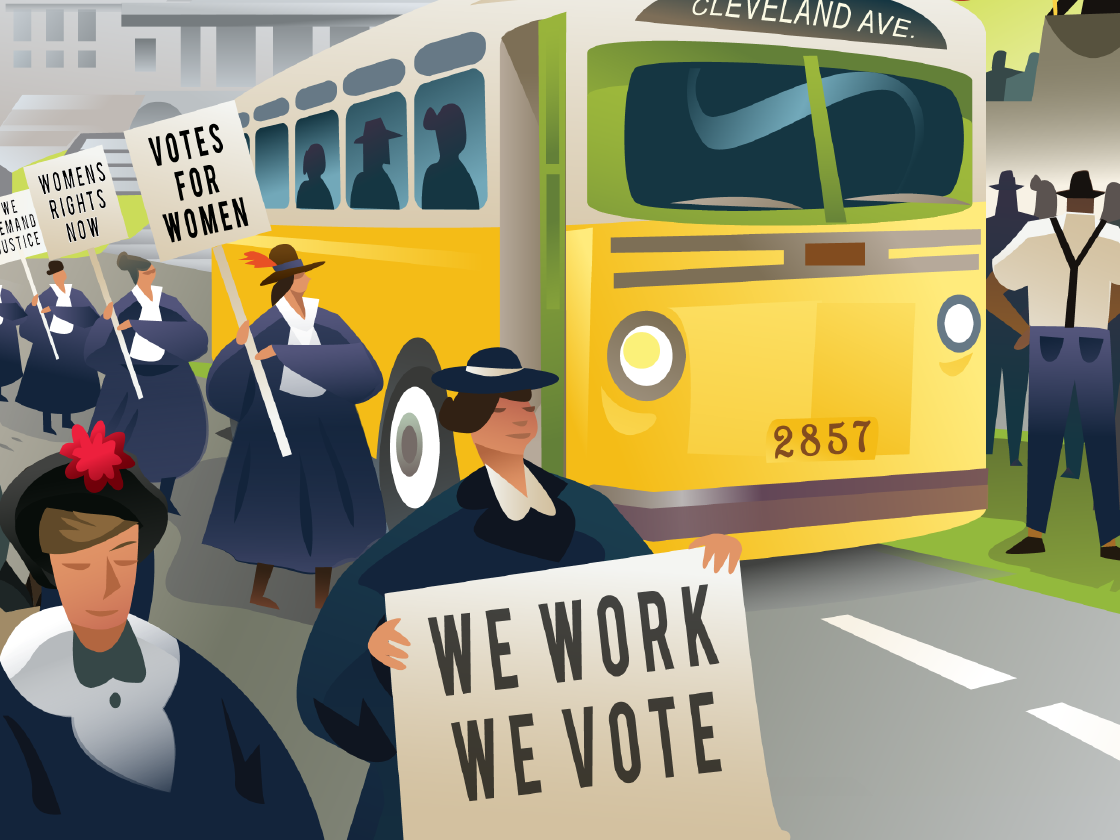
Fighting for a Cause/Luchar por una causa
How people can do extraordinary things to make the world better for everyone.
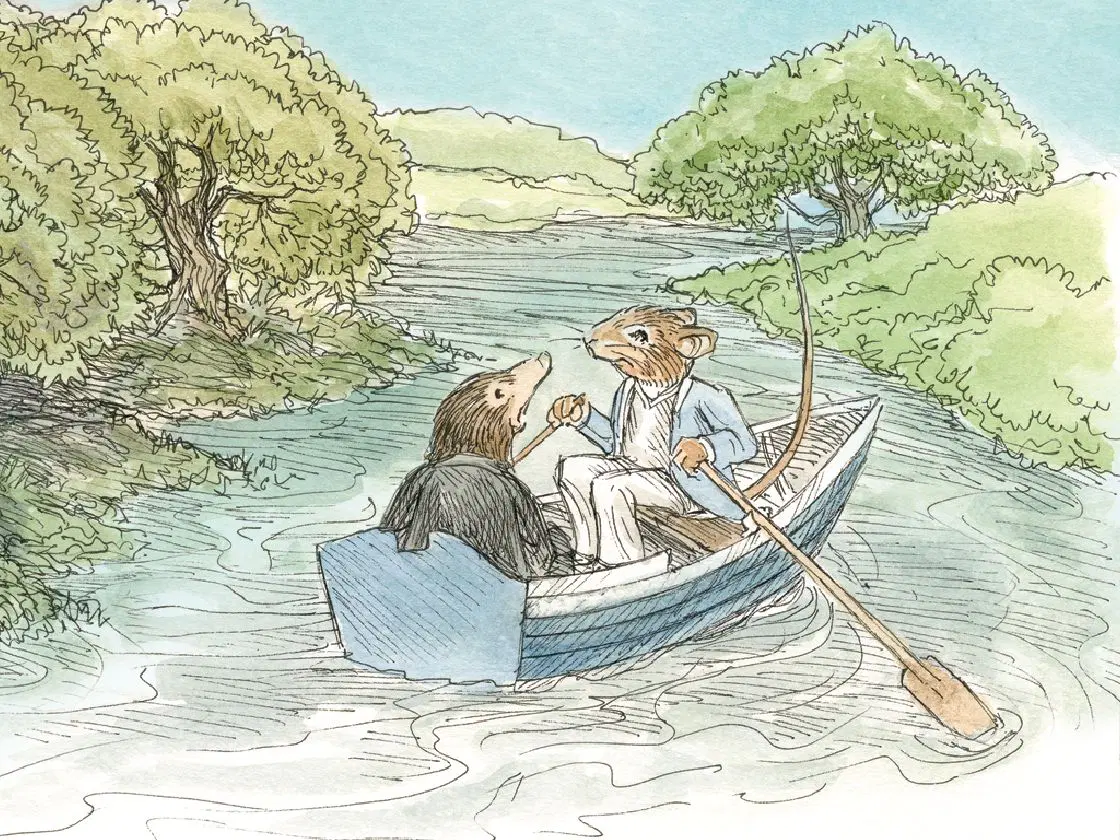
Unit 1
Classic Tales: The Wind in the Willows/Cuentos Clásicos: El viento en los sauces
A deep dive into character, theme, and POV in classic stories from around the world.
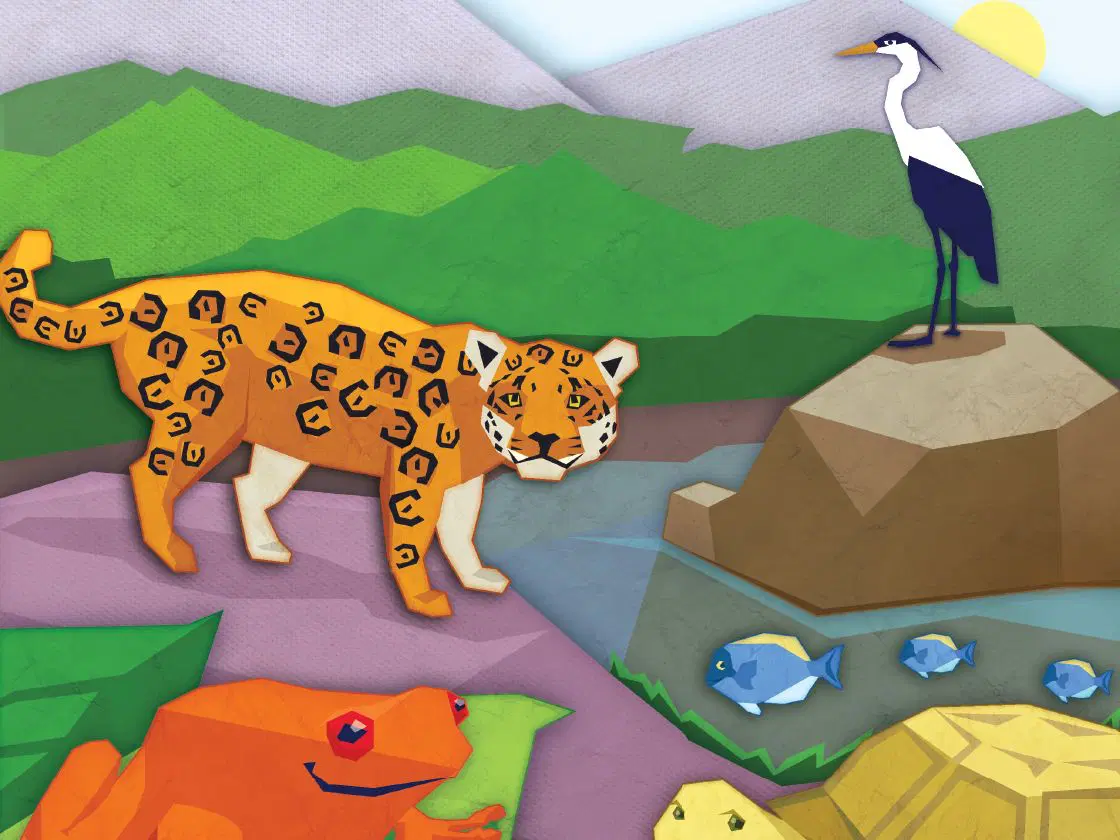
Unit 2
Animal Classification/La clasificación de los animales
How do we classify different animals by their appearance and behavior?
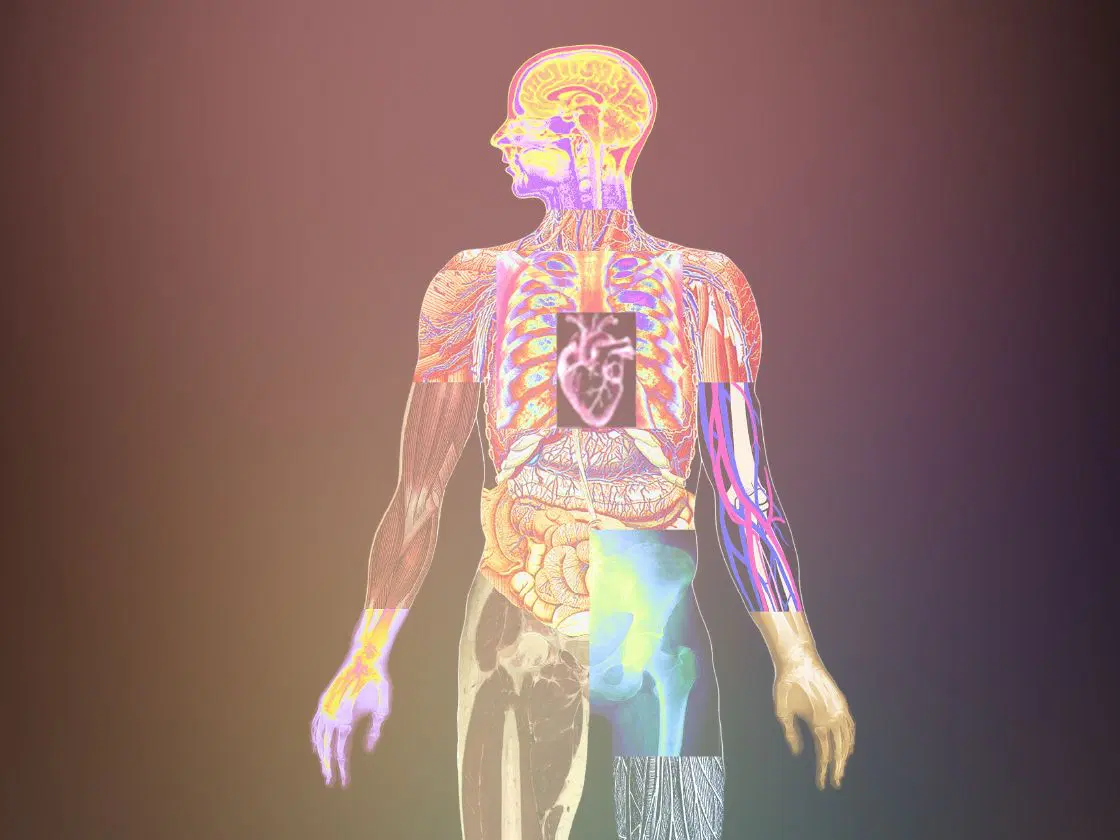
Unit 3
The Human Body: Systems and Senses/El cuerpo humano: sistemas y sentidos
Let’s take a closer look at how the skeleton, muscles, and nervous system all work.
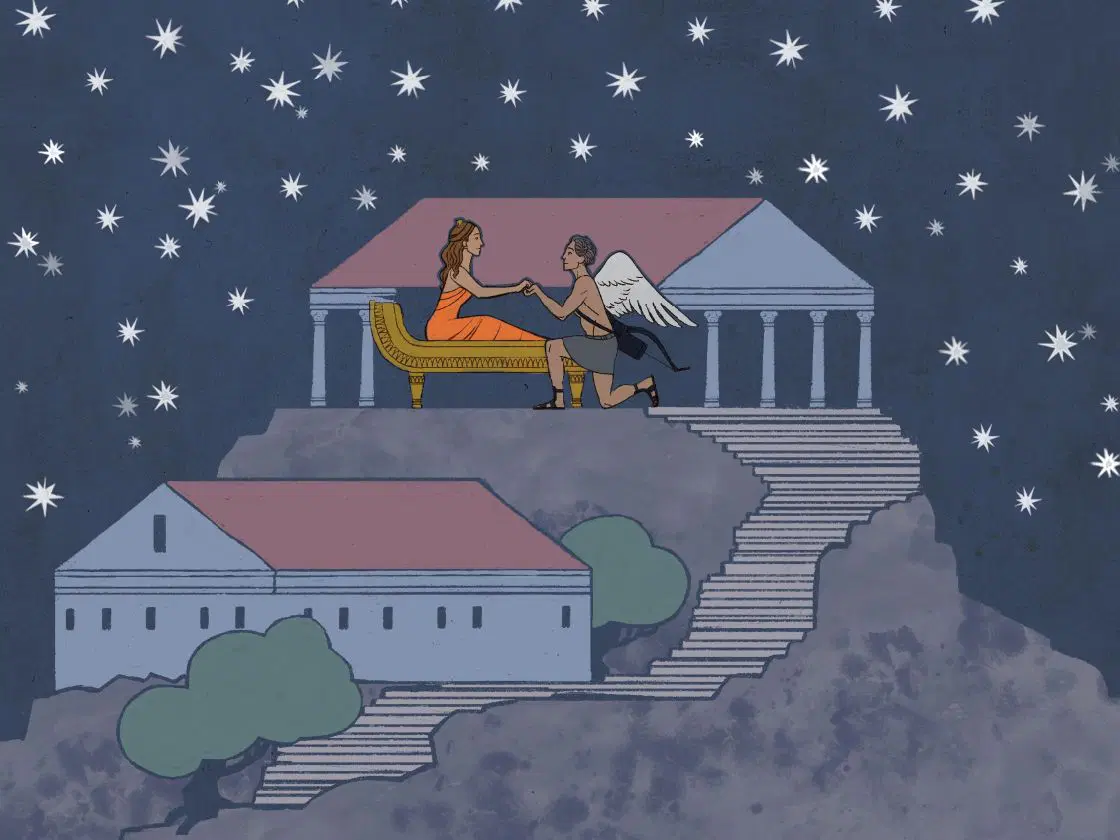
Unit 4
The Ancient Roman Civilization/La civilización romana antigua
What is Rome’s greatest cultural contribution? In this unit, your students decide.
Unit 5
Light and Sound/La luz y el sonido
The science behind all the ways we see and hear the world.
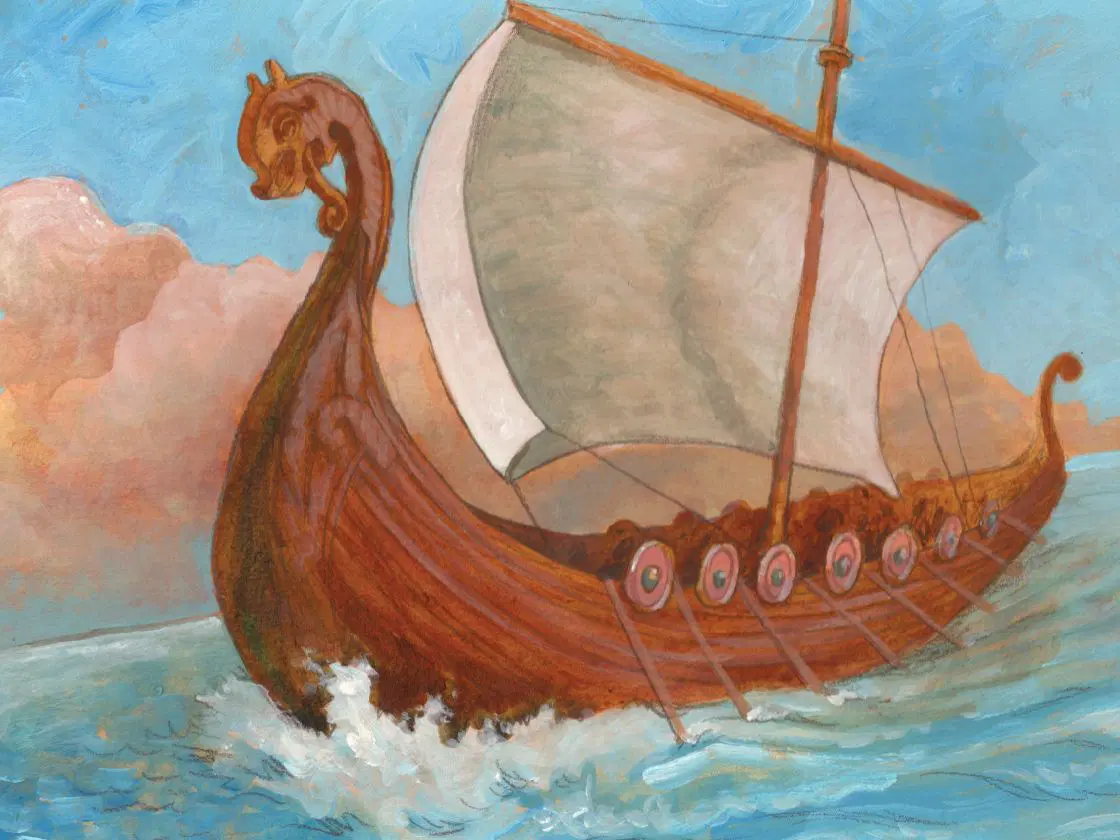
Unit 6
The Viking Age/La era vikinga
An immersive narrative experience about what life was like in Viking communities.
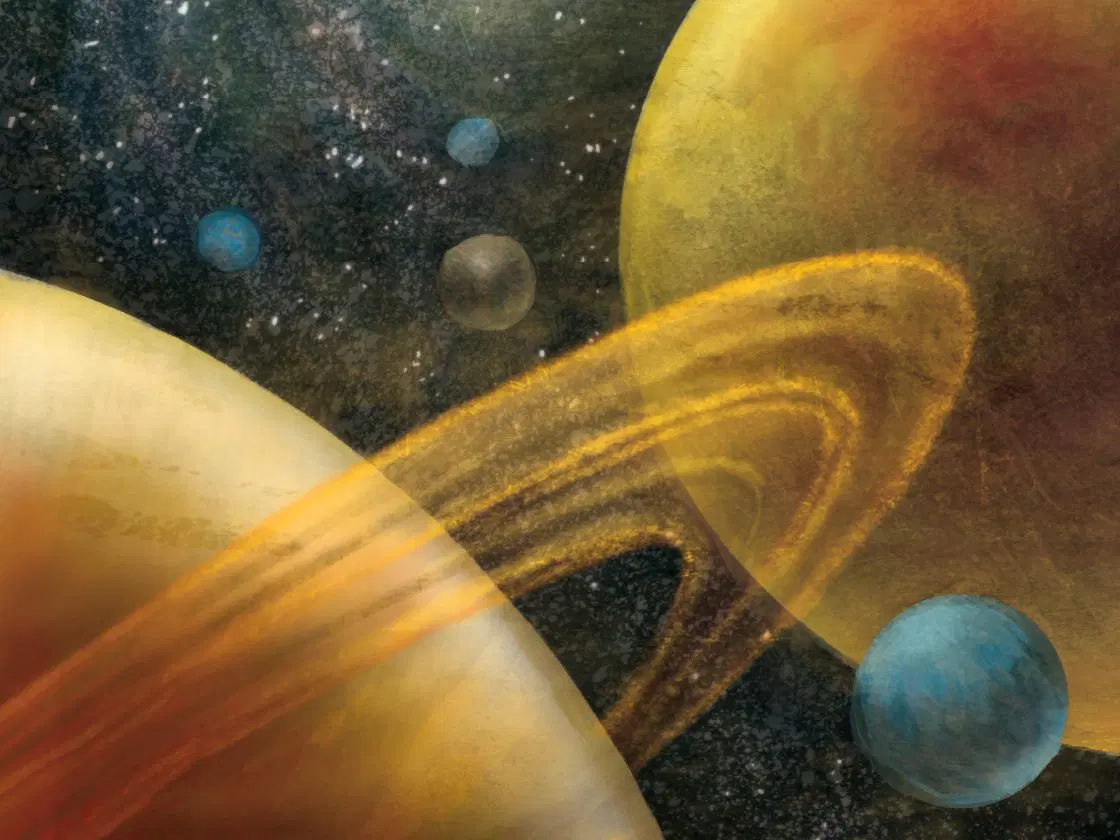
Unit 7
Astronomy: Our Solar System and Beyond/Astronomía: nuestro sistema solar y más allá
More about our universe, including a writing project about daily life on a space station.
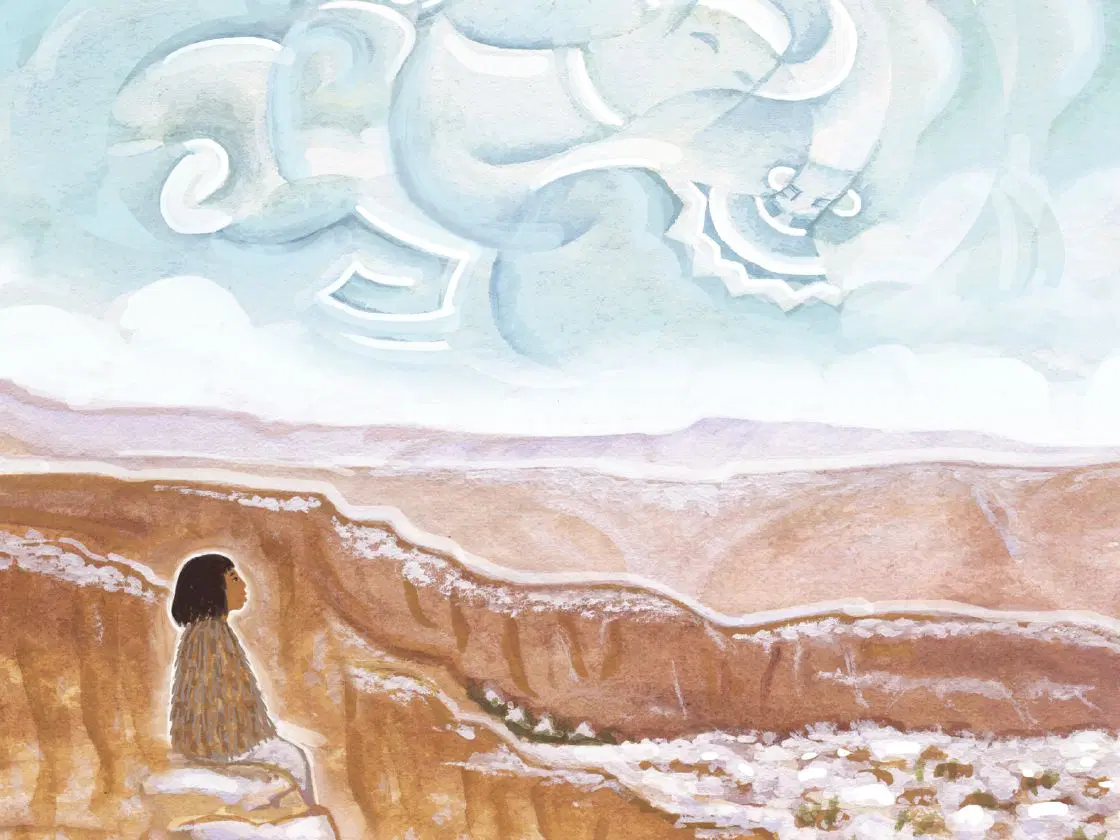
Unit 8
Native Americans: Regions and Cultures/Los nativos americanos: regiones y culturas
How did Native American nations change their way of life in different parts of the world?

Unit 9
Early Explorations of North America/La exploración europea de América del Norte
What was it like to sail to North America with the early European explorers?
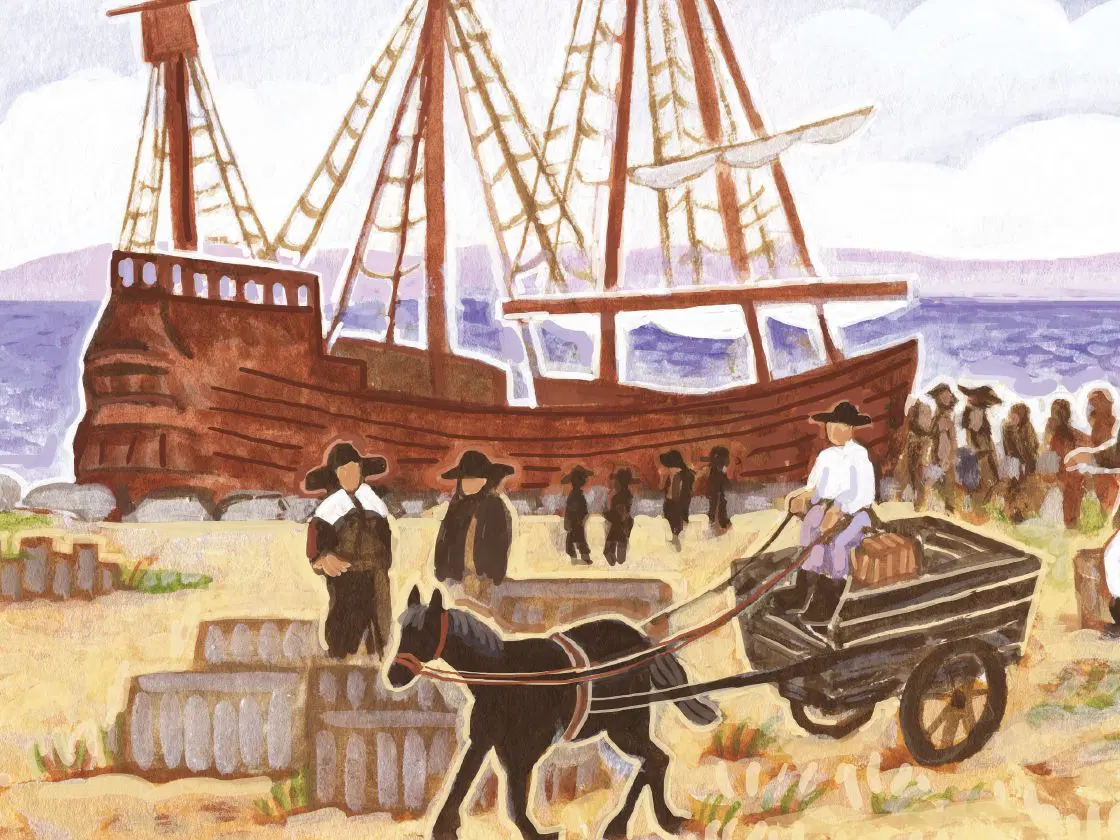
Unit 10
Colonial America/La época colonial en los Estados Unidos
A study of the very different ways of life in the different pre-U.S. colonies.
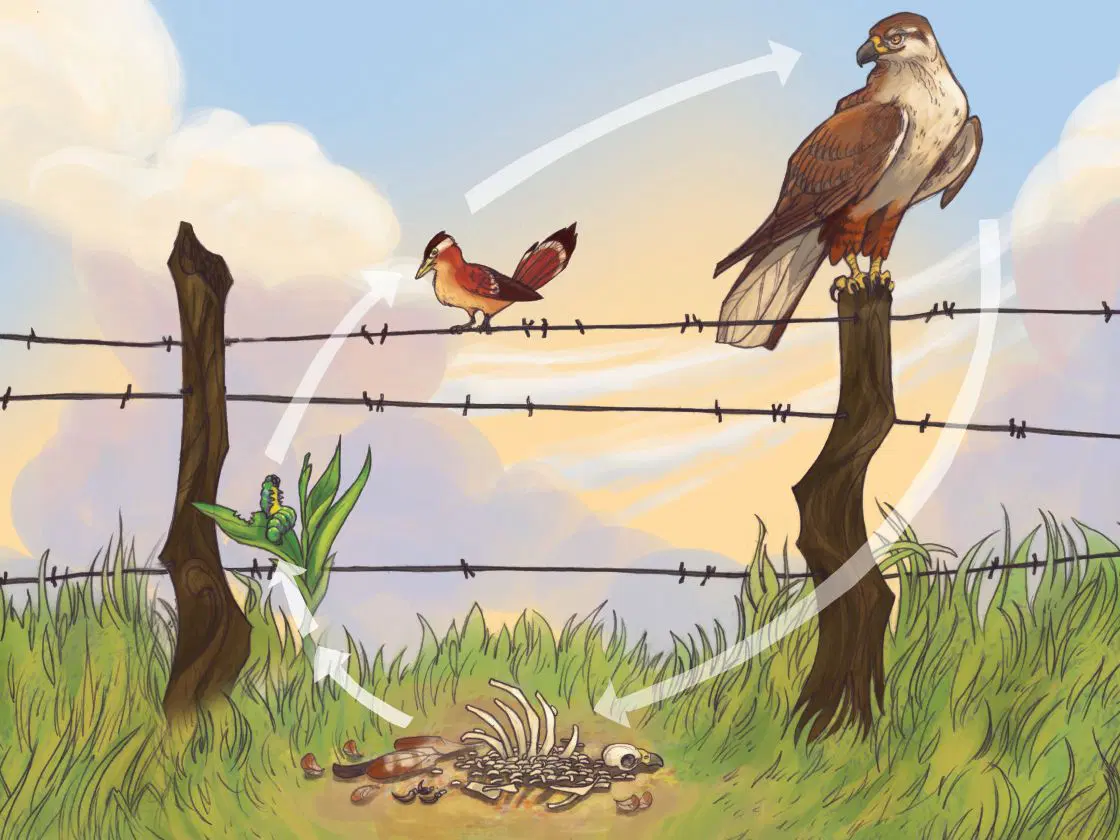
Unit 11
Ecology/Ecología
Students keep ecologist’s journals to learn about our world and how best to protect it.
Unit 1
Personal Narratives/Narrativas personales
Read stories of personal experience… and learn to reflect on your own.
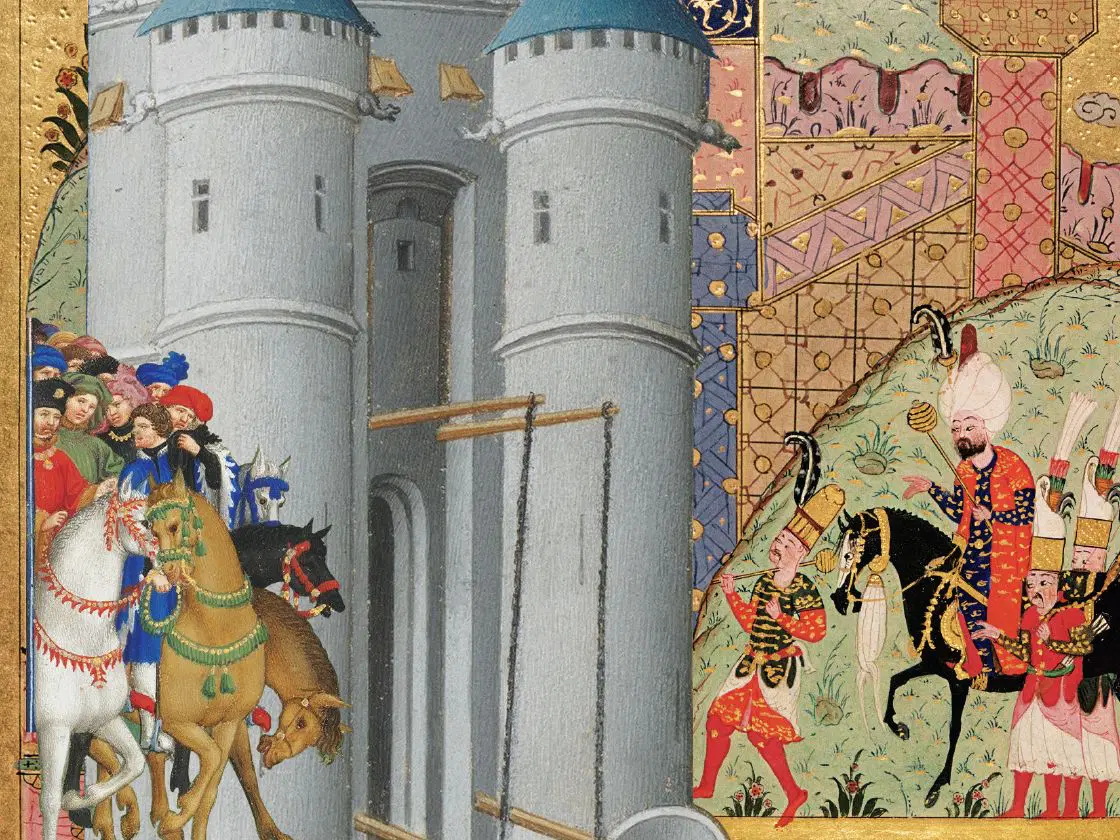
Unit 2
Empires in the Middle Ages/Los imperios en la Edad Media, parte 1 & Los imperios en la Edad Media, parte 2
Explore the medieval history of Europe and the Middle East.
Unit 3
Poetry/Poesía
Study the poetry of many nations using licensed text anthologies, and begin to write your own.

Unit 4
Eureka! Student Inventor/¡Eureka! Estudiante inventor
Transform the class into a lab for students to build and present inventions.

Unit 5
Geology/Geología
Plate tectonics, volcanoes, erosion: all the forces that shape the Earth.

Unit 6
Contemporary Fiction with excerpts from The House on Mango Street/Ficción Contemporánea con Fragmentos de La Casa en Mango Street
Explore The House on Mango Street… and write a book while doing it.
Unit 7
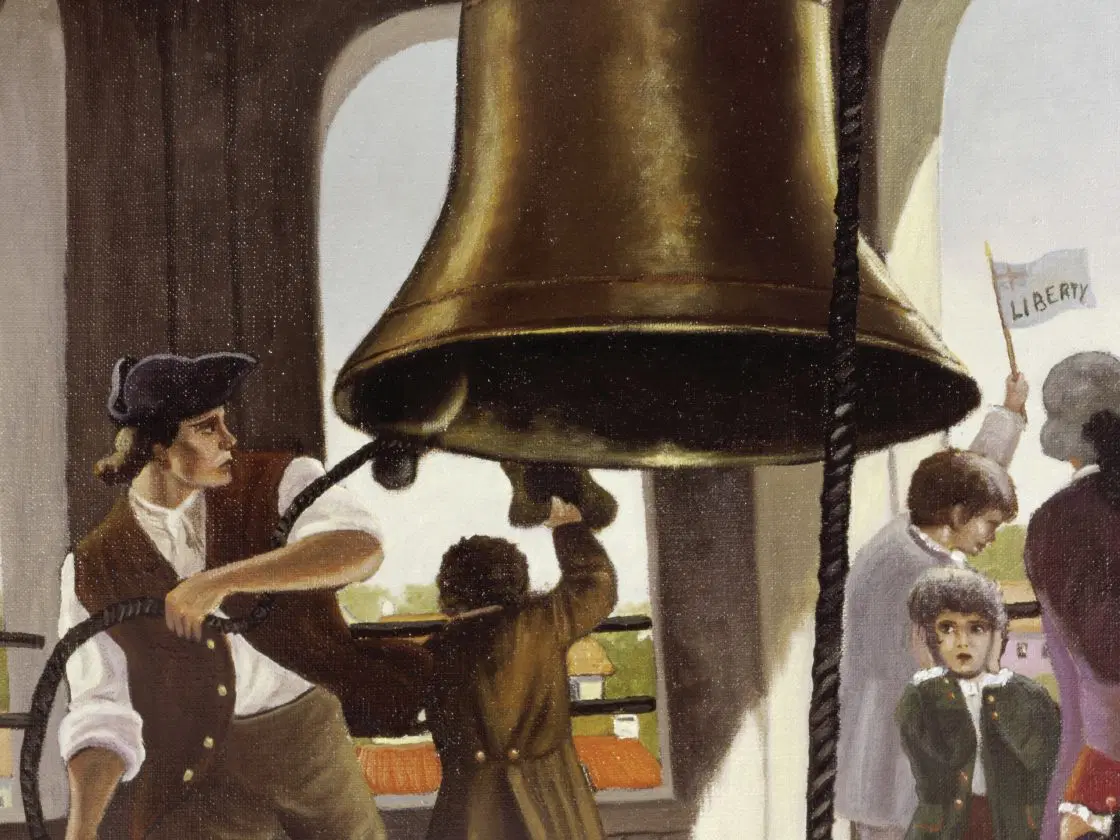
American Revolution/La Revolución estadounidense
Why did America seek independence? Let’s investigate the causes and effects.
Unit 8
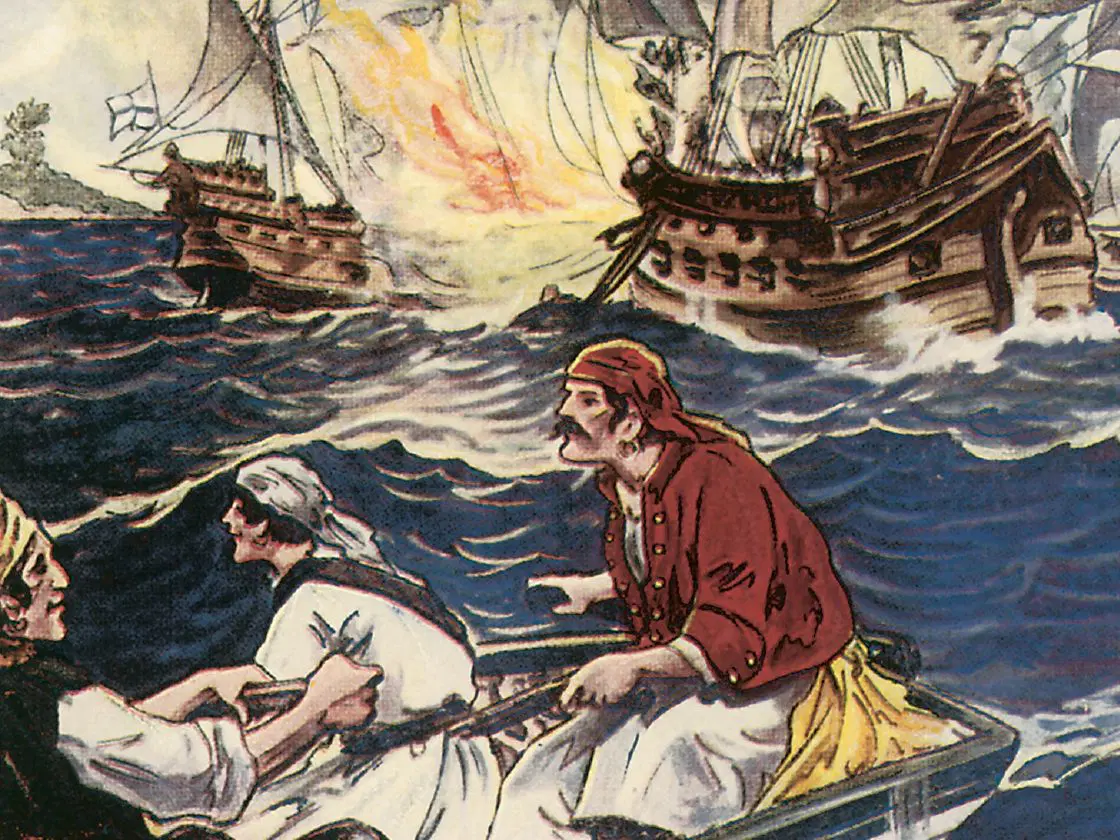
Treasure Island/La Isla del Tesoro
How dSeek the treasure of plot in this detailed study of a classic fiction adventure.
Unit 1
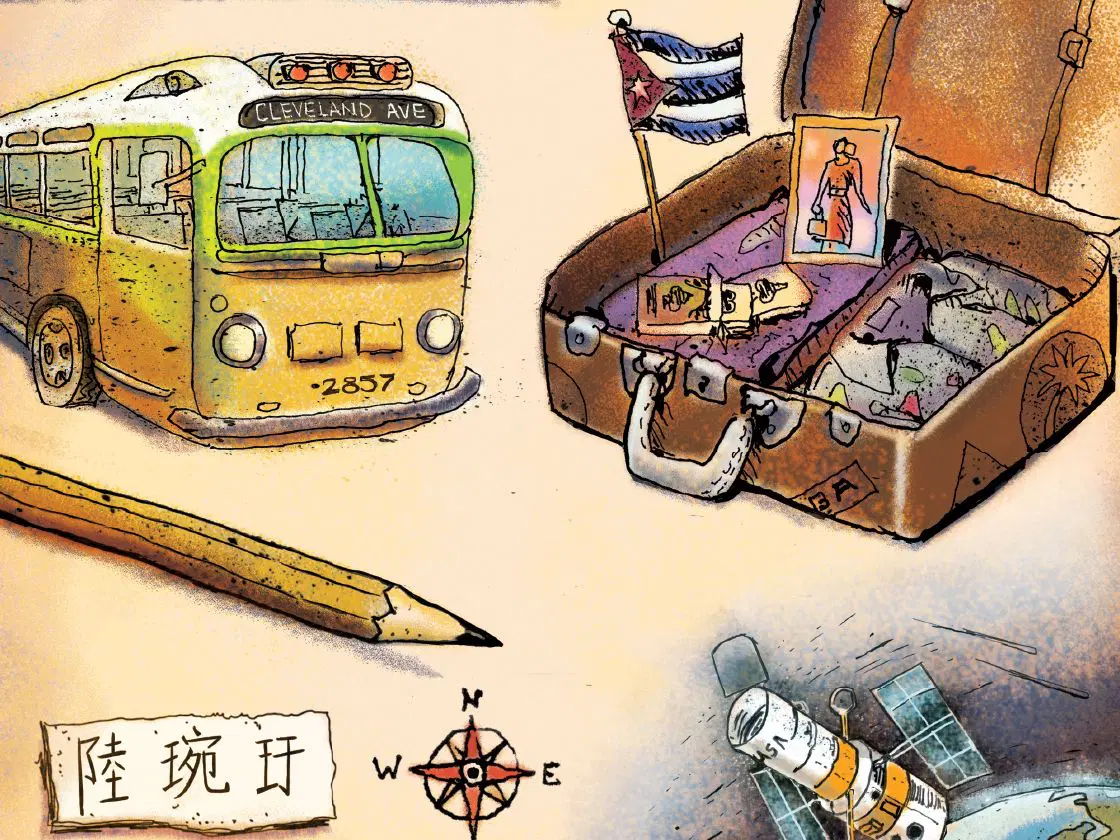
Personal Narratives/Narrativas personales
Through writing and sharing their writing, students begin to identify themselves as writers.
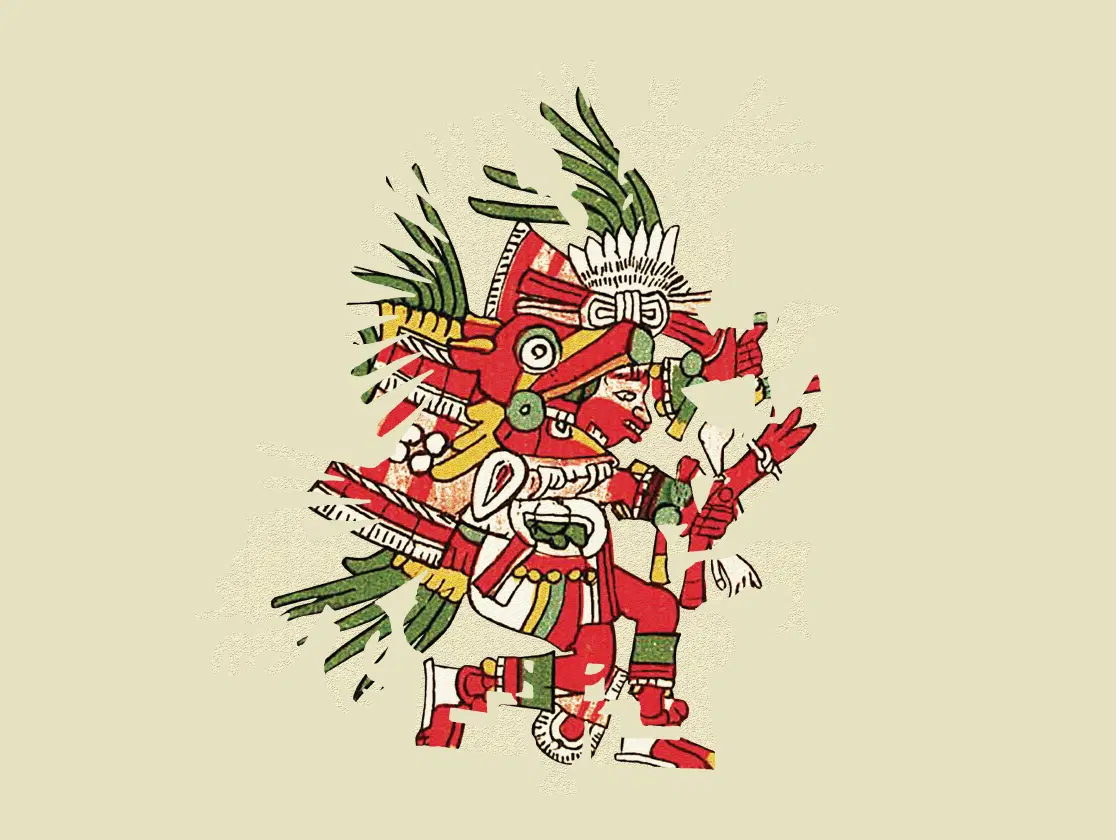
Unit 2
Early American Civilizations/Las primeras civilizaciones americanas
Students craft a codex to explain the rise and fall of the Maya, Aztec, and Inca people.
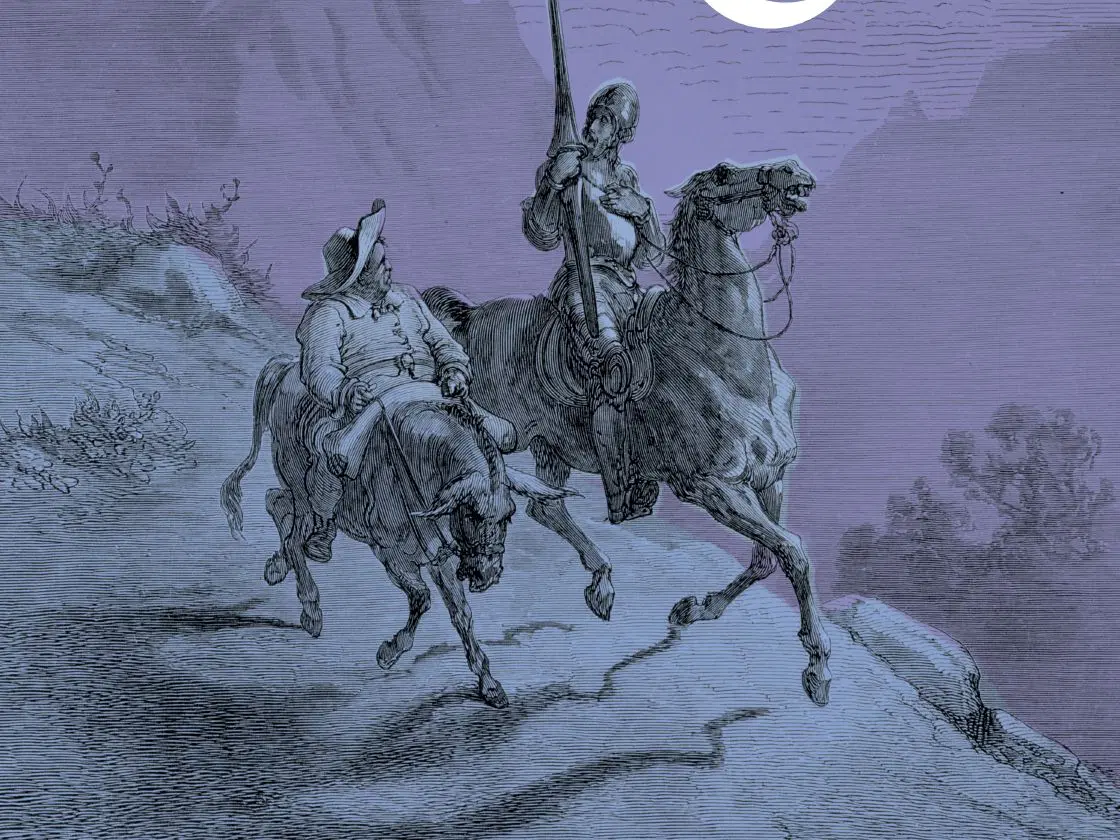
Unit 3
Poetry/Poesía
Students close read many forms of poetry… and learn to write them.

Unit 4
Adventures of Don Quixote/Las Aventuras de Don Quijote
Was Don Quixote right to fight the windmill? In this full-length novel study, students decide.
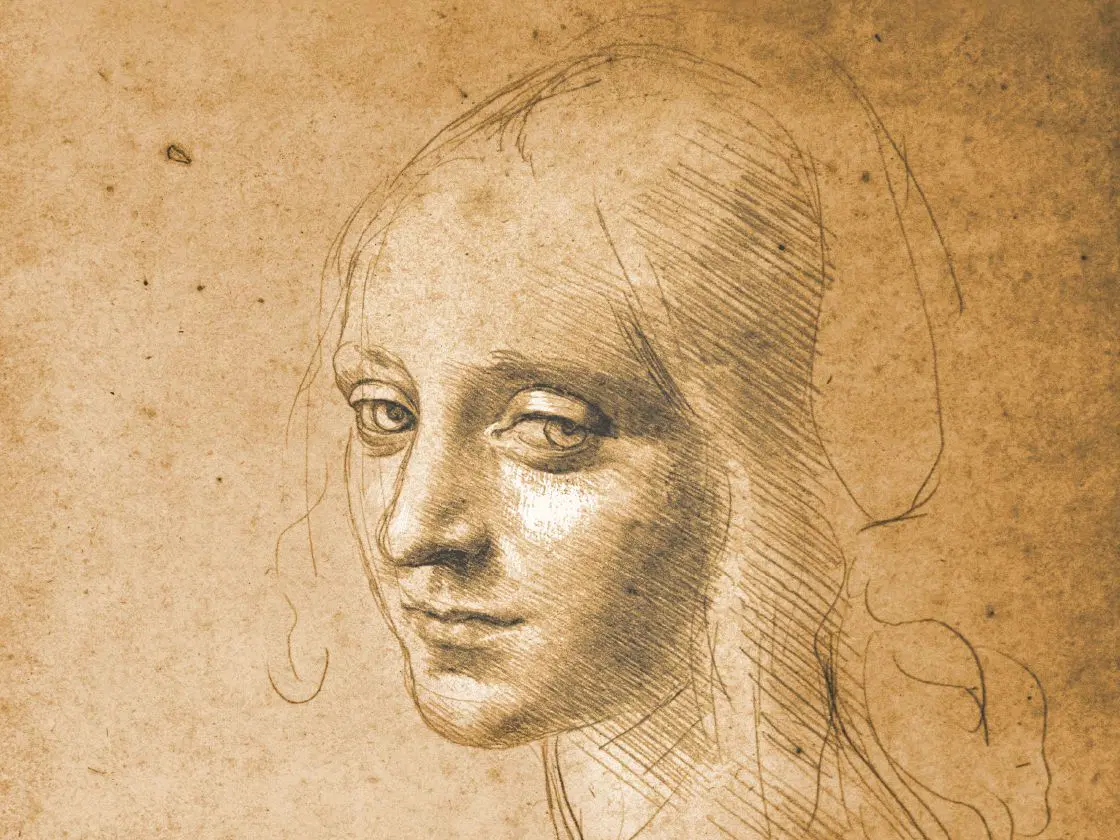
Unit 5
The Renaissance/El Renacimiento
Exploring the art and literature of the Renaissance through the works of its masters.
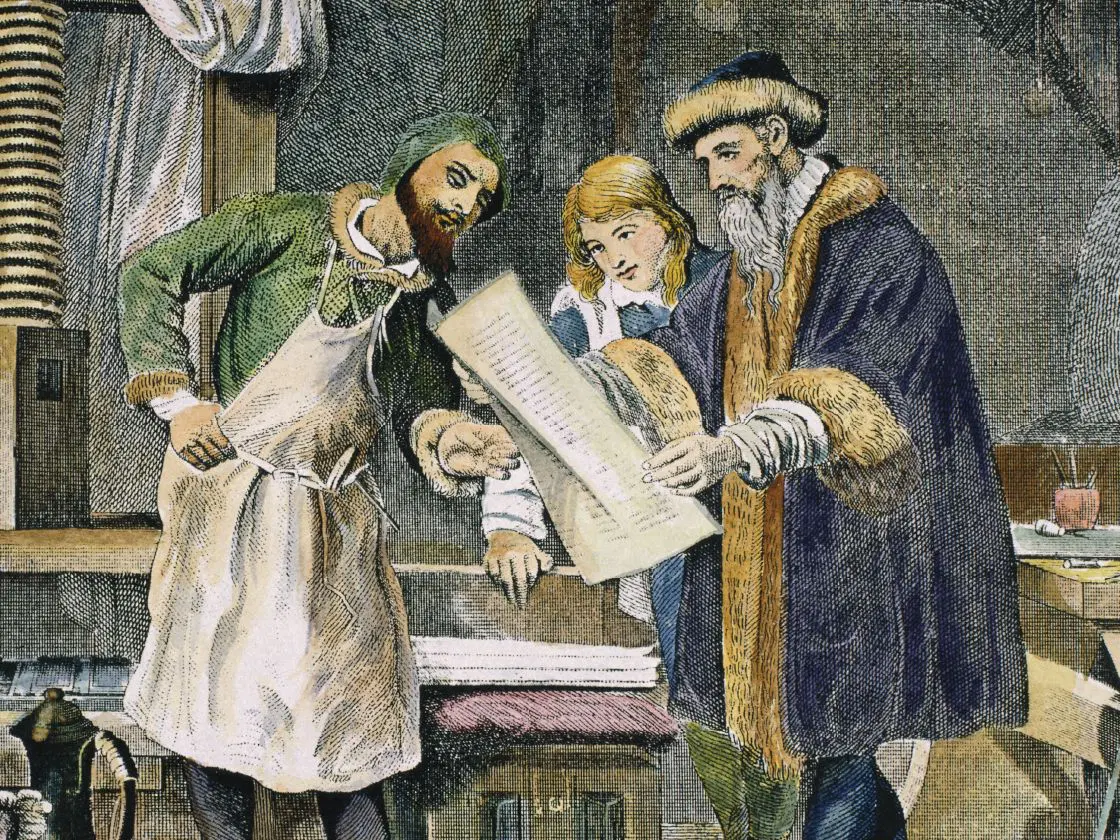
Unit 6
The Reformation/La Reforma
How did the printing press transform the religion and society of Europe?

Unit 7
William Shakespeare’s A Midsummer Night’s Dream/Sueño de Una Noche de Verano de William Shakespeare
Students enter the world of Shakespeare by reading, designing, and acting out his work.

Unit 8
Native Americans/Los nativos americanos
How did the policies of the U.S. government impact Native American culture and lives?
Unit 9
Chemical Matter/Química
Students use knowledge of chemistry to solve a mystery.
Print & digital components
The program includes instructional guidance and student materials for a year of instruction, with lessons and activities that keep students engaged every day.
Component
FORMAT
Knowledge (Conocimientos) Teacher Guides (K–2)
Knowledge Strand Teacher Guides contain Amplify CKLA’s cross-curricular read-alouds and application activities, all of which are standards-based to build mastery of content knowledge and literacy skills. There is one Teacher Guide per Knowledge Domain.
Print and digital
Knowledge Image Cards (K–2)
Amplify Caminos includes Image Cards for each Knowledge Domain to bring each topic to life through vivid visuals.
Print and digital
Knowledge Flip Books (K–2)
Projectable Flip Books are provided to accompany the read-alouds in each Knowledge Domain.
Digital
Teacher Guides (3–5)
Teacher Guides for grades 3–5 units are based on content-rich topics and incorporate reading, writing, speaking, and listening skills in the context of background knowledge. There is one Teacher Guide per unit.
Print or digital
Teacher Resource Site (K–5)
The program includes a one-stop-shop website for lesson projections, digital versions of all Amplify Caminos materials, lesson planning resources, multimedia (such as eBooks), and more.
Digital
Professional Learning Site (K–5)
The Professional Learning site includes training materials, best practices, and other resources to develop program expertise. Access professional development anywhere, anytime.
Digital
Component
FORMAT
Knowledge (Conocimiento) Activity Books (K–2)
Activity Books provide students with the opportunity to deepen world and word knowledge by responding to text in a diversity of ways.
Student Readers (3–5)
Student Readers serve as content-rich anchor texts for each unit. Units such as Poetry and Contemporary Fiction feature authentic texts originally written in Spanish.
Activity Books (3–5)
Activity Books in grades 3–5 provide daily opportunities for students to hone reading and writing skills within the context of each unit.
Print and digital
Explore more programs
Our programs are designed to support and complement one another. Learn more about our related programs.
Inspiring the next generation of South Carolina scientists, engineers, and curious citizens
Amplify Science is an engaging new core curriculum designed for three-dimensional, phenomena-based learning.
Amplify Science was developed by the science education experts at UC Berkeley’s Lawrence Hall of Science and the digital learning team at Amplify.

Our Instructional model
The Amplify Science program is rooted in the proven, research-based pedagogy of Do, Talk, Read, Write, Visualize. Here’s how each element works:
DO
First-hand investigations are an important part of any science classroom, and Amplify Science has students getting hands-on in every unit, from building models of protein molecules to experimenting with electrical systems.
TALK
Student-to-student discourse and full class discussions are an integral part of the program. Students are provided with numerous opportunities to engage in meaningful oral scientific argumentation, all while fostering a collaborative classroom environment.
READ
Students read scientific articles, focusing their reading activities on searching for evidence related to their investigation, and importantly, on asking and recording questions as they read through fascinating texts on 21st-century topics.
WRITE
Following real-world practices, students write scientific arguments based on evidence they’ve collected, making clear their reasoning about how a given piece of evidence connects to one of several claims.
VISUALIZE
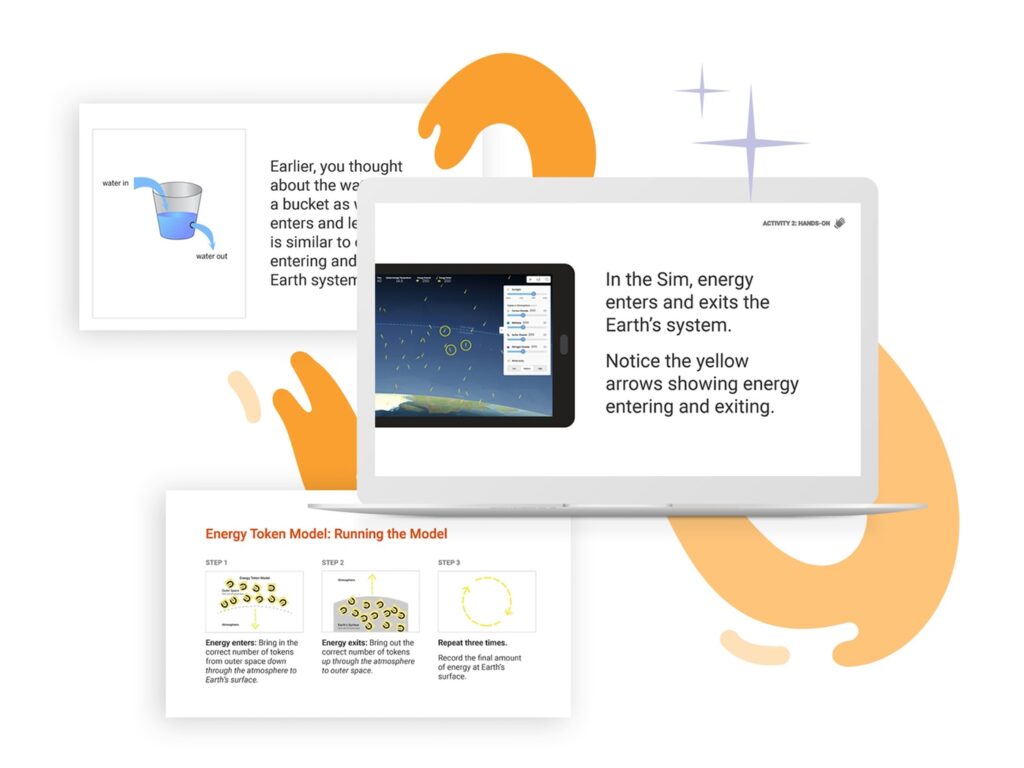
By manipulating digital simulations and using modeling tools to craft visualizations of their thinking— just as real scientists and engineers do—students take their learning far beyond the confines of what they can physically see in the classroom in an exciting and authentic way.
Explore the Digital Teacher’s Guide
When you’re ready to review, click the orange button below and use your provided login credentials to access the Amplify Science Digital Teacher’s Guide. If you need login credentials, contact Jeff Rutter, jrutter@amplify.com.
Resources to support your review
- South Carolina recommended scope and sequence for grades 6–8
- South Carolina standards correlation for grades K–8
- What’s so phenomenal about phenomena? – ebook
- Phenomena in grades K–5
- Student Books in grades K–5
- Literacy-rich science instruction in grades K–5
- Active Reading in grades 6–8
- Engineering in Amplify Science
- Program structure for grades K–5
Scope and sequence
GRADE |
UNIT |
| Kindergarten |
|
| Grade 1 |
|
| Grade 2 |
|
| Grade 3 |
|
| Grade 4 |
|
| Grade 5 |
|
Grade |
Units |
|
Grade 6 |
|
|
Grade 7 |
|
|
Grade 8 |
|
South Carolina College- and Career-Ready Science Standards 2021
Amplify Science was designed from the ground up to meet the Next Generation Science Standards (NGSS), and the South Carolina College- and Career-Ready Science Standards 2021 are closely aligned to the NGSS at K-8. The guidance below is meant to provide support for integrating additional companion activities that support full coverage of the South Carolina College- and Career-Ready Science Standards 2021.
Organized by grade level, each section below will outline:
- Additional activities that support 100% alignment to the South Carolina College- and Career-Ready Science Standards 2021;
- The standard being addressed with the activities;
- The recommended placement of the activities within a specific Amplify Science unit; and
- PDFs of any accompanying materials that are necessary to implement the activities.
Standard: MS-PS1-4: Develop a model that predicts and describes changes in particle motion, temperature, and state of a pure substance when thermal energy is added or removed.
Recommended placement: Thermal Energy unit, Lesson 4.4, addition to Activity 3
Materials: “Liquid Oxygen”
By reading the article “Liquid Oxygen,” which describes how the relationship between attraction and kinetic energy determines when a substance changes phase, students extend their understanding of the possible effects of adding or removing thermal energy to include changes in state (phase). Oxygen is one of the most common elements in the world, but most people are only familiar with oxygen in the gas phase. Because oxygen molecules are only weakly attracted to one another, condensing oxygen is difficult. This article introduces students to molecular attraction and discusses its role in phase change, including how it can be used to turn oxygen from a gas to a liquid.
Instructions:
Download PDFs of the “Liquid Oxygen” and distribute it to students. Before they begin reading, remind students of the Active Reading Guidelines.
Standard: MS-PS4-2: Develop and use a model to describe that waves are reflected, absorbed, or transmitted through various materials.
Recommended placement: Weather Patterns unit, Lesson 4.4, addition to Activity 3
Materials: “Harvesting Sunlight”, “Why No One in Space Can Hear You Scream” and “Making Waves at Swim Practice”
After investigating weather patterns, which includes a focus of the effects of energy from sunlight, students extend their learning about light by reading three articles about light and other waves.
“Harvesting Sunlight:” Students read this article to learn about the types of light from the sun that plants use for photosynthesis. The article describes how the sun emits all types of light, but plants can only use certain types of visible light for photosynthesis, mostly red and blue light. Plants also absorb other types of light, and these types of light affect plants in different ways. Students use this information to gather evidence that there are different types of light that can affect a material in different ways.
“Why No One in Space Can Hear You Scream:” Students read this article to learn about how waves are transmitted. Explosions that would be deafening on Earth are silent in space. This is because sound is produced by sound waves and, unlike light waves, sound waves need matter to travel through. Reading about this phenomenon helps students understand the similarities and differences between mechanical and electromagnetic waves.
“Making Waves at Swim Practice:” A practice for the school swim team provides an everyday context for discussing light waves and sound waves in this engaging article. First, the article explores sound waves traveling through different materials–the air, the water of the pool, and even a metal poolside bench. Students discover that sound waves travel at different speeds in different materials. The later part of the article discusses light waves, which also travel at different speeds in different materials. As light waves move from one material to another, they change speed and bend. This bending of light waves is called refraction, and it explains why objects that are partly in the water and partly out of the water (such as the legs of a person sitting on the side of a pool) appear ripply and bent.
Instructions:
Plan one class period for each article. Download PDFs of the “Harvesting Sunlight,” “Why No One in Space Can Hear You Scream,” and “Making Waves at Swim Practice” articles. For each article, before students begin reading, preview the article and discuss what students already know and what they wonder about the topic, then remind students of the Active Reading Guidelines.
Standard: MS-PS2-3: Ask questions about data to determine the factors that affect the strength of electric and magnetic forces. MS-PS2-5: Conduct an investigation and evaluate the experimental design to provide evidence that fields exist between objects exerting forces on each other even though the objects are not in contact.
Recommended placement: Harnessing Human Energy unit, Lesson 3.4, after Activity 1
Materials: “Earth’s Geomagnetism” and “Painting with Static Electricity”
After concluding their investigations of energy transfers and conversions, students read two articles that introduce the topic of forces that act at a distance.
“Earth’s Geomagnetism:” What makes a compass needle point north, no matter what? This article introduces students to Earth’s geomagnetic field and the field lines scientists use to show its direction.
“Painting with Static Electricity:” This article gives students the opportunity to learn about electrostatic fields and forces in the context of spray painting without making a mess. Electrostatic painting systems use electrostatics to draw spray paint toward the object being painted, and nowhere else. Painters charge the object they are painting with a negative charge and the paint with a positive charge. The opposite charges are attracted to one another, causing the paint to move toward the object. This surprising use of electrostatics saves time and paint and keeps things tidy!
Instructions
Plan one class period for each article. Download PDFs of the “Earth’s Geomagnetism” and “Painting with Electricity” articles. For each article, before students begin reading, preview the article and discuss what students already know and what they wonder about the topic, then remind students of the Active Reading Guidelines.
What’s included
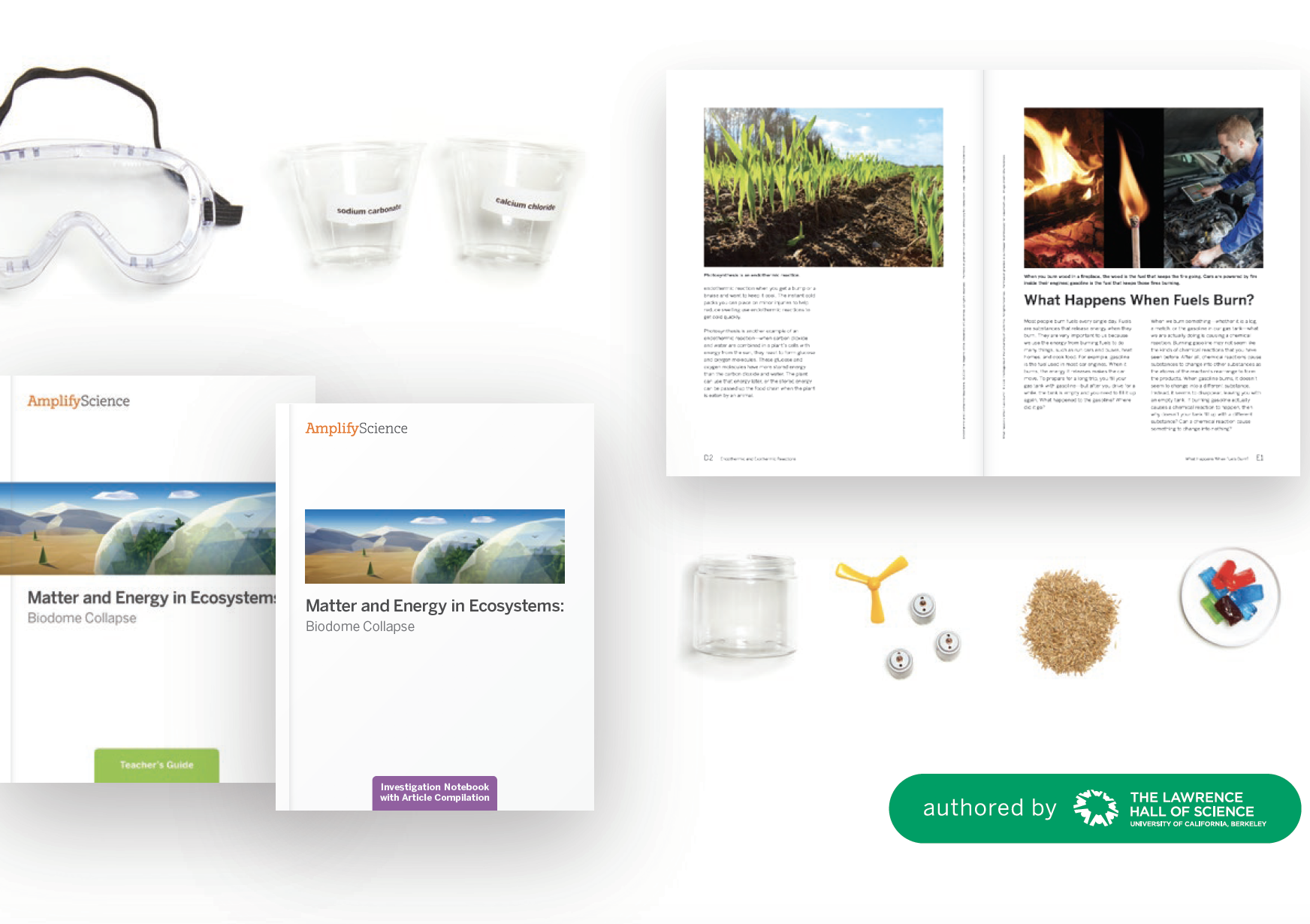
Science articles
The middle school science articles serve as sources for evidence collection and were authored by science and literacy experts at the Lawrence Hall of Science.

Student Investigation Notebooks
Available for every unit, the Student Investigation Notebooks provide space for students to:
- Record data
- Reflect on ideas from texts and investigations
- Construct explanations and arguments
Available with full-color article compilations for middle school units.

Digital student experience
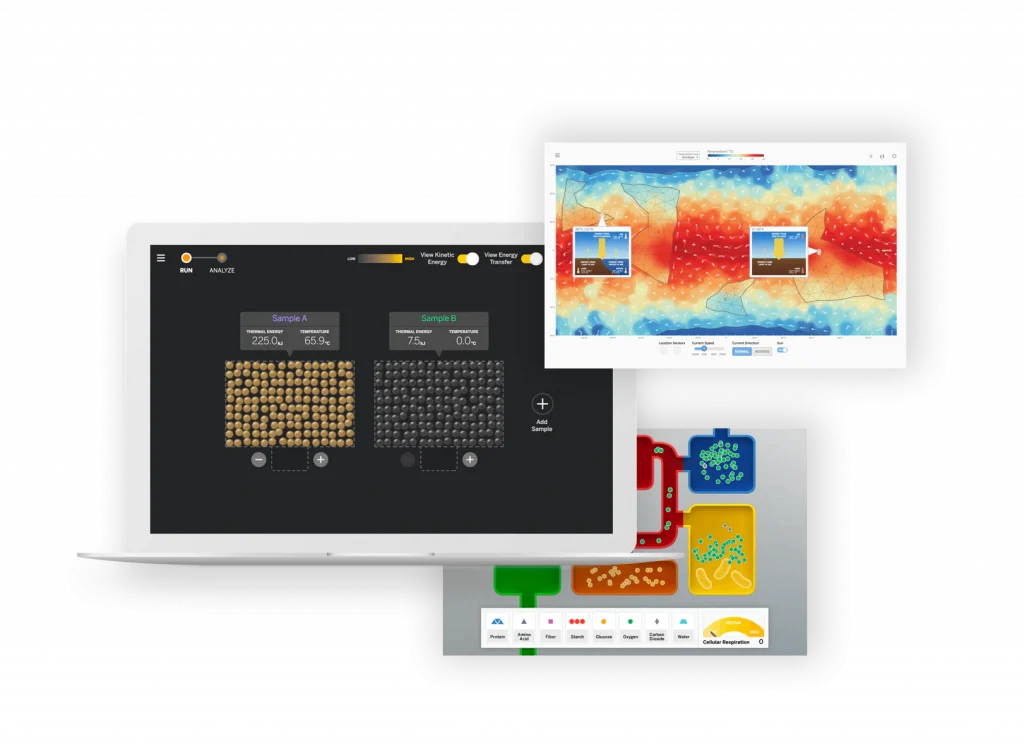
Students access the digital simulations and modeling tools, as well as lesson activities and assessments, through the digital student experience. Students can interact with the digital student experience as they:
- Conduct hands-on investigations
- Engage in active reading and writing activities
- Participate in discussions
- Record observations
- Craft end-of-unit scientific arguments
Teacher’s Guides
Available digitally and in print, the Teacher’s Guides contain all of the information teachers need to facilitate classroom instruction, including:
- Classroom Slides
- Detailed lesson plans
- Unit and chapter overview documentation
- Differentiation strategies
- Standards alignments
- In-context professional development

Hands-on materials kits
Hands-on learning is at the heart of Amplify Science. Each unit kit contains:
- Consumable and non-consumable hands-on materials
- Print classroom display materials
- Premium print materials for student use (sorting cards, maps, etc.)
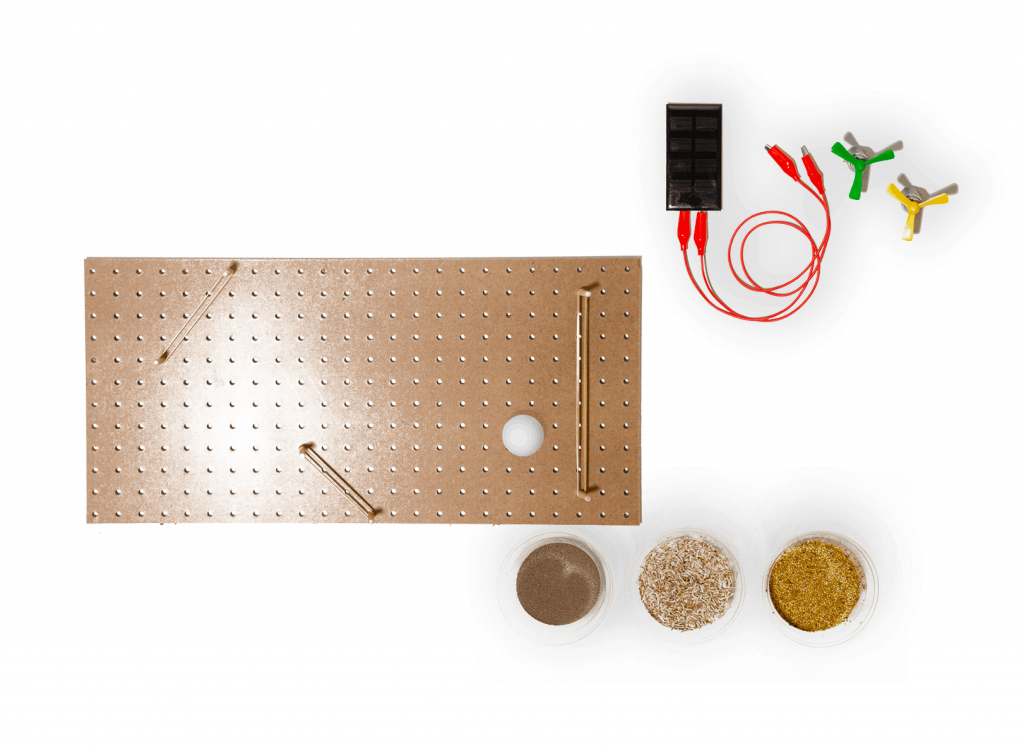
Remote and hybrid learning supports
Amplify has launched a new remote learning solution called Amplify Science@Home. Intended to make extended remote learning and hybrid learning easier, Amplify Science@Home includes two useful options for continuing instruction: @Home Videos and @Home Units.
Amplify Science @Home Videos are recordings of real Amplify Science teachers teaching the lessons. For those teachers who are unable to meet synchronously with their students, the recorded lessons are a great way to keep their students on track and engaged with Amplify Science while at home. These videos will be produced for all K–5 units, and for the first four units of each 6–8 grade level. Their release will be rolling, beginning in August.
Amplify Science@Home Units are modified versions of Amplify Science units, strategically designed to highlight key activities from the program. The @Home Units take significantly less instructional time than the complete Amplify Science program and allow students to engage with science at home. @Home Units will be developed for all Amplify Science K–8 units. Each @Home unit includes:
- Teacher overviews explaining how to use the materials, including suggestions for enhancing the @Home Units if synchronous learning or in-class time with students is available.
- Overviews to send home to families.
Student materials are available in two formats:
- @Home Slides (PDF/PPT) + Student Sheets (PDF) for students with access to technology at home.
- Downloadable @Home Packets (PDF) for students without access to technology at home.
Download the Remote and hybrid learning guide.
Looking for help?
Powerful (and free!) pedagogical support
Amplify provides a unique kind of support you won’t find from other publishers. We have developed an educational support team of former teachers and administrators who provide pedagogical support for every Amplify curriculum, assessment, and intervention program. This service is completely free for all educators who are using our programs and includes:
- Guidance for developing lesson plans and intervention plans
- Information on where to locate standards and other planning materials
- Recommendations and tips for day-to-day teaching with Amplify programs
- Support with administering and interpreting assessment data and more
To reach our pedagogical team, use our live chat within your program, call (800) 823-1969, or email edsupport@amplify.com
Timely technical and program support
Our technical and program support is included and available from 7 a.m. to 7 p.m. ET, Monday through Friday, through a variety of channels, including a live chat program that enables teachers to get immediate help in the middle of the school day.
For your most urgent questions:
- Use our live chat within your program
- Call our toll-free number: (800) 823-1969
For less urgent questions:
Contact us
Contact your South Carolina team representatives:
Jeff Rutter
Field Manager
jrutter@amplify.com
(727) 512-8440
Cathy McMillan
Senior Account Executive
cmcmillan@amplify.com
(904) 465-9904
Our Instructional model
The Amplify Science program is rooted in the proven, research-based pedagogy of Do, Talk, Read, Write, Visualize. Here’s how each element works:
DO
First-hand investigations are an important part of any science classroom, and Amplify Science has students getting hands-on in every unit, from building models of protein molecules to experimenting with electrical systems.
TALK
Student-to-student discourse and full class discussions are an integral part of the program. Students are provided with numerous opportunities to engage in meaningful oral scientific argumentation, all while fostering a collaborative classroom environment.
READ
Students read scientific articles, focusing their reading activities on searching for evidence related to their investigation, and importantly, on asking and recording questions as they read through fascinating texts on 21st-century topics.
WRITE
Following real-world practices, students write scientific arguments based on evidence they’ve collected, making clear their reasoning about how a given piece of evidence connects to one of several claims.
VISUALIZE
By manipulating digital simulations and using modeling tools to craft visualizations of their thinking— just as real scientists and engineers do—students take their learning far beyond the confines of what they can physically see in the classroom in an exciting and authentic way.
Supporting resources
- South Carolina recommended scope and sequence for grades 6–8
- South Carolina standards correlation for grades K–5
- Program Components K-5
- Curriculum Unit Kits K-5
- What’s so phenomenal about phenomena? – ebook
- Phenomena in grades K–5
- Student Books in grades K–5
- Literacy-rich science instruction in grades K–5
- Active Reading in grades 6–8
- Engineering in Amplify Science
- Program structure for grades K–5
Scope and sequence
GRADE
UNITS
Kindergarten
- Needs of Plants and Animals
- Pushes and Pulls
- Sunlight and Water
Grade 1
- Animal and Plant Defenses
- Light and Sound
- Spinning Earth
Grade 2
- Plant and Animal Relationships
- Properties of Materials
- Changing Landforms
Grade 3
- Balancing Forces
- Inheritance and Traits
- Environments and Survival
- Weather and Climate
Grade 4
- Energy Conversions
- Vision and Light
- Earth’s Features
- Waves, Energy, and Information
Grade 5
- Patterns of Earth and Sky
- Modeling Matter
- The Earth System
- Ecosystem Restoration
GRADE
UNITS
Grade 6
- Launch: Microbiome
- Metabolism
- Metabolism Engineering Internship
- Thermal Energy
- Plate Motion
- Plate Motion Engineering Internship
- Rock Transformations
- Weather Patterns
- Ocean, Atmosphere, and Climate
Grade 7
- Launch: Harnessing Human Energy
- Phase Change
- Phase Change Engineering Internship
- Magnetic Fields
- Earth’s Changing Climate
- Earth’s Changing Climate Engineering Internship
- Chemical Reactions
- Populations and Resources
- Matter and Energy in Ecosystems
Grade 8
- Launch: Geology on Mars
- Earth, Moon, and Sun
- Light Waves
- Force and Motion
- Force and Motion Engineering Internship
- Traits and Reproduction
- Natural Selection
- Natural Selection Engineering Internship
- Evolutionary History
South Carolina College- and Career-Ready Science Standards 2021
Amplify Science was designed from the ground up to meet the Next Generation Science Standards (NGSS), and the South Carolina College- and Career-Ready Science Standards 2021 are closely aligned to the NGSS at K-8. The guidance below is meant to provide support for integrating additional companion activities that support full coverage of the South Carolina College- and Career-Ready Science Standards 2021.
Organized by grade level, each section below will outline:
- Additional activities that support 100% alignment to the South Carolina College- and Career-Ready Science Standards 2021;
- The standard being addressed with the activities;
- The recommended placement of the activities within a specific Amplify Science unit; and
- PDFs of any accompanying materials that are necessary to implement the activities.
Standard: MS-PS1-4: Develop a model that predicts and describes changes in particle motion, temperature, and state of a pure substance when thermal energy is added or removed.
Recommended placement: Thermal Energy unit, Lesson 4.4, addition to Activity 3
Materials: “Liquid Oxygen”
By reading the article “Liquid Oxygen,” which describes how the relationship between attraction and kinetic energy determines when a substance changes phase, students extend their understanding of the possible effects of adding or removing thermal energy to include changes in state (phase). Oxygen is one of the most common elements in the world, but most people are only familiar with oxygen in the gas phase. Because oxygen molecules are only weakly attracted to one another, condensing oxygen is difficult. This article introduces students to molecular attraction and discusses its role in phase change, including how it can be used to turn oxygen from a gas to a liquid.
Instructions:
Download PDFs of the “Liquid Oxygen” and distribute it to students. Before they begin reading, remind students of the Active Reading Guidelines.
Standard: MS-PS4-2: Develop and use a model to describe that waves are reflected, absorbed, or transmitted through various materials.
Recommended placement: Weather Patterns unit, Lesson 4.4, addition to Activity 3
Materials: “Harvesting Sunlight”, “Why No One in Space Can Hear You Scream” and “Making Waves at Swim Practice”
After investigating weather patterns, which includes a focus of the effects of energy from sunlight, students extend their learning about light by reading three articles about light and other waves.
“Harvesting Sunlight:” Students read this article to learn about the types of light from the sun that plants use for photosynthesis. The article describes how the sun emits all types of light, but plants can only use certain types of visible light for photosynthesis, mostly red and blue light. Plants also absorb other types of light, and these types of light affect plants in different ways. Students use this information to gather evidence that there are different types of light that can affect a material in different ways.
“Why No One in Space Can Hear You Scream:” Students read this article to learn about how waves are transmitted. Explosions that would be deafening on Earth are silent in space. This is because sound is produced by sound waves and, unlike light waves, sound waves need matter to travel through. Reading about this phenomenon helps students understand the similarities and differences between mechanical and electromagnetic waves.
“Making Waves at Swim Practice:” A practice for the school swim team provides an everyday context for discussing light waves and sound waves in this engaging article. First, the article explores sound waves traveling through different materials–the air, the water of the pool, and even a metal poolside bench. Students discover that sound waves travel at different speeds in different materials. The later part of the article discusses light waves, which also travel at different speeds in different materials. As light waves move from one material to another, they change speed and bend. This bending of light waves is called refraction, and it explains why objects that are partly in the water and partly out of the water (such as the legs of a person sitting on the side of a pool) appear ripply and bent.
Instructions:
Plan one class period for each article. Download PDFs of the “Harvesting Sunlight,” “Why No One in Space Can Hear You Scream,” and “Making Waves at Swim Practice” articles. For each article, before students begin reading, preview the article and discuss what students already know and what they wonder about the topic, then remind students of the Active Reading Guidelines.
Standard: MS-PS2-3: Ask questions about data to determine the factors that affect the strength of electric and magnetic forces. MS-PS2-5: Conduct an investigation and evaluate the experimental design to provide evidence that fields exist between objects exerting forces on each other even though the objects are not in contact.
Recommended placement: Harnessing Human Energy unit, Lesson 3.4, after Activity 1
Materials: “Earth’s Geomagnetism” and “Painting with Static Electricity”
After concluding their investigations of energy transfers and conversions, students read two articles that introduce the topic of forces that act at a distance.
“Earth’s Geomagnetism:” What makes a compass needle point north, no matter what? This article introduces students to Earth’s geomagnetic field and the field lines scientists use to show its direction.
“Painting with Static Electricity:” This article gives students the opportunity to learn about electrostatic fields and forces in the context of spray painting without making a mess. Electrostatic painting systems use electrostatics to draw spray paint toward the object being painted, and nowhere else. Painters charge the object they are painting with a negative charge and the paint with a positive charge. The opposite charges are attracted to one another, causing the paint to move toward the object. This surprising use of electrostatics saves time and paint and keeps things tidy!
Instructions
Plan one class period for each article. Download PDFs of the “Earth’s Geomagnetism” and “Painting with Electricity” articles. For each article, before students begin reading, preview the article and discuss what students already know and what they wonder about the topic, then remind students of the Active Reading Guidelines.
What’s included
Science articles
The middle school science articles serve as sources for evidence collection and were authored by science and literacy experts at the Lawrence Hall of Science.
Student Investigation Notebooks
Available for every unit, the Student Investigation Notebooks provide space for students to:
- Record data
- Reflect on ideas from texts and investigations
- Construct explanations and arguments
Available with full-color article compilations for middle school units.
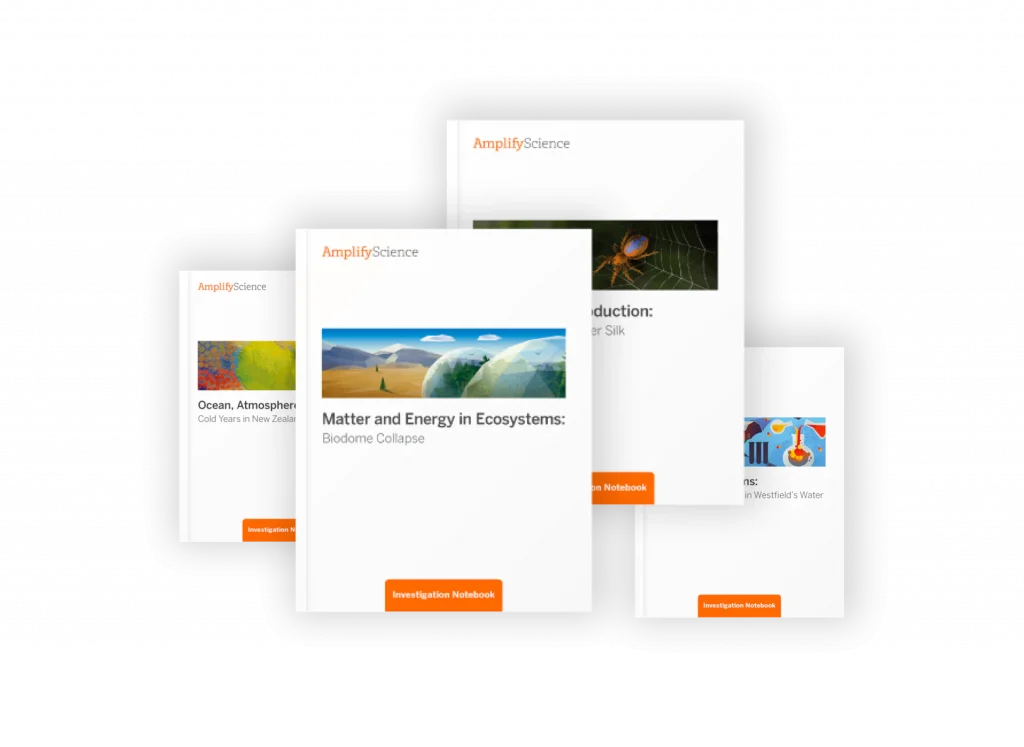
Digital student experience
Students access the digital simulations and modeling tools, as well as lesson activities and assessments, through the digital student experience. Students can interact with the digital student experience as they:
- Conduct hands-on investigations
- Engage in active reading and writing activities
- Participate in discussions
- Record observations
- Craft end-of-unit scientific arguments

Teacher’s Guides
Available digitally and in print, the Teacher’s Guides contain all of the information teachers need to facilitate classroom instruction, including:
- Classroom Slides
- Detailed lesson plans
- Unit and chapter overview documentation
- Differentiation strategies
- Standards alignments
- In-context professional development

Hands-on materials kits
Hands-on learning is at the heart of Amplify Science. Each unit kit contains:
- Consumable and non-consumable hands-on materials
- Print classroom display materials
- Premium print materials for student use (sorting cards, maps, etc.)
Remote and hybrid learning supports
Amplify has launched a new remote learning solution called Amplify Science@Home. Intended to make extended remote learning and hybrid learning easier, Amplify Science@Home includes two useful options for continuing instruction: @Home Videos and @Home Units.
Amplify Science @Home Videos are recordings of real Amplify Science teachers teaching the lessons. For those teachers who are unable to meet synchronously with their students, the recorded lessons are a great way to keep their students on track and engaged with Amplify Science while at home. These videos will be produced for all K–5 units, and for the first four units of each 6–8 grade level. Their release will be rolling, beginning in August.
Amplify Science@Home Units are modified versions of Amplify Science units, strategically designed to highlight key activities from the program. The @Home Units take significantly less instructional time than the complete Amplify Science program and allow students to engage with science at home. @Home Units will be developed for all Amplify Science K–8 units. Each @Home unit includes:
- Teacher overviews explaining how to use the materials, including suggestions for enhancing the @Home Units if synchronous learning or in-class time with students is available.
- Overviews to send home to families.
Student materials are available in two formats:
- @Home Slides (PDF/PPT) + Student Sheets (PDF) for students with access to technology at home.
- Downloadable @Home Packets (PDF) for students without access to technology at home.
Download the Remote and hybrid learning guide.
Looking for help?
Powerful (and free!) pedagogical support
Amplify provides a unique kind of support you won’t find from other publishers. We have developed an educational support team of former teachers and administrators who provide pedagogical support for every Amplify curriculum, assessment, and intervention program. This service is completely free for all educators who are using our programs and includes:
- Guidance for developing lesson plans and intervention plans
- Information on where to locate standards and other planning materials
- Recommendations and tips for day-to-day teaching with Amplify programs
- Support with administering and interpreting assessment data and more
To reach our pedagogical team, use our live chat within your program, call (800) 823-1969, or email edsupport@amplify.com
Timely technical and program support
Our technical and program support is included and available from 7 a.m. to 7 p.m. ET, Monday through Friday, through a variety of channels, including a live chat program that enables teachers to get immediate help in the middle of the school day.
For your most urgent questions:
- Use our live chat within your program
- Call our toll-free number: (800) 823-1969
For less urgent questions:
Contact us
Contact your South Carolina team representatives:
Jeff Rutter
Field Manager
jrutter@amplify.com
(727) 512-8440
Lisa Jurovaty
Account Executive (West South Carolina)
ljurovaty@amplify.com
(803) 526-1899
Cathy McMillan (East South Carolina)
Senior Account Executive
cmcmillan@amplify.com
(904) 465-9904
Inspiring the next generation of Alabama scientists, engineers, and curious citizens
Welcome, Jordan K-8 reviewers!
What’s included in our Spanish language arts curriculum
Amplify Core Knowledge Language Arts® (CKLA) is available in both English and Spanish. Amplify Caminos al Conocimiento Esencial, our robust Spanish language arts companion for grades K–5, supports multiple teaching models, including dual language immersion and transitional classrooms.
Year at a glance
The program’s intentional Knowledge Sequence from K–5 connects knowledge and vocabulary within a grade level and across grade levels, for deeper reading comprehension and preparation for college, career, and life. Instead of “activating prior knowledge,” Amplify Caminos helps you build it in the classroom from day one, for every child, expanding each student’s knowledge base long before they transition to reading to learn.
Units & domains at a glance
Each Knowledge Domain in grades K–2 and Unit in grades 3–5 varies in the number of days based on instructional purpose. Just as with our top-rated Amplify CKLA program, the Amplify Caminos materials engage and delight young learners with resources that are both appealing and original.
Domain
Nursery Rhymes and Fables/Rimas y fábulas infantiles
Start learning about literature with these classic Mother Goose rhymes.
Domain
The Five Senses/Los cinco sentidos
Learning about the body starts with learning about how we experience the world.
Domain
Stories/Cuentos
Learn about the parts of a book and some of the stories that go in one.
Domain
Plants/Plantas
Discover the lifecycle of plants and the history of George Washington Carver.
Domain
Farms/Granjas
Now we know how plants make their food… but what about animals?
Domain
Native Americans/Los nativos americanos
Who were the first people in America? A look at the Lenape, Wampanoag, and Lakota Sioux.
Domain
Kings and Queens/Reyes y reinas
To understand fairy tales, it’s best to first understand royalty.
Domain
Seasons and Weather/Las estaciones y el tiempo
The study of natural cycles continues with the weather and why it happens.
Domain
Columbus and the Pilgrims/Colón y los peregrinos
A look at the first contact between Europe and the Americas, and some of its results.
Domain
Colonial Towns and Townspeople/Las colonias y sus habitantes
Before the War for Independence, how did the town and country depend on one another?
Domain
Taking Care of the Earth/Cuidar el planeta Tierra
We only have one Earth—here are some ways to help care for it.
Domain
Presidents and American Symbols/Presidentes y símbolos de los Estados Unidos
Start learning about government through the lives of five presidents.
Domain
Fables and Stories/Fábulas y cuentos
Learn some of the key elements of a story through classic fables.
Domain
The Human Body/El cuerpo humano
What are germs? What are the organs? And what does it all have to do with health?
Domain
Different Lands, Similar Stories/Tierras diferentes, cuentos similares
A world tour of storytelling, and the stories that stay the same across the world.
Domain
Early World Civilizations/Antiguas civilizaciones del mundo
Rivers, farming, writing, and laws: just what does it take to build a civilization?
Domain
Early American Civilizations/Antiguas civilizaciones de América
What will we find in the great temples of the Aztec, Maya, and Inca civilizations?
Domain
Astronomy/Astronomía
How the Earth relates to the moon, the sun, and the rest of the planets.
Domain
The History of the Earth/La historia de la Tierra
Just what lies beneath the Earth’s surface, and what can it teach us about the past?
Domain
Animals and Habitats/Los animales y sus hábitats
A look at the connection between how animals live and where they make their homes.
Domain
Fairy Tales/Cuentos de hadas
What do fairy tales have to teach us about how stories are told?
Domain
A New Nation: American Independence/Una nueva nación: la independencia de los Estados Unidos
The story of the birth of the United States out of the 13 Colonies.
Domain
Frontier Explorers/Exploradores de la Frontera
The story of the journey west from the newborn U.S.A. to find the Pacific Ocean.
Domain
Fairy Tales and Tall Tales/Cuentos de hadas y cuentos exagerados
Learn about exaggeration and characterization on the frontier.
Domain
Early Asian Civilizations/Antiguas civilizaciones de Asia
Tour the world of classical civilization, starting with India and China.
Domain
Ancient Greek Civilization/La civilización griega antigua
The tour continues with the philosophy and politics of Greece.
Domain
Greek Myths/Mitos griegos
Dive deep into the characters and storytelling of classic myths.
Domain
The War of 1812/La guerra de 1812
Learn about America’s “Second War for Independence.”
Domain
Cycles in Nature/Los ciclos de la naturaleza
Introducing the natural cycles that make our lives possible.
Domain
Westward Expansion/La expansión hacia el oeste
Why did pioneers go west? What happened to the people who were there?
Domain
Insects/Los insectos
Lay the grounds for animal classification by looking at solitary and social insects.
Domain
The U.S. Civil War/La Guerra Civil de los Estados Unidos
Begin to grapple with U.S. history’s central crisis over slavery.
Domain
Human Body: Building Blocks and Nutrition/El cuerpo humano: componentes básicos y nutrición
A deeper dive into the digestive system and the nutrition process.
Domain
Immigration/La inmigración
Why did people immigrate to the United States, and what did they find here?
Domain
Fighting for a Cause/Luchar por una causa
How people can do extraordinary things to make the world better for everyone.
Unit 1
Classic Tales: The Wind in the Willows/Cuentos Clásicos: El viento en los sauces
A deep dive into character, theme, and POV in classic stories from around the world.
Unit 2
Animal Classification/La clasificación de los animales
How do we classify different animals by their appearance and behavior?
Unit 3
The Human Body: Systems and Senses/El cuerpo humano: sistemas y sentidos
Let’s take a closer look at how the skeleton, muscles, and nervous system all work.
Unit 4
The Ancient Roman Civilization/La civilización romana antigua
What is Rome’s greatest cultural contribution? In this unit, your students decide.
Unit 5
Light and Sound/La luz y el sonido
The science behind all the ways we see and hear the world.
Unit 6
The Viking Age/La era vikinga
An immersive narrative experience about what life was like in Viking communities.
Unit 7
Astronomy: Our Solar System and Beyond/Astronomía: nuestro sistema solar y más allá
More about our universe, including a writing project about daily life on a space station.
Unit 8
Native Americans: Regions and Cultures/Los nativos americanos: regiones y culturas
How did Native American nations change their way of life in different parts of the world?
Unit 9
Early Explorations of North America/La exploración europea de América del Norte
What was it like to sail to North America with the early European explorers?
Unit 10
Colonial America/La época colonial en los Estados Unidos
A study of the very different ways of life in the different pre-U.S. colonies.
Unit 11
Ecology/Ecología
Students keep ecologist’s journals to learn about our world and how best to protect it.
Unit 1
Personal Narratives/Narrativas personales
Read stories of personal experience… and learn to reflect on your own.
Unit 2
Empires in the Middle Ages/Los imperios en la Edad Media, parte 1 & Los imperios en la Edad Media, parte 2
Explore the medieval history of Europe and the Middle East.
Unit 3
Poetry/Poesía
Study the poetry of many nations using licensed text anthologies, and begin to write your own.
Unit 4
Eureka! Student Inventor/¡Eureka! Estudiante inventor
Transform the class into a lab for students to build and present inventions.
Unit 5
Geology/Geología
Plate tectonics, volcanoes, erosion: all the forces that shape the Earth.
Unit 6
Contemporary Fiction with excerpts from The House on Mango Street/Ficción Contemporánea con Fragmentos de La Casa en Mango Street
Explore The House on Mango Street… and write a book while doing it.
Unit 7
American Revolution/La Revolución estadounidense
Why did America seek independence? Let’s investigate the causes and effects.
Unit 8
Treasure Island/La Isla del Tesoro
How dSeek the treasure of plot in this detailed study of a classic fiction adventure.
Unit 1
Personal Narratives/Narrativas personales
Through writing and sharing their writing, students begin to identify themselves as writers.
Unit 2
Early American Civilizations/Las primeras civilizaciones americanas
Students craft a codex to explain the rise and fall of the Maya, Aztec, and Inca people.
Unit 3
Poetry/Poesía
Students close read many forms of poetry… and learn to write them.
Unit 4
Adventures of Don Quixote/Las Aventuras de Don Quijote
Was Don Quixote right to fight the windmill? In this full-length novel study, students decide.
Unit 5
The Renaissance/El Renacimiento
Exploring the art and literature of the Renaissance through the works of its masters.
Unit 6
The Reformation/La Reforma
How did the printing press transform the religion and society of Europe?
Unit 7
William Shakespeare’s A Midsummer Night’s Dream/Sueño de Una Noche de Verano de William Shakespeare
Students enter the world of Shakespeare by reading, designing, and acting out his work.
Unit 8
Native Americans/Los nativos americanos
How did the policies of the U.S. government impact Native American culture and lives?
Unit 9
Chemical Matter/Química
Students use knowledge of chemistry to solve a mystery.
Print & digital components
The program includes instructional guidance and student materials for a year of instruction, with lessons and activities that keep students engaged every day.
Component
FORMAT
Knowledge (Conocimientos) Teacher Guides (K–2)
Knowledge Strand Teacher Guides contain Amplify CKLA’s cross-curricular read-alouds and application activities, all of which are standards-based to build mastery of content knowledge and literacy skills. There is one Teacher Guide per Knowledge Domain.
Print and digital
Knowledge Image Cards (K–2)
Amplify Caminos includes Image Cards for each Knowledge Domain to bring each topic to life through vivid visuals.
Print and digital
Knowledge Flip Books (K–2)
Projectable Flip Books are provided to accompany the read-alouds in each Knowledge Domain.
Digital
Teacher Guides (3–5)
Teacher Guides for grades 3–5 units are based on content-rich topics and incorporate reading, writing, speaking, and listening skills in the context of background knowledge. There is one Teacher Guide per unit.
Print or digital
Teacher Resource Site (K–5)
The program includes a one-stop-shop website for lesson projections, digital versions of all Amplify Caminos materials, lesson planning resources, multimedia (such as eBooks), and more.
Digital
Professional Learning Site (K–5)
The Professional Learning site includes training materials, best practices, and other resources to develop program expertise. Access professional development anywhere, anytime.
Digital
Component
FORMAT
Knowledge (Conocimiento) Activity Books (K–2)
Activity Books provide students with the opportunity to deepen world and word knowledge by responding to text in a diversity of ways.
Student Readers (3–5)
Student Readers serve as content-rich anchor texts for each unit. Units such as Poetry and Contemporary Fiction feature authentic texts originally written in Spanish.
Activity Books (3–5)
Activity Books in grades 3–5 provide daily opportunities for students to hone reading and writing skills within the context of each unit.
Print and digital
Explore more programs
Our programs are designed to support and complement one another. Learn more about our related programs.
Welcome to the Interactive Classroom trial!
Welcome to Grade 5
Amplify Science California is so effective you can cover 100% of the NGSS in half the time of other programs.
You can breathe a sigh of relief knowing all you need is:
- 88 days per year
- 2-3 lessons per week
- 45 minutes per lesson

What students learn
Lauren Learner loves science. Watch this video to find out what she learns in fifth grade. >
When you’re ready:
- Find a summary of each unit below including each unit’s student role and anchor phenomenon.
- Click on the orange “See how the unit works” link to download a helpful Unit Guide. These guides make great companions to busy reviewers looking for a big-picture understanding of how each unit works.

Unit 1
Patterns of Earth and Sky
Student role: Astronomers
Phenomenon: An ancient artifact depicts what we see in the sky at different times of the day, but it appears to be missing a piece.
Unit 2
Modeling Matter
Student role: Food scientists
Phenomenon: Some ingredients dissolve in a salad dressing while others, like oil and vinegar, appear to separate.
Unit 3
The Earth System
Student role: Water resource engineers
Phenomenon: East Ferris, a city on one side of the fictional Ferris Island, is experiencing a water shortage, while West Ferris is not.
Unit 4
Ecosystem Restoration
Student role: Ecologists
Phenomenon: The jaguars, sloths, and cecropia trees in a reforested section of a Costa Rican rain forest are not growing or thriving.
How teachers teach
Tom Teacher feels confident delivering 3-D instruction with our resources by his side. Watch this video to learn more. >
When you’re ready:
- Scroll down and take a closer look at your classroom resources.
- Click on the orange links below each component to see grade-specific samples.
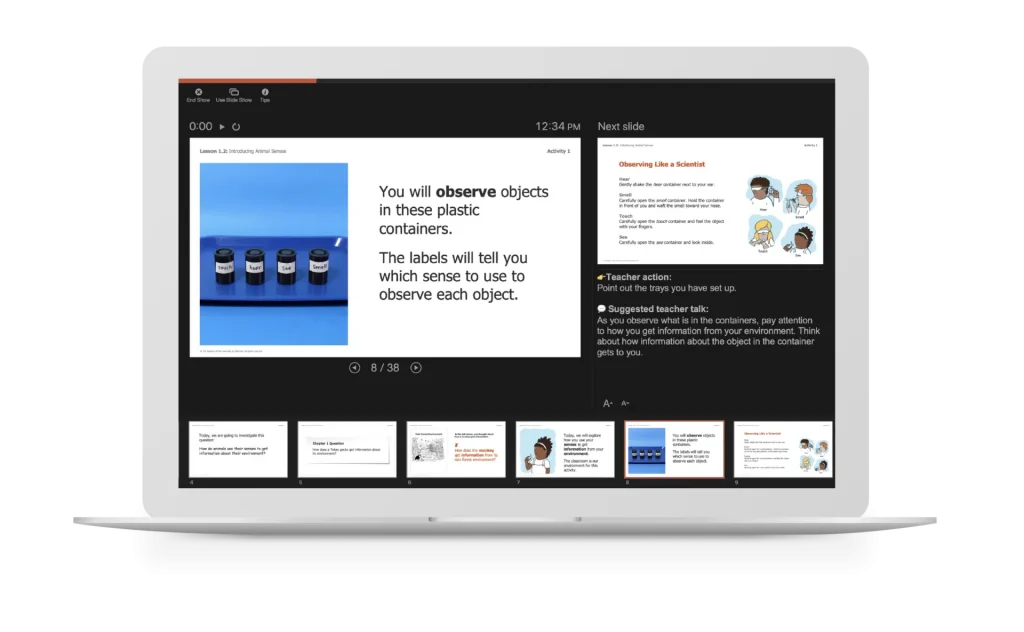
Classroom Slides
These customizable PowerPoints are available for every lesson of the program and make delivering instruction a snap with visual prompts, colorful activity instructions, investigation set-up videos and animations, and suggested teacher talk in the notes section of each slide.
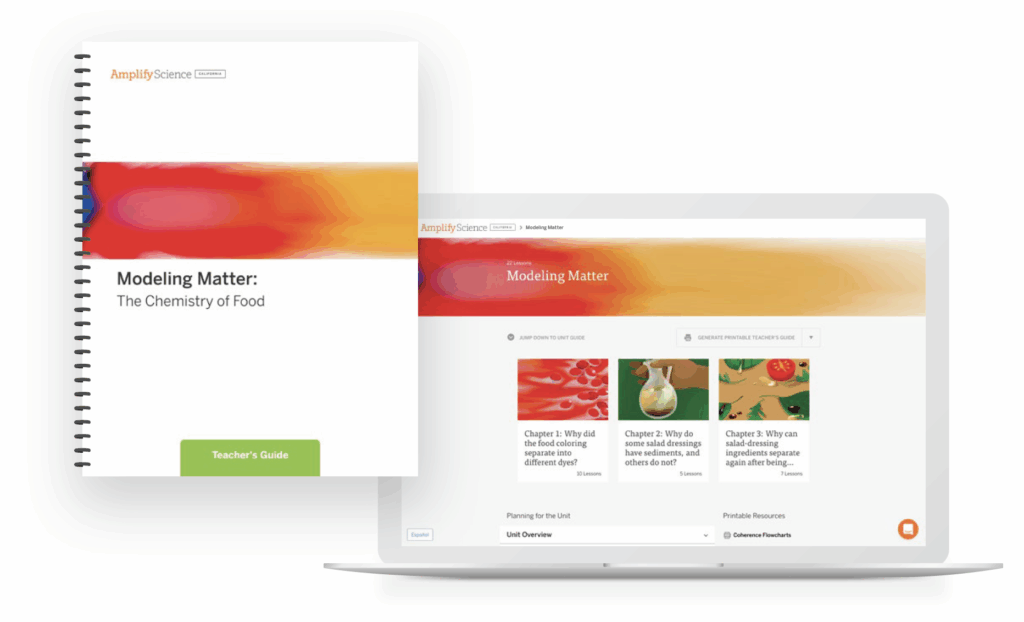
Teacher’s Reference Guide
Available digitally and in print, our unit-specific reference guides are chock full of helpful resources, including scientific background knowledge, planning information and resources, color-coded 3-D Statements, detailed lesson plans, tips for delivering instruction, and differentiation strategies.
Login to platform below to access
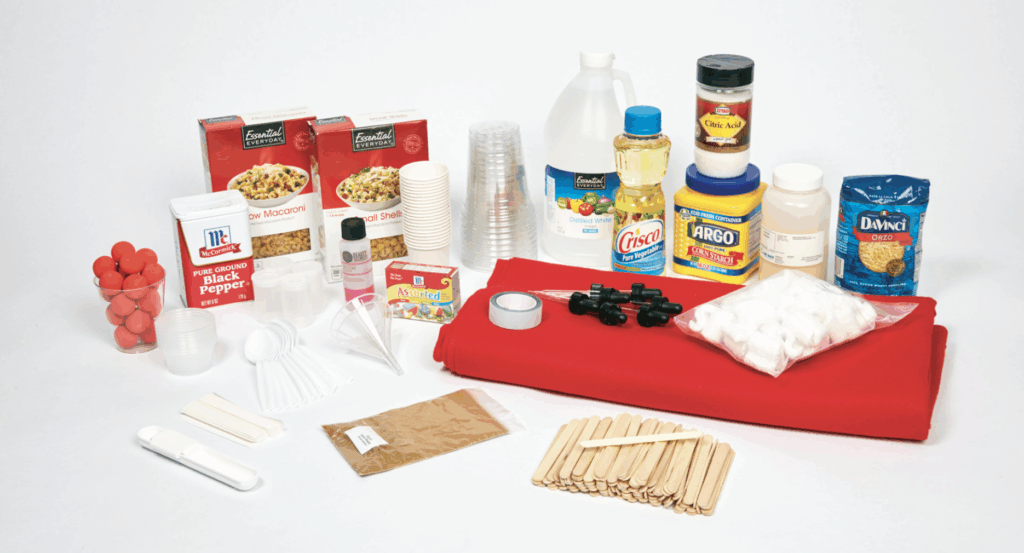
Materials Kits
Our kits include enough non-consumable materials to support a class of 36 students and enough consumable items to support 72 students. In other words, each kit can last two years! Plus, our unit-specific kits mean you just grab the tub you need and then put it all back with ease.

Student Books
Our award-winning Student Books include content-rich nonfiction and informational texts designed to introduce concepts and also deepen understanding. Books are read to, with, and by students with ample scaffolding and support provided by the teacher in whole-class, small-groups, and student pairs.
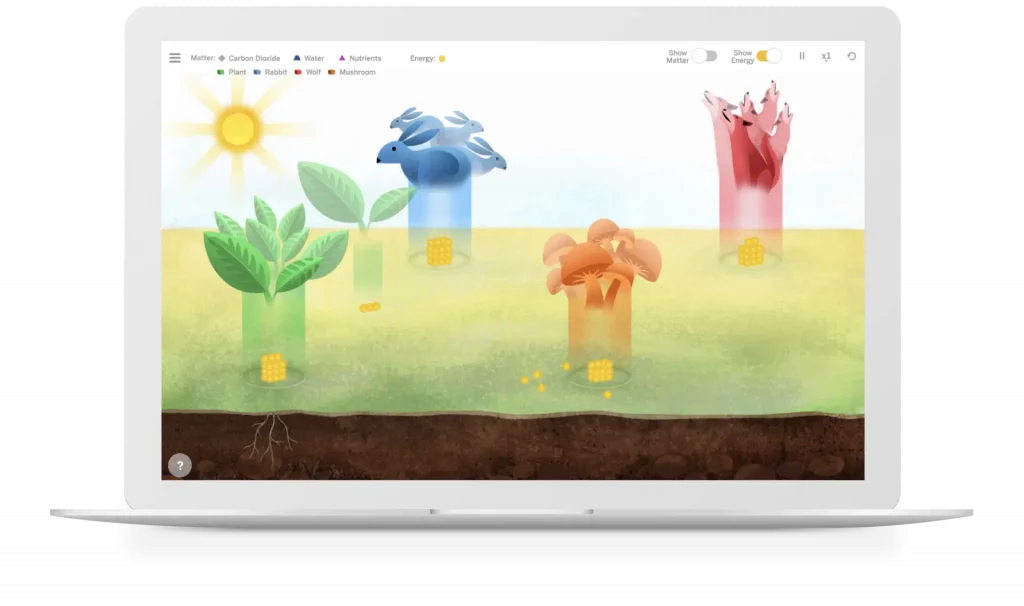
Practice Tools
Our digital Simulations and Practice Tools are powerful resources for exploration and data collection, and allow students the ability to explore scientific concepts that might otherwise be invisible or impossible to see with the naked eye.
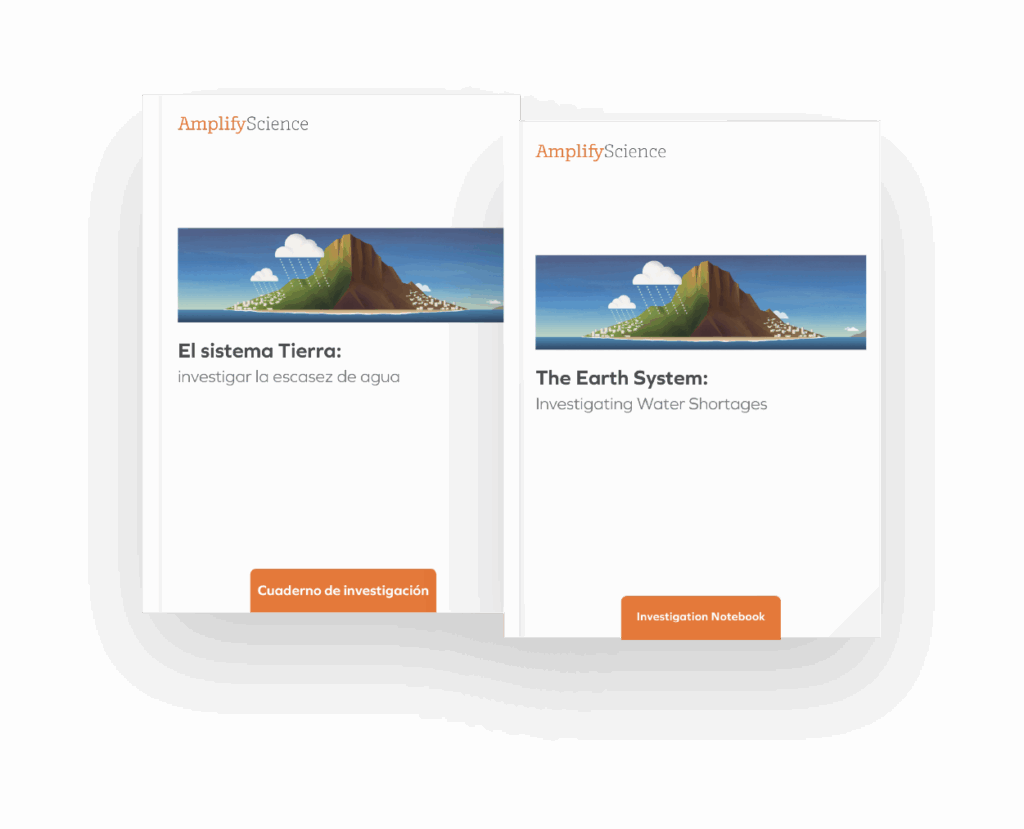
Consumable Notebooks
Available for every unit, our Student Investigation Notebooks contain instructions for activities and space for students to record data and observations, reflect on ideas from texts and investigations, and construct explanations and arguments.
Mystery Science
Our exclusive partnership with Mystery Science means you get our NGSS core curriculum plus two years of free access to Mystery Doug and his extensive library of captivating videos that deepen students’ understanding of each unit’s phenomenon.
Coming Soon
Unlike other publishers, we don’t make you wait until your next adoption to get the latest and greatest from Amplify. We’re always launching new and exciting features. What’s more, we’ll push them out to you even after you adopt us!
Navigating the program
Watch this video showing you how to navigate our digital platform. Then following the instructions below. >
- Click the orange button below to access the platform.
- Choose the resources you’d like to review.
- Pick your grade level from the drop-down menu.
- Scroll down to find additional grade-level resources.