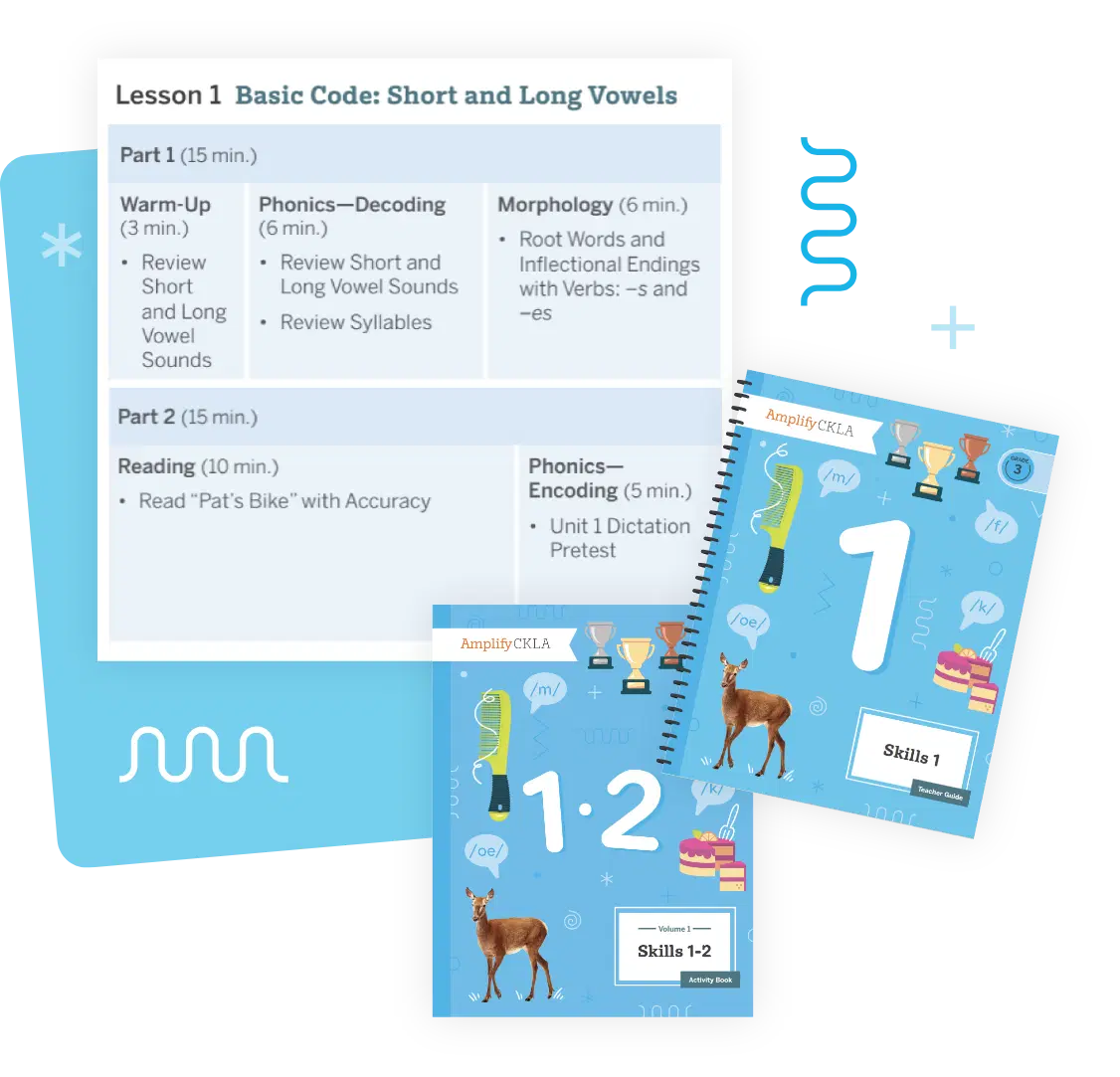
Texas State Reviewers: Welcome to Amplify ELAR Skills and Amplify SLAR Habilidades y Destrezas!
Thank you for taking the time to review Amplify’s English and Spanish Phonics programs for Texas. This site will allow you to easily access grade-level teacher and student resources submitted for review. Simply click the program you wish to review below to get started.
Feedback: Amplify’s materials on this website have been submitted to the Texas State Board of Education for review as part of their annual IMRA (Instructional Materials Review and Approval) process. During this process, Amplify is accepting feedback and will make additional edits to address surfacing issues. Your feedback is appreciated as we ensure a product of the highest quality. Please submit feedback and/or error reports by visiting sboe.texas.gov/imra.
Amplify ELAR Skills and Amplify SLAR Habilidades y Destrezas are on the IMRA-approved list!
Thank you for taking the time to review Amplify’s English and Spanish Phonics programs for Texas. This site will allow you to easily access grade-level teacher and student resources that are IMRA approved. Final program materials will be updated in March of 2025. Simply click the program you wish to review below to get started.
Amplify’s South Central professional development (PD) team provides a variety of learning experience over multiple years to incrementally develop and apply the knowledge and skills needed for effective and self-sustaining implementation. All PD is tailored to align to the Amplify Texas edition, support TEKS-aligned instruction, and is supported by a team of former educators and leaders with Texas experience.
You will find embedded professional development support in the program, including an extensive and responsive PD Library.
Watch this video to learn more about the PD Library!
Rich, engaging content is at the center of Amplify CKLA instruction. Students build subject area knowledge in history, science, literature, and the arts by learning to read and write. We have built new resources to make our high-quality preK–5 program easy to use in remote or hybrid settings during the 2020–2021 school year.
Supporting back to school 2021–2022
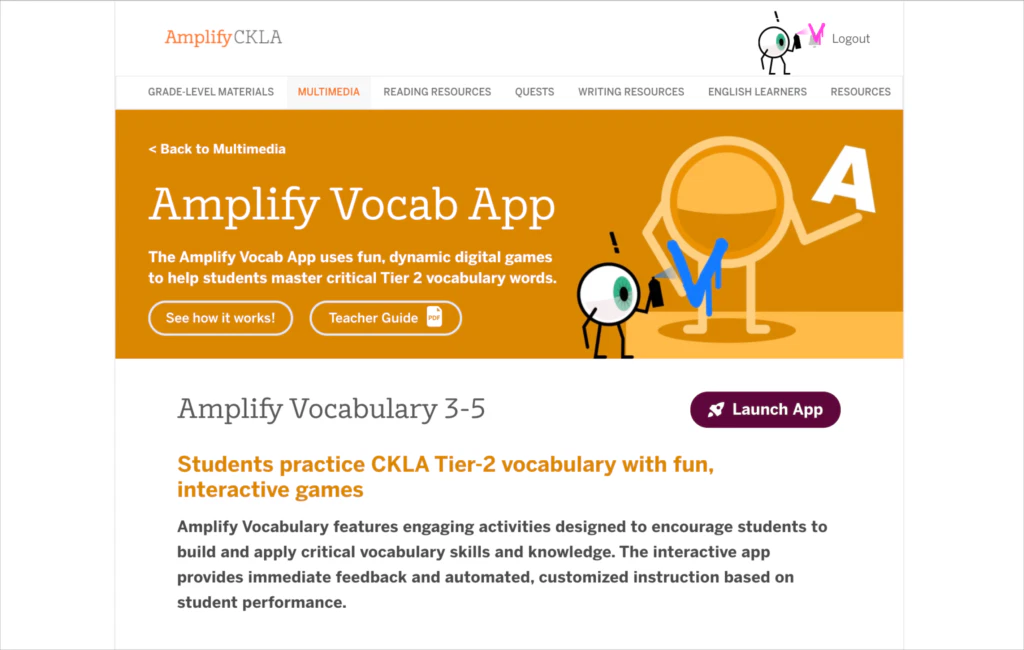
As students return to school this fall, Amplify Core Knowledge Language Arts® (CKLA) will be offering resources to help you flexibly transition from the physical classroom to at-home learning as needed. This includes a new digital Hub for students to access videos, readers, and an interactive Vocab App from anywhere, and the Foundational Skills Boost to help students fill in gaps from spring 2020.
Amplify Core Knowledge Language Arts (CKLA) will be offering resources to help you flexibly transition from the physical classroom to at-home learning as needed. This includes a new digital Hub for students to access videos, readers, and an interactive Vocab App from anywhere, and the Foundational Skills Boost to help students fill in gaps from spring 2020.
Foundational Skills Boost website
To address foundational skills instruction missed during COVID-19 school closures, we are providing a free resource for educators and parents. This new website includes video-based instruction for students in Grades 1–3, covering the last nine weeks of the previous school year to give students the boost they need. The video-based, self-guided lessons pull from Amplify CKLA instructional resources and are designed for students to complete independently, either at home or in the classroom. Access it here!
The site features:
Video lessons targeting phonemic awareness and phonics
Decodable readers for practice
Optional teacher-led small group activities
Family resources for additional practice
A planner for educators and caregivers to track students’ progress.
Scope and Sequences: These documents show the scope and sequence of the Foundational Skills Boost.
These documents show how Foundational Skills Boost aligns with the Amplify CKLA grade-level curriculum. If you’re using Amplify CKLA, download the PDFs below to use with Foundational Skills Boost.
Begin grade-level instruction with Unit 1 in every grade, utilizing recommended instructional minutes.
In grades 1–3, CKLA instruction begins with review from the previous year.
For grades 4–5, you may choose the optional novel guide unit to start the school year.
For grades 1–3, we recommend you schedule an additional 30-minute instructional block for unfinished foundational skills instruction from spring 2020. We will offer the Foundational Skills Boost for use during this block.
New back-to-school features for remote and hybrid learning
Recorded daily Read-Alouds
Teachers and students will have access to video recordings of all K–2 Knowledge Read-Alouds with pictures from the Flip Books.
Digital Hub for students and teachers
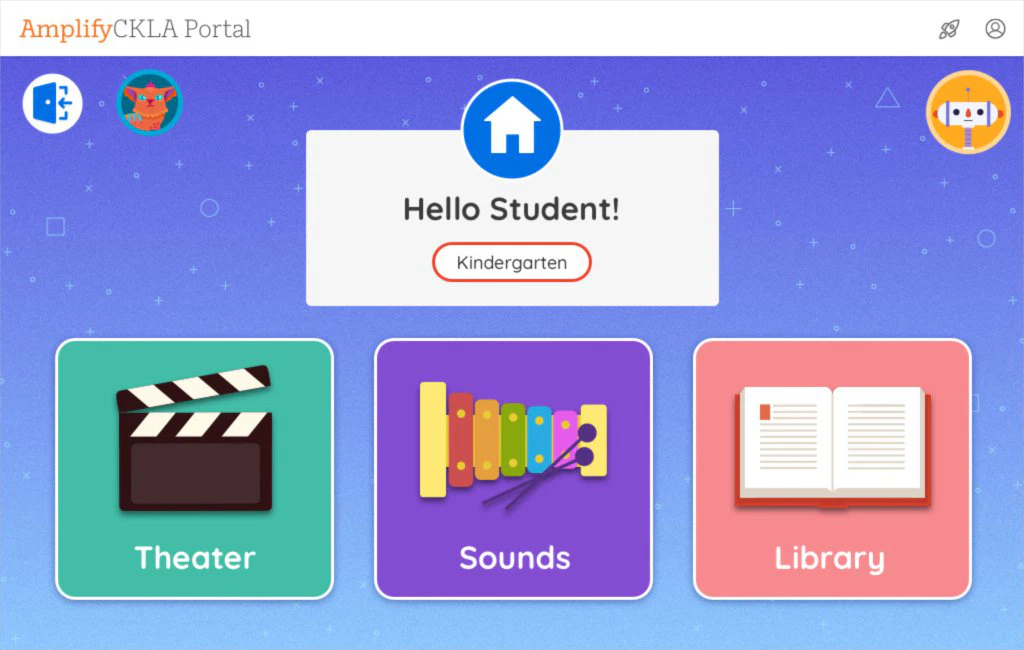
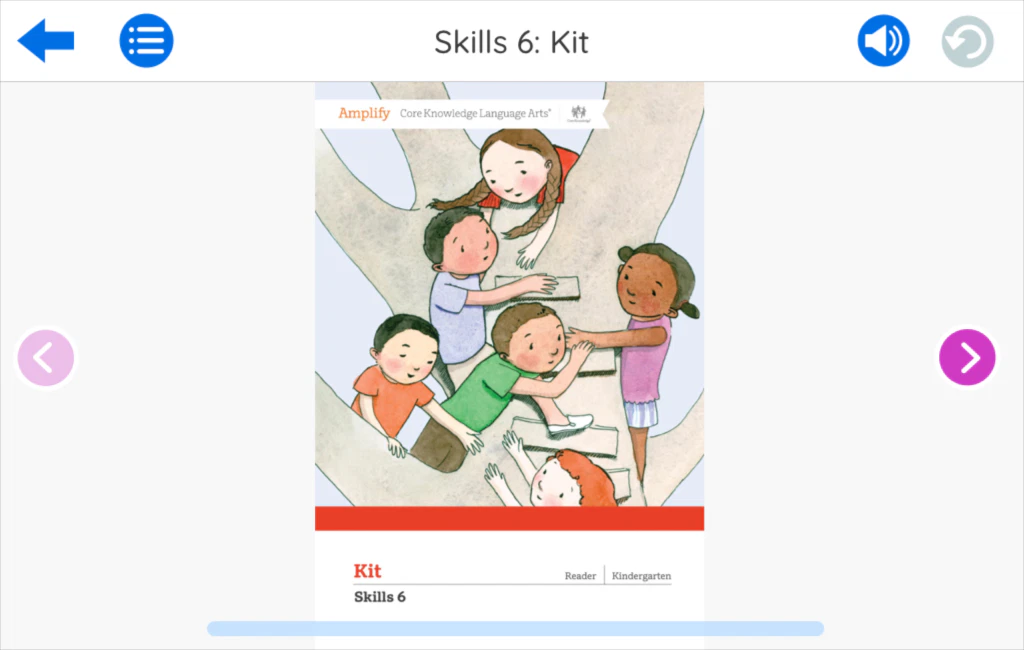
Students can now access materials that support K–5 instruction from anywhere, including student Readers in an audio-enabled eReader. Teachers will find multimedia resources on the Hub and digital versions of all instructional components on the Teacher Resource Site.
Parent access
Parents will now have access to important student resources via the digital Hub. We will have a parent login available and a letter in both English and Spanish that explains how to use the resources.
Skills at home
Grade-level foundational skills guidance for parents includes instructions and materials to teach and practice grade-level phonics at home. Resources include sound videos, Readers, and a how-to video with editable instructions that teachers can customize to meet individual classroom needs.
How to use Amplify CKLA during remote learning
We’ve developed a variety of resources to ensure you have the tools you need to support students in developing foundational skills and building background knowledge—no matter where learning is happening. On the following pages, you’ll find information on using Amplify CKLA for extended periods of remote learning, both in situations where students have access to technology and those where technology is limited.
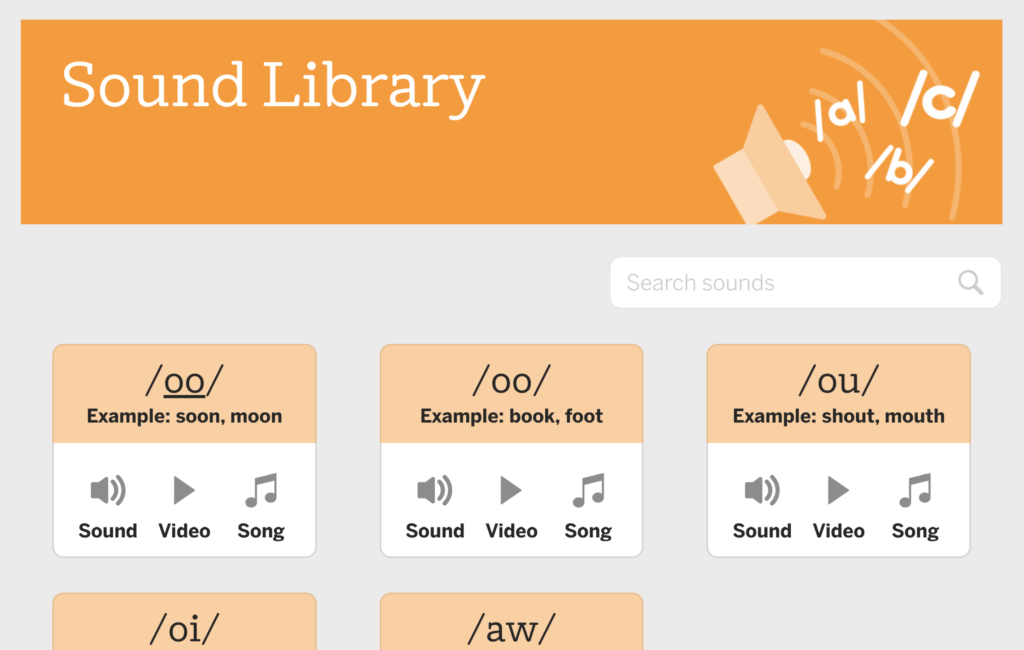
For remote learning with access to technology at home, we recommend teacher-led virtual lessons for daily Skills Strand lessons in K–2 and daily lessons in 3–5, while students access application activities, recorded Knowledge Strand Read-Alouds, and the Foundational Skills Boost online. In the Student Hub, students will have access to K–2 Skills Strand components such as student Readers and the Sound Library, K–2 Knowledge components like Knowledge Builders, and the 3–5 Vocab App.
Grade level
Instructional resources
Kindergarten
Skills units: Teacher-led instruction, digital Hub (Sound Library and Readers starting in Unit 6)
Knowledge domains: digital Hub (Knowledge Builder video) and recorded daily Read-Alouds
Amplify Reading for independent, student-driven skill Practice
Grades 1–2
Foundational Skills Boost website for daily lessons
Amplify Reading for independent, student-driven skill practice
Amplify CKLA’s resources ensure students can continue learning at home. If students have limited access to technology, Activity Books and student Readers can be sent home with editable family letters. If students have access to a smartphone, K–2 Knowledge Strand recorded Read-Alouds are mobile friendly, as are Student Readers and other multimedia on the Hub.
Grades K–2 sample daily schedule
Foundational skills lesson
Teacher-led virtual Skills lesson on Zoom or a similar platform
Independent skills practice
Students use the Hub to practice sound-spellings in the eReader, using the audio as additional support. Then, they complete an activity page.
Independent Knowledge Read-Aloud
Students engage with the daily recorded Read-Aloud
Knowledge discussion and application
Teacher-led virtual knowledge discussion and application
Foundational Skills Boost
For students in grades 1–2, we recommend setting aside an additional 30 minutes for Foundational Skills Boost lessons covering unfinished instruction from the previous year. Foundational Skills Boost lessons are video modules that students can complete on their own at home.
Grades 3–5 sample daily schedule
Daily lesson and discussion
Teacher-led virtual lesson on Zoom or a similar platform
Reading and writing application
Students use the Hub to access the eReader, using the audio as additional support. Students complete daily application activities online.
Independent vocabulary practice
Students work on vocabulary in the Vocab App on the Hub.
Optional novel study (grades 4–5)
Teacher-led virtual discussion in conjunction with independent reading and writing
Foundational Skills Boost
For students in grade 3, we recommend setting aside an additional 30 minutes for Foundational Skills Boost lessons covering unfinished instruction from the previous year. Foundational Skills Boost lessons are video modules that students can complete on their own at home.
Resources for remote learning with limited student access to technology
Grade level
Instructional resources
Kindergarten
Skills units: Activity Books that include home support for families
Knowledge domains: Mobile-friendly recorded daily Read-Alouds
Grades 1–2
Skills units: Student Readers, Activity Books that include home support for families
Knowledge domains: Mobile-friendly recorded daily Read-Alouds
Foundational Skills Boost: Take-home support
Grade 3
Student Readers, Activity Books for independent practice
Foundational Skills Boost: Take-home support
Grades 4–5
Student Readers, Activity Books for independent practice
Optional: Novel guides
How to use Amplify CKLA during hybrid learning
We know that back to school will look different for every district. You may be considering staggered schedules or alternating between remote and in-person days. Amplify CKLA’s resources for hybrid learning ensure that students continue to develop critical foundational skills both in the classroom and at home.
Resources for hybrid learning with student access to technology
Grade level
Remote days
In-person days
Kindergarten
Skills Strand in the Hub: Independent activities and practice with Student Readers (starting with Unit 6) and Sound Library
Knowledge Strand: Daily recorded Read-Aloud
Digital or print activity pages
Amplify Reading for independent, student-driven skill practice
Skills Strand units: Daily lessons
Knowledge Strand domains: Daily lessons
Grades 1–2
Foundational Skills Boost module
Skills Strand in the Hub: Independent activities and practice with student Readers (starting with Unit 6) and Sound Library
Knowledge Strand: Daily recorded Read-Aloud
Digital or print activity pages
Amplify Reading for independent, student-driven skill practice
Skills units: Daily lessons
Knowledge domains: Daily lessons
Grade 3
Foundational Skills Boost module
Student Hub: Student Reader, Vocab App
Digital or print activity pages
Amplify Reading for independent, student-driven skill practice
Units: Daily lessons
Grades 4–5
Student Hub: Student Reader, Vocab App
Digital or print activity pages
Novel guide independent reading and writing
Amplify Reading for independent, student-driven skill practice
Units: Daily lessons
Novel guide discussion
We understand that access to technology is a significant barrier for many of our students. Amplify CKLA’s resources ensure students are able to continue to develop their skills in any learning environment. Following is a plan for maximizing both in-person and remote days when students have limited access to technology.
Grade level
Remote days
In-person days
Kindergarten
Student Readers (starting in Unit 6)
Skills Activity Books with take-home support
Daily recorded Read-Aloud (mobile friendly)
Knowledge Activity Books
Skills units: Daily lessons
Knowledge domains: Daily lessons
Grades 1–2
Student Readers
Skills Activity Books with take-home support
Daily recorded Read-Aloud (mobile friendly)
Knowledge Activity Books
Skills units: Daily lessons
Knowledge domains: Daily lessons
Grade 3
Foundational Skills Boost: Take-home support
Student Readers
Activity Books
Foundational Skills Boost modules
Units: Daily lessons
Grades 4–5
Student Readers
Activity Books
Novel guide independent reading and writing
Units: Daily lessons
Novel guide discussion
Welcome, Program 3 reviewers!
We’re honored to introduce you to Amplify California Language Arts. We’re confident you’ll find this comprehensive program to be a powerful tool for bringing the vision of the California ELA/ELD Framework to life in classrooms across the state.
Please start with the video on the right to learn how to navigate the program and access key features referenced within our submission. Below you’ll find additional resources to support your review.
Your review samples
We’re excited for you to begin your review of Amplify California Language Arts, a comprehensive biliteracy program for kindergarten through grade 6.
Reviewer Binders (K–6)
Your physical samples should have arrived in grade-specific boxes with three Reviewer Binders.
The first binder will contain logistical program review information and the printed Evaluation Criteria Map.
The second binder will contain the printed Standards Maps for grades K–2.
The third binder will contain the printed Standards Maps for grades 3–6.
Physical samples (trade books)
Your review of the program will be entirely digital with the exception of the trade books that you will be receiving as physical samples. You can expect to receive 13 boxes of physical materials for your review. Twelve boxes of trade books, one for each grade K–5, in English and Spanish, and one box containing your Reviewer Binders.
As you begin the process of organizing your materials, please refer to the inventory checklist found inside each box as well as within your Reviewer Binder.
Digital review materials
In order to access your digital review materials, you’ll need to log in to our platform using your unique login credentials found on a Digital Review Credential flyer inside of your Reviewer Binder. Once you have located the flyer:
Click the orange button below to access the platform.
Click “Log in with Amplify.”
Enter the username and password provided on your Digital Review Credential flyer.
Before you get started, please review these important functionality notes:
Criteria Map and Standards Maps must be opened on Microsoft Word on your desktop to function as intended. If you open the documents without Microsoft Word on your desktop, citations will be cut off at the bottom of most tables within the document.
Many of our citations are deep-links to PDFs, meaning they will take you to the right page or the first page in the sequence for the citation in question. To ensure this functionality works, please disable any PDF-viewing extensions or plug-ins such as Adobe Acrobat Pro Browser Extension.
Linked below is the Evaluation Criteria Map. Please note that you will need to be logged into the digital platform to access the links in the Evaluation Criteria Map.
Amplify California Language Arts’ biliteracy program is a comprehensive curriculum provides a full year of evidence-based instruction for each grade level, with both integrated and designated English Language Development instruction designed to give multilingual/English learners the tools to thrive. Amplify’s biliteracy program for grades K–6 includes:
Core English language arts instruction: Amplify Core Knowledge Language Arts (CKLA) California (grades K–5) and Amplify ELA California (grade 6) covering knowledge building and foundational skills.
Provides upper grade foundational skills instruction for grades 3–6.
Core Spanish language arts instruction: Amplify Caminos California, a fully parallel SLA program that works in tandem with English core instruction across all grades.
Provides upper grade foundational skills instruction for grades 3–6.
Designated English Language Development: Language Studio California is the designated English Language Development companion that directly aligns with and supports core English instruction.
Newcomer Support: Amplify California Language Arts Newcomer Support to facilitate instruction for students who are new to both English and the United States.
Program structure
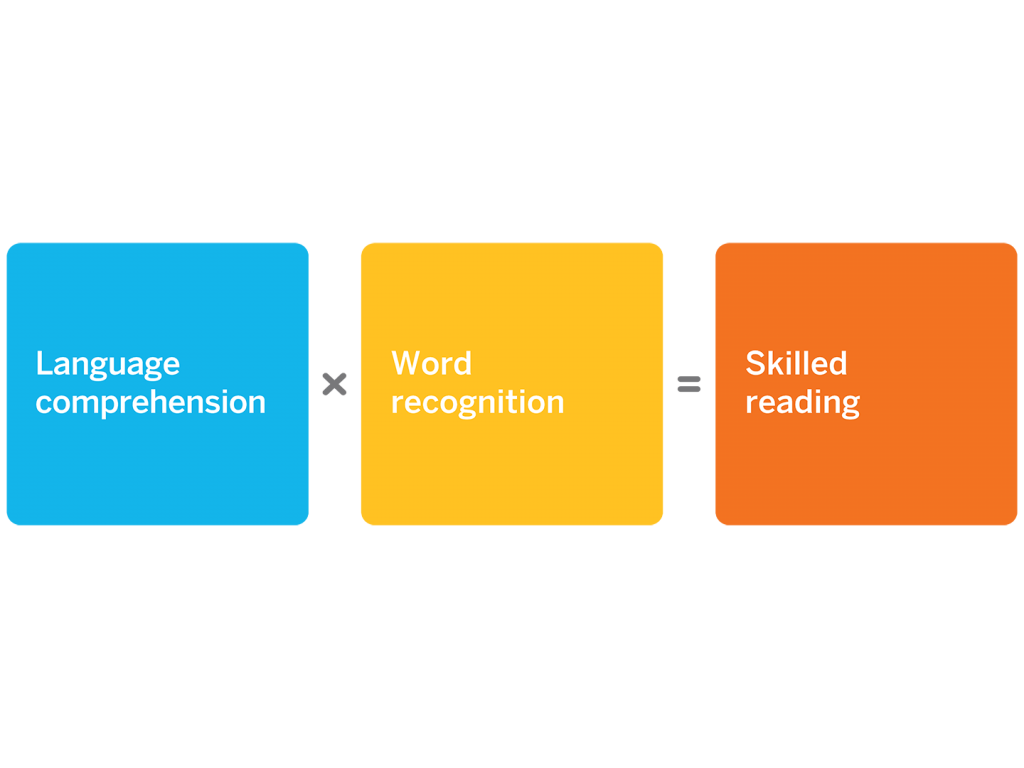
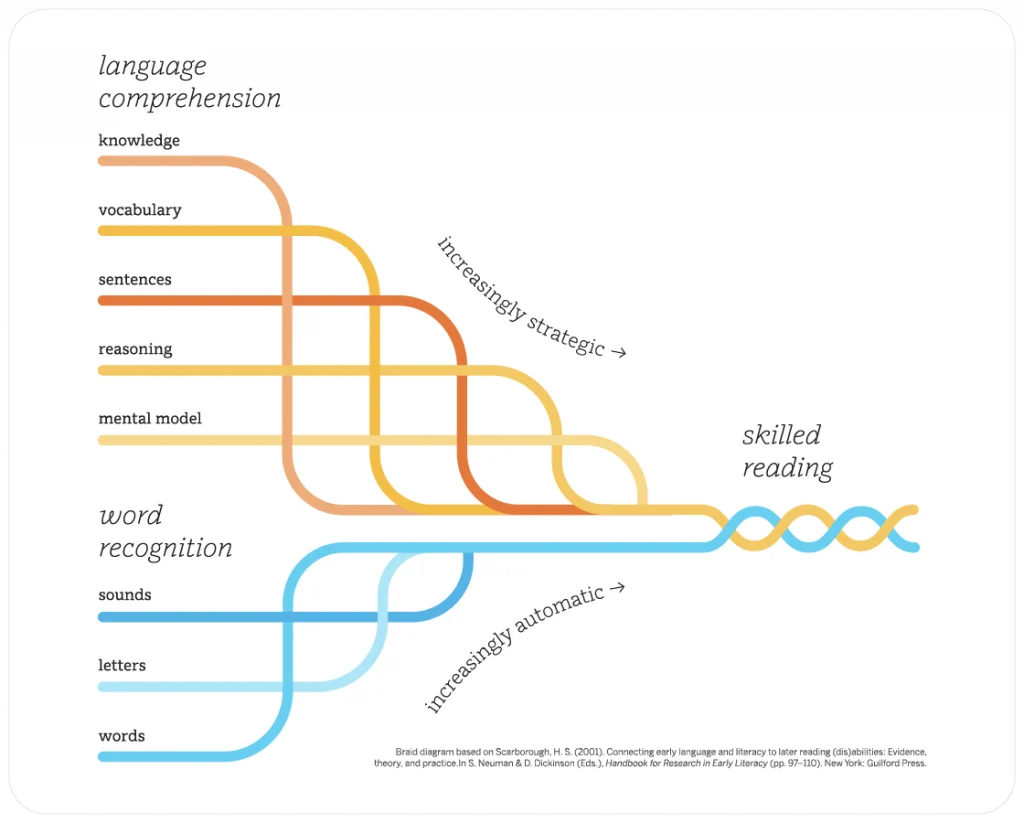
Amplify’s California Language Arts programs are built on what the research shows: Strong readers need both word recognition and language comprehension. Our comprehensive curriculum suite follows the Simple View of Reading bringing together foundational skills and knowledge building to deliver instruction grounded in the Science of Reading.
This model is integral to the structure of the Amplify biliteracy program, which directly aligns with the CA CCSS ELA and ELD standards by combining rigorous decoding and skills instruction with research-based knowledge and language development instruction. In its early grades, the Amplify biliteracy program uses a two-strand structure—Skills/Lectoescritura and Knowledge/Conocimiento—to effectively address this learning challenge while meeting standards expectations for both language development and academic content mastery.
Amplify Caminos California lessons are designed to allow all students time to work toward learning objectives, including peer collaboration and discussion. Since each lesson activity is aligned to subsequent activities, students’ understanding and analysis develops progressively throughout the lesson.
Each lesson follows a predictable structure with clearly marked components, beginning with warm-up routines, progressing through explicit instruction with guided practice, and concluding with independent application activities. The program provides detailed teacher language, including question stems and discussion prompts, ensuring clear and consistent delivery of instruction.
Amplify CKLA California and Amplify Caminos California empower teachers to deliver effective instruction and keep students engaged with the following resources:
Teacher Guides
Assessment Guides
Authentic texts and trade books
Knowledge Image Cards
Knowledge Flip Books
Remediation and intervention resources
Decodable readers
Student Readers and novels
Student Activity Books
Dedicated ELD support with Language Studio California
Poet’s Journals
eReaders
Sound Library featuring articulation videos and songs
Instructional routine modeling videos
Assignable Practice Games
On-demand professional development
Amplify ELA California students stay engaged with the following resources:
Teacher Guides that include:
Detailed lesson plans
Standards alignment and exit tickets
Real-time differentiation strategies
Robust reporting
Student Editions that include:
High-quality narrative and informational texts
Videos, audio supports, and digital experiences that capture their attention
Personal Writing Journal to keep all student writing in one place
Dedicated ELD support with Language Studio California
Trade books
Core literacy philosophy
Support every learner. Meet all learning needs with a Multi-Tiered System of Supports (MTSS) that brings together universal screening, scaffolded core instruction, support for multilingual/English learners, and data-driven intervention to ensure every student gets what they need to succeed.
Deliver consistent foundational skills instruction. Daily explicit, systematic skills instruction in grades K–2, with targeted yet flexible support for students still building decoding confidence in grades 3–6, ensures mastery of essential reading foundations.
Build lasting knowledge across all grades. Through coherently sequenced, content-rich instruction that revisits key vocabulary and concepts with increasing complexity, students build meaningful connections that deepen their vocabulary and reading comprehension.
Strengthen reading through writing at every level. Regular writing instruction grounded in the Science of Writing supports reading comprehension, improves sentence-level writing, and provides the foundation for high-quality composition. As students progress through the upper grades, they engage in increasingly complex analytical tasks—synthesizing ideas, drawing generalizations, and interpreting multiple textual layers through both focused quick-writes and comprehensive essays.
Foster oral language development. Structured opportunities for academic conversation and evidence-based dialogue build students’ ability to express complex ideas with precision and allow them to participate confidently in classroom discussions.
Measure growth with comprehensive assessments. Assessments range from in-the-moment checks for understanding to summative assessments that measure progress toward skills mastery and standards proficiency, providing the data needed to drive targeted instruction.
Scope and sequence
Below you can view the scope and sequence documents for each grade level.
Amplify CKLA California, Amplify Caminos California, and Amplify ELA California include several structured instructional routines that provide predictable patterns for both teachers and students:
Discussion and collaboration routines:
Turn and Talk: Partners discuss text-specific content using sentence starters and frames
Think-Pair-Share: Students engage in individual thinking, partner discussion, and whole-class sharing
Partner reading: Students sit shoulder-to-shoulder, taking turns reading and listening
Foundational Skills routines:
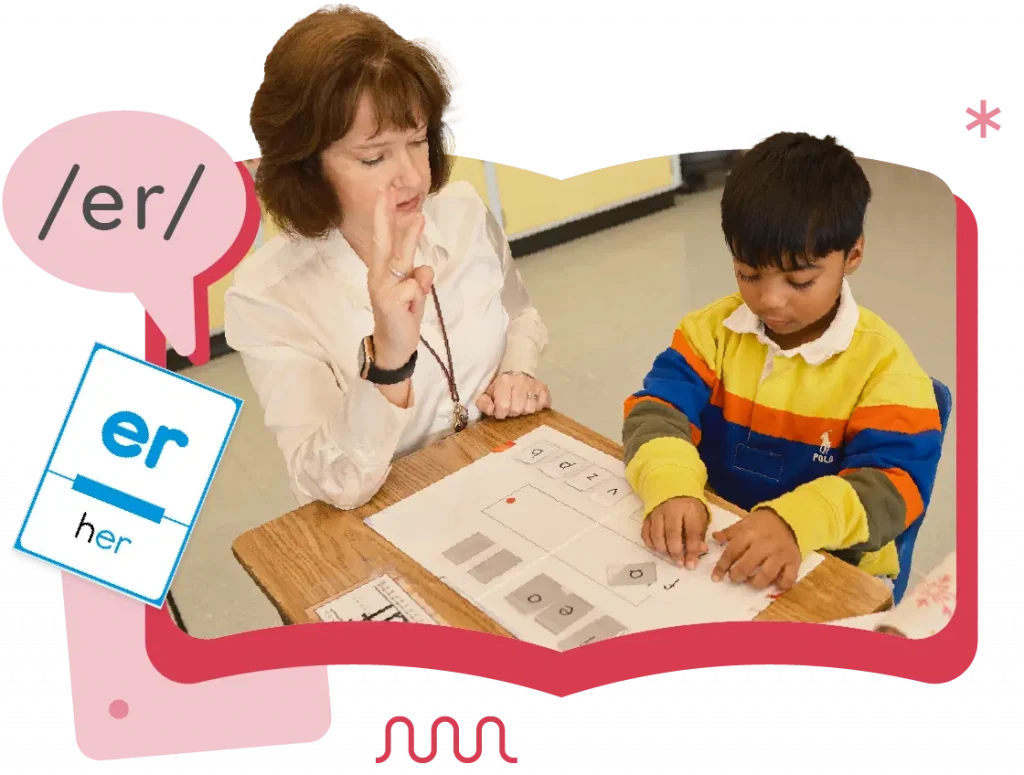
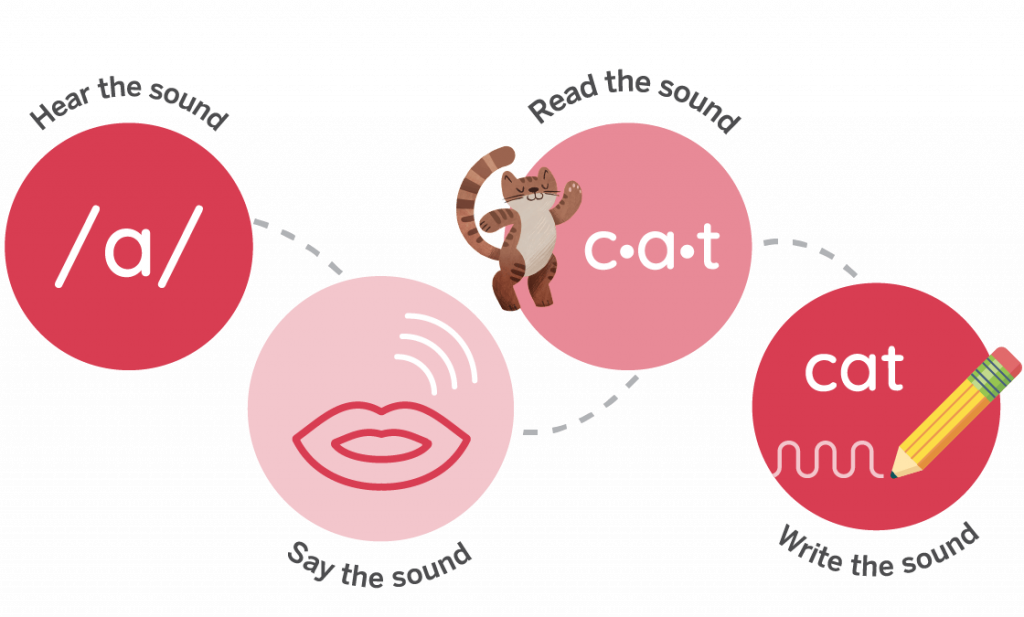
Sound-spelling review: Warm-up activities that reinforce phonics patterns
Oral blending warm-ups: Teacher-guided practice progressing to independent application
Finger-tapping: Techniques for blending sounds
Chaining activities: Students manipulate letters to transform one word into another
Word Work: Daily short activities focused on domain-specific and academic vocabulary
Knowledge-building routines:
Teacher modeling: Demonstration of proper intonation, expression, and pacing
Choral reading: Whole-class reading practice
Partner reading: Paired fluency practice
Close reading routines
The program includes carefully structured close reading activities that guide students through multiple encounters with complex texts. These routines help students develop deeper comprehension through systematic analysis and discussion.
Each routine includes comprehensive instructional guides with clear-cut directions for implementation, straightforward explanations of concepts, and suggestions for discussion.
Cross-Linguistic Transfer routines
The Cross-Linguistic Transfer (CLT) routines are easy-to-implement, 10–15 minute mini-lessons designed to help bridge English and Spanish literacy and language development. These structured routines are organized by grade bands for K–2, grades 3–5 and grade 6, covering five skill areas:
Language Studio California is a K–8 content-based companion for English language learners. Built on Amplify CKLA California and Amplify ELA California’s carefully sequenced Knowledge Domains, it combines engaging content knowledge with targeted supports and research-based strategies to help students move swiftly toward language proficiency. This program includes:
Real-world content to provide authentic opportunities to practice reading, writing, speaking, and listening.
Scaffolding strategies and differentiated instruction to offer targeted support along five English proficiency levels.
Progress monitoring tools to help teachers provide consistent and effective support.
Teacher Guides that:
Provide impactful progress monitoring tools including formative and summative assessments, and Language Proficiency Assessment rubrics.
Offer varied differentiation strategies including Support, Challenge, and Access supports in each lesson segment.
Are organized into thoughtful lesson segments—Talk Time, Building Background, On Stage and more—that make learning objectives concrete.
Activities that:
Expand on domain knowledge from core content and read-alouds and prompt collaborative conversation to practice oral fluency.
Support hands-on language activities to promote authentic interaction in the classroom.
Help students bridge experiences and knowledge with images, vocabulary activities, graphic organizers, anticipation guides, writing space, and more.
Category 3: Assessments
Systematic MTSS alignment
In alignment with the additional 2025 Guidance 3.1.a, the assessment systems align with MTSS tiers, including universal screening, diagnostic assessments for students demonstrating a need for additional support, and progress monitoring tools that complement California’s required reading difficulties screening schedule per SB 114.
Tier 1: Universal/ differentiated support
Tier 2: Supplemental/ targeted support
Tier 3: Intensified/ intensive support
Core instruction assessments
Frequency of administration
Amplify CKLA California, Amplify Caminos California, Amplify ELA California assessments
Daily, Weekly, Monthly
Amplify CKLA California, Amplify Caminos California, Amplify ELA California assessments
Daily, Weekly, Monthly
Amplify CKLA California, Amplify Caminos California, Amplify ELA California assessments
Daily, Weekly, Monthly
Universal screening assessments
Frequency of administration
mCLASS DIBELS and Lectura
3 times per year – BOY, MOY, EOY
mCLASS DIBELS and Lectura
3 times per year – BOY, MOY, EOY
mCLASS DIBELS and Lectura
3 times per year – BOY, MOY, EOY
Formal progress monitoring assessments
Frequency of administration
mCLASS DIBELS and Lectura
3 times per year – BOY, MOY, EOY
mCLASS DIBELS and Lectura
Monthly
mCLASS DIBELS and Lectura
Bi-weekly
Informal progress monitoring assessments
Frequency of administration
Amplify CKLA California, Amplify Caminos California, Amplify ELA California core assessments
Optional after universal screening assessment is administered
Amplify skill diagnostic assessment
Amplify Spanish skill diagnostic assessment
After universal screening assessment is administered
Universal assessment system
Amplify’s mCLASS® DIBELS® 8th Edition (K–8) and mCLASS Lectura (K–6) are universal and dyslexia screening assessments that should be administered three times per year (BOY, MOY, and EOY) to all students. The assessments evaluate student literacy risk, determine progress toward grade-level goals, and indicate the level of instructional support a student may need. Beginning-of-year screenings require adequate instructional time before administration, particularly in grades K–1, while mid-year and end-of-year assessments evaluate instructional effectiveness and guide tier placement adjustments. These screenings also identify students at risk for dyslexia. Universal screening provides essential data for targeting instruction and measuring instructional system effectiveness.
Core instruction assessments
Amplify CKLA California, Amplify Caminos California, and Amplify ELA California provide a comprehensive suite of assessments for grades K–6 that range from low-stakes, informal formative assessments to more formal summative assessments. These assessments incorporate a variety of methods and question types, including multiple-choice questions, open-ended questions, and oral and written responses.
Formative assessments:
Checks for Understanding: Incorporated into each lesson segment throughout daily instruction. Quick pulse-checks that provide immediate feedback during lesson delivery (grades K–5).
Daily formative assessments: Highlighted moments within each lesson for teachers to plan to track mastery of Primary Focus objectives and standards of each lesson to get a clear snapshot of individual and whole-class progress (grades K–5).
Activity pages: Completed as part of lessons and can be used to assess lesson content understanding through various formats (grades K–5).
Exit Tickets: Located at the end of lessons, these provide a quick gauge of students’ ability to meet the lesson’s focus standards (grade 6).
Writing Prompts: Prompts integrated throughout lessons during writing activities that provide skill snapshots within lessons and tracks patterns of skill development over time (grade 6).
Independent reading activities (Solos): At the end of every lesson, students complete an independent reading activity (“Solo”) with reading questions that are scored to measure comprehension (grade 6).
Summative assessments:
Skills end-of-unit assessments (grades K–2)
Knowledge end-of-domain assessments (grades K–2)
End-of-unit assessments (grades 3–5)
Unit essays: A culminating end-of-unit set of lessons that guide students through crafting an essay with a rubric to score mastery of writing skills (grade 6)
Unit reading assessments: Auto-scored responses and two constructed response items evaluate comprehension, content understanding, and reading skills using the passages students read during the unit (grade 6)
Performance assessments
Student Performance Assessments are multi-day assessments administered in Grades K–5 at the beginning, middle, and end of year to help teachers gauge student mastery of grade-level Core content. These assessments provide critical data to help teachers set targeted instructional goals and monitor individual and class-wide progress towards core objectives.
Progress monitoring
Amplify’s mCLASS® DIBELS® 8th Edition and mCLASS Lectura provide formal progress monitoring in the discrete skills that are indicative of reading growth and predictive of overall success to provide the most instructionally meaningful information to teachers.
Informal progress monitoring tools can be found within the Intervention Toolkit, including materials for teachers to record, track, and evaluate student progress.
Diagnostic assessment
Interventions within Amplify’s literacy programs are informed by a skill diagnostic assessment that provides detailed data on foundational literacy skill deficits. The Amplify Skill Diagnostic Assessment and Amplify Spanish Skill Diagnostic assessment serve as critical tools in this process, administered specifically to students identified as at risk for reading difficulty through universal screening assessments—particularly those demonstrating mCLASS DIBELS 8th Edition or mCLASS Lectura composite scores in the Well Below or Below Benchmark ranges. These diagnostic assessments provide teachers with the precise skills to begin intervention and remediation.
Category 4: Universal Access
Amplify CKLA California, Amplify Caminos California, and Amplify ELA California are developed using the Universal Design for Learning framework to proactively ensure that all learners can access and participate in meaningful, challenging learning opportunities.
Universal Design for Learning
Amplify CKLA California, Amplify Caminos California, and Amplify ELA California incorporate opportunities for engagement, representation, action, and expression based on the guidelines of Universal Design for Learning.
Multiple Means of Engagement: The programs incorporate interesting and motivating ways for students to interact with information and content. The Universal Access section in the introduction of each lesson provides specific lesson-level options based on the needs of individual classrooms and students. Scaffolding for students with various levels of need is incorporated into the design of each lesson.
Multiple Means of Representation: The programs provide multiple means of presenting content to maximize student understanding. This includes digital component files that allow for a range of presentations of images and text to support learning. Amplify provides access to universal supports such as point-of-use audio for all core texts, embedded definitions for critical vocabulary, and glossaries in multiple languages. The programs include clarification on language found throughout the program, with sidebars that include support on transition words and syntax, and illustrations to help students understand the concepts they are learning.
Multiple Means of Action and Expression: The programs include a range of methods for all students, including Multilingual/English Learners, to navigate and demonstrate learning. This includes physical actions, a range of methods for response, appropriate tools for composition, and varied scaffolding. Lessons provide multiple ways for students to interact with text, allowing their brains to process the language through distinct pathways. Activities harness multiple learning modes, using media tools, digital apps, and a variety of visual and physical experiences to strategically support and enhance student learning.
Accessibility: Universal access features include visual aids, enlarged materials, physical objects, and multiple learning modalities through activities like Push & Say and Wiggle Cards. The Universal Access section in the introduction of each lesson provides specific lesson-level options based on the needs of individual classrooms and students.
Embedded differentiation
Amplify CKLA California, Amplify Caminos California, and Amplify ELA California provide built-in differentiation strategies in every lesson for all students.
Pre-teaching supports include mini-lessons on:
Core vocabulary building
Core connections
Essential background information building
What Have We Already Learned?/What Do We Already Know?
Differentiated Support for Core Instruction tables, located in the overview of each K–2 Skills Teacher Guide, provide a list of specific opportunities for reteaching and additional support in each lesson based on skill.
Support and Challenge Sidebars in lesson margins offer educators immediate guidance in implementing point-of-use differentiation techniques.
Flexible Grouping within lessons provides opportunities for teachers to facilitate small groups, partners, or individualized support based on students’ needs. In the Skills Strand, teachers receive specific guidance fordifferentiated small group instruction, with targeted support and activities outlined for both Group 1 (students needing additional support) and Group 2 (on-level students) based on data.
Amplify ELA California and Amplify Caminos California provide point-of-use supports embedded within key core lesson activities with six levels of differentiation. The goal of these supports is to fully enable access to grade-level content for all students, including students with disabilities, English learners, and students ready for an additional level of challenge.
The Universal Access section of Advance Preparation in each lesson includes varied strategies to ensure all students can access and engage in each lesson.
Frequent use of graphic organizers and visual supports in lessons provide opportunities for differentiation based on need. The program also includes a variety of technological supports, such as eReaders with audio.
Extension opportunities are suggested throughout lessons, often embedded in writing tasks, which include prompts to use more complex and descriptive vocabulary, figurative language, multi-clause and complex sentences, and informational text characteristics.
Assessment-driven MTSS resources
The K–6 Intervention Toolkit is available online and provides easy-to-use resources that assist teachers in filling gaps in students’ reading skills, with activities to support print concepts, phonological awareness, phonics, fluency, and other key skills.
Fluency packets (Grades 2–6)
Foundational Skills Intervention Program for Grades 3–6 support students who would benefit from direct and explicit intervention instruction in the full continuum of foundational skills in the upper grades
Flexible Instructional Time including:
Pausing Points built into the curriculum that provide teachers with dedicated time to address specific student needs through targeted reteaching, remediation, practice, and extension activities
Pausing Point activities designed to support multilingual/English learners’ competence and confidence through differentiated whole-group, small-group, or individual instruction
Boost Reading and Boost Lectura are student-led digital intervention programs that follow the scope and sequences of Amplify CKLA California and Amplify Caminos California respectively, to reinforce the same foundational skills taught in core instruction. It integrates easily into daily routines, while the robust data provided by mCLASS® DIBELS® 8th Edition offers a detailed view of how students progress across all instructional tiers.
Category 5: Instructional Planning and Teacher Support
Amplify CKLA California, Amplify Caminos California, and Amplify ELA California teachers are empowered to deliver effective instruction with various print and digital resources. The program provides comprehensive planning and support materials designed to help teachers prepare for and execute lessons effectively and fulfill the requirements of Category 5.
Implementation supports across K–6
Planning and preparation resources
Unit Overviews that provide important background and context for the texts students will read, including highlighted elements within the text and guidance for how students will work with those elements
Sub-unit Overviews (Grade 6) that provide an overview of Lesson Objectives and reading and writing assignments, as well as a list of any projections, multimedia, or digital apps that can be projected from the teacher’s included digital license
Lesson-by-lesson preparation checklists (Grade 6) accompanying each Sub-unit Overview
Lesson Briefs for each individual lesson providing important background and context
Content knowledge materials regarding topics that students will examine
Point-of-use instructional guidance
Teacher Editions that feature insets of the same text and activity instructions as the corresponding Student Edition, wrapping teacher instruction around these materials
Activity guidance at point of use
Lesson standards clearly called out
Discussion suggestions embedded in lessons
Differentiation tips at point of use
Detailed Instructional Guides in each activity that include sequencing and grouping suggestions, tips for facilitating discussion, possible student responses and exemplars
On-the-Fly supports (Grade 6)—quick call-outs to the identifying features of “on track” and “needs support” students accompanied by short models of student guidance to foster strong performance
Multimedia and digital support
Teacher tip videos provide modeling and guidance for implementing key foundational skills routines within the program
Digital platform access where teachers can access printable PDFs of differentiated support materials for multilingual/English learners and students struggling to read, including translated Unit Background and Context documents and Text Previews
Teacher Dashboard and reporting tools provide real-time visibility into student progress and work for immediate instructional response
Caregiver supports
Communication and overview resources
Caregiver Hub available in English and Spanish that provides an overview of the curriculum
Caregiver Letters for each K–2 Knowledge Domain and unit in Grades 3–5 that provide an overview of the content, the skills students learn, as well as practical methods that continue the learning and knowledge building at home
Unit-specific Caregiver Letters (Grade 6) that provide detailed information regarding what students will read and learn in each unit, including conversation starters that allow caregivers to ask questions and discuss specific aspects of a unit with their student
Welcome letters that explain the assessment and placement process while inviting parent involvement and offering support
Editable Home-School Communication letters available in English and Spanish
Editable Progress Reports for teachers to update parents and guardians on what their child is learning
Content and learning support materials
Unit Background and Context documents that provide an introduction and overview to the unit’s topic and themes, available in English and Spanish
Text Previews that provide a brief introduction to formative, independent reading assignments (called Solos in Grade 6), available in English and Spanish
Unit Overview and Support documents (Grade 6) designed for caregivers that provide information about important questions, assignments, and key aspects of the unit texts, available in English and Spanish
Conversation starters included in Knowledge Strand Caregiver Letters to discuss domain topics at home
Home practice and extension activities
Take-Home pages in the Skills Strand that include copies of decodable passages, enabling students to share their reading progress with families and continue practicing their skills outside of school
Take-Home Letters in the Skills Strand that provide specific guidance for parents to support skills practice at home, such as sound-sorting activities, with detailed instructions and materials for home practice activities
Take-Home pages in the Knowledge Strand that provide suggested activities families can do together to reinforce and extend learning beyond the classroom
Games and activities on Take-Home Pages that extend classroom instruction, including all the materials and instruction necessary to help families assist students in a fun and engaging way
Digital access to decodable texts through the Amplify Caregiver Hub, allowing students to practice their reading skills both in class and at home
Weekly spelling lists and directions to decoding activities that can be practiced at home
Welcome, K–8 Program 2 reviewers!
We’re honored to introduce you to Amplify California Language Arts. We’re confident you’ll find this comprehensive program to be a powerful tool for bringing the vision of the California ELA/ELD Framework to life in classrooms across the state.
Please start with the video on the right to learn how to navigate the program and access key features referenced within our submission. Below you’ll find additional resources to support your review.
Your review samples
We’re excited for you to begin your review of Amplify Core Knowledge Language Arts (CKLA) California and Amplify ELA California, Language Studio California for grades K–8. Physical and digital review materials will vary by grade level.
Reviewer Binders (K–8)
Your physical samples should have arrived in grade-specific boxes with three Reviewer Binders.
The first binder will contain logistical program review information and the printed Evaluation Criteria Map.
The second binder will contain the printed Standards Maps for grades K–4.
The third binder will contain the printed Standards Maps for grades 5–8.
Physical samples (K–5)
You can expect to receive 15 boxes of physical materials for your review. As you begin the process of organizing your materials, please refer to the inventory checklist found inside each box as well as within your Reviewer Binder. Please note you will not receive any physical samples for grades 6–8 ELA or Language Studio for grades K-8. Your review of the program for grades 6–8 ELA and Language Studio for grades K-8 will be entirely digital.
Digital samples
In order to access your digital samples, you’ll need to log in to our platform using your unique login credentials found on a Digital Review Credential flyer inside of your Reviewer Binder. Once you have located the flyer:
Click the orange button below to access the platform.
Click “Log in with Amplify.”
Enter the username and password provided on your Digital Review Credential flyer.
Before you get started, please review these important functionality notes:
Criteria Map and Standards Maps must be opened on Microsoft Word on your desktop to function as intended. If you open the documents without Microsoft Word on your desktop, citations will be cut off at the bottom of most tables within the document.
Many of our citations are deep-links to PDFs, meaning they will take you to the right page or the first page in the sequence for the citation in question. To ensure this functionality works, please disable any PDF-viewing extensions or plug-ins such as Adobe Acrobat Pro Browser Extension.
Linked below is the Evaluation Criteria Map for grades K–8. Please note that you will need to be logged into the digital platform to access the links in the Evaluation Criteria Map.
The links below provide the Standards Maps for Amplify California Language Arts for each grade level. Please note that you will need to be logged into the digital platform to access the links in the Standards Maps.
The Amplify California Language Arts Program 2 submission includes Amplify CKLACalifornia for Grades K–5, Amplify ELA California for Grades 6–8, and Amplify Language Studio California for Grades K–8. This comprehensive curriculum provides a full year of evidence-based instruction for each grade level, with both integrated and designated English Language Development instruction designed to give English learners the tools to thrive.
Program structure
Amplify’s California Language Arts programs are built on what the research shows: Strong readers need both word recognition and language comprehension. Our comprehensive curriculum suite follows the Simple View of Reading and The Reading Rope–bringing together foundational skills and knowledge building to deliver instruction grounded in the Science of Reading.
Each lesson follows a predictable structure with clearly marked components, beginning with warm-up routines, progressing through explicit instruction with guided practice, and concluding with independent application activities. The program provides detailed teacher language, including question stems and discussion prompts, ensuring clear and consistent delivery of instruction.
Amplify CKLA California empowers teachers to deliver effective instruction and keeps students engaged with with the following resources:
Teacher Guides
Assessment Guides
Authentic texts and trade books
Knowledge Image Cards
Knowledge Flip Books
Remediation and intervention resources
Decodable readers
Student Readers and novels
Student Activity Books
Dedicated ELD support with Language Studio California
Poet’s Journals
eReaders
Sound Library featuring articulation videos and songs
Instructional routine modeling videos
Assignable Practice Games
On-demand professional development
Amplify ELA California students stay engaged with the following resources:
Teacher Guides that include:
Detailed lesson plans
Standards alignment and exit tickets
Real-time differentiation strategies
Robust reporting
Student Editions that include:
High-quality narrative and informational texts
Videos, audio supports, and digital experiences that capture their attention
Personal Writing Journal to keep all student writing in one place
Dedicated ELD support with Language Studio California
Trade Books
Core literacy philosophy
Support every learner. Meet all learning needs with a Multi-Tiered System of Supports (MTSS) that brings together universal screening, scaffolded core instruction, support for English learners, and data-driven intervention to ensure every student gets what they need to succeed.
Provide intentional ELD support. Honor students’ linguistic assets while building academic English through both integrated and designated instruction.
Deliver consistent foundational skills instruction. Daily explicit, systematic skills instruction in grades K–2, with targeted yet flexible support for students still building decoding confidence in grades 3–8, ensures mastery of essential reading foundations.
Build lasting knowledge across all grades. Through coherently sequenced, content-rich instruction that revisits key vocabulary and concepts with increasing complexity, students build meaningful connections that deepen their vocabulary and reading comprehension.
Strengthen reading through writing at every level. Regular writing instruction grounded in the Science of Writing supports reading comprehension, improves sentence-level writing, and provides the foundation for high-quality composition. As students progress through the upper grades, they engage in increasingly complex analytical tasks—synthesizing ideas, drawing generalizations, and interpreting multiple textual layers through both focused quick-writes and comprehensive essays.
Foster oral language development. Structured opportunities for academic conversation and evidence-based dialogue build students’ ability to express complex ideas with precision and allow them to participate confidently in classroom discussions.
Measure growth with comprehensive assessments. Assessments range from in-the-moment checks for understanding to summative assessments that measure progress toward skills mastery and standards proficiency, providing the data needed to drive targeted instruction.
Scope and sequence
Below you can view the scope and sequence for each grade level.
Amplify CKLA California and Amplify ELA California include several structured instructional routines that provide predictable patterns for both teachers and students:
Discussion and collaboration routines:
Turn and Talk: Partners discuss text-specific content using sentence starters and frames
Think-Pair-Share: Students engage in individual thinking, partner discussion, and whole-class sharing
Partner reading: Students sit shoulder-to-shoulder, taking turns reading and listening
Foundational Skills routines:
Sound-spelling review: Warm-up activities that reinforce phonics patterns
Oral blending warm-ups: Teacher-guided practice progressing to independent application
Finger-tapping: Techniques for blending sounds
Chaining activities: Students manipulate letters to transform one word into another
Word Work: Daily short activities focused on domain-specific and academic vocabulary
Knowledge-Building Routines:
Teacher modeling: Demonstration of proper intonation, expression, and pacing
Choral reading: Whole-class reading practice
Partner reading: Paired fluency practice
Close reading routines
The program includes carefully structured close reading activities that guide students through multiple encounters with complex texts. These routines help students develop deeper comprehension through systematic analysis and discussion.
Each routine includes comprehensive instructional guides with clear-cut directions for implementation, straightforward explanations of concepts, and suggestions for discussion.
Designated English Language Development materials
Language Studio California is a K–8 content-based companion for English language learners. Built on Amplify CKLA California’s and Amplify ELA California’s carefully sequenced Knowledge Domains and units, it combines engaging content knowledge with targeted supports and research-based strategies to help students move swiftly toward language proficiency. This program includes:
Real-world content to provide authentic opportunities to practice reading, writing, speaking, and listening.
Scaffolding strategies and differentiated instruction to offer targeted support along with five English proficiency levels.
Progress-monitoring tools to help teachers provide consistent and effective support.
Teacher Guides that:
Provide impactful progress monitoring tools including formative and summative assessments and Language Proficiency Assessment rubrics.
Offer varied differentiation strategies including Support, Challenge, and Access Supports in each lesson segment.
Are organized into thoughtful lesson segments—Talk Time, Building Background, On Stage and more—that make learning objectives concrete.
Activities that:
Expand on domain knowledge from core content and read-alouds and prompt collaborative conversation to practice oral fluency.
Support hands-on language activities to promote authentic interaction in the classroom.
Help students bridge experiences and knowledge with images, vocabulary activities, graphic organizers, anticipation guides, writing space, and more.
Category 3: Assessments
Systematic MTSS alignment
In alignment with the additional 2025 Guidance 3.1.a, the assessment systems align with MTSS tiers, including universal screening, diagnostic assessments for students demonstrating a need for additional support, and progress monitoring tools that complement the California’s required universal screening schedule per SB 114.
Tier 1: Universal/ differentiated support
Tier 2: Supplemental/ targeted support
Tier 3: Intensified/ intensive support
Core instruction assessments
Frequency of administration
Amplify CKLA California, Amplify Caminos California, Amplify ELA California assessments
Daily, Weekly, Monthly
Amplify CKLA California, Amplify Caminos California, Amplify ELA California assessments
Daily, Weekly, Monthly
Amplify CKLA California, Amplify Caminos California, Amplify ELA California assessments
Daily, Weekly, Monthly
Universal screening assessments
Frequency of administration
mCLASS DIBELS and Lectura
3 times per year – BOY, MOY, EOY
mCLASS DIBELS and Lectura
3 times per year – BOY, MOY, EOY
mCLASS DIBELS and Lectura
3 times per year – BOY, MOY, EOY
Formal progress monitoring assessments
Frequency of administration
mCLASS DIBELS and Lectura
3 times per year – BOY, MOY, EOY
mCLASS DIBELS and Lectura
Monthly
mCLASS DIBELS and Lectura
Bi-weekly
Informal progress monitoring assessments
Frequency of administration
Amplify CKLA California, Amplify Caminos California, Amplify ELA California core assessments
Optional after universal screening assessment is administered
Amplify skill diagnostic assessment
Amplify Spanish skill diagnostic assessment
After universal screening assessment is administered
Universal assessment system
Amplify’s mCLASS® DIBELS® 8th Edition and mCLASS Lectura are universal and dyslexia screening assessments that should be administered three times per year (BOY, MOY and EOY) to all students. The assessments evaluate student literacy risk, determine progress toward grade-level goals, and indicate the level of instructional support a student may need. Beginning-of-year screenings require adequate instructional time before administration, particularly in grades K–1, while mid-year and end-of-year assessments evaluate instructional effectiveness and guide tier placement adjustments. These screenings also identify students at risk for dyslexia. Universal screening provides essential data for targeting instruction and measuring instructional system effectiveness.
Core instruction assessments
Amplify CKLA California and Amplify ELA California provide a comprehensive suite of assessments for Grades K–8 that range from low-stakes, informal formative assessments to more formal summative assessments. These assessments incorporate a variety of methods and question types, including multiple-choice questions, open-ended questions, and oral and written responses.
Formative assessments:
Checks for Understanding: Incorporated into each lesson segment throughout daily instruction. Quick pulse-checks that provide immediate feedback during lesson delivery (grades K–5).
Daily formative assessments: Highlighted moments within each lesson for teachers to plan to track mastery of Primary Focus objectives and standards of each lesson to get a clear snapshot of individual and whole-class progress (grades K–5).
Activity pages: Completed as part of lessons and can be used to assess lesson content understanding through various formats (grades K–5).
Exit Tickets: Located at the end of lessons, these provide a quick gauge of students’ ability to meet the lesson’s focus standards (grades 6–8).
Writing Prompts: Prompts integrated throughout lessons during writing activities that provide skill snapshots within lessons and tracks patterns of skill development over time (grades 6–8).
Independent reading activities (Solos): At the end of every lesson, students complete an independent reading activity (“solo”) with reading questions that are scored to measure comprehension (grades 6–8).
Summative assessments:
Skills end-of-unit assessments (grades K–2)
Knowledge end-of-domain assessments (grades K–2)
End-of-unit assessments (grades 3–5)
Unit essays: A culminating end-of-unit set of lessons that guide students through crafting an essay with a rubric to score mastery of writing skills (grades 6–8)
Unit Reading Assessments: Auto-scored responses and two constructed response items evaluate comprehension, content understanding, and reading skills using the passages students read during the unit (grades 6–8)
Performance Assessments
Student Performance Assessments are multi-day assessments administered in Grades K-5 at the beginning, middle, and end of year to help teachers gauge student mastery of grade-level Core content. These assessments provide critical data to help teachers set targeted instructional goals and monitor individual and class-wide progress towards core objectives.
Progress monitoring
Amplify’s mCLASS® DIBELS® 8th Edition and mCLASS Lectura provide formal progress monitoring in the discrete skills that are indicative of reading growth and predictive of overall success to provide the most instructionally meaningful information to teachers.
Informal progress monitoring tools can be found within the Intervention Toolkit, including materials for teachers to record, track, and evaluate student progress.
Diagnostic assessment
Interventions within Amplify’s literacy programs are informed by a skill diagnostic assessment that provides detailed data on foundational literacy skill deficits. The Amplify Skill Diagnostic Assessment and Amplify Spanish Skill Diagnostic assessment serve as critical tools in this process, administered specifically to students identified as at risk for reading difficulty through universal screening assessments—particularly those demonstrating mCLASS DIBELS 8th Edition or mCLASS Lectura composite scores in the Well Below or Below Benchmark ranges. These diagnostic assessments provide teachers with the precise skills to begin intervention and remediation.
Category 4: Universal Access
Amplify CKLA California and Amplify ELA California were built on the principles of Universal Design for Learning (UDL) and reviewed by CAST, a nonprofit education research and development organization. The program is developed using the Universal Design for Learning framework to proactively ensure that all learners can access and participate in meaningful, challenging learning opportunities.
Universal Design for Learning
The programs incorporate opportunities for engagement, representation, action, and expression based on the guidelines of Universal Design for Learning.
Multiple Means of Engagement: The programs incorporate interesting and motivating ways for students to interact with information and content. In Amplify CKLA California, the Universal Access section in the introduction of each lesson provides specific lesson-level options based on the needs of individual classrooms and students. Scaffolding for students with various levels of need is incorporated into the design of each lesson.
Multiple Means of Representation: The programs provide multiple means of presenting content to maximize student understanding. This includes digital component files that allow for a range of presentations of images and text to support learning. Amplify provides access to universal supports such as point-of-use audio for all core texts, embedded definitions for critical vocabulary, and glossaries in multiple languages. Amplify CKLA California includes clarification on language found throughout the program, with sidebars that include support on transition words and syntax, and illustrations to help students understand the concepts they are learning.
Multiple Means of Action and Expression: The programs include a range of methods for all students, including English Learners, to navigate and demonstrate learning. This includes physical actions, a range of methods for response, appropriate tools for composition, and varied scaffolding. In Amplify ELA California, lessons provide multiple ways for students to interact with text, allowing their brains to process the language through distinct pathways. Activities harness multiple learning modes, using media tools, digital apps, and a variety of visual and physical experiences to strategically support and enhance student learning.
Accessibility: Universal access features include visual aids, enlarged materials, physical objects, and multiple learning modalities through activities like Push & Say and Wiggle Cards. The Universal Access section in the introduction of each lesson provides specific lesson-level options based on the needs of individual classrooms and students.
Embedded differentiation
Amplify CKLA California and Amplify ELA California provide built-in differentiation strategies in every lesson for all students.
Throughout the Teacher Guides, point-of-use Differentiation icons provide targeted instructional strategies and supports. These icons indicate specific guidance for advanced learners, students who need additional support, and English learners, allowing teachers to easily identify and implement appropriate scaffolds and extensions during instruction. In addition, teachers are provided with recommendations for resources to use with each group of students.
Pre-teaching supports include mini-lessons on:
Core vocabulary words
Core Connections
Essential Background Information or Terms
What Have We Already Learned/What Do We Already Know?
Differentiated Support for Core Instruction tables, located in the overview of each K–2 Skills Teacher Guide, provide a list of specific opportunities for reteaching and additional support in each lesson based on skill.
Support and Challenge Sidebars in lesson margins offer educators immediate guidance in implementing point-of-use differentiation techniques.
Flexible Grouping within lessons provides opportunities for teachers to facilitate small groups, partners, or individualized support based on students’ needs. In the Skills Strand, teachers receive specific guidance for differentiated small-group instruction, with targeted support and activities outlined for both Group 1 (students needing additional support) and Group 2 (on-level students) based on data.
Amplify ELA California provides point-of-use supports embedded within key core lesson activities with six levels of differentiation. The goal of these supports is to fully enable access to grade-level content for all students, including students with disabilities, English learners, and students ready for an additional level of challenge.
The Universal Access section of Advance Preparation in each lesson includes varied strategies to ensure all students can access and engage in each lesson.
Frequent use of graphic organizers and visual supports in lessons provide opportunities for differentiation based on need. The program also includes a variety of technological supports, such as eReaders with audio.
Extension opportunities are suggested throughout lessons, often embedded in writing tasks, which include prompts to use more complex and descriptive vocabulary, figurative language, multi-clause and complex sentences, and informational text characteristics.
Assessment-Driven MTSS resources
The K–8 Intervention Toolkit is available online and provides easy-to-use resources that assist teachers in filling gaps in students’ reading skills, with activities to support print concepts, phonological awareness, phonics, fluency, and other key skills
Fluency Packets (Grades 2–5)
Foundational Skills Intervention Program for Grades 3–8 support students who would benefit from direct and explicit intervention instruction in the full continuum of foundational skills in the upper grades
Flexible Instructional Time including:
Pausing Points built into the curriculum that provide teachers with dedicated time to address specific student needs through targeted reteaching, remediation, practice, and extension activities
Pausing Point activities designed to support English learners’ competence and confidence through differentiated whole-group, small-group, or individual instruction
Boost Reading is a K–5 student-led digital intervention program. Boost Reading follows Amplify CKLA California’s scope and sequence to reinforce the same foundational skills taught in core instruction. It integrates easily into daily routines, while the robust data provided by mCLASS® DIBELS® 8th Edition offers a detailed view of how students progress across all instructional tiers.
Category 5: Instructional Planning and Teacher Support
Amplify CKLA California and Amplify ELA California teachers are empowered to deliver effective instruction with various print and digital resources. The program provides comprehensive planning and support materials designed to help teachers prepare for and execute lessons effectively and fulfill the requirements of Category 5.
Implementation supports across K–8
Planning and preparation resources
Unit Overviews that provide important background and context for the texts students will read, including highlighted elements within the text and guidance for how students will work with those elements
Sub-unit Overviews (Grades 6–8) that provide an overview of Lesson Objectives and reading and writing assignments, as well as a list of any projections, multimedia, or digital apps that can be projected from the teacher’s included digital license
Lesson-by-lesson preparation checklists (Grades 6–8) accompanying each Sub-unit Overview
Lesson Briefs for each individual lesson providing important background and context
Content knowledge materials regarding topics that students will examine
Point-of-use instructional guidance
Teacher Editions that feature insets of the same text and activity instructions as the corresponding Student Edition, wrapping teacher instruction around these materials
Activity guidance at point of use
Lesson standards clearly called out
Discussion suggestions embedded in lessons
Differentiation tips at point of use
Detailed Instructional Guides in each activity that include sequencing and grouping suggestions, tips for facilitating discussion, possible student responses and exemplars
Student Supports in all core lessons that provide teachers with targeted supports in daily core instruction, addressing which might serve the student best in the moment—support, strengthen, stretch—with additional call-outs for newcomers
Multimedia and digital support
Teacher tip videos provide modeling and guidance for implementing key foundational skills routines within the program
Digital platform access where teachers can access printable PDFs of differentiated support materials for English learners and students struggling with reading, including translated Unit Background and Context documents and Text Previews
Teacher dashboard and reporting tools (Grade 6–8) provide real-time visibility into student progress and work for immediate instructional response
Caregiver supports
Communication and overview resources
Caregiver Hub available in English and Spanish that provides an overview of the curriculum
Caregiver Letters for each K–2 Knowledge Domain and unit in Grades 3–5 that provide an overview of the content, the skills students learn, as well as practical methods that continue the learning and knowledge building at home
Unit-specific Caregiver Letters (Grades 6–8) that provide detailed information regarding what students will read and learn in each unit, including conversation starters that allow caregivers to ask questions and discuss specific aspects of a unit with their student
Welcome letters that explain the assessment and placement process while inviting parent involvement and offering support
Editable Home-School Communication letters available in English and Spanish
Editable Progress Reports for teachers to update parents and guardians on what their child is learning
Content and learning support materials
Unit Background and Context documents that provide an introduction and overview to the unit’s topic and themes, available in English and Spanish
Text Previews that provide a brief introduction to formative, independent reading assignments (called Solos in Grades 6–8), available in English and Spanish
Unit Overview and Support documents (Grades 6–8) designed for caregivers that provide information about important questions, assignments, and key aspects of the unit texts, available in English and Spanish
Conversation starters included in Knowledge Strand Caregiver Letters to discuss domain topics at home
Home practice and extension activities
Take-Home pages in the Skills Strand that include copies of decodable passages, enabling students to share their reading progress with families and continue practicing their skills outside of school
Take-Home Letters in the Skills Strand that provide specific guidance for parents to support skills practice at home, such as sound-sorting activities, with detailed instructions and materials for home practice activities
Take-Home pages in the Knowledge Strand that provide suggested activities families can do together to reinforce and extend learning beyond the classroom
Games and activities on take-home pages that extend classroom instruction, including all the materials and instruction necessary to help families assist students in a fun and engaging way
Digital access to decodable texts through the Amplify Caregiver Hub, allowing students to practice their reading skills both in class and at home
Weekly spelling lists and directions to decoding activities that can be practiced at home
Welcome, K–8 Program 1 reviewers!
We’re honored to introduce you to Amplify California Language Arts. We’re confident you’ll find this comprehensive program to be a powerful tool for bringing the vision of the California ELA Framework to life in classrooms across the state.
Please start with the video on the right to learn how to navigate the program and access key features referenced within our submission. Below you’ll find additional resources to support your review.
Your review samples
We’re excited for you to begin your review of Amplify Core Knowledge Language Arts (CKLA) California and Amplify ELA California. Physical and digital review materials will vary by grade level.
Reviewer Binders (K–8)
Your physical samples should have arrived in grade-specific boxes with three Reviewer Binders.
The first binder will contain logistical program review information and the printed Evaluation Criteria Map.
The second binder will contain the printed Standards Maps for grades K–4.
The third binder will contain the printed Standards Maps for grades 5–8.
Physical samples (K–5)
You can expect to receive 15 boxes of physical materials for your review. As you begin the process of organizing your materials, please refer to the inventory checklist found inside each box as well as within your Reviewer Binder. Please note you will not receive any physical samples for grades 6–8. Your review of the program for grades 6–8 will be entirely digital.
Digital samples (K–8)
In order to access your digital samples, you’ll need to log in to our platform using your unique login credentials found on a Digital Review Credential flyer inside of your Reviewer Binder. Once you have located the flyer:
Click the orange button below to access the platform.
Click “Log in with Amplify.”
Enter the username and password provided on your Digital Review Credential flyer.
Before you get started, please review these important functionality notes:
Criteria Map and Standards Maps must be opened on Microsoft Word on your desktop to function as intended. If you open the documents without Microsoft Word on your desktop, citations will be cut off at the bottom of most tables within the document.
Many of our citations are deep-links to PDFs, meaning they will take you to the right page or the first page in the sequence for the citation in question. To ensure this functionality works, please disable any PDF-viewing extensions or plug-ins such as Adobe Acrobat Pro Browser Extension.
Linked below is the Evaluation Criteria Map for grades K–8. Please note that you will need to be logged into the digital platform to access the links in the Evaluation Criteria Map.
The links below provide the Standards Maps for Amplify California Core Language Arts for each grade level. Please note that you will need to be logged into the digital platform to access the links in the Standards Maps.
The Amplify California Language Arts Program 1 submission includes Amplify CKLACalifornia for Grades K–5 and Amplify ELA California for Grades 6–8. This comprehensive curriculum provides a full year of evidence-based instruction for each grade level, transitioning from foundational literacy to advanced text analysis.
Program structure
Amplify’s California Language Arts programs are built on what the research shows: Strong readers need both word recognition and language comprehension. Our comprehensive curriculum suite follows the Simple View of Reading and The Reading Rope–bringing together foundational skills and knowledge building to deliver instruction grounded in evidence-based literacy practices.
Each lesson follows a predictable structure with clearly marked components, beginning with warm-up routines, progressing through explicit instruction with guided practice, and concluding with independent application activities. The program provides detailed teacher language, including question stems and discussion prompts, ensuring clear and consistent delivery of instruction.
Amplify CKLA California empowers teachers to deliver effective instruction and keeps students engaged with the following resources:
Teacher Guides
Assessment Guides
Authentic texts and trade books
Knowledge Image Cards
Knowledge Flip Books
Remediation and intervention resources
Decodable readers
Student Readers and novels
Student Activity Books
Poet’s Journals
eReaders
Sound Library featuring articulation videos and songs
Instructional routine modeling videos
Assignable Practice Games
On-demand professional development
Amplify ELA California students stay engaged with the following resources:
Teacher Guides that include:
Detailed lesson plans
Standards alignment and exit tickets
Real-time differentiation strategies
Robust reporting
Student Editions that include:
High-quality narrative and informational texts
Videos, audio supports, and digital experiences that capture their attention
Personal Writing Journal to keep all student writing in one place
Trade Books
Core literacy philosophy
Support every learner. Meet all learning needs with a Multi-Tiered System of Supports (MTSS) that brings together universal screening, scaffolded core instruction, support for English learners, and data-driven intervention to ensure every student gets what they need to succeed.
Deliver consistent foundational skills instruction. Daily explicit, systematic skills instruction in grades K–2, with targeted yet flexible support for students still building decoding confidence in grades 3–8, ensures mastery of essential reading foundations.
Build lasting knowledge across all grades. Through coherently sequenced, content-rich instruction that revisits key vocabulary and concepts with increasing complexity, students build meaningful connections that deepen their vocabulary and reading comprehension.
Strengthen reading through writing at every level. Regular writing instruction grounded in the Science of Writing supports reading comprehension, improves sentence-level writing, and provides the foundation for high-quality composition. As students progress through the upper grades, they engage in increasingly complex analytical tasks—synthesizing ideas, drawing generalizations, and interpreting multiple textual layers through both focused quick-writes and comprehensive essays.
Foster oral language development. Structured opportunities for academic conversation and evidence-based dialogue build students’ ability to express complex ideas with precision and allow them to participate confidently in classroom discussions.
Measure growth with comprehensive assessments. Assessments range from in-the-moment checks for understanding to summative assessments that measure progress toward skills mastery and standards proficiency, providing the data needed to drive targeted instruction.
Scope and sequence
Below you can view the scope and sequence for each grade level.
Amplify CKLA California and Amplify ELA California include several structured instructional routines that provide predictable patterns for both teachers and students:
Discussion and collaboration routines:
Turn and Talk: Partners discuss text-specific content using sentence starters and frames
Think-Pair-Share: Students engage in individual thinking, partner discussion, and whole-class sharing
Partner reading: Students sit shoulder-to-shoulder, taking turns reading and listening
Foundational Skills routines:
Sound-spelling review: Warm-up activities that reinforce phonics patterns
Oral blending warm-ups: Teacher-guided practice progressing to independent application
Finger tapping: Techniques for blending sounds
Chaining activities: Students manipulate letters to transform one word into another
Word Work: Daily short activities focused on domain-specific and academic vocabulary
Knowledge-building routines:
Vocabulary preview: Introduction of new words before reading
Read-aloud procedures: Established routines for introducing and discussing complex texts
Text discussions: Structured comprehension conversations with scaffolded questioning
Fluency routines:
Teacher modeling: Demonstration of proper intonation, expression, and pacing
Choral reading: Whole-class reading practice
Partner reading: Paired fluency practice
Close reading routines
The program includes carefully structured close reading activities that guide students through multiple encounters with complex texts. These routines help students develop deeper comprehension through systematic analysis and discussion.
Each routine includes comprehensive instructional guides with clear-cut directions for implementation, straightforward explanations of concepts, and suggestions for discussion.
Category 3: Assessments
Systematic MTSS alignment
In alignment with the additional 2025 Guidance 3.1.a, the assessment systems align with MTSS tiers, including universal screening, diagnostic assessments for students demonstrating a need for additional support, and progress monitoring tools that complement California’s required universal screening schedule per SB 114.
Tier 1: Universal/ differentiated support
Tier 2: Supplemental/ targeted support
Tier 3: Intensified/ intensive support
Core instruction assessments
Frequency of administration
Amplify CKLA California, Amplify ELA California assessments
Daily, Weekly, Monthly
Amplify CKLA California, Amplify ELA California assessments
Daily, Weekly, Monthly
Amplify CKLA California, Amplify ELA California assessments
Daily, Weekly, Monthly
Universal screening assessments
Frequency of administration
mCLASS DIBELS and mCLASS Lectura
3 times per year – BOY, MOY, EOY
mCLASS DIBELS and mCLASS Lectura
3 times per year – BOY, MOY, EOY
mCLASS DIBELS and mCLASS Lectura
3 times per year – BOY, MOY, EOY
Formal progress monitoring assessments
Frequency of administration
mCLASS DIBELS and mCLASS Lectura
3 times per year – BOY, MOY, EOY
mCLASS DIBELS and mCLASS Lectura
Monthly
mCLASS DIBELS and mCLASS Lectura
Bi-weekly
Informal progress monitoring assessments
Frequency of administration
Amplify CKLA California, Amplify ELA California core assessments
Optional after universal screening assessment is administered
Amplify skill diagnostic assessment
After universal screening assessment is administered
Universal assessment system
Amplify’s mCLASS® DIBELS® 8th Edition (K–8) and mCLASS Lectura (K–6) are universal and dyslexia screening assessments that should be administered three times per year (BOY, MOY and EOY) to all students. The assessments evaluate student literacy risk, determine progress toward grade-level goals, and indicate the level of instructional support a student may need. Beginning-of-year screenings require adequate instructional time before administration, particularly in grades K–1, while mid-year and end-of-year assessments evaluate instructional effectiveness and guide tier placement adjustments. These screenings also identify students at risk for dyslexia. Universal screening provides essential data for targeting instruction and measuring instructional system effectiveness.
Core instruction assessments
Amplify CKLA California and Amplify ELA California provide a comprehensive suite of assessments for Grades K–8 that range from low-stakes, informal formative assessments to more formal summative assessments. These assessments incorporate a variety of methods and question types, including multiple-choice questions, open-ended questions, and oral and written responses.
Formative assessments:
Checks for Understanding: Incorporated into each lesson segment throughout daily instruction. Quick pulse-checks that provide immediate feedback during lesson delivery (grades K–5).
Daily formative assessments: Highlighted moments within each lesson for teachers to plan to track mastery of Primary Focus objectives and standards of each lesson to get a clear snapshot of individual and whole-class progress (grades K–5).
Activity pages: Completed as part of lessons and can be used to assess lesson content understanding through various formats (grades K–5).
Exit Tickets: Located at the end of lessons, these provide a quick gauge of students’ ability to meet the lesson’s focus standards (grades 6–8).
Writing Prompts: Prompts integrated throughout lessons during writing activities that provide skill snapshots within lessons and tracks patterns of skill development over time (grades 6–8).
Independent reading activities (Solos): At the end of every lesson, students complete an independent reading activity (“Solo”) with reading questions that are scored to measure comprehension (grades 6–8).
Summative assessments:
Skills end-of-unit assessments (grades K–2)
Knowledge end-of-domain assessments (grades K–2)
End-of-unit assessments (grades 3–5)
Unit essays: A culminating end-of-unit set of lessons that guide students through crafting an essay with a rubric to score mastery of writing skills (grades 6–8)
Unit Reading Assessments: Auto-scored responses and two constructed response items evaluate comprehension, content understanding, and reading skills using the passages students read during the unit (grades 6–8)
Performance Assessments
Student Performance Assessments are multi-day assessments administered in Grades K–5 at the beginning, middle, and end of year to help teachers gauge student mastery of grade-level Core content. These assessments provide critical data to help teachers set targeted instructional goals and monitor individual and class-wide progress towards core objectives.
Progress monitoring
Amplify’s mCLASS® DIBELS® 8th Edition and mCLASS Lectura provide formal progress monitoring in the discrete skills that are indicative of reading growth and predictive of overall success to provide the most instructionally meaningful information to teachers.
Informal progress monitoring tools can be found within the Intervention Toolkit, including materials for teachers to record, track, and evaluate student progress.
Diagnostic assessment
Interventions within Amplify’s literacy programs are informed by a skill diagnostic assessment that provides detailed data on foundational literacy skill deficits. The Amplify Skill Diagnostic Assessment and Amplify Spanish Skill Diagnostic assessment serve as critical tools in this process, administered specifically to students identified as at risk for reading difficulty through universal screening assessments—particularly those demonstrating mCLASS DIBELS 8th Edition or mCLASS Lectura composite scores in the Well Below or Below Benchmark ranges. These diagnostic assessments provide teachers with the precise skills to begin intervention and remediation.
Category 4: Universal Access
Amplify CKLA California and Amplify ELA California were built on the principles of Universal Design for Learning (UDL) and reviewed by CAST, a nonprofit education research and development organization. The program is developed using the Universal Design for Learning framework to proactively ensure that all learners can access and participate in meaningful, challenging learning opportunities.
Universal Design for Learning
The programs incorporate opportunities for engagement, representation, action, and expression based on the guidelines of Universal Design for Learning.
Multiple Means of Engagement: The programs incorporate interesting and motivating ways for students to interact with information and content. In Amplify CKLA California, the Universal Access section in the introduction of each lesson provides specific lesson-level options based on the needs of individual classrooms and students. Scaffolding for students with various levels of need is incorporated into the design of each lesson.
Multiple Means of Representation: The programs provide multiple means of presenting content to maximize student understanding. This includes digital component files that allow for a range of presentations of images and text to support learning. Amplify provides access to universal supports such as point-of-use audio for all core texts, embedded definitions for critical vocabulary, and glossaries in multiple languages. Amplify CKLA California includes clarification on language found throughout the program, with sidebars that include support on transition words and syntax, and illustrations to help students understand the concepts they are learning.
Multiple Means of Action and Expression: The programs include a range of methods for all students, including English learners, to navigate and demonstrate learning. This includes physical actions, a range of methods for response, appropriate tools for composition, and varied scaffolding. In Amplify ELA California, lessons provide multiple ways for students to interact with text, allowing their brains to process the language through distinct pathways. Activities harness multiple learning modes, using media tools, digital apps, and a variety of visual and physical experiences to strategically support and enhance student learning.
Accessibility: Universal access features include visual aids, enlarged materials, physical objects, and multiple learning modalities through activities like Push & Say and Wiggle Cards. The Universal Access section in the introduction of each lesson provides specific lesson-level options based on the needs of individual classrooms and students.
Embedded differentiation
Amplify CKLA California and Amplify ELA California provide built-in differentiation strategies in every lesson for all students.
Pre-teaching supports include mini-lessons on:
Core vocabulary building
Core connections
Essential background information building
What Have We Already Learned?/What Do We Already Know?
Differentiated Support for Core Instruction tables, located in the overview of each K–2 Skills Teacher Guide, provide a list of specific opportunities for reteaching and additional support in each lesson based on skill.
Support and Challenge Sidebars in lesson margins offer educators immediate guidance in implementing point-of-use differentiation techniques.
Flexible Grouping within lessons provides opportunities for teachers to facilitate small groups, partners, or individualized support based on students’ needs. In the Skills Strand, teachers receive specific guidance for differentiated small-group instruction, with targeted support and activities outlined for both Group 1 (students needing additional support) and Group 2 (on-level students) based on data.
Amplify ELA California provides point-of-use supports embedded within key core lesson activities with six levels of differentiation. The goal of these supports is to fully enable access to grade-level content for all students, including students with disabilities, English learners, and students ready for an additional level of challenge.
The Universal Access section of Advance Preparation in each lesson includes varied strategies to ensure all students can access and engage in each lesson.
Frequent use of graphic organizers and visual supports in lessons provide opportunities for differentiation based on need. The program also includes a variety of technological supports, such as eReaders with audio.
Extension opportunities are suggested throughout lessons, often embedded in writing tasks, which include prompts to use more complex and descriptive vocabulary, figurative language, multi-clause and complex sentences, and informational text characteristics.
Assessment-driven MTSS resources
The K–8 Intervention Toolkit is available online and provides easy-to-use resources that assist teachers in filling gaps in students’ reading skills, with activities to support print concepts, phonological awareness, phonics, fluency, and other key skills
Fluency Packets (Grades 2–5)
Foundational Skills Intervention Program for Grades 3–8 support students who would benefit from direct and explicit intervention instruction in the full continuum of foundational skills in the upper grades
Flexible Instructional Time including:
Pausing Points built into the curriculum that provide teachers with dedicated time to address specific student needs through targeted reteaching, remediation, practice, and extension activities
Pausing Point activities designed to support English learners’ competence and confidence through differentiated whole-group, small-group, or individual instruction
Boost Reading is a K–5 student-led digital intervention program. Boost Reading follows Amplify CKLA California’s scope and sequence to reinforce the same foundational skills taught in core instruction. It integrates easily into daily routines, while the robust data provided by mCLASS® DIBELS® 8th Edition offers a detailed view of how students progress across all instructional tiers.
Category 5: Instructional Planning and Teacher Support
Amplify CKLA California and Amplify ELA California teachers are empowered to deliver effective instruction with various print and digital resources. The program provides comprehensive planning and support materials designed to help teachers prepare for and execute lessons effectively and fulfill the requirements of Category 5.
Implementation supports across K–8
Planning and preparation resources
Unit Overviews that provide important background and context for the texts students will read, including highlighted elements within the text and guidance for how students will work with those elements
Sub-unit Overviews (Grades 6–8) that provide an overview of Lesson Objectives and reading and writing assignments, as well as a list of any projections, multimedia, or digital apps that can be projected from the teacher’s included digital license
Lesson-by-lesson preparation checklists (Grades 6–8) accompanying each Sub-unit Overview
Lesson Briefs for each individual lesson providing important background and context
Content knowledge materials regarding topics that students will examine
Point-of-use instructional guidance
Teacher Editions that feature insets of the same text and activity instructions as the corresponding Student Edition, wrapping teacher instruction around these materials
Activity guidance at point of use
Lesson standards clearly called out
Discussion suggestions embedded in lessons
Differentiation tips at point of use
Detailed Instructional Guides in each activity that include sequencing and grouping suggestions, tips for facilitating discussion, possible student responses and exemplars
Student Supports in all core lessons provide teachers with targeted supports in daily core instruction, addressing which might serve the student best in the moment—support, strengthen, stretch—with additional call-outs for newcomers
Multimedia and digital support
Teacher tip videos provide modeling and guidance for implementing key foundational skills routines within the program
Digital platform access where teachers can access printable PDFs of differentiated support materials for English learners and readers struggling with text, including translated Unit Background and Context Documents and Text Previews
Teacher Dashboard and reporting tools (Grade 6–8) that provide real-time visibility into student progress and work for immediate instructional response
Caregiver supports
Communication and overview resources
Caregiver Hub available in English and Spanish that provides an overview of the curriculum
Caregiver Letters for each K–2 Knowledge Domain and unit in Grades 3–5 that provide an overview of the content, the skills students learn, as well as practical methods that continue the learning and knowledge building at home
Unit-specific Caregiver Letters (Grades 6–8) that provide detailed information regarding what students will read and learn in each unit, including conversation starters that allow caregivers to ask questions and discuss specific aspects of a unit with their student
Welcome letters that explain the assessment and placement process while inviting parent involvement and offering support
Editable Home-School Communication letters available in English and Spanish
Editable Progress Reports for teachers to update parents and guardians on what their child is learning
Content and learning support materials
Unit Background and Context documents that provide an introduction and overview to the unit’s topic and themes, available in English and Spanish
Text Previews that provide a brief introduction to formative, independent reading assignments (called Solos in Grades 6–8), available in English and Spanish
Unit Overview and Support documents (Grades 6–8) designed for caregivers that provide information about important questions, assignments, and key aspects of the unit texts, available in English and Spanish
Conversation starters included in Knowledge Strand Caregiver Letters to discuss domain topics at home
Home practice and extension activities
Take-Home pages in the Skills Strand that include copies of decodable passages, enabling students to share their reading progress with families and continue practicing their skills outside of school
Take-Home Letters in the Skills Strand that provide specific guidance for parents to support skills practice at home, such as sound-sorting activities, with detailed instructions and materials for home practice activities
Take-Home pages in the Knowledge Strand that provide suggested activities families can do together to reinforce and extend learning beyond the classroom
Games and activities on Take-Home Pages that extend classroom instruction, including all the materials and instruction necessary to help families assist students in a fun and engaging way
Digital access to decodable texts through the Amplify Caregiver Hub, allowing students to practice their reading skills both in class and at home
Weekly spelling lists and directions to decoding activities that can be practiced at home
Welcome, Program 6 reviewers, to Amplify CKLA California Transitional Kindergarten!
We’re honored to introduce you to Amplify Core Knowledge Language Arts (CKLA) California Transitional Kindergarten (TK). We’re confident you’ll find this comprehensive program to be a powerful tool for bringing the vision of the California ELA/ELD Framework and the California Preschool/Transitional Kindergarten Learning Foundations (PTKLF) to life in classrooms across the state.
Please start with the video on the right to learn how to navigate the program and access key features referenced within our submission. Below you’ll find additional resources to support your review.
Your review samples
Print samples
You will receive three boxes of physical samples as part of your review. Box 1 will contain your Reviewer Binder. This binder contains logistical information and printed copies of the Evaluation Criteria Map and Foundations Alignment Map. Boxes 2 and 3 will contain physical samples. As you begin the process of organizing your materials, please refer to the inventory checklist found inside each box as well as within your Reviewer Binder.
Digital samples
In order to access your digital samples, you’ll need to log in to our platform using your unique login credentials found on a Digital Access Flyer inside of your Reviewer Binder. Once you have located the flyer:
Click the orange button below to access the platform.
Click “Log in with Amplify.”
Enter the username and password provided on your Digital Review Credential flyer.
Before you get started, please review these important functionality notes:
Criteria Map and Standards Maps must be opened on Microsoft Word on your desktop to function as intended. If you open the documents without Microsoft Word on your desktop, citations will be cut off at the bottom of most tables within the document.
Many of our citations are deep-links to PDFs, meaning they will take you to the right page or the first page in the sequence for the citation in question. To ensure this functionality works, please disable any PDF-viewing extensions or plug-ins such as Adobe Acrobat Pro Browser Extension.
Amplify CKLA California Transitional Kindergarten is a comprehensive English language arts curriculum designed to prepare young children for later reading success by building foundational language and literacy skills. Amplify CKLA California TK materials and instruction provide explicit, systematic support for developing young children’s language, literacy, and content knowledge within the context of developmentally-appropriate early childhood settings, incorporating and reflecting the key themes and practices of the CA PTKLF and Framework.
The flexible pacing recommendations of the program provide teachers with options to decide how best to keep students engaged while completing Amplify CKLA California Transitional Kindergarten instruction (e.g., wiggle breaks, hands-on participation, singing songs, brain breaks, etc.).
The literacy skills, vocabulary, and content knowledge developed in Amplify CKLA California Transitional Kindergarten are explicitly designed to provide a foundation for the skills and content taught in TK classrooms. The teacher-directed and student-led activities in Amplify CKLA California Transitional Kindergarten reflect all strands of the CA PTKLF foundational language sub-domains:
Listening and speaking
Foundational literacy skills
Reading and writing
Amplify CKLA California TK domains of instruction are carefully chosen and sequenced to build prerequisite knowledge so that students can use that knowledge as they assimilate new, more complex information. The seven domains in Amplify CKLA California Transitional Kindergarten are:
Important People in American History
All About Me
Families and Communities
Classic Tales
Plants
Animals
Habitats
Amplify CKLA California TK empowers teachers to deliver effective instruction and keeps students engaged with with the following resources:
Teacher Guides
Flip Books
Image Cards
Center Cards
Activity Pages and Take-Home Pages
Nursery Rhymes and Songs Posters
Big Book: Classic Tales
Trade Books
Activities are play-based, engaging, challenging, and adaptive for the full range of TK learners. Teacher materials also support teachers and aides in facilitating activities, establishing routines, and identifying effective procedures.
Amplify CKLA California TK assessments are designed to provide a snapshot of whether or not each student is mastering specific Core Content and Language Arts Objectives. The program incorporates multiple methods of assessing what students know and are able to do in each domain. Methods of assessments include:
Observational/anecdotal assessments.
Reteaching moments with aligned progress monitoring.
Portfolio Collections (student work samples).
Task assessments.
Developmental progression monitoring.
Amplify CKLA California TK provides tools to facilitate collecting, analyzing, and sharing data on student progress and development. These include:
Ready-made data collection forms with scoring guidelines (Not Yet, Progressing, Ready).
Amplify CKLA California Transitional Kindergarten materials provide students with a range of skills and abilities, with opportunities for participation across all contexts of differentiated instruction in reading, writing, speaking, listening, and language.
Classroom routines, such as taking attendance, rely on both visual and verbal prompts that can be individually tailored to students’ needs.
Small-group activities often include suggested rounds of play that increase with difficulty and give teachers the choice to move forward to increase the level of challenge or repeat levels of play that prove challenging.
Extension activities involve materials that can be adapted to scaffold students in a variety of ways; teachers can provide more or less structure and input depending on the needs of the students.
Differentiation supports grounded in UDL include visuals, realia, multimodal instruction, and other materials relevant to all students.
Category 5: Instructional Planning and Teacher Support
Amplify CKLA California TK empowers teachers to deliver effective instruction with various resources. The program provides comprehensive planning and support materials designed to help teachers prepare for and execute lessons effectively and fulfill the requirements of Category 5.
Teacher materials
Planning and preparation resources
Each Teacher Guide contains all the information needed for each day of instruction. The following sections are included in each Teacher Guide:
Assessments
Introduction
Learning Centers
Transitions
Starting the Day
Skills Instruction
Listening & Learning Instruction
Pausing Points
The Domain Calendar shows the titles of activities and read-alouds taught on each day of instruction throughout the entire domain during the three main contexts for instruction:
Starting the Day
Skills
Listening & Learning
Caregiver supports
The home-school connection letter template provides an easy way to share important information and set expectations with caregivers at the beginning of the school year.
Caregiver letters suggest ways parents and caregivers can support and reinforce learning at home through everyday activities. They also include high-quality texts and nursery rhymes and songs that parents can use to support students’ learning.
Crack the code with literacy skills instruction that works.
The Amplify CKLA Skills program is grounded in Science of Reading research and helps establish strong reading foundations in your K–2 classrooms. Students practice reading and communicating every day. Their literacy skills grow alongside their confidence.
Use the powerful foundational literacy skills in Amplify CKLA Skills to supplement your core English Language Arts (ELA) program with focused lessons that fit any literacy block.
“Amplify CKLA Skills helped us have systematic phonics so that we could make sure we were doing the direct teaching that our students needed. We’re seeing that, over time, we don’t have to fill in those gaps because they’re not actually created in the first place.”
Heidi, Academic Director, Exceed Charter School
Our approach
Starting with sounds, students practice their phonemic awareness, handwriting skills, vocabulary, spelling, and grammar. They become aware of the connection between reading and writing, building confidence along the way.
Explicit, systematic instruction that works for students and teachers
Amplify CKLA Skills’ research-based scope and sequence progresses from simple to more complex skill development, starting with phonological and phonemic awareness. Instruction guides you in explicitly teaching the 150 spellings for the 44 sounds of English, with an intentional progression and review of skills to set your students up for success.
Daily 60-minute lessons cover all skills standards.
Instruction includes print and phonological awareness, sound-letter patterns, decoding and encoding, writing mechanics, and writing structure and processes. Ready-made presentation slides help you effectively deliver each lesson.
Decodable readers help students crack the code.
Amplify CKLA readers are 100 percent decodable, which means they include only words with letter-sound correspondences that have been explicitly taught. The readers are colorful fiction and nonfiction chapter books that kids love! In Grades K–1, visual supports such as underlined and bolded text scaffold students, while Big Book versions may be used for teacher modeling. Readers are also available as audio-enhanced e-books.
Amplify CKLA Skills includes a wide range of resources to support teaching and learning.
High-quality teacher materials
Amplify CKLA Skills teachers effectively deliver instruction with print and digital resources, including:
Take-Home Pages to extend learning beyond the classroom.
Teacher Guides with embedded differentiation.
Formal and informal assessments.
Ready-made and customizable Teacher Presentation Screens for every lesson.
Teacher resources and on-demand professional development.
Immersive student resources
Amplify CKLA Skills students stay engaged with a variety of print and digital resources, including:
A digital Sound Library with recordings, animated videos, and fun karaoke-style songs.
Original decodables and read-aloud Big Books, also available as audio-enhanced e-books.
Student Activity Books with embedded assessments.
Hands-on phonics materials
Multisensory phonics and foundational skills resources help students practice key skills using fun, varied approaches that build independence.
Sound Library (K–2, digital)
Chaining Folder and Small Letter Cards (K)
Large Letter Cards (K–1)
Sound Posters and Cards (K)
Blending Picture Cards (K, digital only)
Code Posters and Spelling Cards (1–2)
Robust digital experience
Engage your students and save time with a comprehensive platform.
Assignable Practice Games
Real-time insights into your students’ progress
LMS integration
Professional development website
Support via email, live chat, and phone
eReaders
Sound Library
Grades 3–5 Skills supplement
Reinforce and build on K–2 instruction with the Grades 3–5 Skills supplement. This flexible resource comes included with the purchase of a core Amplify CKLA Complete Classroom Kit in Grades 3–5, and can be used to support core lessons or serve as an intervention, depending on your students’ needs. Instruction follows a familiar sequence and offers flexibility: It can be taught in two 15-minute sessions or one 30-minute session.
Explore more programs based on the Science of Reading.
Our literacy suite programs are designed to support and complement each other. Learn more about our related programs.